Essential Griddle Maintenance Tips for Longevity
A comprehensive guide to maintaining your griddle for optimal performance.

In This Article
Cleaning Techniques
Oiling and Seasoning
Common Mistakes
Introduction to Griddle Maintenance
Griddles are versatile cooking tools that require proper maintenance to ensure they last a long time and perform optimally. Whether you own a cast iron or non-stick griddle, regular maintenance is crucial. This guide will explore essential techniques for maintaining your griddle, from cleaning to seasoning. By following these steps, you can keep your griddle in excellent condition, providing delicious meals for years.
The maintenance of a griddle involves different processes including cleaning, oiling, and storage. Each type of griddle, whether it's cast iron, stainless steel, or non-stick, has specific needs. Understanding these requirements and implementing the right techniques can make all the difference in the performance and lifespan of your griddle.
Cleaning Techniques for Different Griddle Types
Cleaning your griddle is perhaps the most important step in its maintenance. The type of griddle you own will dictate the cleaning method you should use. Cast iron griddles, for instance, require a different approach compared to non-stick or stainless steel ones.
| Griddle Type | Cleaning Technique |
|---|---|
| Cast Iron | Use hot water and a brush. Avoid soap to preserve seasoning. |
| Non-Stick | Use mild soap and a soft sponge. Avoid abrasive materials. |
| Stainless Steel | Use a stainless steel cleaner or vinegar solution. |
For cast iron griddles, it's important to ensure they are completely dry after cleaning to prevent rust. Non-stick griddles require gentle handling to avoid scratching the surface, while stainless steel griddles benefit from a polish to maintain their shine.
Essential Tools for Griddle Maintenance
Having the right tools can make griddle maintenance easier and more effective. Here are some essential tools you should consider:
- Scraper: Useful for removing food residue and buildup.
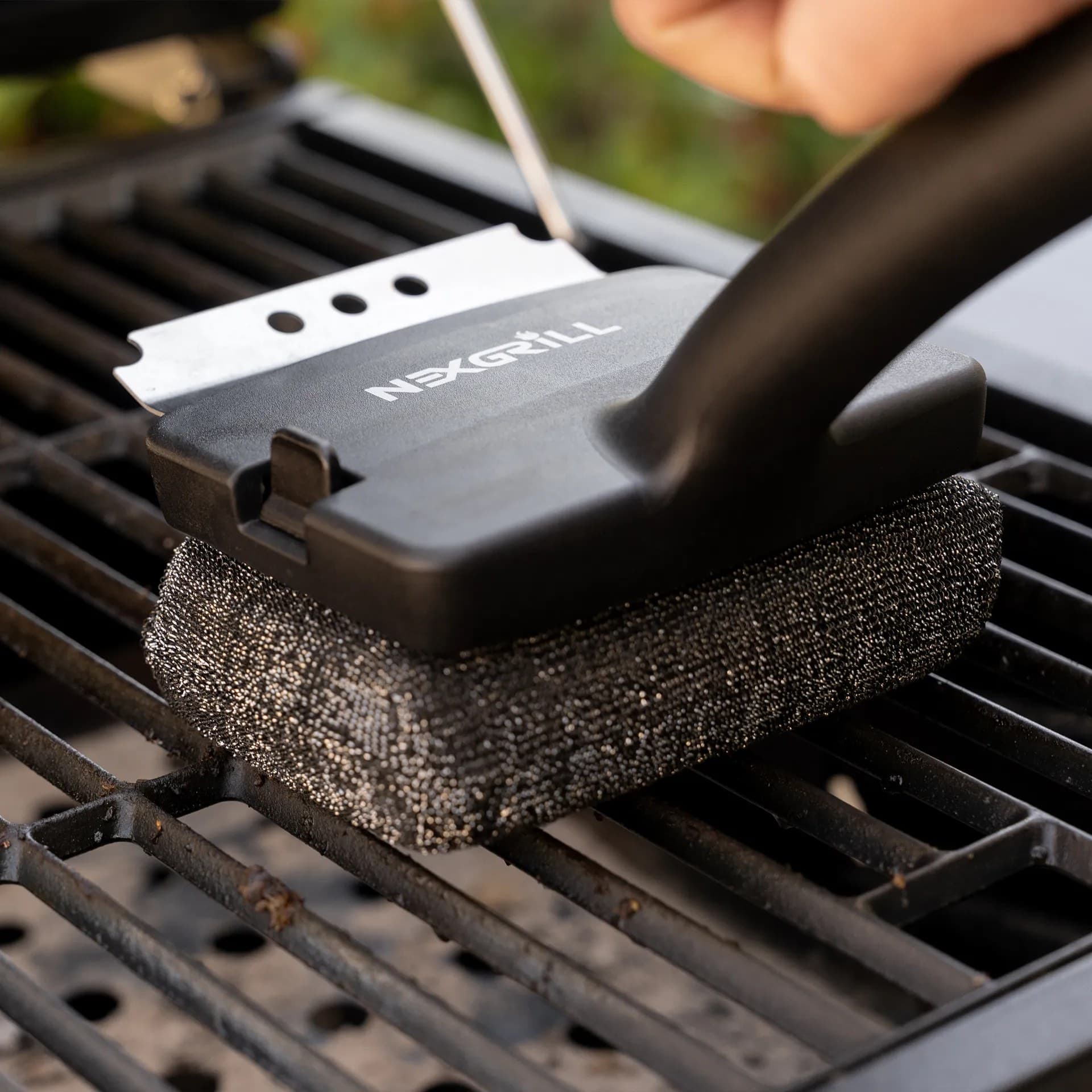
- Grill Brush: Ideal for scrubbing tough spots.
- Microfiber Cloth: Helps in polishing and drying the surface.
- Oil Spray Bottle: For even oiling after cleaning.
These tools are designed to handle the different surfaces and materials of griddles, ensuring thorough cleaning without causing damage.
Step-by-Step Cleaning Process
Follow these steps for effective cleaning of your griddle:
- Heat the griddle slightly to loosen food particles.
- Use the scraper to remove large food residues.
- Apply a small amount of warm water and scrub with a grill brush.
- Rinse and use a microfiber cloth to dry.
- Apply a thin layer of oil to prevent rust and maintain seasoning.
This process ensures that your griddle remains clean and free from buildup, maintaining its cooking efficiency and extending its life.
Oiling and Seasoning Your Griddle
Oiling and seasoning are crucial for the longevity and performance of your griddle, especially for cast iron types. Seasoning creates a non-stick surface and protects against rust. Here's how you can do it effectively:
After cleaning, apply a thin layer of high smoke point oil, such as canola or flaxseed oil. Heat the griddle until it starts to smoke, then let it cool. Repeat this process several times to build a strong seasoning layer.
Common Maintenance Mistakes to Avoid
Avoiding common mistakes can save your griddle from unnecessary wear and tear. Here are some pitfalls to watch out for:
- Using harsh chemicals that strip seasoning.
- Storing the griddle while it's still damp, leading to rust.
- Scratching non-stick surfaces with metal utensils.
By steering clear of these mistakes, you can ensure your griddle remains in top condition.
Long-Term Care and Storage Tips
Proper storage is key to maintaining your griddle. Always dry your griddle thoroughly before storing it. If possible, store it in a dry place to prevent moisture buildup. For cast iron griddles, consider using a protective cover to keep dust and moisture out.
Regularly check for signs of rust or wear, especially around the edges. Re-season your griddle every few months to maintain its protective layer. These practices will help in prolonging the life of your griddle.
FAQs on Griddle Maintenance
Should I oil my griddle after every use? Yes, oiling your griddle after every use helps maintain the seasoning and prevents rust.
Can you use Dawn dish soap on a Blackstone griddle? It's best to use mild soap sparingly and ensure thorough rinsing to maintain the seasoning.
How to cure a griddle for the first time? Clean it thoroughly, apply oil, and heat it until it smokes. Repeat the process for optimal results.
What is the best oil to condition a griddle with? Oils with high smoke points, like canola or flaxseed oil, are ideal for seasoning.
What are the best practices for storing a griddle? Ensure it is dry, store in a cool, dry place, and cover if possible.