Top 5 Must-Have Griddle Cleaning Tools for Beginners
Discover essential tools to keep your griddle spotless and extend its lifespan.
In This Article
Grill Scraper Benefits
Importance of Cleaning Pads
Oil Application Tools
Introduction to Griddle Maintenance
For any griddle enthusiast, maintaining a clean cooking surface is paramount. Not only does it ensure delicious meals, but it also extends the lifespan of your griddle. Beginners often overlook the significance of proper cleaning tools, which are essential to maintaining the quality and performance of your griddle. In this guide, we'll explore the top five must-have cleaning tools that every griddle owner should consider.
1. Grill Scraper: Your First Line of Defense
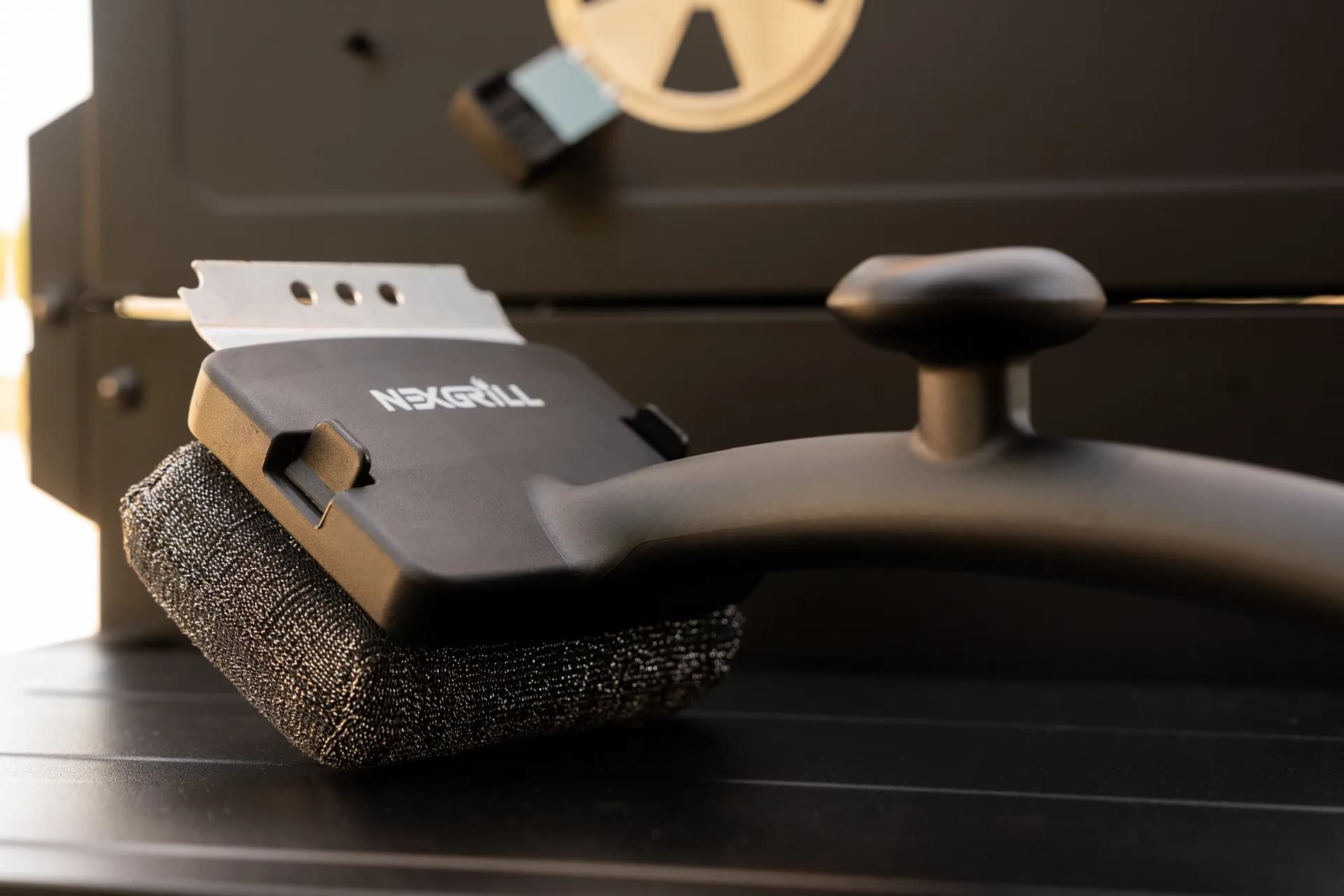
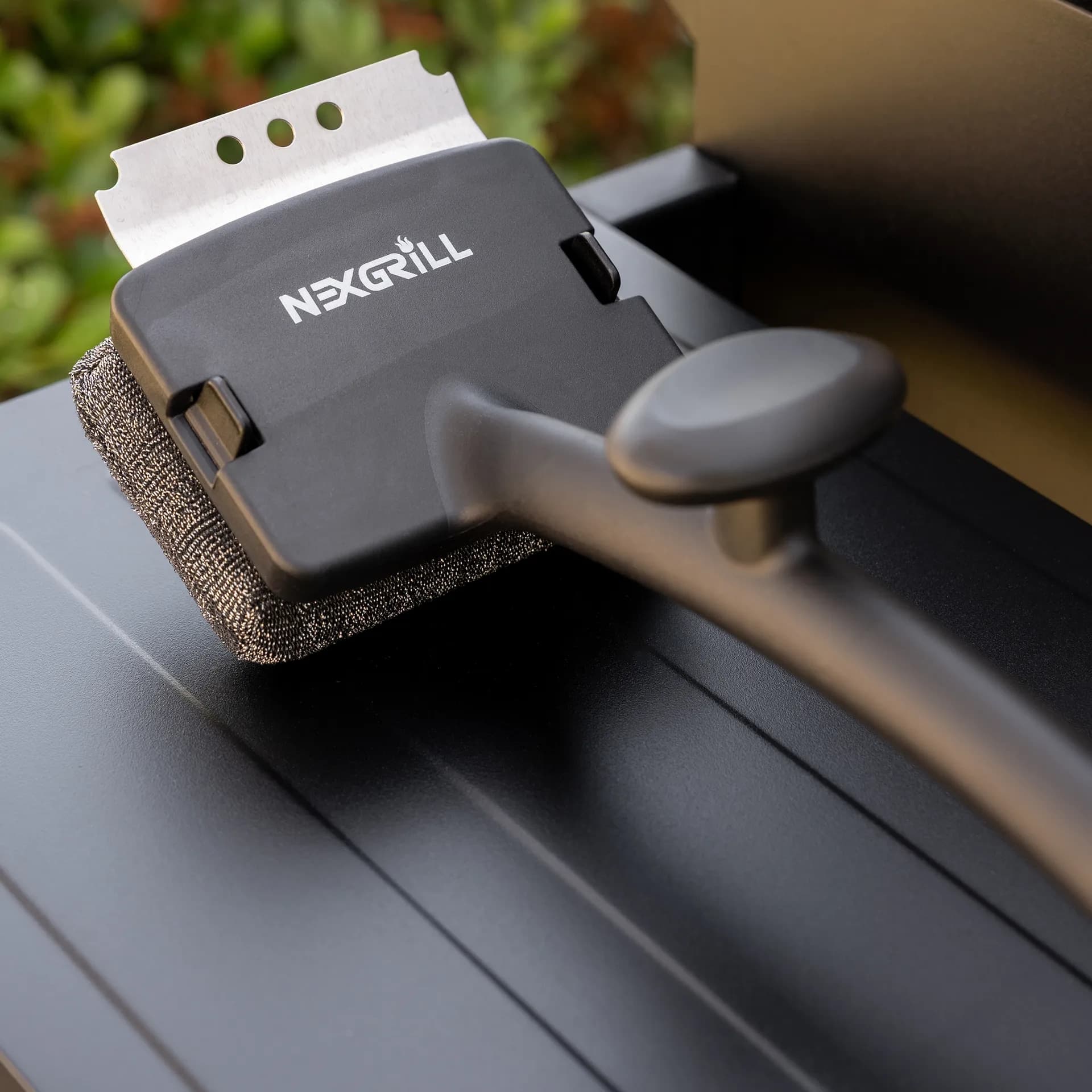
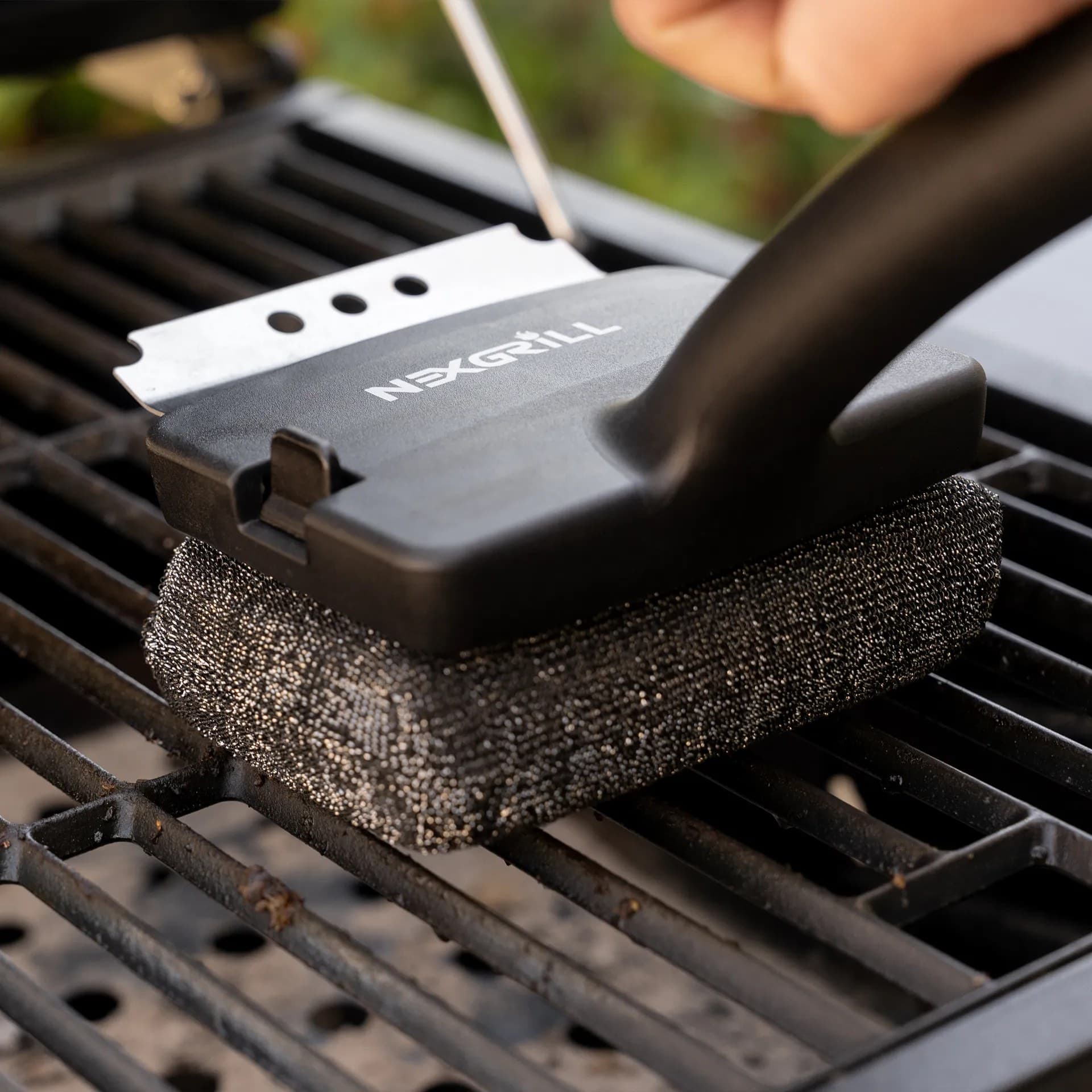
A grill scraper is indispensable for removing stubborn food residues and burnt bits from your griddle surface. These tools, often made of stainless steel, are designed to withstand high temperatures and provide a firm grip for effective cleaning. Using a scraper after each cooking session helps prevent buildup and ensures a smooth cooking surface for the next use.
Tip: Invest in a scraper with a replaceable blade to extend its usability.
2. Heavy-Duty Cleaning Pads
Cleaning pads are perfect for scrubbing away grease and grime without damaging the griddle surface. These pads are generally made of a durable material that can handle rigorous use. Pair them with a suitable cleaning solution to enhance their effectiveness. Opt for pads that are specifically designed for griddles to avoid scratching the surface.
| Pad Type | Material | Best For |
|---|---|---|
| Scouring Pad | Nylon | General Cleaning |
| Steel Wool | Stainless Steel | Heavy Duty Scrubbing |
3. Griddle Cleaning Solution
While water and soap might suffice for basic cleaning, a dedicated griddle cleaning solution can break down tough grease and grime more effectively. These solutions are formulated to tackle the specific challenges posed by griddle surfaces, ensuring that your cooking area remains spotless without leaving harmful residues.
Info: Always choose non-toxic, biodegradable cleaning solutions for safety and environmental reasons.
4. Oil Application Tools
Seasoning your griddle is crucial to prevent rust and maintain a non-stick surface. Tools like oil sprayers and basting brushes are perfect for applying a thin, even layer of oil after cleaning. This not only protects the griddle but also enhances the flavor of your food by creating a well-seasoned surface.
Choosing the Right Oil
Select oils with a high smoke point, such as canola or grapeseed oil, to ensure they withstand the griddle's heat without breaking down.
5. Microfiber Cloths
After cleaning and oiling, use microfiber cloths to wipe down the griddle. These cloths are highly absorbent and gentle, ensuring that your griddle surface is free of moisture and any leftover cleaning solution. Regular use of microfiber cloths helps maintain a pristine cooking surface, ready for your next culinary adventure.
of griddle owners report improved performance with regular cleaning.
By incorporating these tools into your griddle maintenance routine, you'll ensure a consistently clean and efficient cooking experience. Ready to explore your options? Try comparing two products side by side below to see which fits best:
Understanding Griddle Cleaning Challenges
Cleaning a griddle is not just about aesthetics; it's about maintaining its functionality and lifespan. New griddle owners often face challenges such as stubborn grease spots, uneven surfaces due to residue buildup, and potential rust formation. Addressing these issues requires not just the right tools but also a keen understanding of the cleaning process.
Common Mistakes in Griddle Cleaning
Many beginners make the mistake of using harsh chemicals or abrasive materials that can damage the griddle's surface. It's crucial to use tools specifically designed for griddles to avoid scratching or stripping away the seasoning.
Advanced Tips for Effective Griddle Cleaning
Once you've weighed two options against each other, here's what else matters. Regular maintenance is key. This means not only cleaning after each use but also conducting deep cleans periodically. A deep clean involves using a griddle stone or specialized cleaning pads to remove any deeply ingrained residues.
The Role of Heat in Cleaning
Heating your griddle slightly before cleaning can make a significant difference. Warm surfaces allow grease and food particles to loosen, making them easier to remove. However, ensure the griddle is not too hot to avoid burns or damaging cleaning tools.
Warning: Avoid using water on a hot griddle to prevent warping or cracking.
Seasonal Griddle Maintenance
Seasonal changes can affect your griddle's condition. During wetter months, ensure your griddle is stored in a dry place, and consider using a cover for added protection. In drier climates, focus on maintaining the seasoning by applying oil regularly.
Storage Solutions
Proper storage is essential to protect your griddle from environmental factors. Consider investing in a sturdy cover or storage case to shield it from dust, moisture, and pests.
Conclusion
Maintaining your griddle with the right tools not only ensures a better cooking experience but also extends the lifespan of your equipment. By following the tips and using the recommended tools, even beginners can achieve professional-level results. Explore the full range of griddle cleaning accessories and enhance your culinary adventures today.