A comprehensive guide to understanding prices, benefits, and maintenance of porcelain-coated grates.
Here's what sets us apart from the competition
We position ourselves as delivering high-end outdoor cooking features and performance without premium-brand pricing, emphasizing “Quality Grills. Unbelievable Value.”
We offer gas grills, pellet grills, griddles, smokers, pizza ovens, portable/tabletop grills, electric grills, accessories, and replacement parts — allowing customers to stay within one ecosystem for all outdoor cooking needs.
We differentiate ourselves through smart grilling products like the Oakford smart pellet grill, including app-connected cooking controls and modern outdoor cooking technology.

Expert tips, buying guides, comparisons, and inspiration for choosing and getting the most out of your grill.
Practical guides for cleaning, maintenance, common grill issues, and performance optimization.
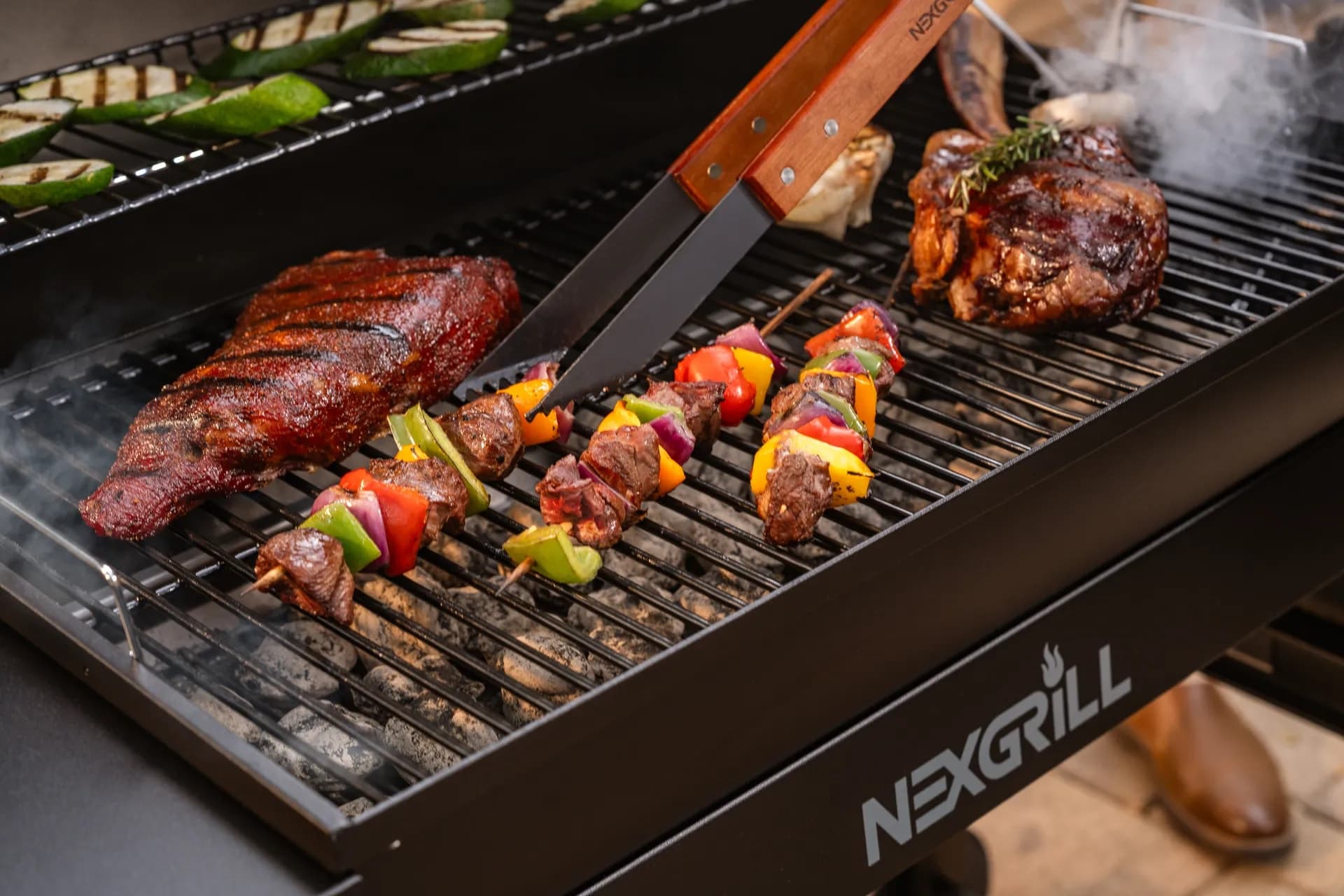
Step-by-step grilling recipes, cooking techniques, and meal ideas for every occasion and skill level.

Backyard entertaining ideas, seasonal grilling inspiration, and stories that celebrate outdoor cooking culture.
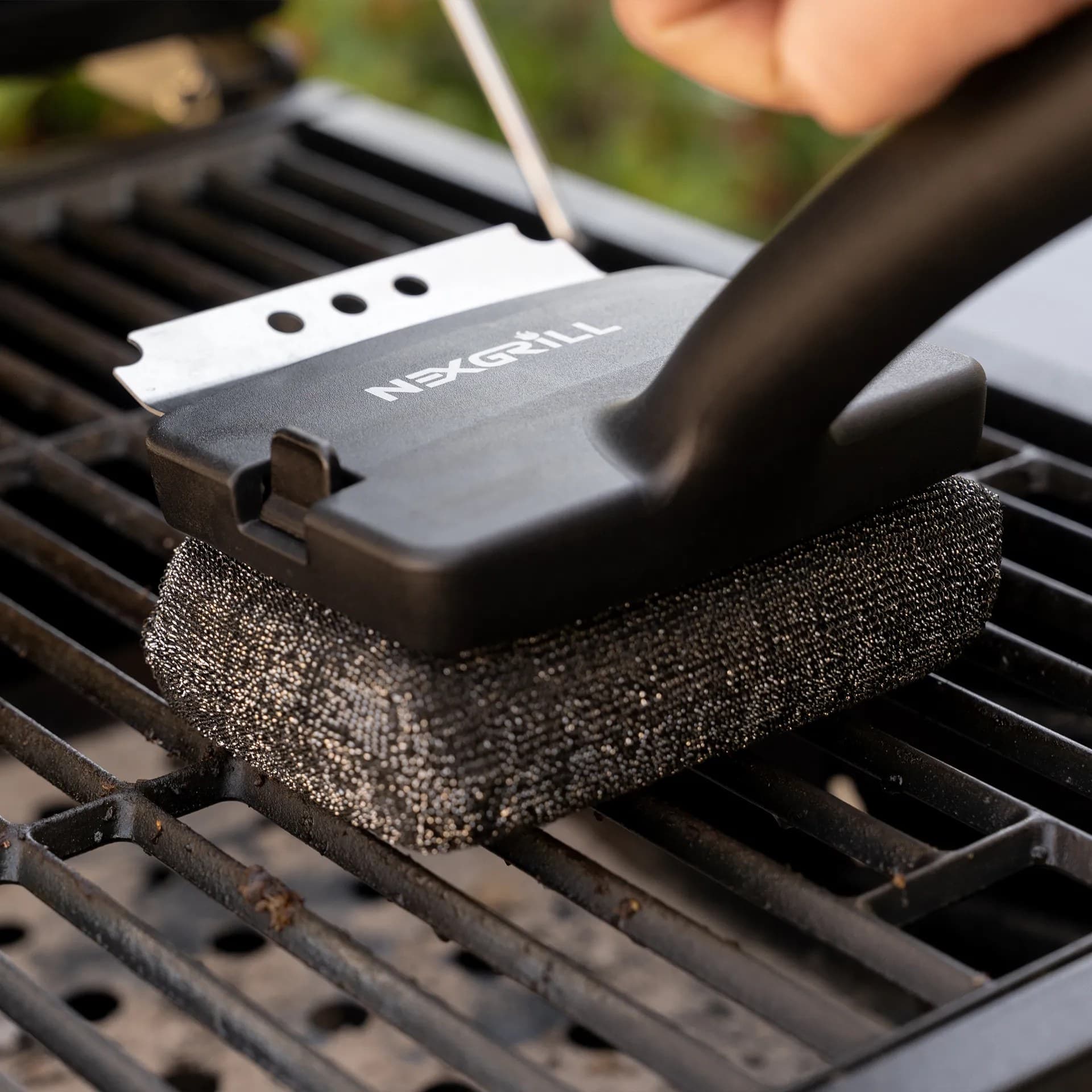
Helpful articles covering grilling tools, cookware, maintenance gear, and must-have accessories for outdoor cooking.
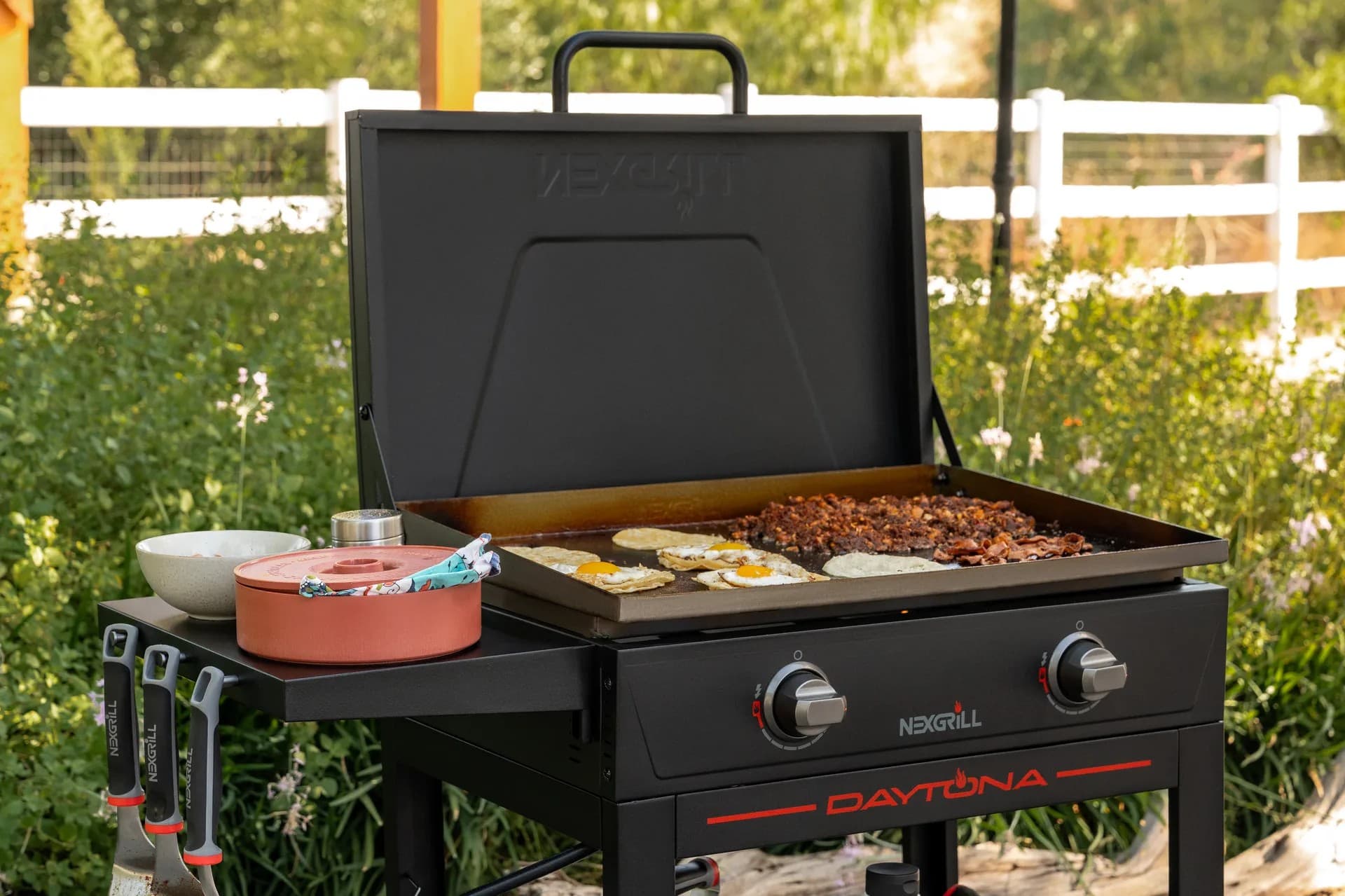
Find griddle recipes, cooking techniques, cleaning tips, and outdoor meal ideas designed for Nexgrill griddles.
Find answers to common questions
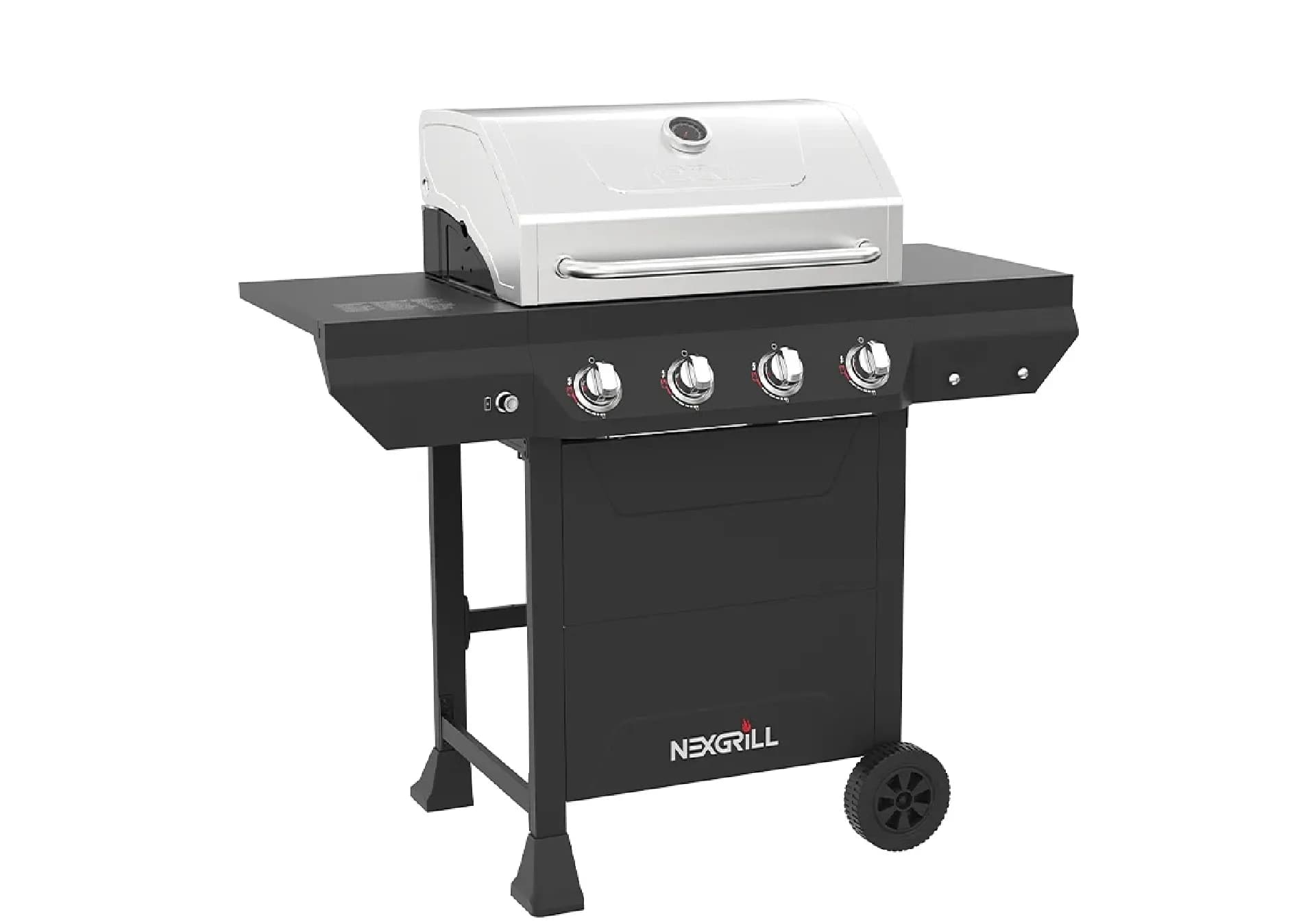
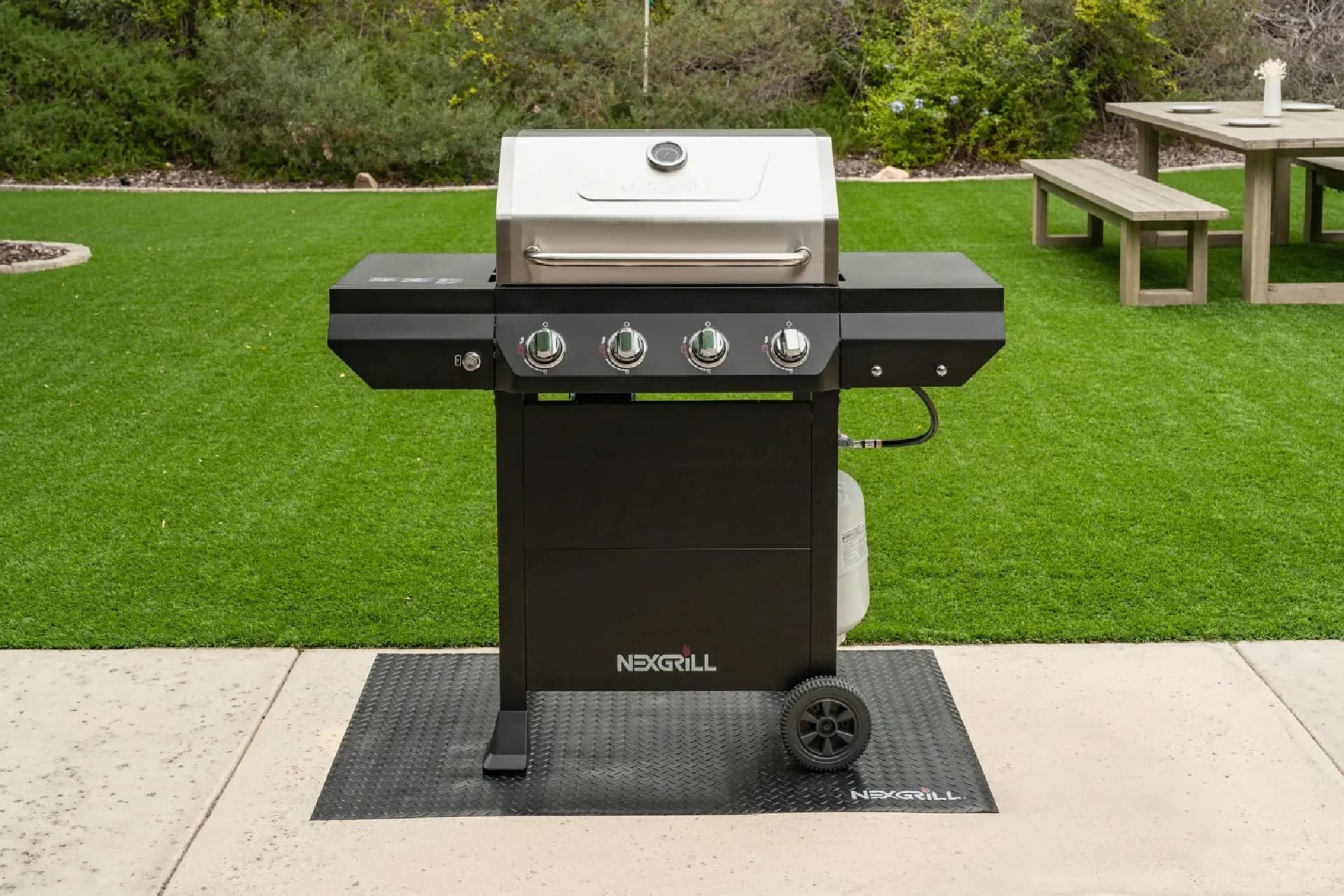
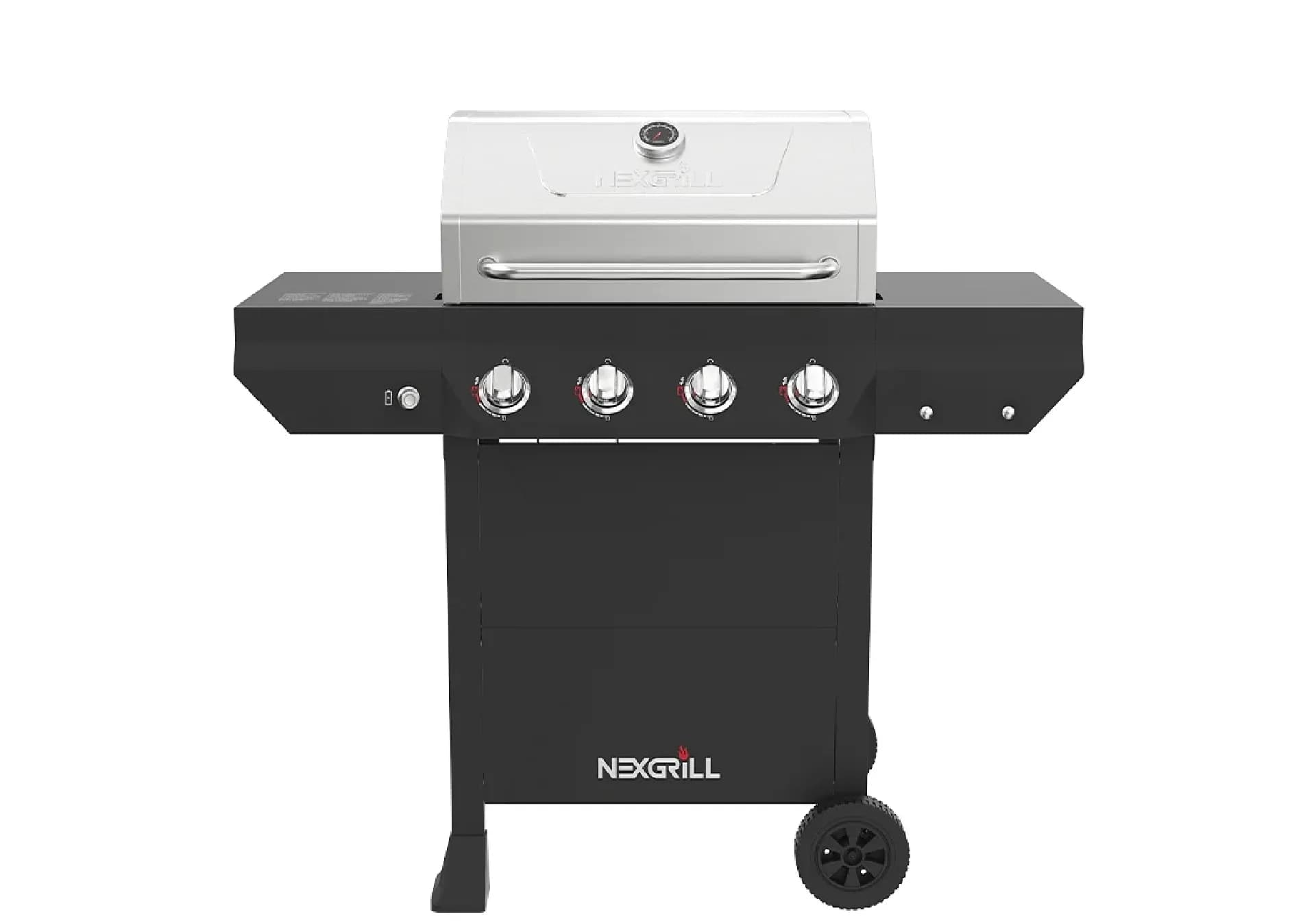
Nexgrill offers a variety of gas grills, including standard models, portable options, and premium designs with advanced features. Each is designed to cater to different grilling needs and preferences.
To clean your Nexgrill gas grill, regularly scrape down the grates, empty the grease tray, and wipe down exterior surfaces. Consult your model's manual for specific maintenance instructions and recommended cleaning products.
Nexgrill gas grills are designed to use either propane or natural gas, depending on the model. Ensure you read the specifications to determine the appropriate fuel type for your grill.
Many Nexgrill models can be converted from propane to natural gas with a conversion kit. Check the owner's manual for compatibility and details on the conversion process.
If your Nexgrill gas grill is not lighting, first check the fuel supply, ensure the gas lines are free of obstructions, and verify that the igniter is functioning. Consult the user manual for troubleshooting tips specific to your model.
In This Article
Benefits of Porcelain Grates
Price Ranges Explained
Maintenance Tips
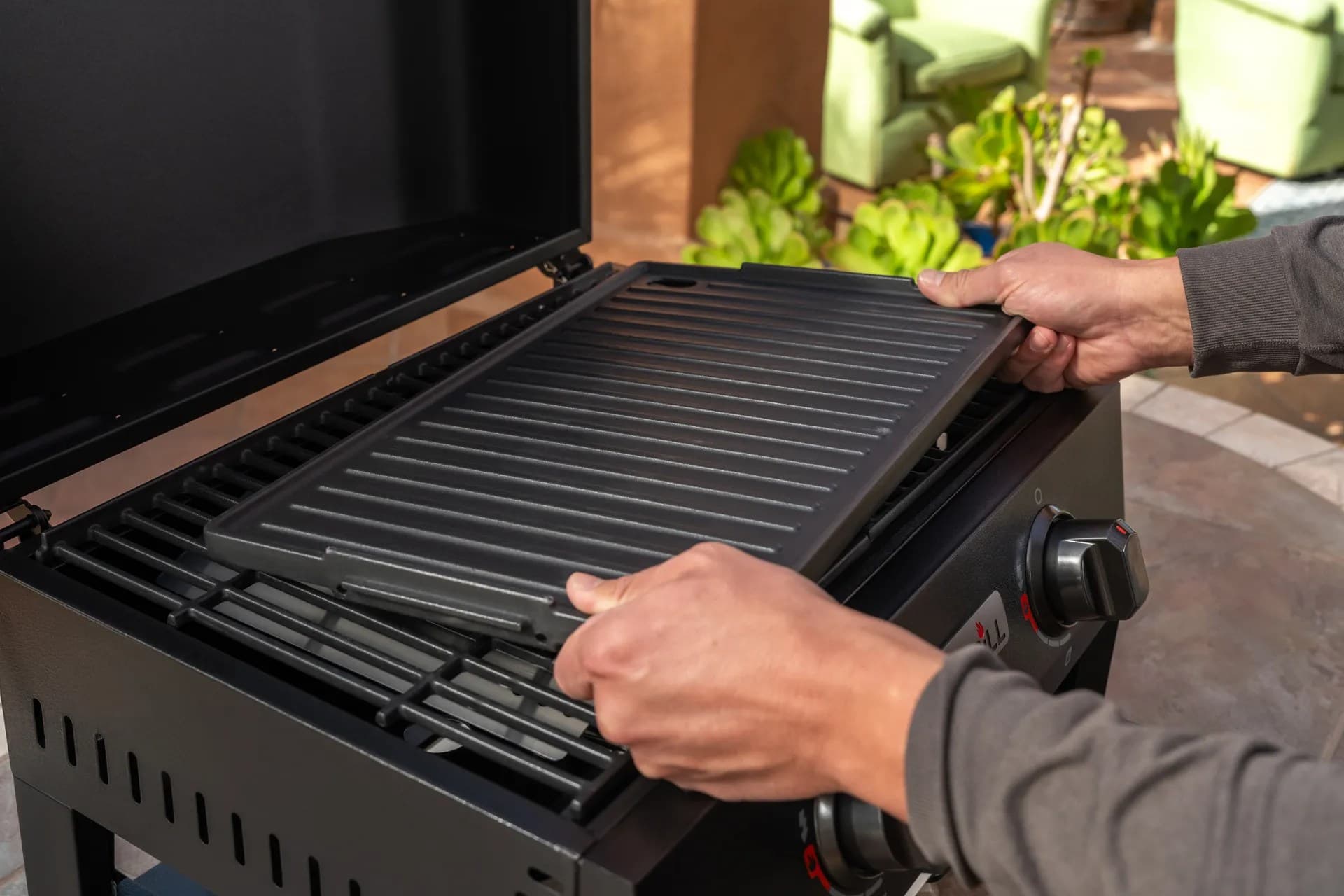
When shoppers search for gas-grill-with-porcelain-cast-iron-grates-price, they are usually trying to answer two questions at once: how much should a decent grill cost, and what makes this grate material worth paying for? Porcelain-coated cast iron grates sit in a useful middle ground for many backyard cooks. They combine the heat-holding strength of cast iron with a porcelain finish that helps resist sticking and makes routine cleanup easier than bare cast iron. That blend is one reason they show up on a wide range of gas grills, from value-focused backyard models to more feature-rich units sold through major retailers like Nexgrill’s all-products collection. Nexgrill’s public product lineup reflects how broad the grill market is, with options spanning compact two-burner setups, full-size four-burner grills, griddles, and pellet models rather than a single one-size-fits-all platform
For price comparison purposes, the grate material matters because it is part of the total ownership experience, not just a line item on a spec sheet. Cast iron is favored for searing because it retains heat well and creates strong grill marks; the porcelain coating adds a smoother surface that can feel more approachable for everyday use. In practical U.S. shopping terms, that can influence whether a grill lands in a lower midrange bucket or a slightly higher one, especially if the model also includes stainless steel burners, side shelves, an ignition system, or a cabinet base. Nexgrill’s brand position emphasizes accessible pricing and practical features for a broad audience, which lines up well with buyers who want performance without chasing luxury-tier pricing
Price is only meaningful when you compare it against cooking surface, burner count, and the grate material you will actually use every weekend.
Porcelain-coated cast iron grates are valued because they hold and transfer heat efficiently for searing and browning.
The most common mistake buyers make is judging grill value only by burner count or overall size. A smaller grill with well-made porcelain-coated cast iron grates can outperform a larger grill with thinner, less heat-stable parts if the cookbox design and burner layout are better matched. That is why this article focuses on the relationship between grate material and price: porcelain-coated cast iron often adds value where it counts most, especially for cooks who want reliable contact heat for burgers, steaks, chops, peppers, and chicken pieces. Consumer Reports’ grill buying guidance also stresses that shoppers should evaluate overall cooking performance, durability, and convenience features together rather than relying on a single specification
The biggest advantage of porcelain-coated cast iron grates is how they manage heat. Cast iron is dense and naturally holds temperature well, which helps keep food in contact with a hot surface even after you place cold burgers or vegetables on it. That matters during real cooking, because a grate that loses heat quickly can lead to weaker sear marks, more sticking, and uneven browning. The porcelain coating does not replace cast iron’s thermal behavior; it adds a smoother, more user-friendly surface on top. For many households, that combination is the sweet spot between performance and day-to-day convenience.
A second benefit is flavor and appearance. Grill marks are not the whole story, but they do show that the grate is transferring heat effectively. More importantly, well-heated cast iron helps the Maillard reaction develop on the surface of meat and vegetables, creating the savory browning that many backyard cooks chase. The porcelain finish also tends to make it easier to release food when the grill is properly preheated and lightly oiled. That means fewer torn fish fillets, fewer stuck vegetable slices, and less scraping after dinner. For families who grill several times a month, that convenience is often worth paying a little more for than a bare steel alternative.
There is also a practical cleaning advantage. While porcelain-coated cast iron still needs care, the coating can reduce the amount of residue that bonds directly to the metal surface. That can make post-cook brushing easier and can help owners avoid the common frustration of scrubbing browned-on grease from raw iron. In a price context, this convenience often shows up on grills that sit above the entry-level tier but do not reach premium price points. For many buyers, that is exactly the right compromise: enough durability and heat performance to feel substantial, without moving into a much more expensive stainless-heavy model.
If you like steaks with defined sear lines but still want simple weeknight cleanup, porcelain-coated cast iron is one of the most practical grate choices.
This material is also a good fit for mixed-use grilling. If your household cooks burgers one night, vegetables the next, and bone-in chicken on the weekend, the grates need to handle both direct heat and occasional longer cooks. Cast iron’s thermal mass helps keep temperatures steadier when the lid opens and closes, while the porcelain layer can make the surface feel less intimidating to new grill owners. That is a meaningful point for Nexgrill’s audience, which includes both first-time buyers looking for value and experienced grillers who want dependable performance without overspending.
Prices for gas grills with porcelain-coated cast iron grates can vary widely in the United States, and the grate material is only one part of the final sticker price. In practice, shoppers usually see three broad pricing bands. Entry-level grills with porcelain-coated cast iron grates often land around USD 150 to USD 300, especially on smaller two-burner or compact cart-style models. Midrange grills usually fall in the USD 300 to USD 700 range, where you are more likely to see larger cook surfaces, better ignition systems, side tables, and more durable cart construction. Higher-feature grills can move past USD 700, particularly when they add extra burners, side burners, larger cooking areas, premium lid materials, or more refined cabinetry.
The best way to think about the price is to ask what else is bundled with the grate material. A porcelain-coated cast iron grate on a modest two-burner grill may be paired with a simpler firebox and lighter cart, while the same grate material on a family-sized four-burner unit may sit inside a heavier frame with more workspace and more consistent heat coverage. Nexgrill’s product range shows this variety clearly, with models across different categories rather than a single fixed price point. That spread is useful for buyers because it lets them choose the size and features they actually need instead of paying for extras they will not use
| Typical U.S. price band | Common grill profile | What you usually get |
|---|---|---|
| USD 150 to USD 300 | Compact two-burner grills | Basic cart, smaller cooking area, simpler controls, porcelain-coated cast iron grates on some models |
| USD 300 to USD 700 | Midrange family grills | More burners, better heat zoning, side shelves, stronger carts, broader grate coverage |
| USD 700+ | Feature-rich or larger grills | Expanded cook space, side burner or cabinet features, heavier materials, more cooking flexibility |
For buyers comparing brands, it helps to treat porcelain-coated cast iron as a value feature rather than a luxury marker. The coating and material can support better cooking behavior, but the real price driver is the total system: burner count, lid construction, ignition reliability, and how well the heat is distributed under the grates. Consumer Reports advises comparing overall performance and durability, not just headline features, which is especially relevant for this category because a grill that feels inexpensive up front can cost more later if it performs unevenly or needs replacement parts sooner
If you are shopping at the middle of the market, a porcelain-coated cast iron grate can be one of the reasons a grill feels like a better buy than a bare-bones alternative. You are paying for better contact heat, a more familiar cooking feel, and often a more versatile everyday experience. Try comparing two products side by side below to see which fits best:
Once you have compared two grills side by side, the next question is usually whether porcelain-coated cast iron is actually better than stainless steel for your cooking style. The honest answer is that the right choice depends on what you value most. Porcelain-coated cast iron generally wins on heat retention and searing feel. Stainless steel typically wins on corrosion resistance and lower stress maintenance. Neither material is perfect, and both can last well if they are used and cared for properly. The price difference often reflects those trade-offs more than any one absolute advantage.
Cast iron grates with a porcelain coating tend to hold heat more aggressively, which helps if you cook steaks, smash burgers, or vegetables that benefit from quick browning. Stainless steel grates, by contrast, can warm up fast and recover reasonably well, but they usually do not provide the same heavy thermal mass. That means a stainless grate may feel easier for a casual griller who wants low effort, while a porcelain-coated cast iron grate may appeal to someone who notices the difference in crust, char, and grill marks. The cookout result is often worth the extra attention those grates need.
| Material | Main strength | Main drawback | Best fit |
|---|---|---|---|
| Porcelain-coated cast iron | Excellent heat retention and strong searing performance | Coating can chip if mishandled | Frequent grillers who want richer browning |
| Stainless steel | Resists corrosion and is easier to live with | Usually less heat-heavy than cast iron | Low-maintenance buyers and humid climates |
| Bare cast iron | Very strong heat retention | Requires more seasoning and rust prevention | Hands-on cooks who do not mind upkeep |
Price often maps to that maintenance trade-off. Stainless steel grates are frequently included in higher-end grills, but not always because the grates themselves are superior in cooking feel. Sometimes the premium comes from broader materials packages, heavier lids, or a different brand positioning. Porcelain-coated cast iron often appears on models that are designed to feel substantial without pushing the grill into the most expensive bracket. For many U.S. buyers, that makes it one of the best cost-to-performance options if they are willing to handle it with a little care.
Consumer Reports’ grill buying advice is useful here because it reminds shoppers to think about the full cooking system, not just the grate surface. Burner layout, temperature control, and the ability to create direct and indirect heat zones influence real-world results as much as the grate material does
Good care is the difference between a grate that feels solid for years and one that starts showing wear too quickly. Porcelain-coated cast iron grates should be cleaned while the grill is still warm, not blazing hot. A stiff grill brush can remove loose residue, and a light wipe with a damp cloth after cooling can help clear stubborn grease. Avoid using metal tools that can chip the coating, because once the porcelain finish is damaged, moisture can reach the cast iron underneath and accelerate rusting. That is the real maintenance risk with this material.
Do not soak porcelain-coated cast iron grates in water for long periods. Moisture can seep into chips or cracks and shorten grate life.
A small amount of cooking oil can help protect the surface after cleaning, especially if you live in a humid area or store your grill outside. You do not need to heavily season porcelain-coated grates the way you would bare cast iron, but a thin wipe of oil after drying can help keep food release consistent. If the grill is not used often, keep the lid closed and use a fitted cover to reduce dust and moisture exposure. The goal is to keep the coating intact and the iron underneath dry.
It also helps to inspect the grates every few weeks during grilling season. Look for chips, rough spots, or areas where the porcelain coating has started to flake. Small imperfections can be managed, but larger failures may mean it is time for a replacement grate. In price terms, spending a little extra on maintenance now is usually cheaper than replacing a whole grate set later. Nexgrill’s brand approach emphasizes dependable outdoor cooking experiences and practical care, which fits this kind of routine ownership mindset well
User reviews for gas grills with porcelain-coated cast iron grates tend to follow a familiar pattern. Owners like the searing ability, the visible grill marks, and the way the grates feel during everyday cooking. The most common praise is that food browns well without requiring a steep learning curve. Many reviewers also appreciate that the grates are easier to clean than raw cast iron, provided they are brushed soon after cooking. For family cooks, that convenience matters more than technical jargon.
The most common complaints are not about cooking performance; they are about handling and longevity. If the coating chips because a grate was dropped, scrubbed too aggressively, or exposed to moisture after damage, rust can appear. Some owners also notice that thicker cast iron grates can take longer to preheat, which is normal and often mistaken for a flaw. In practical terms, the cure is patience and proper preheating. Let the grill come up to temperature before adding food, and the grate will usually perform the way buyers expect.
If a review mentions poor searing, check whether the reviewer preheated long enough. Porcelain-coated cast iron usually performs best after a full warm-up.
Another issue buyers mention is uneven coating quality across brands. That is why the price spread can be misleading: two grills may both advertise porcelain-coated cast iron grates, but the thickness of the casting, the quality of the coating, and the overall grill structure can differ a lot. A modest price is not a problem if the build is balanced; a low price is only a problem when the rest of the grill feels undersized or flimsy. This is where reading material-focused reviews and comparing retailer specs really pays off.
Porcelain-coated cast iron grates are a smart choice for many gas grill buyers because they bring together strong heat retention, good browning, and a surface that is easier to live with than bare cast iron. When you compare gas-grill-with-porcelain-cast-iron-grates-price, the best value usually appears in the midrange, where the grill has enough construction quality to support the grates properly. If you want a balance of performance, upkeep, and cost, this is one of the most practical grate materials to look for.
For shoppers who want a well-rounded buying perspective, Nexgrill’s broader product lineup and consumer-oriented brand approach offer a useful starting point for comparing features, build quality, and price tiers in the U.S. market
Here's what sets us apart
We position ourselves as delivering high-end outdoor cooking features and performance without premium-brand pricing, emphasizing “Quality Grills. Unbelievable Value.”
We offer gas grills, pellet grills, griddles, smokers, pizza ovens, portable/tabletop grills, electric grills, accessories, and replacement parts — allowing customers to stay within one ecosystem for all outdoor cooking needs.
We differentiate ourselves through smart grilling products like the Oakford smart pellet grill, including app-connected cooking controls and modern outdoor cooking technology.
Don't just take our word for it
Keep reading
From our catalog