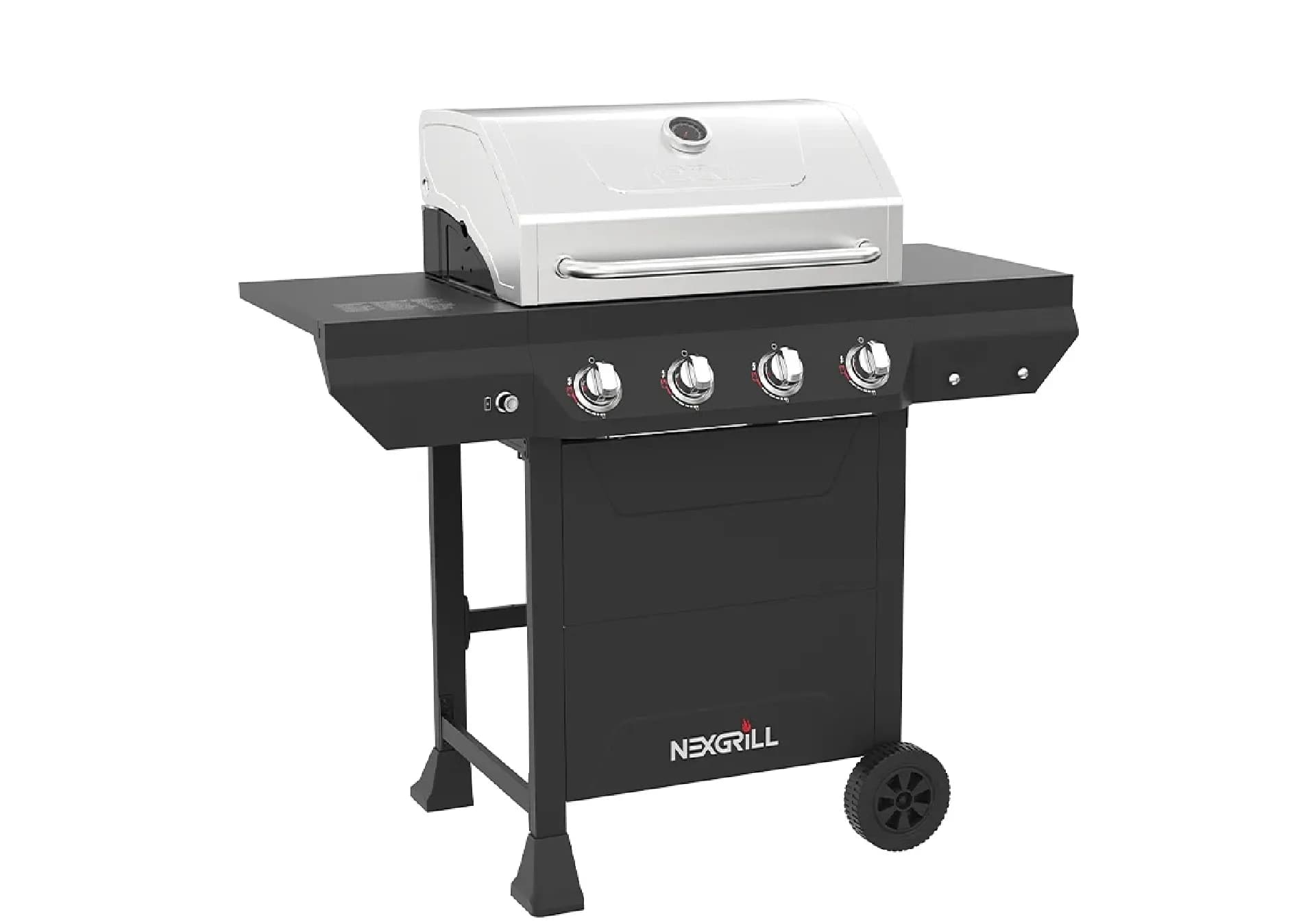
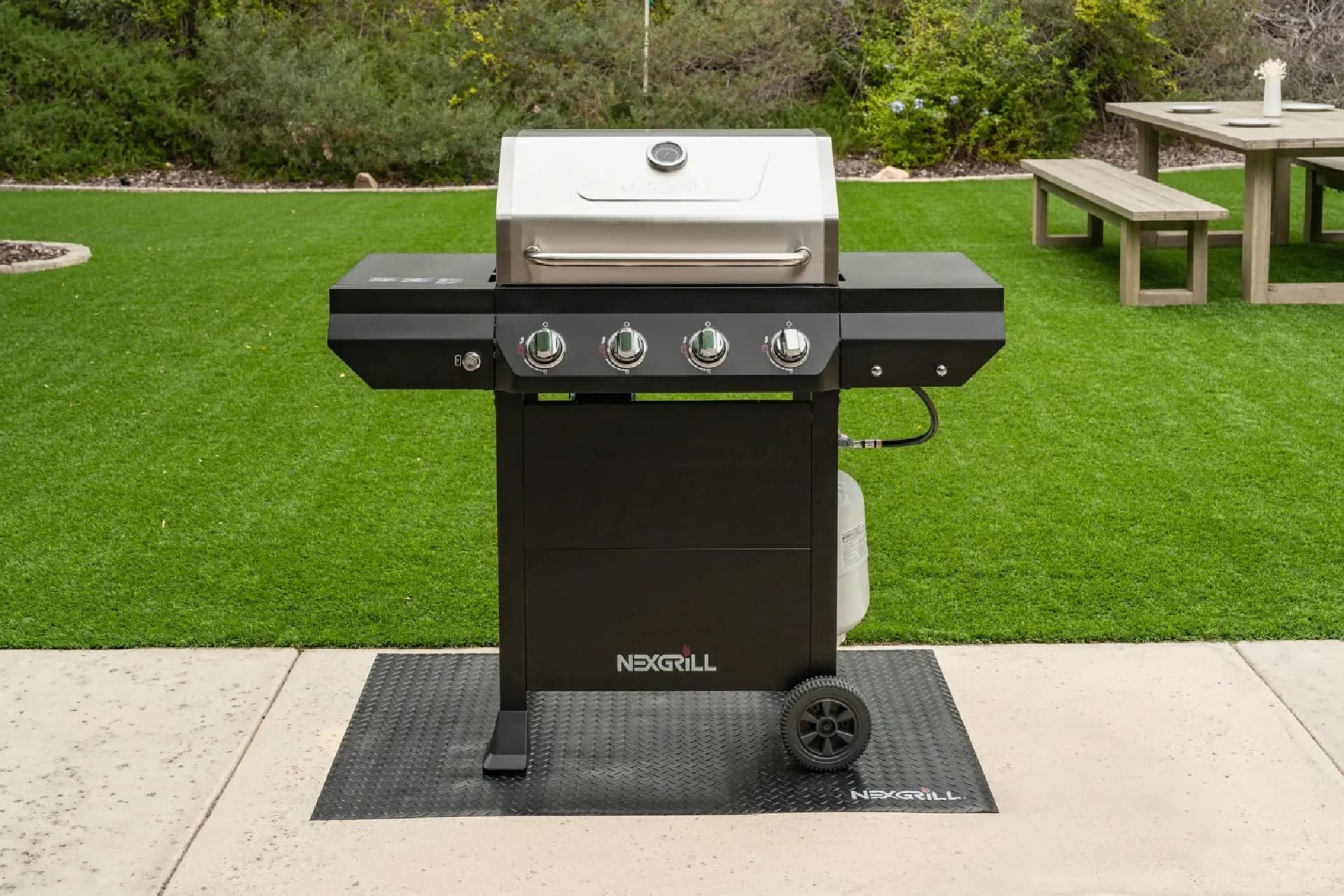
Explore the best gas grills featuring versatile griddle tops for outdoor cooking.
Here's what sets us apart from the competition
We position ourselves as delivering high-end outdoor cooking features and performance without premium-brand pricing, emphasizing “Quality Grills. Unbelievable Value.”
We offer gas grills, pellet grills, griddles, smokers, pizza ovens, portable/tabletop grills, electric grills, accessories, and replacement parts — allowing customers to stay within one ecosystem for all outdoor cooking needs.
We differentiate ourselves through smart grilling products like the Oakford smart pellet grill, including app-connected cooking controls and modern outdoor cooking technology.

Expert tips, buying guides, comparisons, and inspiration for choosing and getting the most out of your grill.

Practical guides for cleaning, maintenance, common grill issues, and performance optimization.

Step-by-step grilling recipes, cooking techniques, and meal ideas for every occasion and skill level.

Backyard entertaining ideas, seasonal grilling inspiration, and stories that celebrate outdoor cooking culture.

Helpful articles covering grilling tools, cookware, maintenance gear, and must-have accessories for outdoor cooking.

Find griddle recipes, cooking techniques, cleaning tips, and outdoor meal ideas designed for Nexgrill griddles.
Find answers to common questions
Nexgrill offers a variety of gas grills, including standard models, portable options, and premium designs with advanced features. Each is designed to cater to different grilling needs and preferences.
To clean your Nexgrill gas grill, regularly scrape down the grates, empty the grease tray, and wipe down exterior surfaces. Consult your model's manual for specific maintenance instructions and recommended cleaning products.
Nexgrill gas grills are designed to use either propane or natural gas, depending on the model. Ensure you read the specifications to determine the appropriate fuel type for your grill.
Many Nexgrill models can be converted from propane to natural gas with a conversion kit. Check the owner's manual for compatibility and details on the conversion process.
If your Nexgrill gas grill is not lighting, first check the fuel supply, ensure the gas lines are free of obstructions, and verify that the igniter is functioning. Consult the user manual for troubleshooting tips specific to your model.
In This Article
Versatile Cooking Options
Top Model Comparisons
User Insights
A gas grill with a griddle top sits in a useful middle ground for outdoor cooks who want more than one cooking surface in a single setup. Instead of choosing between open-grate grilling and flat-top cooking, you get both styles working side by side. That matters in real backyards because breakfast, lunch, and dinner rarely need the same tool. On one cook, you might want pancakes, onions, and eggs on the griddle while chicken thighs or skewers sear on the grill side. On another, you may use the flat surface for smash burgers, seafood, or fajita vegetables while the grates handle corn, sausages, or thicker cuts of meat.
For shoppers comparing this category, the appeal is not just versatility. It is also about better use of patio space and a more forgiving learning curve for mixed meals. Griddle tops help with delicate foods that would fall through grates or dry out too quickly, while gas burners give faster heat-up and easier temperature control than charcoal-based setups. That combination is one reason these grills show up in a wide range of home cooking scenarios, from small family dinners to weekend gatherings where different guests want different foods cooked in different ways.
A good gas grill with a griddle top should feel like two tools that actually share heat well, not like one add-on that compromises the other.
Nexgrill’s outdoor cooking approach emphasizes practical value and real-world usability, which is important in a review like this. The best models are not only judged by style or burner count, but by how efficiently they move from preheat to cooking, how evenly they distribute heat across the flat surface, and how easy they are to keep clean after messy ingredients like bacon, onions, sauces, or cheese. Since the griddle surface changes the cooking rhythm, buyers should expect a different experience than a standard gas grill: more surface contact, faster browning on some foods, and more attention to oil management and scrape-down routines.
If you are reading a gas-grill-with-griddle-top-review because you are not sure whether this format is worth it, the short answer is yes, if you cook a mix of foods and want one appliance that can handle more than traditional grilling alone. The longer answer depends on size, plate material, burner layout, grease control, and how much of the cooking area is actually usable at a steady temperature. Those are the traits that separate a convenient cookout tool from a model that becomes frustrating after the novelty wears off.
The main reason buyers choose this category is the ability to grill and griddle in one session.
When reviewing top gas grills with griddle tops, it helps to focus on actual cooking behavior rather than brand hype. Nexgrill’s Daytona griddle lineup is a strong reference point because it shows how size and burner count affect the real experience. The Daytona 2-Burner Gas Griddle with Lid is a sensible choice for smaller patios or households that cook for two to four people. Its compact format makes it easier to heat quickly, and the lid adds value when you want to protect the surface between uses or trap heat for softer foods. The trade-off is obvious: smaller surface area means you need to batch-cook more often during larger gatherings.
For buyers who host more often, the Daytona 4-Burner Propane Gas Griddle in Black gives a larger flat-top footprint and better zone control. A four-burner layout is especially useful for dividing the cooking surface into hot, medium, and low heat areas. That matters when you are managing a busy morning breakfast or preparing multiple proteins at once. A well-sized griddle also reduces crowding, which improves browning and helps food cook at a more predictable pace. The stainless steel Daytona 4-burner flat top griddle grill adds a material advantage for buyers who want a cleaner look and a surface that feels more robust in daily use.
The Daytona Pro 5 Burner Nitroguard Propane Gas Griddle pushes further into performance territory. More burners generally mean better control over separate cooking zones, although the actual result depends on how evenly the heat is delivered across the plate. For serious home cooks, this kind of model is attractive because it can manage multiple dishes simultaneously without forcing everything into one temperature compromise. A larger griddle can also be more comfortable for entertaining because guests can gather around breakfast tacos, stir-fried vegetables, or a full brunch spread without constant waiting.
A useful way to think about these models is in terms of use case rather than ranking alone.
| Model | Best for | Primary advantage |
|---|---|---|
| Daytona 2-Burner Gas Griddle with Lid | Small households and tighter spaces | Faster heating and easier storage |
| Daytona 4-Burner Propane Gas Griddle in Black | Families and weekend entertaining | Better zone control and cooking area |
| Daytona Pro 5 Burner Nitroguard Propane Gas Griddle | Frequent cooks and larger groups | More surface coverage and flexibility |
Outside Nexgrill, shoppers often cross-shop Weber, Blackstone, and Royal Gourmet because each brand brings a different reputation to the category. Weber is associated with long-standing grill durability and polished build quality, Blackstone is strongly associated with dedicated flat-top cooking, and Royal Gourmet often competes on feature density and value. The practical question is not which brand name is strongest in the abstract. It is whether you want a hybrid gas grill with a griddle top, or a griddle-first appliance that happens to include grill functionality. That distinction affects cooking style, cleanup, and how often you will use the grill side versus the flat-top side.
The most important feature in this category is surface size, but size alone does not tell the whole story. You need enough griddle area to cook the meals you actually make, not just enough square inches to sound impressive. If you regularly cook breakfast for several people, a small plate can become a bottleneck. If you mostly cook for two, a huge top may waste fuel and take longer to manage. Burner layout matters just as much, because multiple burners allow better heat zoning and more control over how quickly different ingredients finish. A flat-top setup should give you a hot sear zone and a cooler holding zone if you want to move foods around efficiently.
Material is another major factor. Steel thickness influences heat retention, recovery after food is added, and how resistant the surface feels to warping over time. Stainless steel components can also be easier to keep looking clean, though the real maintenance burden depends on grease buildup and seasoning habits. For buyers who cook oily foods or sauces frequently, smooth surface recovery after scraping becomes important. A griddle that heats quickly but cools unevenly can create frustrating hot spots, especially when you are cooking multiple foods with different moisture levels.
Heating efficiency is where many shoppers underestimate the difference between models. Some griddles preheat faster but lose too much temperature when cold food hits the surface. Others recover more slowly but hold heat better across the full plate. In practical terms, the best review metric is not just how hot the surface gets, but how consistently it stays hot in the center and near the edges. That is where cooking time and heat distribution become meaningful measurements. Fast preheat is useful, but even heat matters more once you start cooking.
Here is a simple feature-by-feature way to judge the category.
| Feature | Why it matters | What to favor |
|---|---|---|
| Cooking surface | Determines batch size and menu flexibility | Enough room for your typical meal plus a buffer |
| Burner count | Controls heat zones and recovery | At least 2 zones; 4 or 5 for frequent hosting |
| Plate material | Affects retention and durability | Heavier, corrosion-resistant construction |
| Lid or cover | Improves protection and some cooking tasks | A lid if you want versatility and storage protection |
If you want a quick decision rule, buy for surface area and burner control first, then look at build material and convenience features second. Griddle tops are only as useful as the temperature consistency they provide, and that consistency depends on how the grill is designed underneath the plate. Try comparing two products side by side below to see which fits best:
Performance in this category is best judged by how quickly the grill is ready, how evenly it cooks, and how well it handles a full load of food. A smaller two-burner griddle generally heats up faster because there is less mass to warm, which can be ideal for weekday breakfasts or quick burgers. Larger four- and five-burner setups take longer to preheat, but they often recover better once cold ingredients are added. That means a larger grill may not feel as instant, but it can feel steadier during long cooking sessions.
Heat distribution is where griddle tops can impress or disappoint. The best results come when the center and edges remain close enough in temperature that you can cook eggs or pancakes without constant repositioning. A performance-minded buyer should expect some gradient across the surface because most griddles naturally have hot spots near burners. The question is whether those hot spots are usable or disruptive. Good zoning lets you use the griddle like a work surface with different temperatures, while poor distribution forces you to move everything around constantly.
Cooking time should also be understood by food type. Thin items like bacon, tortillas, onions, shrimp, and smash burgers benefit from a griddle because the direct contact creates quick browning. Thicker foods may still belong on the grill side if you want more char and less full-surface contact. That is why this hybrid format works so well for mixed menus. On a Saturday morning, you can cook hash browns and sausage on the flat top while warming buns or finishing sliced vegetables over open grates. In a weekday dinner scenario, you can sear chicken or fish on the griddle and keep asparagus or peppers on the grates with less juggling.
The strongest performers are not always the hottest grills. They are the ones that hold an even working temperature after food hits the surface.
User-generated feedback on gas grills with griddle tops usually falls into a few repeating themes. People love the flexibility once they get used to planning meals around the surface. Many home cooks describe the griddle as the part of the grill they use most often because it is easier for breakfast foods, vegetables, and smash burgers than traditional grates. Others point out that the learning curve is modest but real: a flat-top cooks fast, and if you do not manage oil, heat, and scraping well, food can brown too aggressively or stick in awkward spots. Those early frustrations often fade once users build a better routine.
In user reviews, the most positive comments often mention family meals and entertaining. Owners appreciate being able to cook multiple portions at once without juggling small pans indoors. That is especially true for busy households where one person wants eggs, another wants bacon, and a third wants vegetables or tortillas. A griddle top makes that type of meal feel organized instead of chaotic. Reviewers also often note that cleanup is easier than managing multiple pans, though only if grease trays and surface scraping are done promptly.
Critical feedback usually centers on two issues: uneven heating and underestimating size. Some buyers expect a compact model to handle large gatherings, and others assume all griddle surfaces feel the same from edge to edge. In reality, model choice matters. A two-burner setup can be perfect for a couple or a small family but will feel cramped during a party. Larger models get better feedback when they are matched to a realistic cook count. The review pattern is clear: satisfaction rises when the grill size matches the household’s actual routine.
For a practical buyer, that means user reviews should be read with context. If a reviewer complains that a model is too small, ask whether they bought it for the wrong use case. If another reviewer praises quick heating, check whether they are comparing it to a much larger unit. The best feedback is often the most specific: how many people were fed, what foods were cooked, how long preheat took, and whether the cleanup routine felt manageable afterward.
Once you've weighed two options against each other, the next question is how to keep a gas grill with a griddle top performing well over time. The care routine is different from a standard grill because the flat surface needs both heat management and surface protection. After cooking, scrape residue while the plate is still warm, then wipe away excess oil and food particles before they harden. That habit matters because griddle tops build up seasoning differently than open grates. If you let residue sit too long, cleanup becomes more difficult and heat transfer can become less predictable over time.
Grease management deserves special attention. Many user complaints about griddle tops are not really cooking complaints; they are drainage complaints. Keep the grease tray clear, check that runoff paths are unobstructed, and avoid overloading the surface with excessively oily foods without leaving space for drainage. If your model has a lid, use it for protection when the unit is cool and dry, not immediately after a greasy cook when trapped moisture could linger. A covered griddle stored correctly will usually age better than one left open to humidity, dust, and pollen.
Do not seal in heat or moisture right after cooking. Let the griddle cool, then clean and cover it so residue does not bake on.
Basic burner checks are still important. On any gas grill, you want stable ignition, clean burner ports, and reliable gas flow. If the flame looks weak or uneven, the issue may be residue, blockage, or a supply problem rather than the griddle plate itself. Because the cooking surface sits above the burners, it is easy to forget that the heat source underneath needs occasional inspection too. Keeping those components clean supports both safety and cooking consistency. For buyers who cook frequently, seasonal deep cleaning is worth the time because it protects the performance you paid for.
In the United States market, gas grills with griddle tops often fall into a few rough value bands. Entry-level models are usually the most affordable but may be smaller, lighter, and less consistent across the full surface. Mid-range options tend to be the sweet spot for many households because they offer enough cooking area, more control, and better materials without moving into premium territory. Higher-priced units usually justify themselves with larger surfaces, more burners, thicker steel, lids, or more refined heat control. For most buyers, the question is not simply what costs less. It is which grill gives the most usable surface and the least frustration for the money.
Value also depends on how often you cook. If you only use the grill a few times a month, paying for a very large unit may not be efficient. If you cook breakfasts, smash burgers, tacos, and vegetable sides every week, a larger and more durable model can be the smarter economic choice because it saves time and handles a wider range of meals. Think in terms of cost per cook rather than just sticker price. A model that becomes your default weeknight appliance may earn its keep faster than a cheaper grill that feels too limited to use often.
| Value tier | Typical buyer | What to expect |
|---|---|---|
| Entry level | Occasional cooks and smaller patios | Basic controls, smaller surface, simple upkeep |
| Mid range | Families and regular entertainers | Better heat control, improved material quality, more usable space |
| Upper range | Frequent hosts and serious home cooks | Larger coverage, stronger recovery, more comfort features |
Safety is an important part of any gas grill review, especially when a griddle top encourages long cook sessions and frequent oil use. Look for stable cart construction, a secure propane connection, and clear ignition controls that are easy to operate without reaching across a hot surface. Wider handles, better side shelf stability, and a lid that closes securely can make daily use feel much safer and more manageable. The best designs make it obvious where heat is strongest and where hands should stay away.
For certifications, buyers should look for product listings and manuals that reference testing or compliance information from recognized standards organizations and local safety requirements. Because certification details can vary by model and retailer, it is wise to verify the specific unit you are considering rather than assuming every product in a lineup carries the same documentation. The same advice applies to assembly: follow the manual closely, test for gas leaks before first use, and keep combustible materials away from the grill surface and side burners. These are simple steps, but they are the ones that most directly reduce problems.
If a product seems unusually cheap for its size, check the cart stability, ignition quality, and documentation before treating it as a bargain.
Gas grills with griddle tops make the most sense for cooks who want flexible outdoor meals without buying separate appliances. If you want a compact, fast-heating option for smaller households, a two-burner unit can be a smart fit. If you want the best blend of zone control, everyday versatility, and gathering capacity, a four-burner model is usually the safest recommendation. If you cook for bigger groups or want maximum surface freedom, a five-burner model offers the strongest case.
For readers comparing specific brands, Nexgrill’s Daytona lineup is worth a close look because it spans the most common buyer needs from compact to expanded formats. The best final choice will depend on your available space, how often you cook breakfast or mixed menus, and how much emphasis you place on heat control versus simple portability. In practice, the right gas grill with a griddle top is the one you will actually use often because it fits your routine, not just your wishlist.
Here's what sets us apart
We position ourselves as delivering high-end outdoor cooking features and performance without premium-brand pricing, emphasizing “Quality Grills. Unbelievable Value.”
We offer gas grills, pellet grills, griddles, smokers, pizza ovens, portable/tabletop grills, electric grills, accessories, and replacement parts — allowing customers to stay within one ecosystem for all outdoor cooking needs.
We differentiate ourselves through smart grilling products like the Oakford smart pellet grill, including app-connected cooking controls and modern outdoor cooking technology.
Don't just take our word for it
Keep reading
From our catalog