Delicious Gas Grill Recipes for Every Occasion
Explore diverse, flavorful recipes and grilling techniques to elevate your outdoor cooking.
In This Article
Essential Grilling Techniques
Seasonal Recipe Ideas
Quick and Easy Recipes
Introduction to Gas Grilling
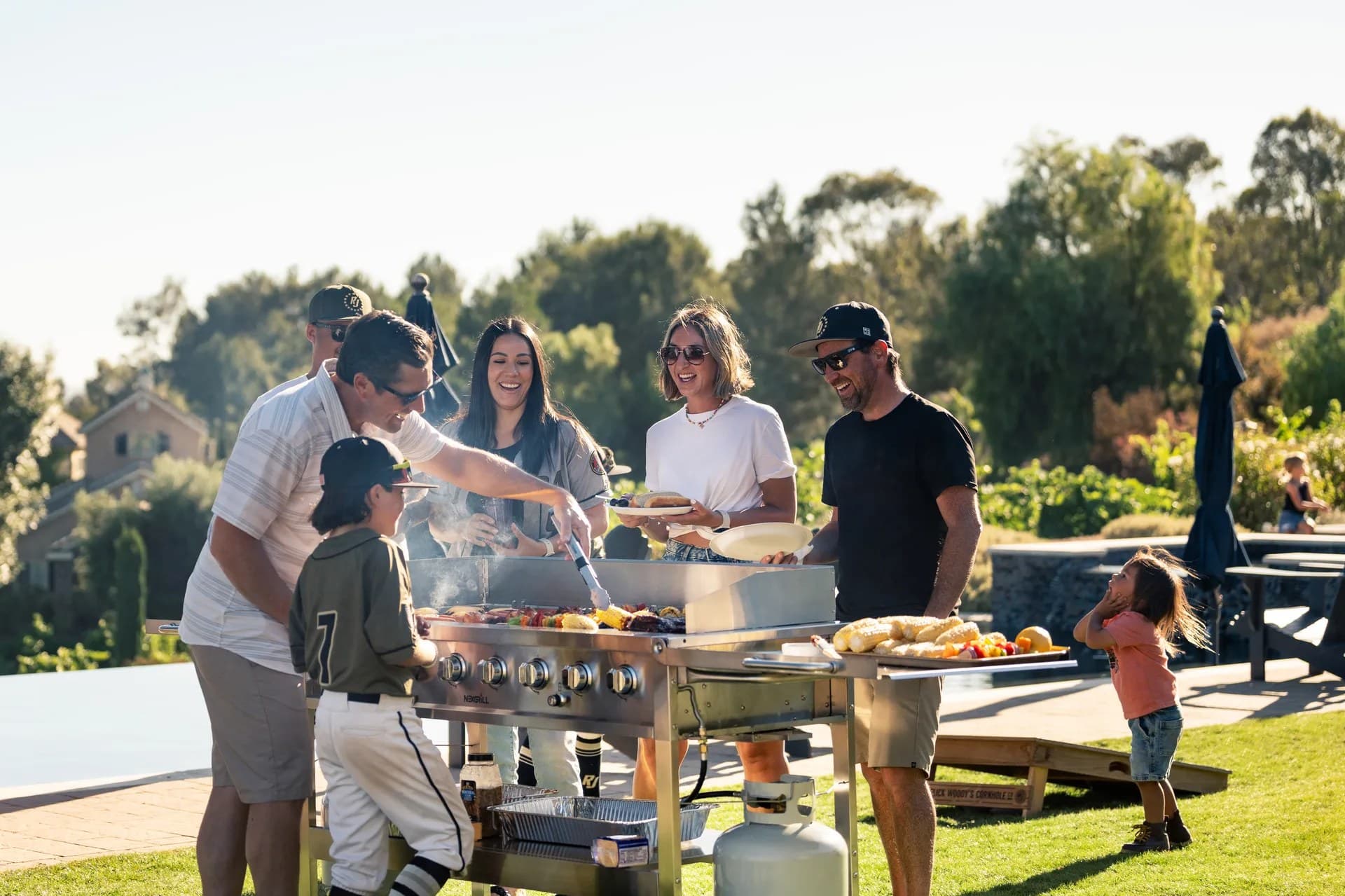
Gas grilling earns its place because it makes great cookout food feel approachable. You can preheat quickly, control heat with a knob instead of a pile of coals, and move from weeknight chicken to a weekend spread without turning the patio into a project. That convenience matters when the goal is not just to cook, but to actually gather people around the table. Nexgrill’s brand perspective centers on food, connection, and inclusive outdoor cooking, and that spirit fits recipe-driven grilling especially well: the grill is not the point by itself; the meal and the shared experience are.
For recipe planning, the biggest advantage of a gas grill is consistency. Once you understand how to set up direct and indirect heat, you can move confidently between fast-cooking foods like shrimp skewers and thicker items like pork tenderloin or bone-in chicken. That flexibility is why gas grilling works for both beginners and experienced cooks. It lets you make recipes that are simple enough for a Tuesday evening but still interesting enough for a birthday dinner, tailgate, or neighborhood get-together. In practice, the best gas grill recipes are the ones that respect the heat of the grill instead of fighting it. Thin vegetables need speed and attention. Thick proteins need space and patience. Sauced foods need timing so the glaze does not burn before the inside is done.
A good gas grill recipe also starts before the food hits the grates. Think about three choices early: seasoning, heat level, and resting time. Seasoning can be as simple as salt, pepper, garlic, and olive oil, or as layered as a citrus-soy marinade for chicken thighs. Heat level determines whether you are searing, roasting, or using a two-zone setup. Resting time helps proteins stay juicy after they come off the grill. If you keep those three factors in mind, you can make almost any recipe feel intentional rather than improvised.
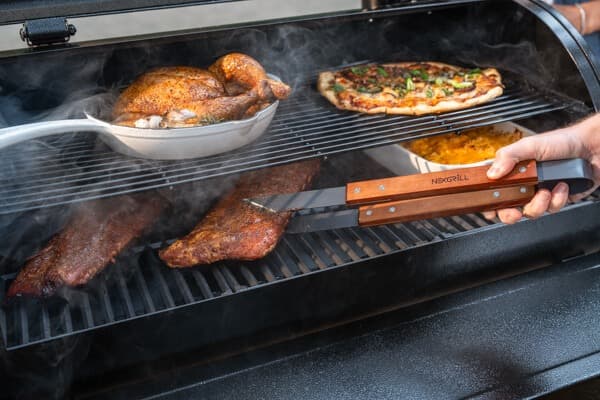
Gas grill recipes are easiest to manage when you treat the grill like a stove with outdoor zones: hot for searing, cooler for finishing, and a rest area for holding food.
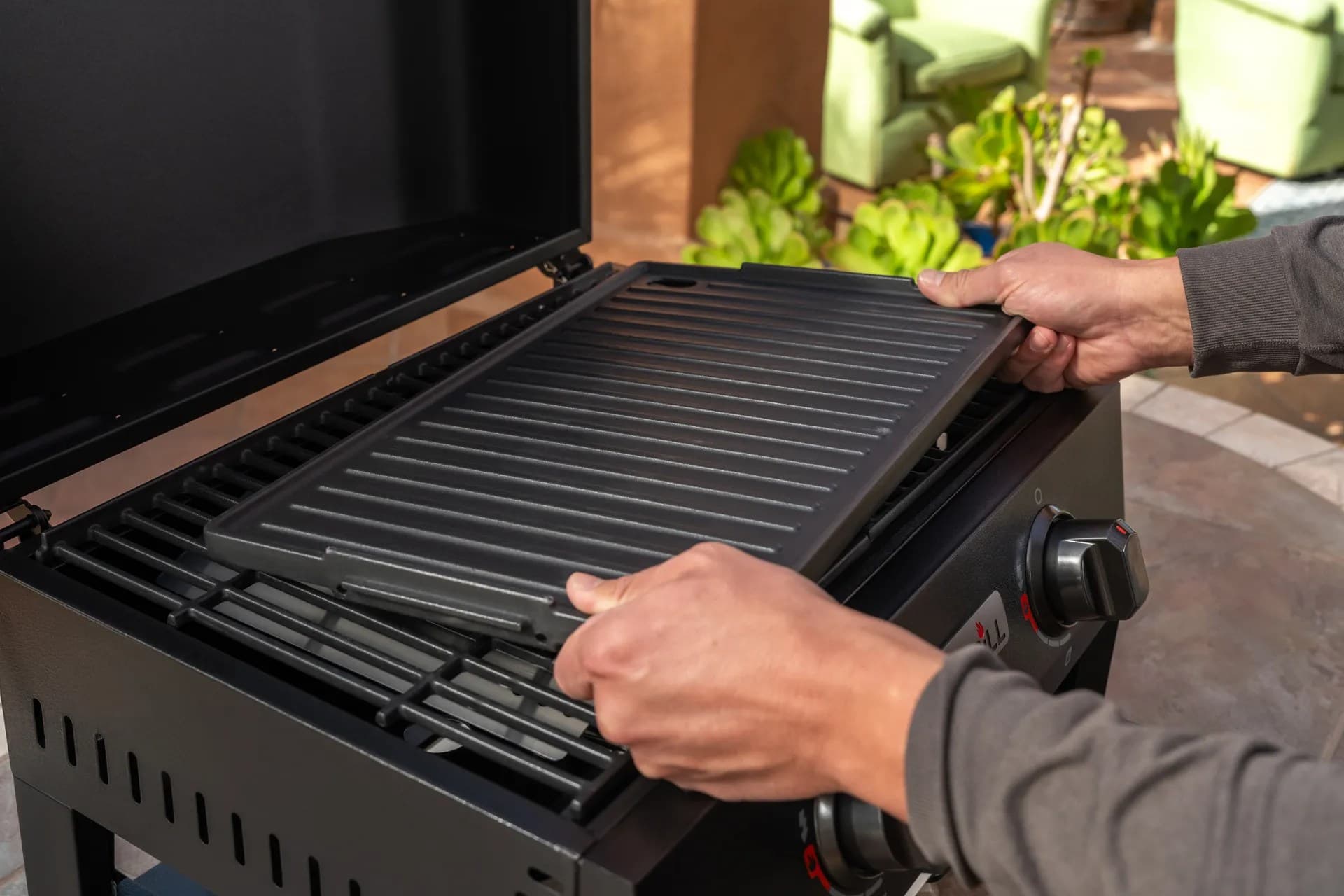
Sear, roast, and warm without leaving the patio.
Essential Grilling Techniques
The fastest way to improve gas grill recipes is to master heat control. Direct heat means the food sits above the burners and cooks quickly. It is best for burgers, thin steaks, shrimp, asparagus, zucchini, and anything that benefits from browning in a short time. Indirect heat means the burners under the food are off or turned low while the surrounding burners stay on. That setup is ideal for thicker cuts like chicken breasts, pork chops, ribs, or whole vegetables that need time to cook through without burning outside. Most cooks get better results when they combine the two methods in one recipe: sear first over direct heat, then move to indirect heat to finish gently.
For grill marks, preheating is non-negotiable. A clean, hot grate helps food release more easily and gives you those defined sear lines people expect from grilled food. Don’t move the food too early. Let it sit undisturbed until it releases naturally, then rotate it one quarter turn if you want a crosshatch pattern. If the food sticks, it usually needs a little more time. This is especially true for fish and vegetables, which are more delicate than steak. Patting ingredients dry before seasoning also helps, because surface moisture slows browning and can create steaming instead of searing.
Marinades and dry rubs should match the cut you are cooking. Acidic marinades work well for chicken, pork, and some seafood, but they should be used carefully because too much acid can make the texture mushy if the food sits too long. A classic gas grill marinade for chicken might include olive oil, lemon juice, garlic, oregano, and a touch of honey. For beef, a dry rub with kosher salt, black pepper, paprika, and brown sugar adds bark and color. For shrimp or fish, use lighter seasoning and shorter marinating times so the flavor supports the protein instead of overpowering it. When in doubt, season generously but simply; the grill itself adds complexity through smoke, char, and caramelization.
If a recipe is meant for direct heat, keep a close eye on sugar-heavy glazes. They brown fast, and a few extra seconds can turn sticky into bitter.
Recipe Categories
A smart recipe lineup for gas grilling covers more than the usual steak-and-corn combination. Think in categories so the menu feels balanced: meats for the centerpiece, vegetables for freshness, appetizers for a relaxed start, and desserts for a memorable finish. This structure helps whether you are feeding two people or ten, because you can mix quick items with slower dishes and keep the meal moving from course to course.
| Category | Best examples | Why it works on gas |
|---|---|---|
| Meats | Chicken thighs, flank steak, pork chops, salmon | Benefit from strong heat control and quick searing |
| Vegetables | Asparagus, peppers, corn, mushrooms, zucchini | Cook evenly with direct heat and simple oil seasoning |
| Appetizers | Grilled shrimp skewers, stuffed mushrooms, flatbread | Easy to serve while the main dish finishes |
| Desserts | Grilled peaches, pineapple, bananas | Caramelize quickly and add a sweet finish |
That kind of structure also makes recipe planning easier. If the main dish uses indirect heat, you can grill appetizers or vegetables first, then move them to a cooler zone while the protein finishes. If you are hosting, this reduces the usual rush that happens when too many items need the hot zone at once. It also lets you build a menu around texture: something crisp or charred, something juicy, something fresh, and something sweet.
Meat Recipes
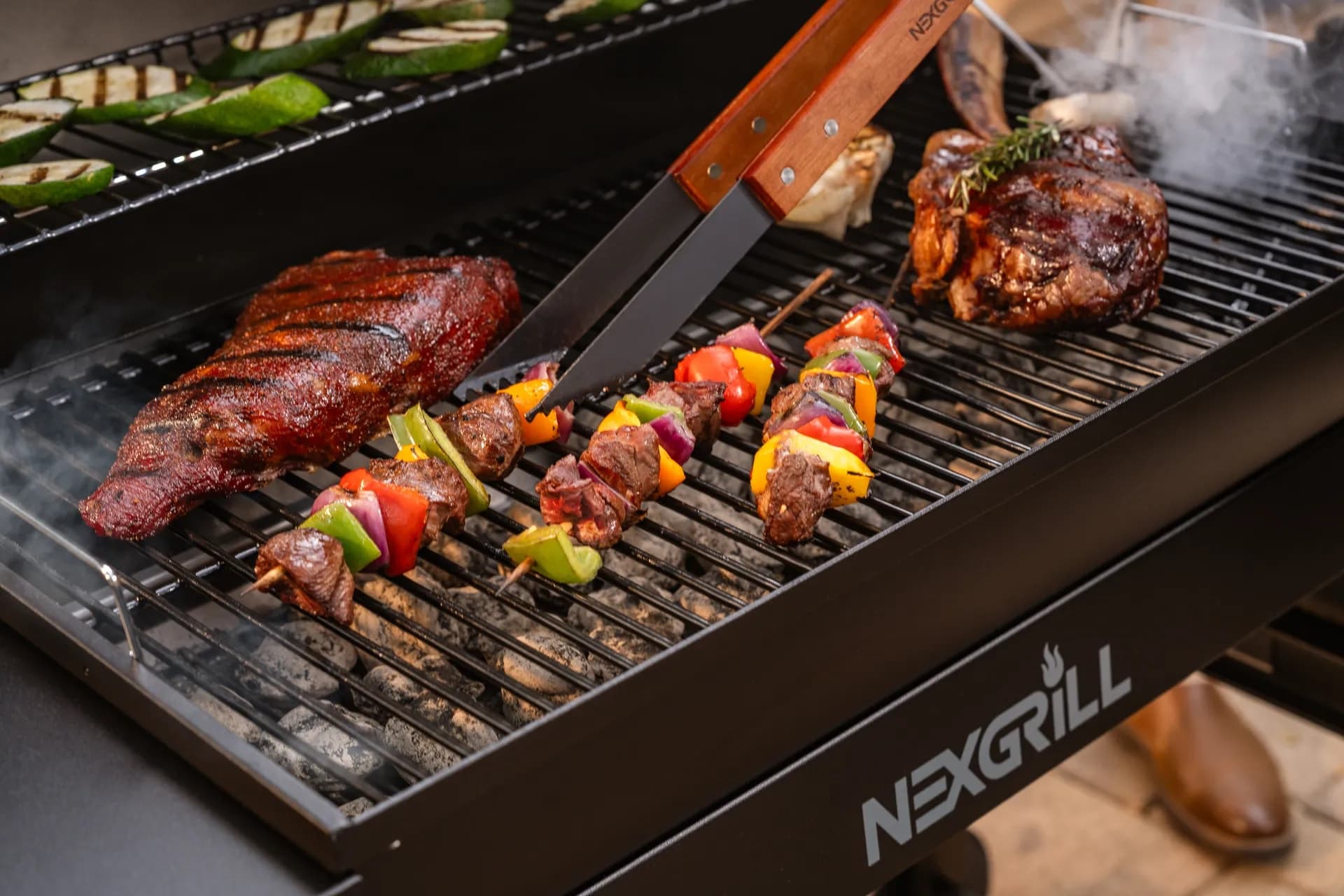
Chicken, beef, pork, and seafood all behave differently on a gas grill, so the best recipe choices are the ones that respect those differences. For chicken thighs, a simple garlic-lemon-herb marinade works well because thighs stay moist and tolerate a little extra heat. Grill over medium heat for about 6 to 8 minutes per side, then finish indirectly if the pieces are thick. Chicken breasts need a little more caution; pound them to even thickness or butterfly them so they cook evenly without drying out. A yogurt-based marinade with cumin, paprika, and lemon is especially useful for keeping leaner cuts tender.
For beef, flank steak and skirt steak are ideal gas grill recipes because they cook quickly and slice beautifully across the grain. Season with salt, pepper, garlic powder, and a little smoked paprika, then sear over high heat for a few minutes per side depending on thickness. Let the meat rest before slicing so the juices stay in the steak instead of spilling onto the cutting board. Burgers also belong in the gas grill recipe conversation, but the trick is restraint. Form patties loosely, season the outside right before grilling, and avoid pressing them with a spatula. If you want more flavor, use cheddar, caramelized onions, or sautéed mushrooms after the patty has a good crust.
Pork is one of the most forgiving proteins for gas grill recipes. Pork chops do well with a brown sugar, mustard, and apple cider marinade, especially when cooked over medium heat. Pork tenderloin benefits from a dry rub with salt, black pepper, smoked paprika, and a little sage. Because tenderloin is lean, it is usually better to sear it first and finish it over indirect heat so the outside browns without the inside overcooking. Seafood adds a different kind of payoff. Salmon fillets, shrimp skewers, and cedar-plank fish all work on gas because the heat can be managed precisely. Salmon likes skin-side-down grilling over medium heat, while shrimp only needs a few minutes per side. For fish, oil the grates well and do not force a flip too early; a proper release is safer than scraping a fragile fillet apart.
Vegetable Recipes
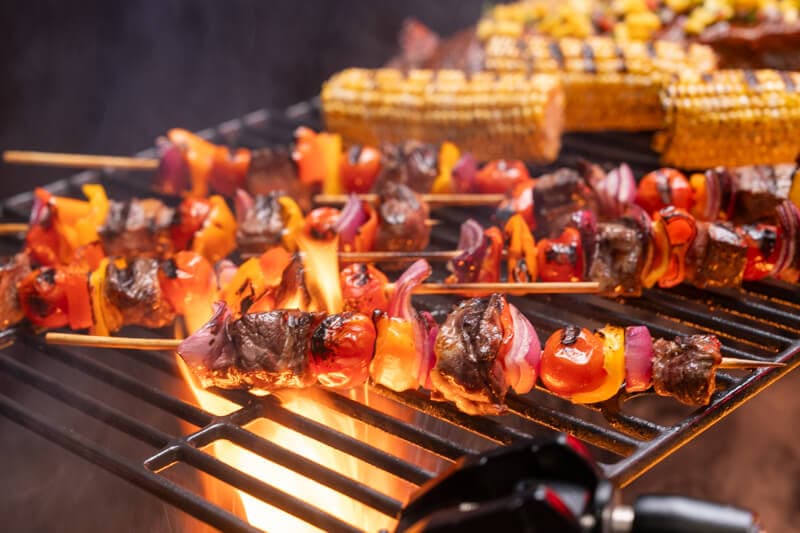
Vegetables often become the surprise favorite of the meal when they are grilled correctly. The key is to choose vegetables that can handle heat and prepare them so they do not fall through the grates. Thick slices of zucchini, eggplant, bell peppers, onion wedges, corn on the cob, mushrooms, and halved romaine hearts all grill beautifully. Brush them lightly with oil, season with salt and pepper, and keep the pieces large enough to turn easily. Smaller vegetables can go into a grill basket or onto skewers, which makes tossing and turning much simpler. A basket is especially useful for sliced mushrooms, cherry tomatoes, and chopped summer squash.
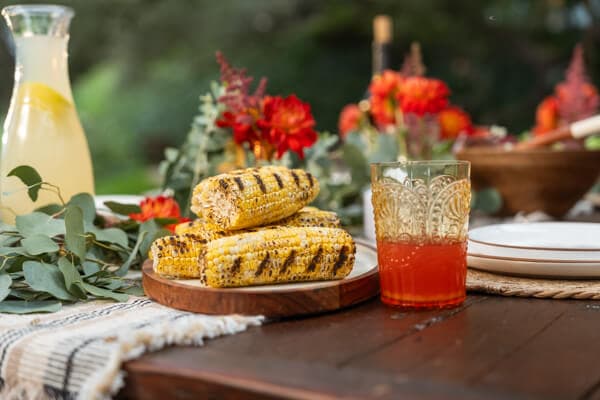
For a practical vegetable recipe, try a mixed vegetable platter with zucchini, red onion, mushrooms, and peppers seasoned with olive oil, garlic, thyme, and a squeeze of lemon after grilling. Another strong option is grilled corn with chili-lime butter, which adds just enough richness to balance the char. If you want something more substantial, grilled portobello mushrooms can stand in for a main course or become a hearty sandwich filling. For greens, a quick sear on romaine with Caesar-style dressing and Parmesan can create a salad that feels fully cooked without losing freshness.
When grilling vegetables, spacing matters. Crowding the grill causes steaming, which softens texture and reduces those caramelized edges that make grilled vegetables taste special. Use medium to medium-high heat for most vegetables, and pull them once they are tender with visible grill marks. If you are grilling vegetables alongside meat, remember that vegetables often need less time than proteins, so it is usually better to cook them in batches or hold them briefly in a cooler zone.
Appetizers and Desserts
Appetizers and desserts can turn a simple gas grill dinner into a full event. For starters, grilled shrimp skewers with garlic, lime, and a little chili powder are easy to serve and cook in minutes. Flatbreads are another strong option because they pick up char quickly and can be topped with pesto, goat cheese, caramelized onions, or grilled vegetables. Stuffed mushrooms work well too, especially if you keep the filling creamy and the mushroom caps large enough to hold their shape. These kinds of recipes keep guests interested while the main course finishes, and they make the meal feel intentionally paced instead of rushed.
Desserts are where gas grilling becomes unexpectedly fun. Pineapple rings brushed with brown sugar and cinnamon turn deeply caramelized in just a few minutes per side. Halved peaches or nectarines can be grilled cut-side down, then served with yogurt, vanilla ice cream, or a drizzle of honey. Bananas split lengthwise and grilled in the peel with chocolate chips and walnuts create a simple dessert that feels festive without requiring extra equipment. If you want a dessert with more structure, try grilled pound cake with berries; the cake picks up toastiness, while the fruit brings acidity and color. These recipes work especially well for summer cookouts because they are quick, bright, and low effort after a full meal.
The broader point is that the gas grill can carry an entire menu, not just the main protein. Once you treat it as a flexible cooking platform, you can build meals that feel complete and seasonal. That makes planning easier and cooking more enjoyable. Try comparing two products side by side below to see which fits best:
Grilling Tips and Common Mistakes
Once you have compared two products side by side, the next step is making the most of whichever gas grill you use. The same recipe can succeed or fail depending on a few basic habits. One of the biggest mistakes is cooking on a grill that has not fully preheated. If the grates are not hot enough, food is more likely to stick and less likely to sear. Another common issue is using the hottest burner setting for everything. High heat is useful for steaks and quick-cooking vegetables, but it is too aggressive for many chicken cuts, sausages, or desserts. Good gas grill recipes depend on matching the heat to the ingredient, not just turning the knob to maximum and hoping for the best.
Flare-ups are another predictable challenge. They usually happen when fat drips directly onto the flame, especially with burgers, chicken skin, or heavily marbled steak. The best defense is a clean grill, trimmed excess fat, and a two-zone setup so you can move food away from the flames if needed. Keep the lid closed when appropriate, but not so long that you lose control of delicate foods. For vegetables and fish, a thin coating of oil is enough; too much oil can create smoke and cause sticking. For larger cuts, let the grill do the work rather than constantly flipping. Each unnecessary flip interrupts browning and raises the risk of tearing the food apart.
Food safety is part of good grilling, too. Keep raw and cooked foods separated, use clean plates for finished food, and wash utensils after they touch raw meat. Chicken should be cooked to 165°F, and steaks, pork chops, and seafood should be checked with care using a reliable thermometer. That kind of precision is not overcautious; it is what lets you cook with confidence. Seasoning is also worth managing carefully. If you salt proteins too early, especially thinner cuts, they can draw out moisture. If you sauce too early, sugars can burn. If you marinate too long in a very acidic mixture, texture can suffer. The right timing matters as much as the ingredients themselves.
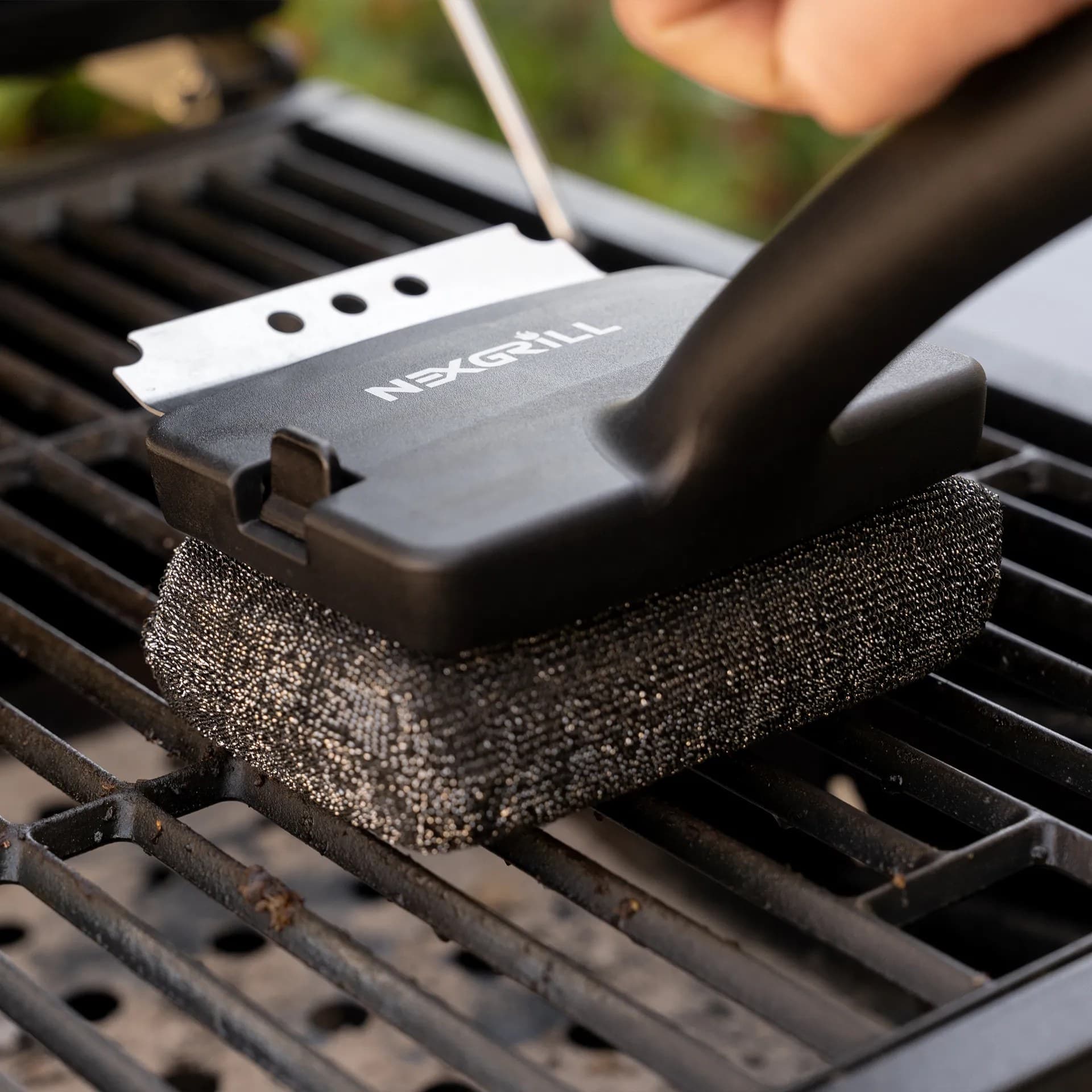
A clean grate, a preheated surface, and one reliable thermometer will solve more grilling problems than any fancy recipe trick.
| Problem | What usually causes it | Better fix |
|---|---|---|
| Sticking fish | Grates not hot enough or fish moved too soon | Preheat well, oil lightly, and wait for release |
| Dry chicken breast | Cooking too hot or too long | Use medium heat and finish with indirect heat |
| Burned vegetables | Pieces too small or heat too high | Cut larger, use a basket, and lower the heat |
| Sour-tasting marinade | Too much acid or marinated too long | Balance acid with oil and limit marinating time |
Seasonal Recipes for Summer and Fall
Seasonal grilling keeps the menu from feeling repetitive, and gas grill recipes are especially well suited to changing produce. In summer, build around bright, fast-cooking ingredients: citrus-marinated shrimp, grilled corn with herb butter, peach halves, and chicken skewers with bell peppers. These recipes work because they use fresh produce at its peak and cook quickly enough to keep the kitchen cool. A summer menu can be as simple as grilled lemon chicken, charred zucchini, and pineapple for dessert, yet still feel complete because each part of the meal contributes a different texture and flavor.
For fall, lean into richer, deeper flavors. Pork tenderloin with apple cider glaze, maple-Dijon chicken thighs, and grilled squash are natural seasonal choices. You can also use the grill to add smoke and char to sturdier vegetables like Brussels sprouts or thick slabs of sweet potato wrapped in foil. Fall recipes often benefit from slightly longer cooking times and more earthy seasoning, such as rosemary, sage, cumin, and brown sugar. The grill is still doing the same basic work, but the flavor profile shifts toward warmth and comfort.
A useful way to think about seasonal menus is by pairing ingredients that share a color story and a cooking rhythm. Summer wants light proteins, fresh herbs, stone fruit, and crisp vegetables. Fall wants caramelized edges, root vegetables, and glazes that cling. If you plan around seasonality, the meal feels more intentional and the ingredients tend to taste better with less effort. That is one of the best parts of gas grilling: it gives you a dependable cooking method while still leaving plenty of room for creativity.
Seasonal grilling works best when the recipe matches the market: bright and fast in summer, richer and slower in fall.
Conclusion
The best gas grill recipes are the ones that make the grill feel useful, welcoming, and adaptable. You do not need complicated equipment or exotic ingredients to build a strong menu. You need a few reliable techniques, an understanding of heat, and the confidence to mix meats, vegetables, appetizers, and desserts into one coherent meal. Whether you are cooking chicken thighs for a weeknight dinner, salmon for a light weekend meal, or peaches for a simple dessert, the gas grill gives you a practical way to create food that feels both easy and memorable.
If you keep your focus on prep, temperature, and timing, you can avoid most of the usual problems and get more consistent results. More importantly, you can build a cooking routine that invites people in rather than keeping you busy alone in the corner of the yard. That is where gas grilling shines: it turns a few well-chosen ingredients into a shared experience. For more recipe inspiration, compare trusted grilling techniques and ideas from Food Network grilling recipes, Serious Eats grilling basics, and Allrecipes grilling ideas.