Unique Gas Grill Recipe Ideas to Elevate Your Cooking
Explore diverse and flavorful recipes for your gas grill.
In This Article
Innovative Grilling Techniques
Flavor-Boosting Marinades
Safe Grilling Practices
Introduction to Gas Grilling
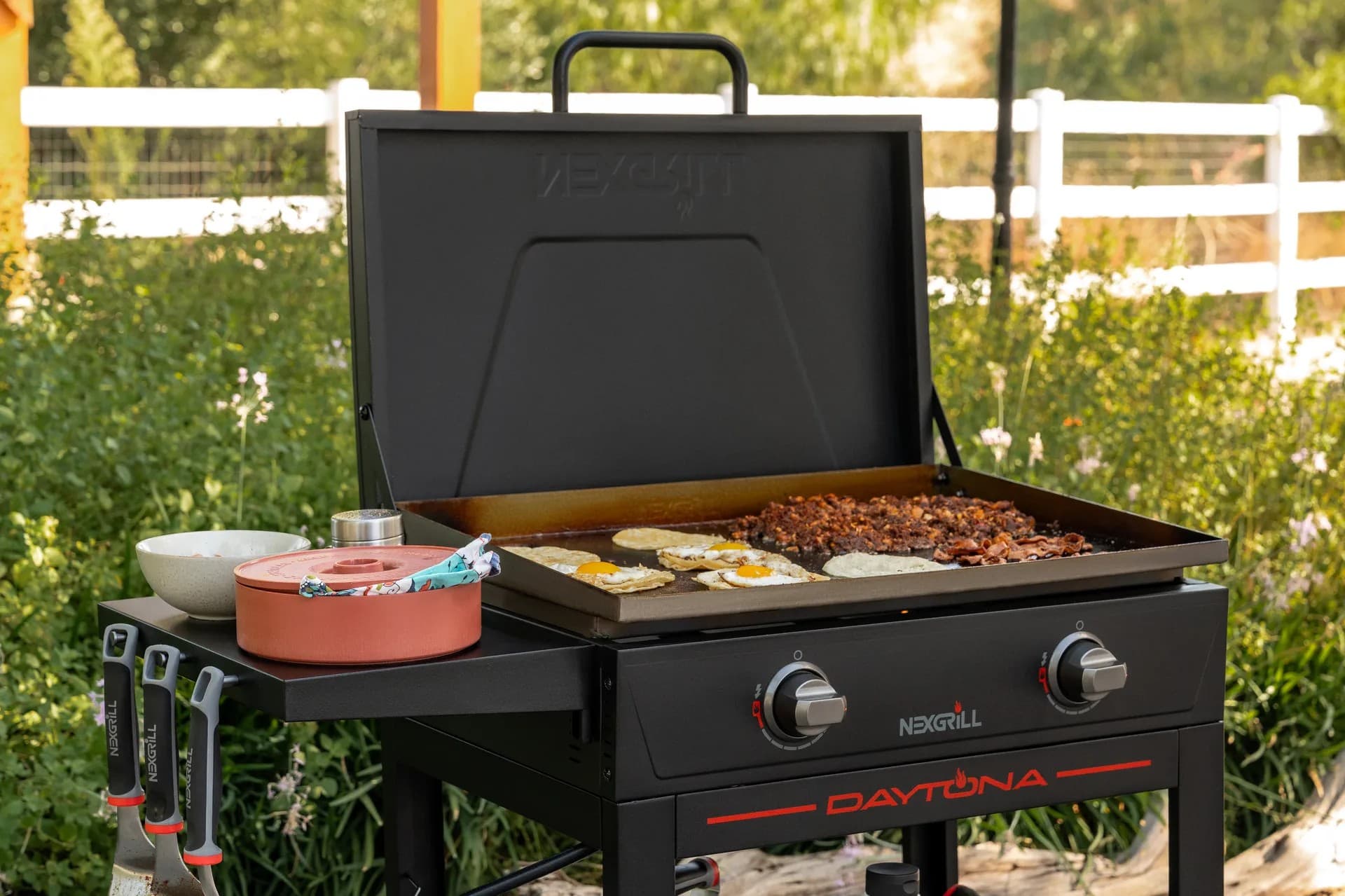
Gas grilling is one of the easiest ways to turn a weeknight dinner into something that feels restaurant-worthy without making the cooking process complicated. The steady heat, fast startup, and controllable burners make it especially useful for recipes that need a quick sear, a gentle finish, or two heat zones at the same time. That flexibility is what makes a gas grill more than just a burger machine. It can handle chicken thighs with crisped skin, skewered seafood, charred vegetables, and even fruit-based desserts if you manage the heat carefully.
This guide is built for readers who want gas-grill recipe ideas that feel fresh, practical, and worth repeating. Instead of relying on the same basic backyard barbecue staples, the focus here is on flavor combinations and techniques that help you get more from a gas grill. You will find ideas for meats, vegetables, and sides that work well with direct heat, as well as simple ways to make those recipes taste more layered and memorable. The goal is not to make grilling feel complicated; it is to help you use the grill more creatively, with less guesswork.
A gas grill is especially good for recipes that benefit from fast preheating and predictable temperature control, such as chicken skewers, flank steak, shrimp, and blistered vegetables.
For home cooks in the United States, gas grilling also fits real-life schedules. You can preheat while you prep, cook different ingredients in stages, and serve food before it dries out. That matters for recipes with mixed components, such as grilled steak with herb butter, citrus-marinated chicken with charred corn, or salmon served over a warm grilled vegetable salad. A dependable gas grill gives you enough control to build those meals without needing advanced equipment or elaborate setup.
Essential Grilling Techniques
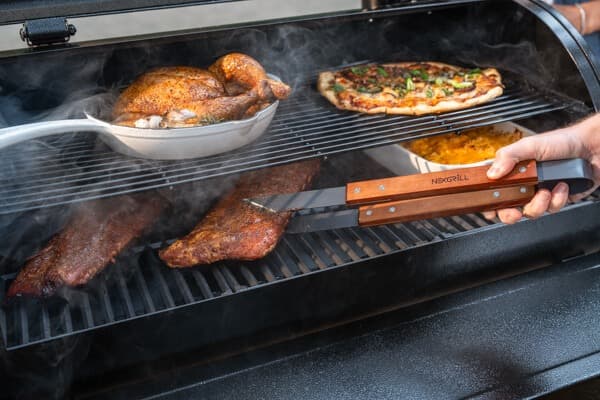
The best gas-grill recipes usually come down to technique more than complexity. One of the most useful habits is learning how to create direct and indirect heat zones. With direct heat, you can sear quickly and develop color on thinner cuts, kebabs, and vegetables. With indirect heat, you can finish thicker items like chicken quarters or pork chops without burning the outside. That two-zone setup is one of the biggest advantages of gas grilling because it lets you respond to how food is actually cooking instead of just following the clock.
Preheating matters more than many new grillers realize. A properly heated grate helps food release more cleanly and improves browning. For steak, shrimp, and sliced vegetables, a hot grill surface is often the difference between a good result and one that tastes flat. Another useful technique is oiling the food instead of heavily oiling the grate. Lightly coating vegetables, fish, or skewered ingredients with oil helps reduce sticking while keeping flavor concentrated on the food itself.
Do not move food too soon. If it sticks at first, it may simply need another minute to develop a proper sear and release naturally.
Safety should stay part of the technique conversation. Keep the lid open when lighting the grill, check for flare-ups caused by excess fat or sugary marinades, and use separate platters for raw and cooked food. For recipes involving shrimp, chicken, or pork, use a thermometer so you can cook to the correct internal temperature without overcooking. If you want richer flavor, use wood chips in a smoker box or foil pouch to add a light smoke note without changing to a charcoal grill. That subtle layer works especially well with salmon, ribs, and grilled vegetables.
Unique Meat Recipes
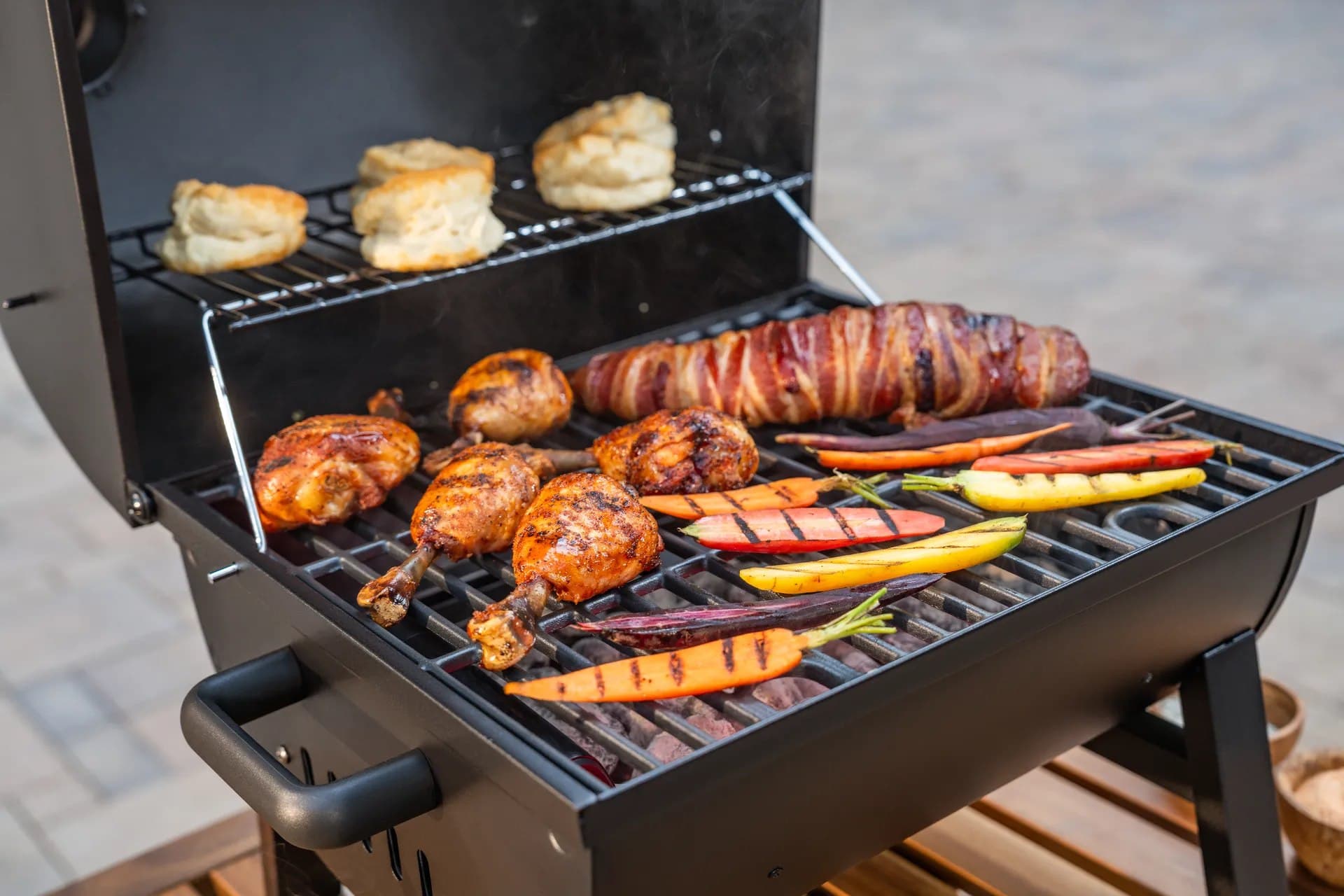
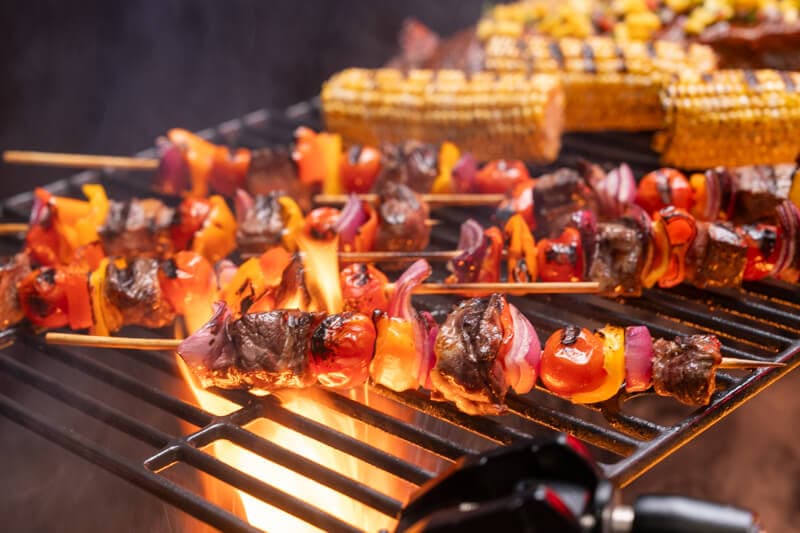
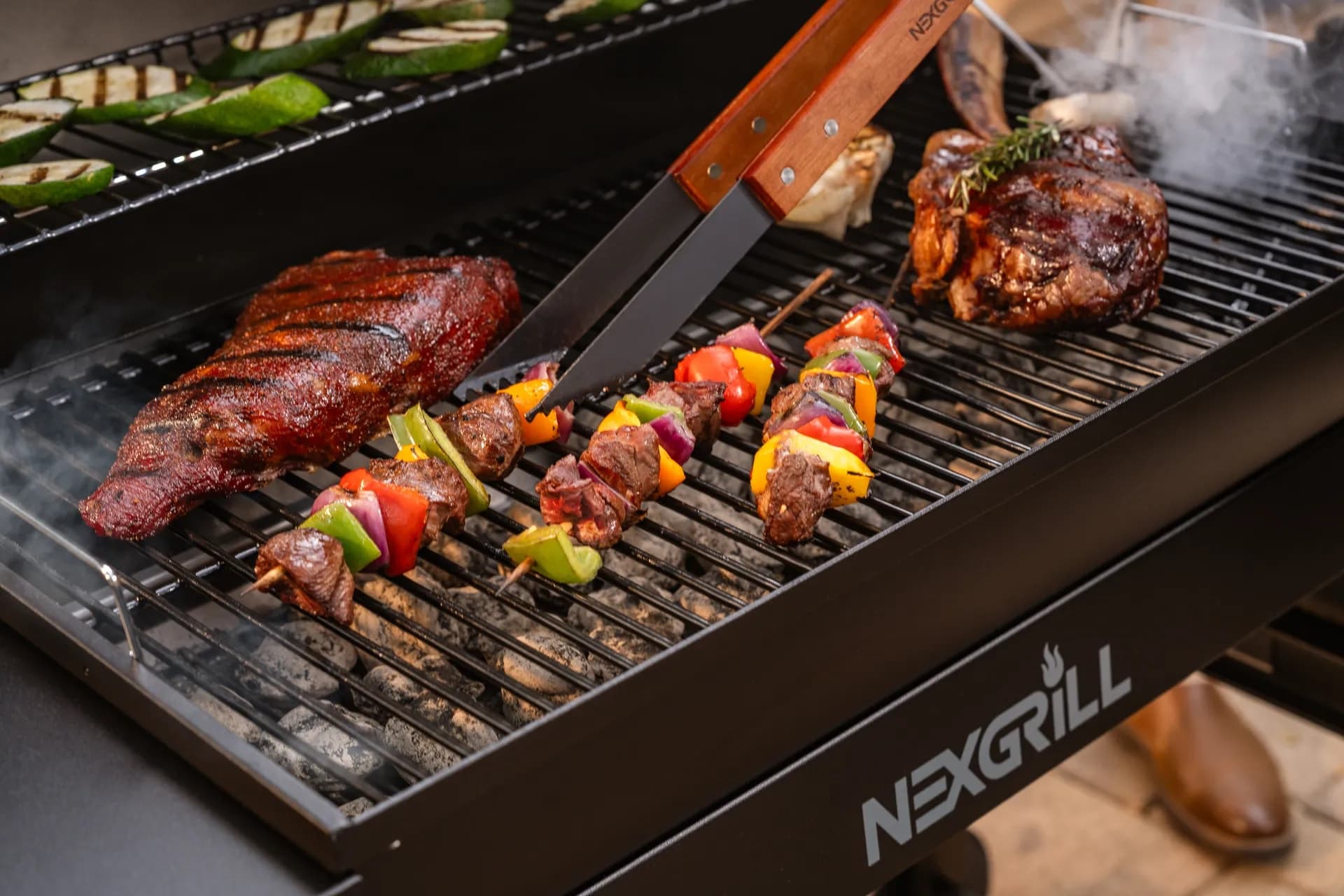
If you want gas-grill recipe ideas that go beyond standard burgers and hot dogs, start with cuts and preparations that reward strong heat and quick cooking. One excellent option is Korean-style beef short rib skewers. Thinly sliced beef marinated in soy sauce, garlic, ginger, brown sugar, and sesame oil grills quickly and picks up a sweet-savory char that tastes bold without much effort. Another strong choice is lemon-garlic chicken thighs with oregano and smoked paprika. Bone-in thighs are forgiving on a gas grill, and the skin can crisp nicely if you begin over medium heat and finish on indirect heat.
Pork also performs well with flavor-forward preparation. Try grilled pork tenderloin with a Dijon and rosemary rub, then finish it with a mustardy pan-style glaze or a sliced apple relish. Tenderloin cooks fast, so it works well for weeknights, and the mild meat benefits from strong seasoning. For seafood, cedar-plank salmon or chili-lime shrimp skewers offer a different kind of grill experience. Salmon benefits from a gentle smoky lift and a sweet-savory glaze, while shrimp cooks in minutes and takes well to citrus, garlic, and a small amount of heat from chili flakes.
| Recipe idea | Best heat style | Why it works on gas |
|---|---|---|
| Korean-style beef short rib skewers | Direct heat | Fast caramelization and bold char |
| Lemon-garlic chicken thighs | Direct then indirect | Crisp skin with even finish |
| Dijon rosemary pork tenderloin | Medium indirect | Prevents overcooking a lean cut |
| Chili-lime shrimp skewers | High direct | Quick cooking keeps shrimp tender |
For readers asking what the best thing is to cook on a gas grill, the most reliable answer is a recipe that benefits from fast, precise heat and visible browning. Chicken thighs, flank steak, salmon, and shrimp are all strong choices because they cook quickly and absorb marinades well. If you are learning the grill, choose cuts that can handle slight timing variation while you build confidence.
Vegetable and Side Dishes
Vegetables are often the easiest place to make a gas-grill meal feel more interesting. Instead of treating them as a side note, build them into the meal with the same attention you give to meat. Grilled asparagus with lemon zest and Parmesan is a classic example, but you can push further with charred romaine topped with Caesar-style dressing, blistered shishito peppers with flaky salt, or grilled zucchini ribbons finished with mint and toasted pine nuts. These dishes work because the grill adds sweetness and slight bitterness that you cannot get from stovetop cooking alone.
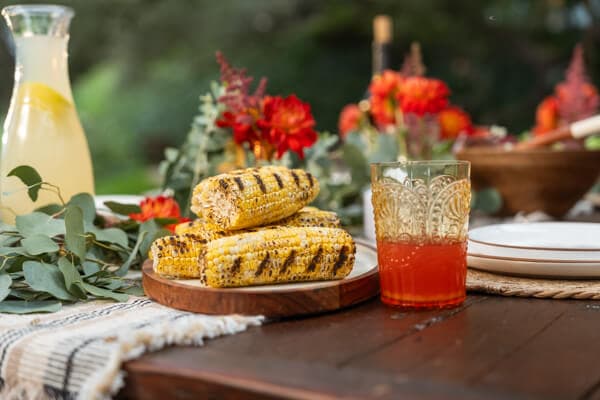
Some of the most useful side dishes are the ones that use the grill to do part of the work while staying easy to serve. Grilled corn with lime crema and chili powder is a crowd-pleaser because it balances smoke, tang, and sweetness. Potato packets with garlic, olive oil, and rosemary can cook alongside the main protein, which is useful when you want a complete meal without extra pans. For a more unexpected side, try grilled peaches over burrata or a warm stone-fruit salad with basil and balsamic. Those recipes work especially well in summer when fruit is at its peak and the grill can concentrate the sugar.
Vegetables often need higher heat than people expect. A hot grill gives you better char without turning them mushy, especially for zucchini, peppers, onions, and corn.
Flavor Enhancement Tips
Flavor on a gas grill comes from three things working together: seasoning, browning, and finishing. Marinades are useful for adding moisture and depth, but they should not be used as a shortcut for everything. A great marinade usually has a balance of salt, acid, fat, and aromatics. For chicken, a mixture of yogurt, garlic, lemon, and cumin can add tenderness and a subtle tang. For beef, soy sauce, black pepper, garlic, and a small amount of honey can create a savory crust that cooks well under direct heat. For seafood, citrus, herbs, and olive oil are often enough because the protein cooks quickly and can be overwhelmed by heavier ingredients.
Dry rubs are equally useful when you want cleaner grill marks and less flare-up risk. A rub made with paprika, brown sugar, garlic powder, onion powder, salt, and black pepper works across pork, chicken, and even salmon. If you want more aroma, add ground coriander, mustard powder, or a small amount of fennel seed. Wood chips can also change the flavor profile in a subtle way. Applewood pairs nicely with pork and chicken, while hickory can be stronger and better suited to beef or ribs. Use a light hand, because on a gas grill the goal is usually a balanced smoke note rather than an overpowering one.
Try finishing grilled meats with something fresh after they come off the heat: herb salsa, chimichurri, citrus zest, or a quick pickle can make the final dish taste more deliberate and layered.
For a practical example, imagine grilled chicken thighs with a garlic-herb marinade, charred corn with lime butter, and grilled peaches with cinnamon yogurt. The grill is doing more than cooking each element; it is creating a shared flavor language across the plate. That is the simplest way to make gas-grill recipes feel thoughtful without becoming difficult.
Common Grilling Mistakes to Avoid
Once you have compared a few recipe ideas and narrowed in on what sounds best, the next step is avoiding the mistakes that can undermine good ingredients. One of the most common issues is grilling over heat that is too high for too long. High heat has its place, especially for thin steaks, shrimp, and vegetables, but many recipes need a combination of searing and gentler finishing. If the exterior looks perfect while the center is still undercooked, move the food to indirect heat and let the grill do the rest of the work. That single adjustment prevents a lot of burnt edges and dry results.
Another frequent mistake is overusing sweet sauces too early. Barbecue sauce, honey glazes, and sugary marinades can burn quickly on a gas grill if they are applied too soon. A better approach is to cook the protein most of the way first, then brush on the sauce near the end so it can set without scorching. This matters a lot for ribs, chicken wings, and pork tenderloin. A related mistake is crowding the grates. If too many items are packed too tightly together, heat circulation suffers and you lose the browning that makes grilled food taste complete.
If you are grilling both meat and vegetables, give each item enough space to char. Overcrowding creates steam, and steamed food rarely develops the flavor people expect from the grill.
Skipping rest time is another easy way to lose quality. Steaks, chicken pieces, and pork cuts need a short pause after grilling so juices can redistribute. If you cut too soon, the flavor ends up on the board instead of in the bite. Finally, do not forget food safety basics: keep raw proteins separate from cooked foods, wash utensils that touched raw meat, and use a thermometer for thicker cuts. These habits are simple, but they are what keep a relaxed outdoor meal from turning into a messy one.
Seasonal Grilling Ideas
Seasonality is one of the easiest ways to keep gas-grill cooking fresh. In summer, lean into bright, fast recipes that make use of produce at its peak. Think shrimp skewers with lime and cilantro, corn brushed with chile-lime butter, grilled zucchini with feta, or chicken marinated in lemon, oregano, and garlic. Summer grilling works well because you can build a whole meal around quick-cooking ingredients and serve everything right off the grill while the flavors are still vivid.
In fall, shift toward deeper, more rounded flavors. Apples, squash, sweet potatoes, and mushrooms all respond well to grilling, especially when paired with sage, rosemary, maple, or mustard. Pork chops with apple relish, grilled butternut squash with brown butter and pepitas, or a smoked paprika chicken dinner with charred Brussels sprouts all feel more seasonal without requiring complicated preparation. Cooler weather also makes the grill useful for heartier meals that would otherwise require multiple indoor pans and oven space.
| Season | Best ingredient direction | Example pairing |
|---|---|---|
| Summer | Bright citrus and herbs | Shrimp skewers with lime-cilantro butter |
| Late summer | Sweet charred produce | Grilled corn, peaches, and zucchini |
| Fall | Warm spices and apples | Pork chops with apple relish |
| Cool weather | Earthy vegetables | Squash and mushrooms with rosemary |
If you want your gas-grill recipe ideas to stay interesting year-round, use the season to guide both the protein and the finish. Summer meals can be lighter and more acidic, while fall meals benefit from richer, more savory accents. That way, the grill becomes a flexible cooking tool rather than a machine for repeating the same meal every weekend.
Conclusion
The strongest gas-grill recipes are the ones that balance technique, timing, and flavor in a way that feels natural to cook at home. You do not need elaborate equipment or complicated instructions to make memorable food on a gas grill. What matters most is choosing ingredients that benefit from direct heat, seasoning them with intention, and using the grill’s temperature control to finish each dish properly. That approach opens the door to better weeknight dinners and more creative outdoor meals all season long.
Try comparing two products side by side below to see which fits best: