Delicious Gas Grill Recipe Ideas for Every Occasion
Explore a variety of mouthwatering recipes to elevate your gas grilling experience.
In This Article
Versatile Protein Options
Vegetarian Delights
Seasonal Favorites
Introduction to Gas Grilling
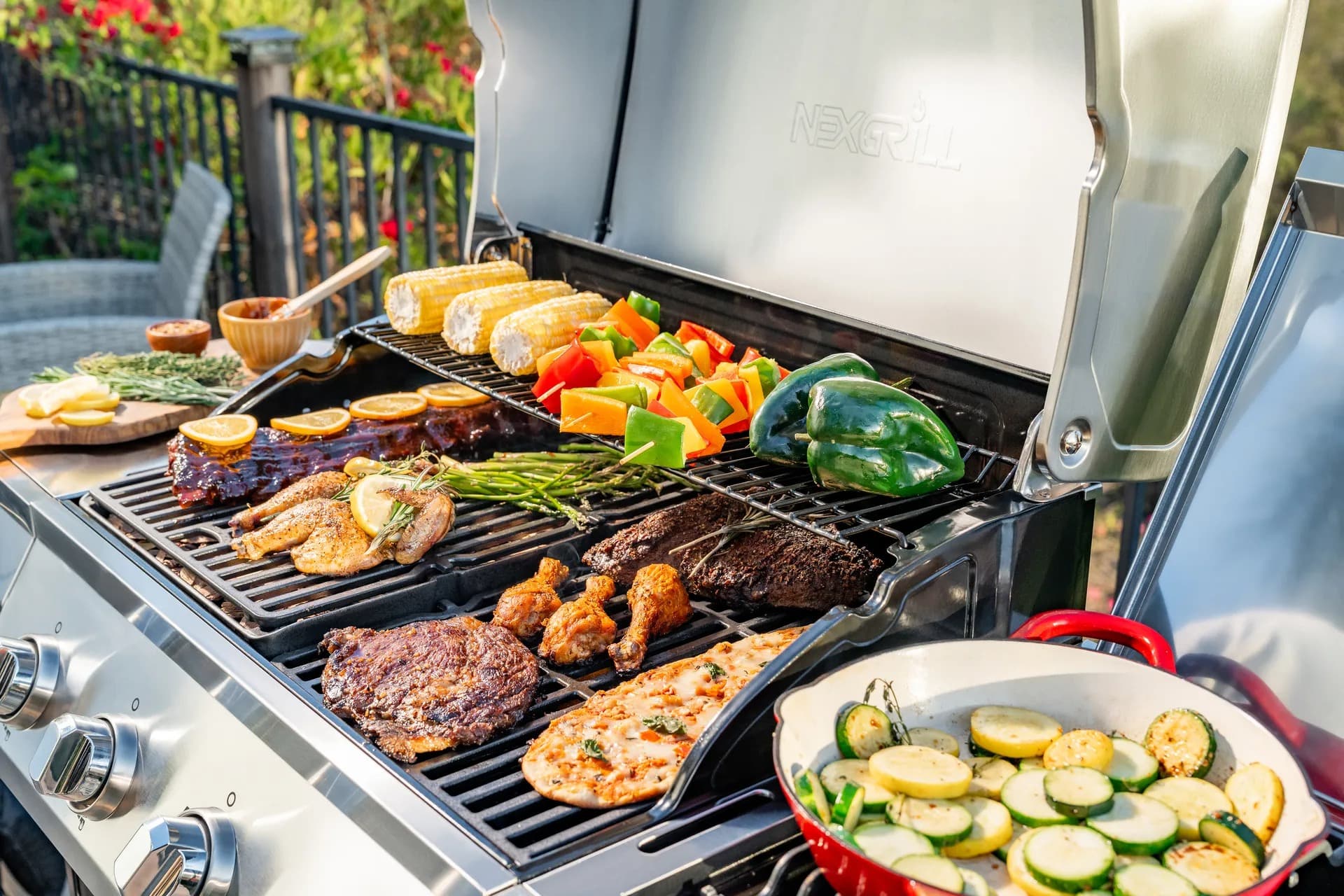
Gas grilling works so well for recipe ideas because it gives you a dependable, controllable heat source that can move from quick weeknight cooking to full backyard feasts without much fuss. That flexibility matters when you are planning meals for mixed crowds: people who want steak, people who want seafood, people who do not eat meat, and guests who expect a few thoughtful sides to round out the table. Nexgrill’s brand perspective is built around exactly that kind of shared experience, where everyone has a seat and the meal becomes part of the gathering, not just the main event .
The best gas-grill recipe ideas are not only about what to cook, but about how to structure the cook so each ingredient lands at the right moment. A chicken thigh may need time over indirect heat, while asparagus or zucchini needs only a few minutes over a hot grate. A salmon fillet benefits from a clean, oiled surface and attentive timing, while flank steak rewards a short rest after grilling so the juices settle before slicing. Thinking in terms of timing, temperature, and texture gives you more successful meals than chasing novelty for its own sake.
Tip: Build one gas-grill menu around a protein, one vegetable, one starch, and one bright sauce or salsa. That simple formula keeps the meal balanced without making prep feel complicated.
For beginners, gas grill cooking is a good entry point because it lets you practice with visible, repeatable heat control. You can preheat, create hot and cooler zones, and watch the food closely without managing a charcoal bed. For experienced grillers, the same setup supports more advanced menu building, such as finishing a bone-in pork chop with indirect heat while blistering peppers or warming flatbreads at the edge of the grate. That range is what makes gas grilling such a practical platform for recipe experimentation.
A gas grill menu usually works best when you plan for protein, vegetables, sauce, and a side or dessert.
This guide focuses on meal ideas you can actually use: proteins for the main course, vegetarian and vegan dishes that stand on their own, marinades and rubs that add character, sides that feel worthy of the grill, and heat-management guidance that helps you cook with confidence. The goal is not to overwhelm you with a giant checklist. It is to help you create a better cookout, whether you are feeding two people on a Tuesday or a full backyard crowd on Saturday. Try comparing two products side by side below to see which fits best:
Types of Proteins: Recipes for Everyone
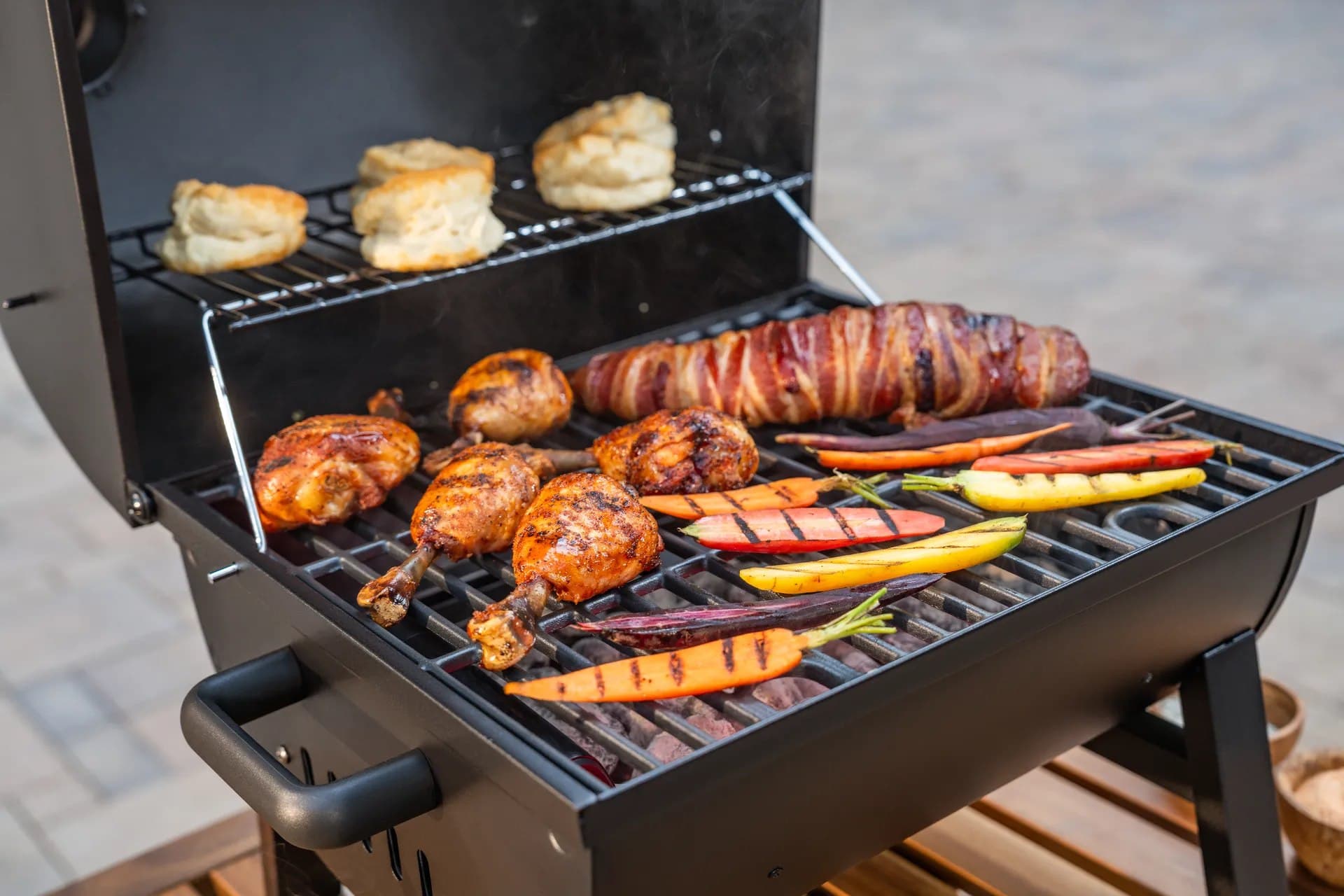
Protein is where most gas-grill recipe ideas start, and the strongest menus usually give each protein a clear role. Chicken is the most adaptable choice for family-style meals because it accepts marinades easily and stays friendly to a wide range of flavor profiles. Boneless thighs work especially well for garlic, lemon, and herb combinations, while bone-in pieces do better with a two-stage cook: start over indirect heat, then finish over the flames for color. Beef gives you a fast path to bold flavor, especially cuts like flank steak, skirt steak, and ribeye. The key is not overcomplicating the seasoning; salt, pepper, and a touch of smoke-friendly spice are often enough when the cut is high quality.
Pork offers some of the best value on a gas grill because it can take on sweet, savory, and spicy notes without losing its identity. Pork tenderloin is ideal when you want a fast main dish with minimal prep, while bone-in chops are excellent for a dinner that feels more substantial. Seafood may be the most rewarding category for quick grilling because many fillets and shellfish cook in minutes. Salmon, shrimp, and tuna all respond well to hot, clean grates and careful timing. Shrimp skewers, in particular, are a great beginner recipe because you can pair them with vegetables and get a complete plate in one pass.
| Protein | Best cut or format | Best flavor style | Why it works on gas |
|---|---|---|---|
| Chicken | Thighs, drumsticks, kebabs | Lemon-herb, yogurt, smoky spice | Forgiving timing and easy zone cooking |
| Beef | Flank steak, skirt steak, ribeye | Peppery rubs, chimichurri, soy-garlic | Strong sear and fast finish |
| Pork | Tenderloin, chops, ribs | Apple, mustard, brown sugar, chile | Handles both direct and indirect heat |
| Seafood | Salmon, shrimp, tuna, halibut | Citrus, herbs, butter, miso | Quick cooking rewards clean heat control |
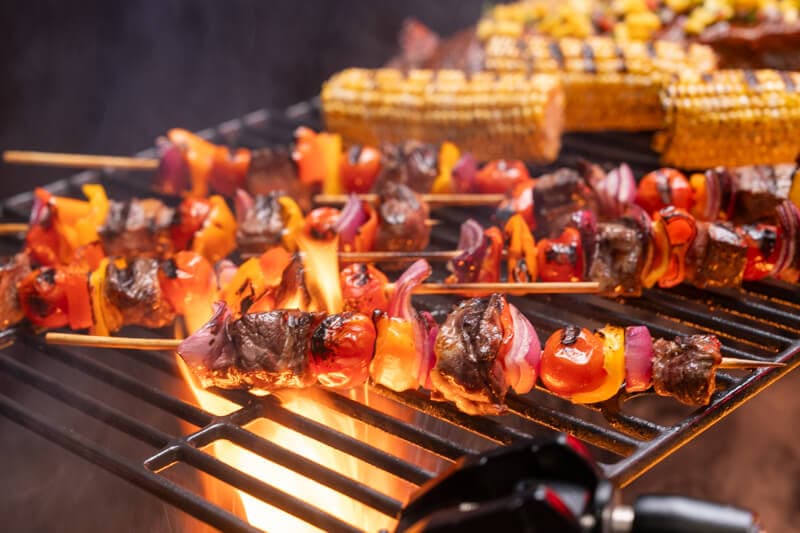
A strong recipe idea for a mixed crowd is grilled chicken thighs with a lemon-garlic yogurt marinade, flank steak with a pepper and coriander rub, and cedar-plank salmon for the guests who want something lighter. Those three options can share the same grill if you manage zones well, and they give you a versatile menu without demanding a huge amount of extra equipment. If you want a more casual option, build skewers from shrimp, bell pepper, and red onion so each guest gets a balanced bite with little effort.
Warning: Seafood can go from perfect to dry very quickly. Keep a close eye on doneness and use the carryover heat from the grill to finish rather than chasing extra time over direct flame.
Vegetarian and Vegan Grilling Ideas
Vegetarian and vegan gas grill recipes deserve more than a token spot on the menu. Done well, they can become the most memorable dishes at the table because they bring texture, color, and contrast that richer meats often need. Portobello mushrooms are a great anchor because they have enough body to feel substantial and they soak up marinades beautifully. Brush them with olive oil, balsamic vinegar, garlic, and a little thyme, then grill until the edges darken and the centers turn juicy. Cauliflower steaks are another strong option: cut thick slabs, season generously, and finish with a tahini-lemon drizzle or herb salsa verde.
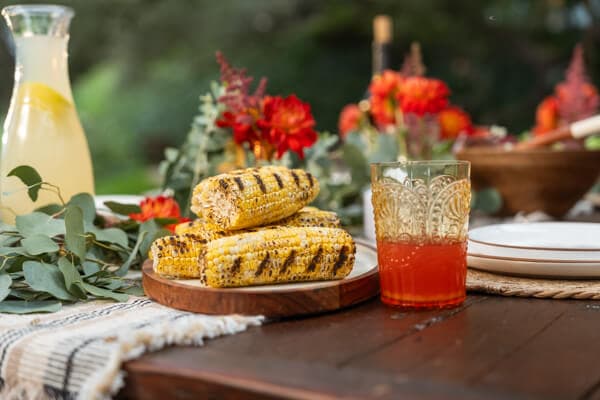
For vegan guests, consider recipes that lean into smoke and char rather than trying to imitate meat. Grilled corn with chile-lime seasoning, zucchini ribbons brushed with garlic oil, and halved romaine hearts topped with a cashew-based dressing can all feel complete and satisfying. Tofu also performs well when pressed, marinated, and grilled over medium heat on a clean grate or grill mat. The trick is to keep the pieces large enough to handle easily and to resist moving them too soon so the surface can caramelize.
| Plant-based ingredient | Best prep | Finish idea |
|---|---|---|
| Portobello mushrooms | Oil, balsamic, garlic, thyme | Serve on buns or over grains |
| Cauliflower | Thick slices with spice rub | Tahini, herbs, lemon zest |
| Zucchini and squash | Long planks or thick rounds | Parmesan, breadcrumbs, herb oil |
| Tofu | Pressed and marinated | Chili crisp, scallions, sesame |
A good plant-based spread can feel just as abundant as a meat-centered one if you think in layers. Start with something smoky like grilled corn or onion wedges, add a centerpiece like cauliflower steaks or mushroom burgers, and finish with a fresh herb sauce or citrus vinaigrette. Even a simple grilled peach salad can become a smart bridge between savory and sweet. These recipes also help when your guest list includes both omnivores and plant-based eaters, because they create options that do not feel like afterthoughts.
Creative Marinades and Rubs
A marinade or rub is often what turns a basic gas-grilled meal into something people ask about later. Think of marinades as flavor delivery systems for moisture-sensitive foods and rubs as crust builders for proteins that need a bolder exterior. For chicken, a yogurt-based marinade with lemon, garlic, cumin, and paprika helps season the meat while softening the texture. For beef, a chimichurri-inspired finish of parsley, cilantro, garlic, olive oil, and vinegar gives you brightness that cuts through the char. Pork does well with apple cider vinegar, brown sugar, mustard, and chili flakes, especially when the goal is a sweet-savory profile with a little heat.
Seafood benefits from lighter treatment. Citrus, dill, fennel, and olive oil are enough for salmon, while shrimp can carry a quick marinade of lime juice, garlic, and smoked paprika. When using rubs, keep the salt balance in mind. A good rub should amplify the food rather than bury it. For thicker steaks and chops, apply the seasoning at least 20 to 30 minutes before grilling so the surface can absorb some of the salt and spices. For vegetables, use oil first, then the spice mixture, so the seasoning clings evenly without burning.
Tip: A small amount of acid goes a long way. If your marinade tastes sharp in the bowl, it will likely read even brighter after grilling, so balance it with oil, herbs, or a touch of sweetness.
Delicious Sides and Accompaniments
Great side dishes make gas-grill recipe ideas feel complete, and they are a smart way to extend the cooking surface without overloading it. Grilled vegetables are the obvious choice, but the strongest menus usually go beyond the standard mix. Corn on the cob brushed with chile butter, charred scallions, and grilled romaine can all bring a different texture to the plate. A warm potato salad with mustard vinaigrette is a strong alternative to the mayo-heavy version because it can be served alongside hot food without feeling heavy.
For a more playful menu, try grilled flatbread with olive oil and herbs, then top it with whipped ricotta or hummus, depending on whether you want a dairy-based or plant-based spread. A fruit-forward side, such as grilled pineapple or peaches, adds acidity and sweetness that work especially well with pork and chicken. Even desserts can come off the grill: halved stone fruit with honey and mint, or banana boats stuffed with chocolate and nuts, are both simple ways to turn the grill into the final course of the meal.
Grilling Techniques: Direct vs. Indirect Heat
Direct heat is best for foods that cook quickly and benefit from browning, such as shrimp, thin steaks, vegetables, and kebabs. Place those items over the active burners and watch for color, scent, and firmness. Indirect heat is the better choice for thicker or more delicate foods that need time to cook through without scorching the outside. Bone-in chicken, thick pork chops, and larger fish fillets often do better when started in a cooler zone and finished briefly over direct heat for color.
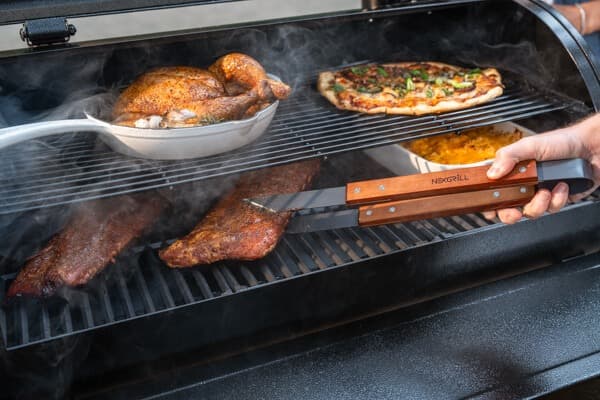
A gas grill makes this especially easy because you can use the burners as tools. One side can stay hot for searing while the other stays at a lower temperature for finishing. This setup is useful for recipes like chicken skewers, where the outside needs a fast char but the interior still needs time. It is also useful for recipes with multiple components, such as steak, vegetables, and bread. You can move items around as they finish rather than trying to force everything to cook at once.
Info: If you are not sure whether to use direct or indirect heat, start with the gentler method. You can always add browning at the end, but you cannot reverse an overcooked surface.
Seasonal Grilling Ideas
Once you've weighed two options against each other, the next step is deciding when each recipe belongs on the calendar. Seasonal cooking is one of the easiest ways to keep gas-grill recipe ideas fresh because the ingredients naturally guide the menu. In summer, the grill shines with quick-cooking produce and bright flavors: corn, zucchini, peaches, tomatoes, and basil. That means you can build meals around grilled chicken cutlets with tomato salad, shrimp skewers with lime, or a simple platter of vegetables with herb oil and crusty bread. Summer grilling should feel light, colorful, and unfussy, especially when the goal is to feed a group without staying tied to the burners for hours.
Fall menus can be just as exciting, but they benefit from deeper, warmer notes. Pork tenderloin with apple-cider glaze, grilled squash with sage butter, and flatbread topped with caramelized onions and goat cheese all feel seasonally right without requiring complicated techniques. If your local market still has late-season stone fruit, you can even slide in a dessert course such as grilled pears with maple yogurt or honey. The key is to let the produce do some of the work. Seasonal ingredients often need less seasoning because they already bring a strong personality to the plate.
| Season | Best recipe style | Why it fits |
|---|---|---|
| Summer | Shrimp skewers, corn, stone fruit, chicken cutlets | Fast cooking and bright flavors match warm-weather meals |
| Fall | Pork tenderloin, squash, apples, onions | Heartier flavors pair well with cooler-weather gatherings |
| Tailgating | Sliders, skewers, wings, stuffed peppers | Portable foods are easy to serve and share |
Tailgating and game-day cooking deserve their own lane because the best recipes are handheld, shareable, and easy to eat standing up. Think sausage-and-pepper skewers, grilled chicken sliders, or stuffed jalapeños that can be prepared in batches. You can also build a smart appetizer board around grilled vegetables, dips, and sliced breads. That approach keeps the menu flexible and lets guests graze between plays instead of waiting for a plated dinner.
Quick Prep and Cook Time Recipes
Quick recipes are the backbone of weeknight gas grilling, and they are usually the ones people cook again and again. Chicken cutlets, shrimp, salmon, and thin pork chops all fit this format because they do not require a long smoke session or extended rest on the grill. A straightforward weeknight menu might look like this: lemon-pepper chicken cutlets, grilled asparagus, and a warm pita or flatbread. Another good option is garlic shrimp skewers with blistered cherry tomatoes and a quick yogurt sauce. These meals can come together in roughly the time it takes to heat the grill and set the table.
The trick with quick-cook recipes is preparation. Once the grill is hot, you want everything ready to go: food trimmed, seasoned, oiled, and arranged in the order it will hit the grate. That keeps you from burning one component while you scramble to handle another. If you are feeding a busy household, prep two marinades ahead of time and keep a vegetable tray in the refrigerator so the only real task on cooking night is firing up the grill.
Warning: Quick recipes still need resting time. Even when the cook itself is short, giving meat a few minutes off the heat improves juiciness and makes slicing easier.
Tips for Grilling Success
Success on a gas grill comes from a few habits repeated consistently. Preheat long enough for the grates to get fully hot, because that helps food release cleanly and improves browning. Oil the grates lightly if needed, but do not soak the surface. Keep a clean zone on the grill for resting finished items and a hotter zone for finishing meats or vegetables. Use separate tongs for raw and cooked food whenever possible, and give seafood extra attention because it cooks faster than most proteins.
It also helps to choose recipes based on confidence level. If you are new to grilling, start with boneless chicken, shrimp, or vegetables before moving into thicker cuts that require more timing judgment. If you are more experienced, use the same framework to build layered menus with sauces, sides, and dessert. A great gas-grill meal is not the one with the most complicated technique; it is the one that lands on the table hot, balanced, and ready for everyone to enjoy.
Conclusion: Experiment and Share Your Recipes
Gas grilling becomes more rewarding the more you treat it like a creative kitchen rather than a one-note cooking method. The best gas-grill recipe ideas let you mix proteins, vegetables, sauces, sides, and seasonal ingredients in ways that fit your schedule and your crowd. A great meal might be as simple as shrimp, corn, and flatbread on a summer night, or as satisfying as pork tenderloin, squash, and grilled pears in the fall. What matters is not chasing perfection; it is learning what your grill does well and building from there.
Nexgrill’s inclusive approach to outdoor cooking makes that experimentation feel natural. When people gather around the grill, they bring different tastes, dietary needs, and traditions to the table, and a flexible gas grill helps you welcome all of them. Keep trying new marinades, seasonal produce, and heat setups, then share the combinations that worked best with family and friends. The most memorable recipe is often the one that becomes your house special.