Unlock the full potential of your flat-top griddle with expert advice and practical strategies.
Here's what sets us apart from the competition
We position ourselves as delivering high-end outdoor cooking features and performance without premium-brand pricing, emphasizing “Quality Grills. Unbelievable Value.”
We offer gas grills, pellet grills, griddles, smokers, pizza ovens, portable/tabletop grills, electric grills, accessories, and replacement parts — allowing customers to stay within one ecosystem for all outdoor cooking needs.
We differentiate ourselves through smart grilling products like the Oakford smart pellet grill, including app-connected cooking controls and modern outdoor cooking technology.
Expert tips, buying guides, comparisons, and inspiration for choosing and getting the most out of your grill.
Practical guides for cleaning, maintenance, common grill issues, and performance optimization.
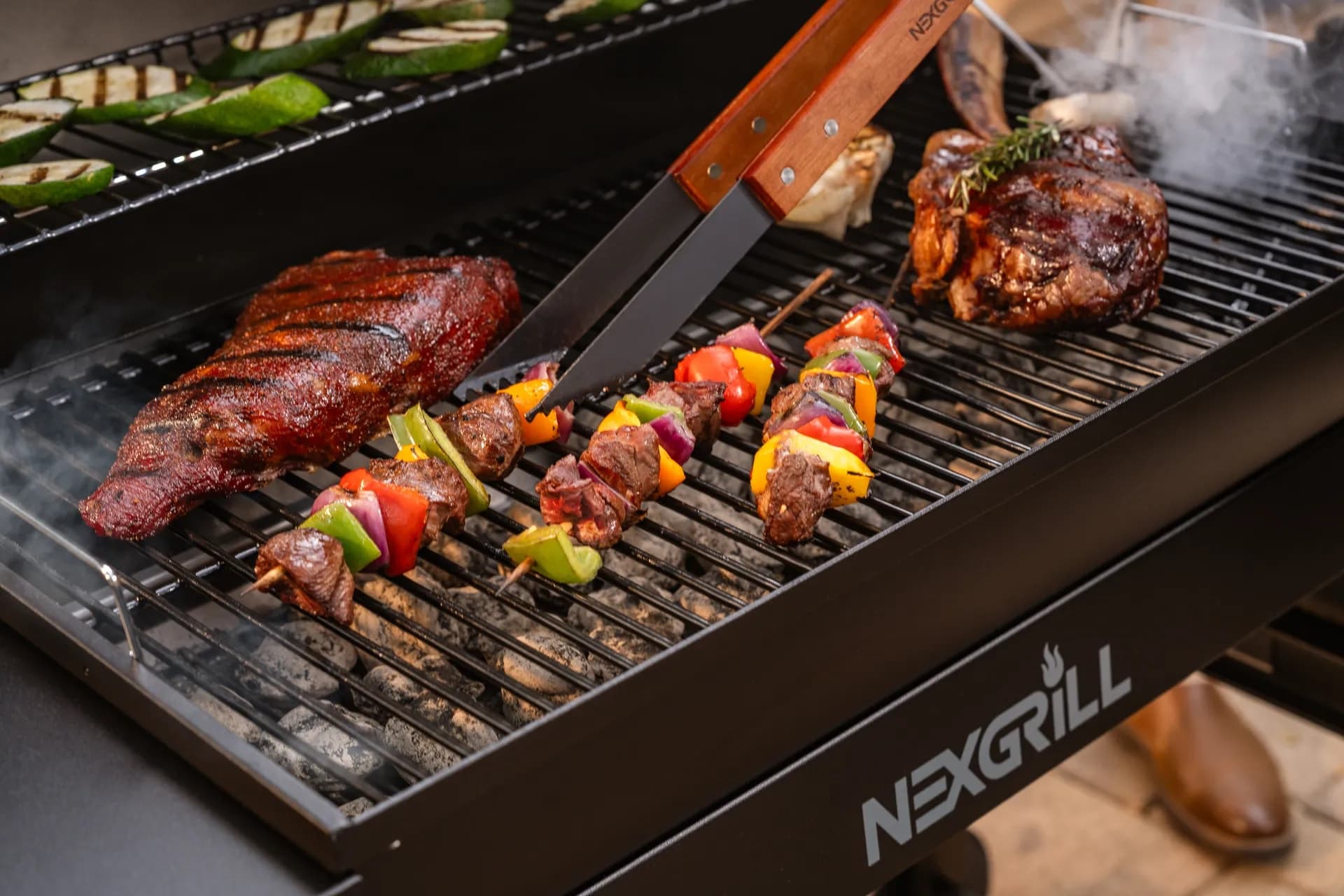
Step-by-step grilling recipes, cooking techniques, and meal ideas for every occasion and skill level.
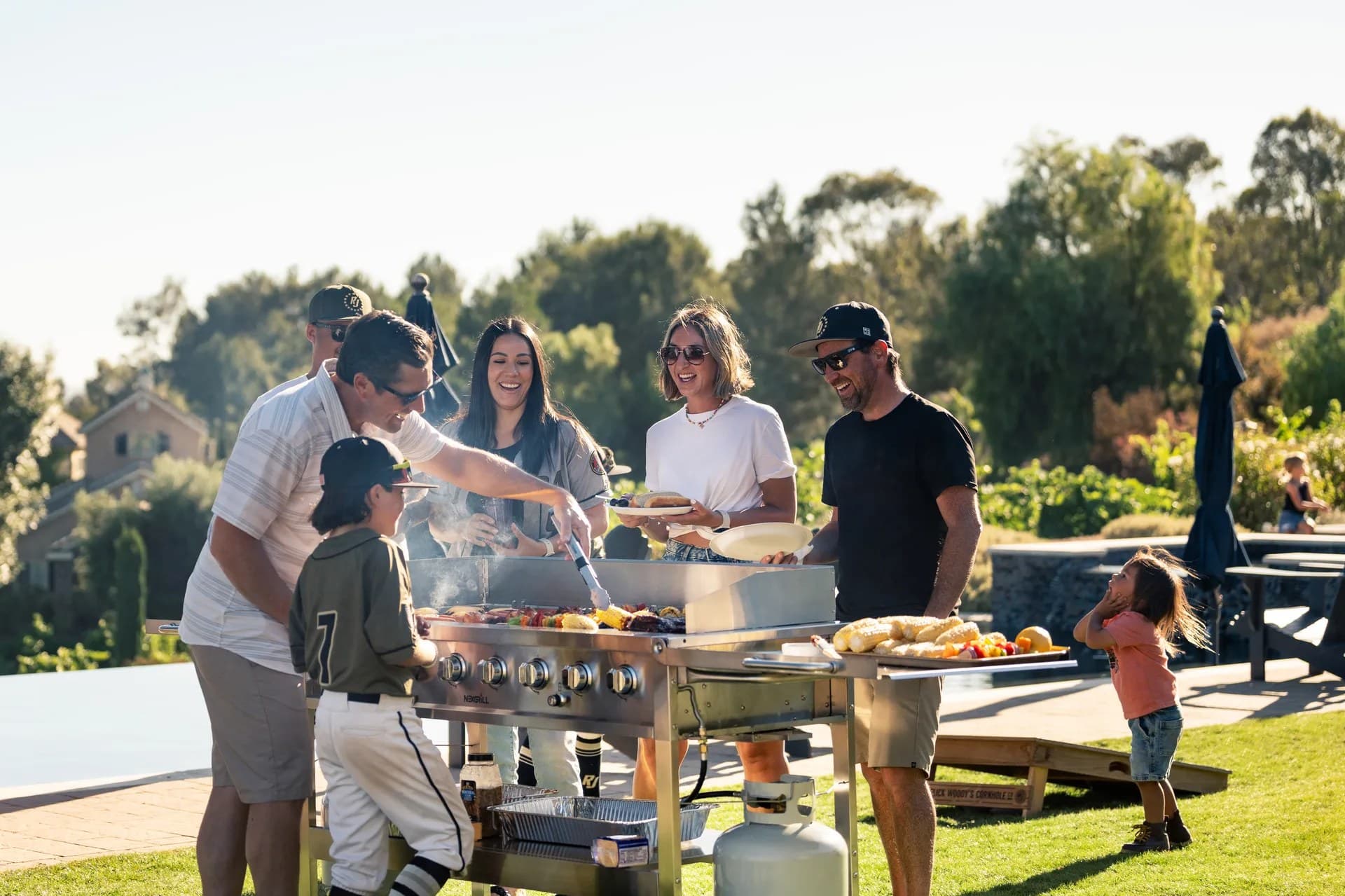
Backyard entertaining ideas, seasonal grilling inspiration, and stories that celebrate outdoor cooking culture.
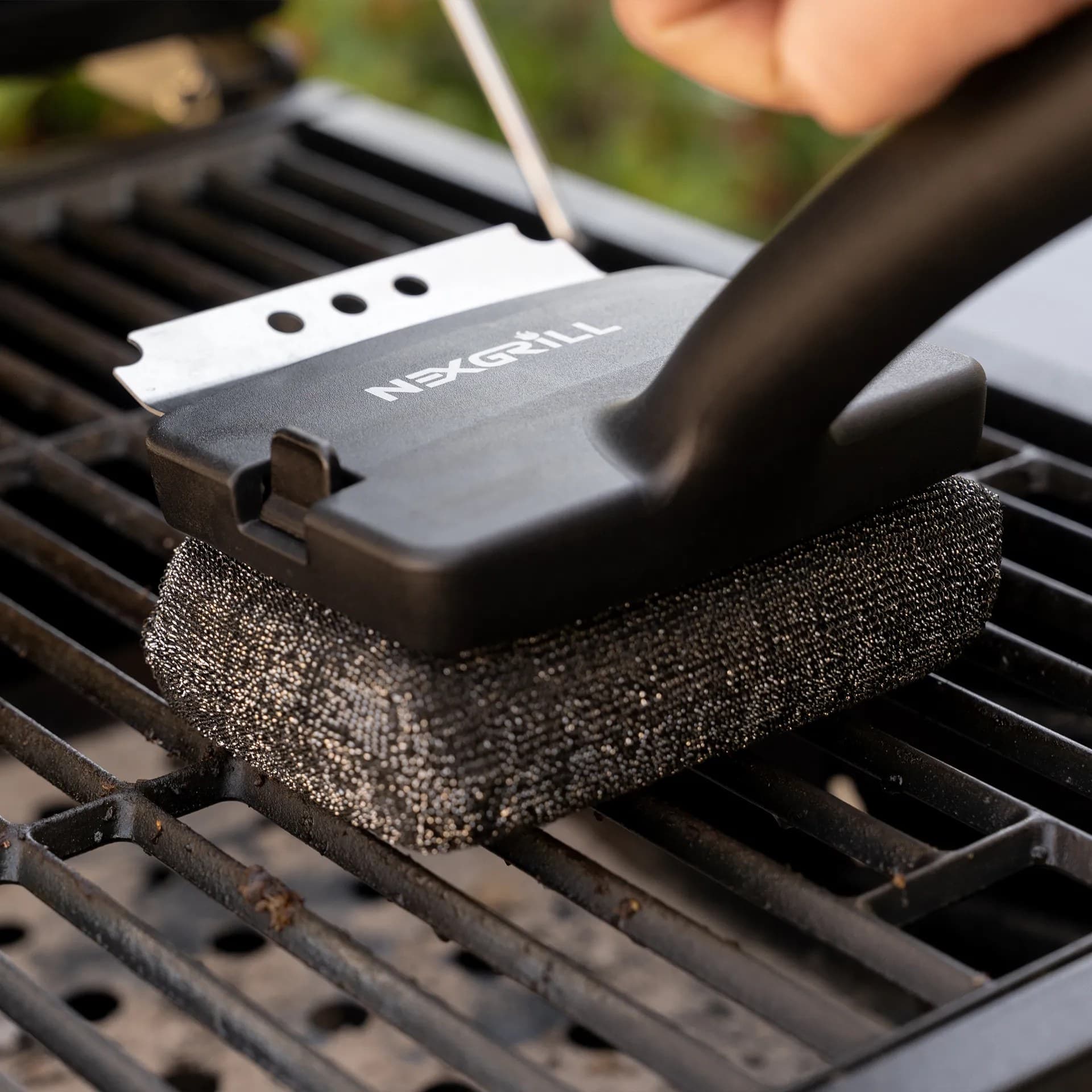
Helpful articles covering grilling tools, cookware, maintenance gear, and must-have accessories for outdoor cooking.
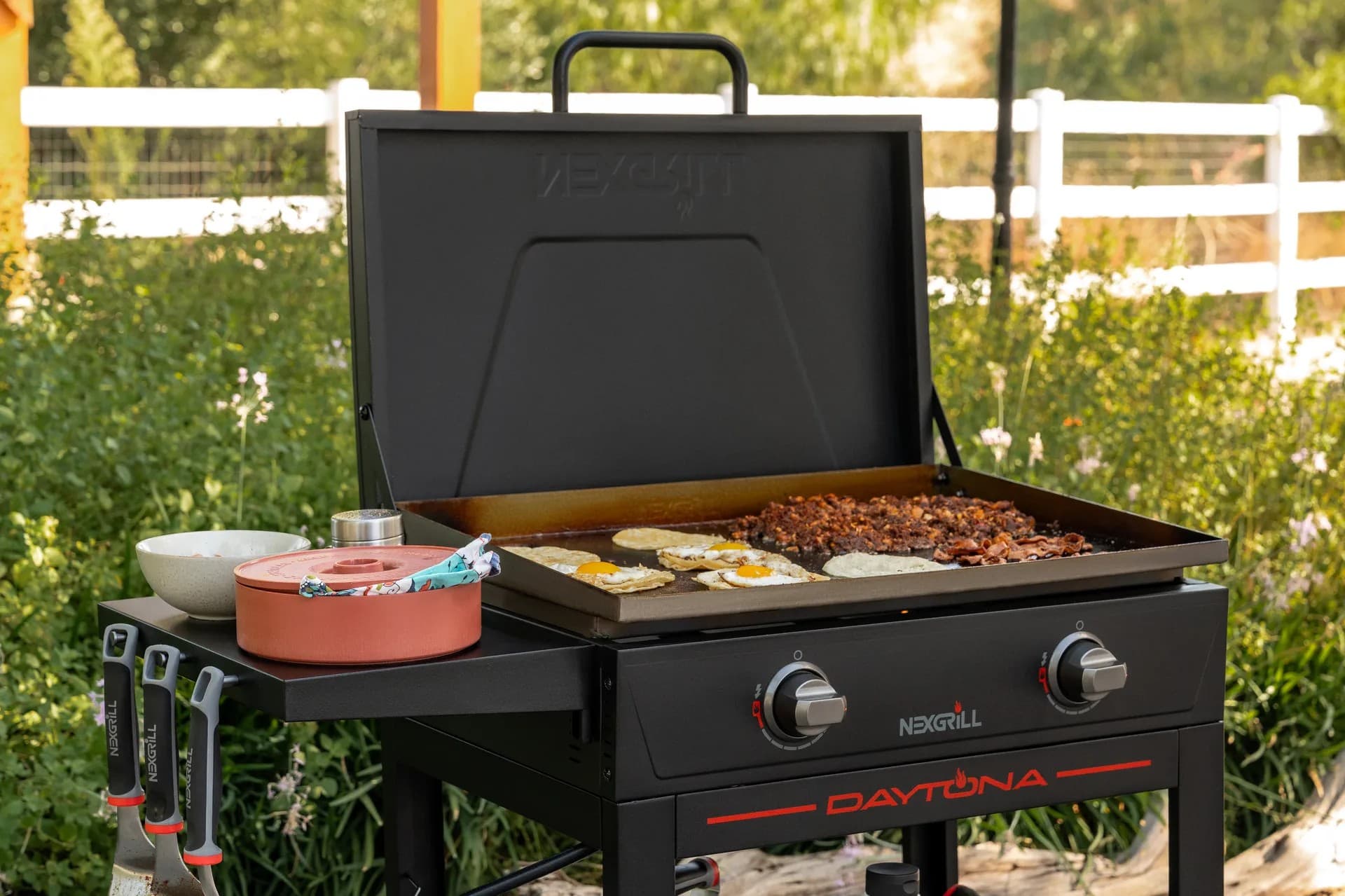
Find griddle recipes, cooking techniques, cleaning tips, and outdoor meal ideas designed for Nexgrill griddles.
Find answers to common questions
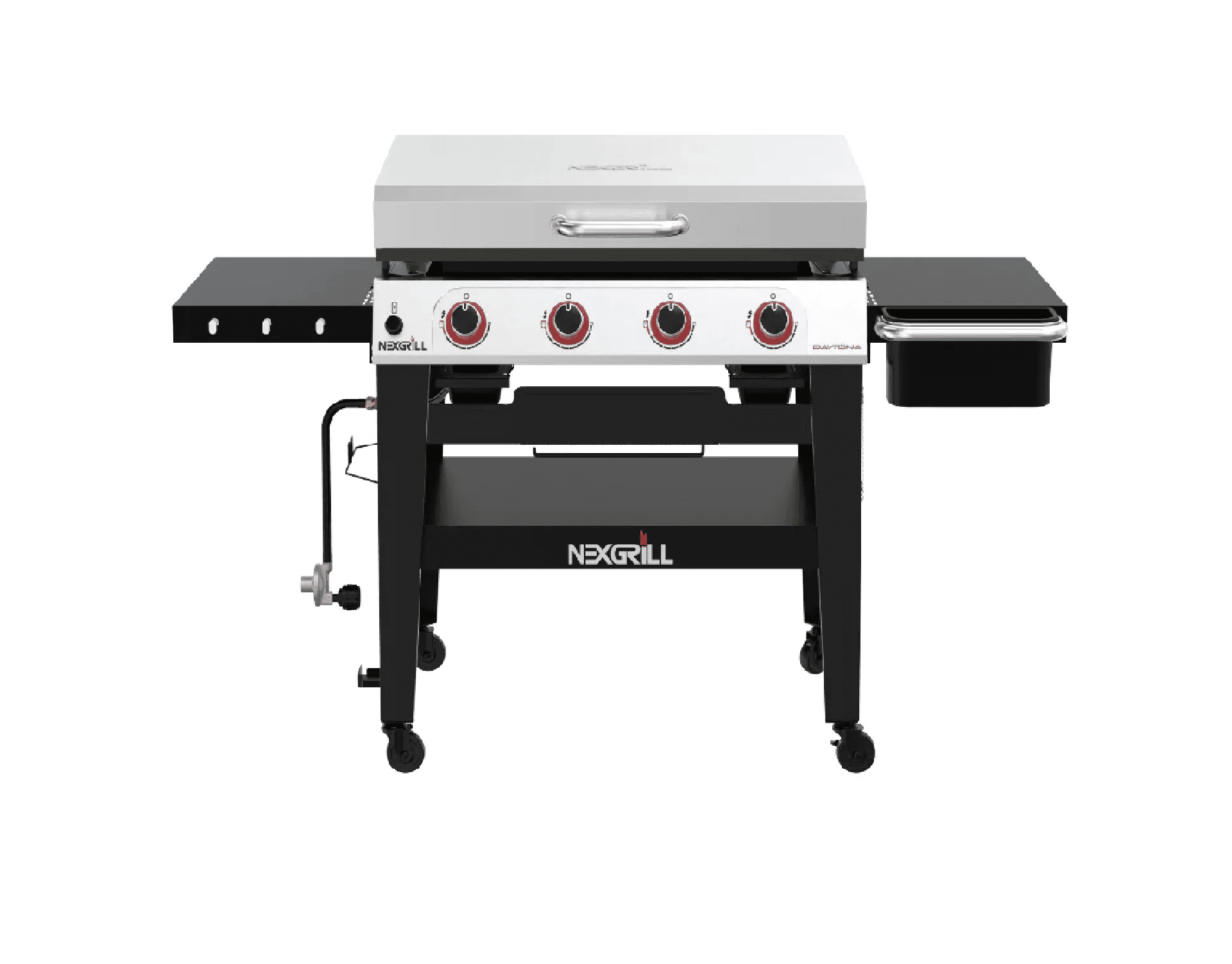
Nexgrill griddle dimensions vary by model. Please refer to the specific product page for detailed measurements.
Nexgrill griddles are typically constructed from high-quality stainless steel and other durable materials designed for outdoor cooking.
To clean your Nexgrill griddle, make sure it is cool, then scrape off food residue with a spatula and wash the surface with warm, soapy water. Regular cleaning helps maintain performance and longevity.
Yes, Nexgrill griddles are designed for versatile cooking and are ideal for preparing breakfast foods such as pancakes, eggs, and bacon.
Yes, Nexgrill offers a warranty on their griddles. Warranty terms can vary by model, so please check the product details for specific coverage information.
In This Article
Seasoning Your Griddle
Temperature Control
Cleaning and Maintenance
Flat-top griddle cooking rewards a different mindset than traditional grill cooking. Instead of chasing flare-ups and grate marks, you are managing a broad, continuous cooking surface that behaves more like a professional cookline than a backyard grate. That shift matters. On a griddle, heat spreads across zones, grease moves in predictable paths, and the surface itself becomes part of the cooking technique. Once you understand those mechanics, you can cook a wider variety of foods with better control and less guesswork.
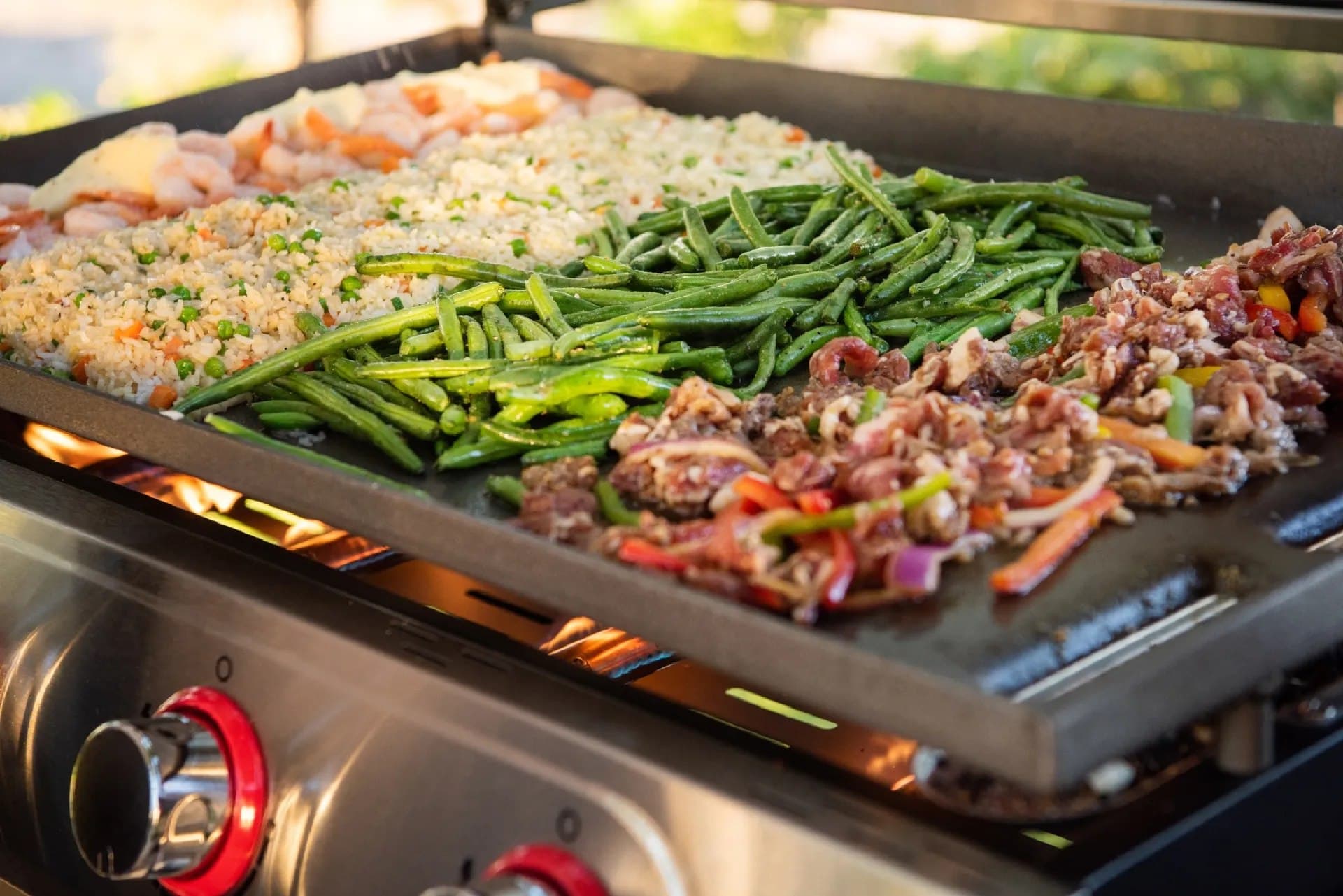
For Nexgrill cooks, this style is especially practical because it fits the brand’s accessible, community-minded approach to outdoor cooking. A griddle is ideal when you want to feed a crowd without juggling multiple pans or when you want one surface for breakfast, lunch, and dinner. Think crispy-edged smash burgers for a neighborhood cookout, fried rice with a proper sear, or a full breakfast spread of eggs, bacon, and pancakes moving across the same surface. That flexibility is what makes the flat-top so useful: it is not just another way to cook burgers, but a system for cooking multiple components at once and serving them hot.
The real skill is learning how to divide the griddle into active, medium, and resting areas.
If you are used to a traditional gas grill, the biggest adjustment is learning to trust the flat surface. Food does not sit over open flame, so you will use a combination of preheating, oil management, and spatial planning to get the texture you want. The upside is excellent consistency. Thin foods like eggs, sliced vegetables, diced potatoes, tortillas, and chopped proteins cook evenly because the surface contact is steady. Foods that would fall through grates or dry out on a grill often perform better here, especially when you are cooking for several people at once.
A griddle works best when you think in stations: one area for searing, one for finishing, and one for holding food at serving temperature.
The four habits that make the biggest difference are seasoning, temperature control, cleanup, and disciplined use of space. Seasoning creates the cooking foundation. Temperature control protects texture and prevents burning. Cleanup preserves the finish you worked to build. Space management prevents steaming and crowding, which are two of the fastest ways to lose color and crispness. The rest of this guide focuses on those habits in detail so your griddle performs better every time you light it.
Seasoning is not just a one-time task; it is the ongoing process that creates the surface character of a flat-top griddle. At its simplest, seasoning means applying a thin layer of oil and heating it so it polymerizes into a protective coating. That coating helps reduce sticking and adds corrosion resistance, which matters because flat-top cooking surfaces see repeated exposure to heat, grease, moisture, and scraping. A well-seasoned griddle often looks darker, smoother, and more even over time.
The most common mistake is using too much oil. Thick, glossy pools do not create a better surface; they create tacky spots, uneven patches, and sticky residue. A better approach is to clean the cooking surface, heat it until it is dry, and apply a very thin film of oil across the top. Then heat it again until the oil fades from glossy to dry-looking. Repeating that process several times in a row builds a stronger base than one heavy pass. This is the same reason many seasoning guides emphasize thin coats and multiple cycles rather than aggressive oiling at once .
For a new griddle, start with a thorough wipe-down to remove dust or manufacturing residue. Then preheat gradually. Rapidly blasting the surface with maximum heat is less useful than bringing it up steadily, because seasoning develops more evenly when the metal heats uniformly. Use an oil with a reasonably high smoke point so the process progresses without burning too early. After the first few coats, cook a few oily foods that support seasoning naturally, such as bacon, onions, or potatoes. Those foods help reinforce the layer while you prepare dinner.
Avoid scraping aggressively on a brand-new surface. Remove residue, but do not grind away the thin coating you are trying to build.
Seasoning also changes with how you cook. Sugary marinades, acidic sauces, and wet batters can stress the finish if they burn or sit too long. That does not mean you should avoid them, but it does mean you should wipe the surface promptly after high-sugar cooking and reapply a light oil film if the top looks dry. A flat-top that gets used regularly tends to improve faster than one that is stored and forgotten. The goal is not a perfect mirror finish on day one. The goal is a stable, practical surface that releases food well and can be renewed with normal use.
Temperature control is the real engine of good flat-top cooking. Because the griddle gives you one continuous cook zone, the most effective cooks learn to map the surface into heat bands. A left side might run slightly hotter than the right. The front edge might be the best place to hold finished food, while the center becomes the main sear area. Once you know those patterns on your own unit, you can make the griddle work for you instead of fighting it.
The first step is preheating long enough for the metal to stabilize. If you put food on too early, the surface may look hot but still behave inconsistently, which leads to sticking and uneven browning. For most griddle sessions, it is smarter to let the surface come fully up to temperature before adding oil. A simple water test can help: a few drops should dance rather than vanish instantly. When the water disappears too quickly, the area may be too hot for delicate foods. When it barely moves, you are not ready for a proper sear.
The best griddle temperature is the one that matches the food, not the one that looks dramatic.
Different foods want different heat levels. Eggs and soft vegetables usually need moderate heat so they set without coloring too fast. Smash burgers and thin steaks benefit from high initial contact heat to promote browning. Tortillas, pancakes, and quesadillas often do best on a medium zone that can be nudged hotter or cooler as needed. The trick is to move food instead of constantly changing burner settings. If one section is too hot, shift the food to a cooler area rather than waiting for the entire surface to normalize.
Another important concept is carryover heat. The griddle does not cool immediately when you lift food away. Residual heat continues to cook the surface for a while, which is useful for finishing vegetables or keeping burgers warm, but it can overbrown delicate items if you ignore it. This is why a resting area matters. Leave one section lightly oiled and lower in intensity if possible, and use it as a landing zone for items that need a few extra seconds without direct searing.
If you are cooking for a group, sequence matters as much as temperature. Start with items that benefit from more holding time, such as potatoes or onions, then move to proteins, then finish with quick-cooking elements like eggs or tortillas. That order keeps the griddle organized and reduces the chance that your most delicate items are waiting while the rest of the meal catches up. Good temperature control is really good timing plus a good map of the surface.
Cleaning a flat-top griddle is less about scrubbing and more about preserving the cooking layer you already built. The best routine starts while the surface is still warm, because grease and food residue release more easily before they harden. Use a scraper or spatula edge to push debris into the grease channel, then wipe the surface with a paper towel or cloth. If you are dealing with stubborn residue, a small amount of warm water can loosen it, but the surface should be dried completely afterward so moisture does not sit on the steel.
Seasoning, once established, needs protection. That means avoiding harsh abrasives unless you are correcting a serious buildup problem. It also means using clean, dry tools and keeping the grease tray emptied so overflow does not become a smoke or odor issue later. A quick post-cook routine often beats a deep cleaning later because it prevents grease from carbonizing into hard patches. The more regularly you clean, the easier each session becomes.
Wipe the griddle after cooking, then leave a very light oil film before storage to help guard against rust.
Storage matters too. If your griddle lives outdoors, a fitted cover reduces exposure to rain, pollen, and dust. Even a covered griddle benefits from a dry final wipe before shutdown. In humid climates, that extra minute matters because small beads of moisture can lead to rust spots on exposed edges or around corners. Routine inspections should include the surface, the grease management area, burner performance, and any visible fasteners or seams that might trap debris. Clean equipment simply cooks better because heat transfer stays more predictable.
Think of maintenance as part of flavor. A cleaner surface gives you fewer off-notes, better browning, and a more reliable sear. It also shortens the gap between one cook and the next, which is valuable when you want to grill on a weeknight without spending half the evening restoring the surface.
Once the basics feel automatic, the griddle opens up a set of techniques that are hard to replicate anywhere else. One of the most useful is cross-utilization: cooking components separately, then assembling them on the surface at the end so they finish together. For example, you can brown onions, toast buns, sear proteins, and warm cheese in one coordinated sequence. That keeps the meal cohesive without forcing every ingredient into the same heat exposure.
Another advanced habit is controlling moisture. Moisture is the enemy of browning, so food that is washed, thawed, or marinated should be patted dry before it touches the surface. This matters especially for vegetables and proteins that you want to sear instead of steam. If you are making smash burgers, use enough pressure to maximize contact, but only for the first phase of cooking. Pressing after the crust has set can squeeze out juices and reduce texture.
You can also use the griddle as a finishing platform rather than just a primary cooker. Smoke or roast foods elsewhere, then move them to the griddle to crisp the exterior, toast the bread, or glaze the surface. That hybrid approach is especially useful for pulled pork sandwiches, breakfast burritos, and fajita-style dishes where you want a soft interior and a crisp outer layer. Try comparing two products side by side below to see which fits best:
Once you have compared two options side by side, the next question is not just what the griddle can do, but what helps you do it well. The right accessories change the rhythm of cooking on a flat-top. A stiff metal spatula helps you chop and turn food quickly. A scraper keeps the surface clean between batches. Squeeze bottles let you control oil, water, or sauce with precision instead of dumping liquid where you do not want it. These are not luxury items; they are part of how a griddle station stays organized and efficient.
A good set of accessories should match the style of food you cook most often. If you love breakfast on the griddle, use wide turners for pancakes and eggs, plus a dome cover for steaming cheese or finishing thicker omelets. If you cook a lot of vegetables and rice, look for a scraper, mixing spatula, and heat-safe containers for staging ingredients. For smash burgers, a sturdy press can help you get rapid, even contact on the initial sear. The real payoff comes from speed and control: when tools are close at hand, you can move food from one zone to another without losing your heat window.
Choose tools that are comfortable in heat and easy to clean. A fast cleanup routine is more valuable than a drawer full of gear you never reach for.
Accessory setup also affects your workflow. Keep oil, seasoning, towels, and utensils grouped in the same place every time so you do not interrupt cooking to search for them. Many griddle cooks arrange a left-to-right flow: raw prep, cook surface, finished holding area, and cleanup zone. That kind of layout keeps the process calm even when you are cooking for a full table. It also makes the griddle feel less like a single appliance and more like a compact outdoor kitchen.
Flat-top griddles are straightforward to use, but they still demand the same respect you would give any heated cooking appliance. Start by placing the unit on a stable, level surface away from overhanging branches, awnings, or clutter. A griddle produces heat across a wide area, so it needs breathing room on all sides. Make sure the area around the cooktop is clear before ignition, and keep children or pets out of the immediate workspace while the surface is hot.
Grease management deserves special attention. Because a griddle concentrates fat and cooking oil on a flat plane, runoff can accumulate quickly if the grease tray is full or the cook surface is overloaded. Empty and inspect grease collection areas regularly, and never let liquid grease pool where it can catch fire. Keep a lid, gloves, and a safe way to shut off fuel within easy reach. Even when the fire risk is low, a hot surface can cause severe burns, so treat every corner of the cooktop as active until it has cooled fully.
Do not pour large amounts of cold water onto an overheated surface. It can create steam bursts, splatter grease, and damage the cooking surface.
Fuel-source checks are part of safe operation as well. If you use propane, confirm that connections are secure before each session and smell-test carefully around fittings. If anything seems off, stop and inspect rather than pushing through a cook. Safety is not separate from performance on a griddle; a clean, secure setup is easier to control and more consistent in use. Practicing a short pre-cook safety check only takes a minute, but it prevents a lot of avoidable problems.
Most griddle problems come from heat, moisture, or surface condition. If food sticks, the usual causes are insufficient preheating, too much moisture on the food, or a seasoning layer that needs renewal. If food browns too fast, the surface is likely hotter than the dish requires, so move the item to a cooler zone before it overcooks. If one side cooks differently from another, learn the hot spots and use them intentionally instead of assuming the surface is perfectly even.
Uneven coloration is often a spacing issue. Overcrowding traps steam and lowers surface temperature right where the food needs contact heat. Cooking in smaller batches can produce better texture and reduce frustration. Likewise, if your eggs spread too much or your pancakes come out pale, the surface may not have stabilized yet. Give it more time to heat evenly before starting the next round. Many cooks improve instantly simply by slowing down the preheat and cooking in a more deliberate order.
When in doubt, use a test batch. A single onion slice or small tortilla tells you more about the surface than guessing does.
If rust appears, address it right away with a controlled clean-and-reseason cycle instead of waiting for the problem to spread. If your surface begins to feel sticky, you may have over-oiled it during seasoning or storage. A light scrape, a dry heat cycle, and a thinner oil application usually correct the issue. The goal is not perfection in every session; the goal is to recognize what the griddle is telling you and respond before a small problem becomes a recurring one.
Flat-top griddles shine when you build meals around contrast. Crispy and soft. Browned and bright. Hot and fresh. That makes them excellent for more than the usual burger fare. For breakfast, try hash browns with onions and peppers, then slide eggs to a lower-heat zone while the potatoes continue to crisp. For lunch, prepare chicken cutlets or thinly sliced steak with onions and mushrooms, then toast rolls on the edge of the griddle so everything finishes together. For dinner, use the surface for fajitas, chopped vegetables, fried rice, or teriyaki bowls where the griddle’s broad footprint helps you organize several ingredients at once.
You can also use the griddle for recipe-building that feels almost like meal assembly. Warm tortillas on one side, sear seasoned shrimp on another, and keep pico-style toppings in a cooler area until serving. That approach works especially well for casual gatherings because guests can build their own plates while you keep the surface active. The griddle becomes a social cooking tool, not just a heat source.
| Recipe style | Best griddle zone | Why it works |
|---|---|---|
| Smash burgers | High-heat center | Fast sear and strong crust formation |
| Eggs and pancakes | Moderate edge zone | Gentler heat prevents scorching |
| Fried rice | Mixed active surface | Space allows tossing, spreading, and browning |
| Quesadillas | Medium zone with finish area | Even melting without overbrowning |
If you are cooking for a mixed crowd, use the griddle’s flexibility to separate ingredients by preference. Vegetarians can have a dedicated zone for mushrooms, squash, and peppers. Meat dishes can occupy a hotter section. Sauces and tortillas can stay to the side until the final build. That level of organization lets everyone eat well without turning the meal into a bottleneck.
Becoming confident on a flat-top griddle is less about memorizing rules and more about learning a cooking rhythm. Build the surface with proper seasoning, preheat with patience, divide the griddle into practical zones, and clean it carefully after each use. Those habits create reliable results and make the appliance feel easier every time you cook on it.
The best griddle cooks are not the ones who rush. They are the ones who manage space, moisture, and heat with intention. They know where to sear, where to hold, and when to move food before texture is lost. With a little repetition, those decisions become second nature. And once that happens, the flat-top starts to feel less like a special-occasion appliance and more like one of the most useful tools in your outdoor cooking setup.
Here's what sets us apart
We position ourselves as delivering high-end outdoor cooking features and performance without premium-brand pricing, emphasizing “Quality Grills. Unbelievable Value.”
We offer gas grills, pellet grills, griddles, smokers, pizza ovens, portable/tabletop grills, electric grills, accessories, and replacement parts — allowing customers to stay within one ecosystem for all outdoor cooking needs.
We differentiate ourselves through smart grilling products like the Oakford smart pellet grill, including app-connected cooking controls and modern outdoor cooking technology.
Don't just take our word for it
Keep reading
From our catalog