Electric vs Gas Grills: Making the Right Choice for Your BBQ Needs
Explore the pros and cons of electric and gas grills to find your perfect match.
In This Article
Electric Grill Benefits
Gas Grill Advantages
Choosing Your Grill
Understanding Electric Grills
Electric grills have gained popularity due to their convenience and ease of use. They are perfect for those living in apartments or areas where gas and charcoal grills are restricted. Unlike traditional grills, electric grills use electricity as their primary heat source, making them suitable for indoor grilling as well.
One of the significant advantages of electric grills is their simplicity. With just a power socket, you can start grilling without dealing with the hassle of propane tanks or charcoal. This makes them an ideal choice for those who want a quick grilling experience without the prep time.
However, electric grills typically offer less flavor compared to their gas and charcoal counterparts. The lack of open flame means less smoke and those distinct grill marks that barbecue enthusiasts crave. Despite this, they provide a healthier cooking option by reducing flare-ups and the risk of consuming carcinogens.
Tip: Use wood chips in a smoker box on an electric grill to enhance the smoky flavor.
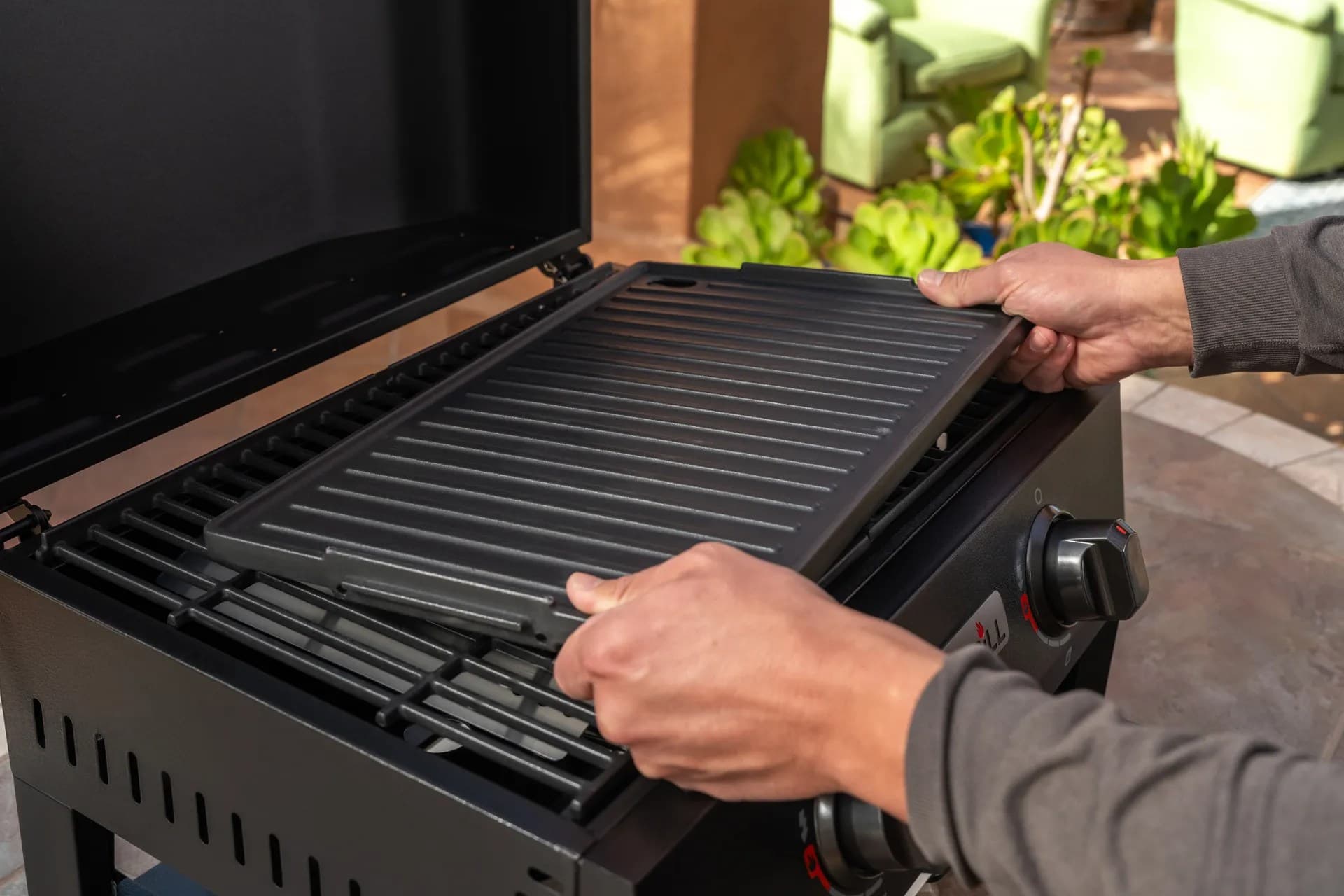
Electric grills are also generally easier to clean. Most models come with removable grill plates that can be easily washed, which is a big plus for those who grill frequently. But, if you're after the smoky, charred taste that many associate with grilling, you might find electric grills lacking.
The Appeal of Gas Grills
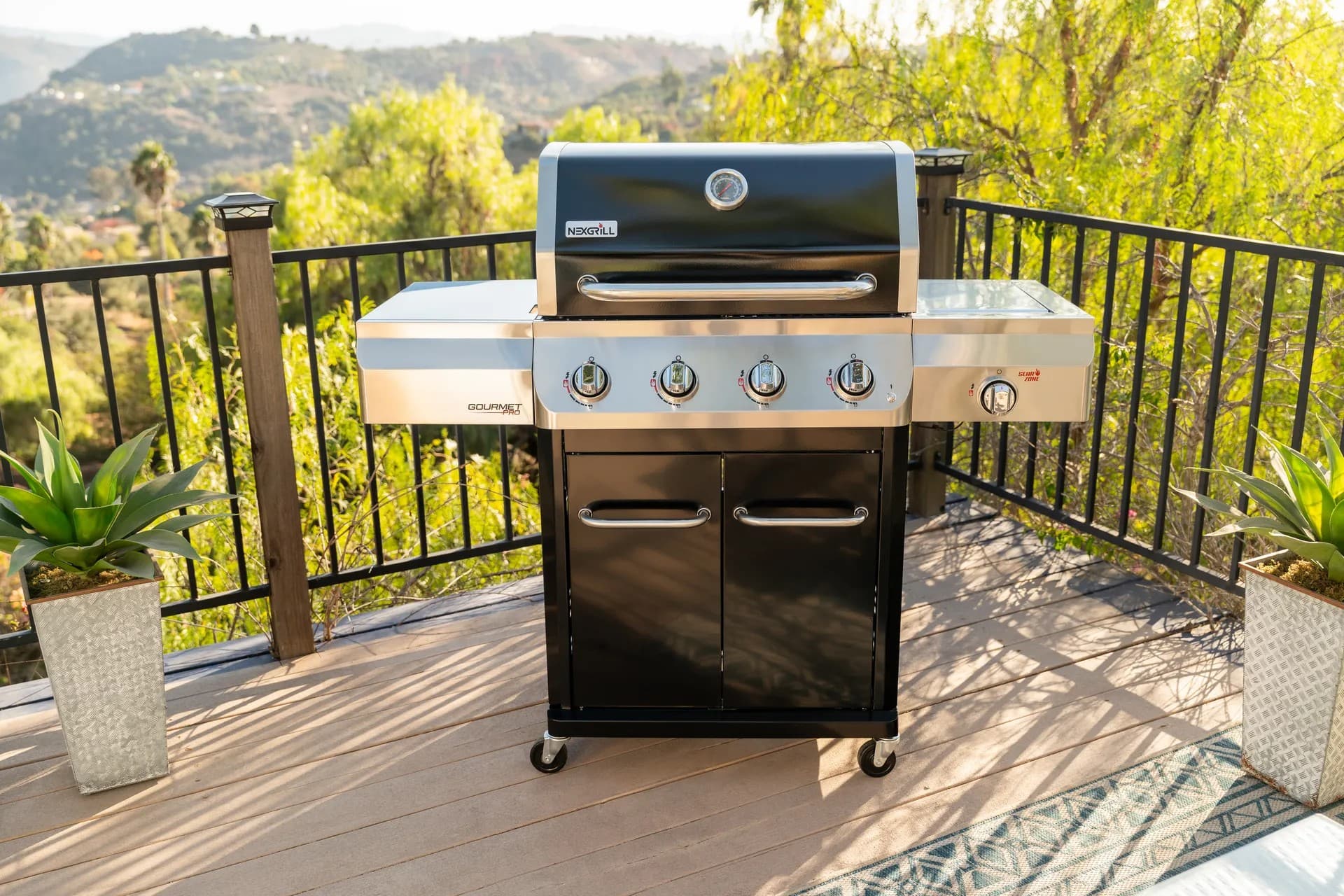
Gas grills, on the other hand, are a favorite among barbecue purists who want the authentic grilling experience without the hassle of charcoal. They offer a balanced combination of convenience and flavor, making them popular for backyard gatherings and family cookouts.
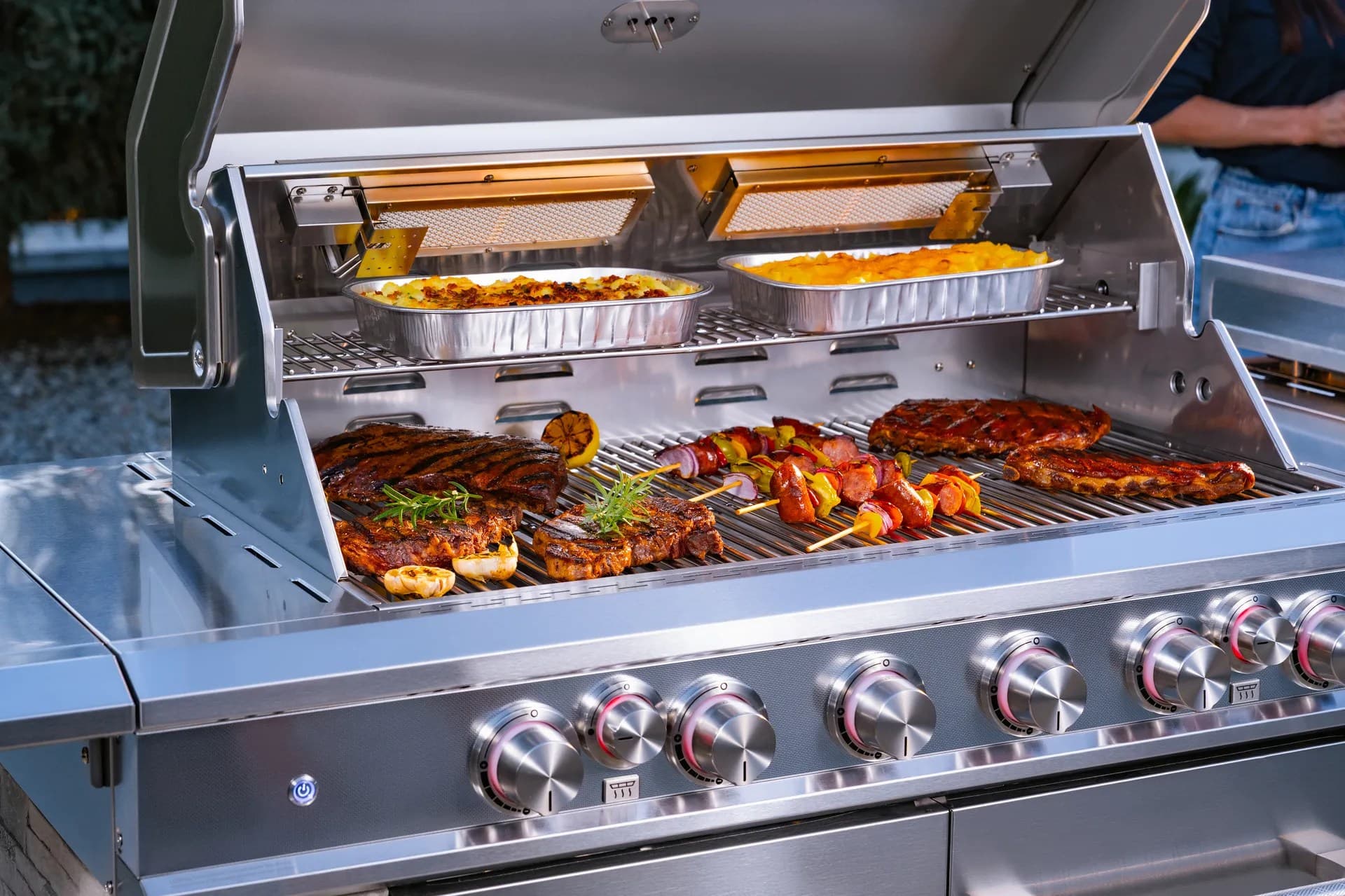
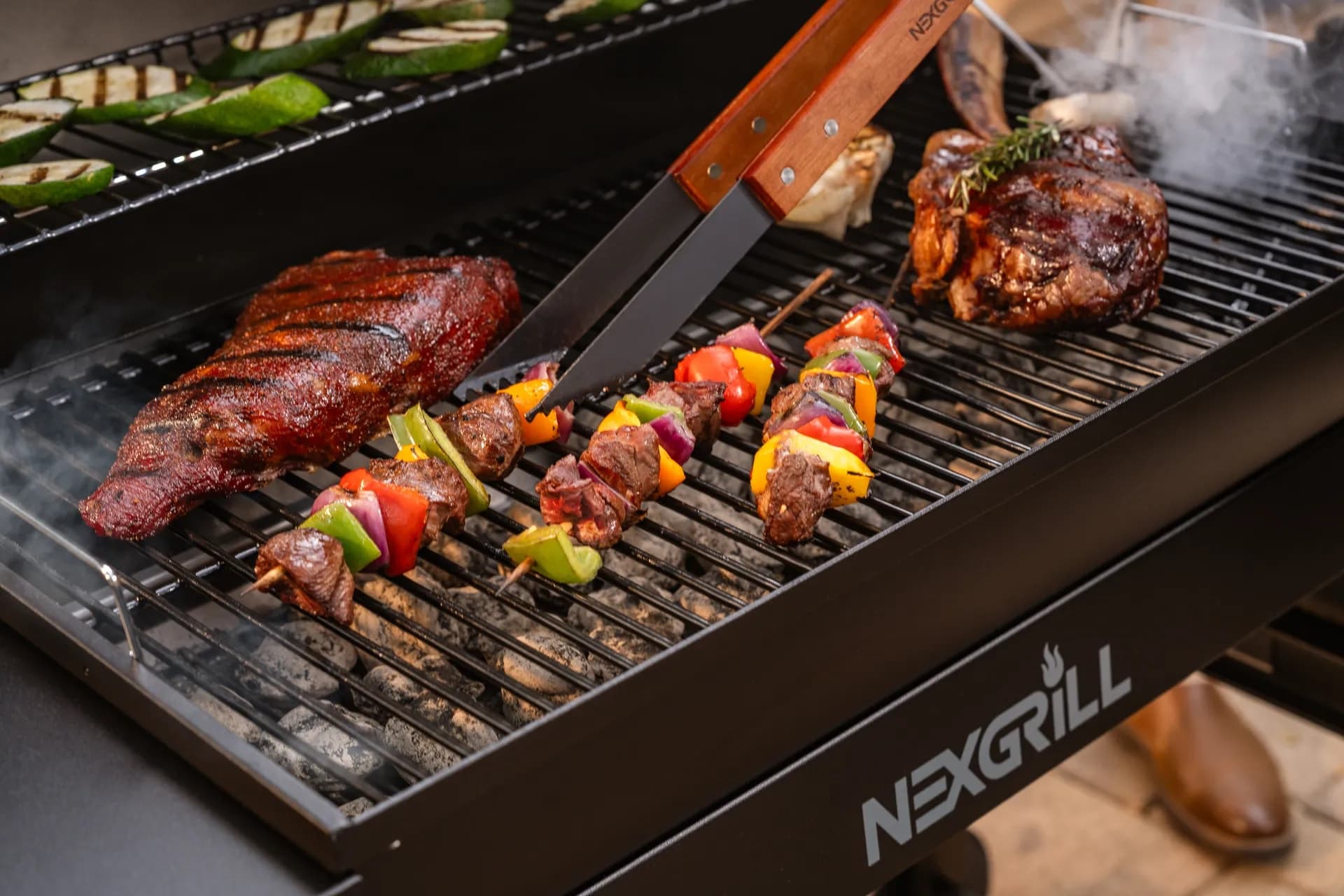
With a gas grill, you can achieve higher temperatures quickly, which is ideal for searing meats and creating those iconic grill marks. Unlike electric grills, gas grills utilize propane or natural gas as fuel, providing more intense heat and better flavor profiles.
However, gas grills require more maintenance than electric grills. You'll need to regularly check the gas connections and clean the burners to ensure efficient operation. Additionally, gas grills are generally larger and more expensive, so they require a dedicated outdoor space and a bigger initial investment.
| Feature | Electric Grills | Gas Grills |
|---|---|---|
| Fuel Source | Electricity | Propane/Natural Gas |
| Flavor | Less Smoky | Smoky and Rich |
| Ease of Use | Very Easy | Moderate |
| Cleaning | Easy | Moderate |
| Cost | Lower | Higher |
Choosing the Right Grill for You
When deciding between electric and gas grills, consider your lifestyle and cooking preferences. If you live in an apartment or have limited outdoor space, an electric grill might be your best bet. They're compact, easy to use, and require less maintenance.
For those who value flavor and outdoor cooking experiences, gas grills provide the authentic barbecue taste that many desire. They are perfect for hosting larger gatherings and can handle a variety of cooking styles from searing to slow roasting.
Also, factor in how often you grill and what types of food you prefer. Frequent grillers who enjoy a variety of meats might find gas grills more suitable due to their versatility and flavor enhancement. In contrast, if you prefer a quick, simple grilling method, the electric grill is a fantastic option.
Warning: Always ensure proper ventilation when using gas grills to avoid carbon monoxide buildup.
Ultimately, your choice between an electric or gas grill should align with your priorities, whether they are convenience, flavor, or cooking versatility. Try comparing two products side by side below to see which fits best:
After Comparing, Here's What Matters...
Once you've weighed two options against each other, it's essential to consider additional factors that can influence your grilling experience. These include grill size, portability, and available features like side burners and rotisseries.
For those who grill on the go, portability is key. Electric grills, with their compact design, are easy to transport and perfect for tailgating or picnics. However, if you have a dedicated grilling space in your backyard, a gas grill offers more robust cooking capabilities.
Grill Size Considerations
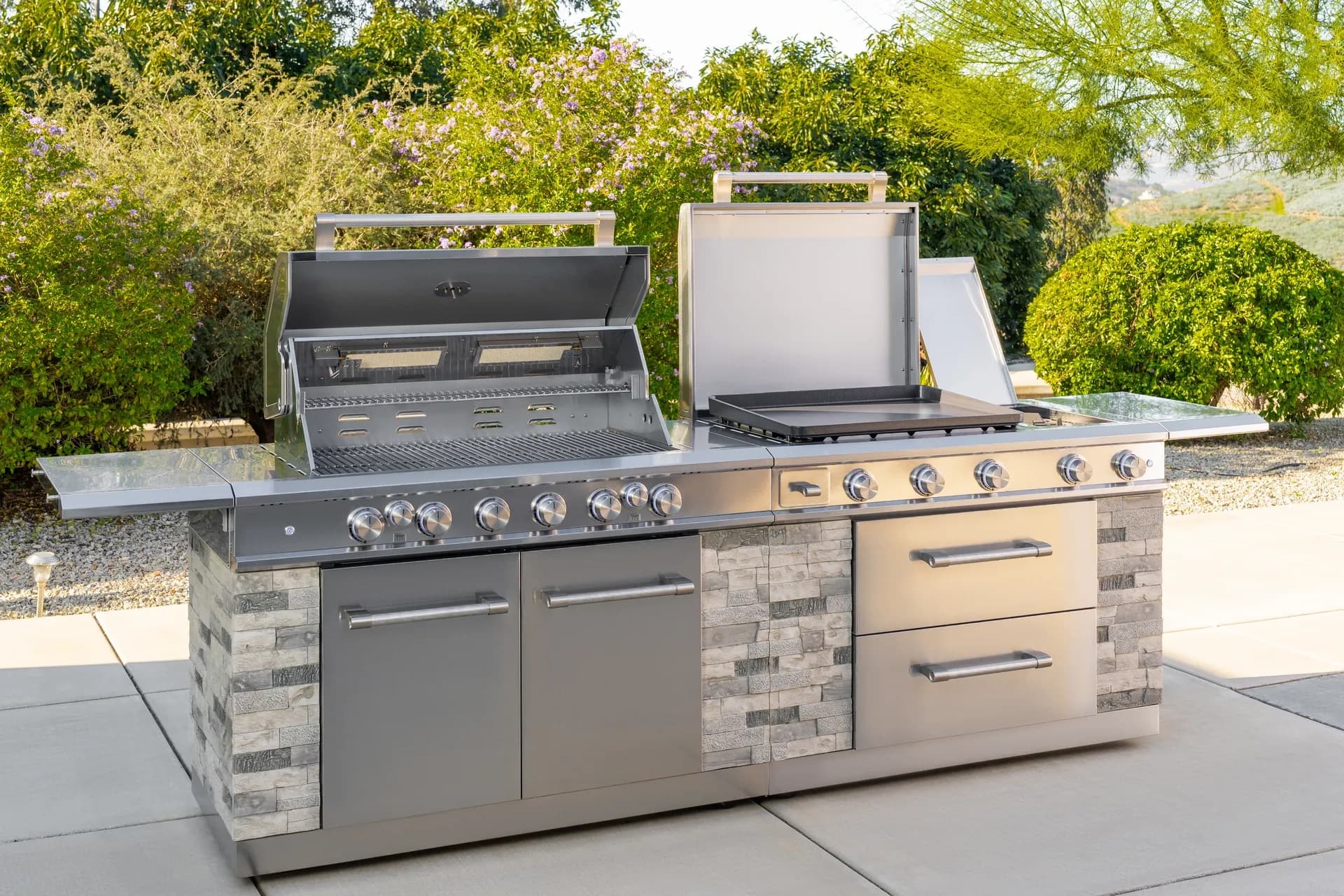
The size of your grill will directly impact your cooking capacity. If you frequently host large gatherings, consider a gas grill with multiple burners and a large cooking area. For smaller households, an electric grill's compact size may suffice.
Remember, a larger grill also means higher fuel consumption and more cleaning, so weigh these factors carefully against your typical usage and entertaining needs.
Feature Enhancements
Many grills come with additional features that can enhance your cooking experience. Gas grills often include side burners for cooking side dishes and warming racks for keeping food hot. Electric grills may offer adjustable temperature controls and non-stick surfaces to simplify cooking.
Consider what features are most important to you. If you enjoy experimenting with different cooking techniques, a gas grill's versatility might be appealing. Conversely, if simplicity and speed are your priorities, the straightforward operation of an electric grill will meet your needs.
| Consideration | Electric Grill | Gas Grill |
|---|---|---|
| Portability | High | Moderate |
| Cooking Space | Limited | Extensive |
| Temperature Control | Precise | Varied |
| Fuel Cost | Low | Variable |
Maintenance and Longevity
Maintenance is a critical aspect of grill ownership that can affect your long-term satisfaction. Electric grills typically require less maintenance due to fewer mechanical parts and no need for fuel replacement. Regular cleaning of the grill plates and exterior is usually sufficient.
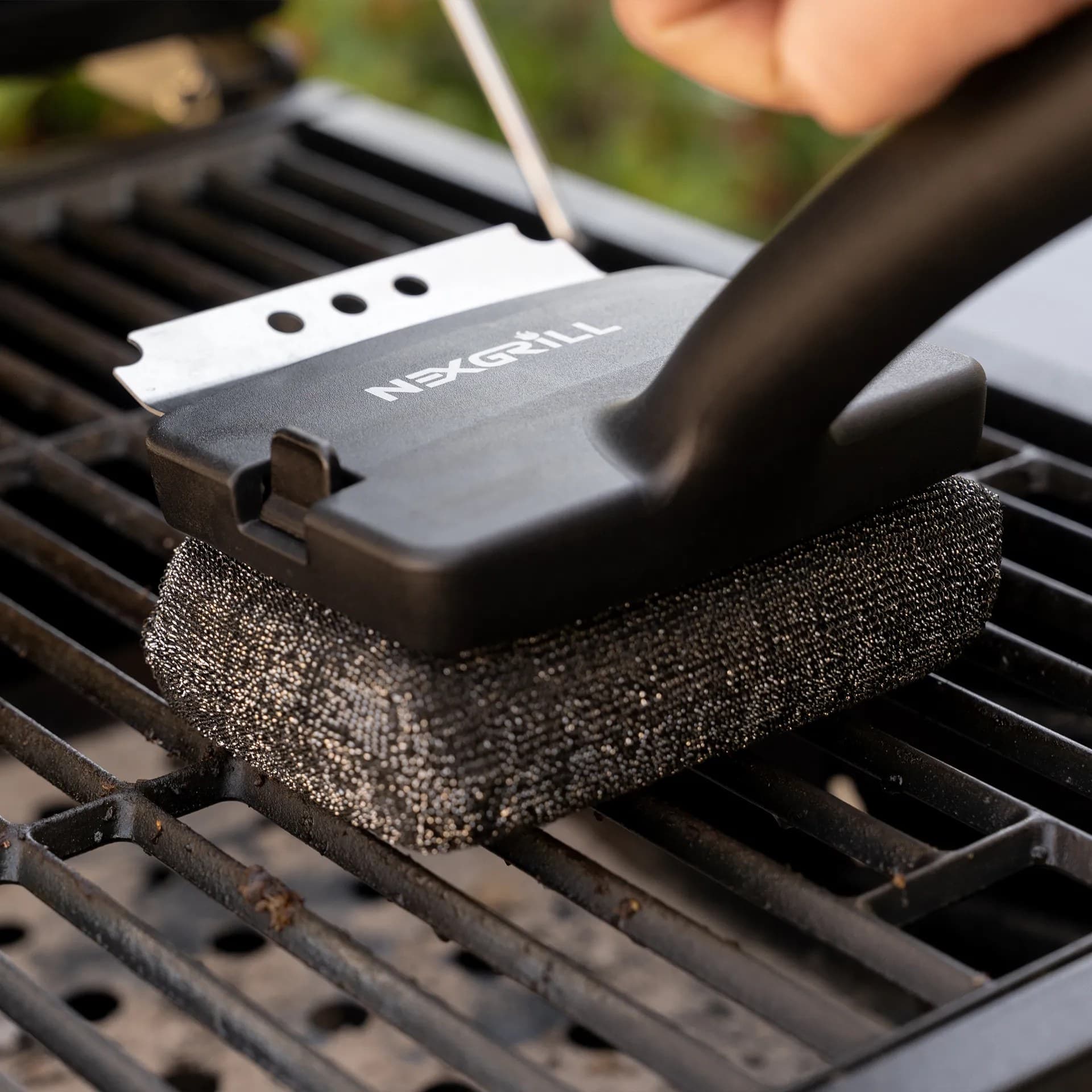
Gas grills, however, need regular checks of gas lines and burners to ensure safe operation. It's also advisable to invest in a grill cover to protect your equipment from the elements, extending its life and performance.
Tip: Regular maintenance can significantly extend the life of your grill and enhance its performance.