Electric Grill vs Gas Grill: Which is Right for You?
A comprehensive comparison of electric and gas grills to help you choose the best option for your grilling needs.
In This Article
Cooking Methods Compared
Health and Environmental Impact
User Experiences and Testimonials
Introduction
Choosing the right grill is essential for maximizing your outdoor cooking experience. With numerous options available, the choice between electric and gas grills can be daunting. Both offer unique benefits and potential drawbacks, making it crucial to understand their differences before making a decision.
Electric grills are often praised for their convenience and ease of use, especially in urban settings where space can be limited. They eliminate the need for gas tanks and are generally considered safer for indoor use. On the other hand, gas grills are favored by those who enjoy traditional barbecuing, offering the ability to achieve higher temperatures and a more authentic grilling experience.
This article will delve into a detailed comparison of electric and gas grills, covering aspects such as cooking methods, temperature control, and user convenience. By understanding these differences, you can make an informed choice that suits your lifestyle.
Comparison Overview: Electric vs Gas Grills
The primary distinction between electric and gas grills lies in their power sources. Electric grills use electricity, making them ideal for indoor cooking, while gas grills rely on propane or natural gas, often preferred for outdoor grilling. This fundamental difference impacts how each grill performs and the types of food they best prepare.
Electric grills are known for their ease of use and low maintenance. They heat up quickly and offer precise temperature control, making them suitable for cooking delicate foods like fish and vegetables. However, they may lack the high heat needed for searing steaks effectively.
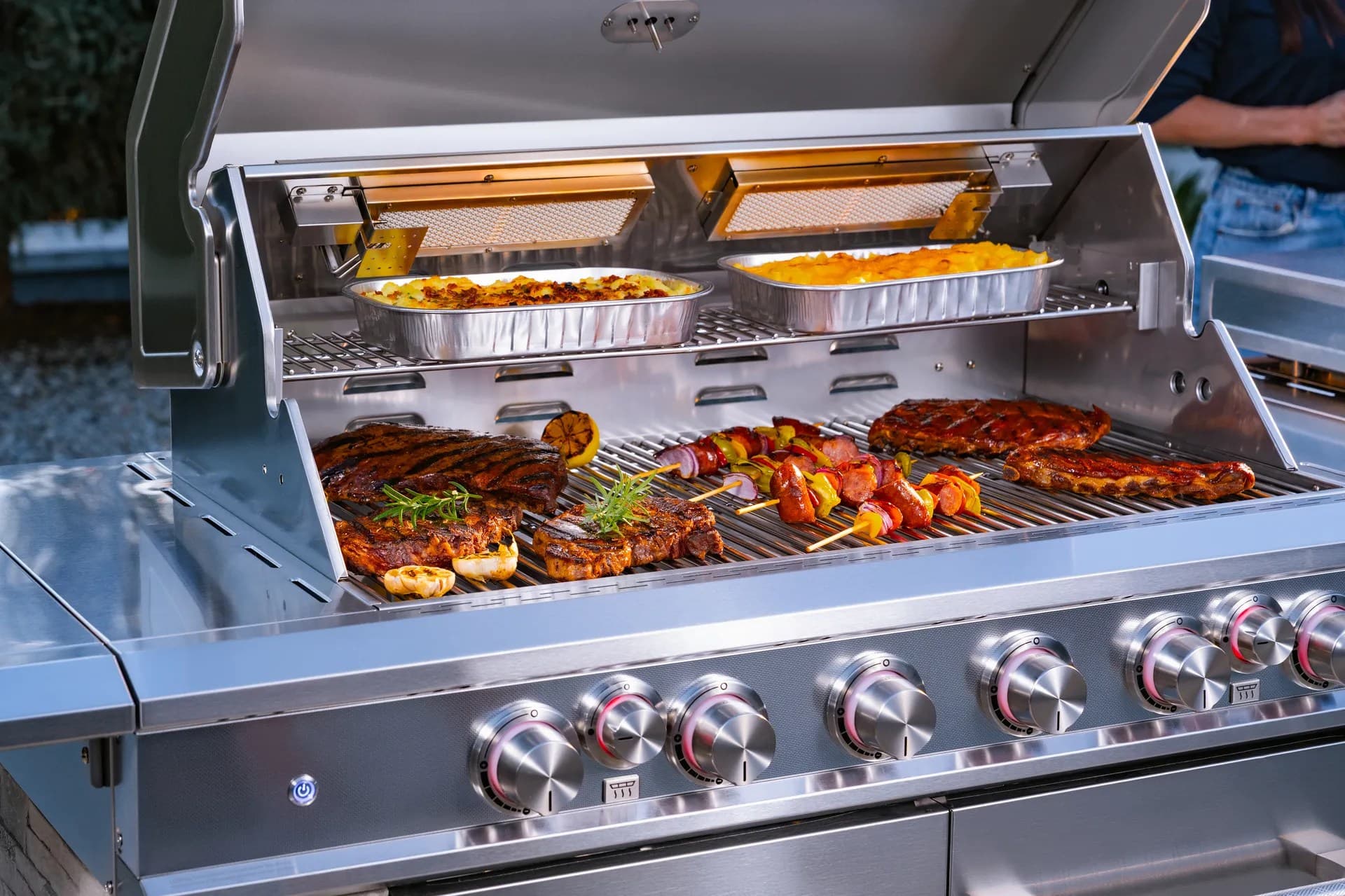
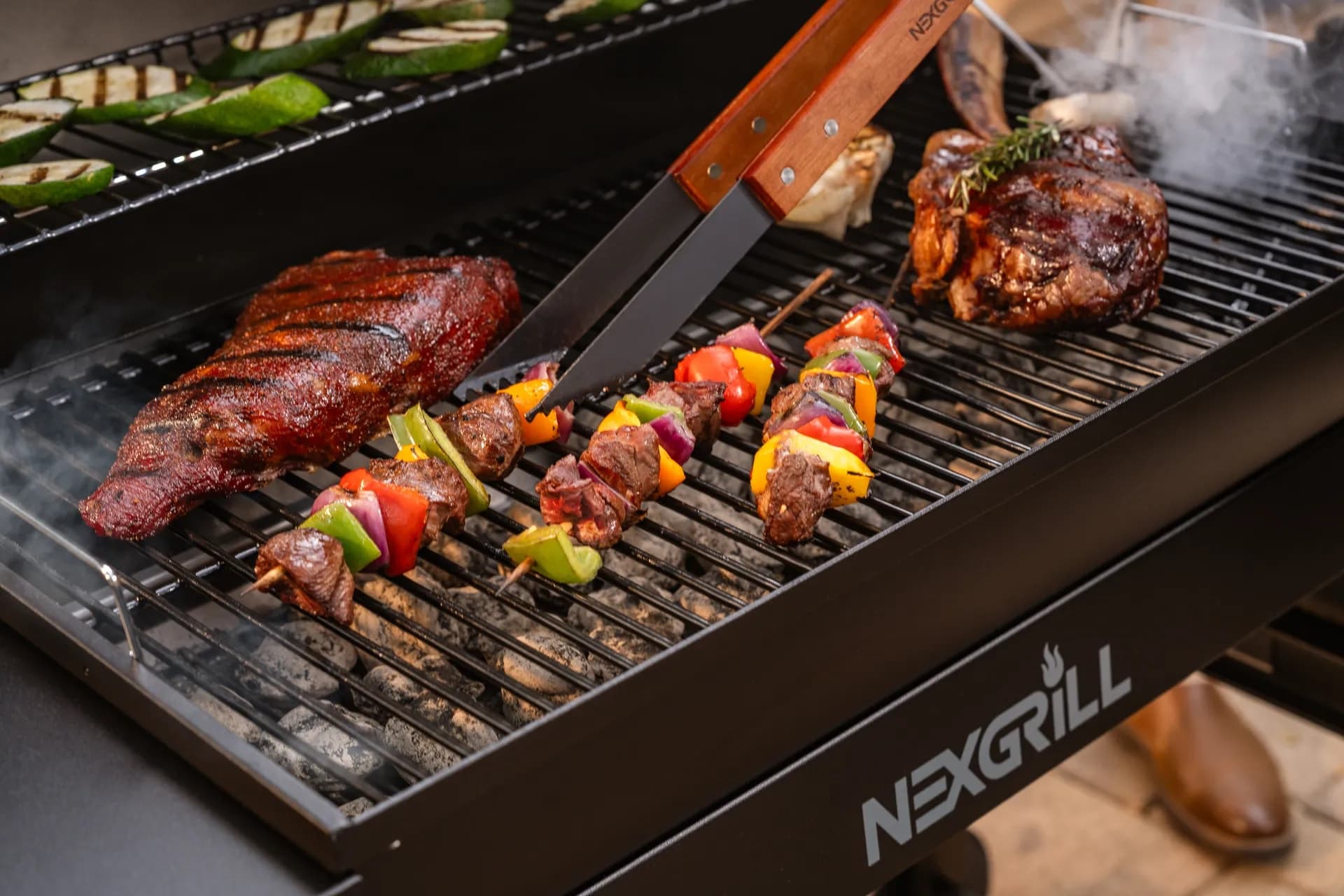
Gas grills, conversely, offer the advantage of reaching high temperatures quickly, which is perfect for searing and achieving those coveted grill marks. They also provide a more authentic smoky flavor to the food, a feature that many barbecue enthusiasts find appealing.
Temperature Control and Cooking Time
Temperature control is a vital factor in grilling, affecting cooking time and results. Electric grills typically offer excellent temperature precision, allowing users to set specific temperatures for consistent cooking. This feature is advantageous for recipes requiring exact heat levels.
Gas grills, while offering less precise control, provide a broader range of temperatures. The ability to adjust flame levels allows for quick transitions between high and low heat, perfect for cooking different types of meat simultaneously. This flexibility can significantly reduce cooking time, especially when preparing large meals.
Pros and Cons of Electric Grills
Electric grills are celebrated for their convenience. They are compact, easy to clean, and do not require fuel storage. This makes them an excellent choice for apartment dwellers or those with limited outdoor space. Additionally, electric grills are often less expensive to operate over time since they rely on household electricity rather than purchased fuels.
However, electric grills may not deliver the same flavor intensity as gas grills, and their lower maximum temperatures can limit their effectiveness for certain grilling techniques. They also require a nearby power source, which can restrict their placement.
Pros and Cons of Gas Grills
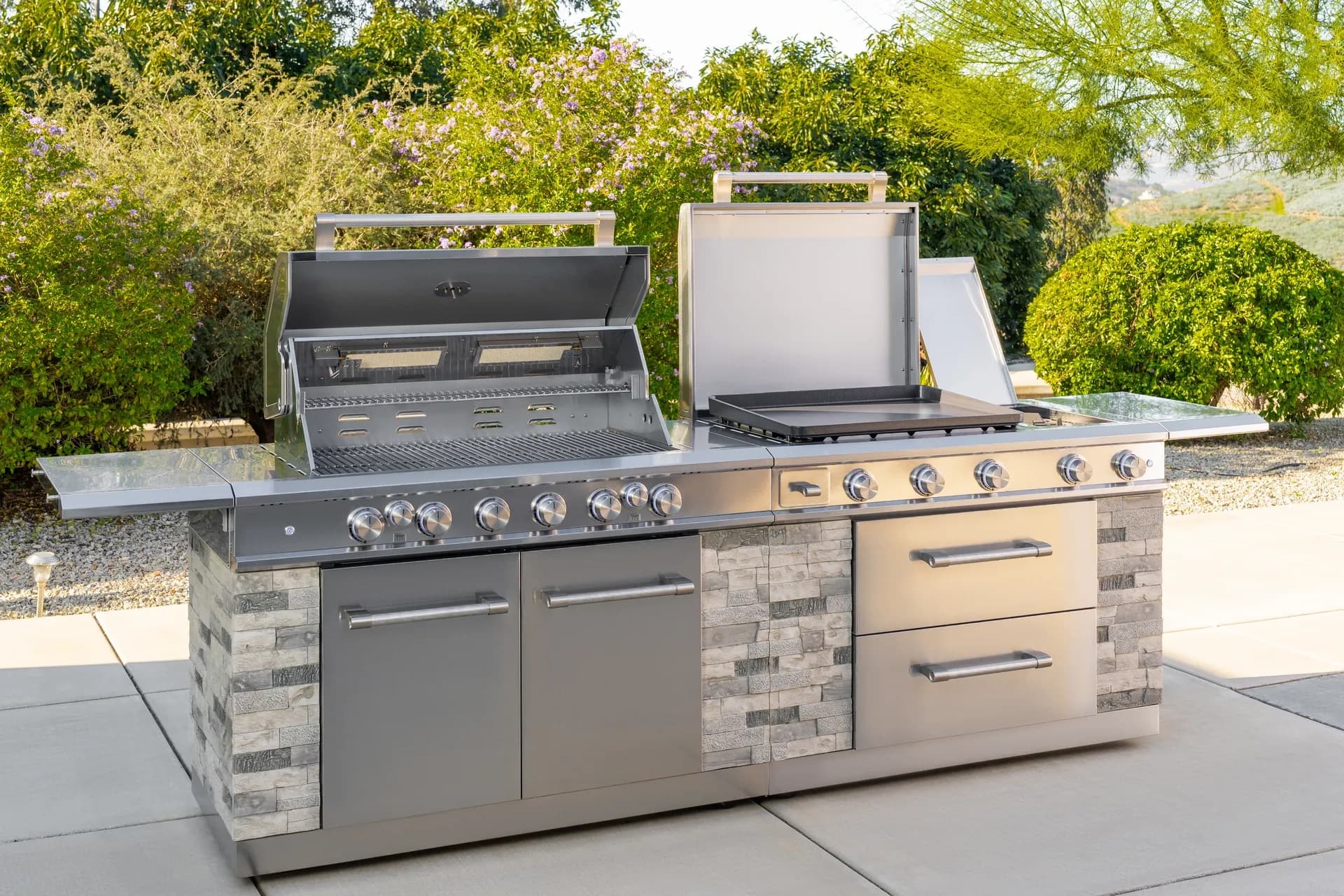
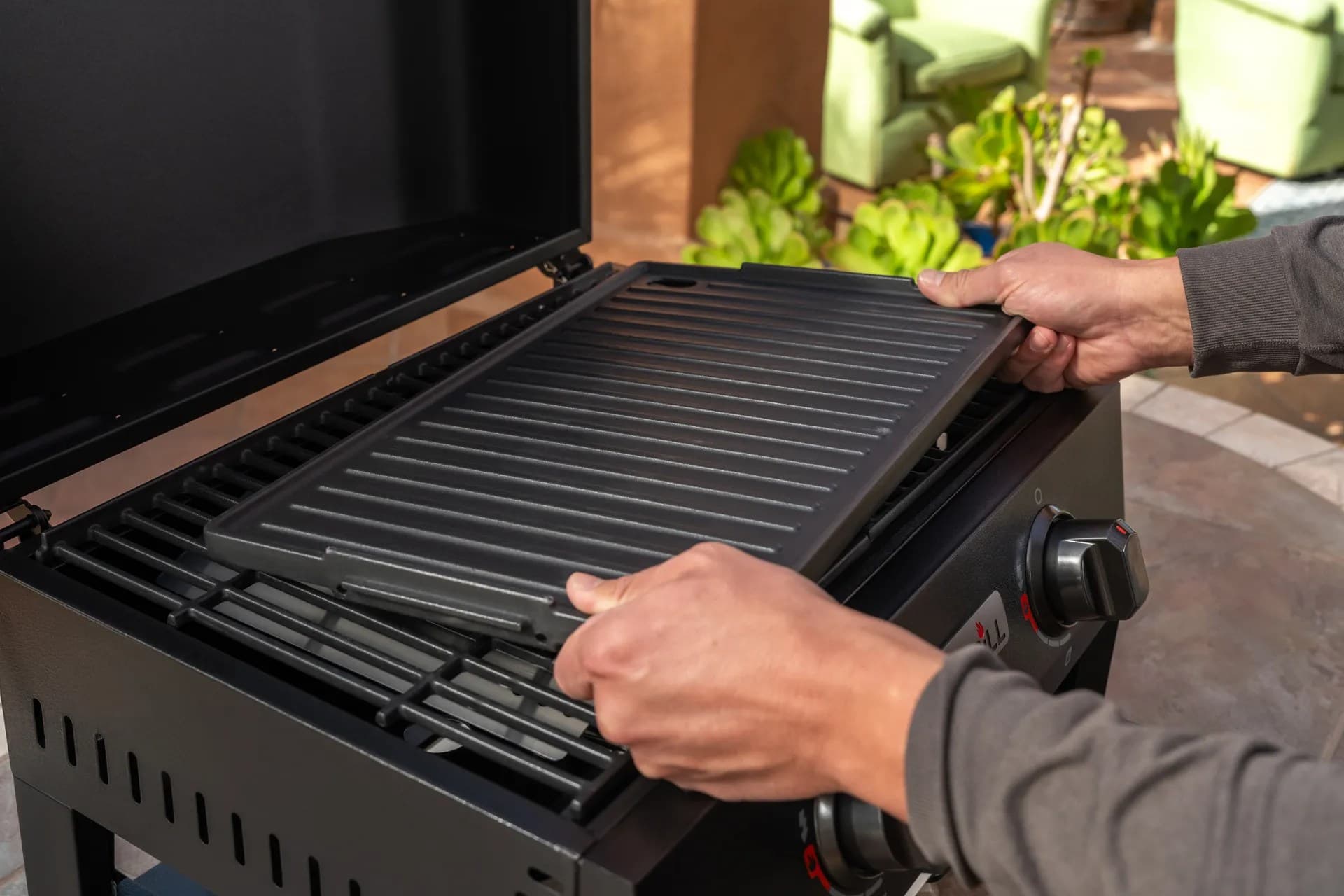
Gas grills offer the advantage of high heat output and the ability to infuse food with a traditional grilled flavor. They are excellent for searing meats and achieving a crispy exterior while maintaining a juicy interior. Many gas grills also come with multiple burners, allowing for diverse cooking methods and greater control over different cooking zones.
The downsides include the need for fuel storage and potential safety concerns such as gas leaks. Gas grills are also generally larger and require more maintenance, particularly in cleaning burners and managing grease.
Health Implications of Each Grill Type
The health implications of grilling are a crucial consideration for many. Electric grills are often seen as a healthier option due to their smokeless operation, reducing the formation of carcinogens associated with traditional grilling methods. They also allow for more controlled cooking temperatures, minimizing the risk of overcooking and preserving nutritional content.
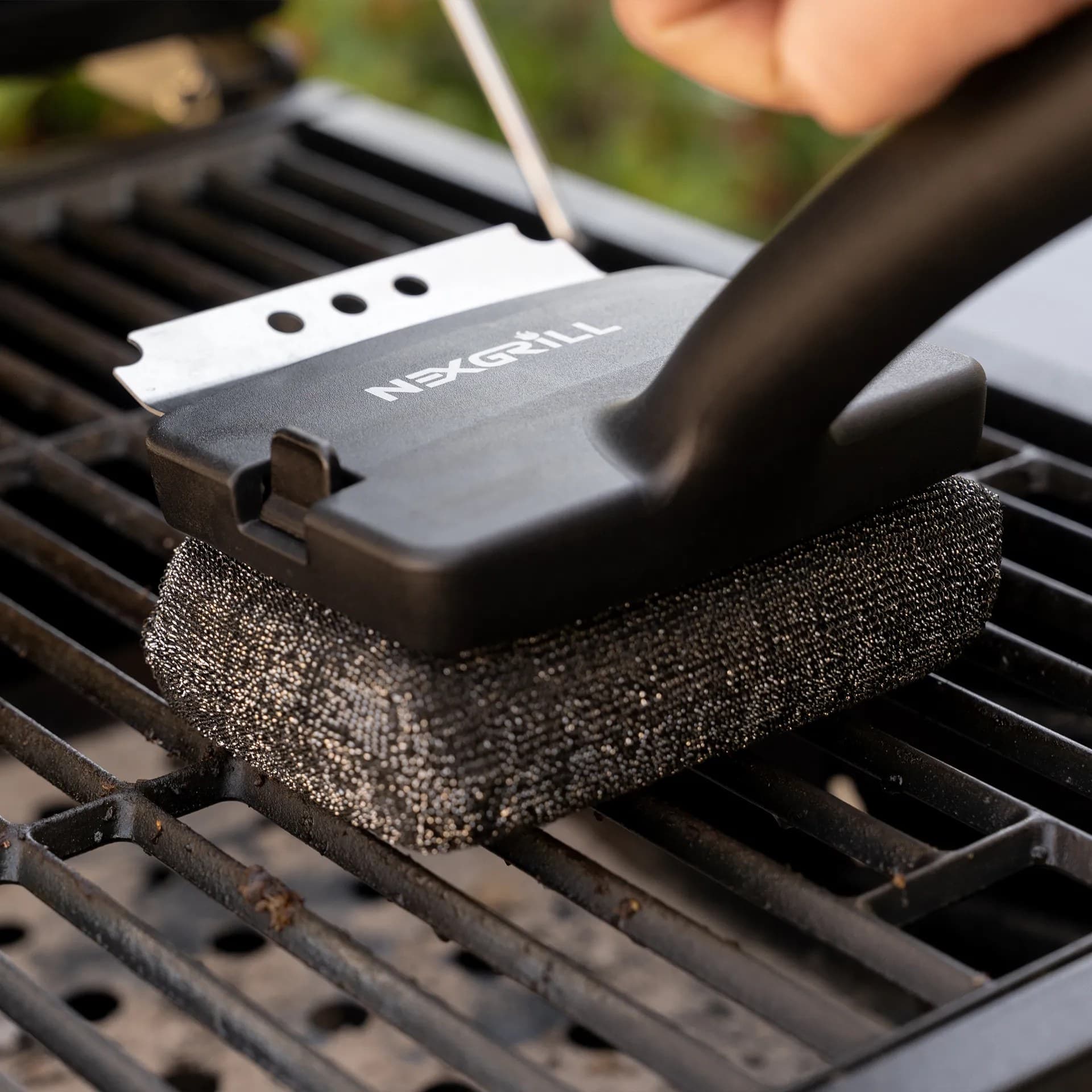
Gas grills, while capable of reaching higher temperatures, can produce smoke that may contain harmful compounds. However, they allow fat to drip away from the food, which can help reduce calorie intake. Proper maintenance, such as regular cleaning of the grill grates, can mitigate some of these concerns.
Environmental Impact of Electric vs Gas Grills
Environmental considerations are increasingly influencing consumer choices. Electric grills are generally more eco-friendly, as they emit less carbon footprint during operation. Their reliance on electricity, however, means their environmental impact is partly determined by the source of that electricity.
Gas grills, while more energy-efficient in terms of heat production, involve the combustion of fossil fuels, which contributes to greenhouse gas emissions. Choosing a grill with efficient burners and maintaining regularly can help reduce their environmental impact.
Ideal Use Cases for Electric and Gas Grills
Electric grills are ideal for indoor use or in settings where open flames are not permitted. They are perfect for small gatherings and quick meals, particularly in urban environments. Their compact size and ease of use make them suitable for beginners or those with limited space.
Gas grills excel in outdoor settings where space and ventilation are not issues. They are favored for larger gatherings and events where diverse cooking options are required. Their robust construction and ability to handle a variety of cooking styles make them a favorite among seasoned grillers.
Popular Brands and Models
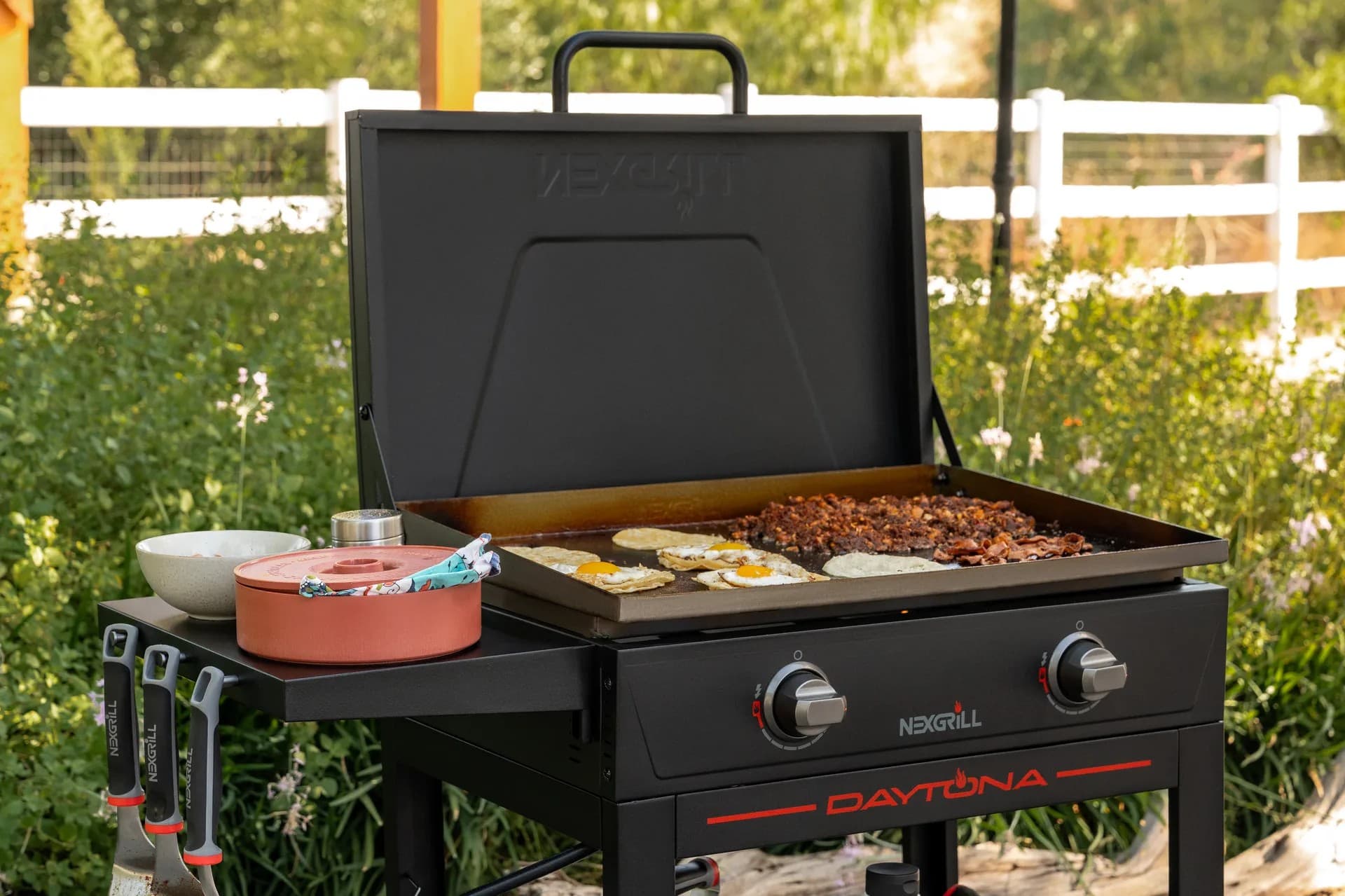
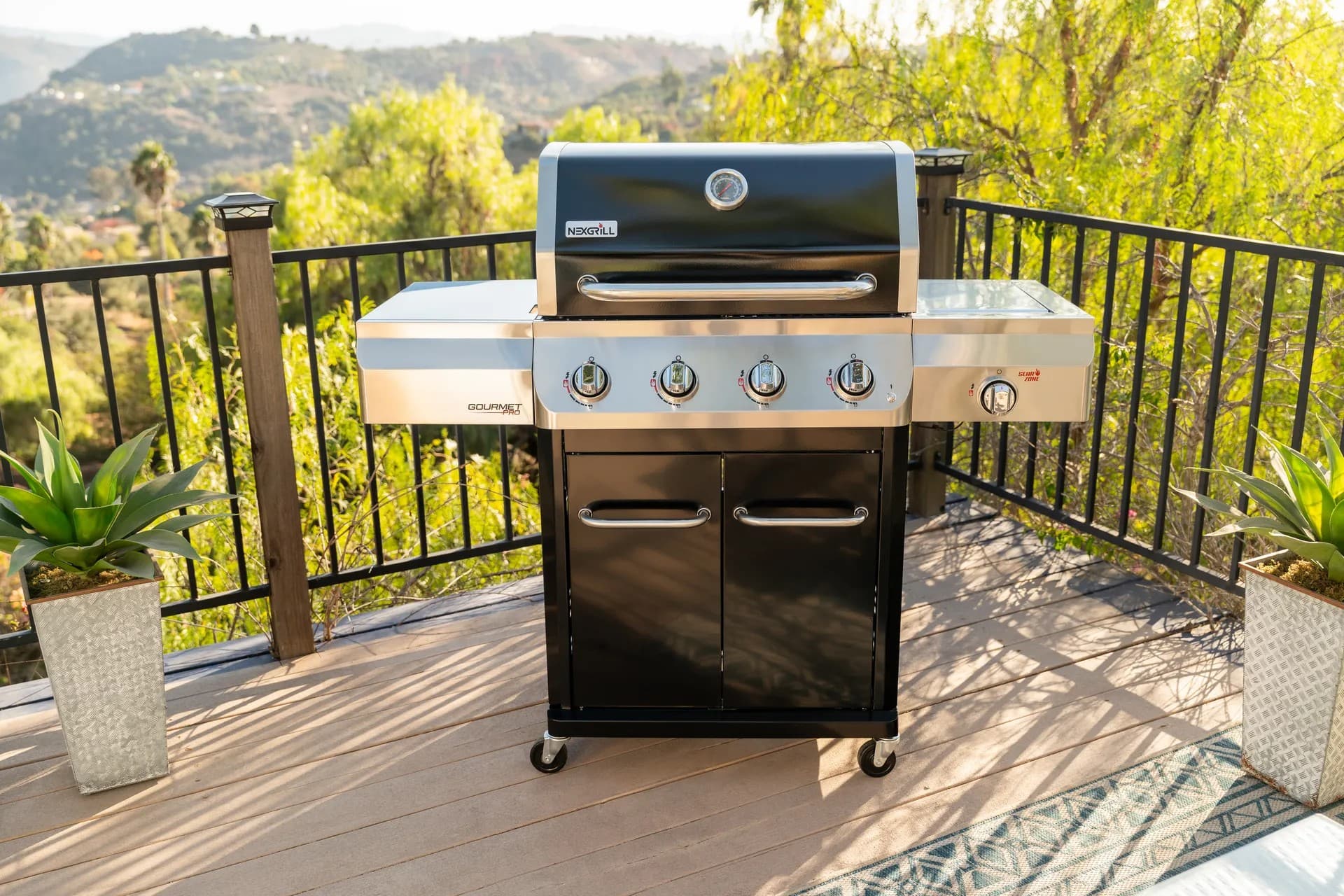
Both electric and gas grills come in various models catering to different preferences and budgets. Popular brands for electric grills include Weber and George Foreman, known for their quality and reliability. For gas grills, Nexgrill and Char-Broil are prominent, offering durable constructions and innovative features.
User Experiences and Testimonials
User testimonials provide valuable insights into the practical aspects of grill usage. Many electric grill users appreciate the convenience and safety, especially in apartment settings. They often highlight ease of cleaning and the suitability for quick meals as significant advantages.
Gas grill users frequently emphasize the flavor benefits and versatility in cooking methods. The ability to cook for larger groups and the authentic grilling experience are commonly noted positives. However, they also mention the need for regular maintenance and the importance of safety precautions when handling gas.
Conclusion
In conclusion, the choice between an electric and gas grill largely depends on individual preferences and intended use. Electric grills offer convenience and are ideal for indoor settings, while gas grills provide a traditional grilling experience with more robust flavors. Consider your specific needs, space constraints, and environmental concerns when making your decision.