Electric Grill Pros and Cons: A Comprehensive Guide
Explore the benefits and drawbacks of using electric grills for your outdoor cooking.
In This Article
Convenient and Eco-Friendly
Flavor and Power Limitations
Ideal for Urban Living
Understanding Electric Grills
Electric grills have become increasingly popular as a convenient and versatile option for outdoor cooking enthusiasts. Unlike traditional grills that use gas or charcoal, electric grills rely on electricity to generate heat. This makes them an excellent choice for those living in apartments or areas where open flames are not permitted.
One of the main advantages of electric grills is their ease of use. Simply plug them into an electrical outlet, and you're ready to cook. They heat up quickly and offer precise temperature control, allowing for consistent cooking results. Additionally, electric grills are often compact, making them ideal for small spaces such as balconies or patios.
Key Features of Electric Grills
- Easy to use with simple plug-in operation.
- Compact design suitable for small spaces.
- Consistent temperature control for even cooking.
- Minimal smoke production, making them suitable for indoor use.
Tip: Electric grills are excellent for quick and easy grilling without the hassle of managing fuel.
Pros of Using Electric Grills
Electric grills offer several benefits that make them attractive to a wide range of users. One significant advantage is their environmental friendliness. Since they don't rely on fossil fuels, they produce fewer emissions compared to gas or charcoal grills. This can be a crucial factor for eco-conscious consumers.
Moreover, electric grills are incredibly versatile. They can be used indoors and outdoors, providing flexibility for year-round grilling. They are also easy to clean, as they do not produce ash or soot. Most models come with removable parts that are dishwasher safe, further simplifying maintenance. You can explore various types of grills to find one that suits you best.
| Pros | Details |
|---|---|
| Environmentally Friendly | No reliance on fossil fuels, reducing carbon footprint. |
| Versatile Use | Suitable for indoor and outdoor cooking. |
| Ease of Cleaning | Minimal mess with removable, dishwasher-safe parts. |
Info: Electric grills are perfect for eco-conscious grillers who prioritize sustainability.
Cons of Electric Grills
Despite their advantages, electric grills also come with certain drawbacks. One of the primary concerns is the lack of authentic smoky flavor that many grill enthusiasts crave. Electric grills do not produce the same char and flavor complexity that come from cooking over charcoal or wood pellets.
Another limitation is their power dependency. Electric grills require a nearby power source, which can be a constraint in some outdoor settings. Additionally, electric grills may not reach the high temperatures that gas or charcoal grills can achieve, potentially affecting cooking styles that require intense heat, such as searing steaks.
Warning: Electric grills may not satisfy those looking for traditional barbecue flavors.
Who Should Consider an Electric Grill?
Electric grills are ideal for individuals who prioritize convenience, ease of use, and environmental considerations. They are particularly suitable for those living in urban areas with restrictions on open flames or who have limited outdoor space. Moreover, they are a great choice for novice grillers looking for a straightforward grilling experience without the need for extensive setup or cleanup.
Comparing Electric Grills to Other Types
When deciding on the right grill for your needs, it's important to compare electric grills with other types such as gas and charcoal grills. Each type has its unique advantages and disadvantages, and the choice often depends on personal preferences and specific requirements.
Electric vs. Gas Grills
Gas grills are known for their powerful heat output and ability to reach high temperatures quickly, making them perfect for searing. However, they require propane or natural gas, which can lead to higher operational costs and environmental concerns. In contrast, electric grills are more eco-friendly and simpler to use, but they may not achieve the same searing quality.
- Gas grills offer higher heat for better searing.
- Electric grills are more environmentally friendly.
- Electric grills require less maintenance and cleanup.
Electric vs. Charcoal Grills
Charcoal grills are celebrated for their ability to impart a rich, smoky flavor to food, which many grill enthusiasts seek. They are more portable as they don't rely on electricity or gas. However, they require more time for setup and cleaning, which electric grills handle with ease.
- Charcoal grills provide authentic smoky flavors.
- Electric grills offer quick setup and cleaning.
- Charcoal grills are more portable without power dependency.
Buying and Maintenance Tips
When purchasing an electric grill, consider the size of the cooking area and the power capacity, as these factors can significantly impact your grilling experience. Look for models with adjustable temperature controls to enhance cooking versatility.
Info: Selecting a model with a larger cooking surface can accommodate more food, ideal for family gatherings.
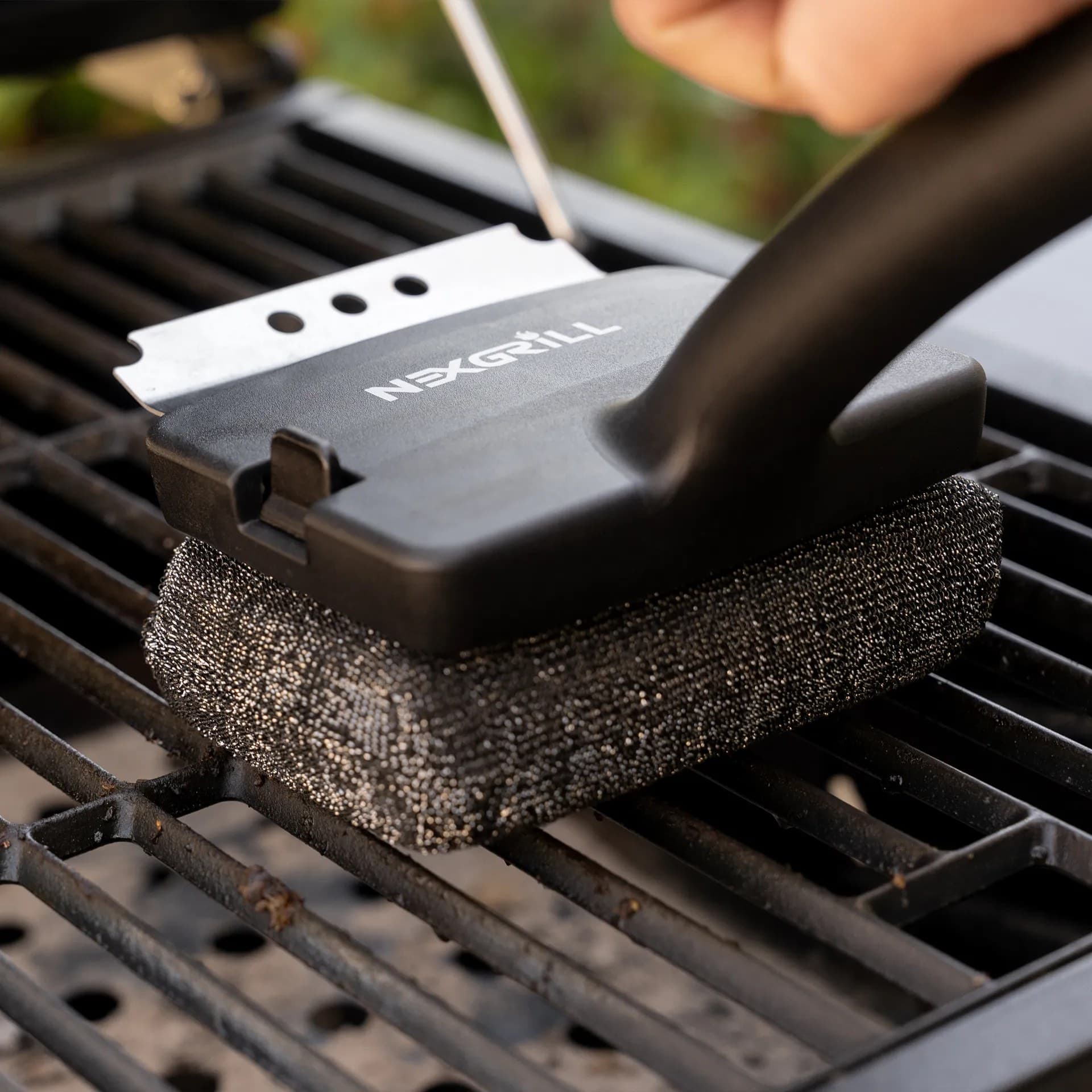
Maintenance is crucial for prolonging the lifespan of your electric grill. Regularly clean the grates and remove any food residues to prevent build-up. Check the electrical components for any signs of wear and ensure the grill is stored in a dry, sheltered place when not in use.
| Maintenance Tips | Details |
|---|---|
| Regular Cleaning | Clean grates and surfaces after each use. |
| Check Components | Inspect electrical parts for wear. |
| Proper Storage | Store in a dry, covered area. |
Conclusion
Electric grills offer a convenient, eco-friendly option for those who prioritize ease of use and versatility. While they may not deliver the same flavor profile as charcoal grills, their benefits in terms of safety, maintenance, and environmental impact make them a worthy consideration for many grill enthusiasts.