Comprehensive Guide to 120V Electric Grills
Explore the features, benefits, and considerations of 120V electric grills for your outdoor cooking needs.
In This Article
Convenience and Accessibility
Healthier Cooking Options
Environmental Considerations
Introduction to 120V Electric Grills
A 120V electric grill is one of the most accessible ways to cook outdoors when you want real grill flavor without dealing with propane tanks, charcoal bags, or complex hookup requirements. In the United States, a standard household outlet is often all you need, which makes this category especially practical for patios, small decks, townhomes, apartment-friendly outdoor areas, and households that want a simpler weeknight cooking routine. For many shoppers, the appeal is not just convenience. It is the ability to keep grilling even when gas storage, open-flame rules, or cleanup concerns make traditional setups less attractive.
Nexgrill’s brand philosophy centers on making outdoor cooking approachable and welcoming, and that mindset fits 120V electric grilling especially well. The company describes its work as creating outdoor appliances that bring people together, with a strong emphasis on accessibility and real-world usability . That matters here because electric grilling is often chosen by people who want to cook more often, not just cook bigger. A good 120V grill should feel easy to use on a Tuesday night and still dependable enough for a relaxed weekend meal.
This guide focuses on the practical side of electric grilling: what a 120V unit can do, where it fits better than gas or charcoal, and what buyers should watch for before they commit. Rather than treating electric grilling as a compromise, it is more useful to think of it as a different operating style. The best match is the one that fits your power access, cooking habits, and maintenance expectations.
Key Features and Benefits
The most important feature of a 120V electric grill is simplicity. Plug it in, preheat it, and start cooking. That sounds basic, but for many homeowners it removes the friction that keeps an outdoor cooker unused. There is no flare-up management from an open flame, no tank swaps, and no charcoal timing to manage. The result is a grill that is often easier to bring into regular rotation, especially for smaller households or casual cooks who value consistency over ritual.
A 120V outlet is the key enabler: if your outdoor space already has standard household power, the grill’s setup becomes far more flexible than a gas or charcoal option.
Another major benefit is temperature control. Electric grills generally respond more predictably than charcoal and often more simply than gas, because the heating element is controlled by a dial or thermostat. That makes them useful for foods that need steady heat, such as chicken breasts, vegetables, fish, burgers, and sandwiches. For many cooks, the real win is not maximum heat but repeatability: once you learn the settings on your unit, you can reproduce the same result with less guesswork.
Health-conscious buyers also like the low-fat cooking profile. Food cooks on a raised grate or plate with grease runoff, and you do not need additional cooking fuel that can affect flavor or add combustion byproducts. The grilling process itself can support lighter meals without forcing you to change your menu. If you are grilling salmon, zucchini, chicken cutlets, or marinated vegetables, a 120V electric grill can fit neatly into a lower-fat approach to outdoor cooking.
Common 120V Electric Grill Form Factors
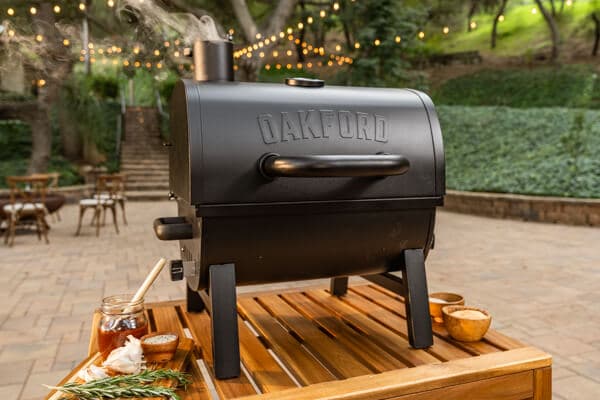
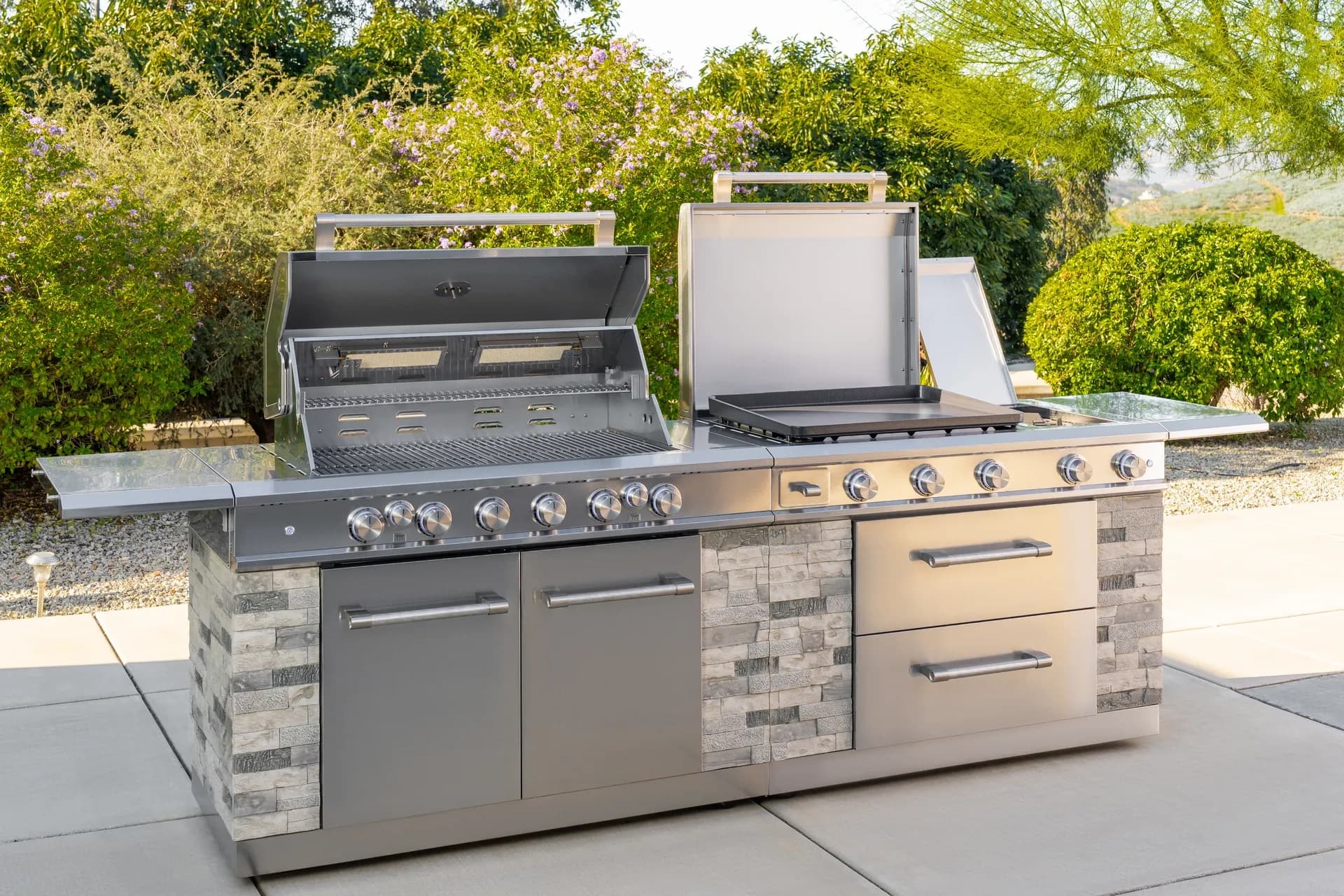
Not all electric grills are built the same. Portable tabletop units are popular for smaller patios and occasional use, while cart-style models offer more prep space and a more permanent backyard feel. Some products are designed for balcony-friendly use, while others lean toward built-in or semi-built-in applications where the grill becomes part of a larger outdoor setup. The right form factor depends on whether you want storage, mobility, or a more integrated look.
| Form factor | Best use case | Main advantage |
|---|---|---|
| Portable tabletop | Small patios, occasional grilling, easy storage | Lowest footprint and easiest setup |
| Cart-style | Backyard use with prep space | More comfortable everyday cooking |
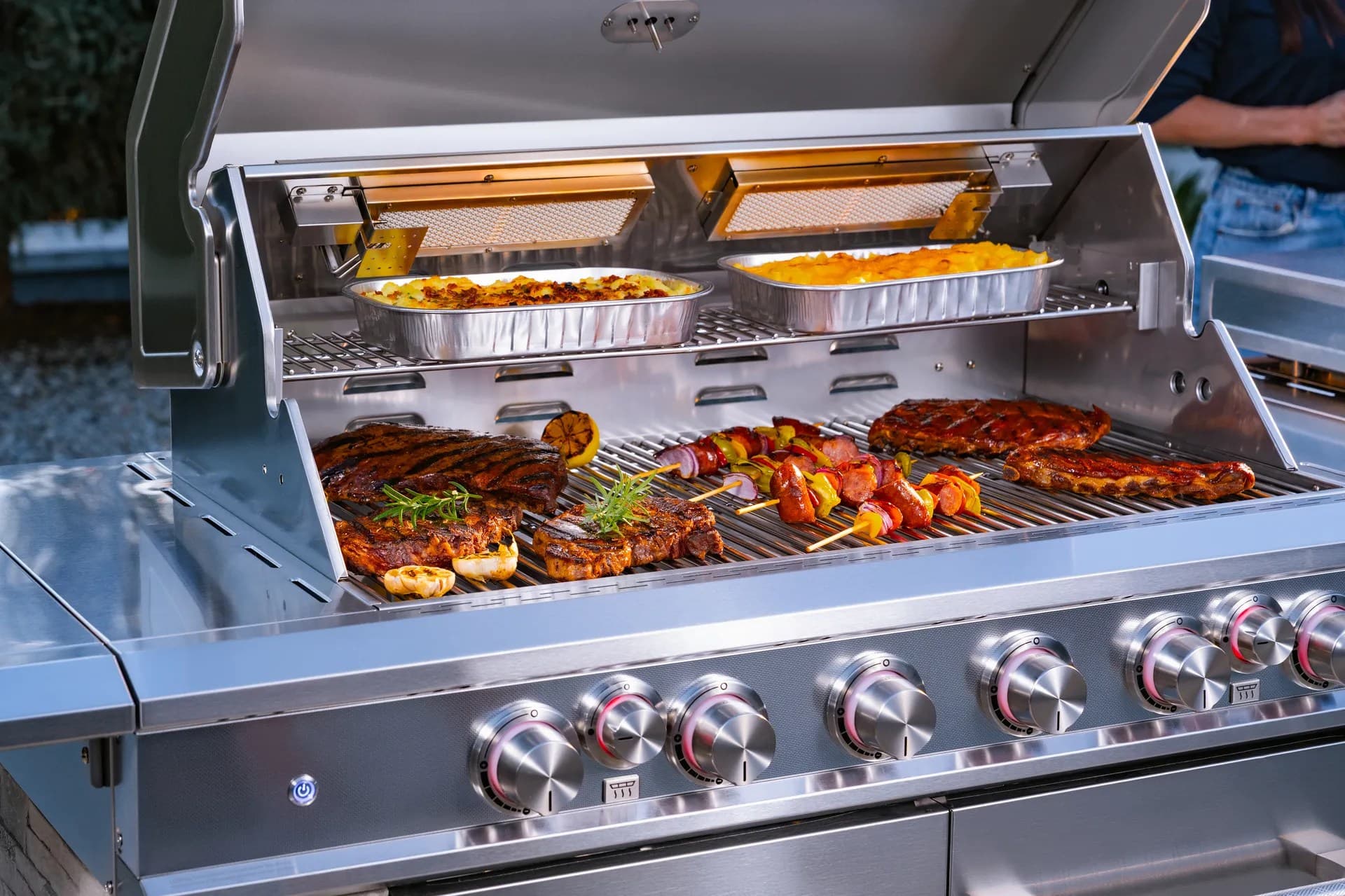
| Built-in style | Permanent outdoor kitchen layouts | Cleaner integration into the space |
Cooking area and heating element design matter as much as format. A larger grate is useful only if the heat is even across the surface. In practice, buyers should pay attention to the size of the cooking zone, the responsiveness of the controls, and whether the grill is designed to hold steady temperatures for a long enough preheat cycle. These details separate a useful outdoor appliance from a novelty item.
Comparing 120V Electric Grills to Gas and Charcoal Grills
The real comparison is not whether electric grilling is universally better. It is whether it fits your situation better. Gas grills still have an advantage in quick high-heat searing and in larger open-air cooking sessions where you want multiple burners and strong output. Charcoal grills still appeal to cooks who want smoke flavor and hands-on fire management. But a 120V electric grill often wins on convenience, indoor-adjacent practicality, and ease of ownership.
If you cook for two to four people, want predictable results, and do not want to worry about storing fuel, electric may be the most livable choice. If you regularly host large parties or cook in very cold weather where heat retention matters, gas may feel more powerful. If your priority is deep smoke flavor and the classic barbecue process, charcoal still stands apart. The best decision comes from matching the grill to how often you cook, what you cook, and how much prep and cleanup you are willing to accept.
If your main frustration with grilling is setup time, fuel storage, or messy ash cleanup, a 120V electric grill can remove all three pain points at once.
There is also a difference in cooking environment. Gas and charcoal can produce more heat, but they can also introduce flare-ups and require more active management. Electric grills are generally calmer to operate, which makes them attractive to newer grillers or to anyone who wants a more controlled experience. They are also easier to use in settings where open flame is less desirable. That alone can expand how often you actually grill throughout the year.
Energy Efficiency and Cost Considerations
The cost conversation around a 120V electric grill should include both the purchase price and the operating cost. Electric units often have a lower barrier to entry than larger gas grills, especially when you do not need tanks, hoses, or fuel refills. Ongoing operating costs depend on your local electricity rate, the wattage of the grill, and how long you cook. In the United States, a typical household power rate often falls somewhere around the low-teens cents per kilowatt-hour, so a one-hour grilling session on a mid-range electric grill usually costs only a modest amount. Exact costs vary by region and usage pattern, so it is better to think in ranges than in promises.
Most 120V electric grill sessions cost only a small fraction of a dinner’s total grocery spend, depending on wattage and electricity rates.
Efficiency depends on how the grill converts electrical input into usable cooking heat. A well-designed electric grill can be very effective for surface cooking because heat is concentrated right where the food sits. You do not pay to heat a large firebox or burn fuel inefficiently while the grill idles. At the same time, electric units are typically less suited to heavy-duty searing than high-output gas or charcoal setups, so efficiency should be measured by cooking fit, not just power draw.
From a budgeting perspective, electric grills can make sense for people who grill often but in smaller batches. If you routinely make weekday dinners for two or prepare simple sides alongside a main course, a 120V grill can offer good value because it is easy to use frequently. If you only grill a few times a year, the convenience still matters, but the economics may be less important than storage and portability.
Maintenance and Safety Tips
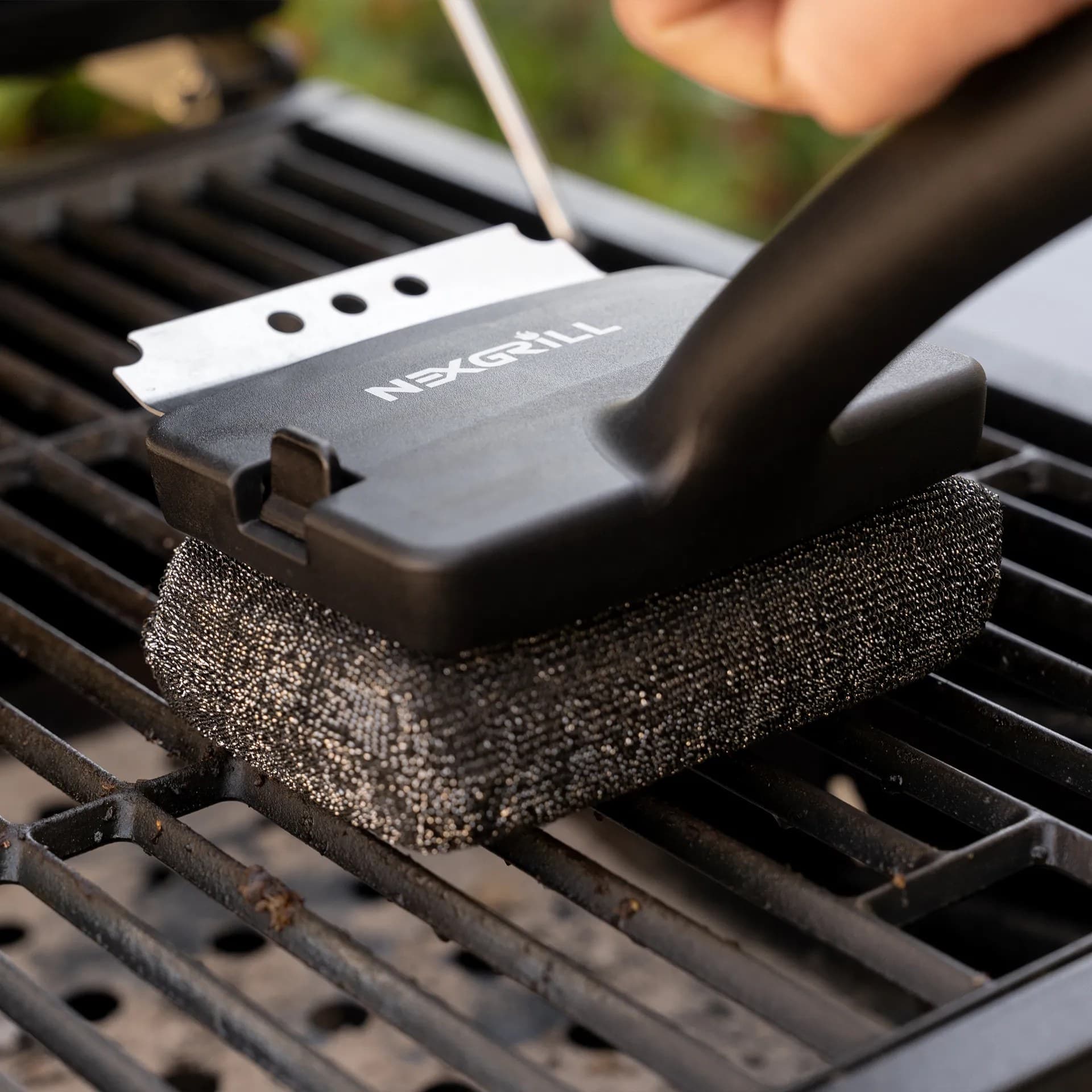
Electric grills are simpler than fuel-burning grills, but they still need regular care. Cleaning the cooking surface after each use is the most important habit. Letting residue sit makes cleanup harder and can affect flavor the next time you cook. A warm, not scorching-hot, surface is often easiest to wipe or brush clean. Removable drip trays should be emptied regularly, and any grease buildup around the element or housing should be cleared according to the manufacturer’s instructions.
Safety starts with location. A 120V electric grill should be used on a stable surface, away from standing water, and in a way that keeps cords protected from foot traffic and weather exposure. Outdoor outlets should be properly rated for the environment, and extension cords should only be used if the grill manufacturer allows them and if the cord is suited to the electrical load. Because these grills use household power, treating the cord and plug with the same respect you would give any major appliance is essential.
A dry, level, well-ventilated setup protects both the grill and the cook. Keep the cord path short, visible, and free of pinch points.
For longevity, inspect the heating element, temperature knob, grate, and grease management parts regularly. If your grill is covered outdoors, let it cool completely before putting on the cover. That simple step helps reduce trapped moisture. Over time, these habits protect both performance and appearance, which is especially important for grills that live on exposed patios or balconies.
Top 120V Electric Grill Models
The best model for you depends on how you plan to cook. A compact portable unit is a strong fit for occasional use, renters, or anyone with very limited space. A cart-style electric grill works better for people who want an outdoor appliance that feels more like a permanent part of the patio. Built-in styles suit homeowners designing a fixed outdoor kitchen where the grill needs to blend into a larger layout. Instead of focusing only on brand names, evaluate the model against your real cooking routine.
| Model type | Strength | Trade-off |
|---|---|---|
| Portable 120V electric grill | Easy to move and store | Smaller cooking area |
| Cart-style 120V electric grill | More prep convenience | Takes up more space |
| Built-in 120V electric grill | Integrated appearance | Less flexible to relocate |
Buyer profiles also matter. For a first-time outdoor cook, the most valuable feature is straightforward operation and easy cleanup. For an experienced griller who wants a secondary grill for quick weeknight meals, even heat and reliable preheating may matter more than size. For households with limited fuel storage or shared outdoor spaces, a 120V model can be the easiest path to more frequent cooking without changing the whole setup.
Conclusion
A 120V electric grill is best understood as a practical tool for modern outdoor cooking: simple to power, easy to maintain, and especially well suited to everyday meals in smaller or more controlled outdoor spaces. Its strengths are convenience, predictable heat, lighter cleanup, and a more accessible ownership experience. Its trade-offs are lower peak heat and less smoke-driven flavor than gas or charcoal, which is why choosing the right style depends so much on your habits.
If you want a grill that encourages you to cook more often, not just cook harder, the 120V category deserves serious consideration. Try comparing two products side by side below to see which fits best:
Understanding 120V Electric Grills
Once you have weighed two options against each other, the next step is to understand what a 120V electric grill is actually doing for you day to day. The number 120V matters because it tells you the grill is designed to work with a standard U.S. household outlet, which removes one of the biggest barriers to outdoor cooking: dedicated fuel setup. For many buyers, that means no propane exchange runs, no charcoal storage, and no complicated installation. It also means the grill fits more naturally into spaces where a cleaner, quieter heat source is preferred.
120V electric grills are often chosen by people who want the act of grilling without the hassle layer that can come with traditional fuel systems. That convenience is not a small feature; it changes how often the grill gets used. A product that is quick to plug in and quick to clean is more likely to become part of your normal dinner rotation. This is especially true for apartment patios, HOA-controlled communities, or multi-use outdoor areas where fire-based cooking is less practical.
Nexgrill’s broader brand story emphasizes openness, inclusivity, and approachable outdoor cooking, which is a useful lens for understanding this category. The company describes itself as creating a place where different cooking styles and different people can come together, and that is a fitting mindset for electric grills too. A 120V grill is not trying to replace every backyard cooker. It is trying to make grilling available more often, in more places, for more households.
Who gets the most value from a 120V setup?
Renters, first-time grill buyers, and households with limited storage often see the biggest day-to-day benefit. Renters usually appreciate that the grill can be moved, unplugged, and tucked away with minimal footprint. First-time buyers tend to value the shallow learning curve: there is no fuel math to master, and temperature control is typically simpler than with charcoal. Busy families often like the speed. If dinner plans change at 5:30 p.m., it is easier to preheat an electric grill than to restart a full charcoal setup.
That said, experienced grillers also use electric models strategically. Some keep one as a second grill for vegetables, seafood, or quick weeknight cooking while reserving larger gas or charcoal equipment for weekends. In other words, 120V electric grills can work as a primary grill for some homes and a highly practical secondary grill for others.
Advantages Over Traditional Grills
The biggest advantage over charcoal is immediacy. Charcoal rewards patience and skill, but it also asks for fuel staging, ignition time, airflow management, and ash cleanup. Electric grilling cuts much of that away. Compared with gas, electric grills also remove tank management and can simplify outdoor storage. They are generally less intimidating to use because the control interface feels closer to a kitchen appliance than a live fire.
Another advantage is consistency. Electric grills usually maintain heat in a steady, predictable way, which helps when you want vegetables to finish at the same pace as chicken or when you are cooking items that can dry out if the temperature swings too sharply. For many foods, consistency matters more than raw power. That is why electric grilling can feel less dramatic but more dependable.
If your main goal is dependable everyday cooking rather than smoky theatrics, a 120V electric grill can be the easiest way to get there.
There is also a practical food-quality advantage for lighter cooking styles. Because electric grills often generate a clean, controlled heat source, they pair well with lean proteins and vegetables that benefit from direct heat without added fuel aroma. That does not make them better for every recipe, but it does make them very efficient for simple, health-minded meals.
Energy Consumption and Efficiency
Energy use is one of the most common concerns buyers have, and the answer is usually more reassuring than expected. A typical 120V electric grill uses electricity in the same general way as a kitchen appliance: it draws power while preheating and maintaining temperature, then cycles as needed to hold heat. Actual consumption depends on wattage, preheat duration, outside temperature, and how often the lid is opened. A compact unit may use far less than a large cart-style model, while a more powerful grill will naturally draw more electricity per hour.
In the United States, the cost per cooking session often remains modest because even several kilowatt-hours of electricity are usually inexpensive relative to the cost of a full fuel canister or a large grill purchase. The more relevant comparison is not just dollars per session, but value per use. If an electric grill gets used four nights a week because it is easy to start, its real efficiency comes from frequency and convenience, not only from a low power bill.
The most efficient grill is often the one you actually use regularly, especially for smaller meals and quick weeknight cooking.
It is also worth understanding the trade-off between electrical efficiency and cooking power. Electric grills can be highly efficient at turning energy into direct cooking heat on the grate, but they do not usually deliver the same searing intensity as larger fuel-burning grills. That does not mean they are underpowered; it means they are optimized for a different balance of convenience, control, and routine use.
Maintenance Best Practices
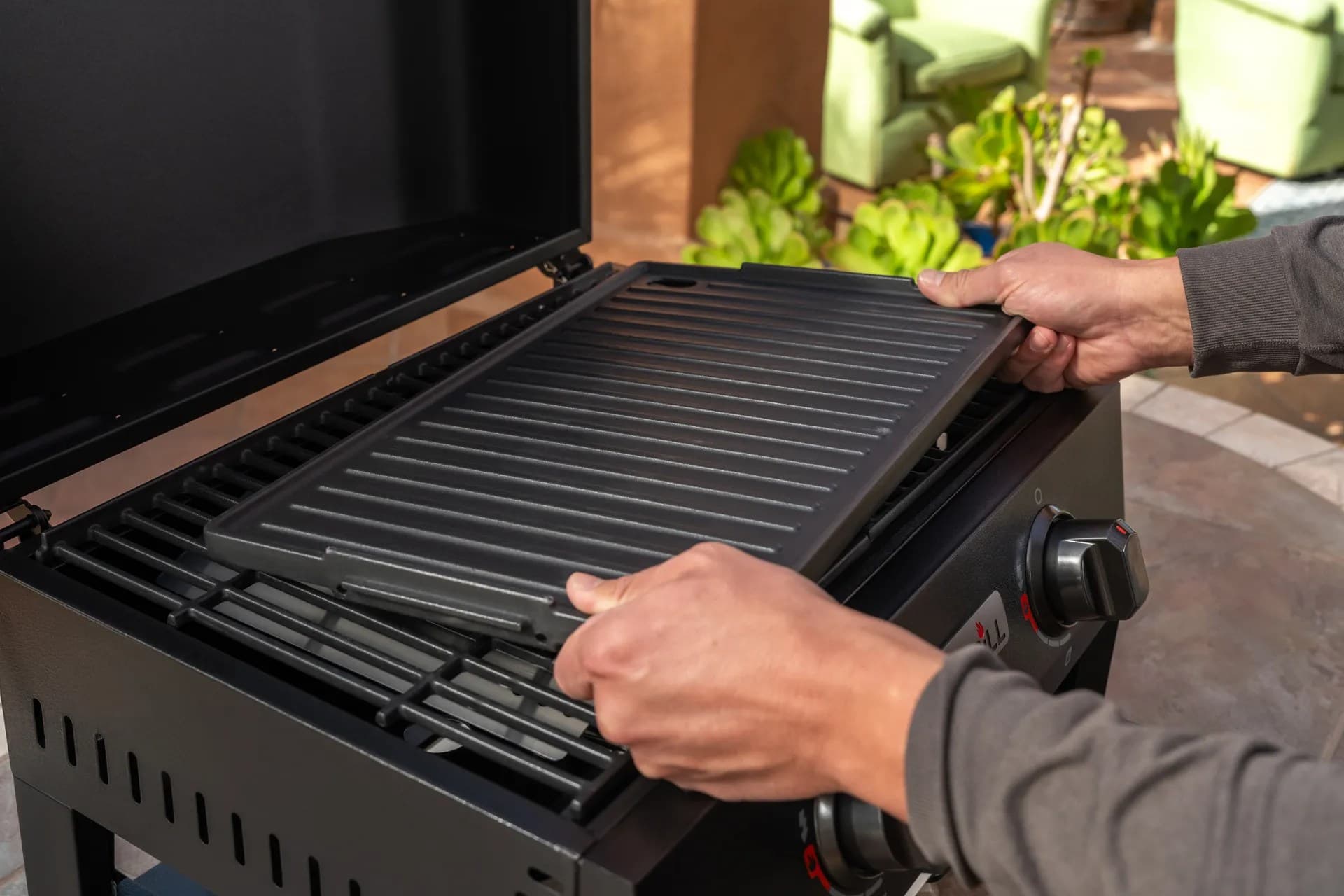
A well-maintained electric grill tends to stay clean, heat evenly, and last longer. Start with the cooking surface. Wipe it down after every cook while it is still warm enough to release residue but not so hot that cleanup becomes risky. If your grill includes a removable plate or grate, follow the manufacturer’s instructions for washing and drying. Grease management parts should be emptied often because buildup can create odors and make future cleanup harder.
The heating element deserves special care. Avoid abrasive tools that could damage surfaces or protective coatings. Check the cord, plug, and connection points regularly for wear, especially if the grill stays outdoors or gets moved often. If a grill is stored outside, a fitted cover can help, but only after the grill has fully cooled and dried. Moisture trapped under a cover can lead to corrosion and shorten the life of electrical parts.
Dry storage matters as much as cleaning. Even a clean grill can age quickly if moisture is trapped around the cord, housing, or drip tray.
Safety Features and Certifications
Safety is where electric grilling earns a serious second look. A 120V grill should include clear temperature controls, stable feet or a secure base, and electrical components designed for outdoor use when applicable. Buyers should look for appliances that clearly state how they should be used, where they can be placed, and whether extension cords are allowed. Just as important are third-party safety certifications where available, because those signal that the product has been tested to recognized standards.
UL certification and similar marks are often important to shoppers because they indicate the grill has been evaluated for electrical safety under specified conditions. For a product that plugs into household power and sits outdoors, that extra assurance is meaningful. It is still wise to read the manual, but certification can help narrow the field to models that prioritize safe operation.
Good safety design also includes small details: cool-touch handles, drip systems that reduce grease contact with hot elements, and power indicators that make it obvious when the unit is active. Those features do not sound flashy, but they reduce mistakes. And with any electric appliance outdoors, the safest setup is always a dry surface, a stable table or cart, and a cord path that avoids puddles, pinch points, and door thresholds.
User Reviews and Testimonials
User feedback on 120V electric grills tends to cluster around a few themes. Owners frequently praise the convenience, especially the ability to cook without fuel prep. They also note that electric grills are often easier to keep clean than charcoal setups, which encourages more spontaneous use. Many reviews mention that the grill becomes a reliable option for small dinners, side dishes, or quick proteins rather than only for planned weekend cookouts.
Positive testimonials often come from people who were trying to solve a very specific problem: limited outdoor space, a desire to reduce fuel handling, or frustration with inconsistent temperature control on older grills. In those cases, the grill is judged not by how much drama it creates but by how much friction it removes from the cooking process. That is an important shift in perspective because it explains why a compact electric grill can earn a loyal following even if it does not dominate every performance metric.
Review patterns matter: if multiple users mention even heat, easy cleanup, and quick weekday use, that is often more useful than a single dramatic claim about power.
When reading reviews, pay attention to the buyer profile behind the comment. A reviewer who wanted restaurant-style searing may be disappointed, while someone looking for a low-stress patio grill may be thrilled. The best testimonials are the ones that match your own use case.
Final Thoughts
A 120V electric grill is not trying to be the loudest or hottest grill in the yard. It is trying to be the one that makes outdoor cooking easier to start, easier to clean, and easier to repeat. For that reason, it can be an excellent fit for small households, casual cooks, and anyone who values controlled heat over traditional fuel rituals. It also works well as a second grill for busy homes that want a fast option for weeknight meals.
If your buying decision comes down to convenience, energy-conscious operation, and low-stress maintenance, the 120V category deserves a close look. Match the grill to your cooking habits, check the power requirements carefully, and use user reviews as a reality check on what the grill does best. Then you will have a much clearer sense of whether an electric grill belongs in your outdoor setup.