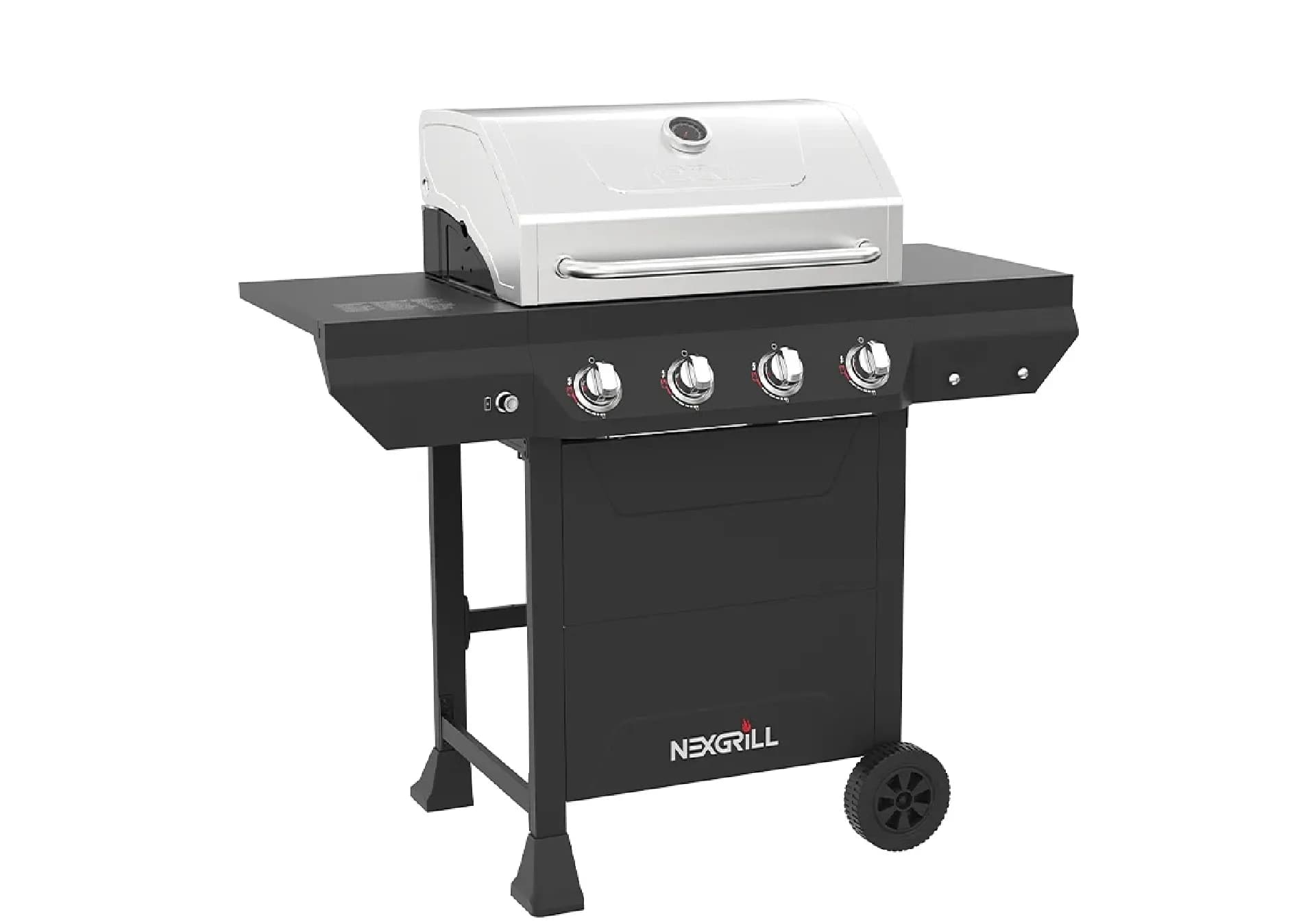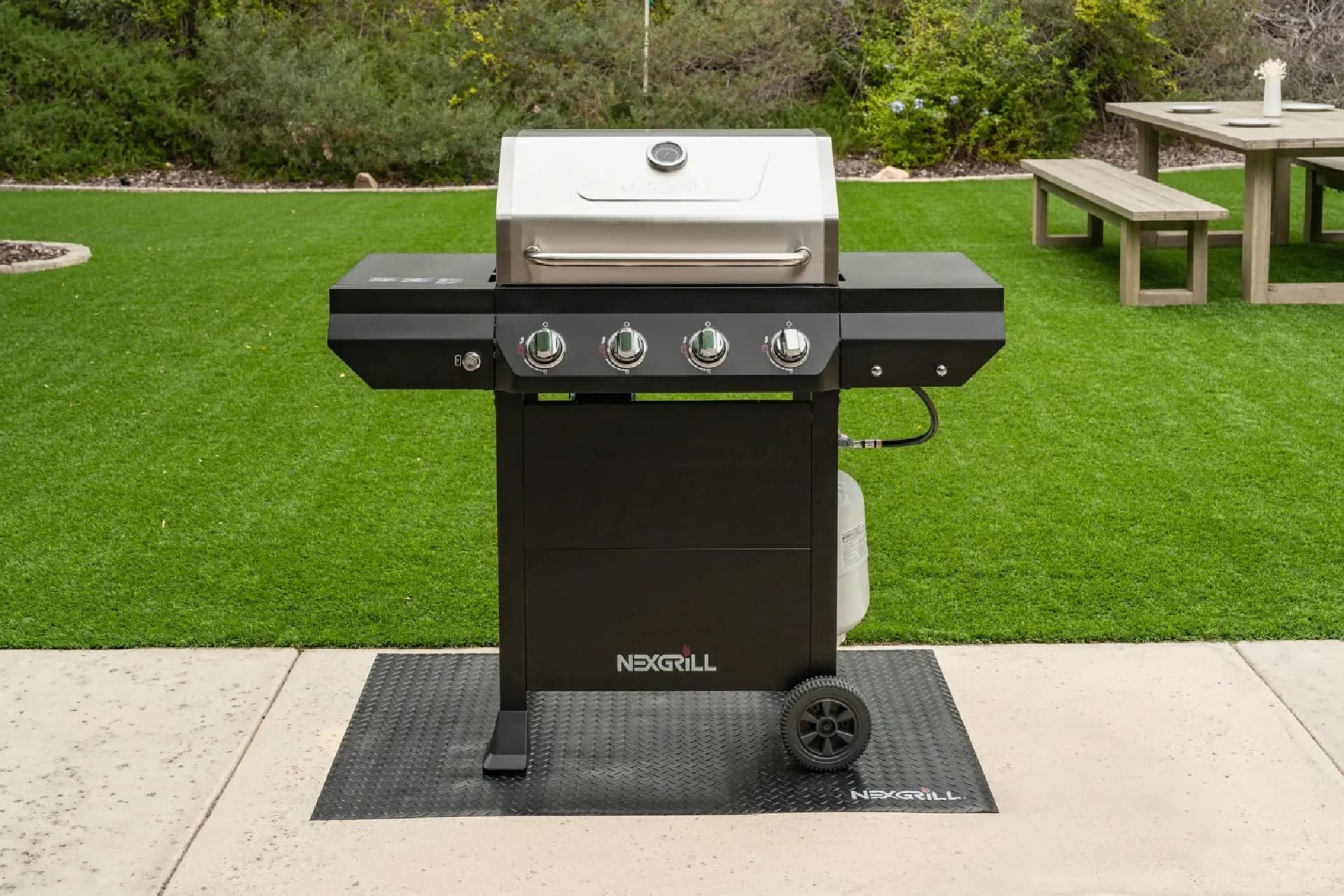
A comprehensive guide to dual fuel gas grills, their pricing, advantages, and top-rated models to help you make an informed purchase decision.
Here's what sets us apart from the competition
We position ourselves as delivering high-end outdoor cooking features and performance without premium-brand pricing, emphasizing “Quality Grills. Unbelievable Value.”
We offer gas grills, pellet grills, griddles, smokers, pizza ovens, portable/tabletop grills, electric grills, accessories, and replacement parts — allowing customers to stay within one ecosystem for all outdoor cooking needs.
We differentiate ourselves through smart grilling products like the Oakford smart pellet grill, including app-connected cooking controls and modern outdoor cooking technology.
Expert tips, buying guides, comparisons, and inspiration for choosing and getting the most out of your grill.
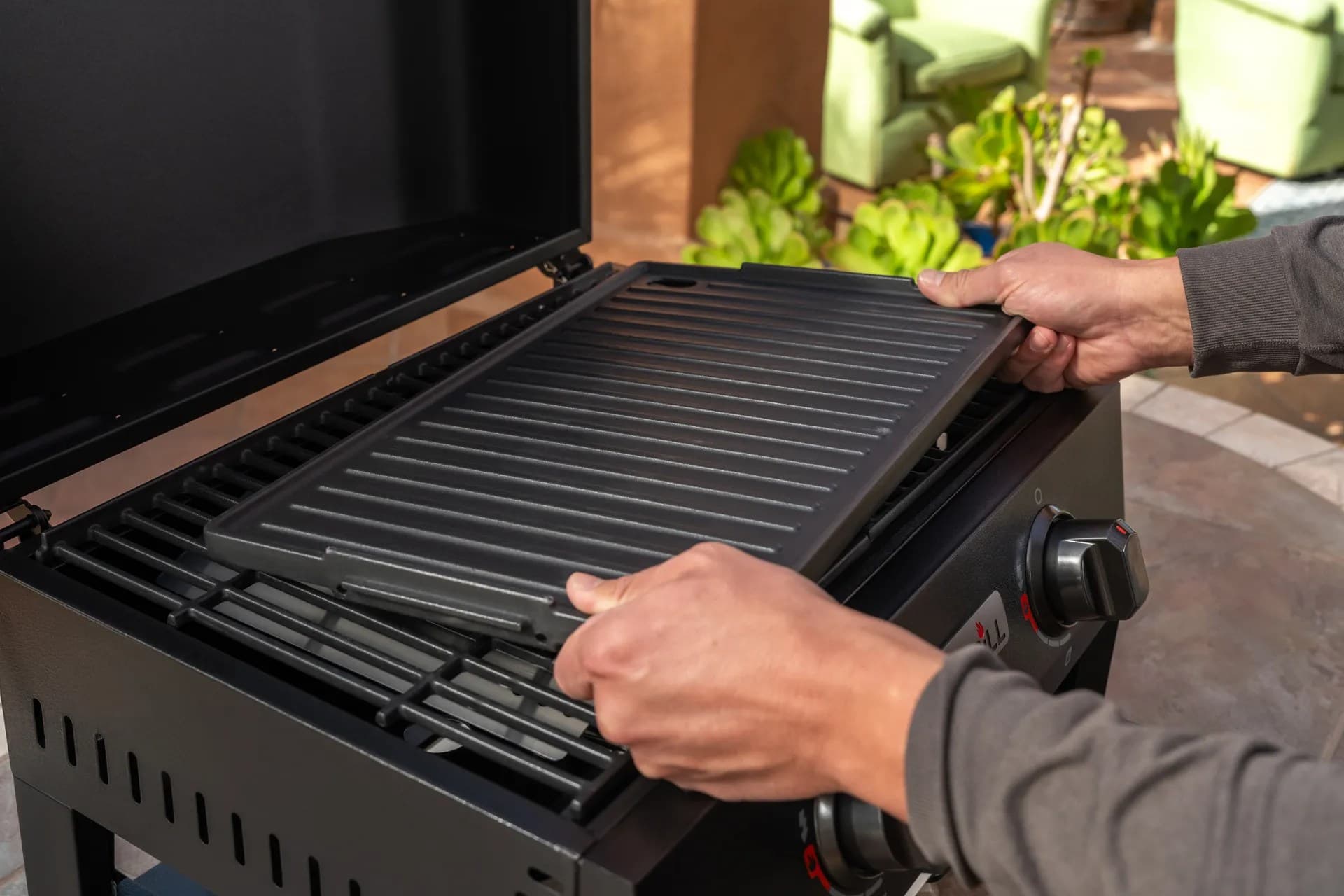
Practical guides for cleaning, maintenance, common grill issues, and performance optimization.
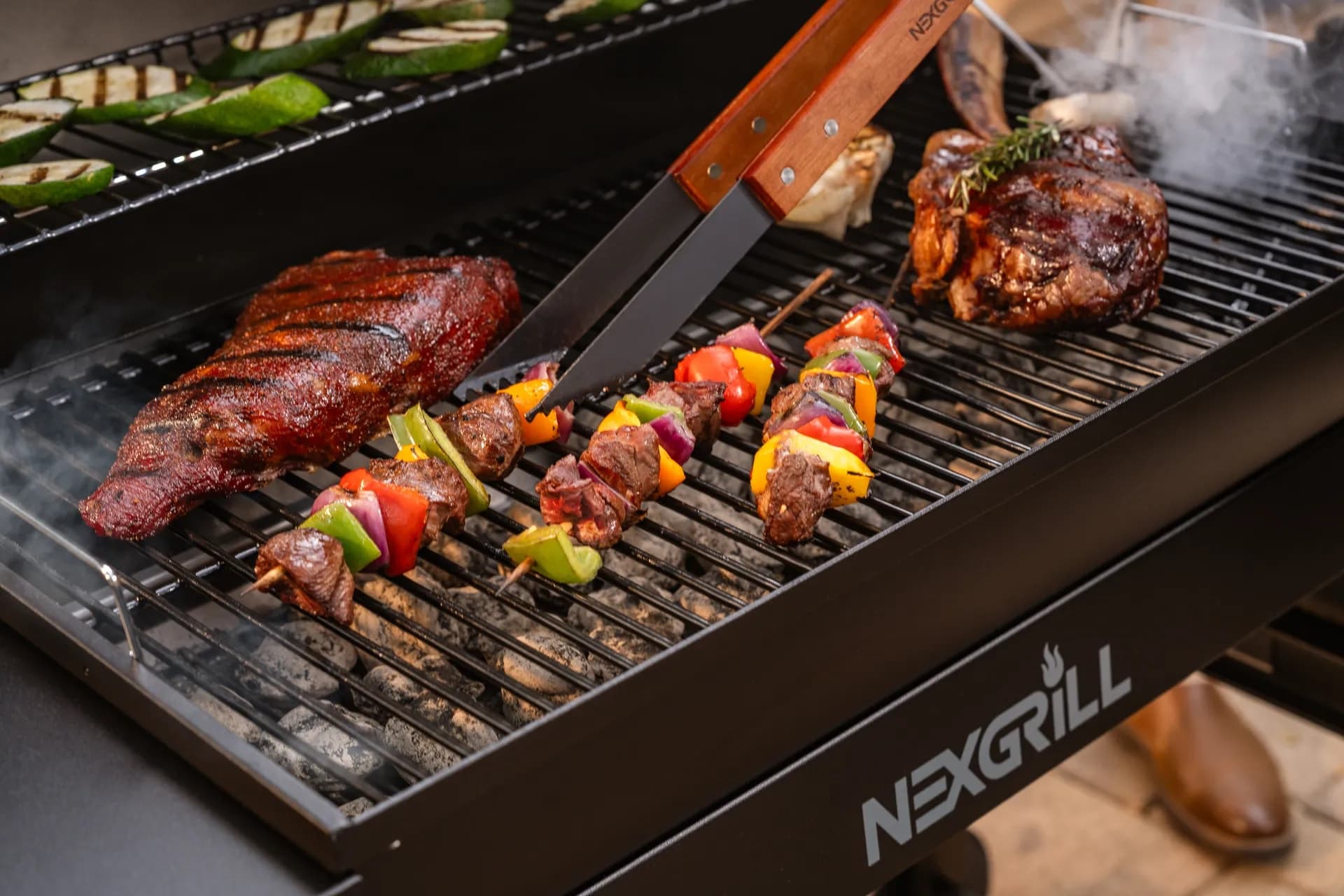
Step-by-step grilling recipes, cooking techniques, and meal ideas for every occasion and skill level.

Backyard entertaining ideas, seasonal grilling inspiration, and stories that celebrate outdoor cooking culture.
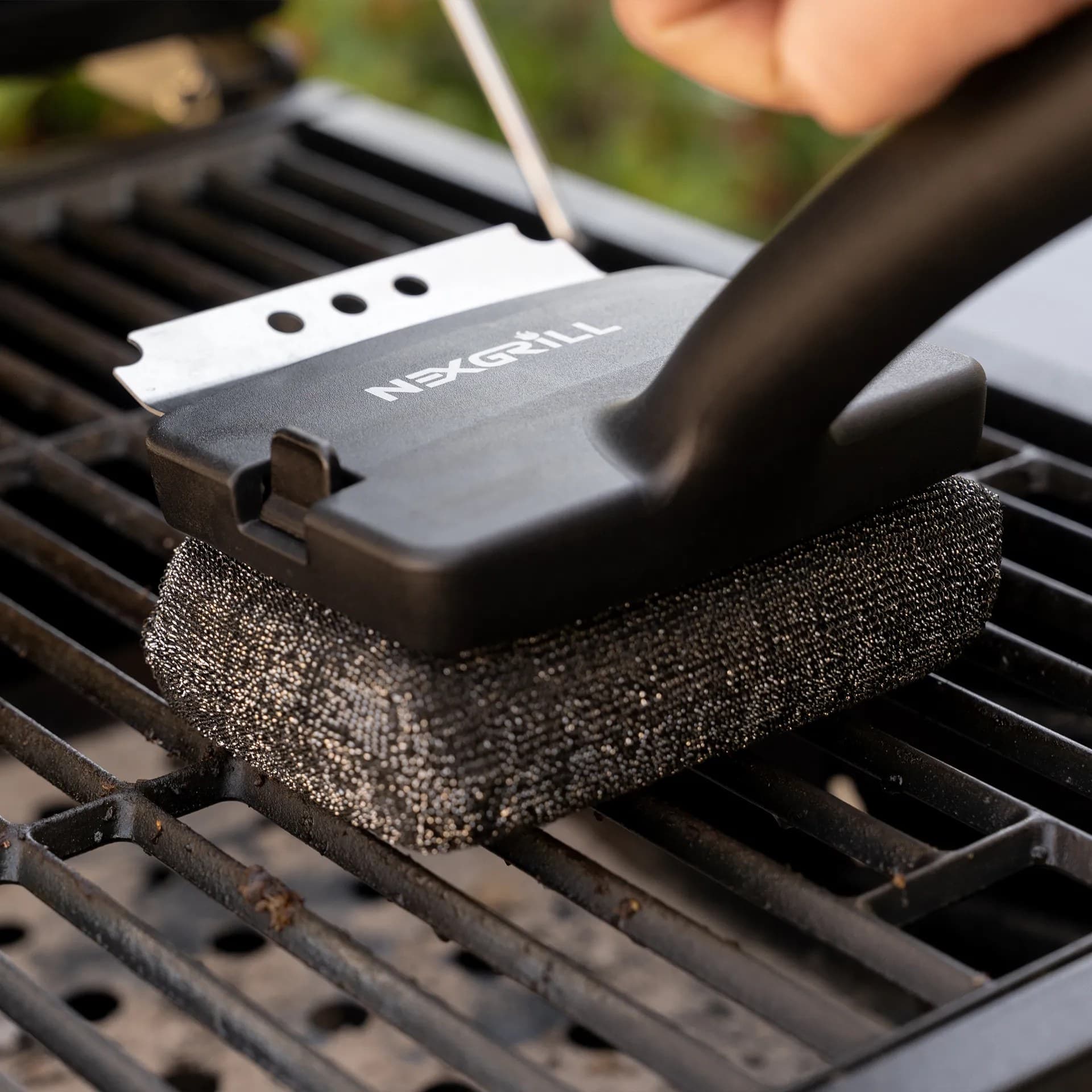
Helpful articles covering grilling tools, cookware, maintenance gear, and must-have accessories for outdoor cooking.
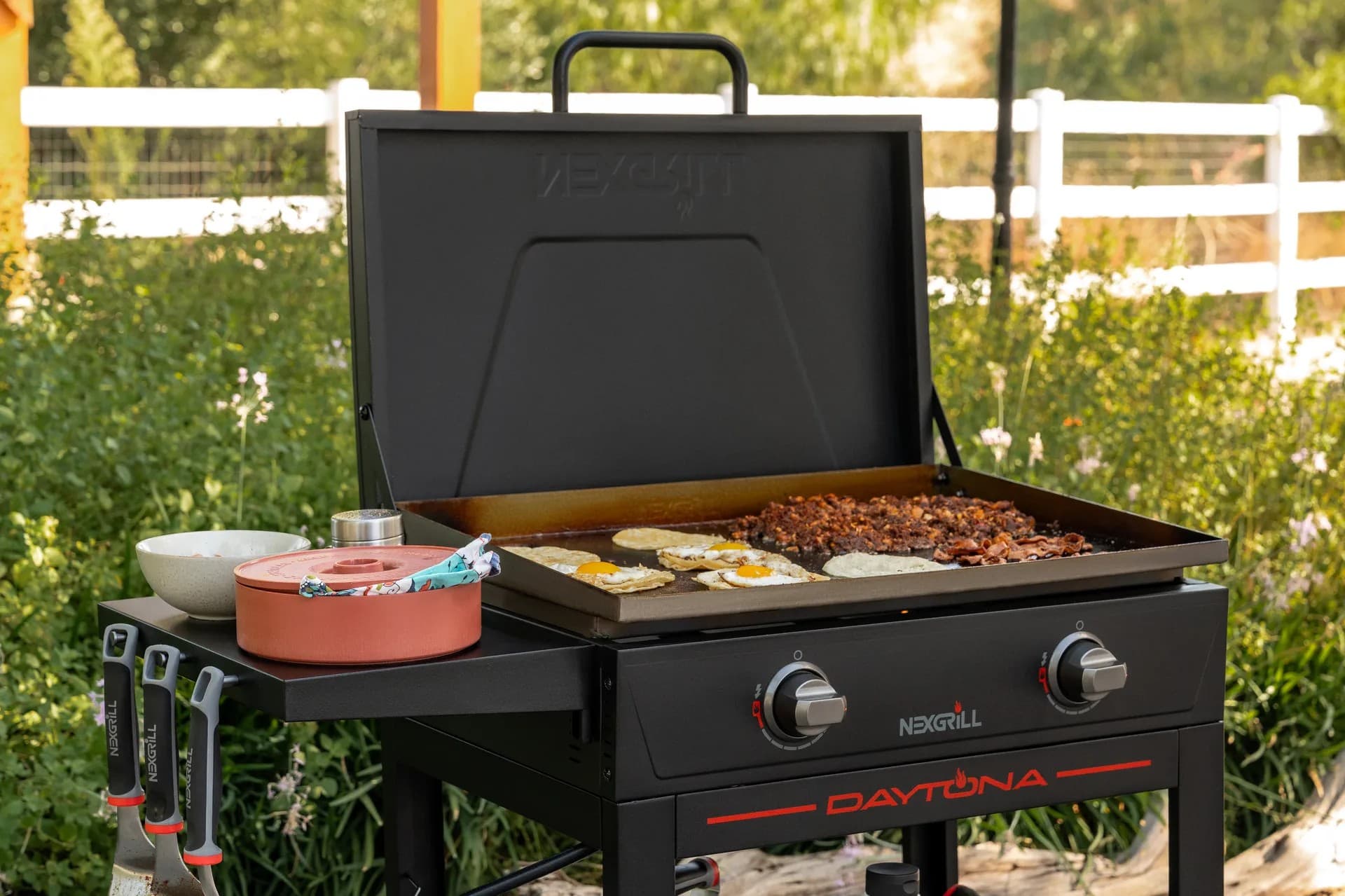
Find griddle recipes, cooking techniques, cleaning tips, and outdoor meal ideas designed for Nexgrill griddles.
Find answers to common questions
Nexgrill offers a variety of gas grills, including standard models, portable options, and premium designs with advanced features. Each is designed to cater to different grilling needs and preferences.
To clean your Nexgrill gas grill, regularly scrape down the grates, empty the grease tray, and wipe down exterior surfaces. Consult your model's manual for specific maintenance instructions and recommended cleaning products.
Nexgrill gas grills are designed to use either propane or natural gas, depending on the model. Ensure you read the specifications to determine the appropriate fuel type for your grill.
Many Nexgrill models can be converted from propane to natural gas with a conversion kit. Check the owner's manual for compatibility and details on the conversion process.
If your Nexgrill gas grill is not lighting, first check the fuel supply, ensure the gas lines are free of obstructions, and verify that the igniter is functioning. Consult the user manual for troubleshooting tips specific to your model.
In This Article
Dual Fuel Grill Overview
Price Range Insights
Top Dual Fuel Models
Dual fuel gas grills sit at the intersection of convenience and flavor. In everyday shopping language, the term usually refers to a grill that lets you cook with gas and charcoal in one unit, so you can light a burner for quick weeknight grilling or add charcoal when you want a deeper, more traditional barbecue profile. That flexibility is the main reason shoppers search for dual fuel gas grill price information in the first place: you are not just comparing stainless steel and burner counts, you are comparing two cooking experiences in one footprint.
For many United States homeowners, a dual fuel grill is appealing because it reduces the need to buy and store two separate cookers. One appliance can handle burgers after work, reverse-seared steaks on the weekend, and slower charcoal sessions when you want more smoke flavor. Nexgrill’s brand approach emphasizes that grilling should be welcoming, practical, and accessible for a range of budgets, which matches the way many buyers evaluate this category: they want enough performance to feel like an upgrade, but not a price point that turns a backyard cooking hobby into a major project .
A good dual fuel grill should be judged by more than fuel flexibility alone. Cooking area, fuel switching design, ash cleanup, ignition quality, and lid fit all affect whether the grill feels like a true value or a compromise. Because the keyword here centers on price, it helps to think in terms of total ownership value: not only the sticker price, but also how often you will use each fuel mode, how much cleanup you are willing to do, and whether the grill fits your patio, deck, or tailgate setup.
Price alone can be misleading. A lower-cost dual fuel grill may save money up front, but a well-designed cooking box, stable cart, and easy-to-clean charcoal side often matter more over time.
one grill body, two ways to cook, and one purchase decision to compare carefully
Dual fuel gas grill price ranges vary widely in the United States because the category includes both compact backyard models and larger hybrid cookers with heavier steel construction. At the entry level, buyers may see basic dual fuel or hybrid grills starting around the low hundreds of USD, especially for smaller footprints and lighter-duty materials. Mid-range models often land in the several-hundred-dollar range and usually add sturdier carts, larger grates, better airflow control, and more usable cooking space. Premium hybrid grills can climb well above that when they include thicker steel, multiple cooking zones, side shelves, ash management, and more substantial cabinetry or cart systems.
If you are comparing brands, the biggest value difference is not just fuel type but how the grill is built to switch between modes. Some products are true hybrids with dedicated charcoal baskets and gas burners; others use a more limited add-on style that gives you less control in charcoal mode. In this category, a carefully engineered mid-range grill often offers better value than the least expensive option because it gives you enough surface area and heat management to actually use both fuels regularly rather than treating one side as a novelty.
| Segment | Typical U.S. Price | What You Usually Get |
|---|---|---|
| Entry level | About USD 200-400 | Smaller cook area, lighter frame, basic hybrid functionality |
| Mid-range | About USD 400-800 | More stable cart, larger grate space, better heat zoning |
| Premium | About USD 800 and up | Heavier build, stronger accessories, more refined charcoal and gas control |
Watch the accessories list. Some advertised prices exclude covers, side shelves, or fuel conversion parts, which can change the true value by a meaningful amount.
When shoppers compare top models, the most useful lens is not brand name alone but how each grill solves a specific cooking problem. Some buyers want fast ignition and charcoal flavor in one body. Others care about a larger cooking footprint for backyard gatherings. A few want the best possible value for occasional use. Below is a practical way to think about the field.
| Model type | Best for | Value signal |
|---|---|---|
| Char-Griller hybrid style | Buyers who want a familiar charcoal-first feel with gas convenience | Often competitive for the feature set if the build is sturdy |
| Cuisinart dual fuel compact style | Smaller spaces and lighter-duty everyday cooking | Good if portability matters more than sheer size |
| BBQGuys hybrid category listings | Shoppers comparing multiple formats side by side | Useful for price discovery and feature comparison across brands |
Good Housekeeping’s review coverage of gas and charcoal grills is a reminder that performance and usability often outrank raw specifications when consumers judge value, especially in mixed-fuel categories where even heat, assembly, and cleanup affect satisfaction over time. That point matters here because a dual fuel grill can look like a bargain until you factor in the real-world effort required to swap fuels and maintain two cooking systems in one chassis.
User feedback on dual fuel grills tends to cluster around the same themes. Owners like the flexibility of having gas for speed and charcoal for flavor, but they also mention that the grill is only as good as its airflow design and cleanup system. In practice, reviews often praise grills that make transition between fuels intuitive, while negative reviews usually point to flimsy hinges, uneven heat, or ash removal that becomes frustrating after a few cooks.
For a buyer, the most helpful review comments are not the star rating alone but the details underneath it. Look for mentions of how long preheat takes, whether the charcoal side reaches usable searing heat, whether the gas burners are hot enough for weekday meals, and whether the cooking grate size matches real family use. If multiple reviewers say the same thing about assembly or rusting hardware, that usually reveals more than a polished product description.
The best reviews are specific: they mention temperature recovery, cleanup time, and how often the owner uses each fuel mode after the first month.
If your goal is to get both convenience and classic barbecue character in one grill, a dual fuel model can be a smart purchase. The price makes sense when the grill genuinely fits your cooking habits, not just your curiosity. For occasional grillers, a lower-cost model may be enough. For frequent entertainers, a sturdier mid-range option often delivers better long-term satisfaction because it supports both fast gas cooking and deeper charcoal sessions without feeling cramped.
Before you buy, compare cooking area, materials, ignition reliability, charcoal management, and the cost of any add-ons. Think about where the grill will live, how often you will use each fuel, and whether you want a compact backyard setup or a more serious outdoor cooking station. If you want to narrow choices further, try comparing two products side by side below to see which fits best.
Once you have compared a couple of options side by side, the next step is understanding what makes a dual fuel grill worth its asking price. In this category, the word dual fuel usually means one grill body that can cook with both gas and charcoal, letting you switch between fast ignition and more traditional charcoal flavor. That sounds simple, but the real value comes from how well the design supports both modes. A great hybrid grill makes gas feel effortless and charcoal feel controlled, while a weak one becomes two mediocre grills sharing the same frame.
That is why the price conversation should start with use case. If you grill mostly on weeknights, gas mode carries most of the weight, and charcoal becomes a bonus for weekends. If you love smoke flavor and only want gas as a backup, you will judge the charcoal side more harshly. Nexgrill’s brand positioning around accessible, practical outdoor cooking is relevant here because it reflects how shoppers actually buy: they want a grill that feels welcoming to use, dependable in operation, and flexible enough to serve different occasions without making the patio feel overcomplicated .
A dual fuel grill is also a space-saving decision. Instead of buying a standalone gas grill and a separate charcoal cooker, you consolidate two cooking approaches into one footprint. For many U.S. backyards and decks, that matters as much as the sticker price. The trade-off is that hybrid designs can be heavier and more complex to clean. Buyers who understand that trade-off usually end up happier with their purchase than shoppers who only chase the lowest price tag.
A dual fuel grill is best viewed as a flexibility purchase. You are paying for options, not just BTUs or grate area.
The dual fuel gas grill price range in the United States depends on materials, size, and how sophisticated the fuel-switching system is. Compact and lighter-duty hybrid grills usually sit in the lower price tiers, where the main appeal is affordability and occasional use. Mid-range grills are the sweet spot for many buyers because they tend to combine a more stable cart, better cooking space, and a charcoal chamber that is actually practical to use. Premium hybrid grills command higher prices when they add heavier steel, more precise airflow control, stronger shelving, and features that help manage both gas and charcoal with less hassle.
A useful way to shop is to compare price per usable cooking mode, not just overall cost. If a grill has a gas burner but the charcoal side is awkward to load, hard to ash out, or too small for a family meal, the cheaper price may not be much of a bargain. Likewise, if the frame is too light, the grill may feel unstable once it is fully loaded with fuel and food. The best value usually comes from a model that can genuinely replace two separate units in your routine.
| What affects price | Why it matters | What to check |
|---|---|---|
| Frame and cart construction | Impacts stability, mobility, and long-term durability | Steel thickness, wheel quality, shelf support |
| Charcoal chamber design | Affects airflow and flavor control | Ash pan access, grate height, vent placement |
| Gas burner quality | Determines warm-up speed and heat consistency | Ignition type, burner material, heat distribution |
If a listing does not clearly explain how the gas and charcoal sections work together, assume the low price may reflect a simpler, less refined hybrid design.
The most useful top-model list is one that helps you match a grill to your actual cooking style. Char-Griller-style hybrids often appeal to buyers who want a more traditional charcoal presence with the convenience of gas lighting. Cuisinart dual fuel options are often discussed for more compact use cases where footprint and portability matter. Retail category pages such as BBQGuys’ hybrid listings can also be helpful when you want to compare dimensions, fuel setup, and feature mixes across multiple brands in one place. Good Housekeeping’s broader grill reviews reinforce a practical rule: the best grill is the one that performs consistently in everyday use, not the one with the flashiest spec sheet.
When evaluating a model, look at the size of the cooking grate, whether the charcoal side is easy to access, and how the gas section is laid out. A dual fuel grill with a cramped firebox or awkward lid geometry may seem appealing online but frustrating in person. In contrast, a model with a sensible layout can make switching between a weeknight burger session and a weekend charcoal cook almost seamless.
| Model family | Typical use case | Why buyers like it |
|---|---|---|
| Char-Griller hybrid class | Backyard cooks who want charcoal flavor with gas convenience | Balanced feature mix and familiar grill feel |
| Cuisinart dual fuel class | Smaller households and lighter-duty grilling | Compact footprint and simpler handling |
| Marketplace hybrid listings | Comparison shoppers | Good for feature and price benchmarking |
User reviews are especially useful in this category because dual fuel ownership is about day-to-day convenience. Positive reviews often mention the fun of having two cooking personalities in one grill: quick gas starts when dinner needs to happen now, and charcoal sessions when the cookout becomes the event. Shoppers also praise models that feel stable, heat evenly, and do not require constant fiddling to keep both modes working the way they should.
Negative feedback tends to point to the same pain points. Some users dislike long assembly times. Others mention that charcoal cleanup is messier than expected or that the gas side works well while the charcoal side feels undersized. These comments are valuable because they reveal whether a grill is truly versatile or just marketed that way. If a reviewer says the grill is great for casual burgers but struggles with larger cuts or longer sessions, that can be more informative than a generic five-star rating.
Review patterns matter more than isolated opinions. Look for repeated comments about heat retention, ash management, and how often owners actually use the charcoal side after purchase.
It also helps to read reviews through a household lens. A family that grills once or twice a month may be thrilled with a lower-cost hybrid. A frequent entertainer may quickly outgrow a compact model and wish they had bought more cooking space. That is why real-world testimonials should be matched to your own rhythm of use, not treated as universal truth.
Dual fuel grills are worth the investment when you genuinely want both speed and flavor in a single outdoor cooker. They make the most sense for buyers who like flexible cooking, want to save patio space, or expect to alternate between weeknight gas grilling and weekend charcoal sessions. If your cooking style leans heavily in one direction, you may be better served by a dedicated gas or charcoal grill instead of paying for a feature you will rarely use.
Before buying, compare the total package: price, cooking area, fuel transition design, assembly effort, cleanup, and durability. For United States shoppers, it is smart to factor in estimated added costs such as covers, charcoal fuel, and replacement grates over time. If two models look close in price, the one with better layout and easier cleanup often ends up being the better value. Once you know your priorities, the purchase decision gets much clearer.
Here's what sets us apart
We position ourselves as delivering high-end outdoor cooking features and performance without premium-brand pricing, emphasizing “Quality Grills. Unbelievable Value.”
We offer gas grills, pellet grills, griddles, smokers, pizza ovens, portable/tabletop grills, electric grills, accessories, and replacement parts — allowing customers to stay within one ecosystem for all outdoor cooking needs.
We differentiate ourselves through smart grilling products like the Oakford smart pellet grill, including app-connected cooking controls and modern outdoor cooking technology.
Don't just take our word for it
Keep reading
From our catalog