In-Depth Review of 12-Inch Deep Fry Thermometers
Comprehensive insights into performance, features, and usability of 12-inch deep fry thermometers.
In This Article
Versatile Length
Key Features
Common Mistakes
Why Choose a 12-Inch Deep Fry Thermometer?
A 12-inch deep fry thermometer is an essential tool for anyone serious about deep frying. Its length is particularly useful for ensuring safety and accuracy, allowing you to measure oil temperatures without getting too close to the hot surface. This makes it ideal for traditional deep frying in larger pots or commercial settings, where precision and safety are paramount.
The 12-inch size provides enough reach for deep containers, making it versatile for various cooking applications. Whether you're frying chicken, fish, or making donuts, a thermometer of this length ensures you can maintain the optimal frying temperature, which is crucial for achieving the desired texture and flavor.
A 12-inch thermometer reduces the risk of burns by keeping your hands away from the hot oil, ensuring a safer cooking experience.
Key Features of Quality 12-Inch Thermometers
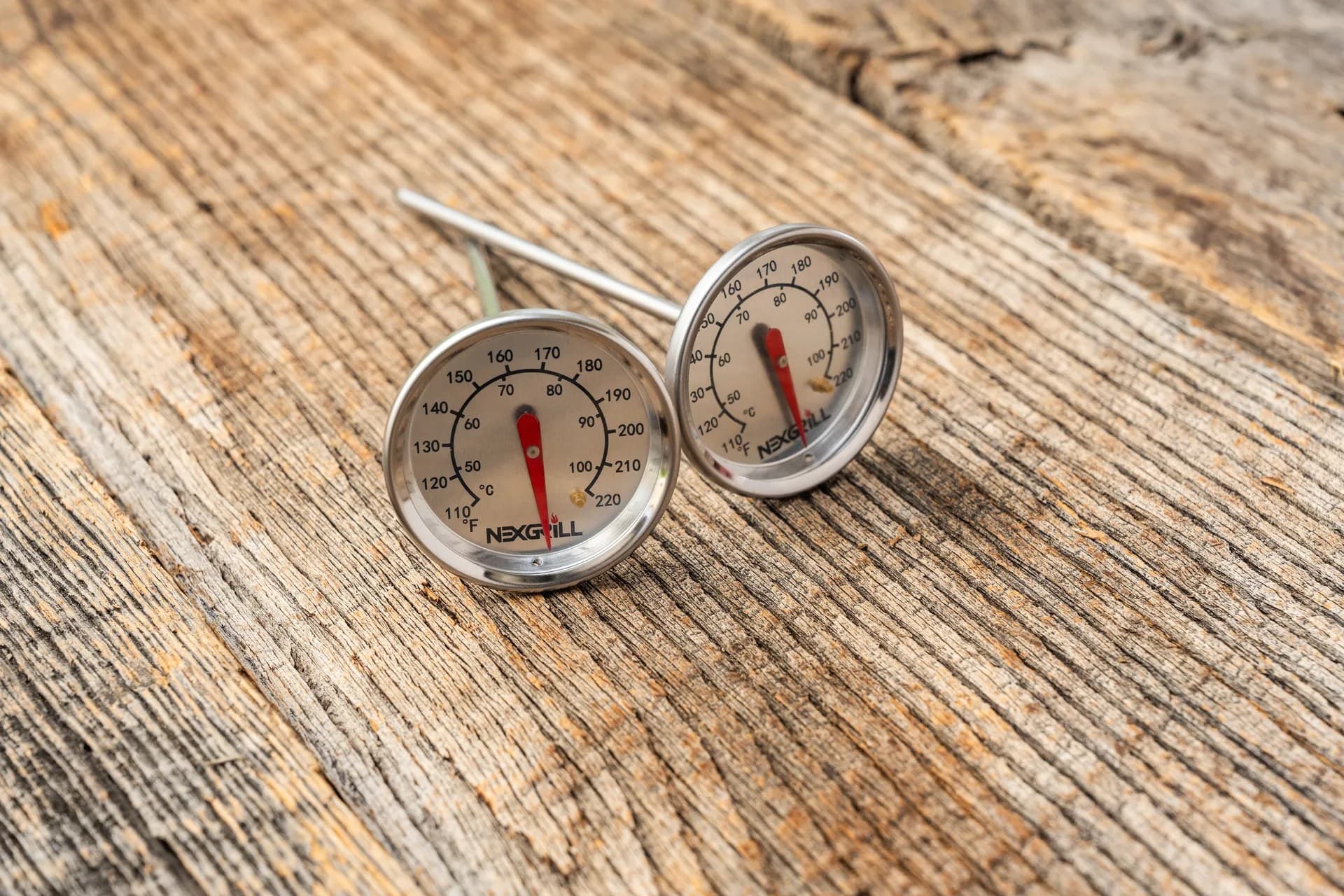
When selecting a 12-inch deep fry thermometer, several features should be considered to ensure you choose a model that meets your needs. Look for features such as a robust stainless steel construction, which offers durability and resistance to high temperatures. An easy-to-read dial with clear markings is also essential for quick and accurate readings.
Additionally, some models come with adjustable clips, which allow the thermometer to be securely attached to the side of the pot, providing hands-free monitoring. It's also beneficial to choose a thermometer with a wide temperature range, ideally from 100°F to 400°F, to accommodate various frying requirements.
| Feature | Importance |
|---|---|
| Stainless Steel Construction | Durability and heat resistance |
| Easy-to-Read Dial | Quick and accurate readings |
| Adjustable Clip | Hands-free monitoring |
| Wide Temperature Range | Versatility for different oils |
Choosing the right features ensures that your 12-inch thermometer will provide reliable performance and enhance your cooking efficiency.
How to Use a Deep Fry Thermometer Effectively
Using a deep fry thermometer correctly is key to achieving the best results. Begin by setting your oil to the desired temperature before introducing your food. Insert the thermometer into the oil but ensure it does not touch the bottom of the pan, which can give a false reading. Monitor the temperature throughout the cooking process to maintain the ideal frying conditions.
Regularly calibrating your thermometer is also important to ensure accuracy. Most models come with instructions on how to calibrate using either boiling water or ice water methods. Following these guidelines will help maintain the accuracy and reliability of your readings.
Tip: Always clean your thermometer after each use to ensure hygiene and prolong its lifespan.
Try comparing two products side by side below to see which fits best:
Common Mistakes When Using Deep Fry Thermometers
Even with the best tools, certain common mistakes can hinder your frying success. One frequent error is not allowing the oil to reach the correct temperature before adding food. This can result in uneven cooking and oil absorption, leading to greasy and unappealing results.
Another common mistake is not securing the thermometer properly. Without using the clip or failing to adjust it to the right height, the thermometer can slip, causing inaccurate temperature readings. Additionally, neglecting regular calibration can lead to inconsistent results, impacting the quality of your frying.
Warning: Avoid leaving the thermometer in the oil while not in use, as this can damage the device and affect its performance.
Maintaining Your 12-Inch Deep Fry Thermometer
Proper maintenance of your deep fry thermometer ensures longevity and accuracy. After each use, clean the thermometer thoroughly with warm, soapy water, especially if it has come into contact with food particles. Avoid submerging the entire device in water unless specified by the manufacturer.
Store the thermometer in a dry, safe place to prevent any damage. For models with detachable parts, ensure they are reassembled correctly to maintain accuracy. Regular checks for wear and tear can also prevent any unexpected malfunctions during cooking.
Choosing the Right Thermometer for Your Needs
Not all thermometers are created equal, and selecting the right one depends on your specific needs. Consider how often you fry and the types of food you prepare. For frequent use, investing in a durable, high-quality model with a broad temperature range is advisable. For occasional use, a basic model might suffice, provided it meets your accuracy requirements.
Compare the options available and read reviews to gauge user satisfaction and performance reliability. Many brands offer models with additional features such as digital displays or timers, which can enhance your cooking experience.
| Model | Price Range | Features |
|---|---|---|
| Basic Analog Model | $10-$20 | Stainless steel, easy-read dial |
| Advanced Digital Model | $25-$50 | Digital readout, timer, high precision |
Once you've weighed two options against each other, here's what else matters…