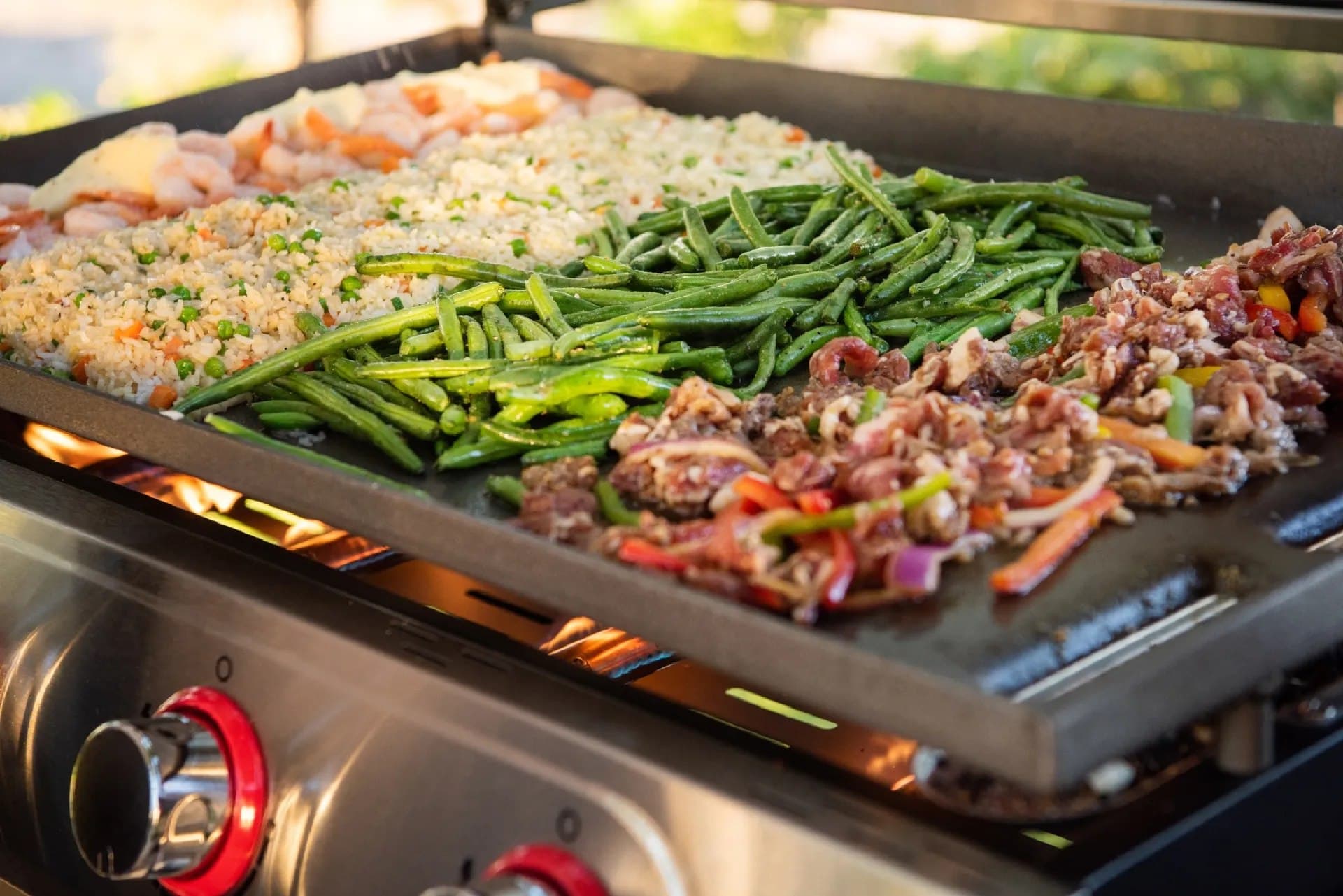
Explore the best 4-burner griddles on the market, featuring the Daytona model.
Here's what sets us apart from the competition
We position ourselves as delivering high-end outdoor cooking features and performance without premium-brand pricing, emphasizing “Quality Grills. Unbelievable Value.”
We offer gas grills, pellet grills, griddles, smokers, pizza ovens, portable/tabletop grills, electric grills, accessories, and replacement parts — allowing customers to stay within one ecosystem for all outdoor cooking needs.
We differentiate ourselves through smart grilling products like the Oakford smart pellet grill, including app-connected cooking controls and modern outdoor cooking technology.
Expert tips, buying guides, comparisons, and inspiration for choosing and getting the most out of your grill.
Practical guides for cleaning, maintenance, common grill issues, and performance optimization.
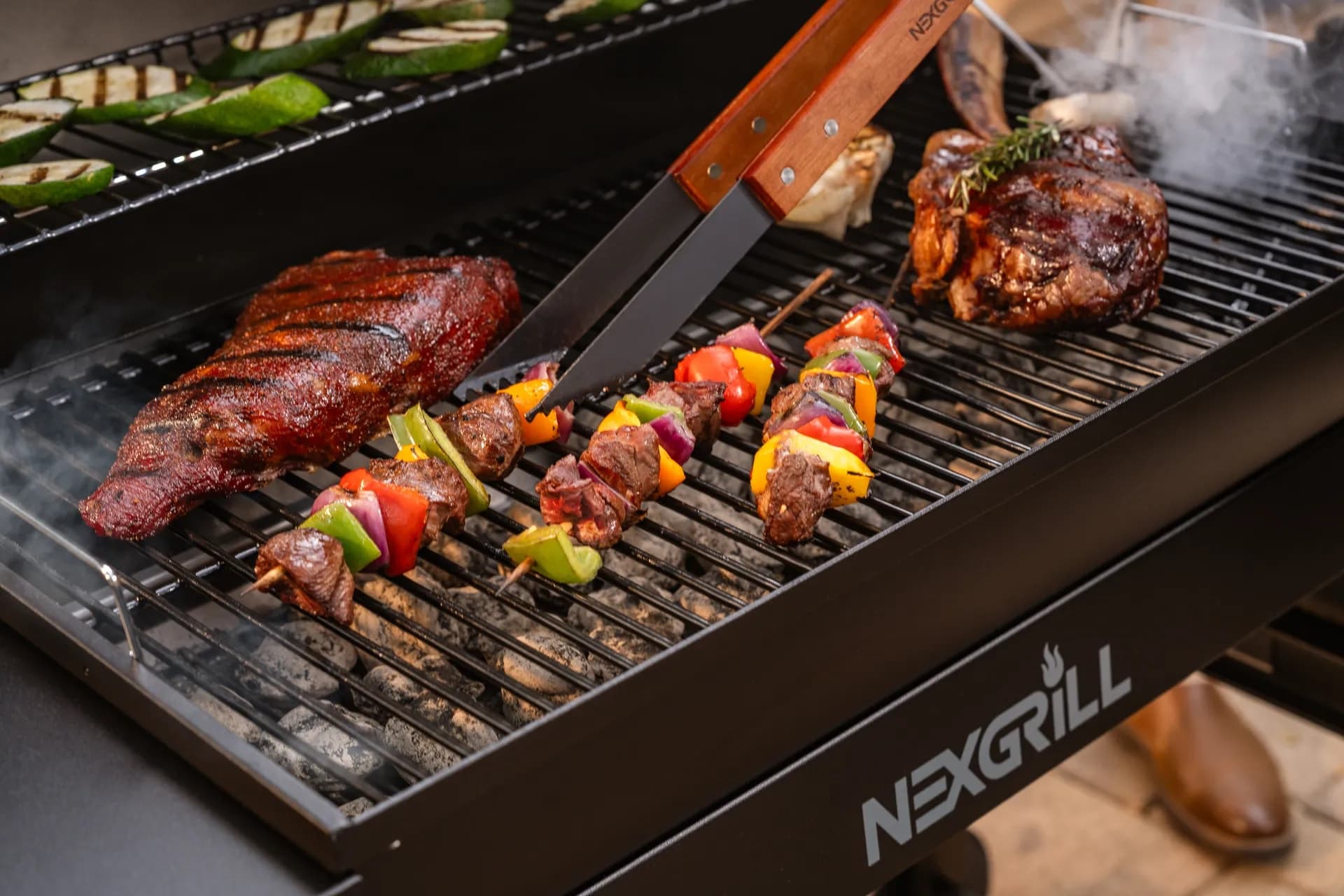
Step-by-step grilling recipes, cooking techniques, and meal ideas for every occasion and skill level.
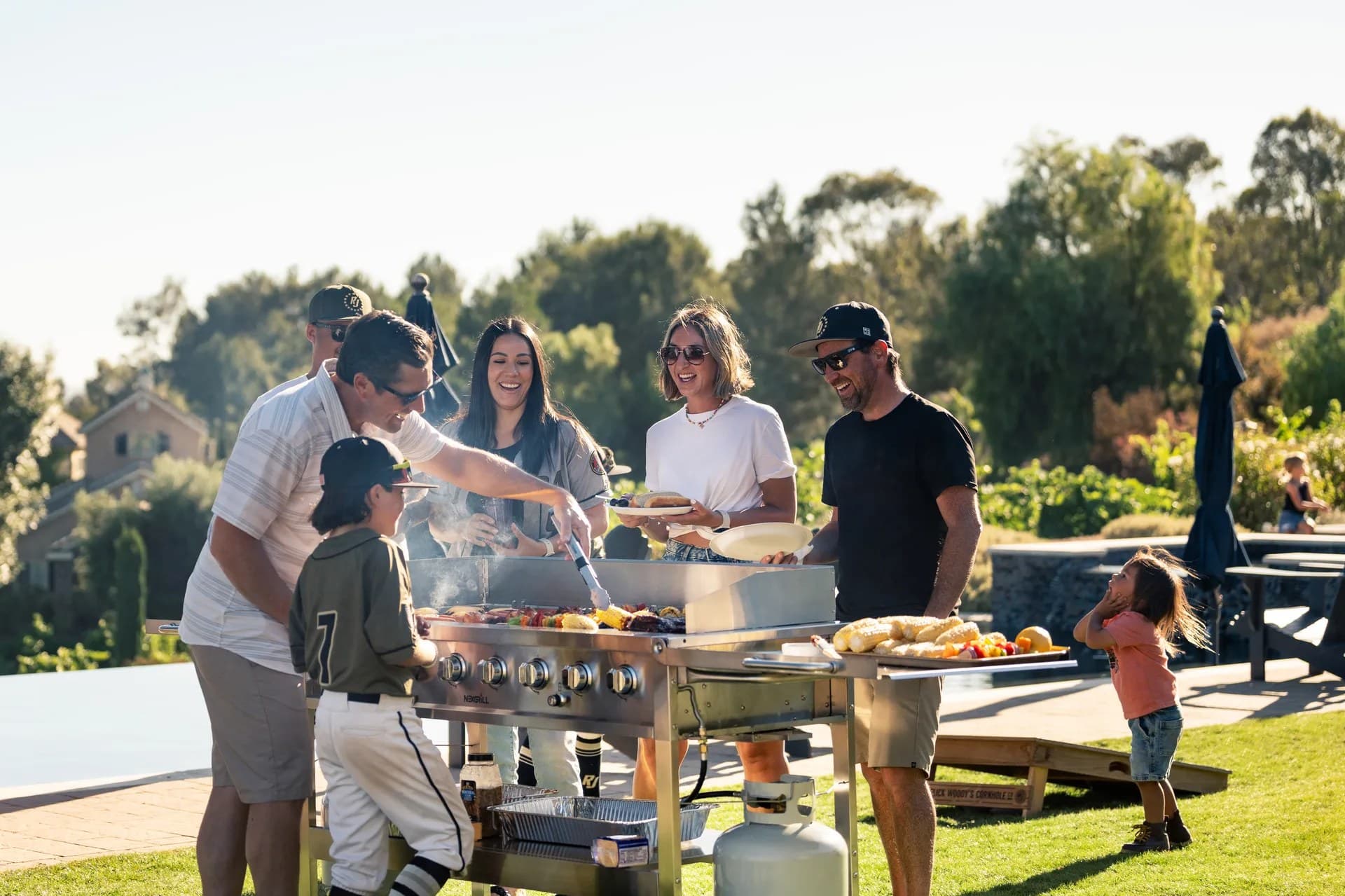
Backyard entertaining ideas, seasonal grilling inspiration, and stories that celebrate outdoor cooking culture.
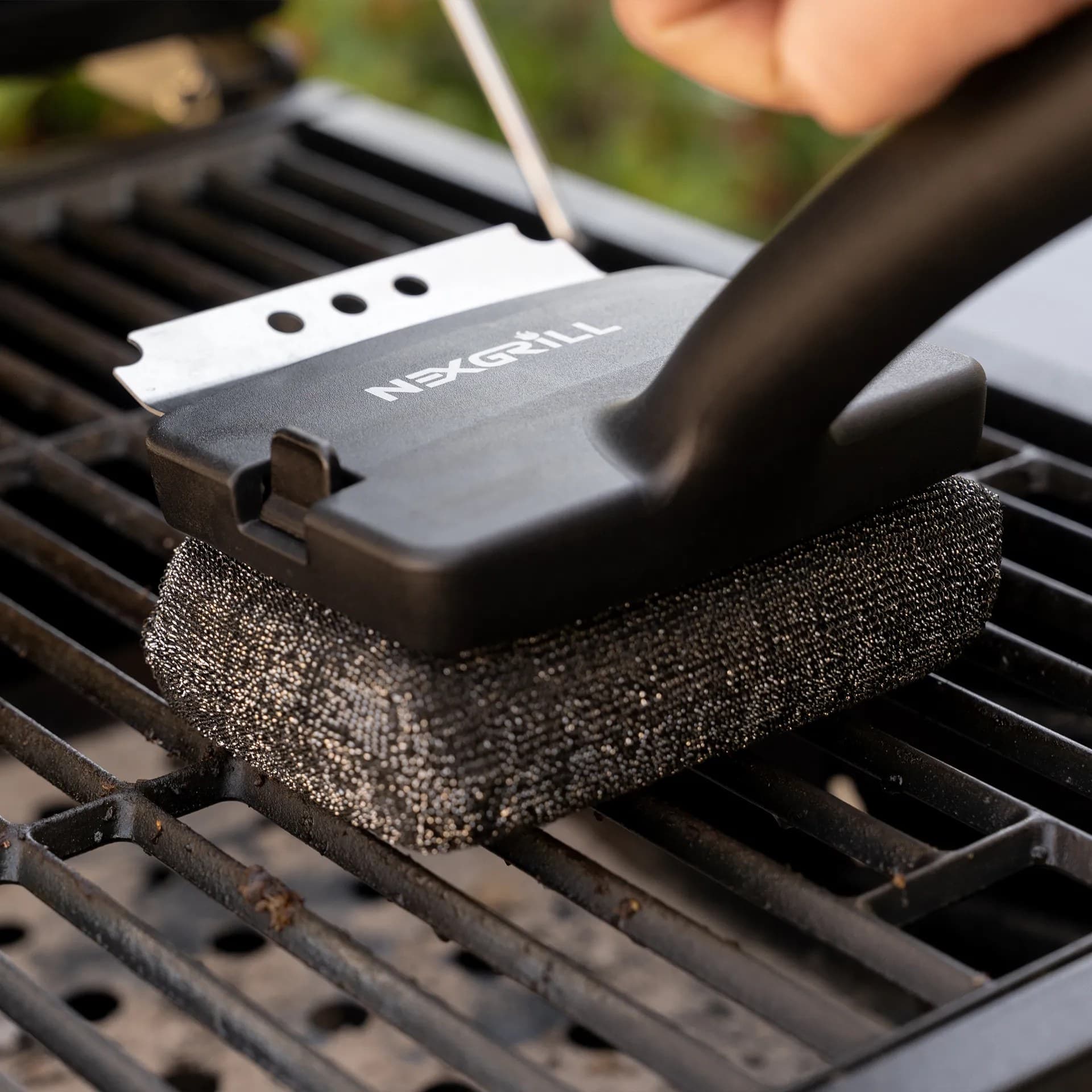
Helpful articles covering grilling tools, cookware, maintenance gear, and must-have accessories for outdoor cooking.
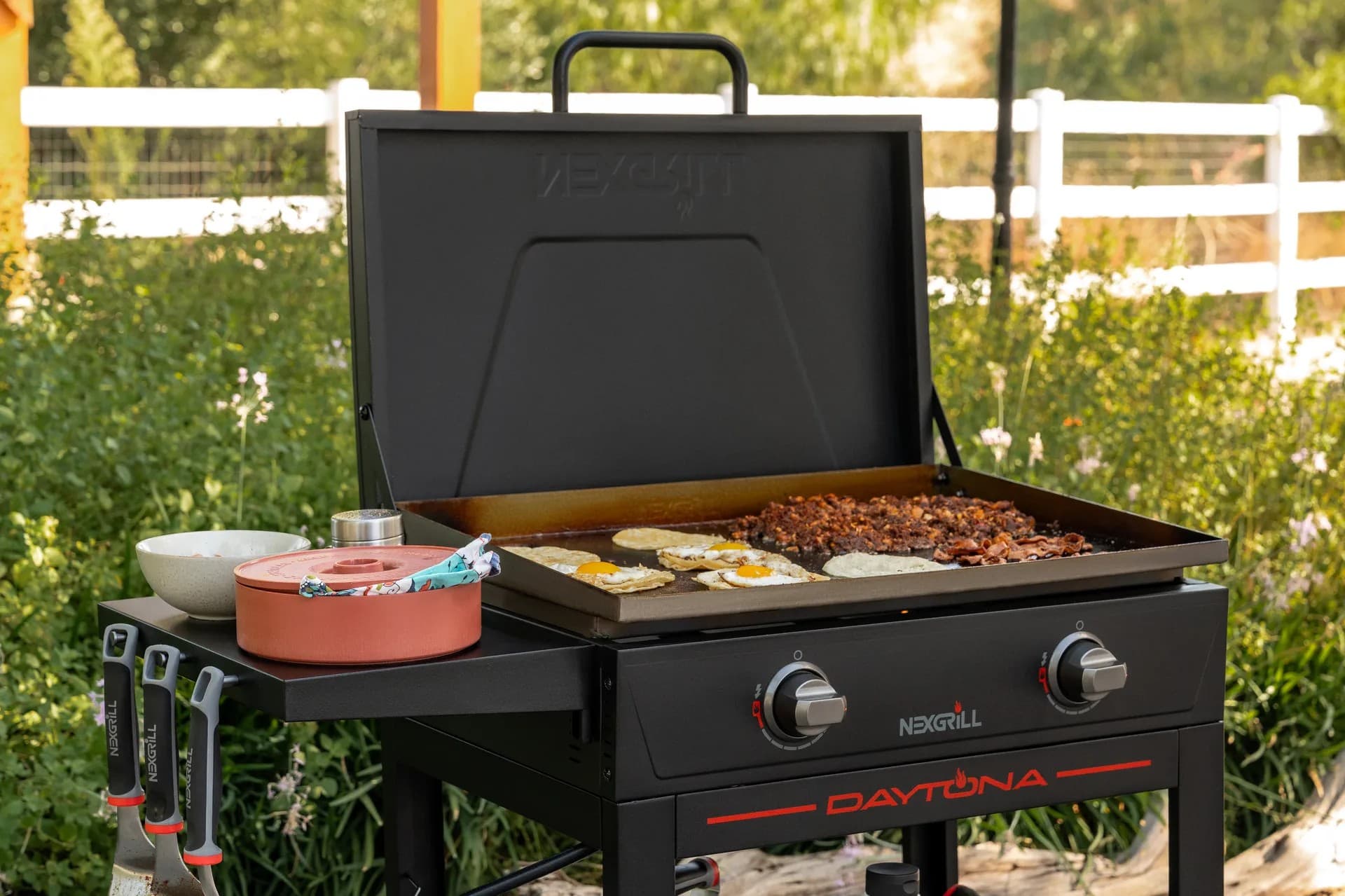
Find griddle recipes, cooking techniques, cleaning tips, and outdoor meal ideas designed for Nexgrill griddles.
Find answers to common questions
Nexgrill griddle dimensions vary by model. Please refer to the specific product page for detailed measurements.
Nexgrill griddles are typically constructed from high-quality stainless steel and other durable materials designed for outdoor cooking.
To clean your Nexgrill griddle, make sure it is cool, then scrape off food residue with a spatula and wash the surface with warm, soapy water. Regular cleaning helps maintain performance and longevity.
Yes, Nexgrill griddles are designed for versatile cooking and are ideal for preparing breakfast foods such as pancakes, eggs, and bacon.
Yes, Nexgrill offers a warranty on their griddles. Warranty terms can vary by model, so please check the product details for specific coverage information.
In This Article
Versatile Cooking Options
Durability and Design
User Experiences
A 4-burner griddle sits in a sweet spot for many backyard cooks: it is large enough to handle breakfast for a crowd, weekday smash burgers, stir-fried vegetables, and outdoor meal prep, yet not so oversized that it becomes impractical for a typical patio or deck. Compared with smaller two-burner units, a four-burner format gives you more usable cooking zones, which matters when you want one surface to perform multiple jobs at once. You can keep pancakes warm on one side, sear bacon on the other, and still have room to cook eggs or potatoes without constant shuffling. For buyers comparing options in the United States, this category is often where value, versatility, and real-world convenience meet.
What makes a 4-burner griddle worth considering is not just size, but control. Four independently managed burners create more flexible heat mapping, so you can build hot and cool zones instead of relying on one uniform temperature across the surface. That is especially useful for foods that finish at different times or need different heat levels. In practical terms, a family brunch can move from chaos to order when a griddle lets you run high heat for proteins while maintaining a gentler area for buns, tortillas, or delicate vegetables. This is one reason the format has become a frequent recommendation in consumer buying guides that focus on surface area, heat control, and construction quality rather than burner count alone.
A four-burner layout is most useful when you cook multiple foods at once, not merely when you want a bigger surface.
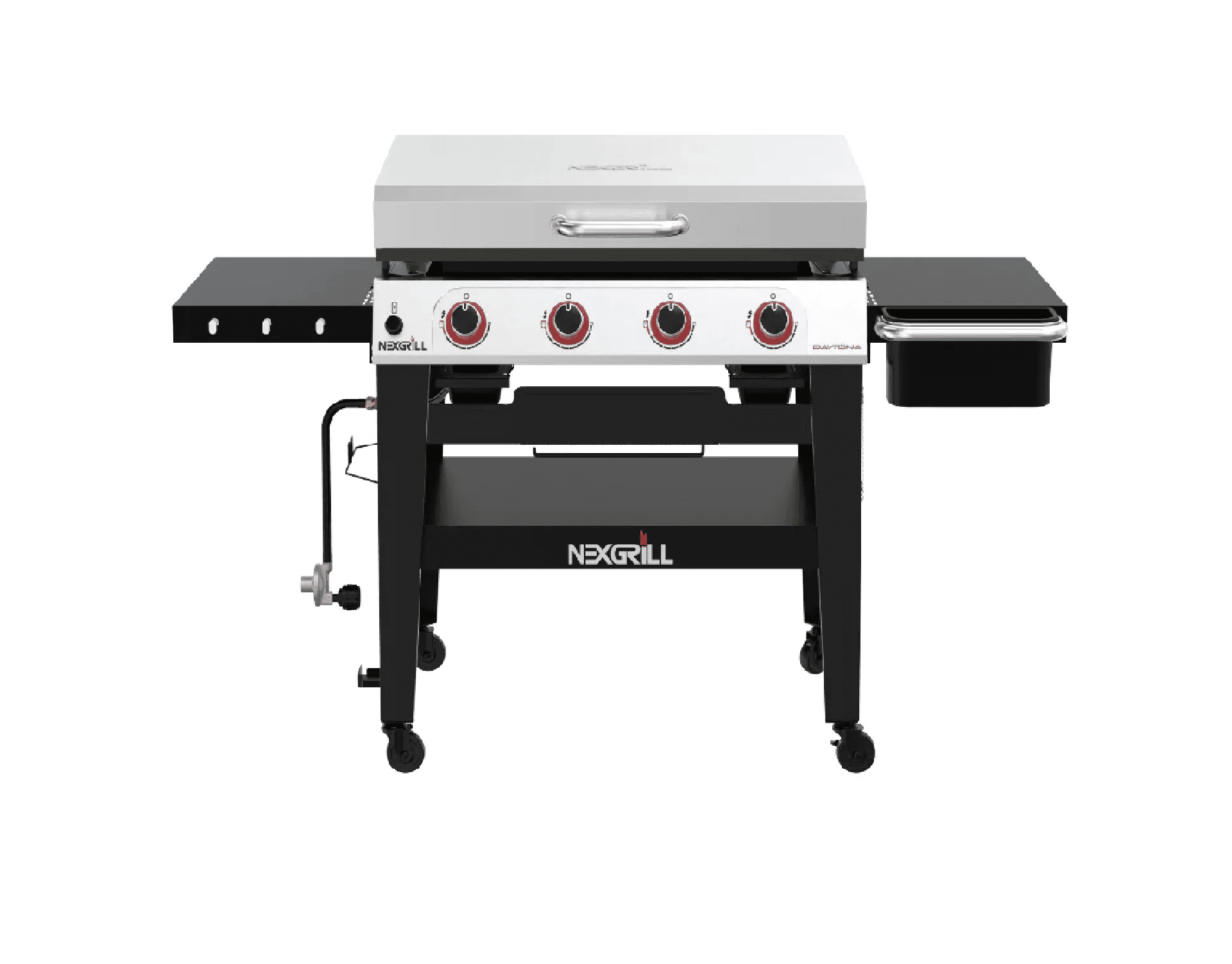
In a comparative review, the real question is not whether a 4-burner griddle is better in the abstract. It is whether a given model gives you a better mix of heat consistency, surface durability, easy cleanup, and practical extras than competing units at a similar price. That is where the Daytona 4-Burner Griddle becomes especially relevant. The Daytona model is positioned for cooks who want a flat-top setup with enough room to serve a family or small gathering without jumping into a commercial-style footprint. Nexgrill’s Daytona 36 4-Burner Propane Gas Griddle with Lid in Black is designed as a propane-powered flat-top with a lid, which gives it a strong convenience advantage for everyday outdoor use because it adds weather protection and makes preheating and heat retention easier to manage between cook sessions.
In the broader griddle market, popular alternatives often fall into three groups. First are budget-focused griddles that emphasize low entry price but can sacrifice cooking consistency or sturdiness. Second are midrange flat-top units that offer decent surface space but may leave out useful features like a cover or better cart design. Third are premium models that may add heavier materials or specialty burners, but often at a noticeably higher cost. A thoughtful buyer should compare more than the headline size. A cooking surface that sounds impressive on paper can still disappoint if it heats unevenly, takes too long to recover after adding cold food, or feels flimsy after a season outdoors. Consumer guidance from sources such as Consumer Reports emphasizes looking at heat control, construction, and ease of cleaning rather than only wattage or burner claims, which is good advice for anyone shopping this category.
A practical size for family meals and side-by-side cooking zones
The most useful way to approach this category is to think in scenarios. If you cook for two or three people and mostly make simple dinners, a large four-burner surface may be more than you need. If you regularly host weekend breakfasts, tailgates, or neighborhood cookouts, however, the added space can improve workflow enough to justify the footprint. The Daytona 4-Burner Griddle is especially appealing for cooks who want a straightforward propane setup and a layout that feels intentionally built for volume without requiring a separate grill and griddle station. That matters because many families do not want to buy two appliances when one can cover breakfast, lunch, and dinner tasks well enough.
The Daytona 4-Burner Griddle is part of Nexgrill’s Daytona line, which is designed around flat-top outdoor cooking and everyday usability. In the context of comparison shopping, this model stands out because it is not trying to be a specialty appliance for a narrow cooking niche. Instead, it is meant to be an all-purpose griddle that can handle a wide range of foods with enough surface area to reduce bottlenecks during busy cooking sessions. The inclusion of a lid is a meaningful detail. For many buyers, a lid is the difference between a griddle that feels like an open worktop and one that behaves more like a complete outdoor cooker, especially when retaining heat or protecting the cooktop between uses.
The Daytona format is especially well suited to households that like the idea of flat-top versatility but do not want to step up to a larger, more expensive commercial-style unit. It gives you the ability to batch-cook eggs, smash burgers, fajitas, hash browns, onions, and vegetables in a single session. For users in suburban or residential settings, that matters because weeknight efficiency is often just as important as weekend performance. You can cook everything in coordinated stages rather than using multiple pans indoors, which reduces cleanup and keeps cooking outside where heat and odors are easier to manage.
If you want one outdoor cooker that can cover breakfast, lunch, and dinner with minimal setup, a 4-burner flat-top like Daytona is a logical benchmark.
In buyer terms, the Daytona also earns attention because it is easy to imagine using it regularly. Some griddles look strong on a spec sheet but feel awkward in day-to-day life due to poor layout, limited prep area, or overly complicated controls. The Daytona’s value proposition is more direct: four burners, a large flat cooking zone, propane convenience, and a lid for added practicality. Those are the kinds of features that matter when the goal is repeatable outdoor cooking rather than occasional novelty use. For many shoppers, that makes it a useful baseline when comparing against better-known competitor griddles in the same category.
It is also important to note that the Daytona is a good example of the market trend toward griddles that double as social cooking stations. Families increasingly use flat tops to prepare shared meals with a lot of moving parts, and the Daytona format supports that style well. The surface encourages active cooking, where food moves around the griddle as it finishes, instead of being trapped in separate pans. That can make meals more coordinated and can also improve pacing when you are cooking for a group that does not all sit down at the same time.
The most important Daytona feature is the four-burner layout, because that defines the cooking experience more than any single accessory does. Four burners let you create multiple heat zones, which is essential for managing a flat-top surface effectively. Instead of making everything over one hot area, you can sear proteins in one zone, keep finished items warm in another, and use a moderate zone for foods that need gentler heat. That ability is one of the main reasons four-burner griddles are favored by people who cook mixed menus outdoors.
A second feature that matters is the lid. On a griddle, a lid is not merely cosmetic. It can help shield the cooktop from dust and moisture, support heat retention during preheating, and make the unit feel more complete for all-season outdoor use. For buyers comparing products side by side, a lid can influence long-term satisfaction more than a flashy but less useful add-on. In many real-world settings, the griddle that gets used the most is the one that feels easiest to keep clean and ready. That is one reason the Daytona’s covered design deserves attention in a comparative review.
| Feature | Why it matters | Daytona advantage |
|---|---|---|
| Four burners | Creates flexible cooking zones and better batch cooking | Useful for mixed meals and larger groups |
| Flat-top surface | Supports breakfast, searing, stir-fry, and smash burgers | Highly versatile for daily use |
| Lid included | Improves protection and heat management | Adds convenience versus open-top units |
| Propane fuel | Offers fast startup and simple fuel handling | Good fit for most backyard setups |
Another practical advantage is simple propane-based operation. For many U.S. households, propane remains the easiest way to get a griddle cooking quickly without the installation considerations that natural gas may require. That gives Daytona broad appeal for buyers who want mobility and easier setup. If the griddle is moved seasonally, used on a patio, or stored when not in use, propane offers a straightforward ownership experience. This is especially important for people who are shopping for a griddle as a flexible outdoor appliance rather than a permanent built-in feature.
Taken together, these features make the Daytona a strong candidate for buyers who want a dependable flat-top without overcomplicating the purchase. Its strengths are practical rather than flashy. In a market full of models that compete on minor styling changes, that straightforwardness can be an advantage because it keeps the product focused on what griddles do best: cook a lot of food evenly and efficiently.
Comparing the Daytona 4-Burner Griddle with other popular models is most useful when you evaluate them by use case. The key competitive question is whether a griddle gives you enough surface area, the right heat behavior, and enough durability for your cooking habits. A lower-cost competitor may look attractive if it has the same burner count, but if it lacks a lid, has weaker heat recovery, or feels less substantial on a patio, it may become a short-term purchase instead of a long-term cooking tool. On the other hand, a premium competitor might offer heavier-duty materials or a more elaborate cart, but the added cost may not translate into better everyday results for a family that cooks on weekends and some weeknights.
One way to compare is by cooking style. Budget griddles often appeal to first-time buyers who want to experiment with flat-top cooking but are not ready to invest heavily. They can work well for occasional use, but their surfaces may show wear sooner or heat less consistently. Midrange competitors may offer better balance, though some omit the kind of practical lid feature included on the Daytona. Premium competitors can be compelling for enthusiastic hosts or heavy users, yet they may exceed what most households actually need. The Daytona sits in the practical middle: it is designed to be accessible while still offering a serious four-burner footprint.
Another way to compare is by food workflow. On some griddles, the edges cook differently than the center, and recovery time can be slow when you add cold ingredients. That becomes a problem when you are preparing large quantities of breakfast foods or repeating batches of burgers. Buyers who want a smoother workflow should look for units that support distinct heat zones and keep the cooktop usable after frequent opening and food addition. That is where the Daytona’s four-burner setup becomes especially relevant, because a flexible zone layout can compensate for the normal temperature swings that happen during active cooking.
Do not compare 4-burner griddles only by size. A slightly smaller surface with better heat control can outperform a larger model that recovers slowly.
Here is the practical buyer takeaway: if your priority is value, versatility, and everyday usability, the Daytona compares well against many mainstream options because it offers the features most home cooks actually use. If your priority is the heaviest construction available or a built-in aesthetic, you may want to compare it with premium outdoor kitchen units. But if you are looking for a flat-top griddle that can serve family breakfasts, backyard burgers, and mixed vegetables without turning the purchase into a project, Daytona remains a strong reference point in the category.
Once you start weighing real-world user feedback, the differences between Daytona and competing griddles usually show up in convenience rather than in dramatic claims. Owners tend to value griddles that are easy to start, easy to clean, and large enough to finish a full meal without constant staging. In that context, the Daytona’s four-burner format tends to fit the kind of review comments people actually trust: enough room for multiple items, better organization during prep, and a setup that feels ready for regular use. Competitors sometimes win praise for a particular finish or a slightly larger number on a spec sheet, but that does not always translate to better day-to-day satisfaction.
When users compare griddles, they often notice three things. First is whether the surface heats evenly enough for breakfast items that show hot spots quickly, like eggs or pancakes. Second is whether the controls give enough adjustment to separate searing from warming. Third is whether the griddle feels easy to live with after the meal is done. The Daytona performs best in comparisons where buyers care about practical ownership: a lid, a straightforward propane setup, and the ability to run multiple zones. That tends to score well with homeowners who want to cook often without fuss.
User satisfaction usually tracks with how often the griddle gets used. A model that feels simple and flexible tends to earn better long-term reviews.
Competitors may earn stronger praise in niche areas. For example, a heavy-duty premium griddle can appeal to enthusiasts who want an almost restaurant-style feel, while a smaller budget unit can impress first-time buyers with lower upfront cost. But those strengths are narrow. The Daytona’s review profile is more about balance: it gives a realistic amount of space, avoids overcomplication, and supports common food types that families cook again and again. That balance matters because most buyers are not shopping for an extreme performance product; they are shopping for something they will actually use on a regular basis.
If you are reading user reviews critically, pay attention to whether comments mention recovery time, surface consistency, and cleaning effort rather than only appearance or arrival condition. Those are the factors that influence whether a griddle becomes a favorite outdoor appliance or a neglected patio fixture. In a comparative review, Daytona’s advantage is that it is designed around these everyday priorities rather than around novelty.
Cooking performance on a 4-burner griddle comes down to how well the surface handles three things: preheat, heat zoning, and recovery. Preheat matters because a griddle that reaches cooking temperature consistently gives you better browning and easier release. Heat zoning matters because different foods need different temperatures. Recovery matters because adding cold food can pull heat from the surface, and a good griddle should bounce back quickly enough to keep the cooking rhythm intact. The Daytona’s four-burner design supports all three of these in a way that suits common home cooking tasks.
In actual use, the Daytona format is versatile enough for foods that would otherwise require several pans indoors. Think of a Saturday breakfast where one section is reserved for bacon, another for hash browns, a third for eggs, and the last for toast or tortillas. Or picture dinner where onions, peppers, chicken, and buns each occupy a separate zone. That kind of structured cooking is why a four-burner flat top can be more efficient than a standard grill for many families. The flat surface also gives better contact for chopped vegetables and thin proteins, which can be more difficult to manage on traditional grates.
Multiple zones for breakfast, burgers, vegetables, and reheating
Versatility is also a big part of the Daytona’s appeal compared with competitor griddles that are technically similar but less user-friendly. A 4-burner unit should not force you to cook everything the same way. The best experiences come from using the surface as a set of coordinated work areas. If you are comparing models, ask whether the surface lets you keep a hot, medium, and cooler area alive at the same time. That capability is often more valuable than a slightly bigger headline dimension because it affects how well you can actually manage a meal.
For buyers in the United States, this is especially relevant for seasonal outdoor cooking. Spring and summer bring larger gatherings, but many households also use griddles in fall for tailgating, football weekends, and holiday breakfasts. The Daytona’s design makes it a practical year-round outdoor cooker for those who want to move quickly from one food type to another without changing equipment. Compared with some competitors, that everyday versatility is where it earns its place in the conversation.
Maintenance should be part of the comparison because a griddle that is easy to keep in good condition will usually outlast one that is neglected. The Daytona’s lid helps here by shielding the surface when it is not in use, which reduces exposure to dust, debris, and weather. That does not eliminate maintenance, but it lowers the effort required to keep the griddle ready. In a category where many units are stored outdoors, that convenience matters. Buyers should still wipe down the cooktop after use, manage grease buildup carefully, and use appropriate covers or storage practices when possible.
Durability is often influenced by three practical things: the quality of the cooking surface, how well the frame handles outdoor conditions, and whether the design encourages regular cleaning. Griddles that are hard to clean tend to accumulate residue faster, and residue eventually affects heat performance and odor. A model like Daytona is more appealing when the owner can imagine maintaining it without special effort. This is especially important for families that want to cook often, because the easier the clean-up routine, the more likely the griddle stays part of the household’s routine.
A covered griddle stored clean and dry will usually age better than an uncovered unit left exposed between uses.
In competitive terms, some rival griddles may use heavier frames or more elaborate cabinets, but those features only matter if the owner truly needs them. The Daytona’s durability case is stronger for buyers who want a manageable, practical design that can be cared for consistently. In many households, that is the better path to long service life than buying a more complex model that gets used less because it feels cumbersome to maintain.
If you want the most straightforward recommendation from this comparison, the Daytona 4-Burner Griddle is best for families, entertainers, and frequent backyard cooks who value a balanced feature set more than gimmicks. It makes the most sense when you want one outdoor appliance that can handle breakfast spreads, burger nights, and mixed-ingredient meals with minimal drama. The included lid and four-zone flexibility make it a particularly strong everyday option for buyers who expect to use the griddle regularly rather than occasionally.
Choose a competing model instead if your priorities are narrower. If you are shopping primarily on the lowest possible upfront cost, a simpler competitor may be sufficient for occasional use. If you want a premium build or plan to integrate the griddle into a larger outdoor kitchen setup, a more expensive model may be worth the extra money. But for most households comparing 4-burner griddles in the U.S. market, Daytona lands in a compelling middle ground: serious cooking space, practical features, and a design that supports repeated use.
Best fit: buyers who want a dependable flat-top griddle for regular family cooking, social meals, and easy propane-powered operation.
If your household cooks a lot of varied meals outside, the Daytona deserves to be near the top of the list. If you are comparing it with other popular griddles, focus on three questions: does the model create usable heat zones, does it include practical protection like a lid, and will it be easy to maintain over time? Those are the factors that determine real satisfaction more than the marketing language on the box. Try comparing two products side by side below to see which fits best:
Once you have weighed one griddle against another, the next question is how each model tends to hold up in everyday ownership. User reviews for 4-burner griddles usually reveal the same pattern: people care far more about consistency, cleanup, and convenience than about isolated spec-sheet details. In that context, the Daytona 4-Burner Griddle compares favorably when buyers want a dependable flat-top for frequent home cooking rather than a specialty appliance that only shines in one narrow setting. The presence of a lid, the four-burner layout, and the propane format all support a smoother user experience, especially for households that cook outside often.
A useful way to interpret reviews is to separate first-impression praise from repeat-use satisfaction. First impressions are often about packaging, looks, and assembly. Repeat-use satisfaction is about whether the griddle still feels easy to fire up, whether the cooking zones remain manageable, and whether cleanup remains reasonable after several meals. Daytona tends to make sense for the second category. That is because its design is built around practical repetition. Families can use it for weekend breakfasts, burgers, fajitas, and vegetable sides without needing to rethink their cooking routine every time.
When review comments mention "easy to live with," that is often a better signal of value than a flashy feature list.
Competitors sometimes earn praise for a larger footprint, a heavier feel, or a different cart style. Those traits can matter, but they do not automatically improve the meal experience. For many buyers, the real test is whether the griddle helps them cook more often and more comfortably. Daytona’s appeal is that it reduces friction. The cooking zones are broad enough to support multiple items, and the lid gives the unit a more complete outdoor kitchen feel without adding unnecessary complexity. That combination is useful for users who want a griddle that stays in rotation throughout the season.
In user comparisons, another point that comes up frequently is how well a griddle supports mixed menus. One person may want eggs and bacon while another wants smash burgers and peppers. A four-burner format solves that problem better than smaller units, and Daytona’s layout is well suited to that kind of shared cooking. When people report that a griddle "feels big enough," they are really describing reduced compromise. That is an underrated advantage in a product category where compromise often decides whether the appliance gets used or ignored.
Heat distribution is the heart of a good griddle comparison because a flat-top can only be as useful as its ability to manage temperature across the cooking surface. On a 4-burner griddle, the goal is not perfect sameness everywhere. The goal is controlled variation. Different foods need different temperatures, and the ability to run hotter zones and cooler zones simultaneously is what separates a flexible griddle from a simple hot plate. The Daytona fits this model well because its four burners allow cooks to organize the surface by task, not just by space.
In real use, this matters a great deal. Pancakes need a steadier moderate temperature, bacon benefits from a different rhythm, and burgers need a hot sear zone. A single large surface can handle all of that only if the heat is distributed in a way that supports active control. That is why the best griddles are not necessarily the ones with the highest advertised output. They are the ones that let the cook adjust to the meal. Consumer guidance from griddle buying resources consistently points buyers toward considering temperature control and surface behavior, not just size, because those factors determine how a griddle performs once food hits the metal.
| What to compare | Why it matters in practice | Why Daytona is competitive |
|---|---|---|
| Heat zones | Lets you cook different foods at once | Four burners support multi-zone cooking |
| Recovery time | Helps keep up when you add cold food | Better suited to batch cooking than smaller units |
| Surface versatility | Expands use beyond burgers to breakfast and vegetables | Handles breakfast, lunch, and dinner menus |
| Lid utility | Supports protection and heat retention | Adds real convenience in daily use |
Versatility is another place where Daytona compares well. Some griddles are great for one style of food but awkward for others. The Daytona format is broad enough to support chopped vegetables, breakfast proteins, sandwiches, smash burgers, and quick dinner prep. That makes it a strong fit for households that want to replace some indoor stovetop work with outdoor cooking, especially during warmer months. The more ways a griddle can be used, the more likely it is to justify its footprint and fuel use.
If you are comparing rivals, ask whether their cooking surface gives you meaningful zone separation or just four burners under one similar-feeling sheet of metal. That distinction affects usability more than many shoppers realize. A good griddle should let you think in terms of food staging. The Daytona does well in that framework because the format naturally supports staged cooking and batch timing.
Durability is not only about materials; it is also about how a product fits into a realistic maintenance routine. A griddle that is easy to cover, wipe down, and put away will usually stay in better condition than one that feels like a chore to manage. The Daytona’s lid is a clear benefit here because it helps protect the cooking surface between uses. For many homeowners, that single feature improves the odds of keeping the griddle ready for the next cookout and reduces the chance that the surface is exposed to unnecessary dirt or moisture.
From a maintenance perspective, the best habit is to clean while the surface is still warm, scrape residue into the grease management area, and avoid letting buildup harden. That routine applies to all griddles, but it is easier to follow when the appliance feels simple and accessible. Daytona’s straightforward design supports that kind of routine ownership. By contrast, more elaborate competitor units can sometimes look impressive while being harder to maintain consistently, which can hurt long-term satisfaction.
A griddle’s long-term performance often depends less on heavy use than on whether the owner keeps up with quick cleaning after each cook.
For durability comparisons, look for how the griddle handles real outdoor exposure. Patio use means heat, grease, sunlight, and occasional weather shifts. Products that invite regular cleaning and protection age more gracefully. The Daytona’s practical setup gives it a durability advantage for owners who want to keep maintenance manageable instead of turning it into a project. That can matter as much as raw construction quality because the best griddle is one that remains in use year after year.
Consumer Reports’ buying advice is useful here: prioritize construction, controls, and ease of use, because those elements shape the ownership experience more than marketing language alone. That advice aligns well with the Daytona comparison. Its strengths are practical and durable in the sense that they help the product stay useful, not just look good on day one.
The Daytona 4-Burner Griddle is the best fit for buyers who want a serious but approachable flat-top for routine family meals and social outdoor cooking. It suits cooks who value a straightforward propane setup, multiple heat zones, and the convenience of a lid. If you host brunches, like making large batches of burgers or fajitas, or want one griddle that can cover breakfast through dinner, Daytona is a strong match.
If your needs are different, another model may be better. A smaller or less expensive griddle can make sense if you cook only occasionally or have limited patio space. A premium competitor may be worth it if you want a heavier-duty feel or are building a more advanced outdoor cooking area. But for most buyers seeking a balance of performance, usability, and value, Daytona is one of the most practical options in the 4-burner category.
Best choice for regular family use: a 4-burner griddle with flexible heat zones and simple cleanup.
If you are deciding between Daytona and a competing flat-top, use a simple filter. Which one gives you better zone control? Which one is easier to protect between uses? Which one seems easier to keep clean after a busy weekend breakfast? Those three questions usually reveal the winner faster than spec comparisons alone. For many households, Daytona comes out ahead because it balances everyday convenience with enough capacity to feel truly useful.
Here's what sets us apart
We position ourselves as delivering high-end outdoor cooking features and performance without premium-brand pricing, emphasizing “Quality Grills. Unbelievable Value.”
We offer gas grills, pellet grills, griddles, smokers, pizza ovens, portable/tabletop grills, electric grills, accessories, and replacement parts — allowing customers to stay within one ecosystem for all outdoor cooking needs.
We differentiate ourselves through smart grilling products like the Oakford smart pellet grill, including app-connected cooking controls and modern outdoor cooking technology.
Don't just take our word for it
Keep reading
From our catalog