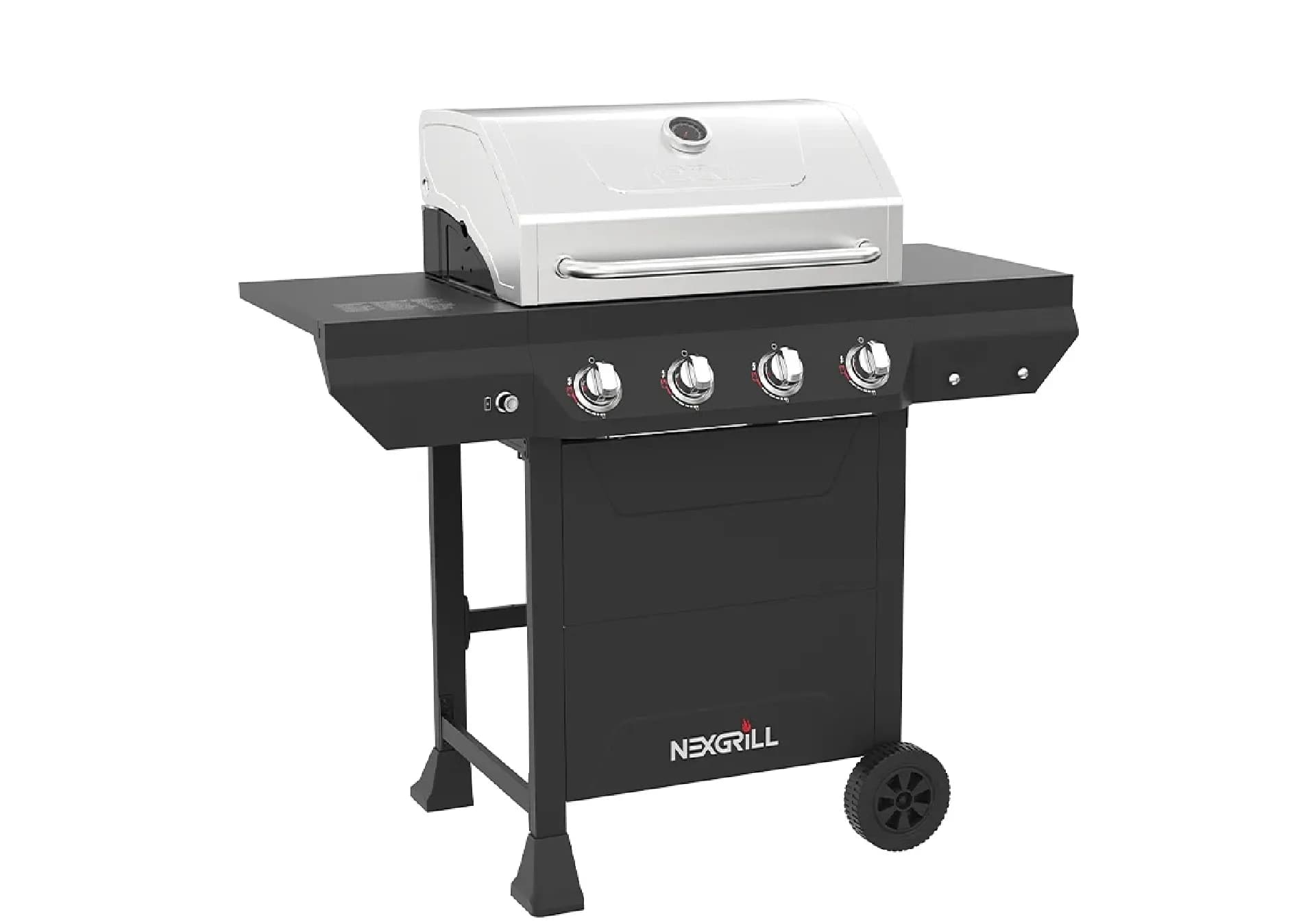
Maximize your grilling experience in small spaces with our top picks.
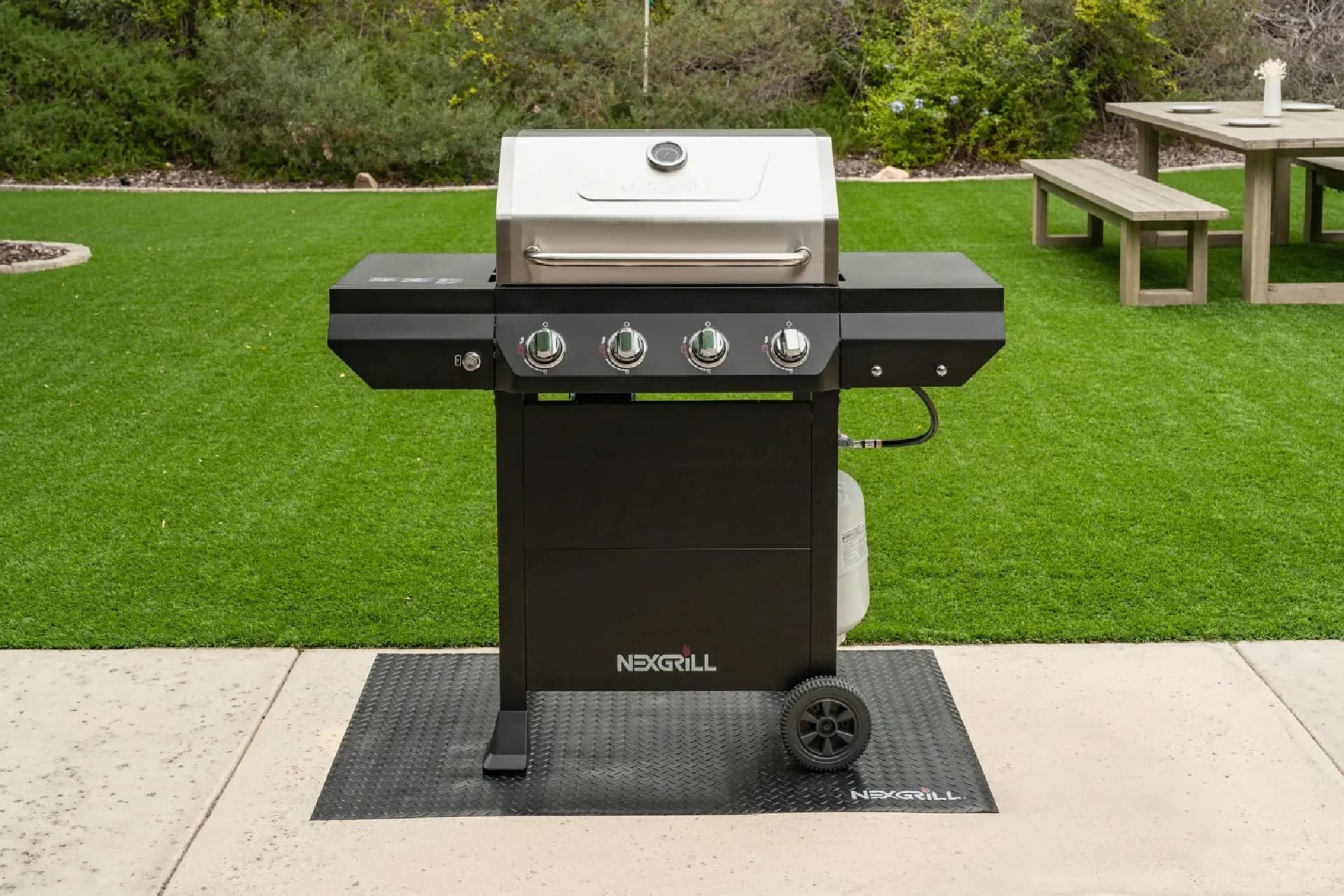
Here's what sets us apart from the competition
We position ourselves as delivering high-end outdoor cooking features and performance without premium-brand pricing, emphasizing “Quality Grills. Unbelievable Value.”
We offer gas grills, pellet grills, griddles, smokers, pizza ovens, portable/tabletop grills, electric grills, accessories, and replacement parts — allowing customers to stay within one ecosystem for all outdoor cooking needs.
We differentiate ourselves through smart grilling products like the Oakford smart pellet grill, including app-connected cooking controls and modern outdoor cooking technology.
Expert tips, buying guides, comparisons, and inspiration for choosing and getting the most out of your grill.
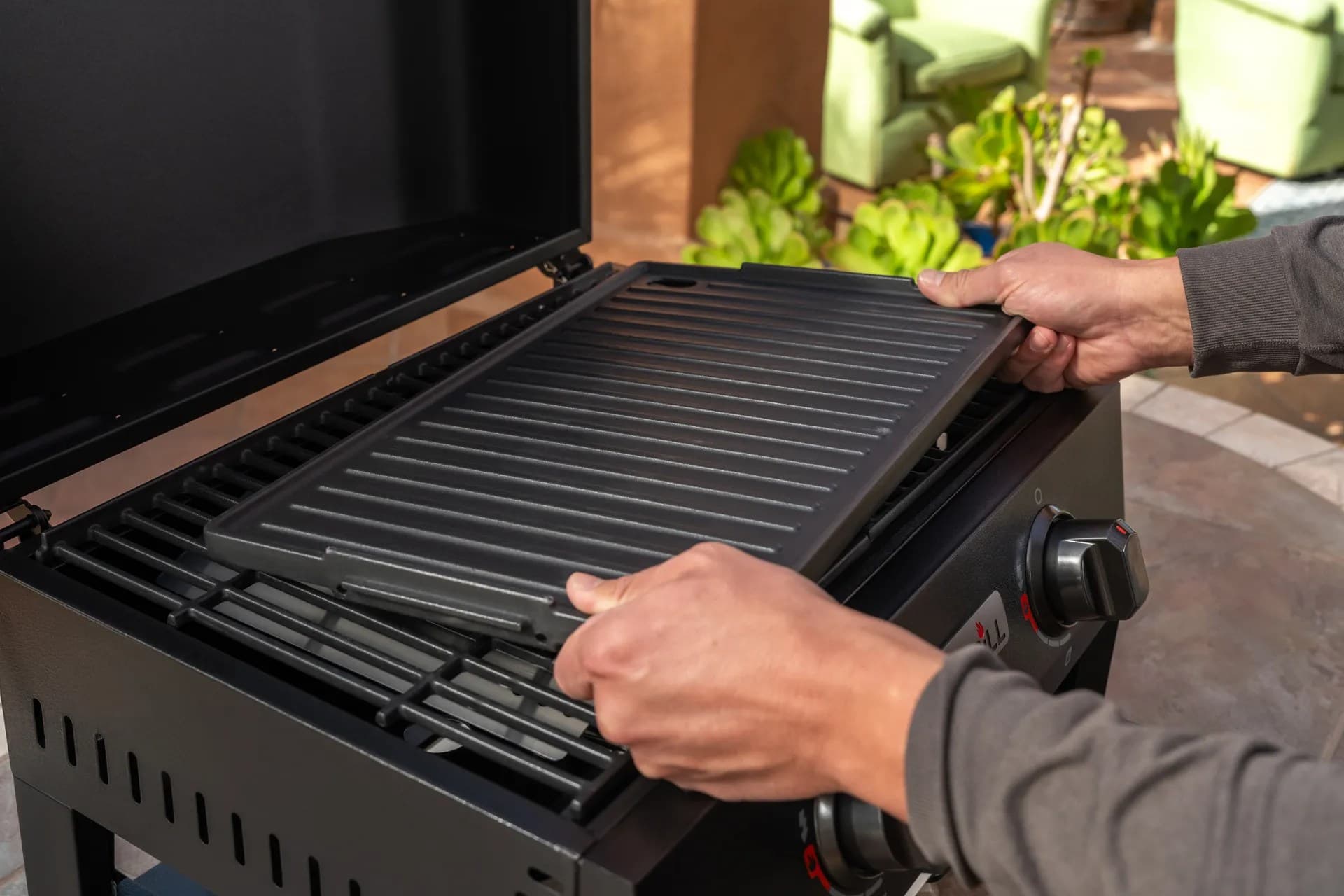
Practical guides for cleaning, maintenance, common grill issues, and performance optimization.
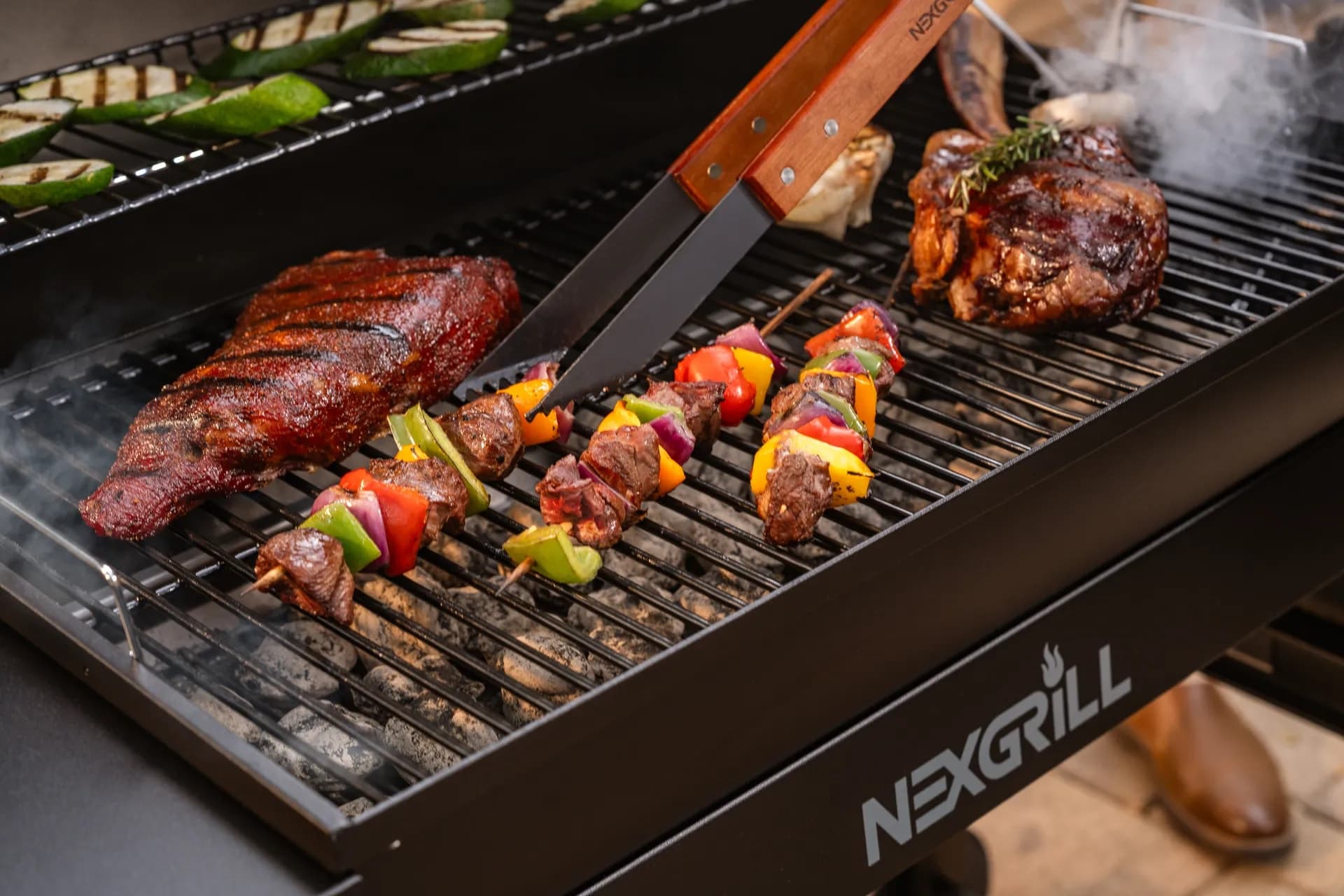
Step-by-step grilling recipes, cooking techniques, and meal ideas for every occasion and skill level.

Backyard entertaining ideas, seasonal grilling inspiration, and stories that celebrate outdoor cooking culture.
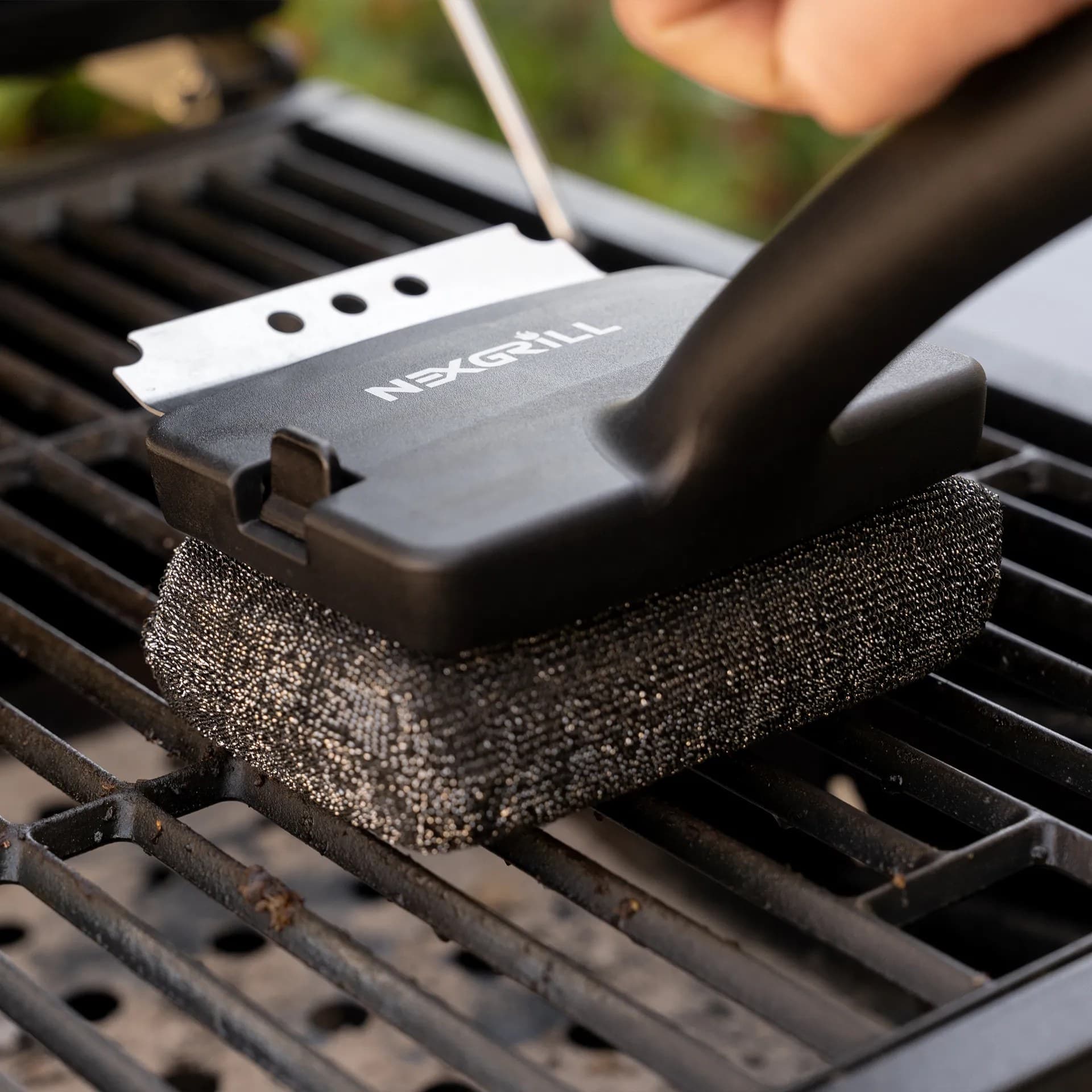
Helpful articles covering grilling tools, cookware, maintenance gear, and must-have accessories for outdoor cooking.
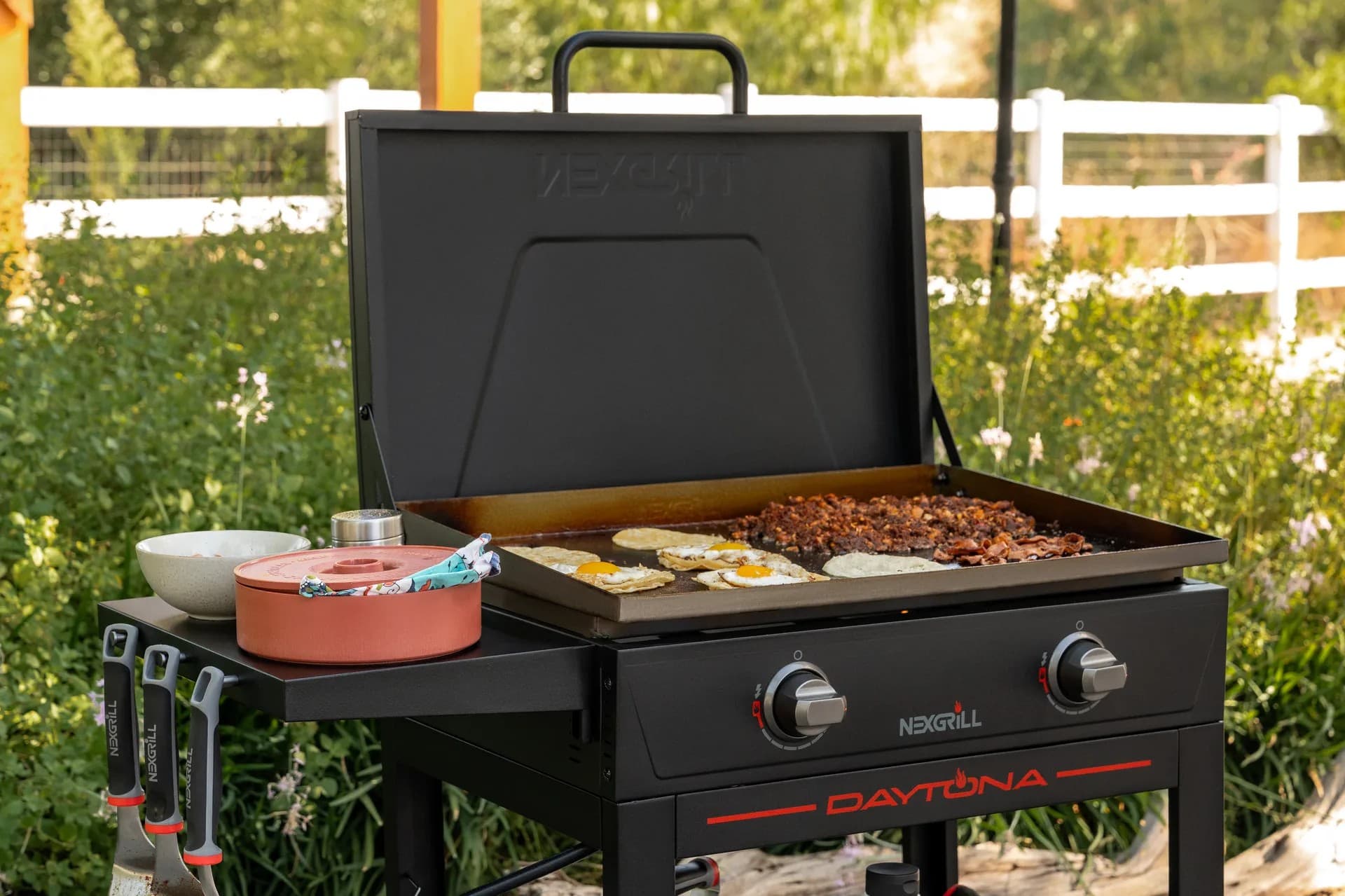
Find griddle recipes, cooking techniques, cleaning tips, and outdoor meal ideas designed for Nexgrill griddles.
Find answers to common questions
Nexgrill offers a variety of gas grills, including standard models, portable options, and premium designs with advanced features. Each is designed to cater to different grilling needs and preferences.
To clean your Nexgrill gas grill, regularly scrape down the grates, empty the grease tray, and wipe down exterior surfaces. Consult your model's manual for specific maintenance instructions and recommended cleaning products.
Nexgrill gas grills are designed to use either propane or natural gas, depending on the model. Ensure you read the specifications to determine the appropriate fuel type for your grill.
Many Nexgrill models can be converted from propane to natural gas with a conversion kit. Check the owner's manual for compatibility and details on the conversion process.
If your Nexgrill gas grill is not lighting, first check the fuel supply, ensure the gas lines are free of obstructions, and verify that the igniter is functioning. Consult the user manual for troubleshooting tips specific to your model.
In This Article
Grill Safety First
Compact Options
User Recommendations
A compact gas grill for balcony use has to solve a very specific problem: it needs to cook like a real grill, fit into a tight footprint, and stay practical for apartment living. That means the right model is usually less about bragging rights and more about thoughtful design. Balcony owners are often balancing limited square footage, nearby walls or railings, storage constraints, and building rules that may restrict open-flame cooking. In that setting, a grill with a modest cooking surface, stable cart or stand, quick ignition, and easy cleanup can be far more useful than a larger unit with features you will never use.
Nexgrill’s broader outdoor cooking philosophy is built around being approachable, resourceful, and made for real gatherings, which matters even when the gathering is just two people on a small balcony. The brand’s focus on accessibility and flexibility aligns well with balcony grilling because many buyers want dependable value without overbuying size or complexity. A balcony setup should support weeknight meals, quick sears, vegetables, seafood, and the occasional weekend cookout without turning the outdoor space into a storage problem. That is why compact propane grills, slim two-burner units, and portable options often rise to the top for small-space users.
For balcony grilling, the best grill is usually the one that fits your space first and your cooking habits second. A great sear on a grill that overwhelms your balcony is still the wrong purchase.
The most useful way to shop for a balcony grill is to think in terms of footprint, weight, heat control, and how much setup you are willing to manage. A compact gas grill generally offers the best balance for many balcony dwellers because propane models heat quickly, give you more control than charcoal, and avoid the power-cord limitations of electric units. At the same time, some buildings are strict about any flame-based cooking, which makes an electric grill the only realistic choice. Charcoal, while beloved for flavor, is often the hardest to justify on a balcony because of smoke, ash, and fire-safety concerns.
If you are comparing options for the first time, think about the kind of food you actually make. A one-burner portable gas grill may be enough for burgers and chicken breasts, but a two-burner compact grill gives you a direct-and-indirect setup that is much more versatile for vegetables, fish, and thicker cuts. That versatility is the real value proposition in small-space cooking: you want enough control to cook dinner well, not just enough heat to say you own a grill.
Not every grill type makes sense for a balcony, and the differences matter more in small spaces than they do in a backyard. Gas grills are usually the most popular choice because they offer fast startup, strong heat, and better control than charcoal. Electric grills are often the safest and simplest option where open flame is prohibited, and they are convenient for urban settings because they can be used without fuel tanks or charcoal storage. Charcoal grills are the least balcony-friendly in many buildings because they produce ash and smoke, and their fire management requires more space and more vigilance.
| Grill type | Balcony fit | Strengths | Trade-offs |
|---|---|---|---|
| Compact gas | Often the best all-around choice | Quick heat, better control, familiar grilling flavor | Requires propane handling and clearances |
| Electric | Best where flames are restricted | Simple operation, low smoke, easy startup | Needs outlet access and may heat differently |
| Charcoal | Usually least practical | Classic smoke and flavor | Ash, smoke, and higher fire-management demands |
A gas grill is the middle ground many balcony owners want because it feels closer to traditional backyard grilling without the mess of charcoal. It is especially useful if you cook for one or two people during the week and occasionally want enough room to handle four portions at once. Electric grills can be a smart choice if your building is strict about fuel storage or if your balcony is partially enclosed. Charcoal is best reserved for situations where the property rules explicitly allow it and you have enough room to manage the extra heat, smoke, and cleanup safely.
When weighing the three types, remember that your building rules may matter more than your preference. An ideal balcony grill is not just a cooking tool; it is a tool that works within the rules of your home, your lease, and your neighbors’ comfort.
Safety is the first filter for any compact gas grill for balcony use. Before you compare burner counts or look at finish colors, check your lease, condo policy, HOA rules, and local fire guidance. Many buildings limit or prohibit open-flame grilling on balconies, especially in multi-unit housing where fire can spread quickly and smoke can drift into adjacent units. Even when a grill is allowed, you still need enough clearance from railings, siding, furniture, umbrellas, and overhead structures to reduce heat exposure.
Never assume a balcony grill is allowed just because it physically fits. Always confirm building rules first, then verify safe placement and fuel storage requirements.
The National Fire Protection Association advises careful placement, supervision, and fuel handling for grilling safety, including keeping grills away from anything that can burn and never leaving a lit grill unattended. That advice is especially relevant on a balcony because the margin for error is much smaller than in a yard or driveway. For propane models, the tank itself needs to be secured and handled according to the manufacturer’s instructions. For electric models, cord management becomes part of safety planning so the cord does not cross a walkway or create a trip hazard. For charcoal, ash disposal and cooling time become the key concerns.
| Balcony safety check | What to verify |
|---|---|
| Building policy | Gas, electric, and charcoal restrictions before purchase |
| Clearance | Distance from walls, railings, overhangs, and furniture |
| Fuel handling | Safe storage and connection procedures for propane or power |
| Supervision | Never leave the grill lit without someone present |
| Cleanup | Grease management and ash removal after each use |
A safer balcony setup also means keeping your cooking habits simple. Use shorter cook sessions, avoid overcrowding the grate, and keep a lid or cover on hand only if it is part of the grill’s intended use. Compact grills are easier to manage when they are not overloaded. If you choose a gas model, test ignition and heat output in a calm, controlled setup before your first full meal. That way, you learn how the grill behaves without trying to cook and troubleshoot at the same time.
Try comparing two products side by side below to see which fits best: one that prioritizes a smaller footprint, and another that gives you more cooking flexibility in the same balcony space.
Once you've weighed two options against each other, the next question is which compact gas grill actually makes sense for a balcony. For many shoppers, the sweet spot is a two-burner propane grill because it keeps the footprint manageable while still offering enough flexibility for everyday cooking. Nexgrill’s compact gas options are especially relevant here, because the brand’s lineup includes smaller grills that are designed to be approachable in price and practical in use, rather than oversized showpieces that dominate a patio. Two models stand out for balcony-friendly cooking: the Deluxe 2-Burner Gas Grill and the 2- Burner Gas Grill. For people who want slightly different cart or storage configurations, those compact formats are easier to place near a wall or corner than full-size four-burner units.
A compact gas grill should be judged by how well it handles real meals in a restricted space. A good balcony model should preheat quickly, let you cook one or two proteins without crowding, and cool down efficiently after dinner. If you regularly cook for three or four people, a two-burner grill often outperforms a tiny portable unit because it gives you distinct heat zones. That means one side can run hotter for searing while the other side can hold a gentler temperature for vegetables or buns. In practice, that matters more than raw size alone.
| Model fit | Why it works on a balcony | Best for |
|---|---|---|
| Deluxe 2-Burner Gas Grill | Balanced footprint and cooking flexibility | Couples, small families, weeknight meals |
| 2- Burner Gas Grill | Simpler layout for tight spaces | Minimal balconies and easy storage needs |
| Daytona 2-Burner Gas Griddle with Lid | Flat-top versatility in a compact format | Breakfast, vegetables, smash burgers, mixed dishes |
The Daytona 2-Burner Gas Griddle with Lid deserves special mention for balcony users who like flat-top cooking. While it is not a traditional grate grill, it can be a better fit if your priority is making breakfast, stir-fry, sandwiches, or quick smash burgers without flare-up concerns. That can be a smart trade-off on a balcony because a griddle surface often contains grease and splatter more predictably than an open grill grate. If you want versatility more than classic grill marks, this is a strong small-space option.
For readers who are comparing across brands, compact models from well-known names like Weber often show up in the same shopping conversation. The key is to compare not only reputation but also your actual balcony dimensions, the grill’s assembled width, and how much room you need to move safely around it. A grill that looks small in a product photo can still be awkward if its side shelves or lid clearance are too wide for your space.
The best balcony grill is not necessarily the one with the highest output; it is the one with the right combination of size, control, and ease of use. When you shop for a compact gas grill for balcony cooking, focus on the details that affect daily convenience. First, measure the available floor space with the grill lid open as well as closed. A compact grill can still be frustrating if the lid bumps into a wall or railing when you open it to check food. Second, look at cooking surface area in relation to the meals you prepare. A small cooktop may be enough for two steaks, but too cramped for a full family dinner.
If you can only prioritize one feature, choose stable heat control over extra accessories. On a balcony, consistency and safety usually matter more than a side shelf or decorative finish.
Weight and mobility matter too. A balcony grill should be easy to reposition for cleaning or storage, but not so light that it feels unstable in wind or during lid operation. Foldable or slim cart designs can be very helpful because they reduce clutter without forcing you to sacrifice cooking space. Removable grease trays, push-button ignition, and rust-resistant materials also improve the ownership experience by making cleanup and long-term upkeep simpler. If you live in a climate with moisture or frequent temperature swings, corrosion resistance becomes a real buying criterion, not a marketing detail.
| Feature | Why it matters on a balcony |
|---|---|
| Foldable or compact cart | Saves floor space and simplifies storage |
| Two-burner control | Lets you create hot and cool zones |
| Electronic ignition | Makes startup faster and more predictable |
| Removable grease tray | Helps reduce mess and odor buildup |
| Lid with lid-clearance planning | Prevents awkward placement near walls or railings |
| Stable base | Important for windy balconies and safe handling |
Another detail that buyers overlook is cleanup access. Balcony grilling is easier to maintain when grease, crumbs, and drips can be removed quickly after cooking. Compact units are at their best when they are easy to put away, cover, and return to service the next time you want dinner outside. That low-friction ownership experience is what makes a balcony grill feel like a useful appliance rather than a seasonal burden.
User feedback is especially valuable for balcony grills because real owners can tell you things product specs often do not. Reviewers tend to care about whether a grill ignites reliably, whether the cart feels steady on a narrow balcony, whether smoke becomes a problem for neighbors, and whether cleanup is manageable after weeknight use. In many cases, compact gas grills earn the best feedback when they strike a simple balance: enough power for dinner, not so much size that the unit feels intrusive. That is why two-burner models often get better long-term satisfaction than ultra-small single-burner units, even if the smaller grill looks easier to buy.
From a practical recommendation standpoint, the best balcony setup depends on who is using it. For a beginner or occasional griller, the Deluxe 2-Burner Gas Grill is the kind of compact format that tends to feel manageable without being limiting. For someone who cooks more adventurous meals and wants a flatter surface, the Daytona griddle style can be more satisfying because it reduces flare-ups and expands the menu beyond traditional grilling. If a building has strict no-flame rules, the best-reviewed gas grill in the world is still the wrong choice, and an electric alternative becomes the safer recommendation.
Read reviews for patterns, not one-off complaints. One bad assembly comment may not matter; repeated notes about unstable carts or difficult ignition usually do.
Buyer profiles can make the decision much easier. If you live alone or cook mostly for two, choose a compact two-burner gas grill that is easy to clean and store. If you host occasional balcony dinners, prioritize a model with enough grate space to cook protein and sides at the same time. If your building is strict or your balcony is very narrow, reduce the list to the most compact and stable unit you can fit, then consider electric options if open flame is prohibited. The best recommendation is the one that respects your building rules, your space, and your actual cooking habits.
The right compact gas grill for a balcony should make small-space cooking easier, not more complicated. The ideal choice usually comes down to three questions: is it allowed, does it fit, and does it cook the food you actually want to make? If the answer is yes to all three, you are on the right track. In many balcony settings, a two-burner gas grill offers the best combination of size, control, and value, while a flat-top griddle can be a smarter fit for users who care more about variety and flare-up control than traditional grill marks.
When you compare compact options, remember to think beyond the product image. Measure your balcony, verify the rules, choose a grill that is stable and easy to clean, and select features that support your regular meals rather than occasional fantasy cooks. That approach leads to better results and fewer regrets. If you want to continue the research process, compare the two most promising models side by side and choose the one that matches your space, your routine, and your comfort level.
Here's what sets us apart
We position ourselves as delivering high-end outdoor cooking features and performance without premium-brand pricing, emphasizing “Quality Grills. Unbelievable Value.”
We offer gas grills, pellet grills, griddles, smokers, pizza ovens, portable/tabletop grills, electric grills, accessories, and replacement parts — allowing customers to stay within one ecosystem for all outdoor cooking needs.
We differentiate ourselves through smart grilling products like the Oakford smart pellet grill, including app-connected cooking controls and modern outdoor cooking technology.
Don't just take our word for it
Keep reading
From our catalog