The Ultimate Guide to Charcoal Smoker Grill Combos
Discover the benefits, features, and top models of charcoal smoker grill combos.
In This Article
Versatile Cooking
Flavorful Results
User-Friendly Options
Introduction to Charcoal Smoker Grill Combos
A charcoal smoker grill combo is built for people who want more than a simple weeknight grill. It brings together two different styles of outdoor cooking in one setup: direct charcoal grilling for fast searing and higher heat, plus low-and-slow smoking for foods that benefit from steady, indirect heat. That flexibility is the reason these combo units keep showing up in backyards, especially for cooks who want a single cooker that can handle ribs on Saturday and burgers on Sunday without changing equipment.
For beginners, the appeal is straightforward. You get the flavor of charcoal, the ritual of fire management, and the ability to experiment with smoke without buying two separate appliances. For more experienced grillers, the bigger advantage is control. A good combo grill makes it easier to stage a meal: smoke a pork shoulder for hours, then move vegetables or steaks over direct heat when it is time to finish. Nexgrill’s brand approach emphasizes approachable, flexible outdoor cooking for a wide range of households, which fits the combo-grill mindset well because it is meant to invite more people into the process rather than intimidate them.
What separates a useful combo from a frustrating one is how well it manages both roles. Some models are really charcoal grills with a token smoking feature. Others include thoughtful details like separate fireboxes, adjustable charcoal beds, or chamber designs that help keep airflow stable over long cooks. Those design choices matter because smoking is much less forgiving than quick grilling. If the cooker leaks too much heat, has weak airflow control, or offers too little space for food and fuel separation, you will spend more time chasing temperature than cooking.
A combo grill earns its keep when it can switch from searing to smoking without making either job feel compromised.
One practical way to think about these units is as a cooking platform rather than a single-purpose grill. If you host family gatherings, tailgates, or neighborhood cookouts, the combo format gives you room to cook a lot of food in different ways at once. If you mostly cook for two or three people, the largest benefit may be variety: you can do smoked chicken one night and quick-grilled shrimp the next without needing another appliance. That versatility is why charcoal smoker grill combos continue to appeal to both casual buyers and enthusiasts who want more from a single investment.
Benefits of Using a Charcoal Smoker Grill Combo
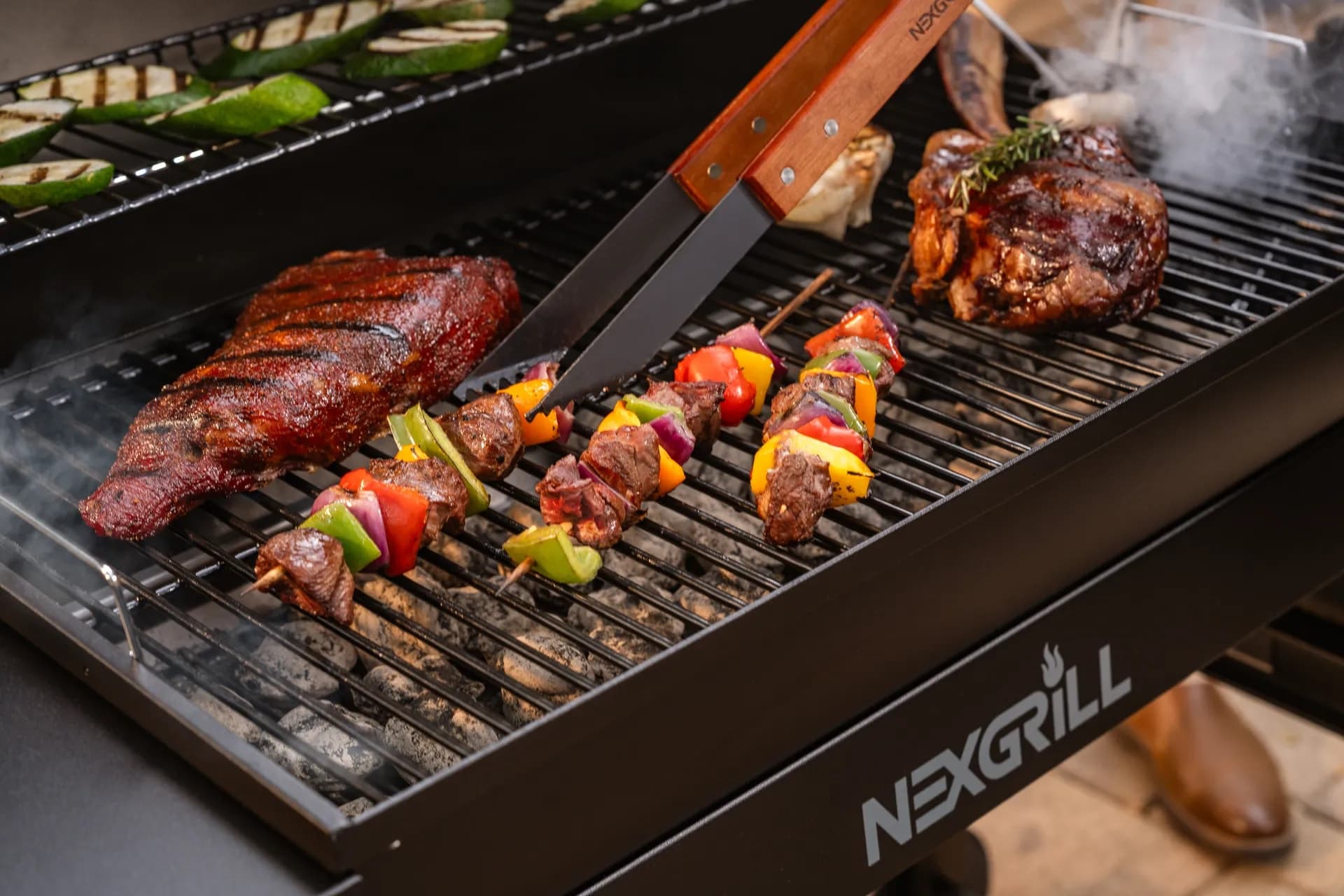
The first benefit is flavor. Charcoal creates a distinct heat profile that many cooks prefer because it adds depth and a subtle smokiness that gas grills do not naturally produce. When that charcoal heat is paired with a smoking chamber or offset-style design, you can layer flavor more intentionally. A few chunks of hardwood on top of hot coals can produce enough smoke for chicken thighs, sausage, or a small brisket flat, while still keeping the process manageable for home cooks.
The second benefit is efficiency in space and cost. Instead of purchasing a dedicated charcoal grill and a separate smoker, a combo unit consolidates both functions. That matters in American backyards where patio space is often limited and many families want a single cooker that does not dominate the entire deck. It also reduces the number of accessories you need to maintain. One cover, one ash-management process, one main cooking surface. For buyers trying to stretch value without giving up capability, that is a meaningful advantage.
The third benefit is learning. Combo grills are excellent teaching tools because they force you to understand the fundamentals of fire, airflow, and timing. You learn how to build a two-zone fire, how long vents affect temperature recovery, and when to add fuel or wood for smoke. That experience transfers to other outdoor cooking methods, so even if you later upgrade to a larger smoker, the skills stay useful. Beginner's Guide to Choosing the Right Charcoal Grill.
Direct grilling and indirect smoking in one cooker
There is also a social benefit that is easy to overlook. Combo grills support the kind of “everyone’s invited” cooking culture that Nexgrill emphasizes in its brand voice and messaging: casual, inclusive, and built around shared meals rather than technical perfection. A combo cooker invites experimentation. Someone can smoke ribs while another person handles corn, and a third guest can learn how to manage coals without feeling left out. That makes the grill more than equipment; it becomes the center of the gathering.
Finally, combo units are often a good match for people who do not want to commit to only one fuel style. They are still charcoal-forward, so they satisfy cooks who like hands-on control and a richer flavor profile. At the same time, they can be used in a simpler grilling mode when time is short. That balance of flavor and flexibility is the main reason these cookers remain relevant even as gas and pellet models continue to grow in popularity.
Key Features to Look for in a Combo Grill
The most important feature is cooking layout. A combo grill should clearly separate the grilling area from the smoking area or at least make it easy to create direct and indirect zones. If the chamber is too cramped, smoke flavor can become harsh and heat control becomes harder. Look for a design with enough depth to move food away from the hottest coals when necessary. Extra room is especially helpful if you plan to smoke larger cuts like pork shoulder or ribs.
Airflow control is the next major factor. Adjustable vents, dampers, or chimney controls help regulate temperature by changing how oxygen moves through the cooker. Good airflow does not mean maximum airflow. It means predictable airflow. A beginner-friendly combo grill should respond gradually, so small vent changes create noticeable but manageable adjustments. That is how you keep a low-and-slow cook in the right range without constantly opening the lid. Exploring How Adjustable Vents Impact Charcoal Grill Flavor Profiles.
Material quality matters more than many first-time buyers expect. Thicker steel or well-constructed cast iron holds heat better than thin, lightweight materials, which can lead to temperature swings on windy days or in colder months. If you grill through spring and fall in the United States, that thermal stability can make a real difference. A sturdy lid, tight-fitting seams, and durable grates are worth prioritizing over flashy extras.
| Feature | Why it matters | What to prefer |
|---|---|---|
| Cooking layout | Keeps grilling and smoking from interfering with each other | Separate zones or a roomy chamber |
| Airflow control | Helps hold steady smoking temperatures | Adjustable vents and dampers |
| Material thickness | Improves heat retention and weather resilience | Heavier-gauge steel or robust construction |
| Ash management | Simplifies cleanup after long charcoal sessions | Easy-access ash tray or drawer |
Ash management is another practical feature that separates a good combo from a headache. Smoking sessions can leave a surprising amount of ash, and buildup reduces airflow. If your grill allows easy removal and cleaning of ash, you will have a much easier time maintaining performance. Cooking grate size also deserves attention. A larger grate gives you room for indirect setups, water pans, and multi-rack cooking without crowding the food.
Think carefully about accessories too. A warming rack can be useful for resting food while the main chamber continues cooking. A charcoal tray or adjustable fuel basket can improve control during longer cooks. Thermometer placement matters as well; a lid thermometer is helpful, but a separate probe thermometer is often more reliable for knowing what the food is actually doing. For combo cooking, the best overall feature set is one that reduces guesswork.
Comparing Charcoal Smoker Grills to Other Types
Compared with gas grills, charcoal smoker grill combos usually offer more flavor and more hands-on control, but they also require more attention. Gas is faster to light and easier to adjust on the fly. Charcoal takes longer to get going, and smoking demands patience. If convenience is your top priority, gas may feel simpler. If flavor and process matter more, charcoal combo cooking has a clear edge. Nexgrill’s broader outdoor cooking lineup reflects that reality by serving cooks with different experience levels and preferences, from casual weekend users to more advanced enthusiasts.
Compared with electric smokers, charcoal combos deliver a more traditional barbecue experience. Electric units can be very easy to manage, especially for beginners in apartments or places with restrictions, but they generally do not recreate the live-fire ritual people seek when they buy charcoal equipment. A charcoal smoker grill combo gives you the aroma, the sear, and the satisfaction of managing real coals. That is a different kind of cooking experience, and for many buyers it is the whole point.
Compared with pellet grills, charcoal combos usually demand more manual control but can also feel more immediate and expressive. Pellet grills are known for set-it-and-monitor-it convenience. Charcoal lets you tune smoke intensity, heat concentration, and sear quality more directly. If you like the idea of learning the fire instead of outsourcing it to an auger and controller, charcoal is the better match. If you want long cooks with less intervention, pellet may be easier. The right answer depends less on theory and more on how you actually cook on weekends.
If your main goal is fast weeknight cooking, a combo grill may feel like more work than you need. If your goal is richer flavor and weekend versatility, it shines.
A practical way to choose is to ask what you cook most often. If it is steaks, chops, kebabs, and vegetables, a simpler charcoal grill may already cover your needs. If you also want brisket, ribs, chicken halves, and the occasional smoked side dish, a combo unit earns its place quickly. The added structure supports more cooking styles without forcing you into one lane. Try comparing two products side by side below to see which fits best:
Top Brands and Models of Charcoal Smoker Grill Combos
Once you've compared two options side by side, the next question is how different brands approach the same job. The charcoal smoker grill category is broad, but a few names come up repeatedly because they solve the same problem in different ways. Weber is often associated with dependable charcoal fundamentals and clean design. Kamado-style options focus on heat retention and efficiency. Oklahoma Joe’s is known for classic offset smoker layouts that appeal to cooks who want more room and a more traditional smoke profile. Each approach works, but they do not suit the same buyer.
Weber’s charcoal smoker lineup is attractive to buyers who want a familiar learning curve and solid build quality. These units typically emphasize stability, user-friendly airflow controls, and straightforward cleanup. If you are new to smoking and want a grill that teaches you the basics without overwhelming you, Weber is usually the easiest brand to understand. Kamado-style cookers, by contrast, lean into ceramic-style heat retention and fuel efficiency. They excel at holding temperature for long sessions and can work well for smoking, roasting, and even baking. The tradeoff is weight and a different way of learning temperature control.
Oklahoma Joe’s models are often a better fit for cooks who want a more classic offset smoker feel. That usually means more cooking area separation and a stronger sense of “firebox plus chamber” barbecue. These units can be rewarding for people who like tending the fire and cooking for a crowd, but they may ask for more hands-on time. If your ideal weekend involves monitoring coals, moving food between zones, and managing smoke with intent, this style can be very satisfying.
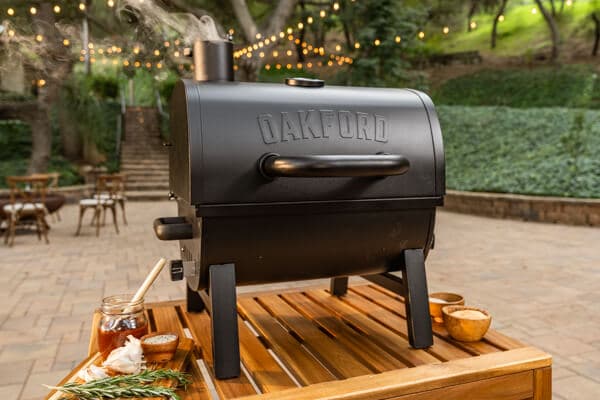
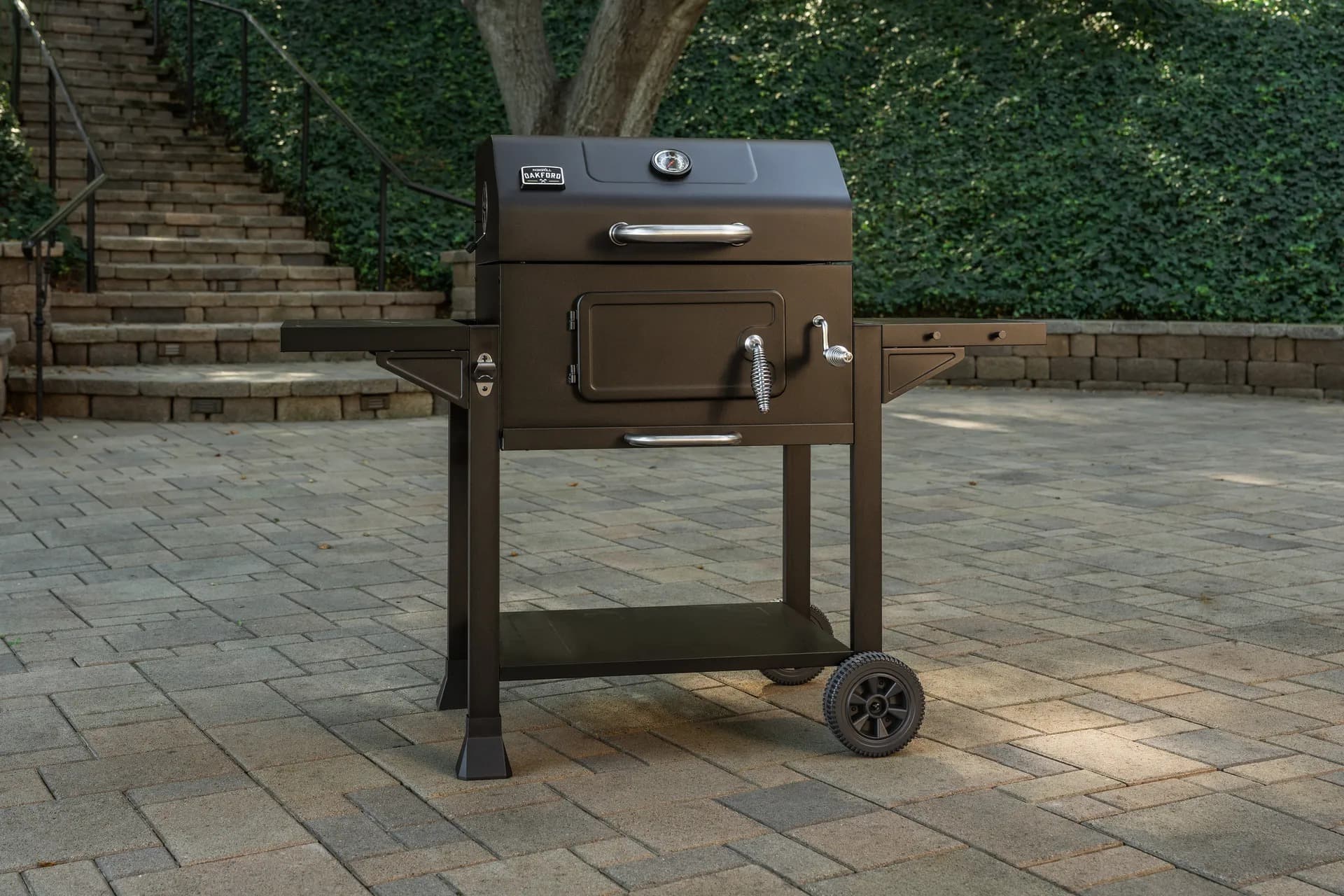
Another useful reference point is the Oakford line from Nexgrill, which is built around serious charcoal and smoke-minded cooking. Nexgrill positions the Oakford family around big smoke and flavor, with product and brand messaging that emphasizes outdoor cooking as a shared experience rather than a technical exercise . For buyers who want a brand that speaks to accessibility and dependable outdoor cooking, that perspective is worth considering alongside the more traditional smoker brands.
| Brand style | Best for | Main trade-off |
|---|---|---|
| Weber charcoal smoker | Beginners and reliability-focused buyers | Less dramatic smoke-chamber character |
| Kamado-style cooker | Long cooks and heat retention | Heavier and more specialized handling |
| Oklahoma Joe’s offset-style combo | Traditional barbecue and larger gatherings | More fire management required |
| Nexgrill Oakford approach | Accessible smoke-forward backyard cooking | Feature set varies by model |
User Experiences and Testimonials
What users consistently value in a charcoal smoker grill combo is the feeling that the grill can grow with them. A first-time buyer may start by using it only for direct grilling and then gradually move into ribs, turkey breasts, or smoked vegetables. That progression matters because it turns the grill into a learning platform instead of a one-time purchase. Many owners describe the first few cooks as trial and error, but the payoff is that they start to understand how their cooker behaves in their own climate, on their own patio, with their own fuel choices.
A common beginner comment is that the first successful low-and-slow cook feels more rewarding than expected. Even a simple pork butt or chicken leg quarter can build confidence when the grill holds temperature and the smoke stays clean. More experienced users tend to praise versatility. They like being able to move from reverse-seared steak to smoked wings in the same cook session. They also tend to mention how important it is to have enough space to spread out food instead of stacking it too close together.
There are also a few recurring cautions in user feedback. Owners often say that the biggest learning curve is not seasoning or recipes, but fire management. If vents are adjusted too aggressively, temperature can swing quickly. If the grill is underfilled with charcoal, long cooks can stall. If ash is not cleared between cooks, airflow can suffer. These are not flaws unique to combo grills; they are part of cooking with live fire. But they do explain why better design details matter so much.
The most satisfied owners tend to be the ones who treat the first month as practice, not a test. Small adjustments lead to big improvements.
When buyers share positive experiences, they often describe specific wins: steady heat for ribs, crisp skin on chicken, or the ability to smoke enough food for a whole family gathering. That kind of feedback is helpful because it reflects real household use rather than showroom impressions. The best testimonial is usually not about perfection. It is about confidence. If the grill helps someone produce consistently good food and enjoy the process, it is doing its job.
Maintenance Tips for Your Combo Grill
Maintenance for a charcoal smoker grill combo starts with ash control. Charcoal leaves residue, and residue restricts airflow. After the grill has cooled completely, remove ash from the firebox or ash collection area so the next cook starts with open airflow. This is especially important for smokers, where temperature stability depends on a clean path for oxygen movement. If the grill has a removable tray or drawer, use it regularly rather than letting buildup accumulate.
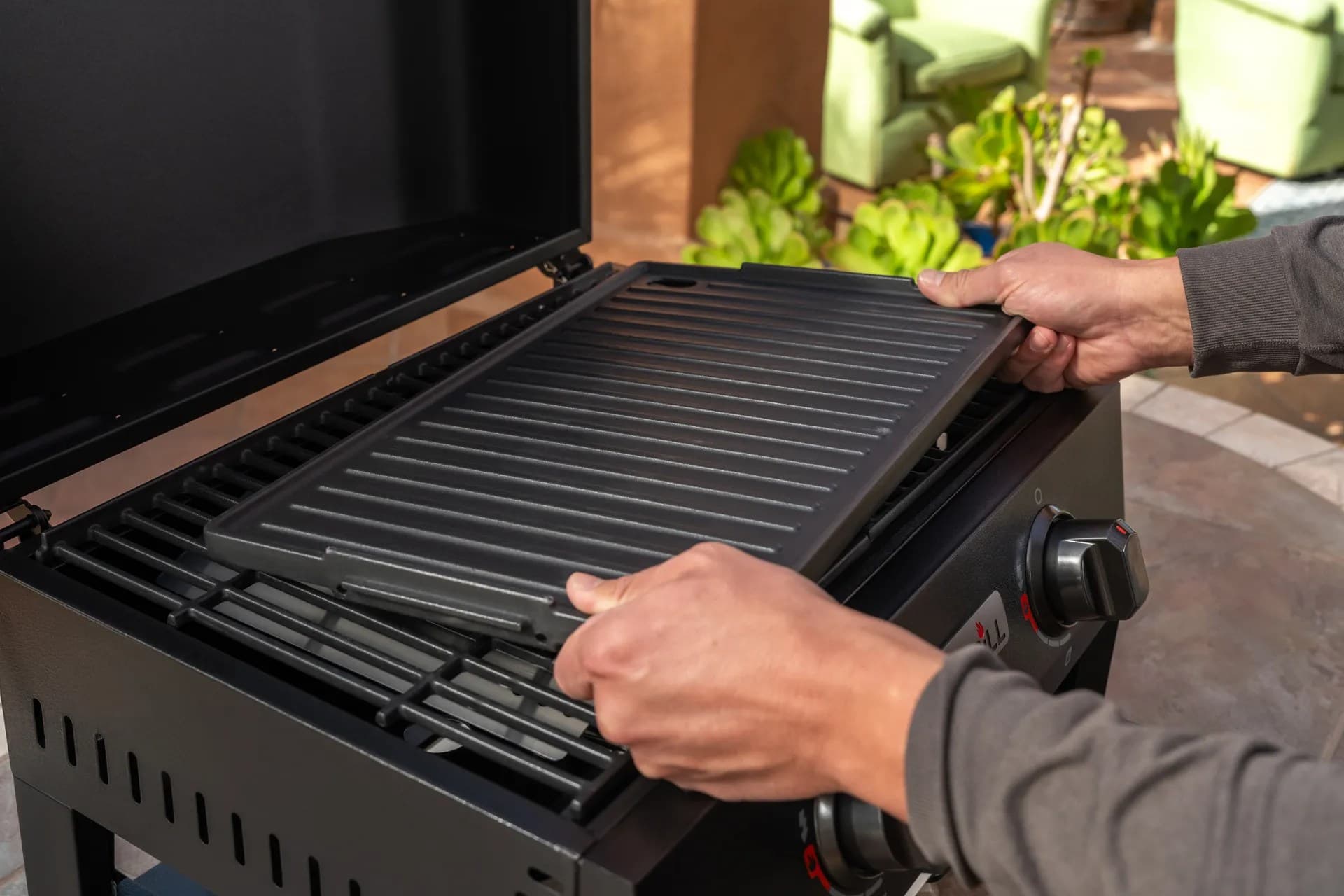
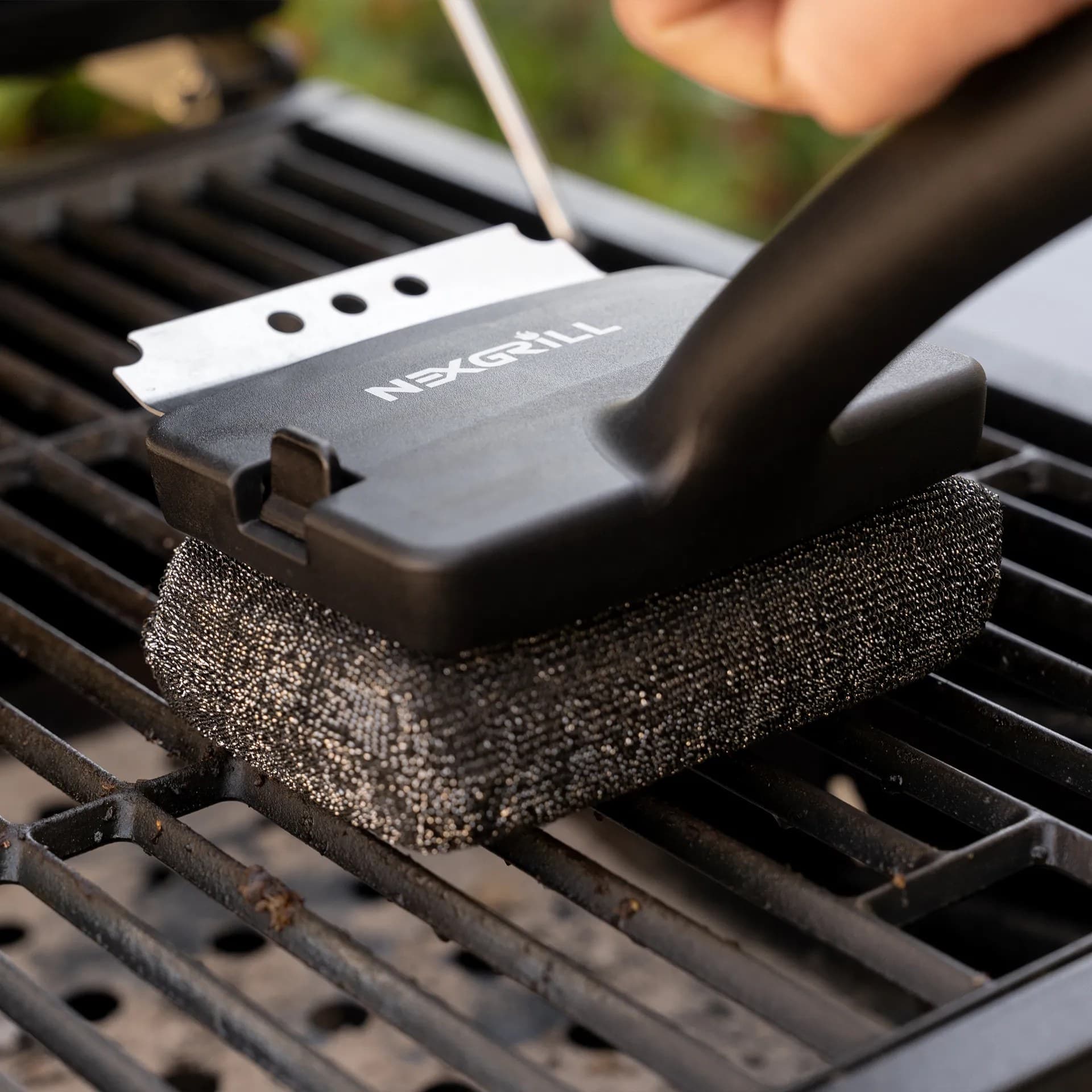
The second habit is grate cleaning. Warm grates are easier to clean than cold ones, so it helps to brush them soon after cooking once the food is off the surface. That prevents residue from hardening into sticky buildup. For deeper cleaning, remove the grates and wash them according to the manufacturer’s guidance. Dry them thoroughly before storage to reduce rust risk. If your unit uses cast iron grates, seasoning and light oiling can help protect the surface.
You should also inspect airflow components routinely. Check vents, dampers, seams, and lid fit for blockages or wear. Grease can drip into areas where it should not build up, and smoke residue can gradually coat the interior. A soft brush or cloth helps keep those parts functional. If you cook often, make a quick inspection part of the reset process after each use. That small habit prevents bigger problems later.
Never store a combo grill with damp ash inside. Moisture plus ash can accelerate corrosion and create a messy restart next time.
Weather protection matters too. A well-fitted cover helps shield the cooker from rain, dust, UV exposure, and seasonal debris. If you live in a region with humid summers or harsh winters, that protection is not optional. It is a major part of extending the life of the unit. Before covering the grill, make sure the interior is cool and dry so trapped moisture does not cause rust or odor issues. For long storage periods, keep accessories dry and organized so you are ready to cook without a cleanup project.
A final maintenance point for combo grills is thermometer accuracy. Built-in lid thermometers can drift over time or differ from grate-level readings. Use an external probe occasionally to confirm whether the cooking chamber is running where you think it is. That check helps you learn your grill’s real behavior, which is especially useful on smoke-heavy cooks that last several hours. Careful maintenance is not just about appearance; it is about keeping the cooker predictable.
Conclusion: Making the Right Choice for Your Grilling Needs
The right charcoal smoker grill combo is the one that matches how you actually cook, not the one with the most features on paper. If you want quick and simple weeknight meals, a basic charcoal grill may be enough. If you want richer flavor, more cooking variety, and the ability to move between grilling and smoking, a combo unit can be an excellent fit. The best models make live-fire cooking feel approachable while still giving experienced grillers enough control to create memorable meals.
For most buyers, the decision comes down to three questions. How much space do you have? How often do you want to smoke rather than grill? And how much fire management do you actually enjoy? Once you answer those questions honestly, the right style usually becomes obvious. A compact family patio may call for a simpler, easier-to-store design. A larger backyard that hosts weekends full of guests may benefit from a more substantial combo grill with better separation and more room to maneuver.
If you are still comparing possibilities, remember that combo grills reward patience and attention. They are not about pushing buttons and walking away. They are about cooking with the fire, learning its rhythm, and turning that process into food people want to gather around. That is part of what makes charcoal smoker grill combos so satisfying: they give you more than one way to cook, and more than one reason to keep people around the table.
FAQs About Charcoal Smoker Grill Combos
What is the main advantage of a charcoal smoker grill combo? It lets you grill directly and smoke indirectly in one cooker, so you can make everything from steaks to ribs without buying separate equipment.
Are charcoal smoker grill combos good for beginners? Yes, as long as the design is easy to manage. Beginners usually do best with a model that has clear airflow controls, decent grate space, and simple ash cleanup.
How hard is it to clean a combo grill? Cleaning is manageable if you stay consistent. Remove ash after each cook, brush warm grates, and keep vents clear so airflow stays strong.
How do combo grills compare with gas grills? Gas is usually faster and easier, but charcoal combos provide a deeper smoke flavor and a more hands-on cooking experience.
What should I look for first? Focus on cooking layout, airflow control, material quality, and ash management before worrying about extra accessories or cosmetic details.
Which type of cook benefits most? People who enjoy weekend cooking, family gatherings, and experimenting with smoke flavors tend to get the most from a combo unit.