The Ultimate Guide to Charcoal Grills with Ash Drawers
Discover the benefits, maintenance tips, and top models of charcoal grills featuring ash drawers.
In This Article
Ease of Cleaning
Improved Airflow
Top Model Comparisons
Introduction to Charcoal Grills with Ash Drawers
A charcoal grill with an ash drawer solves one of the biggest frustrations of live-fire cooking: cleanup that lingers long after the food is gone. For many backyard cooks, the appeal of charcoal is still the same as it has always been - deeper flavor, hotter searing, and the ritual of building a real fire. But once the cookout ends, the ash can become a nuisance if the grill is not designed to manage it well. An ash drawer collects spent charcoal ash in a dedicated tray or pull-out compartment, making the post-cook process faster, neater, and easier to repeat week after week.
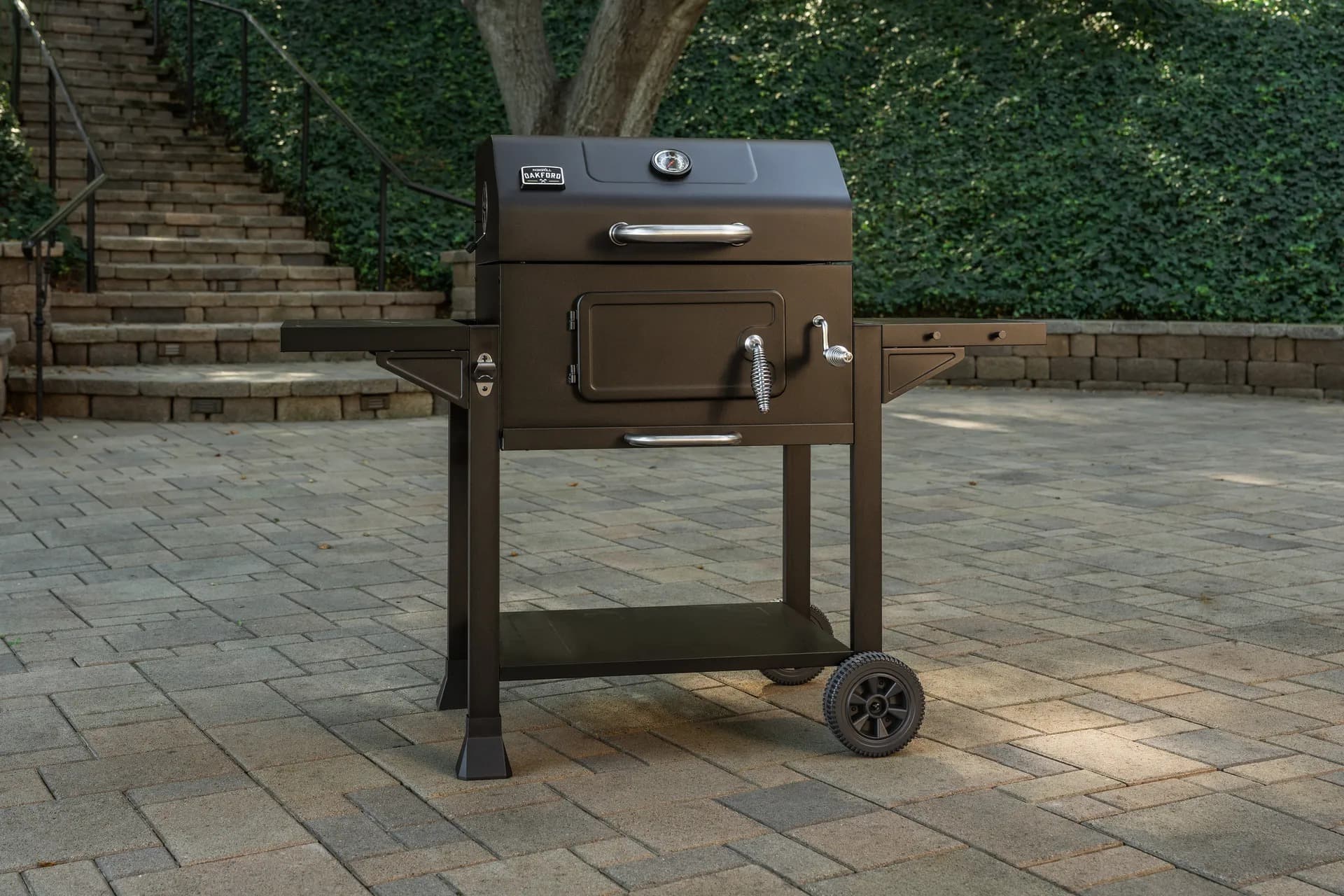
That convenience matters because charcoal grilling is often chosen for the experience as much as the result. A cleaner firebox helps you get back to the part people actually enjoy: seasoning the grates, stacking charcoal, managing heat, and cooking with confidence. In practical terms, ash collection also affects airflow. When ash piles up beneath the fire, it can restrict oxygen and make it harder to keep a steady burn. A well-designed ash drawer gives the fire room to breathe, which is especially helpful if you cook burgers one night and slow-smoked chicken the next. Nexgrill’s broader charcoal lineup reflects that real-world need for dependable, easy-to-use outdoor cooking equipment, and the brand’s “Everyone’s Invited” philosophy is built around making grilling approachable for more people, not just experienced pitmasters .
If you grill often, the ash drawer is not a small detail. It changes how often you clean, how easily you restart the grill, and how consistent the fire feels during longer cooks.
An ash drawer can turn charcoal cleanup from a chore into a quick step.
There is also a lifestyle angle that matters. Families hosting weekend meals, new homeowners building out their first patio setup, and seasoned grillers who want a more efficient routine all benefit from the same feature for different reasons. A casual cook may simply want less mess on the patio. A more advanced griller may care about airflow control, heat recovery, and faster turnover between cooks. That is why charcoal grills with ash drawers sit in a sweet spot: they preserve the character of charcoal while reducing one of its biggest drawbacks.
When shoppers compare this style of grill, they are often comparing more than just the drawer itself. They are evaluating body construction, lid fit, vent placement, charcoal grate design, and how the ash system interacts with the firebox. In other words, the drawer is useful only if the rest of the grill supports good combustion and easy cleanup. That is where a side-by-side comparison becomes valuable. Try comparing two products side by side below to see which fits best:
Benefits of Using Ash Drawers
The first benefit is obvious the moment the cook ends: cleanup becomes simpler. Instead of tipping the body of the grill, scooping out loose ash, or letting residue scatter in the wind, you pull a dedicated drawer and empty it into a safe container. That sounds like a small time saver, but in practice it changes how often people use the grill. If cleanup feels quick and predictable, the grill is more likely to stay in rotation for weeknight dinners, tailgates, and last-minute gatherings.
The second benefit is better airflow management. Charcoal burns best when oxygen can move through the fire. As ash accumulates, it can block that airflow from beneath, which makes it harder to maintain strong heat. A drawer helps keep the ash away from the coals and makes removal easier before buildup starts to interfere. That matters for direct grilling, but it matters even more for longer sessions where you are trying to hold a stable temperature across several rounds of food. For cooks who notice that their fire seems to weaken too quickly, ash management is one of the first places to look.
Tip: empty ash only after the grill is fully cool. Even if the fire looks dead, hidden embers can stay hot much longer than expected.
The third benefit is better day-to-day ownership. A grill that is easier to clean tends to be easier to maintain overall, because regular upkeep no longer feels like a major project. That can extend beyond the ash drawer itself. When the firebox stays cleaner, it is easier to spot grease buildup, worn grates, or vent obstructions before they become problems. For new grill owners, that visibility matters because it helps them learn what normal use looks like. For more experienced users, it supports a cleaner, more consistent routine.
There is also a practical comfort factor. Charcoal ash is fine and lightweight, which means it can spread easily across patios, deck edges, and outdoor furniture if you do not control it. An ash drawer limits how far residue travels and keeps disposal more contained. That is especially useful in suburban backyards where a grill might be parked near seating, planters, or storage bins. In short, the feature improves both the grilling experience and the cleanup environment around it.
| Benefit | Why it matters in real use |
|---|---|
| Faster cleanup | Less time spent scooping ash after each cook. |
| Better airflow | Helps charcoal burn more steadily by reducing ash blockage. |
| Cleaner patio use | Keeps residue more contained when emptying the grill. |
| Easier maintenance | Makes it easier to notice wear, buildup, or airflow issues early. |
Top Models Comparison: Features and Prices
Once you start comparing charcoal grills with ash drawers, the biggest differences usually come down to cooking style, capacity, and the quality of the drawer system itself. A compact kettle-style grill with a simple catcher may suit a smaller patio and occasional weekend cooks, while a larger cart-style charcoal grill can offer more storage, better workflow, and easier ash handling after long sessions. That is why the best model is not the one with the most features on paper; it is the one that fits how you actually cook at home.
A Char-Griller style grill often appeals to buyers who want a traditional charcoal experience with flexible cooking space and a familiar offset or barrel-style setup. These grills are typically attractive to users who enjoy experimenting with smoke, sear, and indirect heat in the same unit. Kamado Joe models, by contrast, are frequently chosen for their ceramic heat retention and all-day temperature stability, which can be especially useful for low-and-slow barbecue. If your priority is easy ash removal after long cooks, both categories can work, but they serve different cooking personalities. The Char-Griller type is often about rugged versatility and capacity; the Kamado Joe type is often about thermal control and efficiency.
For buyers in the United States, pricing can vary widely based on material and build. Entry-level charcoal grills with ash drawers may sit in the low hundreds of USD, while heavier-duty barrel grills, kamado-style cookers, or premium models with carts and accessories can move into the mid-hundreds or higher. Those figures are estimates, not fixed pricing, because promotions, retailer bundles, and seasonal sales change frequently. The most useful comparison is not just sticker price, but the cost of ownership: how often you will use it, how easy it is to clean, and whether the drawer design actually saves time every week.
| Model type | Typical strengths | Best fit | Typical USD range |
|---|---|---|---|
| Char-Griller-style barrel grill | Large cook area, familiar charcoal workflow, versatile direct and indirect cooking | Cooks who want backyard flexibility and value | $200-$500 estimated |
| Kamado Joe-style kamado | Heat retention, fuel efficiency, strong temperature stability | Low-and-slow enthusiasts and flavor-focused users | $700-$1,500+ estimated |
| Nexgrill charcoal grill options | Accessible value, approachable design, practical outdoor cooking for everyday use | Budget-conscious buyers and casual family grillers | Varies by model |
Warning: ash drawer design is not always the same as ash drawer quality. Look for a drawer that slides smoothly, seals properly, and is easy to remove without shaking ash everywhere.
Real-world feedback tends to center on the same themes. Owners of simpler drawer systems often praise the easy cleanup but note that they still need to brush ash toward the opening after each cook. Users of higher-end kamado-style units often love the fire stability, but some mention that the ash system is only one part of an otherwise heavier maintenance routine. That is why testimonials should be read as context, not as the final answer. The best question is whether the drawer fits your habits. If you want fast burgers, grilled vegetables, and occasional weekend smoke, a well-priced charcoal grill with a straightforward drawer may be perfect. If you want long brisket sessions and precise heat control, a premium kamado may justify its cost.
For shoppers comparing value, the sweet spot is usually a grill that gives you enough cooking space, solid airflow, and a drawer that makes cleanup painless without overcomplicating the design. If a grill looks impressive but the drawer is shallow, awkward, or hard to access, the feature can become a frustration rather than a benefit. The next section explains how to keep that system working well over time.
Maintenance Tips for Ash Drawers
Once you know which grill fits your style, the next step is keeping the ash system working the way it should. An ash drawer is only helpful if it moves smoothly, clears out fully, and does not trap residue that can interfere with airflow. The good news is that maintenance is simple when it becomes part of the end-of-cook routine. After the grill has cooled completely, remove the drawer, dump the ash into a non-combustible container, and wipe the metal surfaces with a dry cloth or paper towel. If the drawer is caked with damp ash, let it dry before scraping it out so you do not smear residue across the compartment.
A deeper cleaning every few uses helps prevent buildup in the firebox and around the drawer track. Check for clumps that may have fused after rain, smoke condensate, or a long cook. If your grill has vents or a sliding mechanism near the ash tray, make sure those openings are clear. Small obstructions can affect airflow more than many users expect, especially on a charcoal grill where oxygen management is central to temperature control. On a practical level, the best routine is not complicated: cool, empty, brush, inspect, and reinstall.
Tip: keep a dedicated metal ash bucket with a lid near the grill so you are not tempted to dump warm residue into a plastic trash can.
If the drawer begins to stick, clean the rails and check for grease or bent edges rather than forcing it. A little light wiping is usually enough to restore smooth movement. For grills stored outdoors, covering the unit after it fully cools can help protect the drawer mechanism from moisture, which is one of the fastest ways for ash residue to harden into stubborn buildup. This is one area where routine care pays off quickly: a clean drawer is easier to use, easier to empty, and less likely to spill on the patio.
Safety Tips for Handling Charcoal Ash
Even though ash looks harmless, it can stay hot long after the fire appears out. That is why safety should always come before convenience. Never empty charcoal ash directly into a cardboard box, plastic bin, or bag that can melt or ignite. Instead, use a metal container with a tight-fitting lid and place it on a non-flammable surface away from wood decking, dry grass, or outdoor furniture. If you grill frequently, keep the container in a protected outdoor spot until the ash has had ample time to cool.
Another important habit is to watch the weather. Wind can scatter fine ash across a patio in seconds, and a light breeze can also fan hidden embers if the contents are exposed. Moisture creates a different problem: damp ash can clump, cling to the drawer, and make cleanup messier than expected. That is why it helps to empty the drawer soon after cooling rather than letting residue sit for days. If you live in a dry climate, be extra careful about disposal because very fine ash can blow around easily.
Warning: never assume ash is cold because the flames are gone. Coals can hold heat beneath the surface, especially in deeper charcoal baskets and closed lids.
For households with children or pets, make ash handling a no-contact zone until the container is fully cooled and secured. If you are disposing of ash in local trash, follow your municipality’s waste rules and wait until the residue is completely cold before transfer. A simple habit like storing the lid on the bucket, not the ground, can prevent accidental spills and reduce the chance of airborne dust. These are small steps, but they matter because they keep the cleanup process safe instead of rushed.
Conclusion: Why Choose a Charcoal Grill with an Ash Drawer
A charcoal grill with an ash drawer is a smart choice for anyone who wants the flavor and character of live-fire cooking without the mess of a harder cleanup routine. The feature supports faster post-cook maintenance, helps preserve airflow, and makes the grill easier to use consistently across the season. For casual families, that means less hesitation before lighting the coals. For serious charcoal users, it means more predictable upkeep and better control over the fire environment.
If you are deciding between charcoal models, focus on more than the drawer alone. Compare body construction, airflow design, cooking size, and how the ash system integrates with the rest of the grill. That is the best way to find a grill that fits the way you actually cook. Explore Nexgrill’s charcoal grill collection to see options designed around practical outdoor use and approachable value .