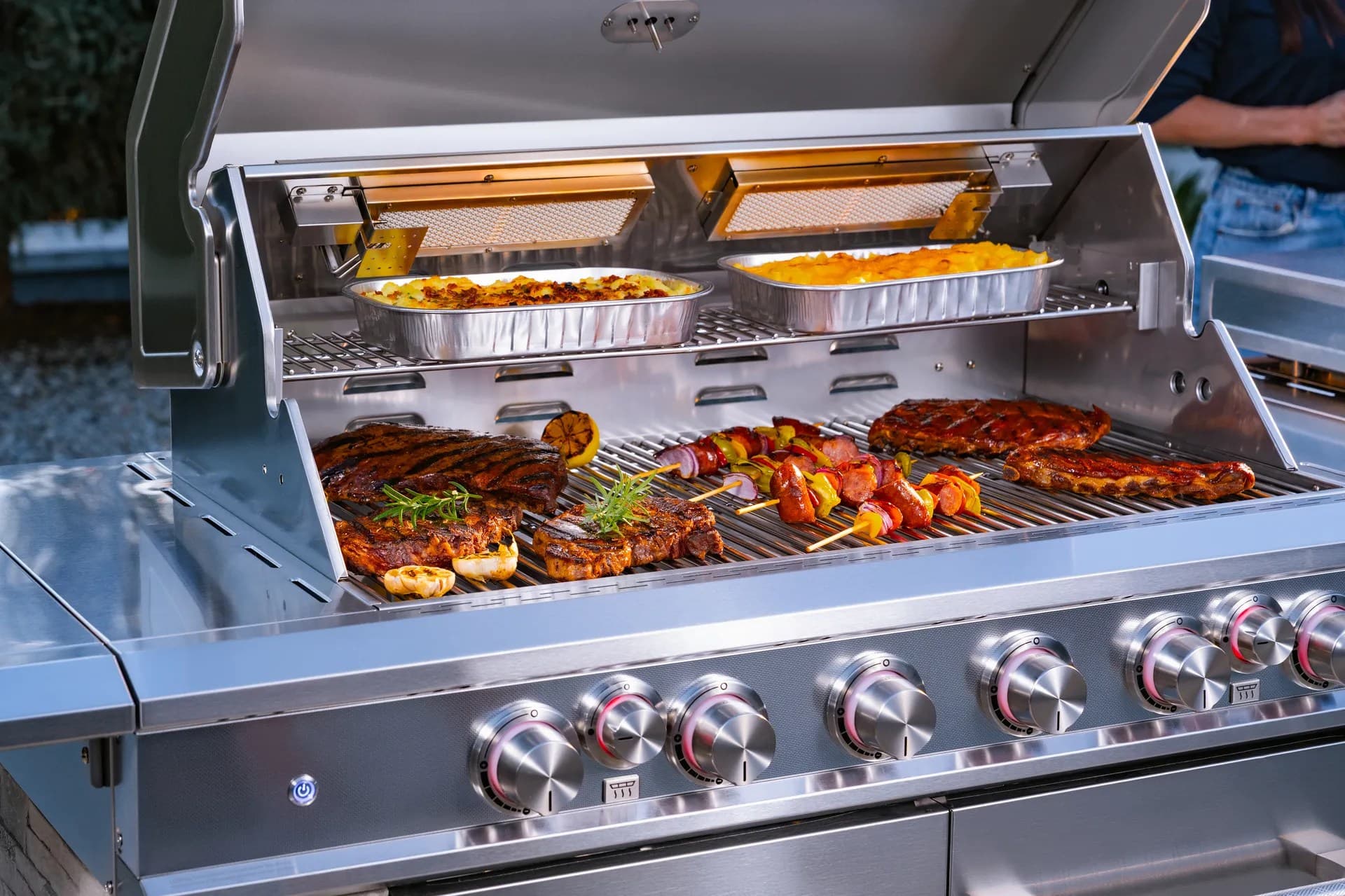
Understand the key differences to choose the best grilling option for you.
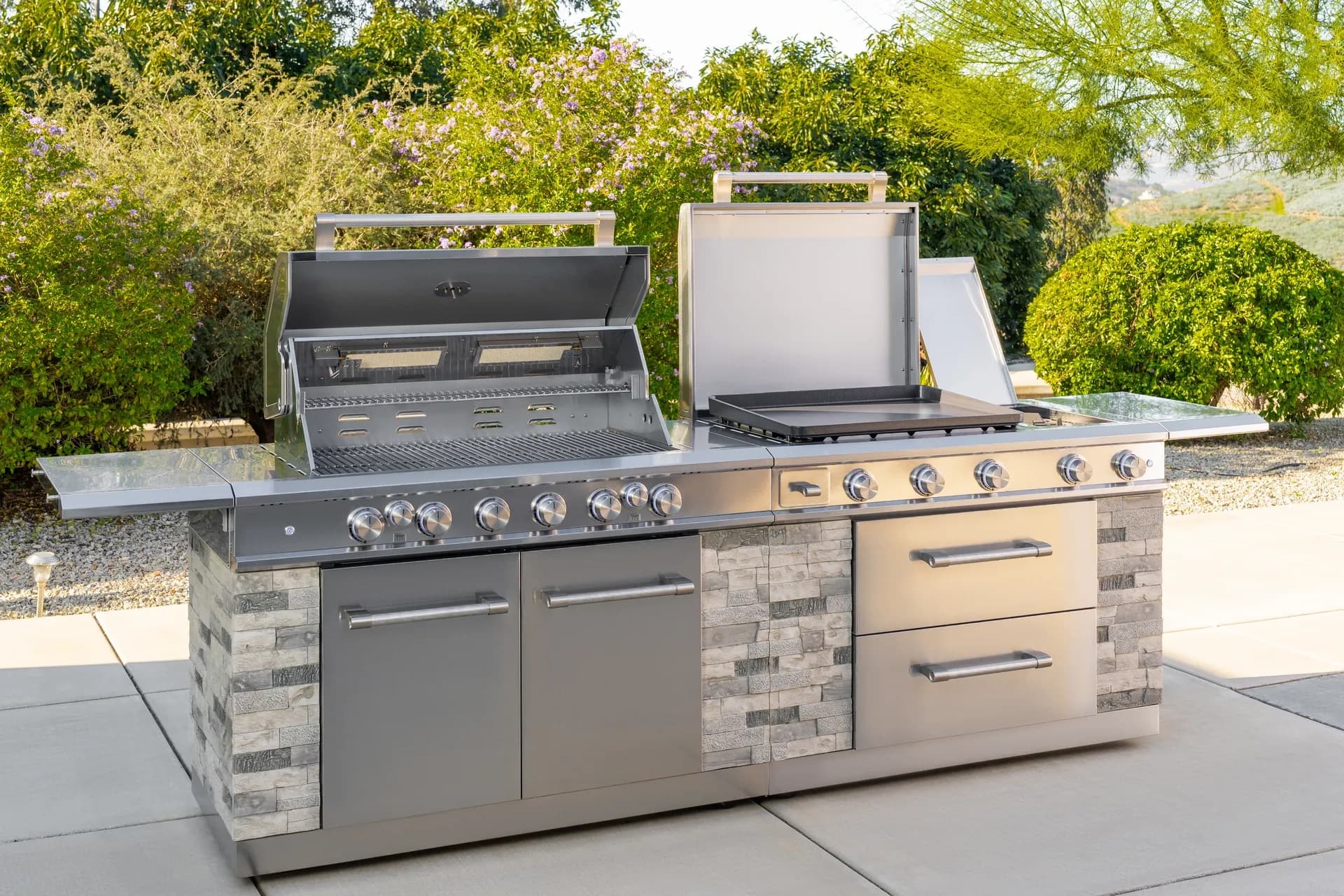
From sizzling breakfasts to smash burgers and teppanyaki-style dinners, the Daytona Pro 5 Burner NitroGuard™ Griddle delivers powerful heat, fast cooking, and a durable cooking surface built for every backyard cookout. Watch how easy outdoor cooking can be.
Here's what sets us apart from the competition
We position ourselves as delivering high-end outdoor cooking features and performance without premium-brand pricing, emphasizing “Quality Grills. Unbelievable Value.”
We offer gas grills, pellet grills, griddles, smokers, pizza ovens, portable/tabletop grills, electric grills, accessories, and replacement parts — allowing customers to stay within one ecosystem for all outdoor cooking needs.
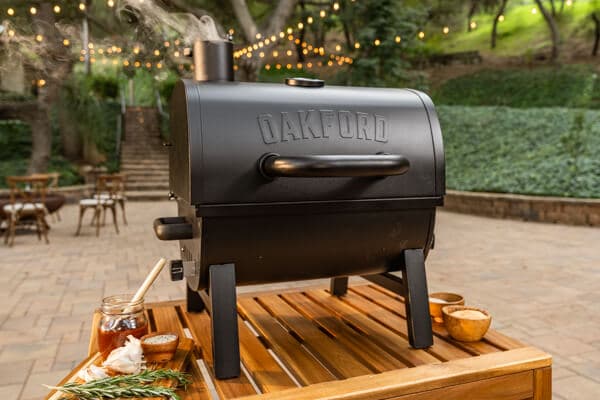
We differentiate ourselves through smart grilling products like the Oakford smart pellet grill, including app-connected cooking controls and modern outdoor cooking technology.
Expert tips, buying guides, comparisons, and inspiration for choosing and getting the most out of your grill.
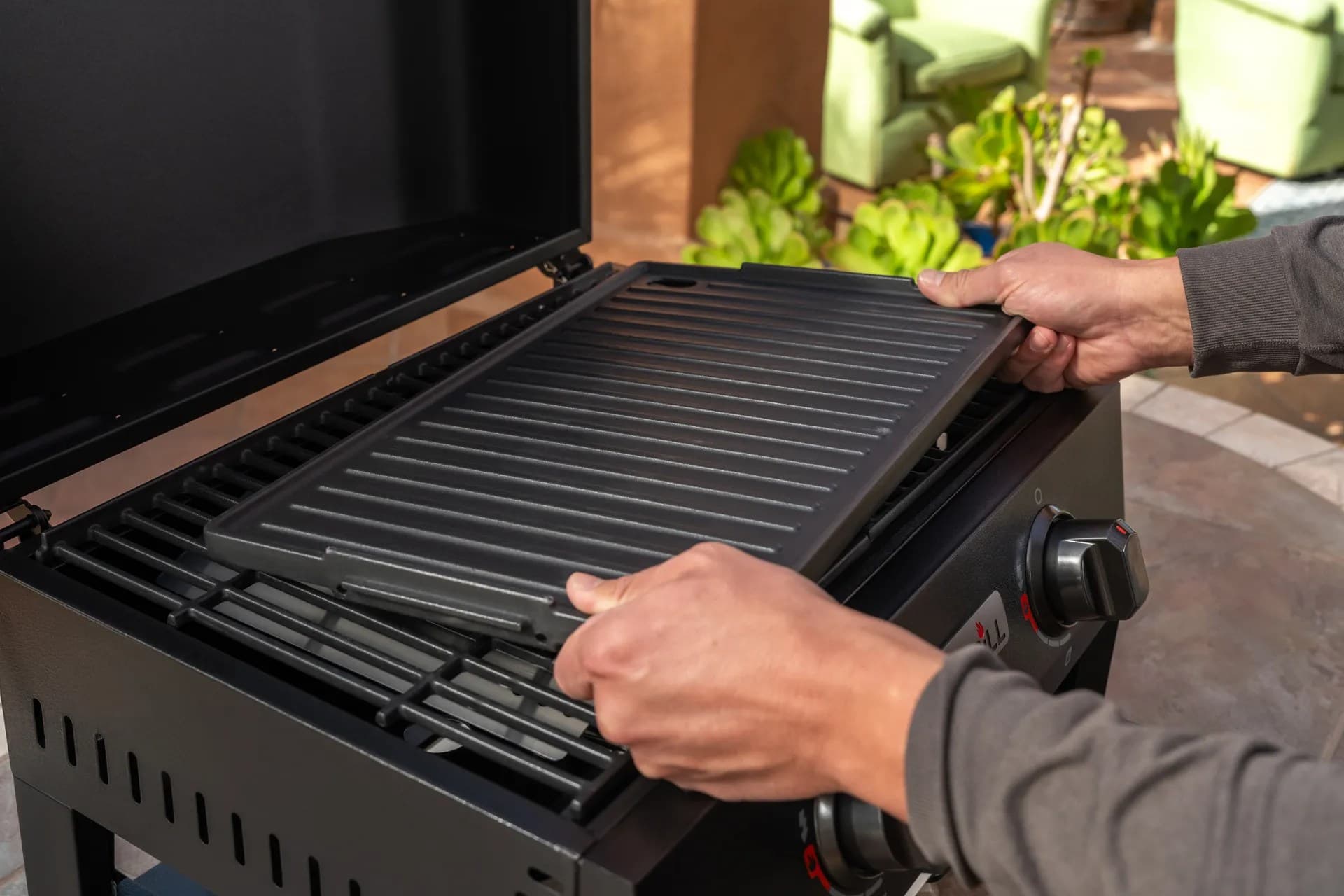
Practical guides for cleaning, maintenance, common grill issues, and performance optimization.
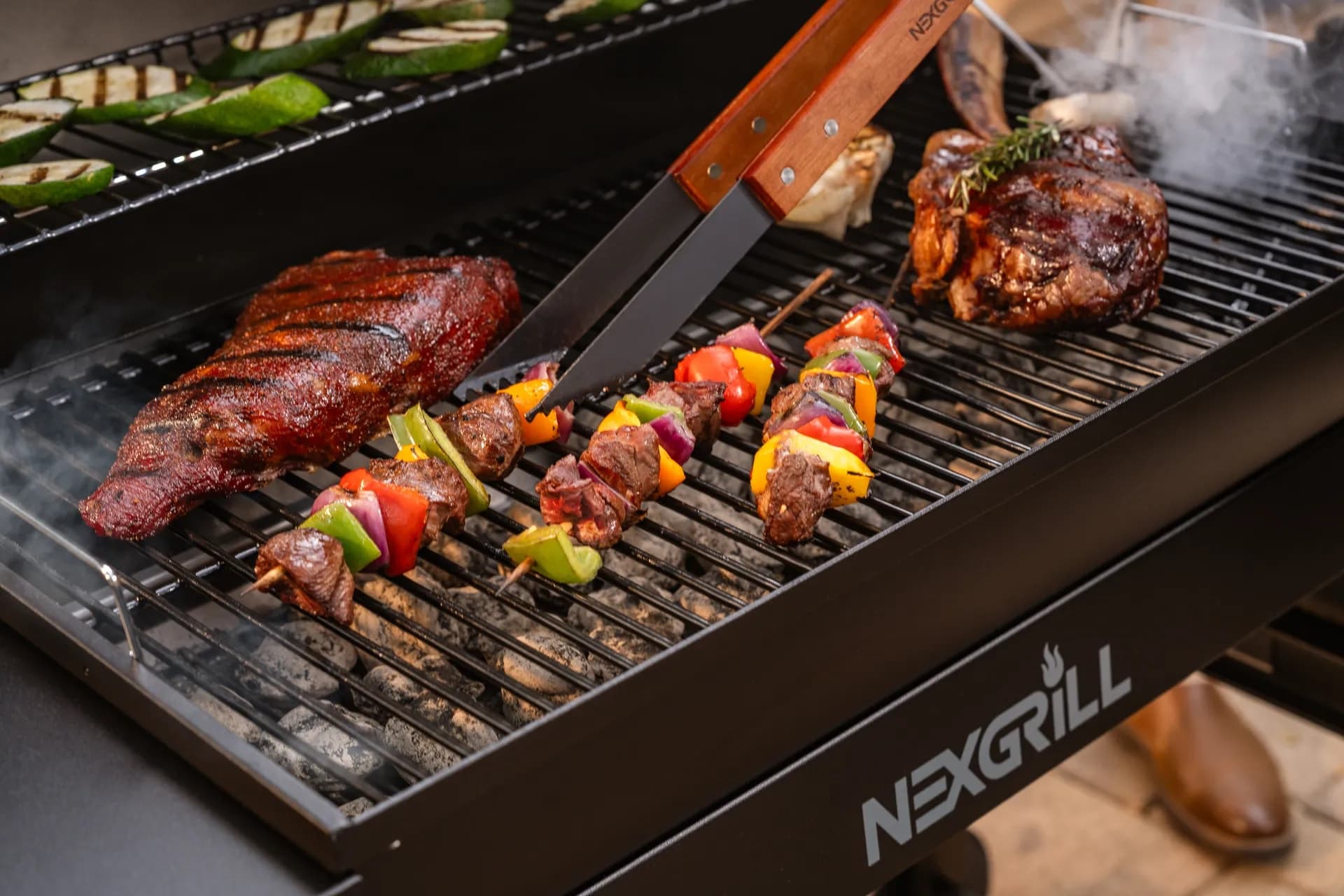
Step-by-step grilling recipes, cooking techniques, and meal ideas for every occasion and skill level.

Backyard entertaining ideas, seasonal grilling inspiration, and stories that celebrate outdoor cooking culture.
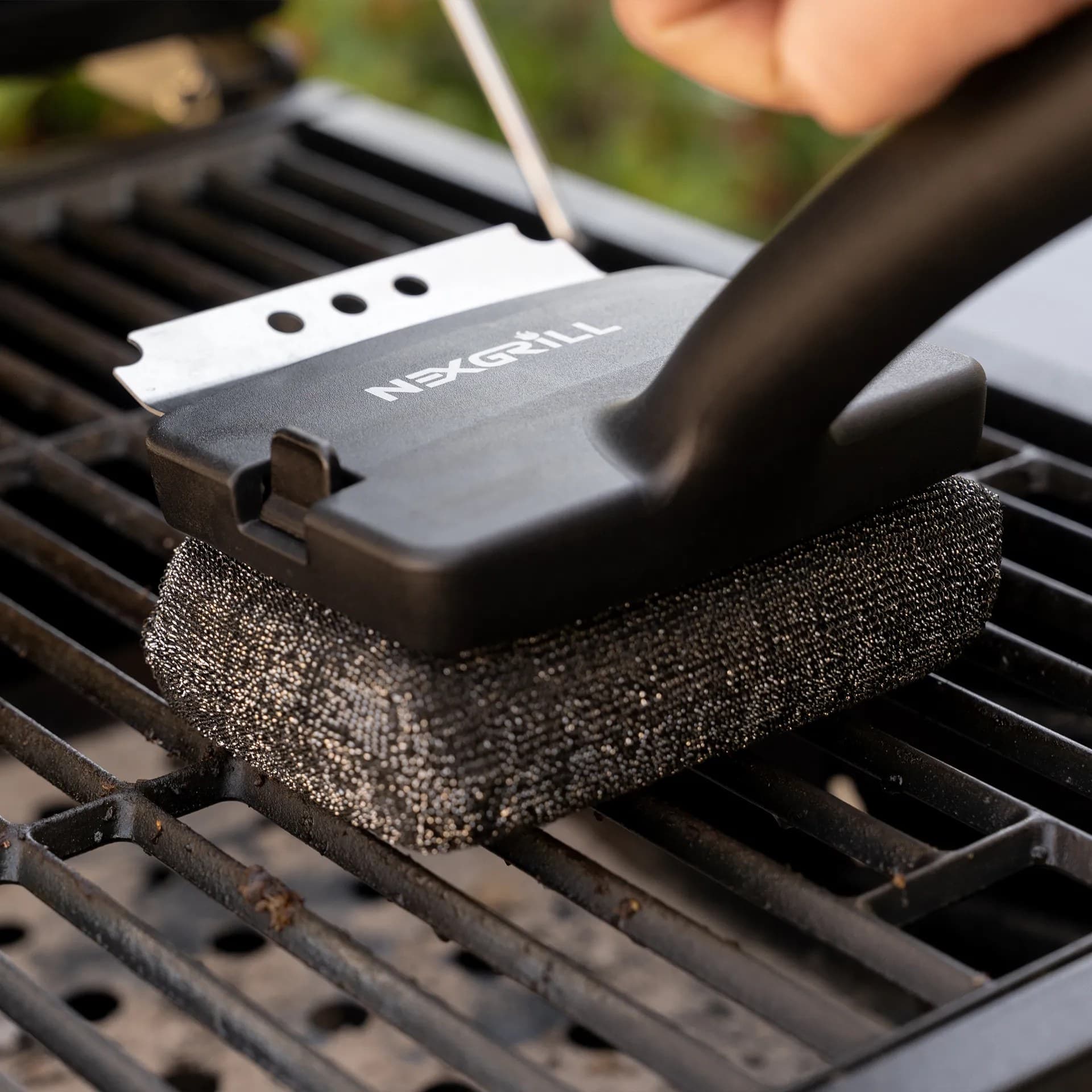
Helpful articles covering grilling tools, cookware, maintenance gear, and must-have accessories for outdoor cooking.
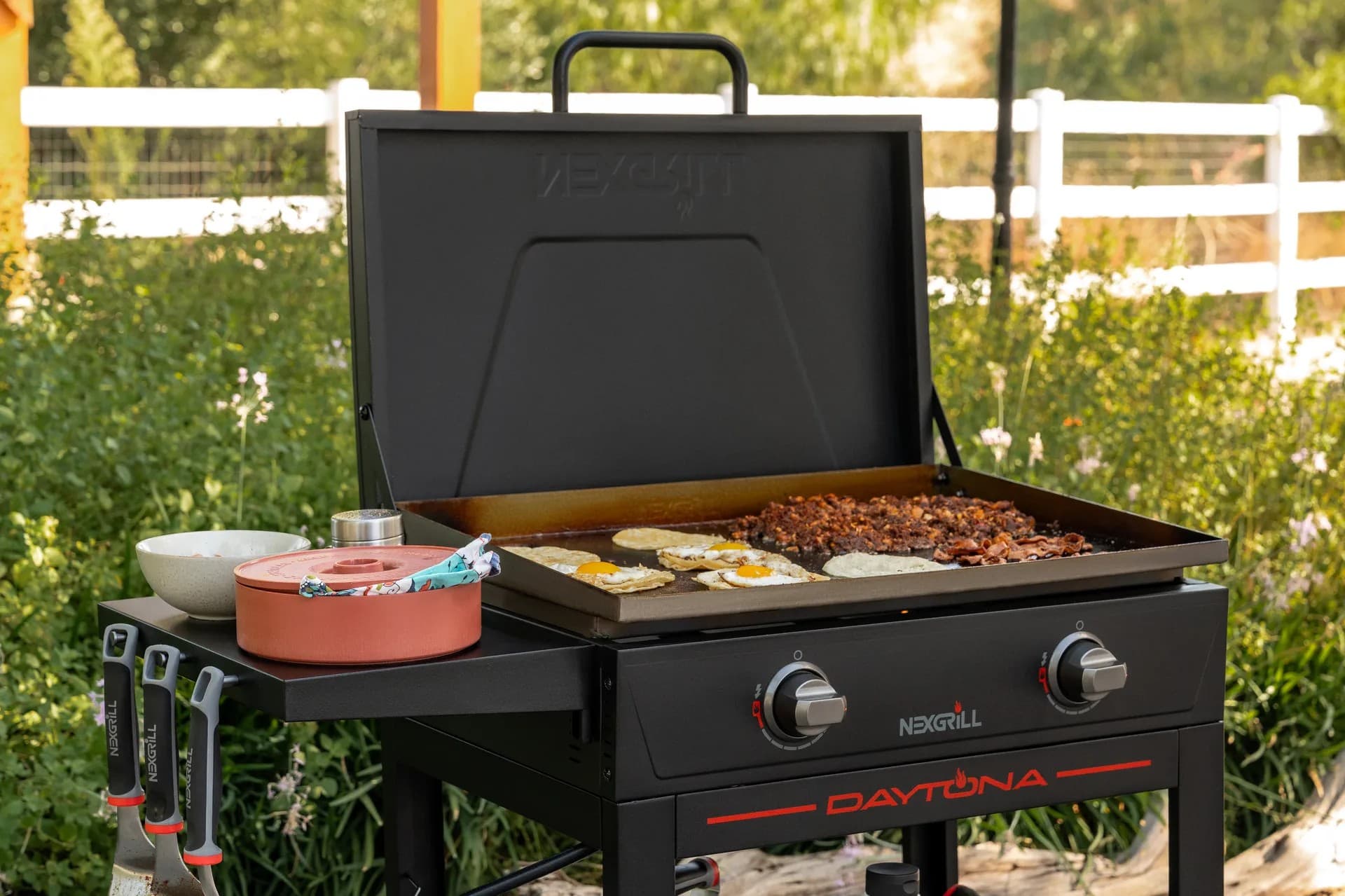
Find griddle recipes, cooking techniques, cleaning tips, and outdoor meal ideas designed for Nexgrill griddles.
Find answers to common questions
Gas grills provide instant heat and precise temperature control, making them easier to use. Charcoal grills offer a smoky flavor and high heat for searing but require more time to heat up and manage.
Pellet grills combine the convenience of gas with the flavor of wood, allowing for smoking, baking, and grilling. Traditional gas grills, however, are quicker to start and often easier to clean.
Charcoal grills typically reach higher temperatures quicker than gas grills, making them better for searing meat. However, high-quality gas grills can also provide adequate heat for effective searing.
Nexgrill offers models designed specifically for gas, charcoal, and pellets, allowing users to choose based on their cooking style and flavor preferences. Each type is built to optimize the characteristics of its respective fuel.
Choosing between gas and charcoal grills depends on your cooking preferences and lifestyle. If you value convenience and quick cooking, a gas grill may suit you better; if you prefer the taste and experience of traditional grilling, a charcoal grill would be ideal.
In This Article
Flavor Profiles
Health Considerations
Cost Analysis
The debate between charcoal and gas grills has been a long-standing discussion among barbecue enthusiasts. Each type of grill offers unique advantages that cater to different preferences and cooking styles. Understanding these differences is crucial for making an informed choice that aligns with your grilling needs.
Charcoal grills are renowned for their ability to infuse food with a rich, smoky flavor that many barbecue purists swear by. On the other hand, gas grills provide convenience and precision, making them a favorite for those who value ease of use and quick cooking times. Understanding these differences is crucial for making an informed choice that aligns with your grilling needs.
This article delves into the core differences between charcoal and gas grills, exploring their flavor profiles, cooking techniques, and health implications. By the end, you'll have a clear understanding of which grill suits your lifestyle best.
Flavor is often the deciding factor for many grill enthusiasts. Charcoal grills are celebrated for their ability to impart a distinctive, smoky taste that enhances the natural flavors of the food. This is achieved through the process of combustion, where the charcoal burns and releases aromatic smoke that envelops the food. Charcoal grilling has been associated with the release of polycyclic aromatic hydrocarbons (PAHs) and heterocyclic amines (HCAs), which are formed when fat drips onto hot coals, creating smoke that can adhere to the food.
Gas grills, however, offer a different kind of flavor experience. While they may lack the smoky depth of charcoal, they excel in maintaining consistent heat and allowing precise control over cooking temperatures. This makes them ideal for a variety of cooking techniques, including searing, roasting, and slow cooking.
Tip: Experimenting with wood chips on a gas grill can add a hint of smokiness to your dishes, bridging the gap between the two grilling worlds.
When it comes to health implications, it's essential to consider the emissions produced by each type of grill. Charcoal grilling has been associated with the release of polycyclic aromatic hydrocarbons (PAHs) and heterocyclic amines (HCAs), which are formed when fat drips onto hot coals, creating smoke that can adhere to the food.
Gas grills, using propane or natural gas, produce fewer of these harmful compounds, making them a somewhat healthier option. However, both types of grills require proper safety measures to prevent accidents. Ensuring adequate ventilation, maintaining a clean grill, and keeping flammable materials away from the cooking area are vital steps for safe grilling.
of grill owners consider safety a top priority when choosing a grill type.
The initial cost and long-term expenses associated with charcoal grills and gas grills can significantly influence your purchasing decision. Charcoal grills typically have a lower upfront cost, making them an attractive option for budget-conscious buyers. However, the cost of charcoal can add up over time, especially for frequent grillers.
Gas grills, while generally more expensive initially, offer cost savings on fuel in the long run. Propane and natural gas are often cheaper than charcoal when considering the amount of cooking time each provides. Additionally, gas grills may require less maintenance, further reducing long-term costs.
| Feature | Charcoal Grill | Gas Grill |
|---|---|---|
| Initial Cost | $100 - $400 | $300 - $1,000 |
| Fuel Cost | $10 - $15 per use | $1 - $3 per use |
| Maintenance | Moderate | Low |
Grill enthusiasts and experts often have strong opinions about their preferred grilling method. Many charcoal grill users praise the traditional barbecue experience and the flavor complexity it offers. According to testimonials, the act of managing coals and achieving the perfect temperature is part of the enjoyment for charcoal aficionados. Charcoal grills may further add to the overall experience.
Conversely, gas grill users appreciate the convenience and control that gas grills provide. Experts often highlight the ease of use and quick start-up times as significant advantages, particularly for those who grill frequently or have limited time. This sentiment is echoed in various user reviews where the predictable heat and minimal cleanup are highly valued.
Ultimately, the choice between a charcoal grill and gas grill depends on your personal preferences and grilling habits. If you value authentic smoky flavors and enjoy the process of traditional grilling, a charcoal grill may be your ideal match. However, if convenience, precision, and quick cooking times are your priorities, a gas grill could be the better option.
Consider your lifestyle, budget, and how often you plan to grill. Both types of grills offer unique benefits that can enhance your outdoor cooking experience. For those uncertain, trying both at different times might provide the best of both worlds.
Here's what sets us apart
We position ourselves as delivering high-end outdoor cooking features and performance without premium-brand pricing, emphasizing “Quality Grills. Unbelievable Value.”
We offer gas grills, pellet grills, griddles, smokers, pizza ovens, portable/tabletop grills, electric grills, accessories, and replacement parts — allowing customers to stay within one ecosystem for all outdoor cooking needs.
We differentiate ourselves through smart grilling products like the Oakford smart pellet grill, including app-connected cooking controls and modern outdoor cooking technology.
Don't just take our word for it
Keep reading
From our catalog