Discover the best practices to ensure safety while enjoying your charcoal grill.
Here's what sets us apart from the competition
We position ourselves as delivering high-end outdoor cooking features and performance without premium-brand pricing, emphasizing “Quality Grills. Unbelievable Value.”
We offer gas grills, pellet grills, griddles, smokers, pizza ovens, portable/tabletop grills, electric grills, accessories, and replacement parts — allowing customers to stay within one ecosystem for all outdoor cooking needs.
We differentiate ourselves through smart grilling products like the Oakford smart pellet grill, including app-connected cooking controls and modern outdoor cooking technology.
Expert tips, buying guides, comparisons, and inspiration for choosing and getting the most out of your grill.
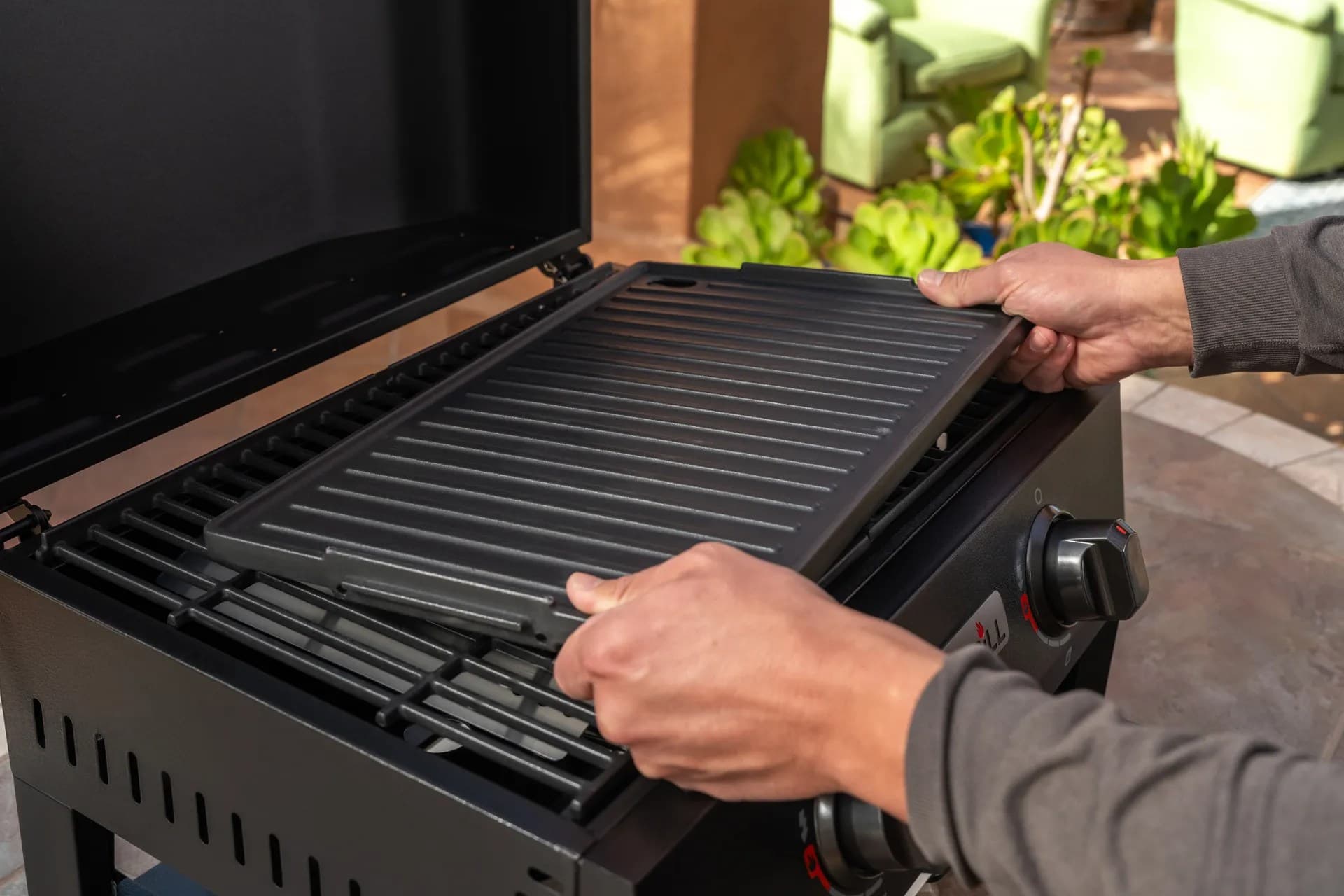
Practical guides for cleaning, maintenance, common grill issues, and performance optimization.
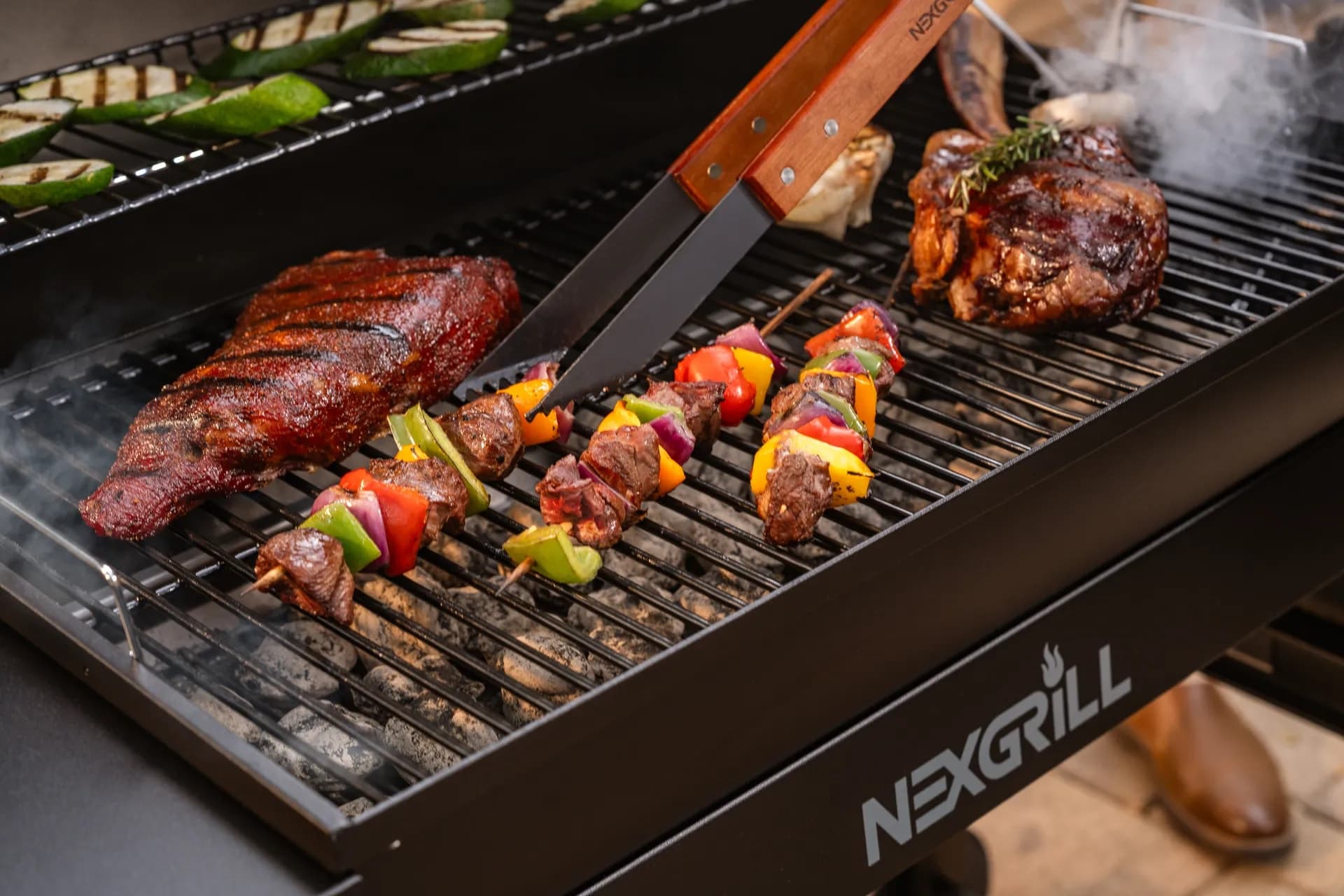
Step-by-step grilling recipes, cooking techniques, and meal ideas for every occasion and skill level.
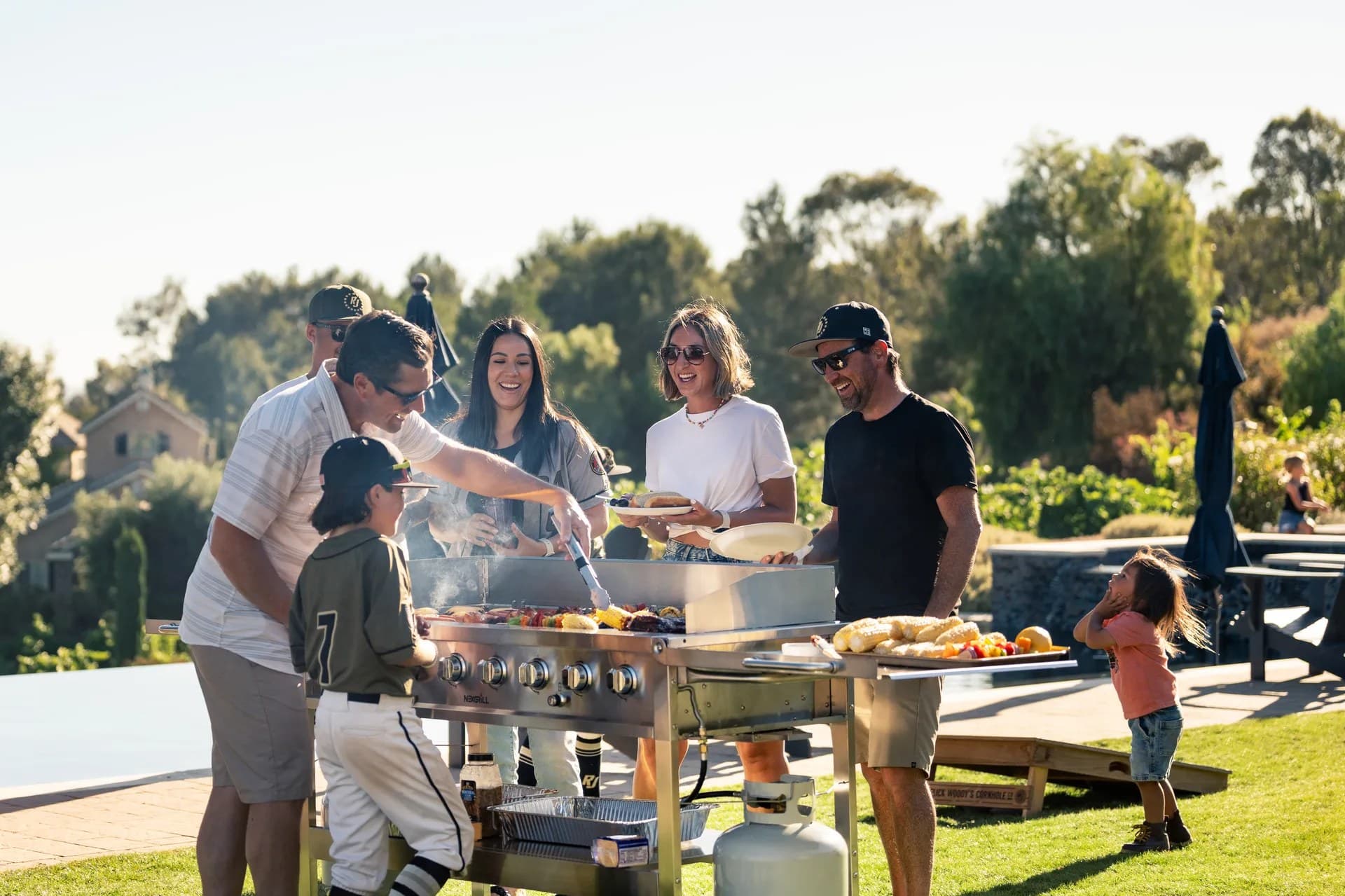
Backyard entertaining ideas, seasonal grilling inspiration, and stories that celebrate outdoor cooking culture.
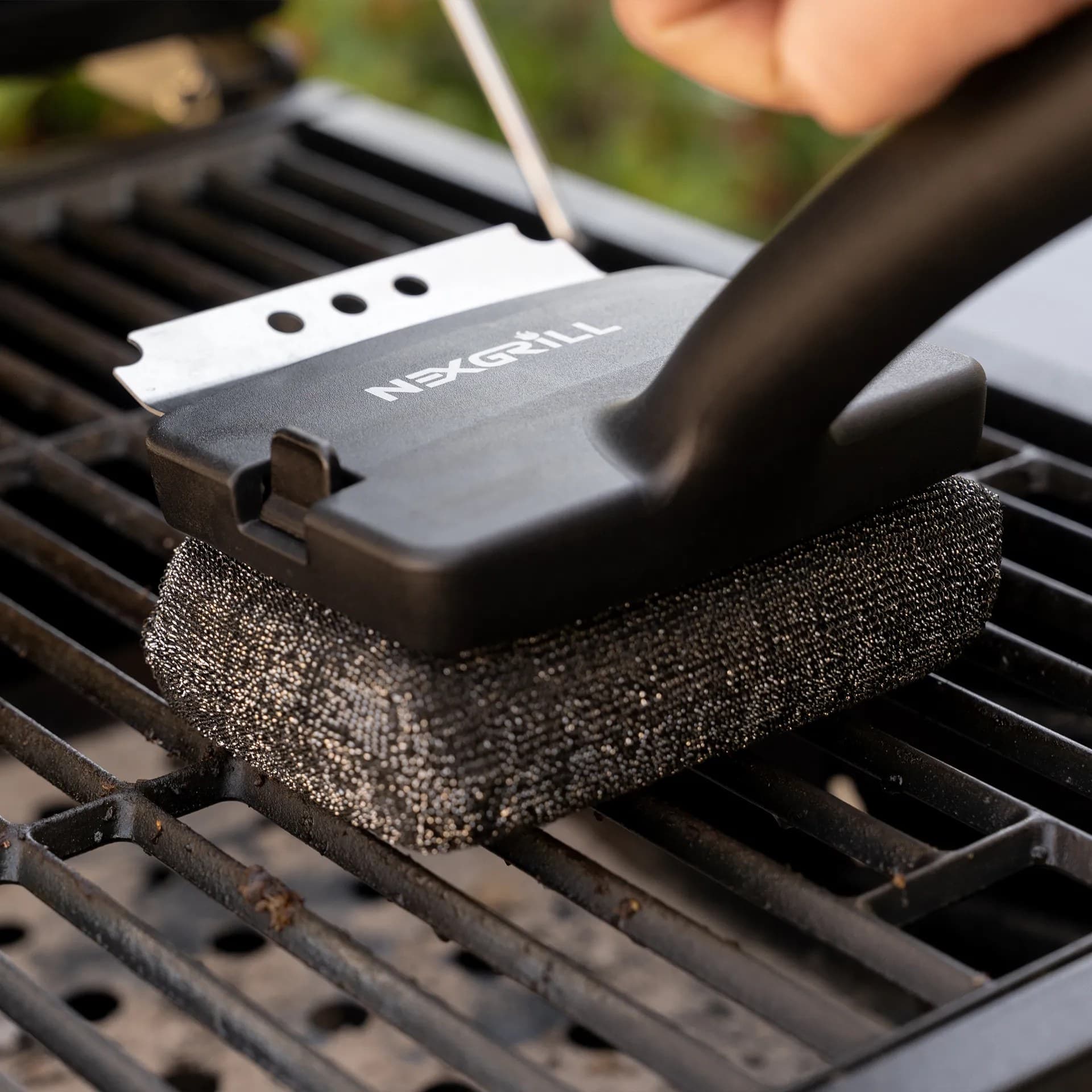
Helpful articles covering grilling tools, cookware, maintenance gear, and must-have accessories for outdoor cooking.
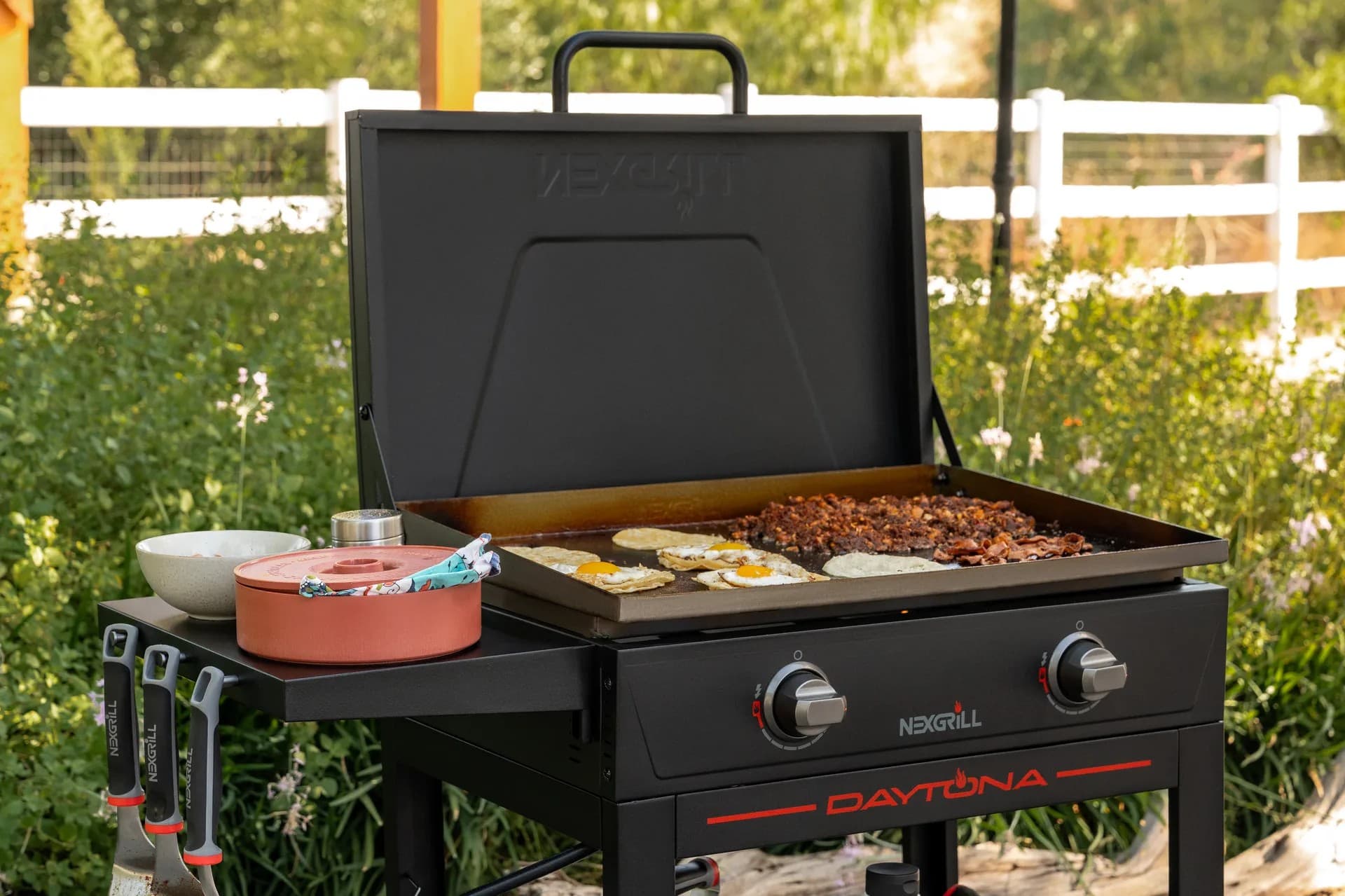
Find griddle recipes, cooking techniques, cleaning tips, and outdoor meal ideas designed for Nexgrill griddles.
Find answers to common questions
To clean your Nexgrill grill, ensure it is cooled down first. Use a grill brush to scrub the grates, and wipe down the exterior with warm, soapy water. For deeper cleaning, disassemble parts as per the user manual's instructions.
If your grill won't light, check that the propane tank has gas and that all connections are secure. Ensure the ignition switch is functioning and that there are no obstructions in the burners. Refer to the troubleshooting section of your manual for specific steps.
It's recommended to perform regular maintenance checks after every use, such as cleaning grates and checking gas connections. In addition, a thorough inspection and cleaning every few months can prolong the life of your grill and ensure optimal performance.
To store your grill during the off-season, clean it thoroughly and ensure it is dry to prevent rust. Cover it with a grill cover designed for your model, and store it in a dry, sheltered location if possible.
Uneven heat may occur due to clogged burners or worn-out flame tamers. Check for blockages in the burner ports and clean them as necessary. Additionally, ensure that the grill is level and properly assembled for consistent heat distribution.
In This Article
Grill Setup Tips
Heat Management
Emergency Preparedness
Charcoal grilling is a beloved pastime that brings people together with the promise of delicious meals and good company. However, the open flames and high temperatures associated with charcoal grills necessitate a focus on safety to prevent accidents and ensure a pleasant experience. Understanding the risks involved and implementing best practices is crucial for every griller, from novices to seasoned enthusiasts.
Charcoal grills pose several safety challenges. These include the risk of fire, carbon monoxide poisoning, and burns. Proper setup, maintenance, and vigilance during use can mitigate these risks significantly. Ensuring adequate ventilation, using the right tools, and following cooking guidelines are essential steps in safe grilling.
Tip: Always keep a fire extinguisher or a bucket of sand nearby when grilling.
The location and setup of your grill can greatly influence safety. Choosing a flat, stable surface away from flammable materials and structures is the first step. A minimum clearance of ten feet from buildings or overhangs is recommended to prevent fire hazards. Moreover, using a grill mat can protect surfaces from heat and grease drips.
Not all charcoal is created equal. Opting for lump charcoal over briquettes can reduce chemical exposure, as it contains fewer additives. Tools with long handles and heat-resistant gloves can prevent burns, while a quality chimney starter can safely ignite charcoal without the need for lighter fluid.
| Charcoal Type | Pros | Cons |
|---|---|---|
| Lump Charcoal | Burns hotter, fewer additives | Less consistent heat |
| Briquettes | Consistent burn, longer-lasting | Contains additives |
Understanding these basic principles and preparing adequately can make a significant difference in grilling safety. Implement these guidelines each time you fire up the grill to ensure a safe and enjoyable experience for everyone involved.
Info: Regularly check and clean your grill to prevent grease build-ups, which can cause flare-ups.
Maintaining your grill is as important as setting it up correctly. Over time, grease and ash can accumulate, creating potential fire hazards. Regular cleaning and inspection not only extend the life of your grill but also ensure safer cooking conditions.
After each grilling session, ensure that you clean the grates thoroughly. Use a grill brush to remove residues, and empty the ash catcher to maintain proper airflow. Check for any signs of wear or rust that could compromise the grill's integrity and address these issues promptly.
Monthly maintenance should include a deeper cleaning of the grill body and thorough inspection of the structure. Look for loose screws or bolts, and ensure that the grill is stable and secure.
Once your grill is set up and maintained, adopting safe grilling practices is essential. Being mindful of your environment, managing the grill's heat, and using proper techniques can prevent accidents and enhance your grilling experience.
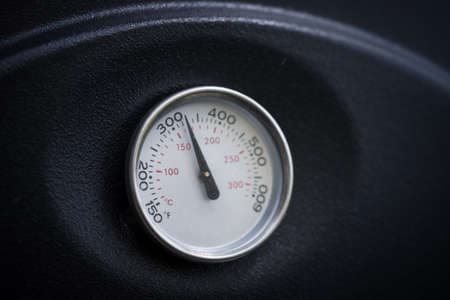
Controlling the temperature of your charcoal grill is crucial. By adjusting the air vents, you can regulate the heat to suit different cooking needs. Always use a thermometer to check the internal temperature of your food to ensure it's cooked properly and safely.
| Grill Temperature | Food Type | Cooking Method |
|---|---|---|
| Low (225°F - 250°F) | Brisket, Ribs | Slow cook |
| Medium (325°F - 375°F) | Chicken, Pork Chops | Indirect grilling |
| High (450°F - 600°F) | Steaks, Burgers | Direct grilling |
Using these temperature guidelines, you can ensure that your food is not only delicious but also safe to eat. Keeping a close eye on the grill and avoiding distractions can prevent flare-ups and other mishaps.
Despite best efforts, accidents can happen. Being prepared to handle emergencies is a critical part of grilling safety. Knowing how to extinguish a fire, treat burns, or handle smoke inhalation can make a difference in an emergency situation.
Warning: Never use water to extinguish a grease fire. Instead, smother it with a metal lid or use a fire extinguisher.
Having a first aid kit on hand is always a good precaution. Understanding basic first aid procedures, such as treating burns with cool water and covering the area with a sterile bandage, can prevent further injury.
Charcoal grilling can be a safe and rewarding experience when approached with the right mindset and preparation. By understanding the risks and implementing these safety measures, grillers can enjoy the pleasures of outdoor cooking without compromising safety.
Whether you're hosting a backyard barbecue or a quiet family dinner, keeping these safety tips in mind will ensure that your grilling experience is as enjoyable as it is delicious. Explore more grilling tips and equipment at Nexgrill.
Here's what sets us apart
We position ourselves as delivering high-end outdoor cooking features and performance without premium-brand pricing, emphasizing “Quality Grills. Unbelievable Value.”
We offer gas grills, pellet grills, griddles, smokers, pizza ovens, portable/tabletop grills, electric grills, accessories, and replacement parts — allowing customers to stay within one ecosystem for all outdoor cooking needs.
We differentiate ourselves through smart grilling products like the Oakford smart pellet grill, including app-connected cooking controls and modern outdoor cooking technology.
Don't just take our word for it
Keep reading
From our catalog