Delicious Charcoal Grill Recipe Ideas and Reviews
Explore a variety of charcoal grilling recipes, techniques, and equipment reviews for perfect outdoor cooking.
In This Article
Diverse Recipe Options
Essential Grilling Techniques
Grill and Equipment Reviews
Introduction to Charcoal Grilling
Charcoal grilling has a way of turning an ordinary meal into an occasion. The process is slower than firing up a gas grill, but that pace is part of the appeal: you get a deeper sear, a more pronounced smoke profile, and a level of control that rewards attention. For home cooks, charcoal is less about perfection and more about rhythm-building a coal bed, managing hot and cool zones, and learning how different ingredients respond to live heat. That hands-on feel is exactly why charcoal grill recipe ideas continue to attract both first-time backyard cooks and experienced weekend grillers who want more than a quick weeknight cookout.
If you are looking for recipe ideas, the best charcoal grilling approach is to think in categories instead of trying to force every dish into the same method. A chicken thigh, a thick ribeye, a pork tenderloin, and a tray of mushrooms all benefit from charcoal in different ways. Some foods need high heat for a fast finish, while others taste better when they are cooked over indirect heat and kissed with smoke. That is why a useful charcoal-grill-recipe-ideas-review should not simply list dishes; it should help you understand which recipes are reliable, which are more adventurous, and which ones suit a beginner’s learning curve.
Tip: If you are new to charcoal, start with recipes that use a two-zone fire. That setup gives you a hot side for searing and a cooler side for finishing, which lowers the risk of burning the outside before the inside is cooked.
The most useful beginner skill for better charcoal results.
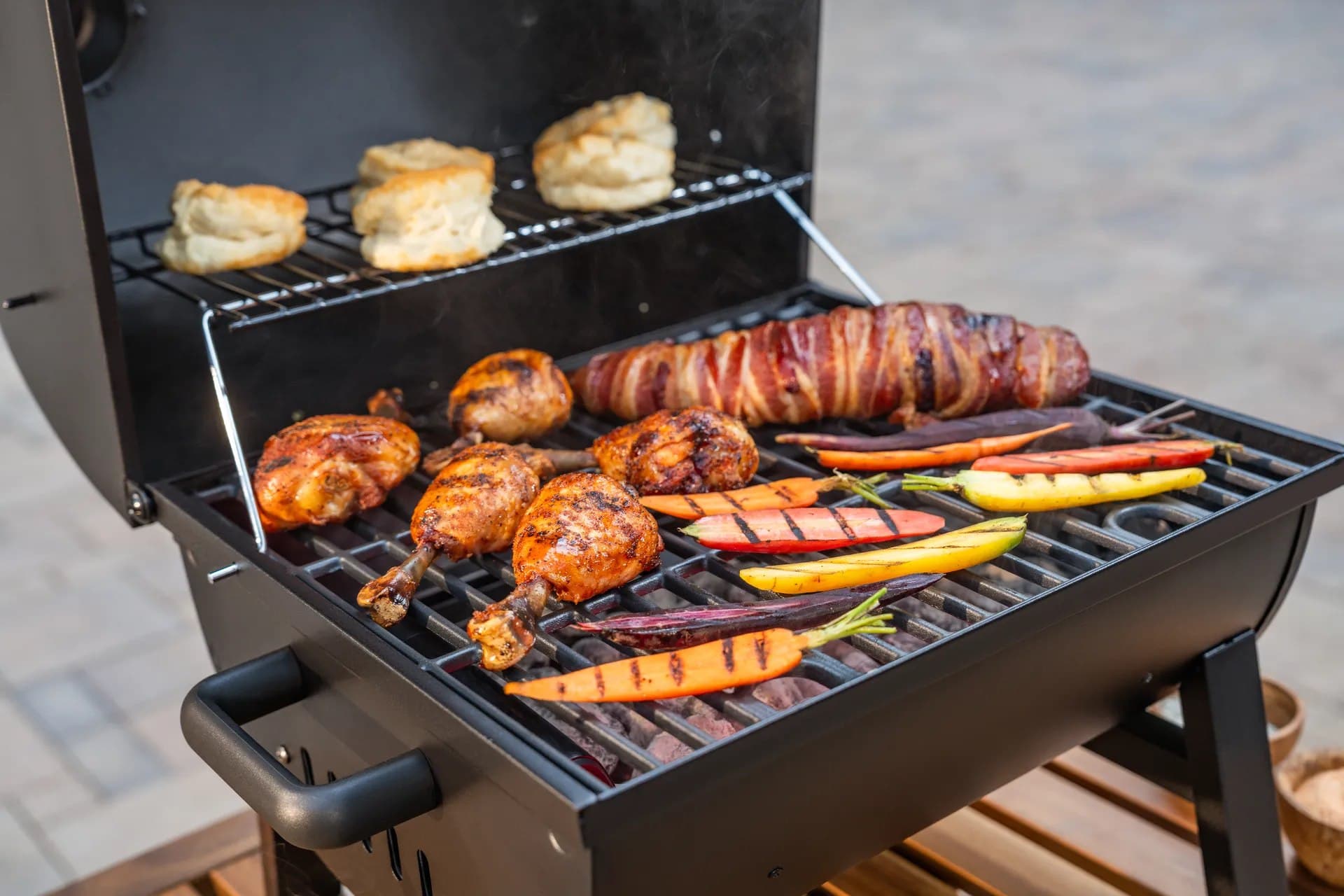
One practical advantage of charcoal is how well it supports recipe variety. You can grill directly over coals for steak and burgers, use indirect heat for whole chicken pieces or pork, and even cook vegetables or fruit without needing specialized equipment. The same fire can handle quick appetizers and more elaborate mains, which makes charcoal a strong choice for mixed menus. In United States backyards, that versatility matters because many cooks want one cooking session to cover dinner, sides, and something extra for guests. A charcoal grill that can move from high-heat searing to lower, slower roasting opens up a much wider recipe playbook.
Recipe Categories
The clearest way to organize charcoal grill recipe ideas is by the kind of meal you are trying to build. Some recipes are quick and dependable, designed for a weeknight. Others are more showy, better suited to a Saturday gathering or a holiday cookout. When readers ask for recipe reviews, they often want to know not just whether a dish tastes good, but whether it is worth the effort. A useful rating system looks at flavor payoff, skill level, timing, and how forgiving the recipe is if the fire runs a little hot or the weather changes.
| Category | Best For | Skill Level | Review Takeaway |
|---|---|---|---|
| Meat recipes | Big flavor and crowd-pleasing mains | Beginner to advanced | Most forgiving when you use temperature zones |
| Vegetarian dishes | Flexible menus and lighter meals | Beginner | Best when oil, seasoning, and timing are balanced |
| Sides and appetizers | Round out the meal | Beginner | Fastest way to make a cookout feel complete |
In practice, the best recipes for charcoal are the ones that do more than taste good on paper. They should be repeatable, scalable for a small family dinner or a backyard group, and resilient enough that a small mistake does not ruin the meal. That is why simple marinades, dry rubs, and ingredient-first recipes often outperform complicated methods. Charcoal rewards food that starts with a solid foundation.
Meat Recipes: Chicken, Beef, Pork, and Seafood
Meat is where charcoal grilling really shows its range. Chicken benefits from smoke and crisp skin; beef thrives on high heat and a strong sear; pork adapts beautifully to sweet, savory, and tangy marinades; seafood requires a lighter touch but can absorb a subtle smokiness that a stove-top pan cannot match. The best recipe ideas in this category are not the most complicated ones. They are the ones that help the fire work with the ingredient instead of against it.
Best beginner recipe pick: bone-in chicken thighs with a simple salt, pepper, garlic, and paprika rub. They are harder to dry out than breasts and give you time to practice fire control.
For chicken, consider a recipe built around a lemon-herb marinade or a yogurt-based seasoning bath. Those flavors pair well with charcoal because the acidity and fat help carry smoke without overpowering the meat. Chicken thighs are especially reliable because they tolerate a bit more heat variation. For beef, a ribeye or strip steak benefits from a two-step process: dry brine in advance, then sear hard over the hottest coals before moving to indirect heat if needed. A charcoal sear creates crust quickly, so the key review point is timing rather than complexity. With pork, a tenderloin or pork chops work well with a brown sugar, mustard, and apple cider vinegar profile. That balance gives you caramelization without needing long smoking time. Seafood, especially salmon or shrimp, is best when treated with restraint; a cedar plank or a simple citrus-and-herb rub keeps the fire from overwhelming the fish.
A good way to think about recipe performance is to compare how much attention each meat needs. Chicken thighs and pork chops are the easiest to learn on. Ribeye gives the biggest payoff if you can manage heat. Salmon is the most sensitive but also one of the most rewarding once you understand timing. If a reader wants a charcoal-grill-recipe-ideas-review that is actually useful, it should say plainly that charcoal is at its best when the ingredient quality is strong and the seasoning is intentional, not overloaded.
Vegetarian Grilling Options
Vegetarian grilling is one of the most underrated charcoal categories. Too many cooks treat vegetables like an afterthought, but charcoal can make them genuinely memorable when they are cut correctly and seasoned with enough oil, acid, and salt. Grilled zucchini, bell peppers, mushrooms, corn, cauliflower steaks, and eggplant all respond well to live fire. The trick is to avoid dryness and to choose vegetables that can hold up over the grates without falling apart.
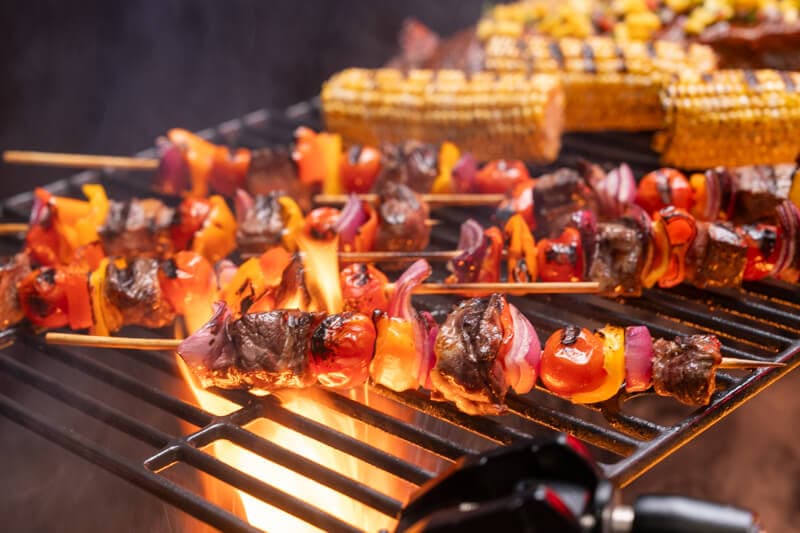
One of the strongest recipe ideas is a mixed vegetable platter built around mushrooms, red onion, and thick zucchini spears, brushed with olive oil and finished with fresh herbs and lemon. Another dependable option is a cauliflower steak with smoked paprika and garlic, which gets a surprisingly rich flavor from charcoal. Plant-based protein also belongs here: marinated tofu, tempeh skewers, and meatless sausages can all take on a better texture when the surface is properly dried and seasoned before grilling. For a more substantial vegetarian cookout, grilled halloumi or a bean-based burger can anchor the menu without feeling like a compromise.
Warning: delicate vegetables like asparagus or sliced tomatoes cook quickly. Keep them on the cooler side of the grill or use a basket so they do not char before they are tender.
The review angle for vegetarian charcoal dishes often comes down to balance. A great vegetable recipe is not just smoky; it has contrast. A little char, a bright finish, and enough seasoning to stand up to the fire all matter. In many cases, these recipes are also the most flexible for mixed groups because they pair with both meat mains and lighter summer menus. If you are building a cookout for guests with different dietary preferences, a strong vegetarian section can make the whole meal feel more thoughtful.
Sides and Appetizers
Sides and appetizers are where a charcoal cookout becomes a full dining experience instead of just grilled protein. The best side dishes are the ones that can pick up a little smoke, travel well from grill to table, and hold up while the main course finishes. Corn on the cob, grilled potatoes, charred flatbread, and skewered cherry tomatoes all work because they are easy to batch and fast to season. Appetizers can also help test the heat of the grill before the main recipe goes on, which makes them useful beyond flavor alone.
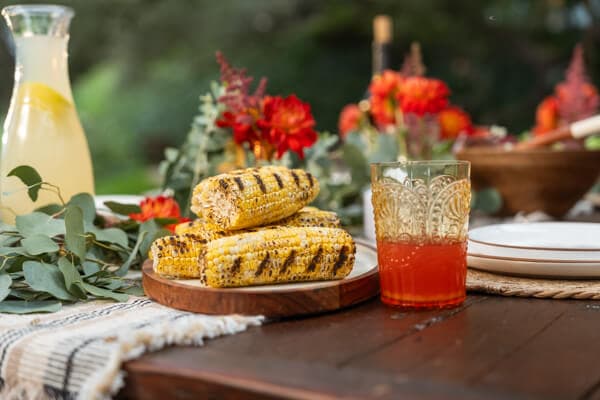
A practical combo for most backyard gatherings is grilled corn with chili-lime butter, a simple romaine or stone fruit salad, and a dip like charred scallion ranch or smoky salsa. These sides add freshness and visual variety to the plate. If you want something more substantial, grilled bread with tomato topping or skillet beans on the cooler side of the grill can bridge the gap between appetizer and side. For recipe reviews, sides often score highly because they are forgiving and fast, which is ideal for beginner grillers who want confidence-building wins. They also help you use the grill’s remaining heat efficiently after the main proteins have finished.
When judging charcoal side dishes, I look for two things: whether the flavor is noticeably better than a stovetop version, and whether the recipe is easy to time around other dishes. If both are true, it earns a strong recommendation. That is especially true for cookouts in the United States, where guests often expect a complete spread rather than a single grilled item. Great sides make the meal feel finished, and charcoal gives them a depth that plays especially well with summer produce.
Grilling Techniques and Tips for Beginners
Once you've weighed the recipe options, the next question is how to get consistent results on the fire. Beginners often think charcoal success depends on a secret recipe, but most of the difference comes from setup, timing, and patience. A well-managed charcoal grill gives you room to cook a steak hard and fast, then move chicken or vegetables to a gentler zone before they overcook. The same fire can support multiple recipes in one session if you build it with intention.
Start by lighting enough charcoal to create a stable coal bed rather than trying to cook over flames alone. Charcoal tastes best when the briquettes or lump coals are gray and glowing, not when they are still covered in starter fluid or producing heavy smoke. Use a two-zone layout whenever possible: one side for direct searing and another for indirect finishing. That one habit will improve almost every recipe in this article. Chicken can begin over indirect heat, then move briefly over direct heat for color. Steak can get a fast sear, then rest off the fire. Vegetables can be rotated between zones if the grill runs hotter than expected.
Tip: Keep the lid on when you want smoke flavor and even heat, and open it when you need to cool the fire or manage flare-ups.
Seasoning matters just as much as the fire. For meats, salt ahead of time when you can, because dry brining helps flavor move deeper into the food. For vegetables, oil is not optional; it helps seasoning stick and prevents sticking on the grate. For seafood, keep the seasoning simple and shorten the cooking window. A beginner mistake is applying too many sweet sauces too early. Sugary glazes can burn before the food is done, especially over a hot charcoal bed. If you want sauce, add it toward the end or serve it on the side.
| Technique | What It Improves | Best Used For |
|---|---|---|
| Two-zone fire | Heat control and insurance against burning | Chicken, steak, vegetables |
| Lid management | More even cooking and better smoke capture | Whole cuts and thicker foods |
| Resting meat | Juicier texture and better slicing | Beef, pork, chicken |
Temperature control also depends on airflow. More oxygen means a hotter fire, while restricting airflow cools things down. That is why vent placement and lid position matter so much. If the fire is too aggressive, move the food, not the coals, first. If it is too cool, add more charcoal in advance rather than waiting until the food stalls. These practical habits separate a stressful cook from a controlled one.
Equipment Reviews: Best Charcoal Grills and Accessories
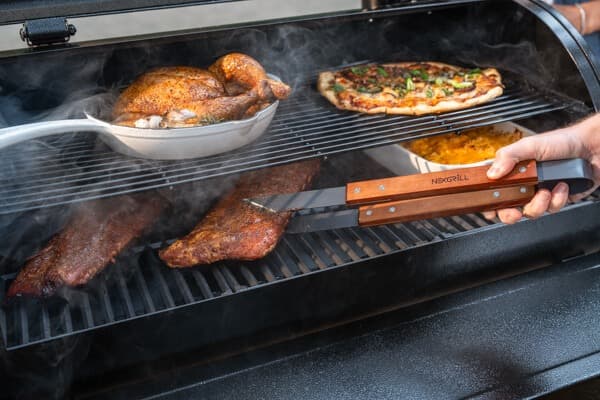
The right equipment changes how ambitious your charcoal recipe ideas can be. A kettle-style grill is usually the most flexible starting point because it handles direct and indirect cooking well, circulates heat efficiently, and is simple to learn on. For cooks who want more control, a charcoal grill with adjustable vents, a sturdy lid, and enough grate space for two-zone cooking is a meaningful upgrade. Larger models make it easier to cook chicken and vegetables at the same time, while smaller portable units are better for tailgates, camping, or compact patios.
Accessories matter almost as much as the grill itself. A chimney starter is one of the best purchases for charcoal grilling because it helps you light coals more consistently without relying on lighter fluid. Long-handled tongs, a reliable instant-read thermometer, a grill brush, and heat-resistant gloves all reduce guesswork and improve safety. For recipe-heavy cookouts, a grill basket can be especially useful for shrimp, chopped vegetables, or delicate items that might otherwise fall through the grates. A cast-iron grate or skillet can also expand what you can cook by helping with searing and heat retention.
Best value upgrade: a chimney starter plus instant-read thermometer. Together, they solve two of the biggest charcoal problems-starting the fire cleanly and knowing when food is actually done.
From a review standpoint, the best charcoal equipment is the gear that makes the recipes more repeatable. If a grill gives you steady airflow, a usable cooking area, and a lid that seals well enough to hold heat, your chicken will cook more evenly and your vegetables will char more predictably. If accessories are flimsy or awkward, even a good recipe becomes harder to execute. That is why the value of charcoal gear should be measured by how often it helps you get the same result twice in a row.
User Reviews and Testimonials
Reader feedback is one of the most useful ways to judge charcoal grill recipes because it reveals what happens outside a test kitchen. Home cooks tend to praise recipes that are flavorful without requiring special tools, while they are less enthusiastic about recipes that demand perfect timing or unusual ingredients. In practical terms, the highest-rated charcoal recipes are usually the ones that feel exciting but still fit into a realistic weekend schedule.
A common pattern in user comments is that chicken thigh recipes receive high marks for reliability, especially when paired with a bold rub and a finishing sauce. Beef recipes get strong reviews when the instructions include target temperatures and resting times. Vegetable recipes earn praise when they produce visible char and can be served alongside meat without extra hassle. One reader-style response might look like this: “The smoked paprika cauliflower was the surprise hit of the night. It held together on the grill and even the meat-eaters went back for seconds.” Another might say, “The pork chops were easy to follow, and the two-zone method saved them when the fire ran hotter than expected.”
Watch for this pattern in recipe reviews: if multiple cooks mention that a recipe works even when the fire is not perfect, it is usually a keeper for beginners.
Testimonials also help readers choose between quick wins and more elaborate projects. A beginner may prefer recipes with short ingredient lists and flexible timing, while an experienced griller might enjoy more technical dishes like cedar-plank salmon or marinated flank steak with a complex glaze. That mix of feedback is valuable because it shows how charcoal recipes perform in real homes, not just in ideal conditions.
Conclusion: Share Your Grilling Experience
Charcoal grilling is at its best when it feels personal. The recipes you return to are usually the ones that suit your fire management style, your favorite flavors, and the kinds of meals you actually cook for family and friends. Whether you lean toward chicken, beef, pork, seafood, vegetables, or a spread of sides and appetizers, the value of charcoal lies in how much character it can add with relatively simple ingredients. A good charcoal-grill-recipe-ideas-review should leave you with a short list of dishes worth repeating and a clearer sense of how to improve the next cookout.
If you are starting out, focus on one meat recipe, one vegetable recipe, and one side dish until the fire becomes familiar. If you are more experienced, try mixing a high-heat item with a slower-cooked item in the same session and compare how each responds to the coal bed. The more you cook, the more you will notice that charcoal is less about strict rules and more about reading the food. Share what worked, what surprised you, and which recipes earned repeat status in your own backyard.