Charcoal Grill Recipe Ideas and Cost Analysis
Explore diverse recipes and affordable options for your charcoal grilling experience.
In This Article
Budget-Friendly Recipes
Unique Grilling Techniques
Seasonal Ingredients
Introduction to Charcoal Grilling
Charcoal grilling earns its loyal following because it does more than cook food: it adds a distinct fire-kissed flavor that feels special even on a weeknight. That flavor comes from live coals, steady radiant heat, and the way smoke clings to meat, vegetables, and even fruit as juices drip and vaporize. For home cooks in the United States, charcoal remains a practical way to make memorable meals without needing a complicated setup. It is especially attractive when you want a dinner that feels bigger than its grocery bill.
Nexgrill’s brand philosophy emphasizes gathering, shared meals, and approachable outdoor cooking, which fits charcoal perfectly: the grill becomes the center of the table, not just a tool in the backyard . That matters for recipe planning, too. The best charcoal-grill recipe ideas are not always the fanciest; they are the ones that use affordable ingredients, simple seasonings, and cooking methods that reward patience. If you are grilling for a family of four or hosting a casual summer get-together, the goal is to choose recipes that stretch value while still delivering depth of flavor.
When recipes use economical cuts, seasonal produce, and efficient heat management, the meal cost stays manageable.
This guide focuses on four things readers usually want at the same time: recipe ideas, cost awareness, weeknight simplicity, and a few techniques that make charcoal feel more versatile than “just burgers and dogs.” You will see meat recipes, vegetable options, and a handful of creative ideas that work especially well on a charcoal grill. The angle here is intentionally different from standard grilling lists: instead of chasing the obvious crowd-pleasers, the emphasis is on value-driven cooking, seasonal ingredients, and smart ways to turn a modest grocery cart into a full meal.
Budget-Friendly Charcoal Grilling
Budget-friendly charcoal grilling starts with understanding where the money actually goes. In most U.S. households, the biggest cost is the food itself, not the charcoal. That means a smart plan can keep the total cost per serving reasonable, especially if you use affordable proteins like chicken thighs, pork shoulder steaks, or bone-in pork chops, then pair them with grilled vegetables that are in season. Charcoal adds a flavor premium, but it usually does not add a large per-meal expense when you use it efficiently.
| Budget Strategy | Why It Helps | Example Meal Cost |
|---|---|---|
| Use chicken thighs instead of premium steak | Higher fat content keeps them juicy and affordable | $8-$14 for 4 servings |
| Buy seasonal vegetables | Peak-season produce costs less and tastes better | $5-$10 for 4 servings |
| Cook two dishes at once | Uses one charcoal load for protein and sides | Charcoal often $1-$3 per meal |
Tip: Save money by cooking on a two-zone fire. Sear on the hot side, then move food to indirect heat so you do not waste fuel or burn cheaper cuts.
A useful rule of thumb for price planning is to think in three layers: protein, produce, and fuel. A dinner built around chicken thighs, corn, and zucchini can land well below a steak-centered meal while still feeling abundant. Even with added pantry items such as olive oil, garlic, vinegar, and spices, many charcoal-grilled dinners can stay in the $4-$8 per serving range depending on your local grocery prices. That is especially true in summer, when produce such as corn, peppers, peaches, and zucchini tends to be abundant.
If you want a practical approach, shop with a recipe in mind rather than buying for “the grill” in general. The cheapest charcoal meals are usually built around one protein, one or two vegetables, and a marinade or rub that uses pantry staples. That way, you get a complete plate without drifting into a cart full of extras that do not actually improve the meal.
Recipe Ideas
The most satisfying charcoal recipe ideas tend to be the ones that balance flavor, timing, and cost. Below are categories that keep the menu useful for beginners while still giving experienced grillers something creative to try. Each recipe idea includes a practical price estimate based on typical U.S. grocery prices, so you can plan meals without guessing.
Fast, affordable meal starters
If you are just getting started, think in terms of recipes that use fewer ingredients and forgiving cooking times. A simple lemon-garlic chicken thigh recipe, for example, can be built from bone-in thighs, lemon juice, garlic, oil, salt, pepper, and dried herbs. Another easy option is pork chops with a brown sugar-paprika rub. For seafood, shrimp skewers with chili-lime seasoning cook quickly and help keep the total food bill lower because shrimp often needs only a small portion per person.
| Recipe | Main Ingredients | Estimated Cost | Why It Works |
|---|---|---|---|
| Lemon-garlic chicken thighs | Chicken thighs, lemon, garlic, oil, herbs | $10-$16 | Cheap cut, high flavor, hard to dry out |
| Paprika pork chops | Pork chops, paprika, brown sugar, salt | $12-$18 | Quick cooking and easy to season |
| Chili-lime shrimp skewers | Shrimp, lime, chili powder, oil | $14-$22 | Fast cook time and light summer flavor |
A nice advantage of charcoal is that it handles both direct, high-heat cooking and slower, more patient grilling. That makes it useful for recipes beyond the obvious steak night. Chicken thighs can be cooked over moderate heat until the skin crisps and the meat reaches a safe internal temperature; pork chops benefit from a brief sear followed by indirect finishing; shrimp only need a few minutes per side, which keeps them tender.
Meat Recipes
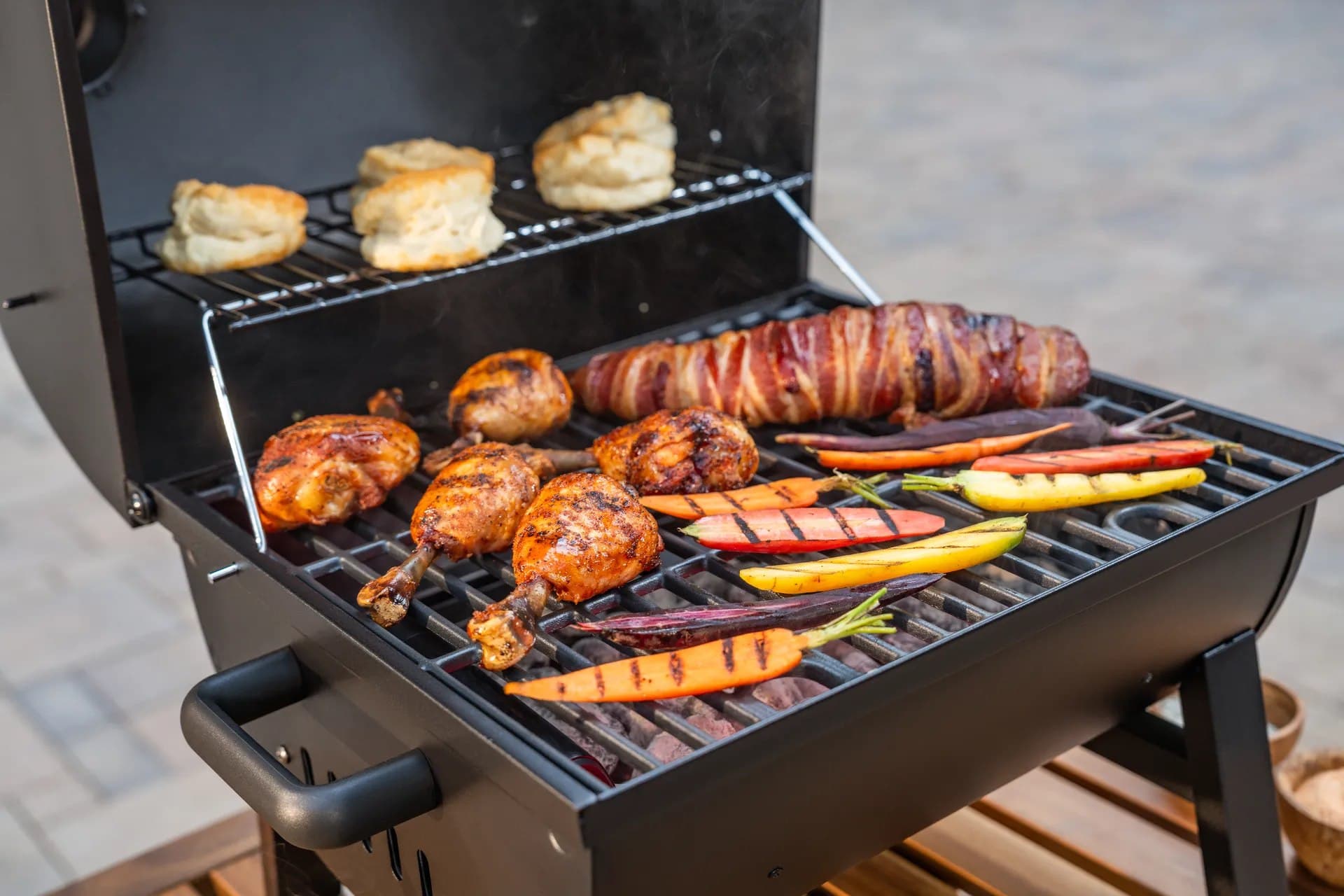
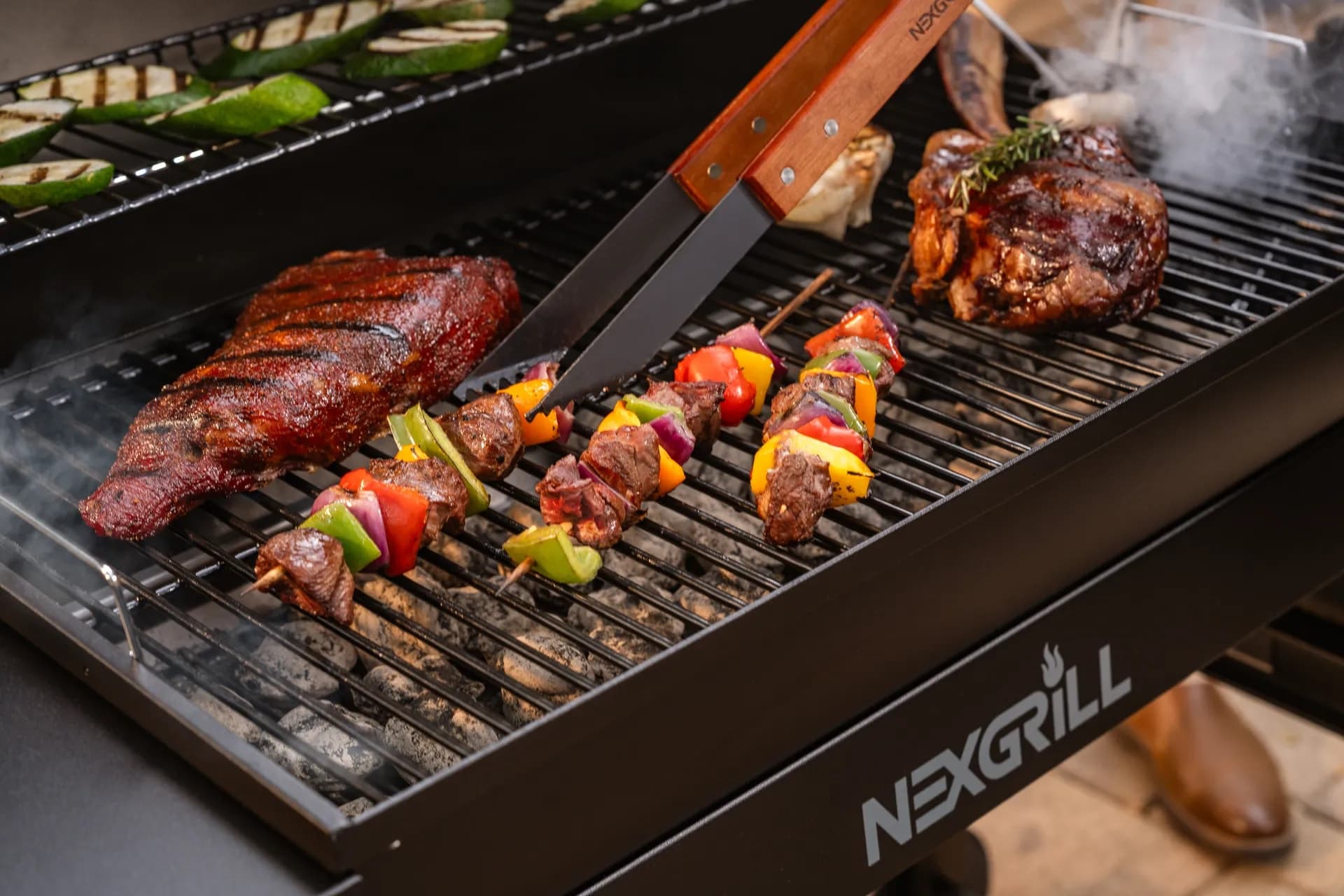
Meat recipes are where charcoal often feels most rewarding because the smoke and char create a stronger contrast against the seasoning. For budget-conscious cooking, chicken and pork usually give the best ratio of flavor to cost. A spatchcocked whole chicken with a salt, pepper, garlic, and smoked paprika rub is a strong value choice because one bird can feed several people. A tri-tip or flank steak can be a great splurge-leaning option when bought in smaller portions and sliced thin across the grain to stretch the serving count. Pork shoulder steaks, often overlooked, are one of the smartest bargain cuts for the grill because they handle charcoal well and stay juicy with a simple marinade.
For a more practical price picture, chicken thighs might cost around $2.50-$4.00 per pound, while pork chops can range higher depending on thickness and cut. If steak is on the menu, choose a cut that gives you enough flavor without forcing the whole meal into premium territory. A flank steak served with grilled onions and a corn salad can still feel elevated without becoming an expensive centerpiece. For seafood, salmon portions are often the higher-cost choice, but they work beautifully with cedar-style smoke or a quick cedar plank alternative if you want a special occasion meal.
Vegetable Recipes
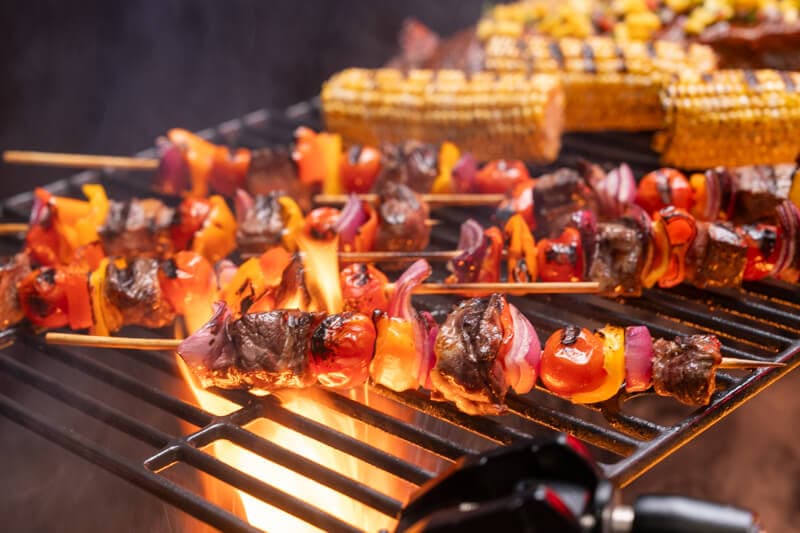
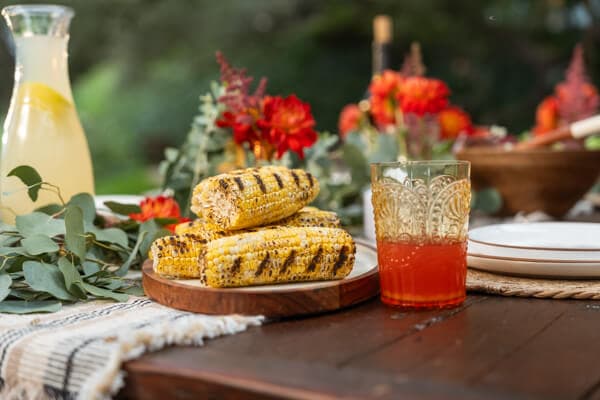
Vegetables are the easiest way to make charcoal grilling feel abundant without driving up the grocery bill. Corn on the cob, zucchini planks, bell peppers, red onions, mushrooms, eggplant, and asparagus are all natural fits for live-fire cooking. A simple brush of oil, salt, and pepper is enough for many of them, though a finishing squeeze of citrus or a quick herb butter can make the meal feel restaurant-worthy. One especially good summer combination is grilled corn, zucchini, and red onion served with cotija or feta and fresh herbs. Another is mushroom caps filled with breadcrumbs, garlic, and chopped herbs, which give the grill a satisfying savory side dish at low cost.
Seasonality matters here. In the United States, corn and zucchini often offer excellent value in summer, while sweet potatoes and winter squash can become useful charcoal options in cooler months. Because vegetables cook quickly and can be grilled alongside meat, they help you make full use of each charcoal load. That translates into better fuel efficiency and more complete meals.
Unique Grilling Ideas
If you want to move beyond the standard backyard routine, charcoal is ideal for trying recipes that use smoke, char, and indirect heat in unexpected ways. Grilled peaches with honey and black pepper make a simple dessert or side for pork. Romaine hearts can be lightly charred and topped with a vinaigrette for a smoky salad base. Halloumi or thick paneer-style cheese can be grilled in slabs for a vegetarian main or appetizer. Even sliced watermelon can be kissed by heat briefly to bring out a sweeter, more concentrated flavor.
Warning: High-sugar marinades and glazes can burn quickly over direct charcoal heat. Apply them late in the cook or during the final minute on the fire.
These creative ideas matter because they widen the use of your grill beyond predictable dinner plates. They also help you build a menu around what is on sale. If peaches are inexpensive, they become dessert. If halloumi is available, it becomes a meatless centerpiece. That flexibility is part of what makes charcoal grilling feel both economical and inventive.
Grilling Techniques
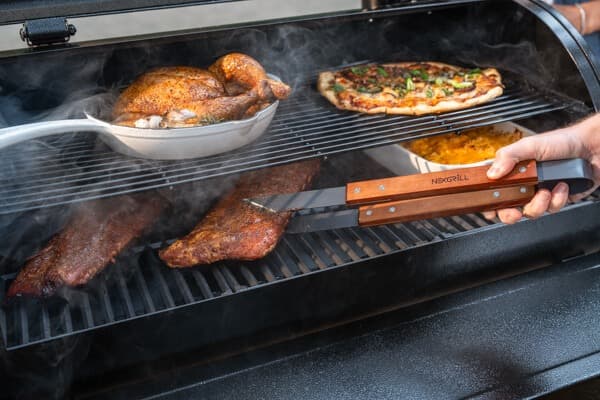
Technique is where good charcoal cooking becomes great charcoal cooking. Direct grilling works best for fast items like shrimp, thin chops, and vegetables that need quick browning. Indirect grilling is better for thicker chicken pieces, whole birds, and pork cuts that benefit from slower heat. Smoking over charcoal does not require a full pitmaster setup; you can add wood chunks or chips sparingly to build layered flavor without overwhelming the food. For beginners, two-zone cooking is the most useful skill because it gives you a hot side for searing and a cooler side for finishing. It reduces flare-up stress and makes it easier to keep costs down by saving food that would otherwise burn.
A simple workflow helps: preheat the charcoal until covered with gray ash, arrange it for the style of cooking you want, oil the grates lightly, and choose foods that match the heat zone. Thicker cuts should move to indirect heat after searing; vegetables can sit at the edge of the fire; and smaller items should be watched closely to avoid overcooking. Try comparing two products side by side below to see which fits best:
Cost Analysis of Charcoal Cooking
Once you have weighed two grilling approaches against each other, the next question is usually the one that decides what goes on the menu: how much will the meal actually cost? Charcoal cooking is often seen as affordable, but the real answer depends on three variables: the ingredient choice, the amount of charcoal used, and whether you cook efficiently enough to make one fire do more than one job. In practical U.S. household terms, charcoal grilling can be very cost-conscious when you plan meals around economical cuts and produce, and it can become expensive only when you choose premium proteins without balancing the rest of the plate.
| Meal Type | Typical Food Cost for 4 | Estimated Charcoal Cost | Approx. Total |
|---|---|---|---|
| Chicken thigh dinner with grilled vegetables | $18-$28 | $1-$3 | $19-$31 |
| Pork chop plate with corn and onions | $20-$32 | $1-$3 | $21-$35 |
| Steak-focused meal with sides | $32-$60 | $1-$4 | $33-$64 |
| Vegetable-forward meal with halloumi or tofu | $14-$26 | $1-$3 | $15-$29 |
Charcoal itself usually remains a modest line item in the meal budget. A single cook session can range from roughly one to four dollars in charcoal depending on grill size, weather, burn time, and whether you are cooking a quick meal or a longer indirect setup. The bigger swing comes from food choice. A family dinner made with chicken thighs, corn, and zucchini can be dramatically cheaper than a steak-heavy spread, while still feeling complete and festive. That is why the smartest budgeting strategy is not just to buy less expensive food, but to design the whole plate around ingredients that perform well on charcoal and do not require expensive extras.
Info: If you want the lowest cost per serving, favor recipes that use one charcoal fire for an entire meal. Grilled protein, vegetables, and a fruit finish can all share the same heat setup.
Marinades and rubs are another place where cost can stay low while flavor climbs. A pantry-based marinade made from oil, vinegar, garlic, mustard, and herbs costs very little and works on chicken, pork, and vegetables. Dry rubs are often even more economical because they stretch across multiple meals. A smoked paprika, brown sugar, cumin, and chili powder blend can season chicken thighs one night and pork the next. For seafood, a citrus-and-herb mix gives bright flavor without needing many expensive additions.
If your goal is to reduce expense further, think about portion strategy. Chicken thighs and pork shoulder steaks are not only economical per pound; they are also forgiving if you are cooking for a crowd and need to stretch servings with sides. Grilled vegetables can fill that gap naturally, so you are not forced to buy more meat than you need. This is where charcoal cooking and budget cooking align nicely: the fire adds enough flavor that the rest of the plate can stay simple.
Conclusion
Charcoal grilling gives you a rare combination of flavor, flexibility, and value. With the right recipe choices, you can keep costs in check while still cooking meals that feel special enough for weekends, guests, or a simple summer reset. The smartest plan is to build around affordable proteins, seasonal produce, and techniques like indirect heat and two-zone cooking that help every ingredient taste its best.
If you treat the grill as a place to experiment, you will find that budget-friendly charcoal cooking is not boring at all. It is creative, generous, and easy to adapt to what is fresh, on sale, or already in your pantry. That is the real appeal: good food, good company, and a fire that rewards practical choices with memorable results.