Your Complete Guide to Buying a Rotating Pizza Stone Oven
Explore the features, benefits, and top brands for your next pizza oven purchase.
In This Article
Types of Rotating Ovens
Key Features Explained
Brand Comparisons
Introduction to Rotating Pizza Stone Ovens
A rotating pizza stone oven is built for one problem home cooks and small outdoor catering setups know well: how to keep a pizza evenly cooked when the heat inside an oven naturally concentrates in one direction. Instead of forcing you to turn the pie by hand every 20 or 30 seconds, the stone or cooking platform rotates as the pizza bakes. That simple movement helps balance the bake from edge to edge, which matters when you want a crisp bottom, properly melted cheese, and a leopard-spotted crust without a burnt side facing the hottest flame.
For buyers, this category has become interesting because it blends the control of a traditional stone oven with the convenience of automation. That is especially appealing if you are cooking for a family, hosting friends, or learning pizza at home and want fewer timing mistakes. A rotating design can make the learning curve feel shorter because it reduces the need to constantly babysit the pie. It is also one of the reasons these ovens are often discussed by people who value consistency more than theatrical wood-fired showmanship. Best Rotating Pizza Stone Ovens for Home Chefs
Key buying insight: the rotation is not just a novelty feature. It changes how predictable the bake is, especially in ovens where one side runs hotter than the other.
Nexgrill’s brand philosophy centers on accessible, dependable outdoor cooking for a wide range of users, from newcomers to more experienced grillers, and that same practical lens is useful when shopping for a pizza oven. The best rotating pizza stone oven is not always the one with the flashiest fuel source or the biggest headline temperature. It is the one that fits your cooking rhythm, your available space, and how often you actually plan to make pizza. If you are the kind of cook who wants Friday-night margheritas, Saturday flatbreads, and the occasional roasted vegetable side, the rotating feature can make those sessions smoother and more repeatable.
Another reason this category stands out is that rotating ovens often help newer buyers get closer to restaurant-style results without requiring advanced peel technique. With a standard fixed stone, even a slight delay in turning the pizza can lead to over-darkened crust edges or uneven topping melt. In a rotating oven, the stone helps the pizza pass through hotter and cooler zones more evenly, which can be a big confidence boost for first-time owners.
Types of Rotating Pizza Ovens
When comparing rotating pizza ovens, the first decision is not brand; it is format. Portable countertop models are the most common choice for home buyers because they are compact, relatively easy to move, and usually designed for quick preheat times. These are the ovens most likely to fit on a patio table or a small outdoor kitchen station. They are a good fit if you want occasional pizza nights without dedicating a permanent structure to outdoor cooking.
Built-in rotating ovens serve a different buyer. These are designed to become part of a more permanent outdoor kitchen or masonry setup. They tend to offer a more substantial cooking chamber, better wind protection, and a stronger sense of permanence, but they usually require a bigger budget and more planning. If you entertain frequently or cook for large groups, a built-in model can make sense because it is less about portability and more about creating a true cooking destination. Understanding the Costs of Rotating Pizza Stone Ovens
Wood-fired rotating ovens appeal to buyers who want classic fire-driven flavor and a more hands-on experience. The rotation helps balance the faster, more variable heat you get from burning wood, which is useful when one area of the chamber is radiant-hot and another is cooling slightly between fuel additions. The trade-off is that wood-fired cooking generally asks for more attention, more skill, and more cleanup than gas-powered alternatives.
Gas-powered rotating ovens, meanwhile, are often the most approachable for homeowners who want speed and control. They preheat quickly, are easier to regulate, and are typically simpler for weeknight use. Many buyers find gas especially attractive when they want a practical balance between performance and convenience. If your goal is to make Neapolitan-style pizzas without turning every cook into a fire-management exercise, gas rotation can be the sweet spot.
| Type | Best for | Main trade-off |
|---|---|---|
| Portable | Patios, small households, occasional pizza nights | Smaller cooking area and lighter construction |
| Built-in | Outdoor kitchens and frequent entertaining | Higher cost and less flexibility |
| Wood-fired | Flavor-focused cooks and traditionalists | More skill and cleanup required |
| Gas-powered | Convenience-minded home cooks | Less smoky flavor than wood |
The right type depends on your actual cooking habits, not your aspirational ones. A portable model is often enough if you make pizza once or twice a month. Built-in models are best when pizza becomes part of a broader outdoor-kitchen routine. Wood-fired ovens reward people who enjoy the process as much as the result. Gas models suit cooks who want to be ready fast and serve consistently.
Key Features to Consider
The most important feature in a rotating pizza stone oven is the rotation system itself, but buyers should not stop there. Rotation only helps if the rest of the oven supports even heat, stable temperature, and easy handling. Look at how the rotation is powered, whether it moves continuously or in steps, and how smoothly it turns under load. A jerky rotation can disrupt the bake, while a steady one helps give the crust a more uniform finish.
Stone material matters as much as the rotating mechanism. Cordierite is commonly valued for its heat tolerance and thermal shock resistance, while other stone or composite materials may prioritize faster heating or easier cleaning. A thicker stone usually holds heat better and can improve bottom crust development, though it may take longer to reach temperature. Buyers who make multiple pizzas in a row should pay attention to heat retention, not just initial preheat speed.
Size is another practical factor that changes the ownership experience. A larger chamber can handle bigger pizzas or more ambitious toppings, but it also demands more fuel and more patio space. Smaller ovens are easier to store and often heat faster, but they can limit dough size and batch cooking. If you like to host, consider whether the oven can comfortably take a 12-inch pie or whether you need capacity for something larger.
Tip: match the oven size to the pizzas you actually make. A slightly smaller oven with reliable rotation is often more useful than a big oven you rarely fully load.
Heating method is also critical. Gas ovens are easier to control and typically faster to restart between pizzas. Wood-fired ovens can deliver a more dramatic flavor profile, but they demand active fire management. Hybrid systems can be appealing if you want a mix of control and character. Buyers should also pay attention to ignition design, airflow, and how the heat source interacts with the stone so the underside of the pizza cooks at the same rate as the top.
| Feature | Why it matters | What to look for |
|---|---|---|
| Rotation speed | Affects even browning | Smooth, consistent movement |
| Stone material | Impacts heat retention and crust quality | Durable, high-heat-rated stone |
| Cooking size | Determines pizza diameter and batch speed | Fits your usual dough size |
| Fuel source | Changes flavor and convenience | Matches your cooking style |
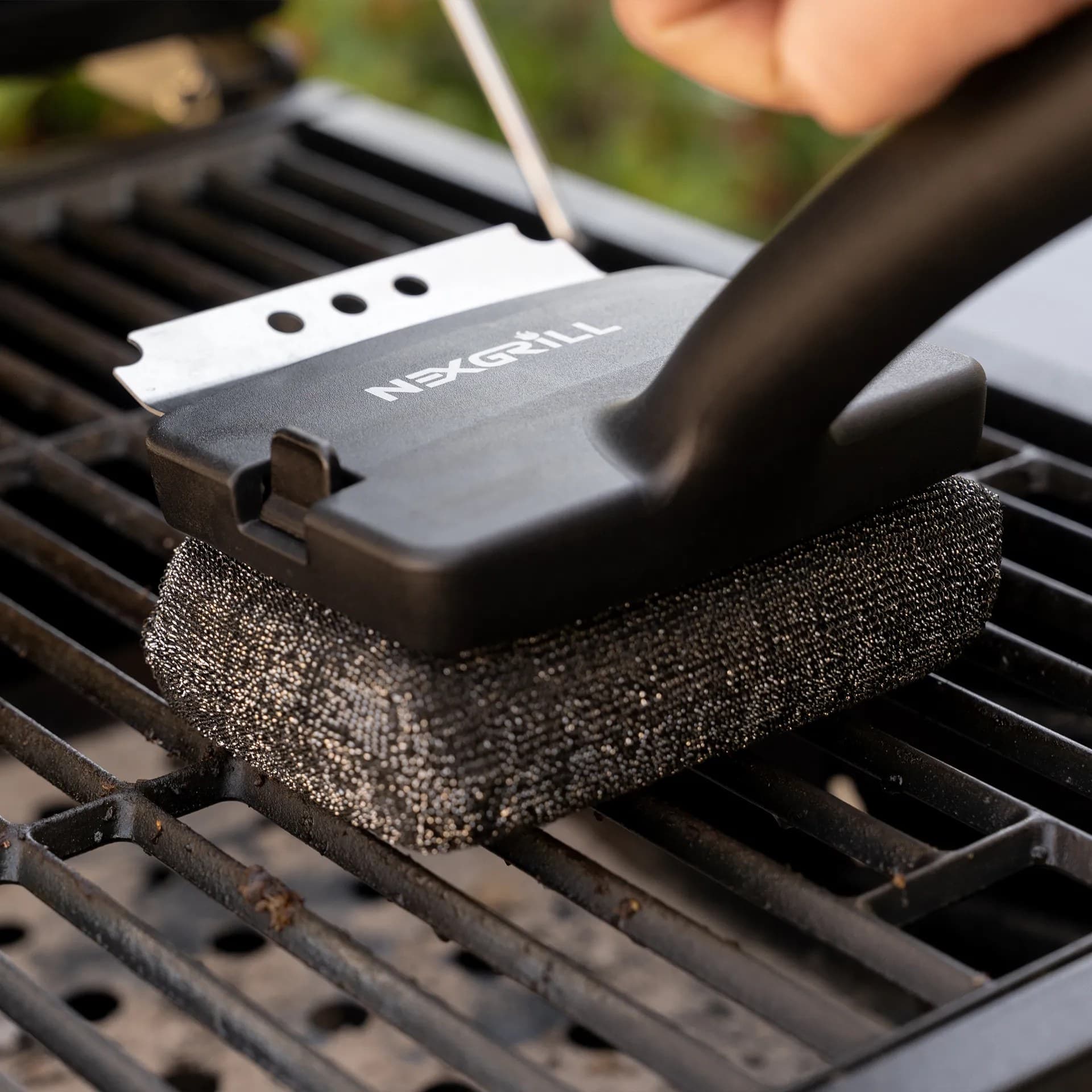
Ease of cleaning should also influence the purchase. Rotating platforms introduce moving parts and a surface that can catch flour, cheese drips, or sauce runoff. Some ovens have removable stones or easier-access chambers, which can save time after a cook. If you plan to use the oven often, maintenance convenience becomes part of the buying decision, not an afterthought. Essential Tips for Cleaning Your Pizza Oven
Benefits of Using a Rotating Pizza Stone
The main advantage of a rotating pizza stone is consistency. Pizza is one of those foods where a few seconds can change the result, especially in high-heat ovens. Rotation helps the pizza spend time in every zone of the heat chamber, which reduces the risk of one side overcooking while the other remains pale. That matters for both appearance and texture. Even color often translates to even bite.
Rotation also reduces the amount of manual handling required during the bake. That is a practical benefit for families, casual users, and anyone who feels nervous about launching and turning dough by hand. If the oven helps manage the turning, you can focus more on dough quality, topping balance, and timing the pull. For busy home cooks, that convenience can be the difference between using the oven regularly and letting it gather dust.
There is also a learning advantage. Many customers report that rotating ovens make early attempts more forgiving because the bake is less dependent on perfect technique. Even if your dough stretch is uneven or your toppings are a little heavy on one side, the rotating stone helps compensate by balancing exposure. That does not remove the need for practice, but it lowers the penalty for beginner mistakes.
Warning: rotation improves consistency, but it does not fix an underheated oven or overloaded dough. Preheat fully and keep toppings moderate for the best results.
A rotating stone can also improve social cooking. When you are entertaining, the oven becomes part of the gathering instead of a chore that pulls one person away from the table. That fits the broader Nexgrill-style spirit of cooking as a shared experience: the process should feel welcoming, not intimidating. If the oven is easy to manage, it is more likely to become a regular centerpiece for pizza nights, flatbreads, and quick appetizers. Try comparing two products side by side below to see which fits best.
If you're considering a rotating pizza stone oven, you might be wondering about the costs involved.
Many users look for a detailed review of rotating pizza stone ovens to better understand their features.