Buying the Perfect Pizza Oven for Your Backyard
A comprehensive guide to selecting the ideal outdoor pizza oven.

In This Article
Types of Pizza Ovens
Budget-Friendly Choices
Essential Accessories
Introduction to Outdoor Pizza Ovens
A backyard pizza oven changes the rhythm of outdoor cooking. Instead of building a meal around a single grill grate or waiting for delivery, you can turn a patio or deck into a shared cooking space where everyone gets involved. The best ovens are not just for pizza night; they also help with flatbreads, roasted vegetables, baked desserts, and quick weeknight dinners when you want something that feels special without a lot of fuss. For many buyers, the challenge is not whether to buy one, but which style will actually fit their space, budget, and cooking habits.
That is where a practical buying guide matters. A good outdoor oven should match the way you host, how often you cook, and how much hands-on fire management you want. Some people want the ritual and smoky flavor of a wood-fired oven. Others want the convenience of gas ignition and steadier heat. A smaller group prefers electric models because they are simple to power and easier to place in tighter outdoor setups. The right choice depends less on hype and more on how you want to use the oven on a real weekend, with real guests, real weather, and real cleanup afterward.
A useful rule: buy for the pizzas you will make most often, not the one perfect restaurant-style pie you might make once a year.
The main fuel types most backyard buyers compare: wood-fired, gas, and electric.
Types of Pizza Ovens
The first decision is fuel type, because it affects flavor, setup, startup time, and how much effort you will spend during the cook. Wood-fired ovens appeal to people who want the most traditional experience. They can create a lively flame, strong top heat, and a smoky finish that many pizza fans love. The tradeoff is that they usually demand more attention. You need to manage fuel, learn the fire pattern, and stay patient while the oven comes up to temperature. If you enjoy the craft of cooking as much as the food itself, that can be a positive. If you want a low-stress Tuesday dinner, it may feel like work.
Gas ovens usually offer the easiest balance for backyard use. They tend to heat up faster than wood-fired models, make temperature control simpler, and reduce the learning curve for first-time owners. That makes them a strong fit for households that want to cook pizza regularly without planning an entire evening around it. Gas also helps when you are hosting mixed-experience crowds; one person can manage the oven while everyone else handles toppings, sides, and drinks. If you are buying for family use or casual entertaining, gas often ends up being the most practical choice.
Electric ovens are less common in large open backyards, but they can still be attractive for covered outdoor spaces, condos with appropriate access, or homeowners who want predictable heat and very straightforward operation. They usually do not deliver the same char or flame personality as wood-fired models, yet they can be appealing for buyers who prioritize convenience, smaller footprints, and simpler temperature dialing. A lot of first-time owners underestimate how valuable consistency is until they are trying to make several pizzas in a row for a birthday party.
| Type | Main strength | Main tradeoff |
|---|---|---|
| Wood-fired | Distinct flavor and traditional cooking ritual | More time and skill to manage heat |
| Gas | Fast startup and easier control | Less fire-driven character than wood |
| Electric | Simple operation and steady temperature | Less dramatic browning and smoke |
Comparative Analysis: Wood-Fired vs. Gas vs. Electric
If you are comparing ovens side by side, think in terms of the full ownership experience, not just the cooking result. Wood-fired ovens are strongest when the process is part of the enjoyment. They reward people who like to experiment with wood quantity, flame placement, and bake timing. They are also appealing for cooks who want a centerpiece that feels like an event. The downside is that they can be less forgiving. Wind, damp fuel, and inexperience can all affect performance, especially during the first few uses.
Gas models are the most balanced option for many suburban backyards. They are usually quicker to start, easier to recover between pies, and less intimidating for new owners. That matters when you are making more than one pizza and want the second and third pies to be just as good as the first. For families with kids or guests who like to help, gas can make the experience more relaxed because there is less active fire management. The tradeoff is that some cooks feel gas lacks the romance and layered flavor of live wood.
Electric ovens are the quiet choice. They are often selected by users who value convenience, cleaner operation, and more compact placement. In practice, they are often best for smaller groups or cooks who want a dependable result without much fuss. The biggest limitation is that they generally do not create the same rustic finish that people associate with a wood-fired backyard oven. Still, for many buyers, that is an acceptable compromise if the goal is frequent home pizza without a steep learning curve.
Common mistake: choosing the most dramatic oven style instead of the one you will realistically use on a busy evening.
Top Brands and Models for Backyard Pizza Ovens
When buyers ask which brands deserve a look, names like Ooni and Gozney come up often because they are widely discussed by home pizza enthusiasts and reviewers. That said, the best choice is not just the most talked-about model. It is the one that matches your cooking goals. A compact Ooni-style oven may be perfect for a family that wants fast weeknight pizzas and portable storage. A larger Gozney-style unit may appeal to someone who wants a more substantial outdoor setup with a premium feel and room for more ambitious cooking.
In practical terms, buyers should examine the size of the baking surface, the maximum temperature range, the type of fuel support, and how fast the oven recovers after opening the door or launching a pizza. User testimonials on retailer sites often reveal the real ownership story: whether the oven heats evenly, whether the peel launches easily, and whether cleanup is manageable after several uses. One common pattern in user feedback is that owners love compact ovens for speed, but later wish they had planned for more space around the oven, better prep area, and a sturdier table or stand.
A backyard oven also needs to fit the overall outdoor kitchen, not just the pizza itself. If you already have a grill, prep cart, or side table, think about whether the oven can integrate smoothly with that setup. If not, you may need to budget for a dedicated surface and weather protection. That is often where buyers overspend or underspend. They focus on the oven price and forget the extras that make the setup actually functional.
| Brand example | Best for | Watch for |
|---|---|---|
| Ooni | Fast, compact, enthusiast-friendly cooking | Accessory and stand costs can add up |
| Gozney | Premium backyard setups with strong build appeal | Larger footprint and higher entry cost |
| Entry-level gas models | New buyers wanting easy, frequent use | Check heat recovery and stone thickness |
Try comparing two products side by side below to see which fits best:
Budget Considerations for Pizza Ovens
Once you have weighed two options against each other, the next question is usually cost. In the United States, backyard pizza ovens can span a wide range of budgets, and the sticker price only tells part of the story. Entry-level models may look affordable at first glance, but a buyer should also account for a cover, peel, turning tool, gloves, fuel, and a stable outdoor surface. Those add-ons can change the real cost by a meaningful amount, especially if you are building the setup from scratch.
A practical budget strategy is to decide whether you are buying for experimentation or for repeat use. If you think you will make pizza a few times a summer, a simpler, lower-cost model may be enough. If you expect regular weekend use, it can be smarter to spend more on an oven that heats quickly, recovers well, and is built with sturdier materials. That extra upfront cost can pay back in fewer frustrations and better long-term enjoyment. Many first-time buyers say they regretted buying too small before they regretted spending a little more for a better setup.
Budget-friendly options often make the most sense when they allow you to learn the basics without overcommitting. A modest gas model can be a strong entry point because it gives you reliable control while keeping the learning curve manageable. Wood-fired ovens at the low end of the market can be tempting, but they may require more patience and practice than beginners expect. If you are comparing price tiers, think in terms of value per cook, not just dollars paid on day one.
A good budget plan includes a reserve for accessories. Many new owners are happiest when they can buy the oven and the tools together instead of improvising later.
| Budget range (USD) | Typical buyer | What to expect |
|---|---|---|
| $200 to $500 | First-time buyers and occasional users | Smaller footprint, fewer extras, simpler setup |
| $500 to $1,000 | Families and regular home cooks | Better heat control, stronger materials, more flexibility |
| $1,000 and up | Frequent hosts and enthusiasts | Larger builds, premium finishes, more complete setups |
Must-Have Accessories for Your Pizza Oven
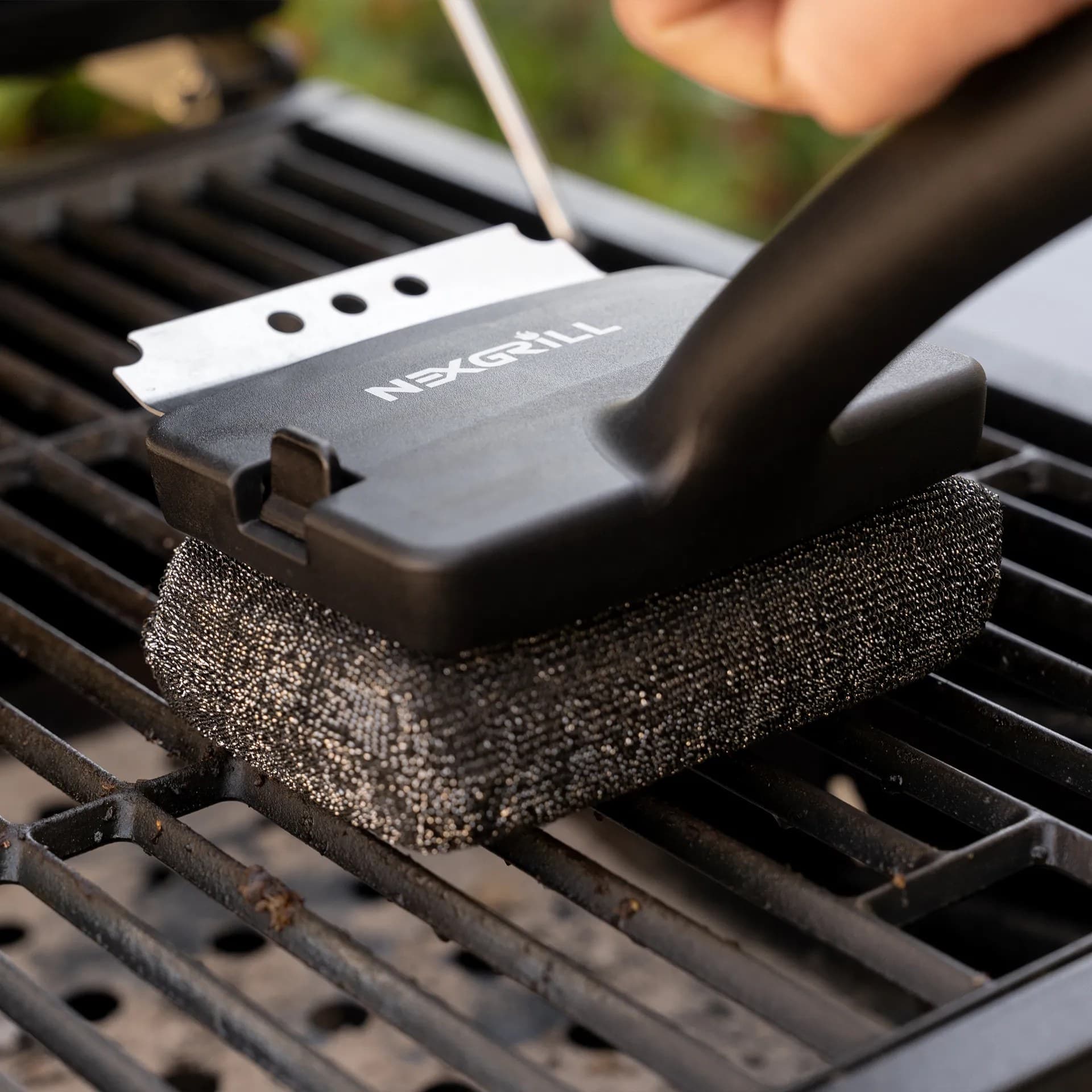
The right accessories are not optional if you want smooth backyard pizza night. A peel is the most obvious tool because it helps move dough in and out of the oven safely. Many experienced users also keep a turning peel nearby so they can rotate the pizza for even browning without burning the crust. Heat-resistant gloves, a good pizza cutter, and a brush or scraper for the stone or deck are also worth having from the beginning.
One practical accessory that often gets overlooked is a prep station. A clean, organized surface where dough can rest, toppings can be arranged, and finished pizzas can cool briefly makes the whole process calmer. If you are hosting friends, this is the difference between a fun pizza-making session and a cluttered kitchen relay race. A weather-resistant cover is another smart purchase because backyard ovens are exposed to rain, dust, pollen, and sun.
Serious Eats and other cooking publications commonly emphasize that tools should support speed and control, not just style. That is a useful mindset for backyard buyers: buy tools that help you move confidently from shaping to launching to serving. A smaller accessory kit can be more useful than a large bundle of gadgets you will never pick up after the first month.
Tip: match your peel size to the oven opening and your usual pizza diameter so you are not fighting the dough during the launch.
Maintenance Tips to Ensure Longevity
Regular maintenance protects both flavor and equipment life. After each session, let the oven cool as instructed by the manufacturer, then clear ash, crumbs, and baked-on residue. For gas units, inspect burners and connections periodically so you notice issues before your next gathering. For wood-fired ovens, remove leftover ash and store dry fuel away from moisture so your next fire starts cleanly and predictably. The goal is not perfection; it is keeping the oven ready for the next use.
A common mistake is neglecting weather protection. Backyard ovens face heat cycling, humidity, dust, and UV exposure. A fitted cover and a sensible storage location can extend the useful life of the oven and its accessories. Another mistake is using overly aggressive cleaning methods on delicate surfaces. Scrub the cooking deck appropriately, but avoid anything that could damage the material or leave harmful residue. If you are unsure, the safest move is to follow the care instructions for your exact model.
Maintenance also includes the habits around the oven. Keep the area uncluttered, check that the base is level, and make sure children and guests know where hot surfaces remain after cooking. Backyard pizza night should feel relaxed, but the best ownership experience comes from a few disciplined routines that prevent avoidable problems.
Conclusion: Making an Informed Purchase
The best backyard pizza oven is the one that suits your cooking style, your space, and your budget without asking you to become someone you are not. If you love the atmosphere of live fire and do not mind the learning curve, a wood-fired oven can be deeply rewarding. If you want dependable results with less effort, gas may be the smartest balance. If convenience and simple operation matter most, electric can be the right fit. Each path can produce excellent food when matched to the right owner.
Before you buy, take one final look at the full picture: oven size, fuel type, accessories, installation surface, and maintenance needs. Then compare models with your actual backyard in mind. A thoughtful purchase usually leads to better pizza, more confident hosting, and fewer regrets. For brand context, product browsing, and outdoor cooking inspiration, visit Nexgrill.