Essential Tips for Buying a Pellet Grill with High-Temperature Searing
Maximize your grilling performance with proper maintenance and high-temp searing techniques.
In This Article
High-Temperature Searing
Maintenance Matters
Choosing the Right Model
Understanding High-Temperature Searing
High-temperature searing is the stage of cooking where a pellet grill moves beyond steady smoking and into direct, aggressive heat. For buyers comparing pellet grills, this matters because searing is usually the point where the steakhouse finish happens: a brown crust on the outside, a juicy center inside, and enough surface heat to create flavor through the Maillard reaction. In practical terms, if you want a pellet grill that can do more than low-and-slow brisket or ribs, you need to evaluate whether the firepot, airflow, grate design, and heat-management system can generate and hold the kind of heat needed for short, intense cooking. Pellet grills traditionally shine at controlled smoking, but newer designs have improved the upper-temperature range and made them more useful for weeknight grilling, not just weekend barbecue.
The buyer question is not simply whether a pellet grill reaches a high number on the dial. The real question is whether it can recover heat quickly after the lid opens, create enough radiant heat at grate level, and do it repeatedly without becoming unstable. That distinction matters when you are cooking a thick ribeye, a chicken thigh with skin, or vegetables that need direct heat for color and texture. A grill that advertises a hotter maximum temperature can still disappoint if the cooking chamber loses heat too fast or if the grate sits too far from the flame area. In other words, searing performance is a system-level feature, not just a temperature badge.
When comparing pellet grills, look past the headline temperature and ask how the grill concentrates heat at the grate surface.
A well-designed pellet grill can brown food faster and more evenly than a model that merely lists a higher maximum setting.
For buyers in the United States, this is especially important because many families want one grill that can smoke on Sunday and sear on Tuesday night. A versatile pellet grill reduces the need for a separate gas grill, but only if the unit is built to support both styles of cooking. That is why searing capability should be treated as a core purchase criterion rather than a nice extra. If your dinner routine includes reverse-seared steaks, thick burgers, pork chops, swordfish, or blistered vegetables, then a high-temperature-capable pellet grill gives you more flexibility without changing fuel types or outdoor equipment.
Nexgrill’s approach to outdoor cooking emphasizes practical versatility, and that perspective fits this buying decision well. The point is not chasing the biggest possible number; it is buying a pellet grill that supports reliable heat control, durable construction, and easy upkeep so the performance you paid for actually lasts. In a crowded market, that is the difference between an exciting feature and a usable feature.
Benefits of High-Temperature Searing in Pellet Grills
The most immediate benefit of high-temperature searing is texture. A strong sear adds a crisp, flavorful exterior that improves the eating experience even before seasoning is considered. On steaks, that means a pronounced crust. On chicken, it means better skin. On vegetables, it means charred edges and deeper sweetness. Pellet grills that can reach and hold strong heat make these results more repeatable, which is valuable if you cook often and do not want to switch equipment depending on the menu. For households that like mixed meals, searing also lets you finish food faster. You can smoke a pork loin to doneness, then move quickly into a hotter zone for color, saving time and keeping dinner moving.
Another advantage is versatility. A pellet grill with strong searing ability can handle the full range of backyard cooking: low-temperature smoking for ribs, moderate roasting for whole chickens, and direct high heat for finishing steaks or vegetables. That range reduces the need to compromise. Instead of choosing a smoker that is great only for long cooks or a gas grill that is fast but flavor-limited, you can buy a single unit that covers more of your routine. For many buyers, especially those with limited patio space, that consolidation is a major value driver.
High-heat capability also improves the way you cook for guests. If you are feeding a group in the United States during football season, summer holidays, or a neighborhood gathering, a pellet grill that can sear well helps you move batches efficiently. Thick steaks can be reverse-seared after a slow warm-up, while vegetables and bread can be finished at the end. You get more consistent timing and less waiting around for the grill to catch up. That matters when the grill is part of the social center of the meal, not just the appliance in the corner.
If your favorite meals include both smoke flavor and a crisp crust, prioritize a pellet grill designed for fast heat recovery and direct-grate browning.
There is also a maintenance angle here. Grills that sear well tend to show the effects of neglect faster. Grease buildup, ash accumulation, and airflow restriction can quickly reduce the kind of intense heat needed for browning. That means buyers who want better searing should also be thinking like long-term owners from day one. The best purchase is the one you can keep performing well, not just the one that looks good on arrival. Pellet grills reward regular care because clean internals support cleaner combustion, better ignition, and more predictable searing across the life of the unit.
For readers comparing models, a useful test is to think in terms of meal outcomes. Can the grill smoke a rack of ribs in the morning and still brown steaks at dinner? Can it produce enough top-end heat for a fast crust without drying out the food? Can it maintain that performance after several months of use? Those are the benefits that matter in a real backyard kitchen, and they are why high-temperature searing is worth paying attention to when buying a pellet grill.
Essential Features for High-Temperature Searing
When shopping for a pellet grill with strong searing potential, the most useful features are the ones that improve heat delivery, not just comfort. Start with the firepot and heat management system. A well-positioned firepot and thoughtful airflow design help concentrate heat where the food actually sits. Some pellet grills rely on indirect heat alone, which is excellent for smoking but less effective for crust formation. Others add designs that bring more direct flame exposure or better radiant heat to the cooking surface. If searing is a priority, look for a model that clearly explains how it handles this transition between low heat and high heat.
Grate material matters too. Heavy-duty steel or cast-iron-style grates hold heat better than thin, lightweight surfaces, which can cool rapidly when food is placed on them. Better heat retention means stronger grill marks and more stable browning. Cooking surface layout matters as well. A grill with a well-zoned interior gives you room to sear in one area while keeping other food warm or finishing more gently elsewhere. That flexibility is useful for home cooks who do not want to babysit every item on the grate at the same time.
Controller quality is another key factor. A responsive digital controller helps the grill recover temperature after lid openings and keeps the setpoint more stable during windy or cold weather. In many parts of the United States, that is not a theoretical detail. Spring evenings, fall tailgates, and winter cook sessions can all expose weaknesses in a grill’s temperature management. If the controller is slow or the chamber leaks too much heat, searing performance becomes inconsistent. Strong sealing, solid lid construction, and dependable ignition are all part of the same story.
| Feature | Why it matters for searing | What to look for |
|---|---|---|
| Firepot and airflow | Concentrates heat where food cooks | Design that supports direct heat or strong radiant heat |
| Heavy cooking grates | Holds heat for better browning | Thicker steel or cast-iron-style surfaces |
| Responsive controller | Keeps temp steady during use | Fast recovery and accurate setpoints |
| Well-sealed lid | Reduces heat loss | Solid fit, durable hinges, sturdy body |
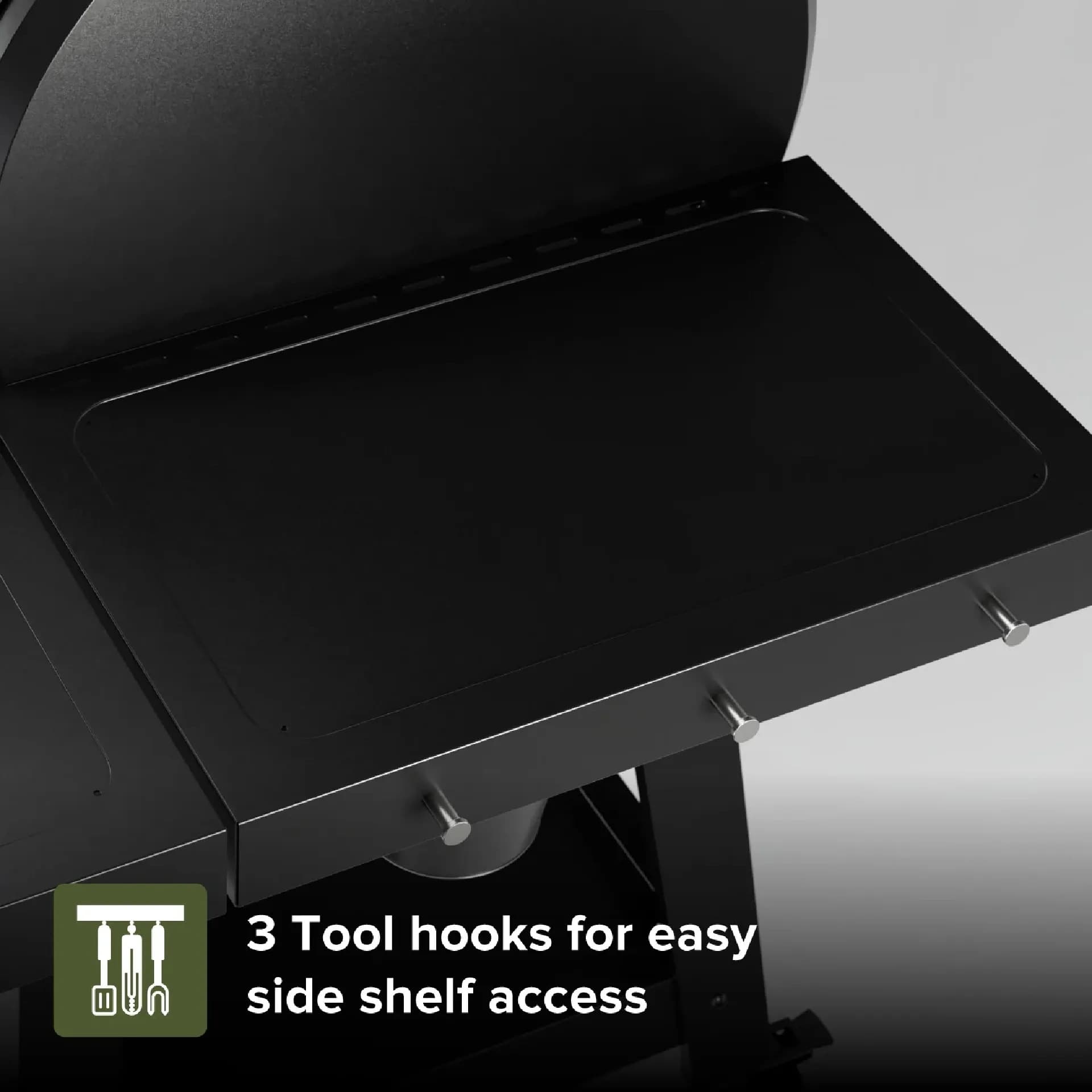
Accessories can also shape the outcome. A probe system helps you stop cooking at the right internal temperature before you move into the searing stage. A compatible cover protects the grill from weather, which matters because moisture and corrosion can undermine both ignition and airflow. Even something as simple as a sturdy spatula or tongs matters when you are working fast over hot grates. The best pellet grill purchase is usually the one that pairs these functional features with easy ownership, because the easier it is to use and care for the grill, the more often you will actually get the searing results you want.
Try comparing two products side by side below to see which fits best:
Why Maintenance is Key for Longevity
A pellet grill with great searing potential only stays great if the owner keeps it clean and mechanically sound. Maintenance is not just about appearance; it directly affects heat performance, pellet feeding, ignition reliability, and food safety. Ash buildup near the firepot can interfere with airflow and reduce how cleanly pellets burn. Grease buildup can create flare-up issues, smoldering odors, and unwanted heat inconsistency. Dirt and residue around gaskets, vents, and sensors can also make the controller work harder than it should. If the grill cannot breathe properly, it cannot sear properly.
Longevity is tied to routine care because outdoor equipment lives through heat cycles, weather exposure, and grease. A grill that is used hard for steaks on Friday and ribs on Saturday will accumulate buildup faster than one used only occasionally. That does not mean the grill is fragile; it means the owner should treat maintenance as part of the cooking routine. For pellet grills in particular, cleaning helps keep the auger feeding smoothly, protects the igniter from unnecessary strain, and preserves the cooking chamber’s ability to retain and distribute heat. Those factors matter even more in a searing-focused grill, because high-heat cooking exposes weaknesses faster than low-and-slow smoking does.
A practical way to think about maintenance is in layers. After each cook, you remove surface grease and food bits. On a regular schedule, you clear ash, inspect the firepot, and check the grates and drip path. Seasonally, you should examine wiring, lid fit, and wear on any exposed components. This layered approach protects both the grill’s lifespan and the quality of every meal. The better the maintenance, the more likely your grill will keep producing the kind of crust and color that made you want a pellet grill in the first place.
If you notice slower ignition, uneven browning, or weak sear marks, maintenance is usually the first place to look before assuming the grill has a performance problem.
For Nexgrill buyers, this is a practical value point. A well-maintained pellet grill delivers more of the performance you paid for over a longer period, which aligns with the kind of accessible, dependable outdoor cooking experience many households want. The best searing pellet grill is not only powerful on day one; it is the one that still starts quickly, heats evenly, and supports dependable family meals after many seasons of use.
How to Maintain Your Pellet Grill for Optimal Performance
Once you've compared a few models, the real difference between a good purchase and a great one is how well the grill holds up under regular use. Pellet grills are designed to be convenient, but convenience only stays convenient when the core components remain clean and aligned. For longevity and performance, the most important habit is consistency. You do not need a complicated service routine; you need a repeatable one that protects airflow, keeps the firepot clear, and preserves temperature stability for smoking and searing alike.
Start by thinking about the three parts of the grill that influence performance the most: fuel delivery, combustion, and heat retention. Fuel delivery depends on pellets staying dry and moving freely through the hopper and auger. Combustion depends on a clean firepot and enough oxygen flow. Heat retention depends on the lid, chamber, grates, and internal surfaces not being coated in residue. If any of those three systems fall behind, you will notice it in slower startup, weaker sear marks, longer preheat times, or uneven results from one side of the grate to the other.
For U.S. owners who use the grill through a full backyard season, it helps to build maintenance around usage patterns. A grill used for weekday chicken breasts and Saturday reverse-seared steaks should be checked more often than a grill used only a few times a month. Think of maintenance as protecting the cooking experience you bought. Clean internals make it easier to hit a hot surface quickly, and hot surfaces are what give pellet grills the edge when you want crisp edges, grill marks, and a better crust. When maintenance gets skipped, the grill may still cook, but it tends to cook more slowly and less evenly, which undermines the whole point of high-temperature searing.
A short maintenance routine after every few cooks is usually easier and more effective than trying to rescue a neglected grill later.
| Maintenance task | Recommended rhythm | Performance benefit |
|---|---|---|
| Empty ash from firepot area | After several cooks, or sooner with heavy use | Improves ignition and airflow |
| Scrape grates while warm | After each cook | Supports cleaner searing and easier cleanup |
| Inspect grease path and drip tray | Weekly during frequent use | Reduces flare-up risk and odor buildup |
| Check pellets for dryness | Every time you refill | Prevents feeding issues and uneven burn |
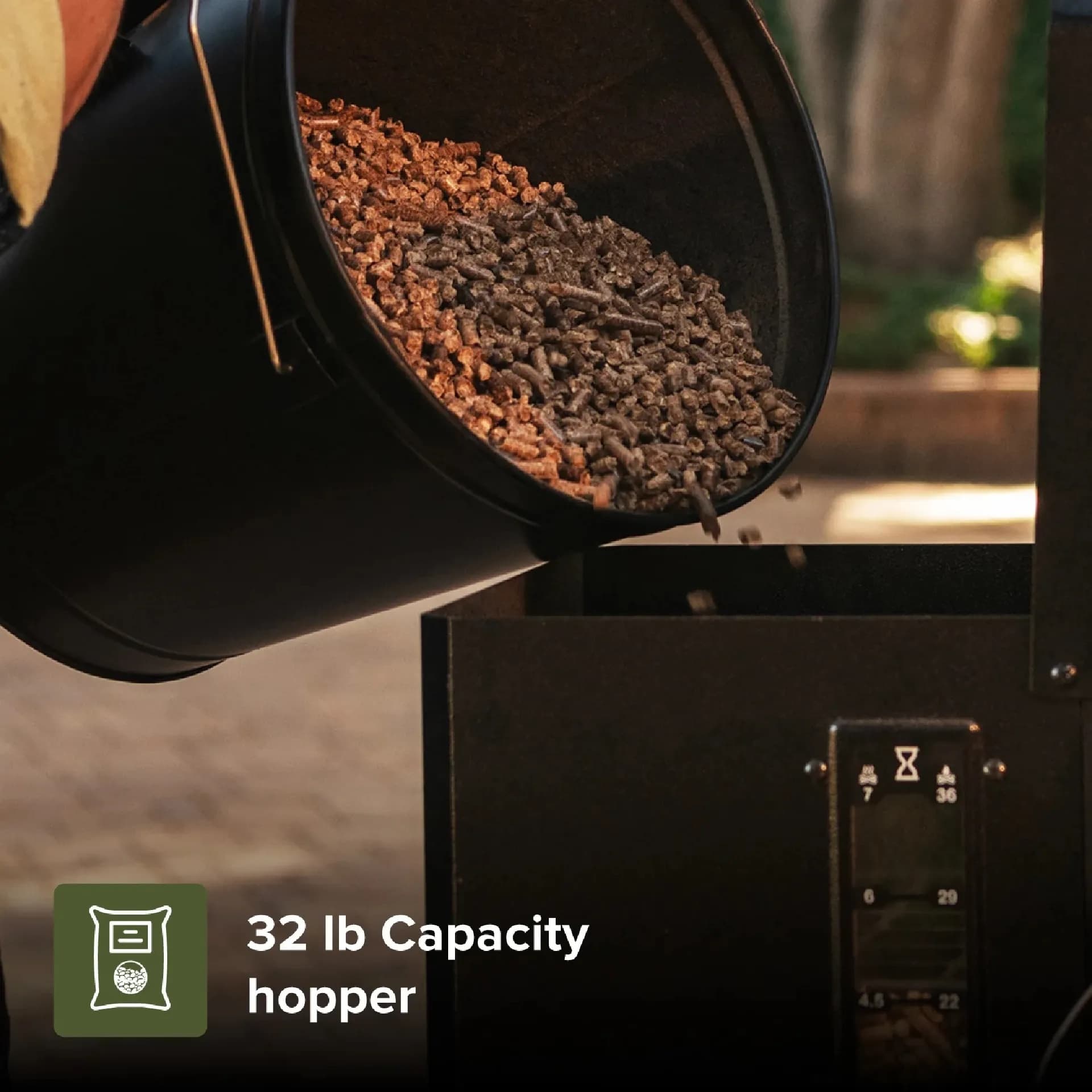
If you live in a humid region, pellet care matters even more because moisture can swell pellets and cause feeding irregularities. Keep pellets sealed and stored in a dry location, and do not leave a partially full hopper exposed to rain or condensation. A damp fuel supply can make the grill behave unpredictably, which is especially frustrating when you are trying to sear at high heat. A dry, clean fuel path is one of the simplest ways to preserve performance.
Tips for Cleaning and Care
Cleaning a pellet grill is less about scrubbing every surface perfectly and more about removing the buildup that interferes with cooking. The goal is to preserve heat flow and food quality. Begin with the grates. Warm grates are easier to clean, and removing residue while it is still soft makes the next searing session more effective. Once the grates cool, give them a deeper wipe if needed. For high-temperature cooking, clean grates matter because leftover carbon and grease can create sticking points that dull the crust on steaks and vegetables.
The firepot and ash collection area deserve equal attention. Pellet grills burn efficiently when the firepot has enough room for clean airflow. Ash buildup can choke combustion and weaken both startup and maximum temperature output. If the grill seems slower to heat or not as responsive as usual, ash is one of the first places to check. It is a small task with a big payoff, especially if you frequently use the grill for searing.
Grease management should be handled with the same care. Drip trays, grease channels, and catch cups can accumulate residue that creates smoke, odors, and flare-up problems. Cleaning these parts regularly helps the grill run more predictably and keeps flavor cleaner. This is particularly important when you are moving between smoking and searing in the same cook, because lingering grease can burn unevenly when the temperature climbs. If your grill includes removable parts, take advantage of that design. A few minutes spent cleaning removable components usually saves much more time and frustration later.
Use non-abrasive tools on coated or porcelain-finished parts so you do not create scratches that trap residue later.
The exterior deserves routine attention too. Wipe down the lid, handles, shelves, and cart surfaces so grime does not accumulate and so you can spot wear early. Protective covers help reduce weather exposure, but they are not a replacement for periodic inspection. Look for signs of rust, loose hardware, or damaged seals. Catching small issues early is one of the best ways to extend the life of any pellet grill. If the chamber closes more tightly and the internal parts stay cleaner, the grill will usually recover heat faster and sear more consistently.
Common Mistakes to Avoid with Pellet Grills
One common mistake is assuming the highest temperature number automatically equals the best sear. In reality, a grill can advertise impressive heat but still struggle at the grate if the design does not concentrate that heat effectively. Another mistake is loading the hopper with pellets and forgetting about storage conditions. If pellets absorb moisture, feeding and burning become less reliable, and that instability shows up exactly when you need consistent heat the most. A third mistake is ignoring buildup because the grill still turns on. Pellet grills often continue to function even when dirty, but the performance loss shows up gradually as longer warm-up times, weaker crust formation, and uneven browning.
Many owners also wait too long to clean the firepot or grease tray because they only notice the problem when food starts tasting smoky in the wrong way. At that point, the grill has been signaling a maintenance issue for a while. Searing is especially unforgiving of neglect because you are relying on intense heat and clean airflow. If the combustion zone is dirty, the grill can become less responsive and less predictable. That does not just affect flavor; it affects timing, which is why a neglected grill often feels harder to use.
Another avoidable error is cooking on cold or dirty grates and expecting a restaurant-style crust. For best results, let the grill preheat fully, then make sure the grate surface is clean and properly heated before food goes on. Overcrowding is also a problem. Too much food at once can drop the grate temperature and create steaming rather than browning. If you need to sear a lot of food, work in batches and give the grill time to recover. That is one reason responsive controllers and strong heat retention are worth prioritizing when buying.
If your grill starts producing lighter sear marks or takes noticeably longer to preheat, treat it as a maintenance cue, not just a cooking quirk.
Selecting Accessories for Enhanced Grilling
The right accessories make a pellet grill easier to maintain and better at searing, especially if you want one setup to handle both smoking and high-heat finishing. A quality grill cover is one of the most practical purchases because it protects the unit from rain, dust, pollen, and UV exposure. That protection reduces the chance of corrosion and helps keep the exterior and control area in better shape over time. For anyone who grills outdoors year-round, the cover pays for itself in reduced wear.
Temperature probes are another smart accessory because they reduce guesswork. When you know exactly when a steak or roast is ready to move from indirect cooking to a final sear, you avoid overcooking and make better use of the grill’s heat capabilities. Good probes also help you develop a repeatable method, which matters if you like cooking the same cuts often. With repeatable internal temperatures, searing becomes a finishing step instead of an emergency rescue mission.
Cleaning tools deserve attention too. Use a sturdy scraper for grates, a non-abrasive brush for coated surfaces, and a vacuum designed for ash removal if your grill manufacturer recommends one. These tools help you stay ahead of buildup without damaging the grill’s interior. If your pellet grill includes a removable drip tray or heat deflector, use that design to your advantage and clean it on a schedule. Accessories that simplify maintenance are not extras; they are part of the ownership experience that preserves performance.
For buyers comparing product setups, think about the complete system rather than the grill alone. Fuel storage, cleaning tools, temperature probes, a durable cover, and the right cooking utensils all support better searing and longer life. That is the practical way to buy a pellet grill with high-temperature searing: choose the model, then support it with the accessories that help it perform consistently.