Discover the best high-heat gas grills for perfect steak grilling.
Here's what sets us apart from the competition
We position ourselves as delivering high-end outdoor cooking features and performance without premium-brand pricing, emphasizing “Quality Grills. Unbelievable Value.”
We offer gas grills, pellet grills, griddles, smokers, pizza ovens, portable/tabletop grills, electric grills, accessories, and replacement parts — allowing customers to stay within one ecosystem for all outdoor cooking needs.
We differentiate ourselves through smart grilling products like the Oakford smart pellet grill, including app-connected cooking controls and modern outdoor cooking technology.
Expert tips, buying guides, comparisons, and inspiration for choosing and getting the most out of your grill.
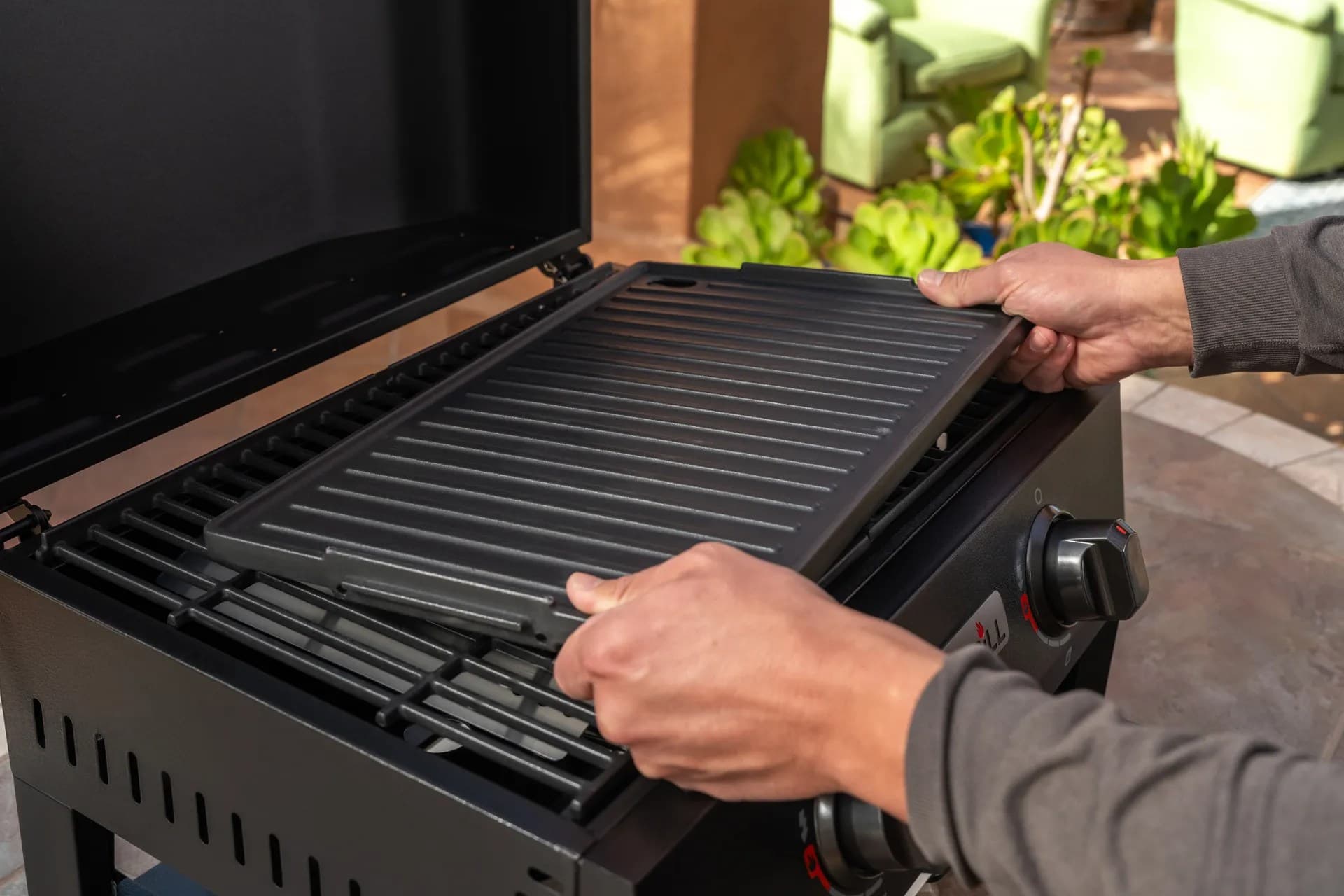
Practical guides for cleaning, maintenance, common grill issues, and performance optimization.
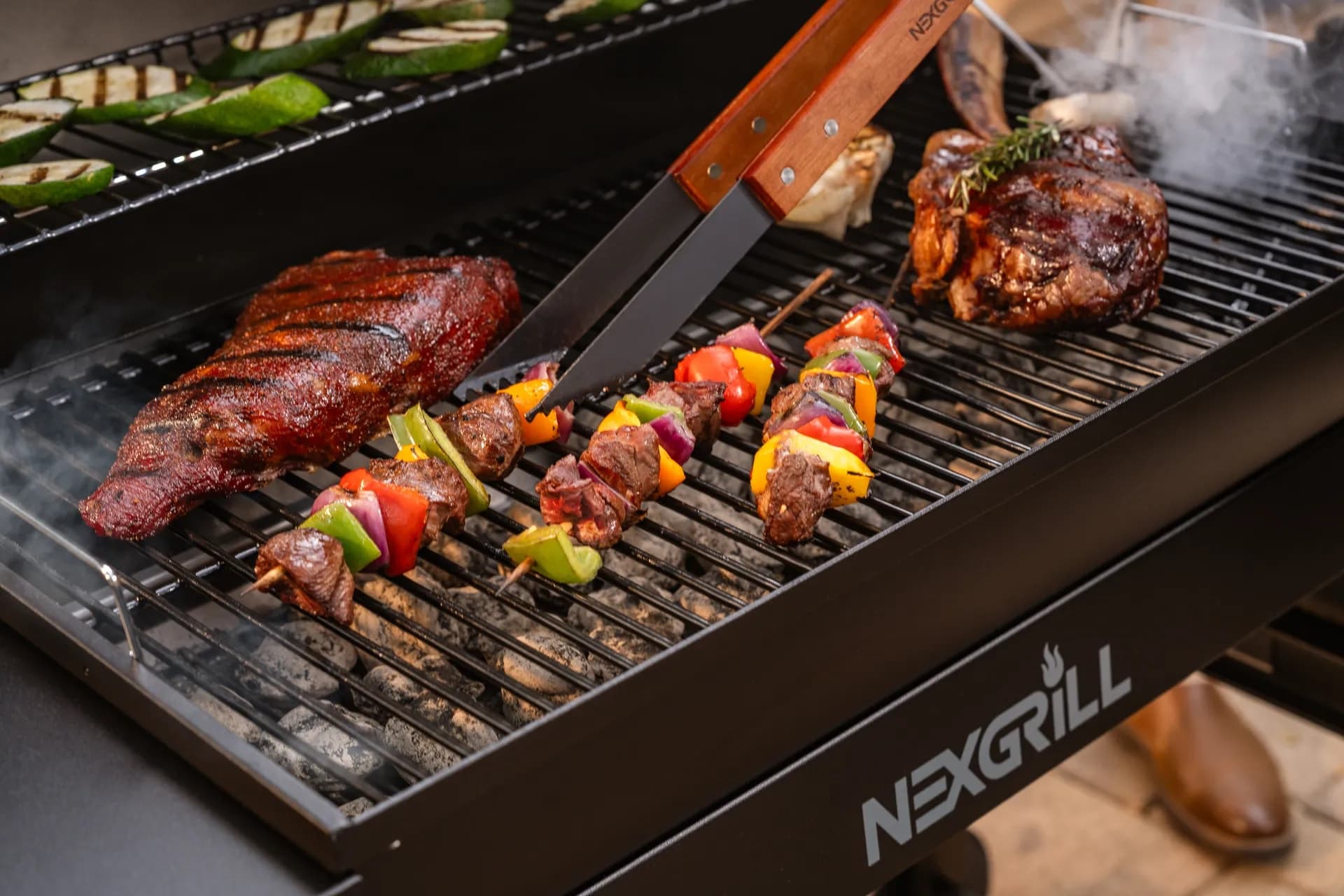
Step-by-step grilling recipes, cooking techniques, and meal ideas for every occasion and skill level.

Backyard entertaining ideas, seasonal grilling inspiration, and stories that celebrate outdoor cooking culture.
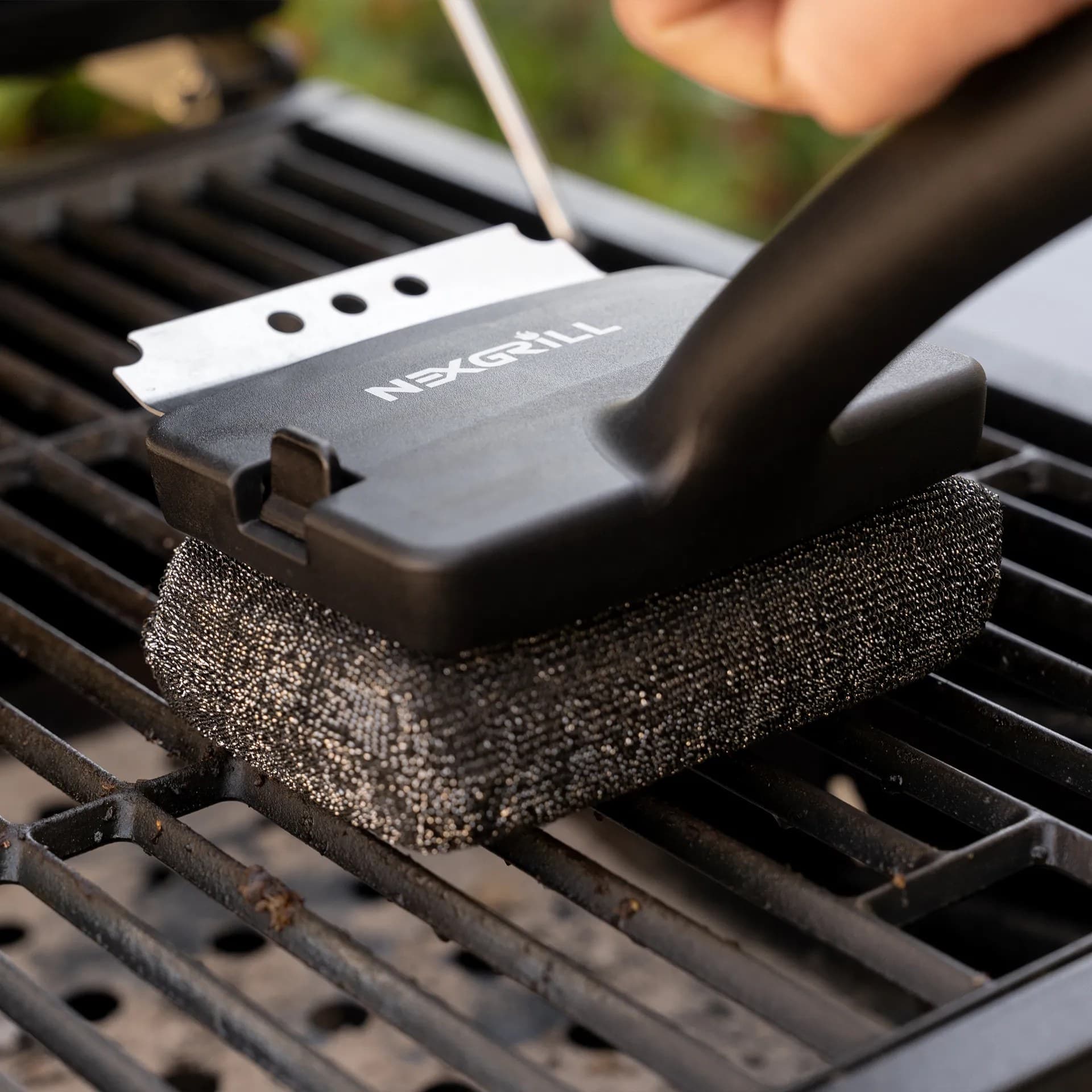
Helpful articles covering grilling tools, cookware, maintenance gear, and must-have accessories for outdoor cooking.
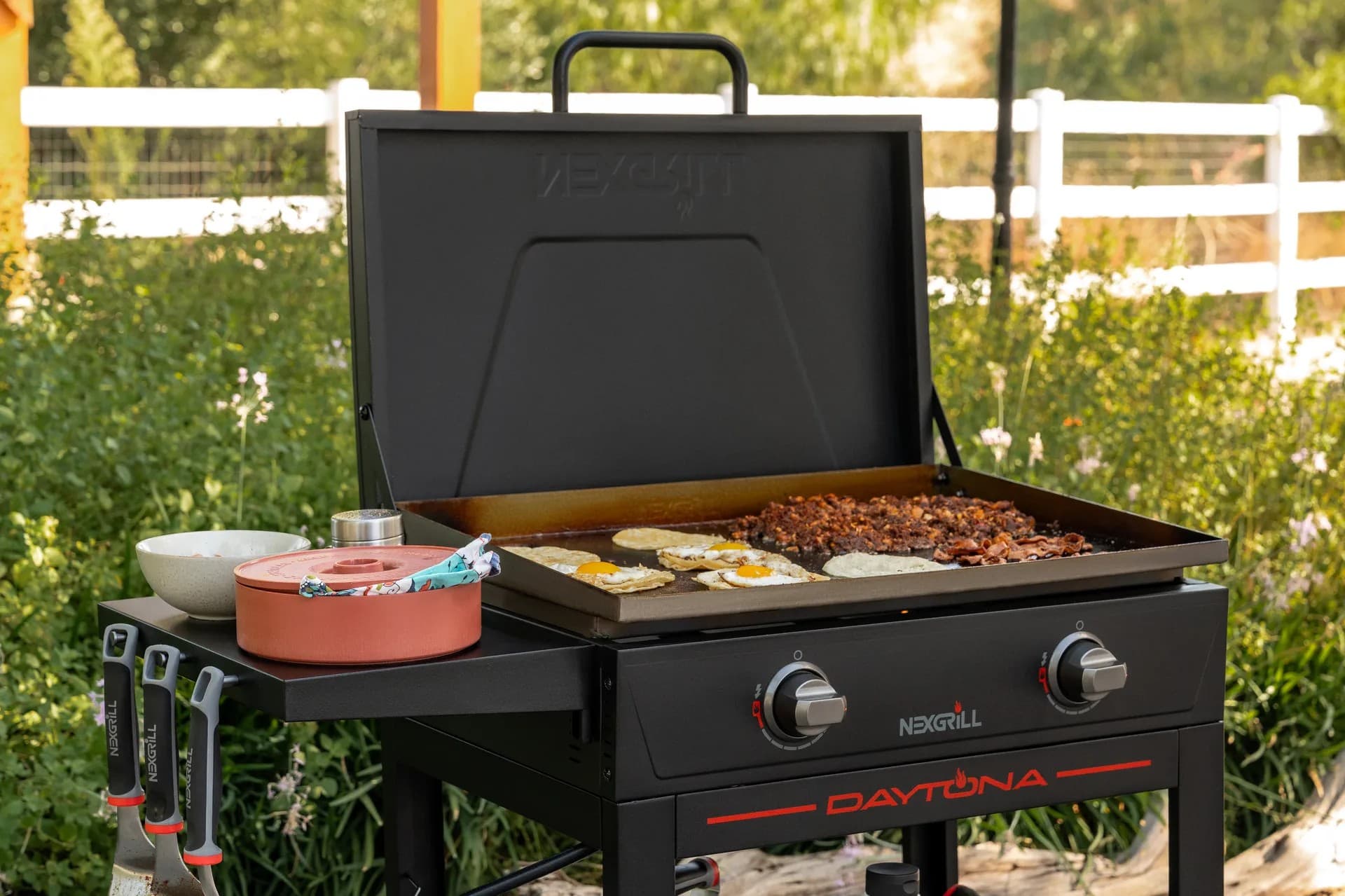
Find griddle recipes, cooking techniques, cleaning tips, and outdoor meal ideas designed for Nexgrill griddles.
Find answers to common questions
Nexgrill offers a variety of gas grills, including standard models, portable options, and premium designs with advanced features. Each is designed to cater to different grilling needs and preferences.
To clean your Nexgrill gas grill, regularly scrape down the grates, empty the grease tray, and wipe down exterior surfaces. Consult your model's manual for specific maintenance instructions and recommended cleaning products.
Nexgrill gas grills are designed to use either propane or natural gas, depending on the model. Ensure you read the specifications to determine the appropriate fuel type for your grill.
Many Nexgrill models can be converted from propane to natural gas with a conversion kit. Check the owner's manual for compatibility and details on the conversion process.
If your Nexgrill gas grill is not lighting, first check the fuel supply, ensure the gas lines are free of obstructions, and verify that the igniter is functioning. Consult the user manual for troubleshooting tips specific to your model.
In This Article
Why High Heat Matters
Top Grill Recommendations
Grilling Techniques
Buying a high-heat gas grill for steak is less about chasing the biggest flame and more about finding a grill that can hold intense, usable heat where it matters: across the cooking surface, at the grate, and during the last minute of searing. Steak responds best when the grill can create fast browning without forcing you to guess at temperature. That is why shoppers comparing gas grills for steak should look beyond marketing buzzwords and focus on heat delivery, grate material, burner layout, and how well the grill recovers after the lid opens.
Nexgrill’s approach to outdoor cooking fits this mindset well. The brand’s focus on accessible value and dependable grilling aligns with what many steak buyers actually need: a grill that gets hot, stays steady, and is practical enough for weeknight cooking and special-occasion dinners alike. Nexgrill’s broader product line spans gas grills, griddles, and pellet options, but for steak specifically, the sweet spot is a gas grill with strong burners, durable grates, and enough room to build direct and indirect heat zones without crowding the meat. That matters whether you are cooking ribeyes for two or strip steaks for a backyard gathering.
The most common mistake is treating all high-heat grills as interchangeable. They are not. A grill with a strong BTU number but weak construction can lose heat quickly, while a more balanced design can produce a better sear with less fuel waste. In practice, the best steak grill is one that gives you fast preheat, even surface heat, and simple control when you want to move from a crust-building sear to a gentle finish. That balance is what we will use as the lens for the rest of this guide.
For steak, heat control matters more than heat bragging rights. A grill that reaches high temperatures and recovers quickly will usually outperform one that only advertises a large BTU number.
That combination is what gives steak a browned crust and a juicy center.
Steak needs high heat because the flavor you want starts at the surface. The browning that develops on a hot grate is what creates the savory crust associated with a proper sear. If the grill is too cool, the steak spends too long warming up before it browns, which can lead to a gray exterior and less appealing texture. When the grill is truly hot, the steak’s surface can brown quickly while the inside stays tender and closer to the doneness you were aiming for.
High heat also helps with moisture management. A well-seared steak loses less surface moisture to a long, slow cook on a lukewarm grill. That means you get better contrast between the crust and the interior. This is especially important with thicker cuts such as New York strip, bone-in ribeye, or top sirloin. Those cuts benefit from a short, intense sear followed by a controlled finish, rather than one long blast of uneven heat. The grill should support that process with enough output to preheat quickly and enough flexibility to create different temperature zones.
When comparing high-heat gas grills, it helps to think about the heat path. Burners create flame, flame heats the metal components, and the metal radiates heat back into the food. That means construction materials are just as important as burner power. Heavy grates, robust burner tubes, and lids that retain heat all help the grill behave more like a steak tool and less like a generic outdoor cooker. Stainless steel components tend to resist corrosion and hold up well over time, while cast iron grates can produce strong searing contact if they are properly seasoned and cared for. In either case, the goal is the same: quick heat transfer from grill to steak.
Infrared grills deserve special mention because they deliver intense radiant heat that can be excellent for steak. They often excel at fast searing, but they are not automatically the best choice for every cook. Traditional gas grills can be more versatile for buyers who want to grill steaks, vegetables, chicken, and sides on the same system. If you like to reverse sear, cook over zones, or use the grill for everyday meals beyond steak night, a strong conventional gas grill may offer better overall value. If your main priority is blistering surface heat and you love an aggressive crust, an infrared-style sear zone or high-output burner setup can be a smart advantage.
BTU ratings help, but they do not tell the whole story. A grill with solid heat retention, good grate mass, and a tight-fitting lid can sear better than a higher-BTU model built with lighter materials.
If you are shopping for a steak-focused gas grill, narrow your list to models that can produce high surface temperature without sacrificing build quality. Nexgrill’s lineup gives buyers several practical paths depending on household size, cooking style, and budget. The right pick depends on whether you want a compact setup for smaller steak dinners or a larger surface that can manage multiple cuts at once. The comparison below focuses on what matters for steak: heat output, cooking area, materials, and everyday flexibility.
| Model | Best for | Steak advantage | Trade-off |
|---|---|---|---|
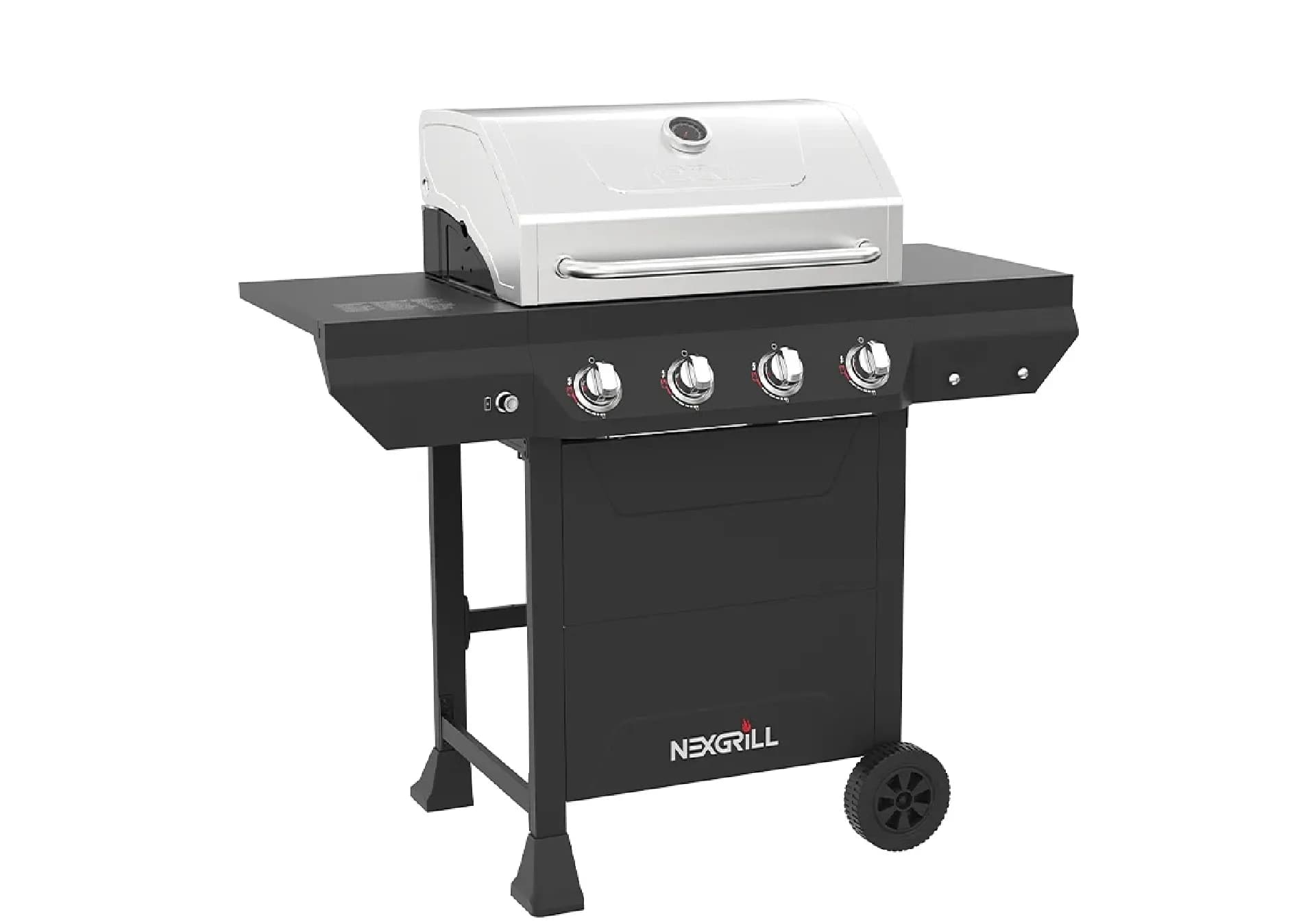
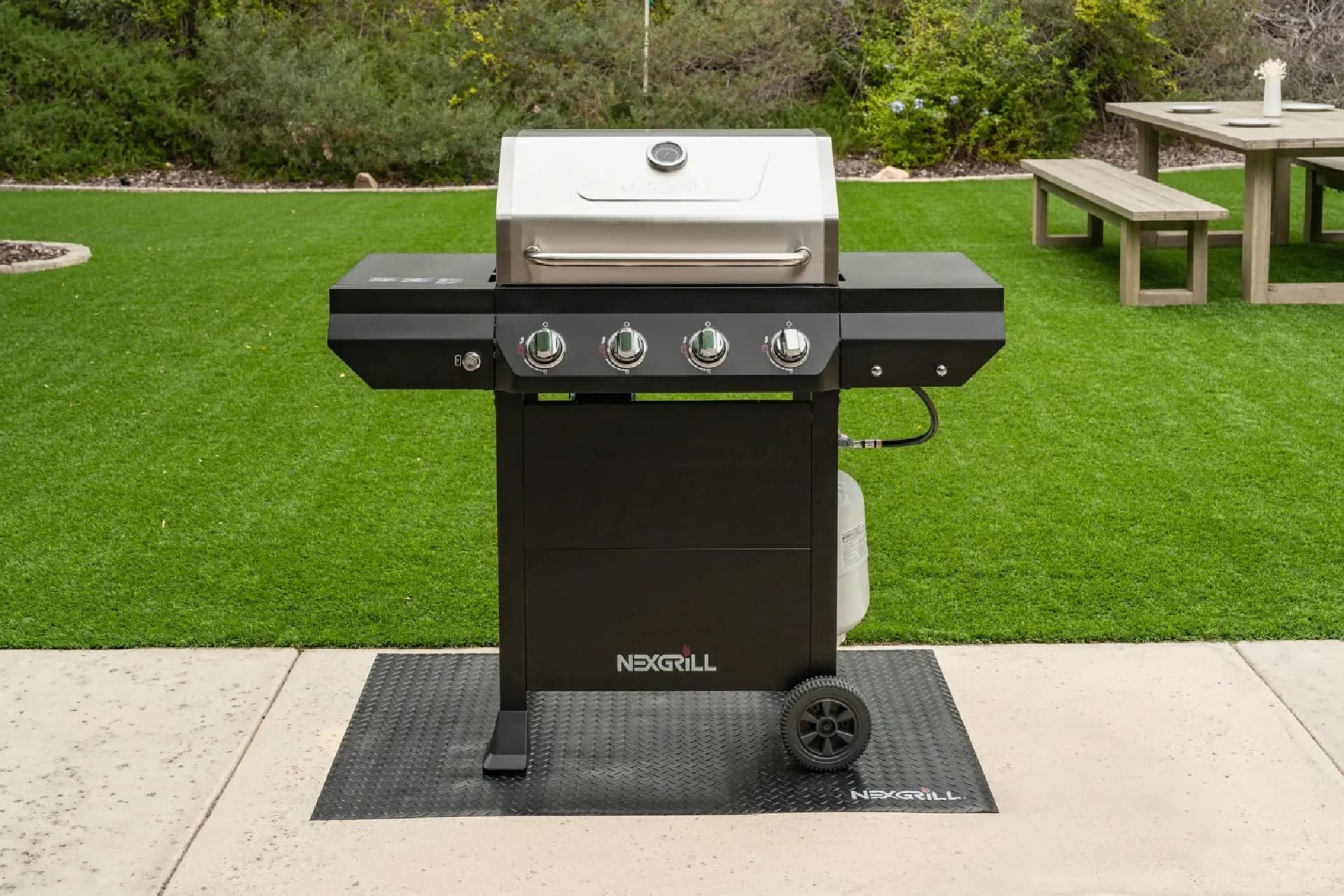
| 4-Burner Propane Gas Grill in Black with Stainless Steel main lid | Families and frequent grillers | Four burners make zone cooking easy for thick steaks and sides | Larger footprint than compact grills |
| 4-Burner Gas Grill with Side Burner in Black | Hosts who cook complete meals outdoors | High-output main cooking space plus a side burner for sauces or finishing | Side burner adds size without helping the sear directly |
| Deluxe 2-Burner Gas Grill | Smaller patios and couples | Simpler layout makes heat management straightforward for two steaks | Less room for large meal spreads |
| Daytona Pro 5 Burner Nitroguard Propane Gas Griddle | Steak lovers who also cook breakfast or smash burgers | Flat-top heat is useful for crusting and butter basting setups | Not a traditional grate grill experience |
| Oakford Pro 875 Pellet Smoker Grill | Buyers who want steak plus smoke flavor | Excellent for reverse sear and flavor layering before a hot finish | Pellet systems cook differently than direct gas searing |
For steak purists who want direct, high-temperature grilling, the 4-Burner Propane Gas Grill in Black with Stainless Steel main lid is a practical all-around choice because it gives you enough surface area to stage steaks, warm zones, and resting space without feeling cramped. If your meals often include sauces, vegetables, or a finishing pan, the 4-Burner Gas Grill with Side Burner in Black expands your cooking workflow. The Deluxe 2-Burner Gas Grill is a smarter fit for buyers who do not need a huge cooking surface and would rather concentrate heat on fewer steaks at a time. Smaller grills can be surprisingly effective for steak because they are easier to preheat and simpler to manage.
The Daytona Pro 5 Burner Nitroguard Propane Gas Griddle deserves a separate note. It is not a traditional grate grill, but flat-top cooking can be useful when you want consistent contact and controlled browning. Some cooks prefer a griddle for steak bites, sliced strip steak, or butter-basted finishing techniques, especially when serving a crowd. Meanwhile, the Oakford Pro 875 Pellet Smoker Grill is better suited to buyers who like a smoky pre-cook before a final high-heat sear. That makes it an interesting option for reverse-sear fans who value flavor complexity over pure direct-heat speed. If you want a more traditional steak-first experience, prioritize the gas grills with strong burner layouts and durable cooking surfaces.
One more selection factor is how often you plan to cook more than steak. If steak is your main goal but you also grill chicken thighs, corn, vegetables, or weeknight burgers, a versatile multi-burner gas grill will usually serve you better over time than a highly specialized setup. Try comparing two products side by side below to see which fits best:
Once you have compared two options and narrowed the field, the next step is learning how to use the grill to get steakhouse results. High heat helps, but technique decides whether the crust is even, the interior is juicy, and the finished steak tastes balanced rather than scorched. The first rule is preheating. Give the grill enough time to stabilize so the grates are truly hot before the steak goes on. A rushed preheat is one of the fastest ways to lose sear quality, because the meat cools the grate before the browning reaction can really begin.
A dependable method for many steaks is the 3 3 3 3 rule, which means roughly three minutes on the first side, three minutes on the second side, then another three-minute interval on each side after rotating or repositioning as needed. It is a starting point, not a law. Thickness, starting temperature, and grill performance all change the timing. Thin steaks may need less, while thick ribeyes or strip steaks may need a hybrid of direct heat and indirect finishing. The real goal is to watch the steak, not the clock. A crust should begin to form before you flip, and the steak should release more easily from the grate when it is ready.
For thicker cuts, reverse searing is often the smartest approach. Start the steak over gentler heat or off to a cooler zone until the inside is close to your target temperature, then move it to the hottest section of the grill to finish with a hard sear. This method works especially well on gas grills with multiple burners because you can create clear hot and cool zones. If your grill has a strong burner layout, you can use one side for searing and the other for holding or indirect cooking. That flexibility is one of the biggest reasons multi-burner gas grills remain popular for steak.
Let the steak rest after grilling. Resting allows juices to redistribute instead of spilling out when you cut into the meat. Salt and pepper are often enough for a good steak, especially when your grill is doing the heavy lifting. If you want to add butter, garlic, or herbs, do it near the end so they do not burn. For a more controlled finish, some home cooks also warm a cast-iron pan on the grill for a quick butter baste, though that is easier on a grill with strong, even heat and enough workspace.
Pat steak dry before it hits the grate. Removing surface moisture helps the crust develop faster and reduces steaming.
| Steak style | Best technique | Why it works |
|---|---|---|
| Thin sirloin or flank | Fast direct sear | Minimizes overcooking and preserves tenderness |
| Ribeye or strip steak | Direct sear with zone control | Builds crust while keeping the center juicy |
| Thick filet | Reverse sear | Creates a more even doneness from edge to center |
Temperature management becomes easier when your grill has multiple burners and a tight temperature envelope. If one burner is too aggressive and another too soft, you can end up with a steak that is charred on one side and underdone on the other. That is why even heat distribution is so important. When possible, preheat with the lid closed, then cook with the lid open or closed depending on the intensity you need. For very hot sears, many cooks prefer to keep the lid open briefly so they can monitor the crust. For thicker steaks, closing the lid can help finish the interior after the initial crust is built.
High-heat grilling creates more residue than low-and-slow cooking, so maintenance is part of the steak equation. The better you care for the grill, the more consistent your sears will be over time. Start with the grates. Clean them while they are still warm enough to loosen stuck bits, but not so hot that the process becomes unsafe. Brushing off debris after every session prevents carbon buildup that can interfere with contact between steak and grate. That contact is what creates the sear, so a clean surface is not cosmetic; it affects performance.
Next, check burners, grease trays, and ignition parts on a regular basis. Blocked burner ports can create uneven flames and hot spots that ruin a steak before it finishes cooking. Grease buildup is also a heat issue because it can ignite unexpectedly or restrict airflow. If your grill uses cast iron grates, keep them dry and lightly conditioned as directed by the manufacturer to reduce rust. If you have stainless steel surfaces, wipe them down to remove oils and weather residue. A cover helps, but it should complement cleaning, not replace it.
Storage matters too. If you live in a region with wet winters or humid summers, give the grill a deeper cleaning before long stretches of non-use. Remove ashes or debris if applicable, empty grease management components, and shut off fuel properly before covering the unit. For buyers in the United States who grill year-round, a quick monthly inspection is a smart habit: check hoses, look for signs of wear, confirm ignition is working, and make sure the lid and hardware still move smoothly. A few minutes of attention can extend the life of a good grill far more than frequent replacement will.
Do not ignore flare-up patterns. If steak drippings keep igniting in one area, the grill may need a grease cleanout or burner inspection before your next cook.
The best high-heat gas grill for steak is the one that combines strong direct heat, practical temperature control, and durable materials that can stand up to repeated searing. For many buyers, that means a well-built multi-burner gas grill with reliable heat distribution and enough surface area to create zones. For others, a more compact two-burner setup or a specialized high-output griddle may be the better match. The right choice depends on how often you cook steak, how many people you serve, and whether you want a steak-only specialist or a flexible outdoor cooking system.
If you keep heat management, grate quality, and maintenance in mind, you will be in a much better position to choose a grill that delivers better crust, better texture, and a more satisfying steak night overall. For additional steak-grilling method references, see Serious Eats: Steak Grilling 101, Food Network: How to Grill Steak, and Bon Appétit: How to Grill Steak.
Here's what sets us apart
We position ourselves as delivering high-end outdoor cooking features and performance without premium-brand pricing, emphasizing “Quality Grills. Unbelievable Value.”
We offer gas grills, pellet grills, griddles, smokers, pizza ovens, portable/tabletop grills, electric grills, accessories, and replacement parts — allowing customers to stay within one ecosystem for all outdoor cooking needs.
We differentiate ourselves through smart grilling products like the Oakford smart pellet grill, including app-connected cooking controls and modern outdoor cooking technology.
Don't just take our word for it
Keep reading
From our catalog