Your Guide to Buying Grill Grates Replacement
Essential insights for selecting the perfect replacement grill grates.
In This Article
Types of Grill Grates
Compatibility Matters
Maintenance Tips
Introduction
When grill grates start to warp, flake, rust through, or refuse to hold heat the way they once did, the entire cooking experience changes. Searing becomes uneven, delicate foods stick more easily, and cleanup takes longer because old buildup has nowhere to go but back onto your food. Buying grill grates replacement parts is not just a repair task; it is one of the fastest ways to restore control, improve flavor, and extend the useful life of a grill you already know and enjoy. For many backyard cooks, the right grate swap turns a tired grill back into a dependable everyday tool.
This guide is built for shoppers who want to buy grill grates replacement parts with confidence. The biggest mistake people make is choosing based on appearance alone. A grate that looks similar in photos may differ in thickness, bar spacing, material, or fit, and those small differences matter when the grate sits over real burners and real heat. Nexgrill’s product ecosystem is designed around practical outdoor cooking, and that same practical mindset applies here: the best replacement grate is the one that matches your cooking style, your maintenance habits, and your grill’s exact dimensions. Nexgrill’s broader product collection shows how much value comes from thoughtful, usable parts rather than flashy extras, which is a useful principle when evaluating replacement components too.
Even a small mismatch can affect heat distribution, stability, and lid clearance.
Replacement grates also influence what kind of cooking you can comfortably do. Cast iron excels when you want deep sear marks and strong heat retention. Stainless steel is often favored for durability and easier upkeep. Porcelain-coated surfaces can bridge the gap by helping reduce sticking while still offering solid cooking performance. Because each material behaves differently under heat and cleaning, choosing the right grate is as much about lifestyle as it is about hardware. If you grill frequently, the material you pick should reduce friction in your routine instead of creating another chore.
If you are replacing grates after seasons of wear, look at the whole system: burner condition, heat deflectors, grease management, and cooking grate dimensions all affect the final result. A new grate can make an older grill feel dramatically better, but only when the new part complements the rest of the grill. That is why it helps to compare not only the metal itself but also the intended use case, from weeknight chicken breasts to weekend steaks to vegetables that need steady, even contact with the cooking surface.
Types of Grill Grates
The three most common replacement grate materials are cast iron, stainless steel, and porcelain-coated metal. Each has a different feel on the grill, and none is perfect for every cook. The right choice depends on whether you care most about heat retention, easy cleanup, corrosion resistance, or the look and feel of the cooking surface. If you have ever wondered why one grill produces bold sear lines while another seems to cling to food, the grate material is often part of the answer.
| Grate Type | Main Strength | Best For | Trade-Off |
|---|---|---|---|
| Cast iron | Excellent heat retention and bold sear marks | Steaks, burgers, and high-heat cooking | Needs seasoning and rust protection |
| Stainless steel | Durability and low-fuss cleanup | Frequent grilling and mixed food types | Usually holds less radiant heat than cast iron |
| Porcelain-coated | Smoother release and good general-purpose use | Everyday backyard grilling | Coating can chip if scraped aggressively |
Cast iron grates are the favorite of many people who prioritize performance over convenience. Once properly heated, they hold temperature extremely well, which helps proteins develop strong crust and distinct grill marks. That heat retention also makes them resilient when food is added to the surface, because they recover temperature quickly. The downside is upkeep: cast iron should be kept dry, lightly oiled, and monitored for rust, especially in humid parts of the United States or on grills stored outdoors. If you enjoy the ritual of seasoning and do not mind a little extra care, cast iron remains a classic choice.
Stainless steel grates appeal to cooks who want something more forgiving. They generally resist corrosion better than bare cast iron and are easier to clean after sticky marinades or sugary sauces. For households that grill several times a week, stainless steel often strikes the right balance between performance and convenience. It may not create the same intense contact sear as heavy cast iron, but the trade-off is a grate that fits busy routines and survives more casual maintenance habits. Many shoppers prefer stainless steel when the grill lives on a patio year-round and must handle changing weather with less fuss.
Porcelain-coated grates sit in the middle. The coating can make food release easier and helps protect the underlying metal from direct exposure, which is useful for cooks who want easier cleanup without moving to a fully stainless steel surface. Their limitation is the coating itself: if you use sharp tools or aggressive scrubbing, chips can create weak spots where rust may form. They are best for careful owners who want a balanced, family-friendly option. Think of them as a practical everyday surface rather than a heavy-duty workhorse.
Compatibility Guide
Compatibility is the part that separates a successful replacement purchase from a frustrating return. Grill grates are not bought by brand name alone; they must match the cooking box dimensions, support ledges, grate shape, and sometimes even the burner layout. If you are replacing a grate in a Weber, Char-Broil, Traeger, or Nexgrill unit, the most reliable starting point is your owner’s manual or an exact measurement of the original grate. Measure width, depth, and, when relevant, the thickness of the metal bars and the spacing between support tabs.
A practical compatibility check should answer three questions: Does the grate fit the firebox opening? Does it sit securely on the intended support rails? Will the lid close properly after installation? Many shoppers focus on length and width, but ignore side supports or edge lips that keep the grate stable while cooking. If the new grate is too tall, it may interfere with lid clearance or warming racks; if it is too narrow, it can shift during preheating or cleaning. That is why exact product dimensions matter far more than generic “fits most” language.
| Brand Example | What to Check First | Common Mistake | Better Approach |
|---|---|---|---|
| Weber | Exact model number and grate dimensions | Assuming all same-size grills share grates | Match the part to the model, then confirm measurements |
| Char-Broil | Cookbox width, depth, and support style | Buying by burner count only | Compare grate shape and rail placement |
| Traeger | Whether the unit uses a grill grate insert or accessory grate system | Using gas-grill assumptions for pellet models | Verify the specific cooking surface design before ordering |
| Nexgrill | Model-specific part fit and current collection details | Treating grates as interchangeable across all Nexgrill units | Review model dimensions and the current all-products catalog |
Warning: a grate that is close in size but not exact can rattle, tilt, or create uneven hot zones that are hard to diagnose later.
For shoppers comparing replacement options across popular brands, it helps to think in terms of part geometry, not just brand identity. Two grills from the same manufacturer can use different grate setups depending on the year, lid shape, or cooking zone design. If possible, compare the old grate to photos, diagrams, or part numbers before ordering. That extra step reduces the chance of buying the wrong shape and having to repackage heavy cast iron or coated steel after the fact. Try comparing two products side by side below to see which fits best:
Benefits of Different Materials
Material choice affects not only performance but also the feel of ownership. A grate is one of the few parts of a grill that directly touches your food every time you cook, so the material should support the way you season, clean, and cook. The biggest benefit of cast iron is thermal mass. It stores heat exceptionally well and rewards patient preheating. For someone who wants steakhouse-style sear lines, that difference is easy to notice. It can also make vegetables and flat-cut proteins cook more evenly because the grate stays hotter when food is added.
Stainless steel offers practical durability. It is often the best match for owners who grill throughout the year and do not want to baby the hardware after every session. It handles wet marinades, salt, and frequent washing better than bare iron, and it fits the needs of families who want a reliable surface for everything from chicken thighs to asparagus. In a busy household, stainless steel often saves time because it is more tolerant of ordinary use.
Porcelain-coated grates are attractive to buyers who want a smooth-feeling surface and easier release with moderate upkeep. They can be especially appealing for cooks who mostly prepare weeknight dinners and want the cleanup to stay manageable. The key is care: avoid metal tools that can chip the coating, and do not burn off residue with harsh abrasion. If the coating stays intact, these grates can be a comfortable, versatile choice for many years.
Exact dimensions and support layout are the safest predictors of a successful replacement.
For buyers who want to keep the decision simple, use this rule: choose cast iron if searing is your top priority, stainless steel if you want the easiest long-term ownership, and porcelain-coated if you want a balanced everyday option with a smoother feel. That framework gets you much closer to the right purchase than shopping by price alone, and it aligns the grate with the way you actually cook rather than the way a product listing sounds.
Maintenance Tips for Grill Grates
Once you've weighed two options against each other, the next factor is how much work each grate will ask from you after purchase. Maintenance habits matter because grill grates live at the center of high heat, grease, moisture, and repeated scraping. If you want your replacement grates to last, cleaning them consistently is more effective than occasional deep scrubbing. The right routine depends on material. Cast iron needs drying and light oiling. Stainless steel tolerates more frequent washing. Porcelain-coated surfaces need gentler tools to avoid damaging the finish.
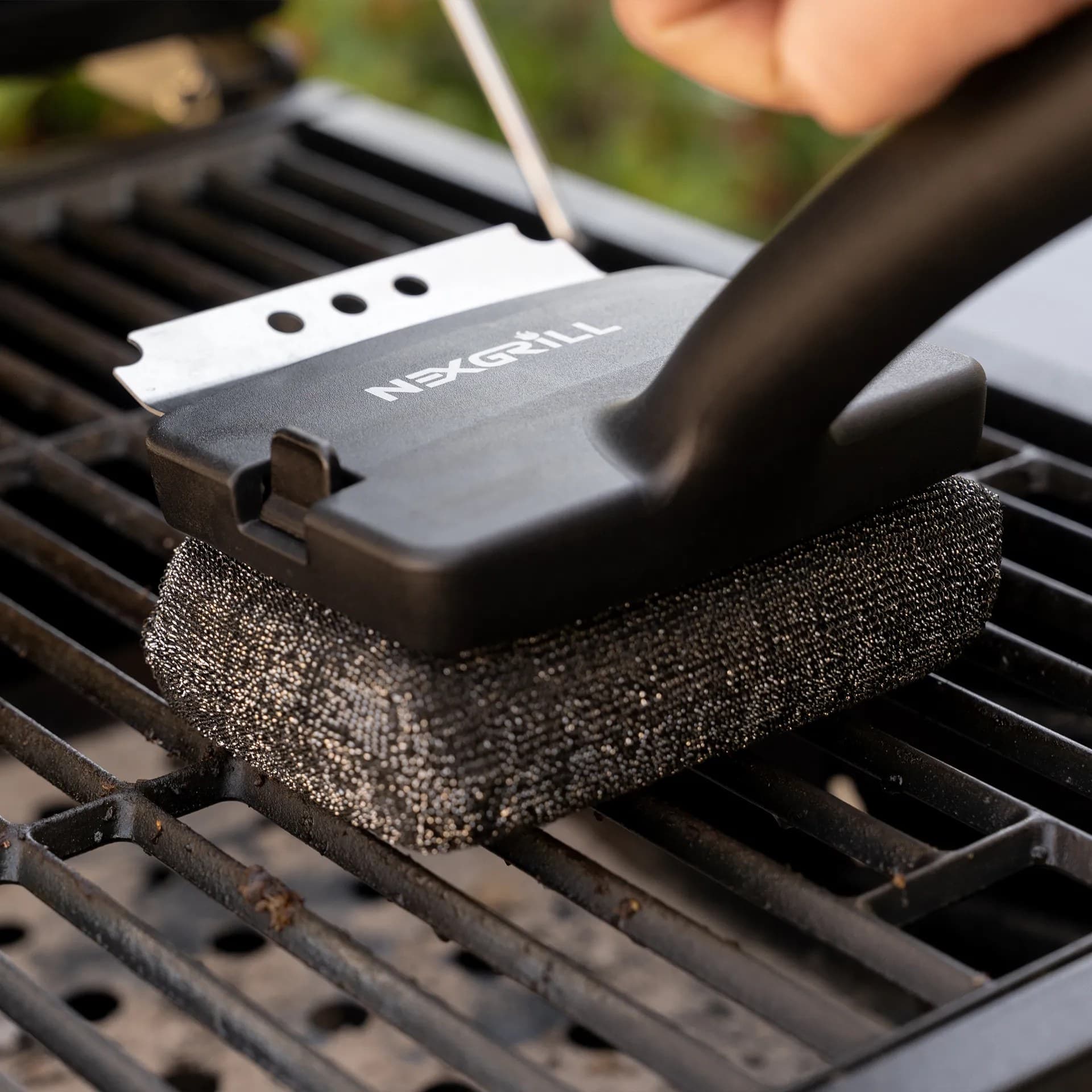
A practical post-cook routine is simple: let the grill stay hot for a few minutes after cooking, brush away residue, then wipe or oil the surface as appropriate once it cools slightly. This is especially useful after fatty foods, sugary marinades, or sauces that caramelize quickly. If you wait until the next day, grease hardens and makes the job harder. For cast iron grates, a thin layer of oil helps reduce rust risk and preserves the seasoned surface. For stainless steel, a warm-water cleaning and dry wipe are usually enough for routine use.
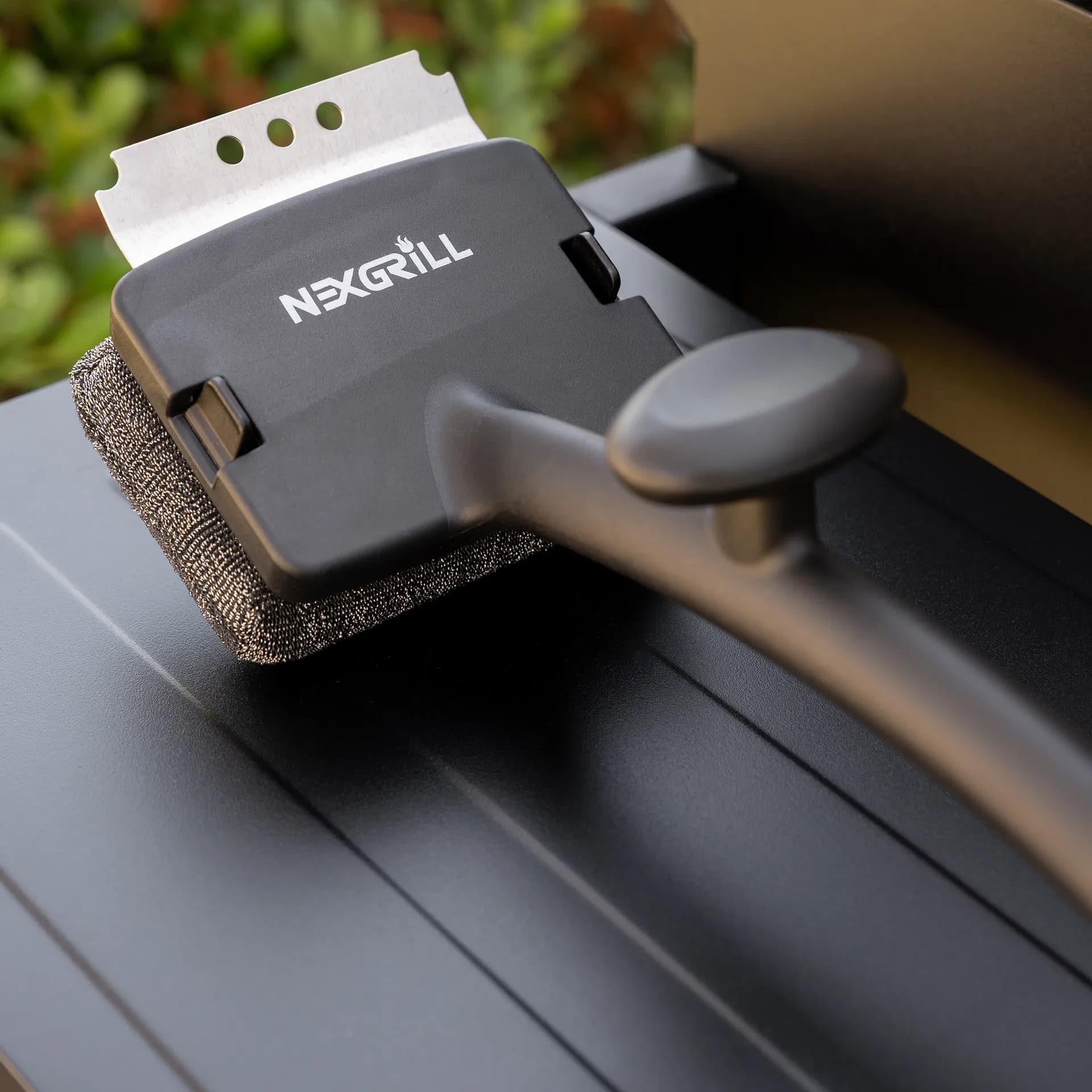
Tip: if you grill often, keep one brush dedicated to the grates and another tool for the firebox so residue does not spread back onto the cooking surface.
The maintenance advice offered by major grill brands is consistent for a reason: gentle, regular care works better than reactive cleaning after the grate has already degraded. Weber’s grill-care guidance emphasizes routine cleaning and inspection, while Char-Broil also stresses safe, ongoing upkeep to preserve performance over time. Those same principles apply to replacement grates across many brands, including the parts buyers compare at Nexgrill’s product collection.
Installation Guide
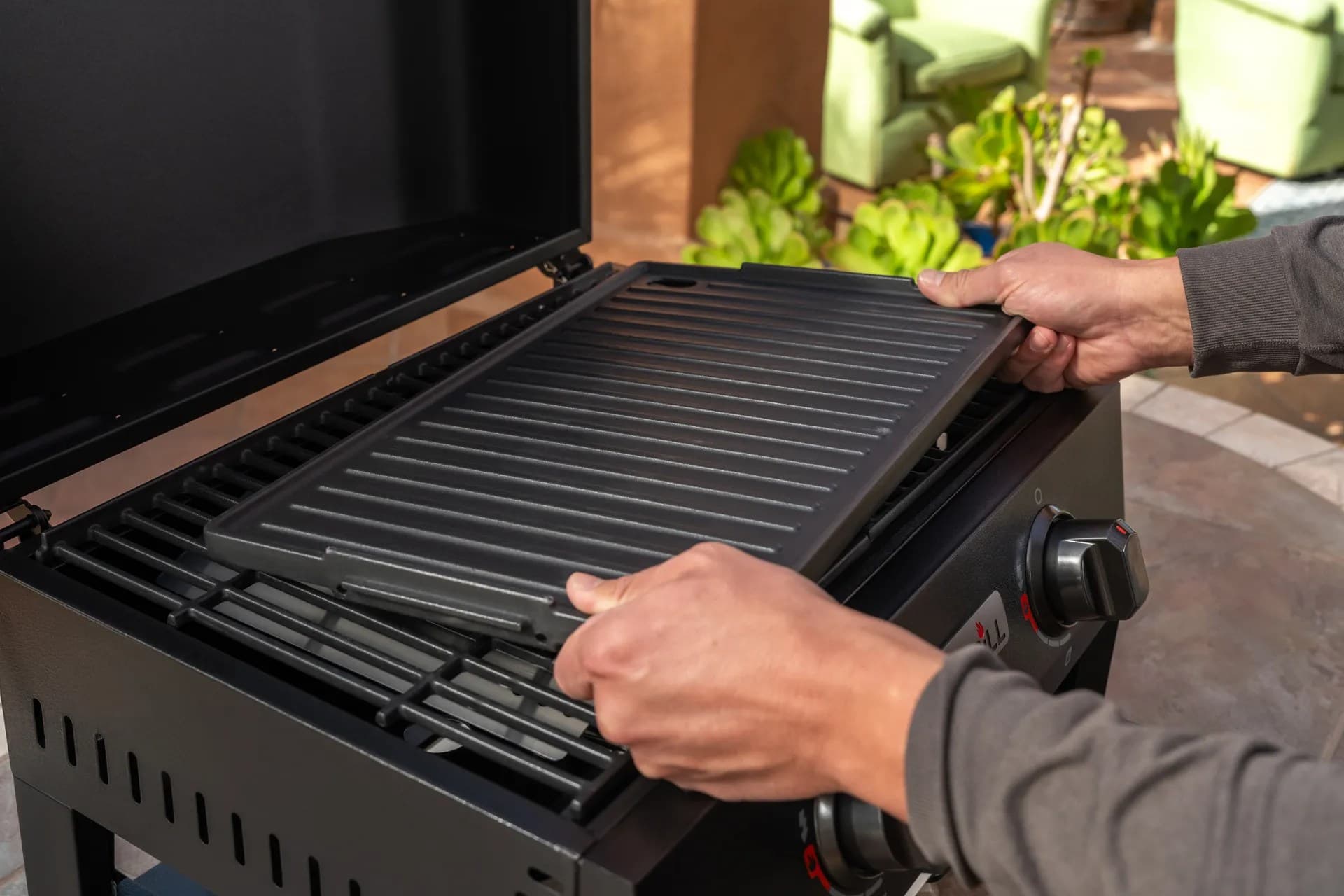
Replacing grill grates is usually straightforward, but the details matter if you want the new surface to sit securely and heat evenly. Start by turning off the gas supply or extinguishing the charcoal completely, then allow the grill to cool fully. Remove the old grates and inspect the support ledges underneath for rust, grease buildup, or bent metal. If those support points are damaged, even a perfectly sized grate may sit unevenly.
Before dropping the new grate into place, test its orientation. Some grates have rounded bars, a front lip, or a specific direction that aligns with the burners below. Place the grate on the supports without forcing it. If it rocks, slides, or sits proud of the frame, stop and recheck the part number and measurements. Good installation should feel stable immediately. Once installed, preheat the grill and confirm that the grate warms evenly and that the lid closes without interference.
1. Shut off fuel and let the grill cool completely.2. Remove the old grates and inspect support rails.3. Clean grease and debris from the cooking box.4. Set the replacement grate in the correct orientation.5. Check for wobble, lid clearance, and even seating.6. Preheat and confirm the grate heats consistently.Tip: photograph the old grate before removal. That image can help you confirm shape, tab location, and orientation when the new one arrives.
Customer Reviews & Recommendations
Customer reviews are useful when they focus on fit, finish, and how the grate performs after a few weeks of use rather than just the first unboxing impression. The most trustworthy reviews usually mention whether the part matched the listed dimensions, whether installation was simple, and how the grate handled real cooking conditions like burgers, vegetables, and repeated heat cycles. When reading reviews, give extra weight to comments that describe the exact grill model and the reviewer’s maintenance habits, because those details make the feedback more useful for your own purchase decision.
If you are shopping through Nexgrill’s broader parts and product ecosystem, start with the current all-products collection to understand what replacement and accessory options are available for your grill category. For comparison-minded shoppers, it is also smart to cross-check the style of grate material against trusted general guidance from BBQGuys, which explains why cast iron, stainless steel, and coated surfaces behave differently in everyday grilling.
| Best Fit For | Recommended Material | Why It Works |
|---|---|---|
| Frequent sear-focused cooking | Cast iron | Stores heat well and creates pronounced grill marks |
| Busy weeknight grilling | Stainless steel | Handles repeat use and cleanup with less effort |
| General family cooking | Porcelain-coated | Offers a balanced surface for varied foods |
For many shoppers, the best recommendation is not the fanciest option but the one that matches how they cook most of the time. A stainless steel grate may be the smartest buy for a household that grills year-round and values low-friction upkeep. Cast iron may be the stronger choice for a cook who loves steaks and does not mind seasoning. Porcelain-coated grates can be the most comfortable choice for someone who wants a smoother day-to-day experience. The best review is the one that confirms the grate solved a real problem, such as uneven heating, poor fit, or frustrating cleanup.
Conclusion & Call to Action
If your current grates are worn, corroded, or no longer cooking evenly, replacement is one of the smartest upgrades you can make. Start by confirming your grill’s exact fit requirements, choose a material that matches your cooking habits, and review trusted product details before you buy.