Top Accessories for Cleaning and Maintaining Your Griddle
Keep your griddle in prime condition with the best cleaning tools and techniques.
In This Article
Essential Cleaning Tools
Expert Maintenance Tips
Product Recommendations
Understanding the Importance of Griddle Maintenance
Griddles are a fantastic asset for any outdoor cooking enthusiast. They offer a versatile cooking surface that can handle anything from breakfast pancakes to dinner steaks. To ensure your griddle remains a reliable part of your culinary toolkit, regular maintenance is a must. Proper care not only extends the lifespan of your griddle but also enhances cooking performance by preventing sticking and uneven heating.
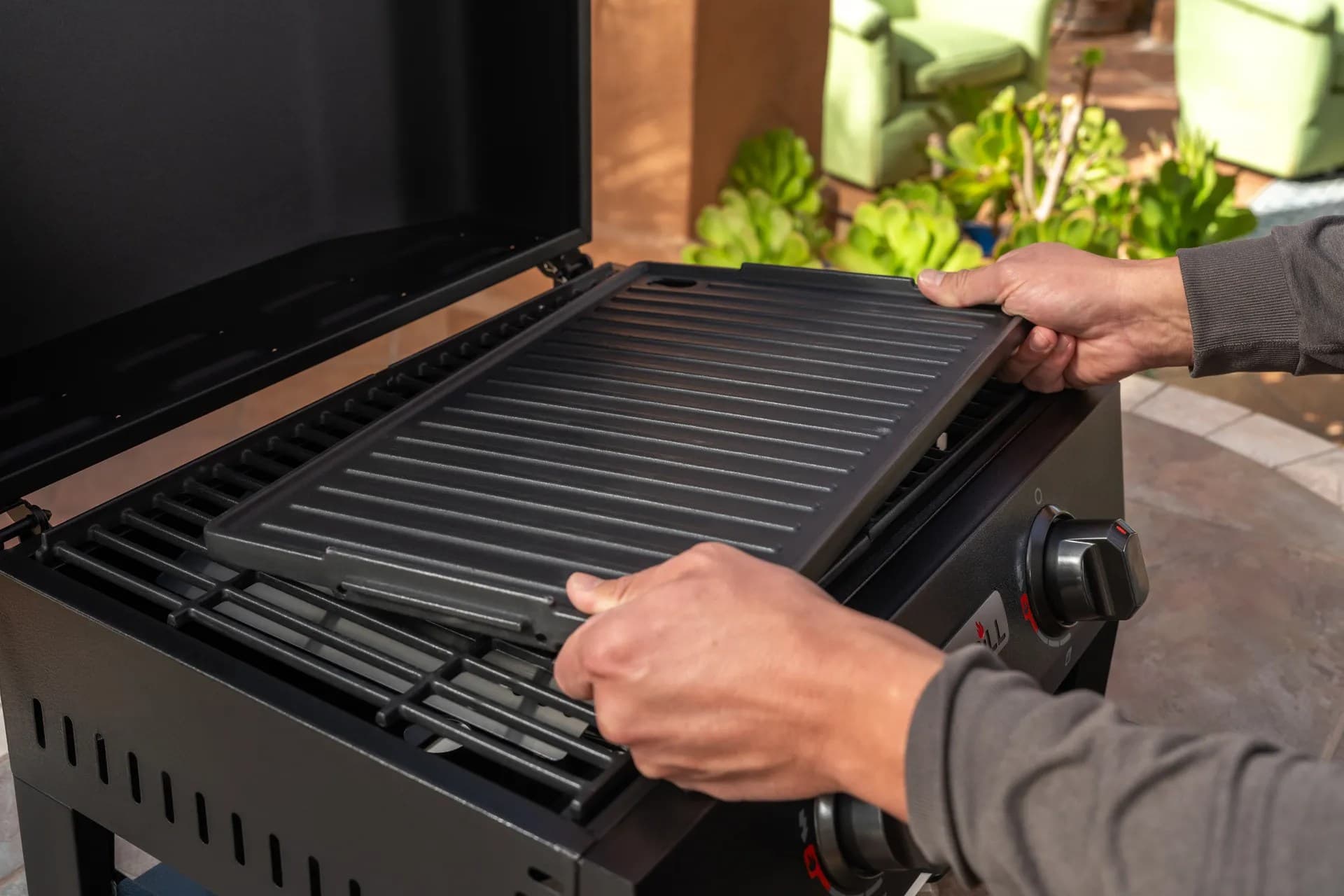
The first step in maintaining your griddle is understanding the materials it's made from. Most griddles are constructed from cast iron or stainless steel, each requiring specific care techniques. Cast iron griddles need regular seasoning with oil to prevent rust, while stainless steel griddles require thorough cleaning to keep their shine.
Key Cleaning Accessories
To keep your griddle in top condition, you'll need a set of essential cleaning tools. Here are some must-haves:
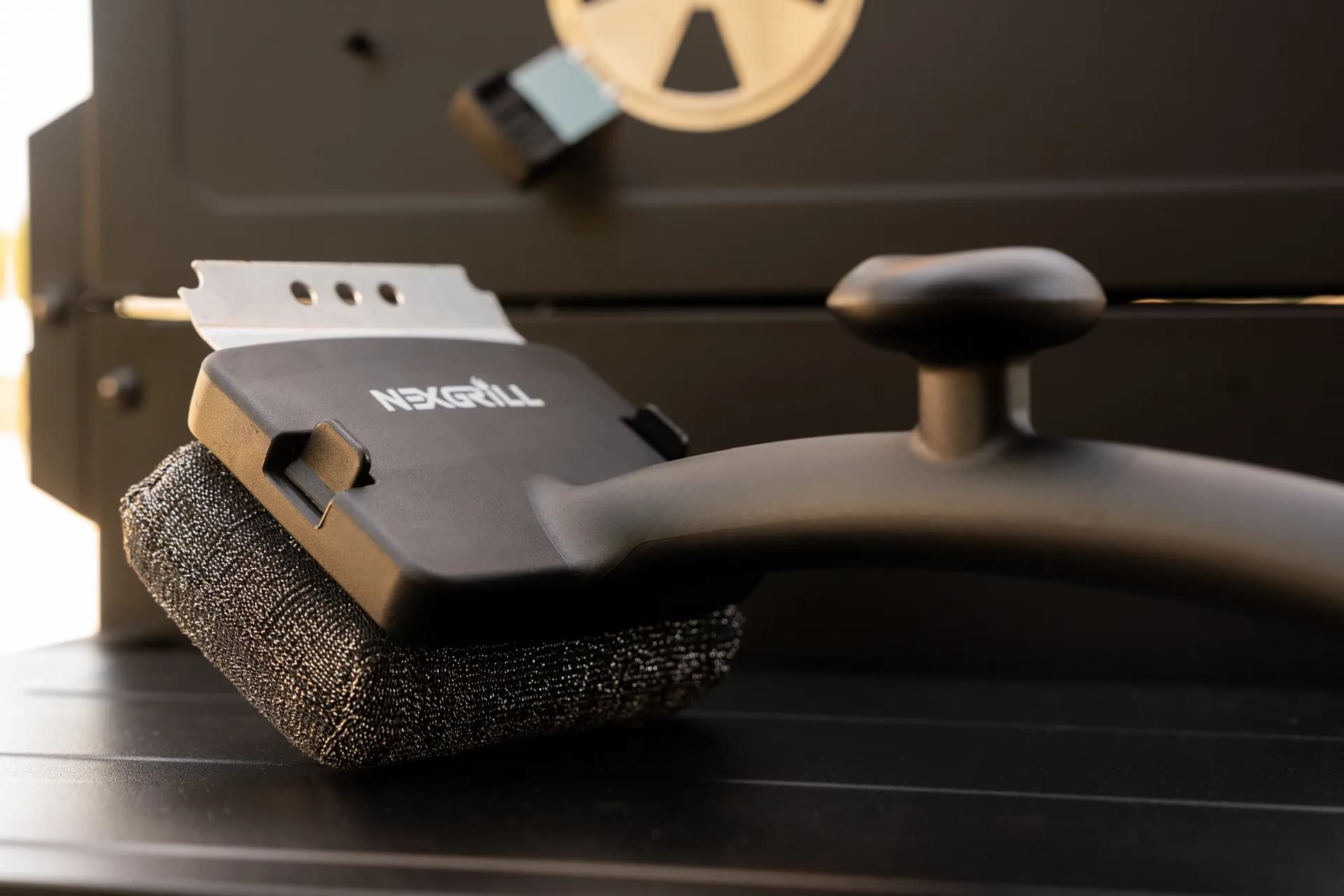
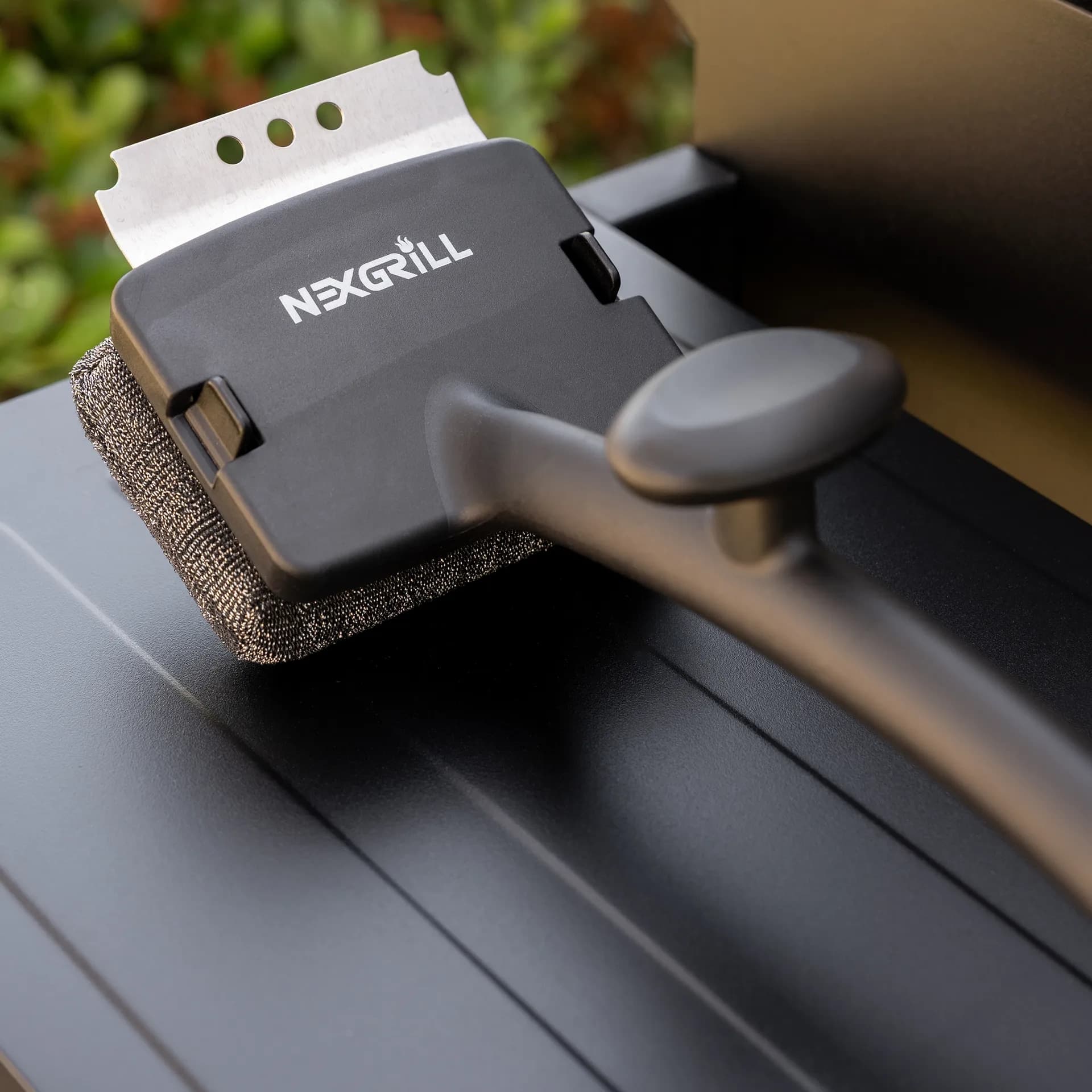
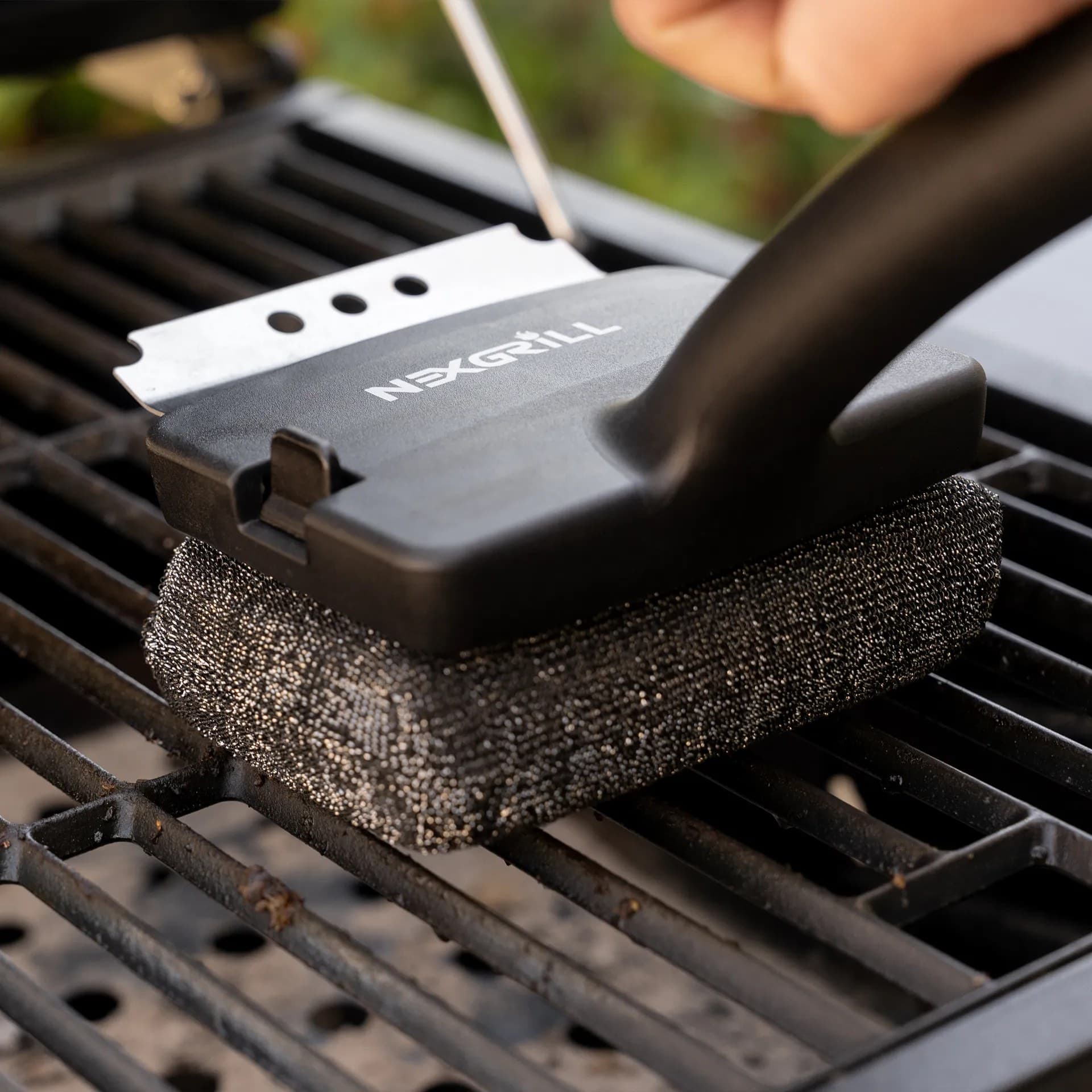
- Grill Brush: A high-quality grill brush is essential for removing food residues and grease. Opt for brushes with stainless steel bristles for durability.
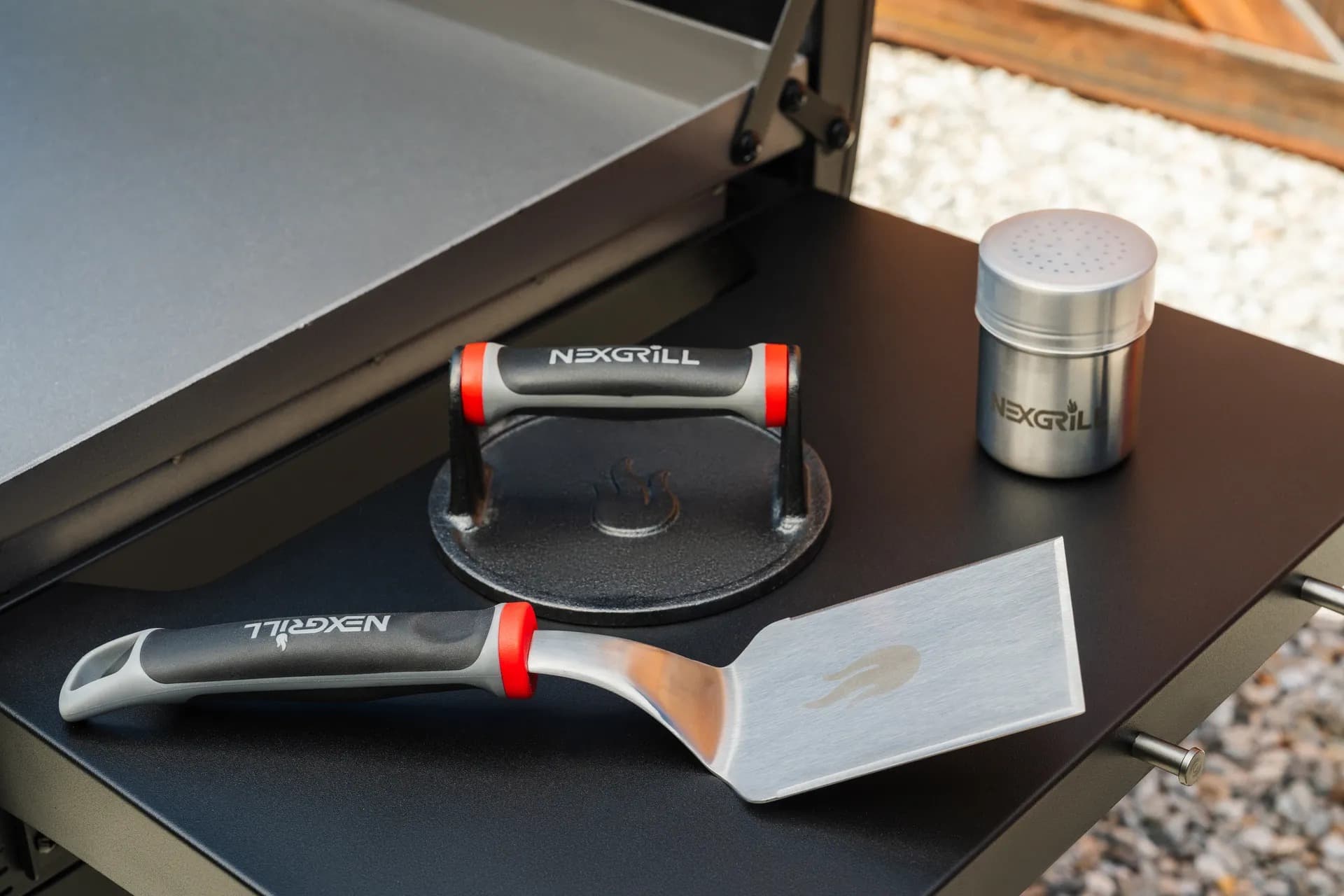
- Scraper: A metal scraper helps to remove stubborn burnt-on food without damaging the surface.
- Cleaning Pad: Ideal for polishing the griddle surface after scraping, ensuring it's smooth and ready for the next use.
- Microfiber Cloth: Use this to apply oil or polish the griddle for a gleaming finish.
Tip: Regularly replace your grill brush to avoid bristle wear, which can damage the griddle surface.
Choosing the Right Cleaning Products
Selecting the correct cleaning products is crucial for maintaining your griddle. Avoid harsh chemicals that can corrode the metal. Instead, opt for grill-specific cleaning solutions that are designed to tackle grease and food residues without damaging the surface.
Consider using a vinegar and water solution for a natural cleaning method. This mixture is effective in cutting through grease and is safe to use on both cast iron and stainless steel griddles.
Daily and Deep Cleaning Techniques
Daily cleaning should be a part of your routine every time you use your griddle. This involves scraping off food debris while the griddle is still warm, followed by a wipe down with a damp cloth.
- Daily Cleaning: After each use, use a scraper to remove food particles. Follow this with a light scrub using a grill brush and some water.
- Deep Cleaning: Conduct a deep clean once a month. Use a mild detergent or a dedicated griddle cleaner, followed by thorough rinsing and drying. Finish with a light coat of oil to protect the surface.
Pro Tip: Avoid using soap on cast iron griddles to maintain the seasoning. Instead, opt for hot water and a stiff brush.
| Cleaning Tool | Use | Material |
|---|---|---|
| Grill Brush | Removing debris | Stainless Steel |
| Scraper | Scraping food | Metal |
| Cleaning Pad | Polishing surface | Nylon |
| Microfiber Cloth | Applying oil | Cloth |
Try comparing two products side by side below to see which fits best:
The Importance of Seasoning Your Griddle
Seasoning your griddle is a critical step in maintaining its non-stick surface and preventing rust, especially with cast iron models. This process involves applying a thin layer of oil and heating it to create a protective barrier. Not only does this extend the life of your griddle, but it also enhances the flavor of the food cooked on it.
To season your griddle, start by cleaning it thoroughly to remove any food particles. Apply a thin layer of vegetable oil across the entire surface and heat the griddle until the oil begins to smoke. Let it cool, then repeat the process a few times for best results.
Choosing the Right Oil
Not all oils are suitable for seasoning. Choose oils with high smoke points, such as canola, grapeseed, or flaxseed oil. These oils can withstand high temperatures without breaking down, ensuring a durable seasoning layer.
- Canola Oil: Affordable and widely available, making it a popular choice for griddle seasoning.
- Grapeseed Oil: Offers a high smoke point and neutral flavor, ideal for a smooth finish.
- Flaxseed Oil: Though pricier, it provides a hard, durable seasoning layer.
Warning: Avoid using olive oil, as its low smoke point can result in a sticky residue.
Storing Your Griddle Properly
Proper storage is essential to protect your griddle from the elements. If you store your griddle outdoors, invest in a weather-resistant cover. This will shield it from rain, dust, and UV rays, which can cause rust and fading.
For indoor storage, ensure the griddle is clean and dry before storing to prevent mold and odors. Disassemble any removable parts and store them in a dry place to avoid moisture accumulation.
Regular Inspection and Maintenance
Regularly inspect your griddle for any signs of wear or damage. Check for loose screws, cracks, or rust spots, and address these issues promptly to prevent further damage. Keeping a maintenance schedule will ensure your griddle remains in peak condition, ready for any cooking adventure.
| Storage Type | Protection Method |
|---|---|
| Outdoor | Weather-resistant cover |
| Indoor | Dry, clean storage area |
Product Recommendations for Griddle Care
Investing in quality cleaning and seasoning products can make a significant difference in how well your griddle performs and lasts. Consider products specifically designed for griddle care, as they offer formulations that are both effective and safe.
Brands like Nexgrill offer dedicated griddle cleaning kits that include all the tools and solutions you need to keep your griddle in top shape. These kits often come with brushes, scrapers, and cleaning solutions tailored to different griddle surfaces, ensuring you have everything needed for comprehensive maintenance.