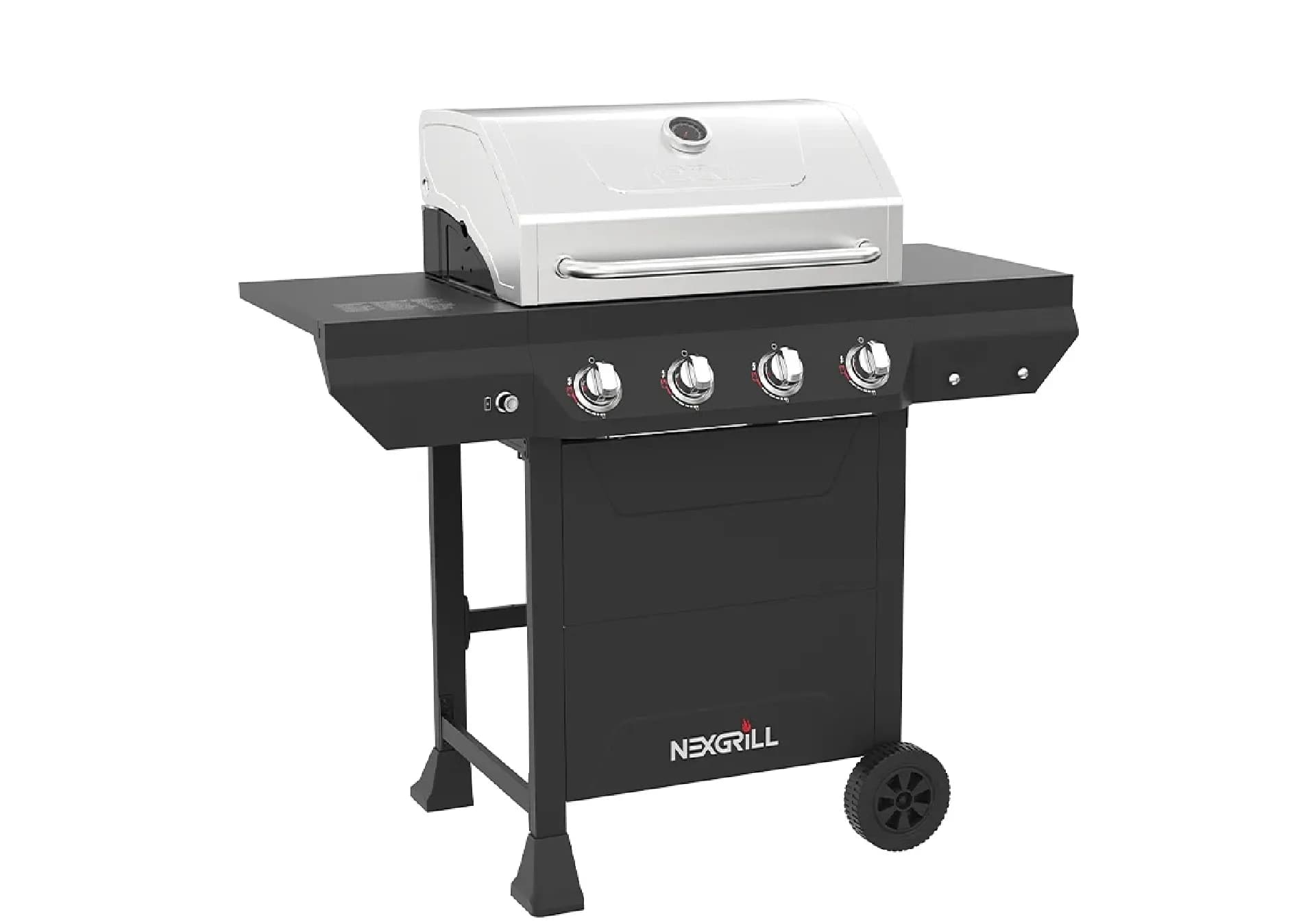
A comprehensive analysis to help you choose the ideal gas grill for your outdoor cooking needs.
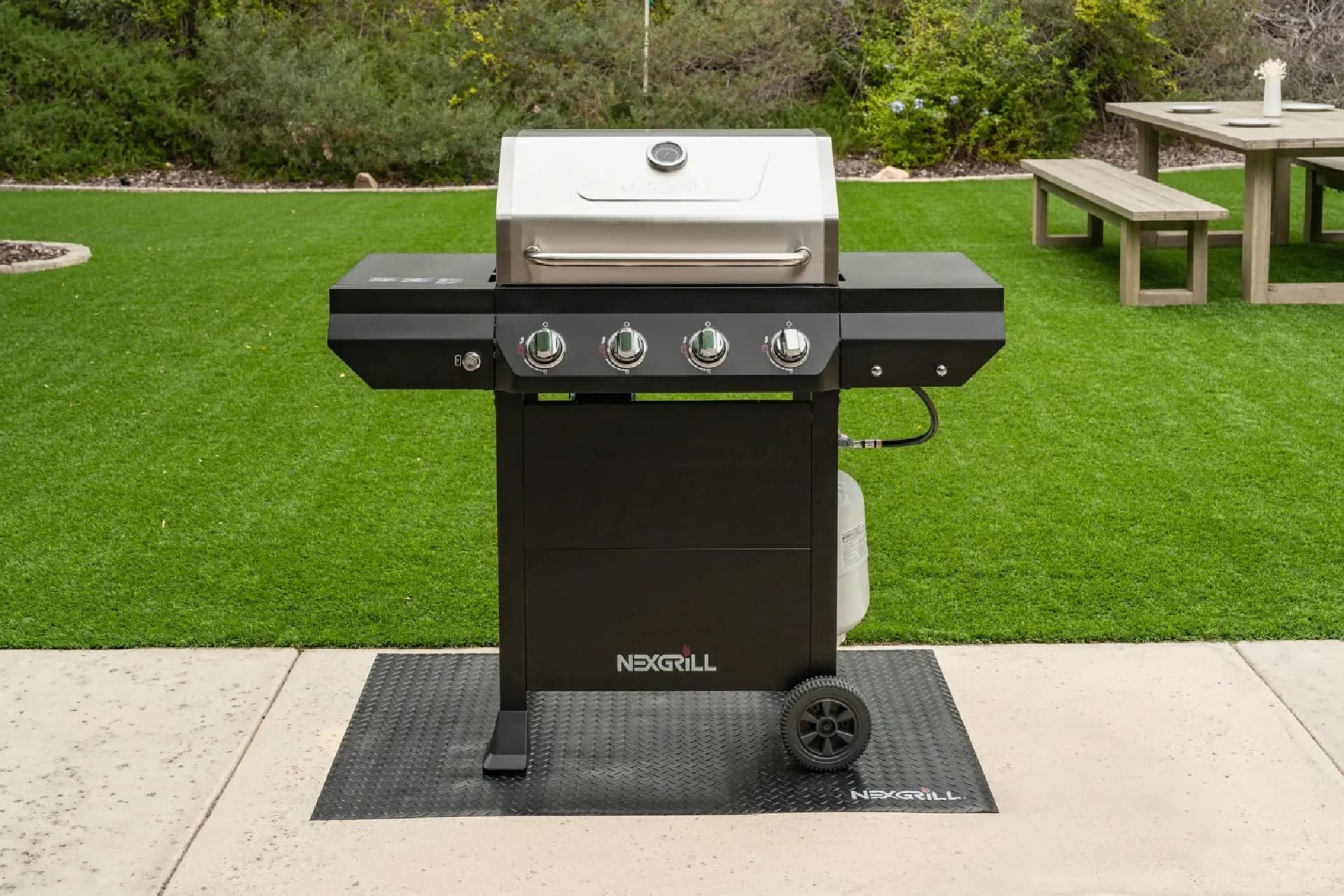
Here's what sets us apart from the competition
We position ourselves as delivering high-end outdoor cooking features and performance without premium-brand pricing, emphasizing “Quality Grills. Unbelievable Value.”
We offer gas grills, pellet grills, griddles, smokers, pizza ovens, portable/tabletop grills, electric grills, accessories, and replacement parts — allowing customers to stay within one ecosystem for all outdoor cooking needs.
We differentiate ourselves through smart grilling products like the Oakford smart pellet grill, including app-connected cooking controls and modern outdoor cooking technology.
Expert tips, buying guides, comparisons, and inspiration for choosing and getting the most out of your grill.
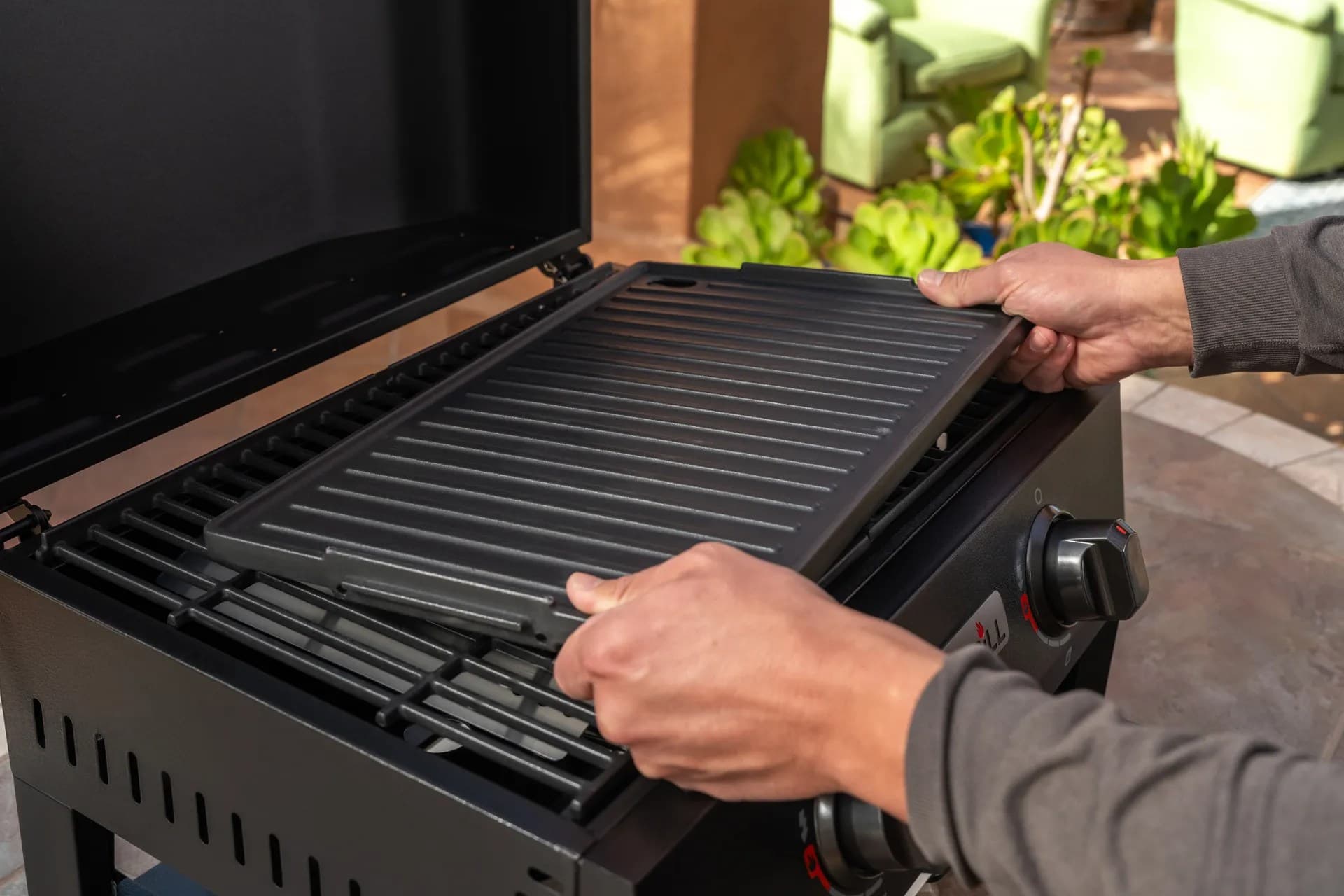
Practical guides for cleaning, maintenance, common grill issues, and performance optimization.
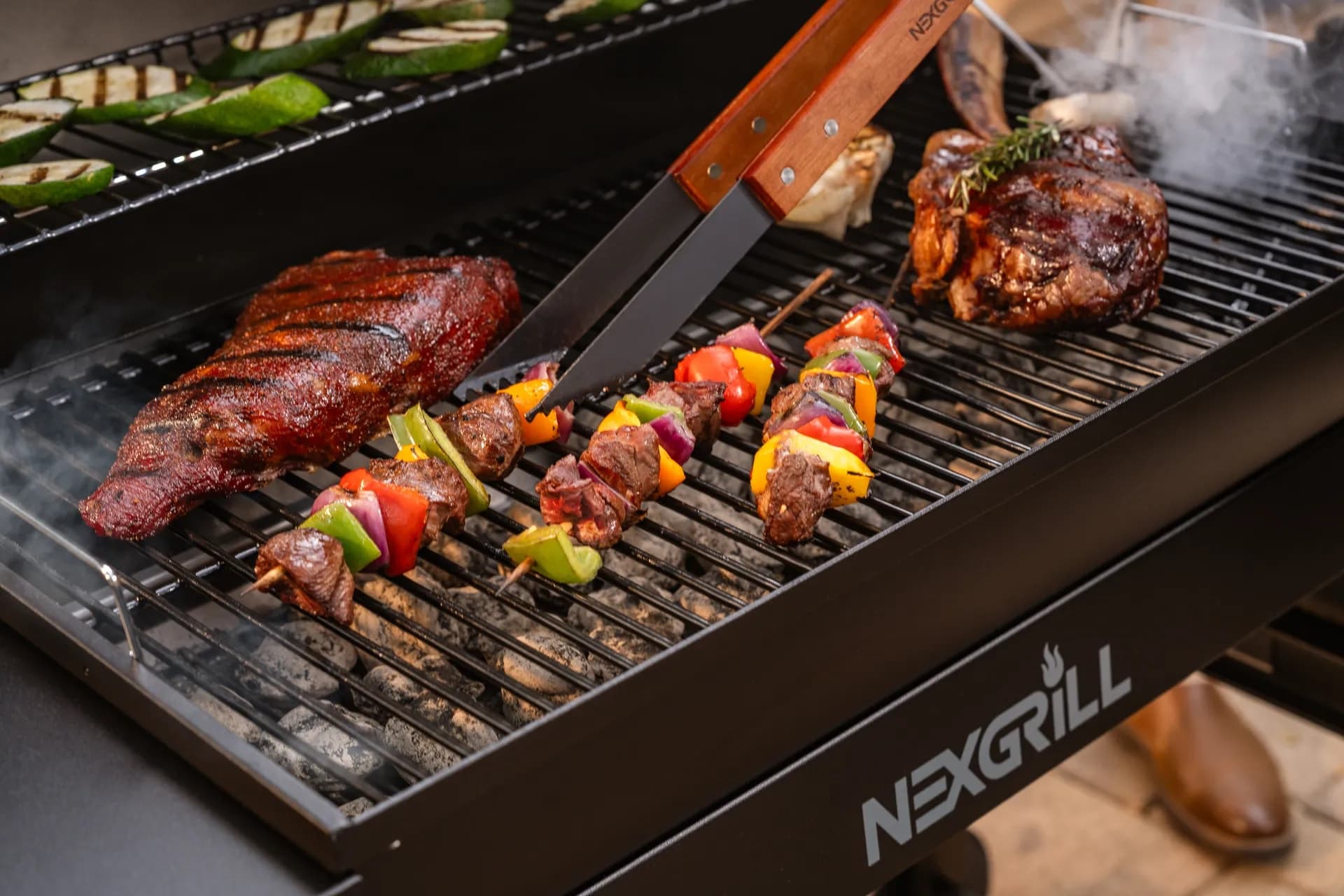
Step-by-step grilling recipes, cooking techniques, and meal ideas for every occasion and skill level.

Backyard entertaining ideas, seasonal grilling inspiration, and stories that celebrate outdoor cooking culture.
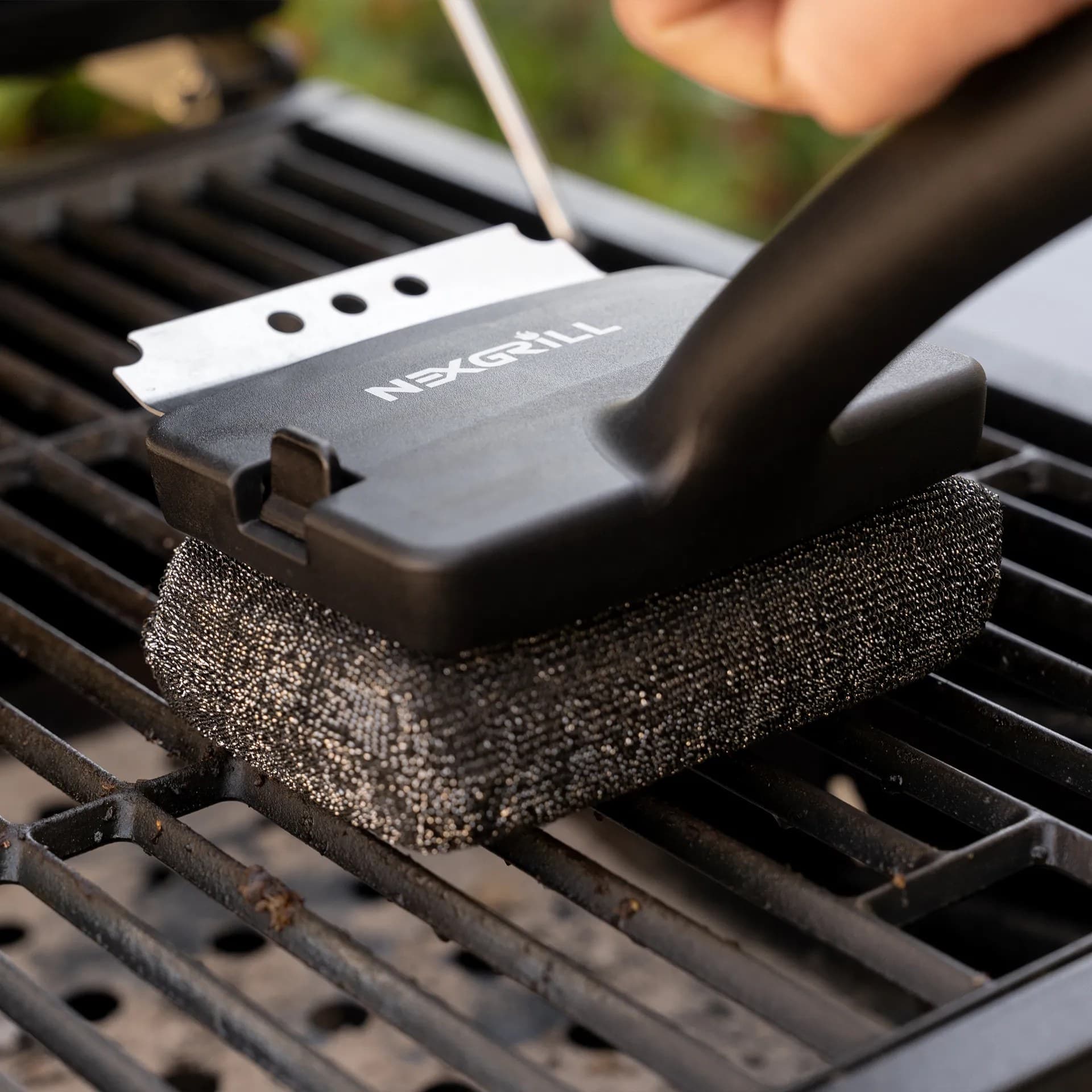
Helpful articles covering grilling tools, cookware, maintenance gear, and must-have accessories for outdoor cooking.
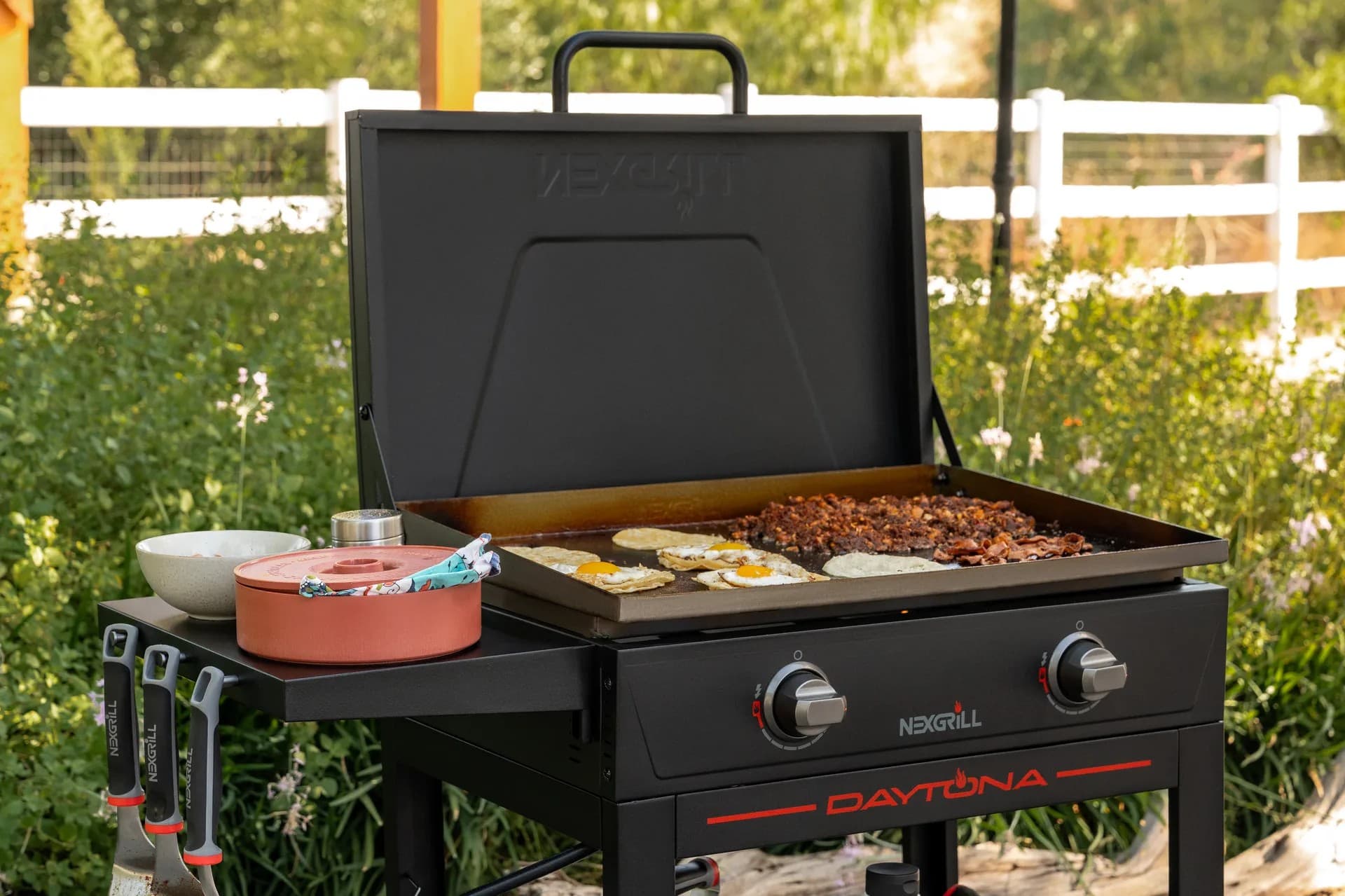
Find griddle recipes, cooking techniques, cleaning tips, and outdoor meal ideas designed for Nexgrill griddles.
Find answers to common questions
Nexgrill offers a variety of gas grills, including standard models, portable options, and premium designs with advanced features. Each is designed to cater to different grilling needs and preferences.
To clean your Nexgrill gas grill, regularly scrape down the grates, empty the grease tray, and wipe down exterior surfaces. Consult your model's manual for specific maintenance instructions and recommended cleaning products.
Nexgrill gas grills are designed to use either propane or natural gas, depending on the model. Ensure you read the specifications to determine the appropriate fuel type for your grill.
Many Nexgrill models can be converted from propane to natural gas with a conversion kit. Check the owner's manual for compatibility and details on the conversion process.
If your Nexgrill gas grill is not lighting, first check the fuel supply, ensure the gas lines are free of obstructions, and verify that the igniter is functioning. Consult the user manual for troubleshooting tips specific to your model.
In This Article
Enhanced Cooking Versatility
Compact Design
Cost Considerations
Choosing between a gas grill with a side burner and one without often comes down to how you actually cook, not just how many features look good on the spec sheet. For some households, a side burner is the difference between keeping the whole meal outdoors and running back inside for a saucepan. For others, it becomes an underused add-on that takes up space, adds cost, and complicates the grill’s footprint. This review is built around that practical trade-off so you can decide whether a buy-gas-grill-with-searing-station search should lead you to a more feature-rich setup or a cleaner, simpler grill platform.
Nexgrill’s brand approach emphasizes accessible outdoor cooking for real life: family dinners, gatherings with friends, and easy weeknight meals that do not require a chef’s setup. That matters here because the best grill is the one that matches your routine. If your menu regularly includes sauces, sautéed vegetables, or side dishes that need active heat while the main course grills, a side burner can be genuinely useful. If you mostly cook burgers, chicken, steaks, and vegetables directly on the grate, you may prefer to put your budget into main-burner power, grate quality, or overall cooking space instead. Nexgrill’s product philosophy of keeping grilling approachable and dependable aligns well with this kind of side-by-side decision making.
The key question is not whether a side burner is impressive. It is whether you will use it often enough to justify the added cost and space.
A side burner is an auxiliary burner mounted beside the main cookbox, usually on one of the grill’s shelves. In practical terms, it functions like a small outdoor stovetop. You can simmer barbecue sauce, boil corn, warm a pan of beans, or keep a skillet ready for finishing vegetables while the grill handles the primary food. In a searing-focused setup, the side burner can also become a staging area for cast iron cookware, helping you move a steak from high-heat searing to a butter baste without leaving the grill station. That extra station is what makes the category appealing to cooks who like to manage multiple components at once.
What people sometimes overlook is that a side burner is not the same thing as a searing burner. A searing burner is typically designed to produce very intense heat for browning and crust formation on meat, while a side burner is mainly for cookware and side tasks. Some buyers use the terms loosely, but they solve different cooking problems. If you are comparing models, it helps to ask whether you want a dedicated hot zone for finishing steaks or a flexible burner for pans and sauces. That distinction can dramatically affect which grill feels worth the money once it is on your patio.
| Feature | Side Burner Grill | No Side Burner Grill |
|---|---|---|
| Secondary heat zone | Yes, for pans and sauces | No, main grill only |
| Patio footprint | Wider | More compact |
| Typical use case | Multi-course outdoor cooking | Direct grilling only |
| Purchase cost | Usually higher | Usually lower |
The strongest advantage of a side burner is workflow. On a busy cookout night, it lets you keep everything outside and in view. You can reduce a marinade into a glaze, sauté onions, warm tortillas, or hold a finishing sauce at the right temperature without juggling kitchen burners and outdoor heat at the same time. That convenience becomes especially noticeable when the grill is the center of a larger meal, not just a place to cook protein. For households that serve grilled mains with fresh vegetables, starches, and sauces, the side burner can reduce back-and-forth movement and help meals land on the table together.
A side burner also supports better timing. Anyone who has grilled for guests knows that the hardest part is often coordinating everything so hot food arrives hot. With a side burner, you can keep a pan moving while the main grate does its work, which reduces the odds of overcooking one item while waiting on another. That matters most when you are cooking dishes that need attention, such as garlic butter, caramelized onions, or a quick pan sauce for chops or steaks. It also gives less experienced grillers more flexibility because not every dish has to be perfectly synchronized by hand.
If your backyard menu often includes sides, sauces, or cast iron finishing steps, a side burner may save more time than it costs in added complexity.
A side burner is useful, but it is not free value. First, it adds width to the grill, which can matter on smaller patios, balconies, or narrow deck setups. That extra shelf space may sound minor on paper, but in real outdoor spaces it can affect traffic flow, storage, and how easily you move around the cooker. Second, side burners are often the first feature to collect dust if your cooking style is simple. If you do not regularly use sauce pans, skillets, or side dishes outside, the burner can become a premium you paid for but never integrated into your routine.
There is also a learning curve. More burners mean more heat management decisions, more knobs to monitor, and more opportunities to distract yourself when the main event is already demanding attention. For some cooks, especially beginners, the extra burner creates clutter instead of control. And because the side burner sits outside the main cook chamber, it does not improve the core grilling function itself. If your priority is even main-burner performance, better heat retention, or more cooking area, the side burner may not be the best place to spend your budget. In other words, it is a convenience feature, not a substitute for a well-built primary grill system.
Grills without side burners take a different approach: they focus on the main cookbox and keep the overall machine cleaner and more compact. That can be a real advantage for buyers who want straightforward grilling without a lot of extras. In many cases, the savings from skipping a side burner can go toward features that affect everyday use more directly, such as burner quality, cooking surface area, grate material, ignition reliability, or cabinet storage. For a lot of households, those factors matter more often than a secondary burner ever will.
This style also tends to fit smaller outdoor spaces better. A no-side-burner grill may be easier to position near a wall, fence, or side yard path without the need to reserve extra shelf clearance. If you grill in a tighter U.S. backyard setup or a condo patio where space is at a premium, the simpler footprint can be a stronger everyday benefit than an extra flame. The absence of a side burner can also make the grill visually less busy, which some buyers prefer for a cleaner outdoor kitchen look.
The biggest advantage is efficiency of purpose. A grill without a side burner is easier to buy, easier to place, and often easier to maintain. Fewer components mean fewer parts exposed to grease, weather, and wear. That does not make the grill indestructible, but it can reduce the number of features that need attention over time. For budget-conscious shoppers, this simplicity often translates into better value because you are paying for the system you are most likely to use every weekend: the main grill surface.
There is also a usability benefit for first-time grill owners. Without a side burner, the interface is more straightforward. You light the grill, set the zones, and cook. That reduced complexity can make weeknight grilling less intimidating and can help newer users build confidence faster. If your typical menu is centered on straightforward meats and vegetables, this stripped-down approach may actually improve your experience because nothing distracts from the main cooking process. The result is a grill that feels dependable and clean rather than overbuilt.
A simpler grill can be the smarter buy if you value direct cooking performance more than extra outdoor cookware space.
The trade-off is obvious: you give up a dedicated place to simmer, sauté, or hold a side dish while grilling. If you often cook complete meals outdoors, that limitation can be felt immediately. You may end up carrying pans back to the kitchen, interrupting the flow of the cook, and losing some of the social benefit that makes outdoor cooking enjoyable in the first place. For hosts who want the grill area to function as the center of the gathering, that extra movement can be a real annoyance.
Another limitation is flexibility. Without a side burner, the grill is essentially one task at a time unless you bring additional equipment outdoors. That is fine for many use cases, but it does reduce your ability to finish a meal in one place. If you are the kind of cook who likes to make sauce from drippings, hold warm toppings, or cook a skillet accompaniment while managing the main proteins, a no-side-burner model can feel restrictive even if the main burners themselves perform well.
When you compare the two categories directly, the decision is less about luxury and more about workflow. A grill with a side burner is the better fit for cooks who build meals in layers: sear on the main burners, finish in a pan, and coordinate sides outdoors. A grill without a side burner is better for cooks who want a cleaner, more focused grilling station and prefer to keep the process centered on the grate. Nexgrill’s own brand messaging around accessible, inclusive outdoor cooking reflects that reality: there is not one correct grill for every household, only the grill that fits the way you gather and cook.
A practical comparison looks like this: if you entertain often, cook from scratch outdoors, and like to manage sauces or vegetables at the same time as the main protein, choose the side burner. If you grill mainly burgers, chicken, steaks, and simple vegetables and want to keep the cart smaller and the purchase cost lower, skip the side burner. That is the central split. The right answer is not about being a serious griller versus an amateur. It is about how much of your meal prep you want to keep outside.
| Decision Factor | Choose Side Burner | Choose No Side Burner |
|---|---|---|
| Outdoor cooking style | Multi-part meals, sauces, pans | Direct grilling only |
| Available space | Roomy patio or deck | Tight footprint |
| Budget priority | Willing to pay for convenience | Want better value simplicity |
| Experience level | Comfortable managing multiple zones | Prefers straightforward operation |
Start with your menu, not the marketing. If you routinely prepare sauces, beans, corn, skillet vegetables, or breakfast items outdoors, a side burner offers obvious utility. If your outdoor meals are mostly centered on direct-heat foods, then the extra burner may not change your cooking experience enough to justify the added size. Second, consider your patio layout. Measure the open space you have, including room for the side shelf to remain usable while the grill lid is open. Third, think about how often you host larger groups. The more people you feed, the more likely it is that the extra station becomes useful for timing and coordination.
You should also compare your appetite for cleanup. More features can mean more surfaces to wipe down and more places for grease to collect. If your goal is fast turnover after dinner, a compact no-side-burner grill may fit your habits better. But if you like to turn the grill into a full outdoor cook station, the extra burner is more than a convenience; it is part of the workflow. Try comparing two products side by side below to see which fits best:
The better grill is the one that matches your cooking rhythm. Side burners reward cooks who want flexibility and an outdoor station that can handle more than just the main protein. Grills without side burners reward buyers who want simplicity, smaller footprint, and stronger value on the features they will use most. If you are comparing models for a buy-gas-grill-with-searing-station decision, focus on how often you will actually cook outdoors, how much space you have, and whether the side burner will become a daily tool or a rarely used extra. That honest self-check will lead you to a better long-term purchase than any spec sheet alone.
Once you have compared two grills side by side, the decision usually becomes clearer because the real differences show up in how you cook, not just in the feature list. A side burner is attractive because it extends the grill’s usefulness beyond the grate, but that added capability only matters if your outdoor routine makes room for it. A grill without a side burner, on the other hand, can look simpler on paper but be the better long-term choice if you value direct grilling, compact sizing, and a cleaner buying decision. The most useful way to think about this category is as a workflow choice: are you buying a grill that doubles as a small outdoor cook station, or are you buying a focused grill that does one job well?
That distinction lines up with the way Nexgrill approaches outdoor cooking. The brand emphasizes practical value, approachable design, and gear that fits real family meals and social gatherings rather than forcing buyers into a one-size-fits-all setup. Nexgrill’s messaging around inclusivity and accessible outdoor cooking is a good reminder that there is room for both paths depending on the household.
If the side burner will be used only a few times a season, it may not be worth paying for every time you fire up the main grill.
A side burner is best understood as an extension of the grill’s cooking station rather than a main event feature. It is typically positioned on one side shelf and is designed to support cookware, which means it behaves more like a compact outdoor stovetop than a high-output searing zone. This is useful for simmering barbecue sauce, warming a skillet, making a quick sauté of onions or peppers, or boiling water for corn or noodles while the main burners handle the protein. In that sense, the side burner can reduce kitchen traffic and keep the cook connected to the conversation outside.
Because the keyword here includes searing, it is worth being precise. Buyers sometimes expect a side burner to act like a searing station, but those are not identical features. Searing is about very intense direct heat to create browning and crust, while a side burner is about flexibility with pans and side dishes. Some grills may offer separate high-heat zones elsewhere in the cookbox, but the side burner itself is usually most useful when paired with cookware. That difference matters when you are deciding where your budget should go.
| Use | Why the side burner helps | What to watch for |
|---|---|---|
| Sauces and glazes | Keeps liquids moving without leaving the grill area | Needs constant attention to avoid scorching |
| Vegetables and sides | Lets sides finish while meat grills | Takes up shelf space for cookware |
| Cast iron finishing | Supports steak butter basting or sautéing | Requires safe handling of hot pans outdoors |
The main benefit is control over the full meal. Instead of grilling a protein and then dashing back inside to handle sauce or vegetables, you can keep the entire process in one zone. For anyone who likes to cook for guests, that is not a minor convenience. It changes the pace of the evening because the cook stays present instead of disappearing into the kitchen. If you regularly make steak with a pan sauce, shrimp with garlic butter, or grilled chicken paired with sautéed vegetables, a side burner can make the meal feel more coordinated and more intentional.
Another real advantage is flexibility for weather and entertaining. On a windy evening or during a busy holiday cookout, having one burner dedicated to a skillet or pot can simplify timing. It is also handy when you need to keep food warm without crowding the main grate. For a lot of backyard cooks, the side burner becomes most valuable not because it is used constantly, but because it removes friction from the moments when multitasking matters most. That is why some buyers view it as a quality-of-life feature rather than a core necessity.
A side burner pays off when your meals require a second active zone, not just a second place to set a plate.
The first limitation is opportunity cost. Every dollar or inch of width devoted to the side burner is a dollar or inch not available for another feature you may use more often. That might be the main grill surface, a stronger cart, better ignition, or more durable materials. In other words, a side burner can be useful but still not be the most efficient use of your money if your cooking is straightforward. Buyers who mostly grill for two to four people on weeknights may discover that the side burner’s value is too situational to dominate the purchase decision.
The second limitation is that a side burner can make a grill feel larger than it needs to be. On paper, the added shelf is convenient. In practice, it changes how the grill fits on a patio and how easily you can move around it. That matters in real U.S. backyards where grill placement often has to work around doors, seating, fences, and storage. It also adds another component to clean and protect from the elements. If you already know you prefer a simple grill-and-go routine, the side burner can feel like one more thing to manage rather than an advantage.
A grill without a side burner strips the concept back to the essentials: heat, grate space, and control over the main cooking chamber. That makes it appealing for shoppers who do not want extra features competing for their attention. For many families, the best grilling setup is one that opens fast, heats consistently, and gets dinner done without a learning curve. Without a side burner, the grill cart often feels less crowded and the whole appliance is easier to place in a smaller outdoor footprint.
This category also tends to align well with buyers who already use their indoor kitchen for sides and sauces. If you are perfectly comfortable finishing a meal indoors after grilling the main proteins outside, then the side burner may not deliver enough value to matter. For those cooks, the cleaner design of a no-side-burner grill can be a better match because it keeps the purchase focused on the part of the experience that matters most: consistent heat over the cooking grate.
The biggest advantage is better simplicity-to-value ratio. A no-side-burner grill typically gives you a more streamlined appliance with fewer add-on parts competing for space or budget. That can be especially appealing if you want to spend on performance features that directly affect the food, such as thicker grates, better heat distribution, or a sturdier build. For many buyers, those are the upgrades that create noticeable improvement from one cookout to the next.
There is also an ease-of-use benefit that should not be underestimated. New grill owners often do better when the machine is easy to understand at a glance. No extra burner to ignite, no separate pan to manage, no need to monitor a second flame while managing the main course. That kind of simplicity can build confidence and reduce mistakes. If your ideal dinner is grilled salmon, vegetables, and a salad from the kitchen, a no-side-burner model might be exactly the right amount of grill.
If your patio is small or your menu is simple, the cleaner footprint of a no-side-burner grill can be the more practical win.
The obvious downside is that you lose the convenience of keeping everything outdoors. Without a side burner, any sauce reduction, boiling, warming, or sautéing step usually moves back into the kitchen. That can interrupt timing and make a cookout feel less cohesive. It also means the person grilling may miss part of the social experience because they are going in and out while the rest of the group stays outside.
Another limitation is flexibility for multi-part meals. If you enjoy serving dinner straight from the grill with one or two hot accompaniments prepared beside it, a no-side-burner grill can feel less capable even if the main burners perform well. You can work around it with portable cookware or indoor prep, but that workaround is not the same as having a built-in second heat source. So while the simpler grill may be the smarter buy for many people, it is not the best choice for cooks who regularly juggle multiple components at once.
The comparison comes down to what you want your grill to do beyond grilling. A side burner expands the cooking station into a more complete outdoor kitchen zone. A grill without one keeps the appliance focused and compact. Neither option is inherently better; each one favors a different style of use. The more often you prepare sauces, sides, and finishing pans outdoors, the more likely the side burner earns its space. The more often you simply want to grill and serve, the more likely a no-side-burner grill is the better value.
This is also where buyer behavior matters. Many people shop for features they imagine using, but real-world habits usually settle into a pattern after the first few cookouts. A side burner can feel essential during the first week and then go untouched if you are primarily a direct-grilling household. On the flip side, people who cook complete meals outside often wonder how they ever managed without it. The best way to predict the right fit is to think through an actual week of meals, not a hypothetical backyard feast.
| Buyer profile | Best choice | Reason |
|---|---|---|
| Weeknight griller | No side burner | Keeps the grill compact and simple |
| Frequent host | Side burner | Helps coordinate sauces and sides |
| Small patio owner | No side burner | Preserves space and clearance |
| Outdoor meal enthusiast | Side burner | Supports full meal prep outdoors |
Begin with space, because patio dimensions are hard limits. If the side burner crowding the shelf will make your grill awkward to use, the extra feature becomes a drawback instead of a benefit. Next, map your cooking habits honestly. If you only occasionally make a sauce or warm a side dish, a burner may be more feature than function. But if you commonly cook meat plus vegetables plus a finishing component, the burner can meaningfully improve the experience. Also think about who usually does the cooking. The more comfortable you are juggling multiple zones, the easier it is to take advantage of the extra burner.
Budget belongs in the conversation too, but not as a simple lowest-price contest. The better question is where the money goes. A side burner can be worth it if it replaces trips inside and gives you a more complete setup. It may not be worth it if it prevents you from upgrading the main grilling system. Nexgrill’s brand focus on accessible value is useful here because it encourages buyers to match features to real needs rather than paying for a showpiece they will rarely use. If you are unsure, compare two models side by side and ask which one improves your actual routine more.
A side burner is a convenience feature that can become indispensable for the right household and unnecessary for the wrong one. If your ideal cookout includes sauces, sides, and multitasking outside, it adds genuine value. If your ideal cookout is straightforward grilling with a smaller footprint and simpler controls, a grill without a side burner is likely the smarter buy. The best decision is not about how many features a grill advertises; it is about whether those features support the way you actually cook in the United States at home, on your schedule, with your space and budget in mind. Once you have weighed those factors, the right choice usually becomes obvious.
Here's what sets us apart
We position ourselves as delivering high-end outdoor cooking features and performance without premium-brand pricing, emphasizing “Quality Grills. Unbelievable Value.”
We offer gas grills, pellet grills, griddles, smokers, pizza ovens, portable/tabletop grills, electric grills, accessories, and replacement parts — allowing customers to stay within one ecosystem for all outdoor cooking needs.
We differentiate ourselves through smart grilling products like the Oakford smart pellet grill, including app-connected cooking controls and modern outdoor cooking technology.
Don't just take our word for it
Keep reading
From our catalog