Navigate your gas grill's setup, operation, and maintenance with ease.

Here's what sets us apart from the competition
We position ourselves as delivering high-end outdoor cooking features and performance without premium-brand pricing, emphasizing “Quality Grills. Unbelievable Value.”
We offer gas grills, pellet grills, griddles, smokers, pizza ovens, portable/tabletop grills, electric grills, accessories, and replacement parts — allowing customers to stay within one ecosystem for all outdoor cooking needs.
We differentiate ourselves through smart grilling products like the Oakford smart pellet grill, including app-connected cooking controls and modern outdoor cooking technology.

Expert tips, buying guides, comparisons, and inspiration for choosing and getting the most out of your grill.

Practical guides for cleaning, maintenance, common grill issues, and performance optimization.

Step-by-step grilling recipes, cooking techniques, and meal ideas for every occasion and skill level.

Backyard entertaining ideas, seasonal grilling inspiration, and stories that celebrate outdoor cooking culture.

Helpful articles covering grilling tools, cookware, maintenance gear, and must-have accessories for outdoor cooking.

Find griddle recipes, cooking techniques, cleaning tips, and outdoor meal ideas designed for Nexgrill griddles.
Find answers to common questions
Nexgrill offers a variety of gas grills, including standard models, portable options, and premium designs with advanced features. Each is designed to cater to different grilling needs and preferences.
To clean your Nexgrill gas grill, regularly scrape down the grates, empty the grease tray, and wipe down exterior surfaces. Consult your model's manual for specific maintenance instructions and recommended cleaning products.
Nexgrill gas grills are designed to use either propane or natural gas, depending on the model. Ensure you read the specifications to determine the appropriate fuel type for your grill.
Many Nexgrill models can be converted from propane to natural gas with a conversion kit. Check the owner's manual for compatibility and details on the conversion process.
If your Nexgrill gas grill is not lighting, first check the fuel supply, ensure the gas lines are free of obstructions, and verify that the igniter is functioning. Consult the user manual for troubleshooting tips specific to your model.
In This Article
Comprehensive Assembly Instructions
Safety First
Troubleshooting Made Simple
A gas grill manual is more than a folded booklet tucked inside the box. It is the closest thing most buyers have to a step-by-step operating system for the grill they just purchased. For many households in the United States, a new gas grill is expected to do several jobs at once: handle weeknight dinners, support weekend cookouts, and stay dependable through hot summers, windy shoulder seasons, and long periods of storage. The manual is what turns that metal cabinet, burner set, and ignition system into a safe, usable cooking tool.
If you are shopping for a manual because you bought a new grill, misplaced the original paperwork, or need a clearer setup reference before your first cook, the real goal is simple: find instructions that help you assemble, light, clean, and troubleshoot the grill without guesswork. That means understanding not only the sequence of assembly, but also the reasons behind each step. A good manual should explain why the hose needs slack, why the lid should stay open during ignition, why grease management matters, and how to tell the difference between a normal flame pattern and a problem that needs attention.
A useful gas grill manual should help you prevent mistakes before they happen, especially during first-time assembly, initial leak checks, and burner ignition.
Nexgrill’s brand values emphasize approachable, dependable outdoor cooking that welcomes both beginners and experienced grillers, which is exactly the mindset that makes a manual useful. A manual should not feel like a technical puzzle. It should feel like a practical guide you can follow in a real backyard, on a patio, or at a tailgate. That means clear sequencing, plain language, and enough detail to help you build confidence before you ever place food on the grates. Nexgrill’s broader product philosophy also reflects a balance of accessibility and performance, making it a strong fit for readers who want dependable grilling without overcomplication.
This guide is organized around the same questions buyers ask most often: what kind of gas grill they own, how to assemble it correctly, how to stay safe, how to keep it working, and how to fix the most common issues when something feels off. Try comparing two products side by side below to see which fits best:
Before you rely on any manual, it helps to identify the type of gas grill you are working with, because the setup details and operating habits can differ significantly. A compact two-burner grill, for example, may have a simpler control layout and fewer assembly parts than a full-size four-burner model with a side burner, warming rack, and enclosed cart. A manual for a smaller grill may focus heavily on portability and limited-space placement, while a larger one may spend more time on burner zones, heat management, and accessory installation.
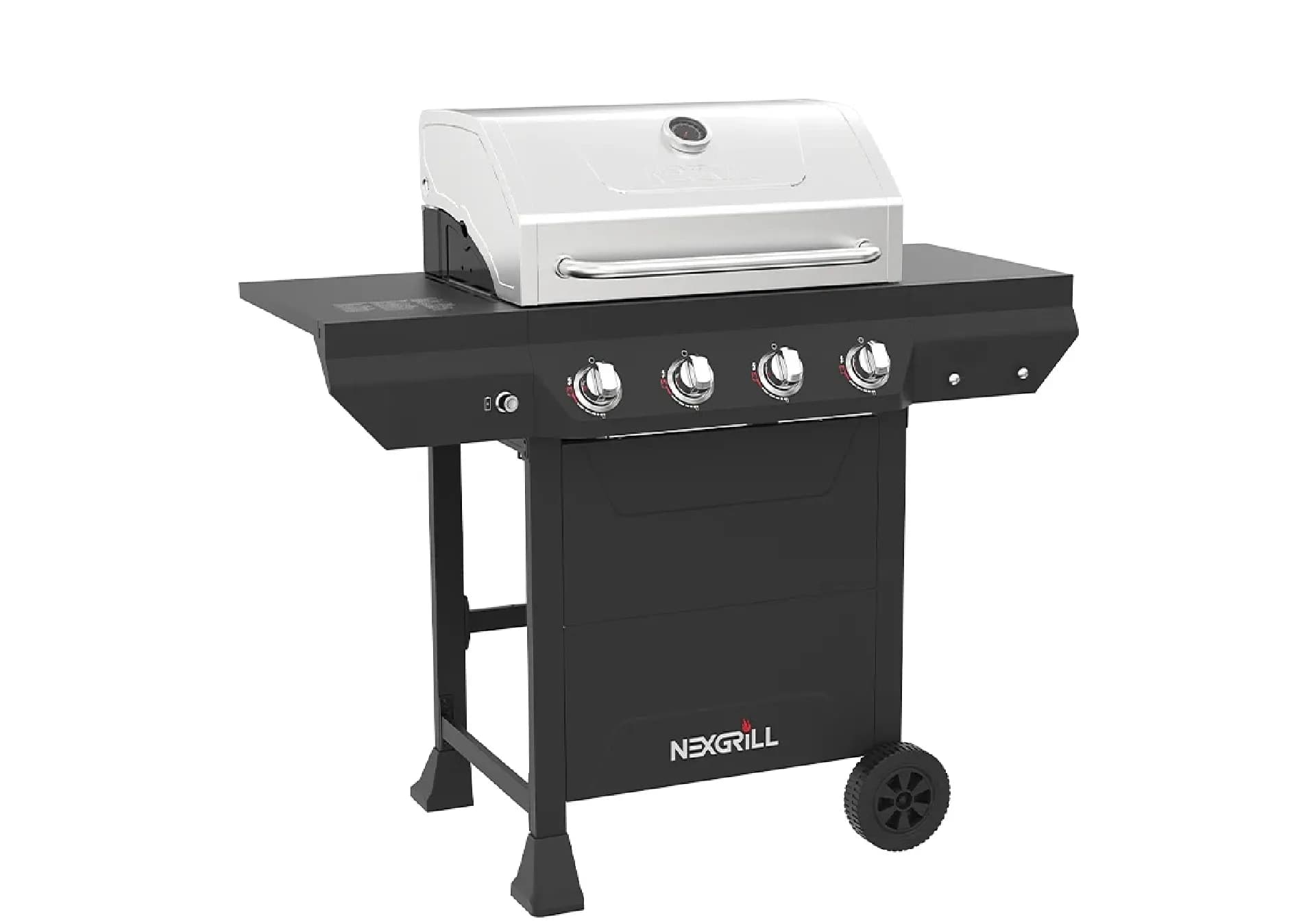
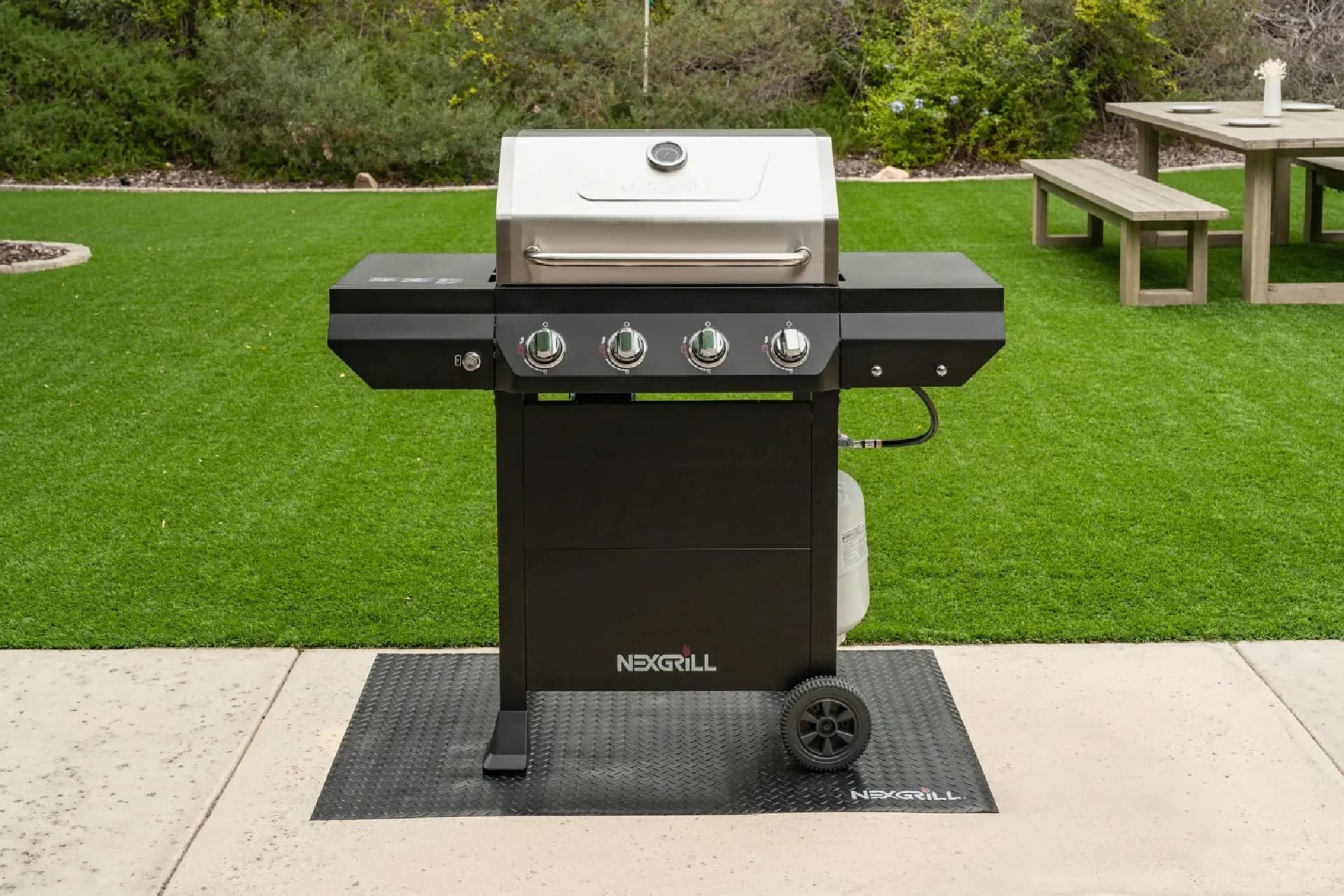
Nexgrill’s product range illustrates this variety well. A model like the Deluxe 2-Burner Gas Grill is designed for smaller households or tighter patios, where a straightforward footprint and simpler operation matter most. By contrast, larger options such as the 4-Burner Gas Grill with Side Burner in Black or the 4-Burner Propane Gas Grill in Black with Stainless Steel main lid are better suited to families that cook multiple foods at once and want more control over heat zones. For flat-top cooking, the Daytona griddle line offers a different kind of manual entirely, because griddles shift the focus from grate grilling to surface heating, seasoning, and even heat distribution across the cooktop.
| Gas grill type | Best use | Manual focus |
|---|---|---|
| 2-burner grill | Everyday meals, couples, small families | Basic assembly, simple ignition, compact storage |
| 4-burner grill | Family cooking, mixed direct and indirect heat | Zone setup, burner testing, lid and cart assembly |
| Side-burner model | Sauces, sides, larger meal prep | Accessory installation, fuel routing, heat coordination |
| Griddle-style gas unit | Breakfast, smash burgers, vegetables, stir-fry | Surface prep, seasoning, heat calibration |
The most important takeaway is that the manual should match the grill’s real-world function. A buyer who chooses a more feature-rich grill should expect more detailed assembly and a broader operating checklist. A buyer who chooses a streamlined two-burner unit should expect fewer parts but still the same safety discipline. In either case, the manual is there to reduce friction and make the first cook feel predictable rather than intimidating.
Good assembly is not just about getting the grill upright. It affects how safely the burners light, how steadily the cart rolls, and whether the lid, shelves, and propane tank sit correctly once the grill is in use. A manual that explains assembly well should break the process into logical stages rather than overwhelming you with a single wall of diagrams. In practice, assembly usually works best when you prepare the workspace first, sort the hardware, and identify the major components before tightening anything fully.
Start by unpacking the grill on a clean, level surface large enough to lay out the main body, shelves, burner assembly, fasteners, and tools. Keep the packaging nearby until the end, since it often contains foam inserts or small parts that are easy to mistake for trash. Before attaching the main frame, identify the legs, braces, and cart panels so the orientation is correct. This is where many first-time builders lose time: they force a part into place when the manual is actually showing a mirrored left-right arrangement.
Do not connect propane or attempt ignition until the grill is fully assembled, the burner tubes are seated correctly, and every fastener called out in the manual has been checked.
A practical assembly sequence is usually: build the cart or base, mount the firebox or main body, attach side shelves and control panel, install burners and heat shields if they are shipped separately, add grates and warming rack, then secure the regulator and tank support. If the grill has a side burner, that part should be aligned carefully so the fuel line is not pinched or twisted. If the unit has wheels, confirm that the locked wheels are positioned where the manual specifies so the grill does not shift during cooking.
It helps to use a short checklist during assembly:
| Assembly stage | What to verify | Common mistake |
|---|---|---|
| Base and cart | Level stance, wheel placement, brace alignment | Cross-threading or over-tightening early |
| Firebox and control panel | Correct orientation, secure support points | Installing a panel backward |
| Burners and ignition | Proper seating and wire routing | Pinching the igniter wire |
| Final accessories | Grates, tray, shelves, hooks | Leaving shipping spacers in place |
For first-time buyers, the most valuable assembly habit is not speed; it is confirmation. Pause after each major section and compare the grill to the manual’s illustration. If the manual includes a QR code or online video, use it to confirm tricky steps such as igniter placement or side-burner routing. A visual reference can be especially helpful when a printed diagram is small or when multiple screws look nearly identical.
Gas grill safety begins before the first flame. The manual should clearly explain how to place the grill, inspect fuel connections, and manage the area around the cooking surface. In a typical backyard setting, the grill needs open air around it, stable footing, and clearance from siding, railings, overhangs, and anything flammable. Safety is also about behavior: keeping children and pets away from hot surfaces, avoiding loose clothing near burners, and never leaving a lit grill unattended for long periods.
One of the most important habits is a leak check before initial use and after any time the gas connection has been disturbed. The manual should direct you to inspect the hose, regulator, and tank connection with a soap-and-water solution to spot bubbles that indicate a leak. If you smell gas, stop immediately, shut off the supply, and move away from the grill until the source is identified. This is not a step to rush through or improvise.
A safe first-light routine always includes open-lid ignition, a quick flame check, and a clear shutdown plan if the burner does not light on the first attempt.
Safety guidance should also include surface temperature awareness. Grill lids, side shelves, and nearby metal parts can become hot enough to cause burns even when the flames are not visible. After cooking, shut the burners off first, then turn off the propane cylinder, and allow the grill to cool fully before covering or moving it. If the grill uses a side burner, remember that the smaller burner can remain hot longer than expected because of its exposed location.
For added clarity, the manual should reinforce a few behavior rules that prevent accidents:
The safest manuals are the ones that make the right sequence feel routine. When a manual clearly explains where to stand, how to light, how to shut down, and what warning signs matter, it removes uncertainty and helps the user focus on cooking instead of worrying about the equipment.
Once the grill is assembled and checked, the manual should help you build good habits for everyday operation. For most gas grills, that means preheating long enough to stabilize temperature, choosing the right burner pattern for the food, and learning how to use direct and indirect heat. Weeknight chicken breasts, for example, benefit from a preheated grill and moderate heat zones, while thicker cuts or bone-in pieces often need a two-zone arrangement to avoid scorching the outside before the inside is done.
A manual should also explain maintenance in terms of timing. After each cook, clean the grates while they are still warm, scrape residue into the grease tray, and empty any catch cup once the grill has cooled. On a regular schedule, check burner ports for blockage, inspect the ignition area, and confirm that venturi openings are free from debris. In many U.S. backyards, dust, spider webs, pollen, and grease are the real causes of reduced performance, not major mechanical failure. That is why routine inspection matters so much.
| Maintenance task | How often | Why it matters |
|---|---|---|
| Brush grates after cooking | Every use | Reduces residue and sticking |
| Empty grease management tray | Every few cooks | Helps prevent flare-ups |
| Inspect burners and ports | Monthly in heavy use | Supports even heat and ignition |
| Deep clean firebox and shields | Seasonally | Improves airflow and longevity |
A well-written manual should also mention storage. If your grill is exposed to rain, coastal humidity, or winter freeze-thaw cycles, a fitted cover and a dry storage location matter almost as much as cleaning. Before long-term storage, disconnect fuel as instructed, brush the interior, remove any food debris, and make sure the grill is fully cool and dry. Small habits like these protect the finish, preserve ignition reliability, and keep the next cook from starting with avoidable problems.
For users comparing options, a strong manual is one of the most underrated purchase factors. Two grills may look similar on a retailer page, but the better manual can save time, reduce mistakes, and make ownership more satisfying from day one.
Once you have completed setup and a few cooks, the manual becomes just as valuable for diagnosis as it was for assembly. The best troubleshooting sections do not simply list symptoms; they help you isolate the cause. That is especially important with gas grills, where a weak flame, uneven heat, or burner that refuses to light can come from several different sources at once. A careful manual should walk you through what to check first, what to check next, and when the issue is no longer a simple user fix.
If the grill will not light, start with the simplest items first: confirm the propane tank has fuel, verify the tank valve is fully open, and check whether the igniter is producing a visible spark or audible click. If the burner lights in one spot but not across the full length, the burner ports may be blocked by grease or debris. If the flame burns yellow instead of blue, that often points to airflow or burner cleanliness issues rather than a fatal defect. In many cases, a shutoff, cool-down, cleaning, and re-test cycle solves the problem faster than replacing parts.
When troubleshooting, never force a burner to relight repeatedly without pausing. If gas has accumulated, the manual’s cooldown and ventilation instructions matter.
A practical troubleshooting section should also address temperature inconsistency. If one side of the grill gets much hotter than the other, check whether the burner flame is uneven, whether heat shields are installed correctly, and whether the grill is being used in a windy location. Wind can pull heat toward one side and make the control knobs feel less responsive. Likewise, if food is burning in one zone and undercooked in another, the issue may not be the grill itself but rather how the burner pattern is being used. Manuals should teach users to adapt the heat layout rather than assume every cook should use all burners equally.
| Symptom | Likely cause | Best first fix |
|---|---|---|
| Burner will not ignite | Empty tank, loose connection, weak igniter | Check fuel, tighten connection, test spark |
| Low or uneven flame | Blocked burner ports or regulator issue | Clean burner openings and reset gas flow |
| Excess flare-ups | Grease buildup or overfilling | Clean trays and reduce grease exposure |
| Weak heat recovery | Cold weather, lid habits, low gas flow | Preheat longer and inspect supply path |
The most useful manuals also distinguish between a simple maintenance problem and a parts problem. If cleaning the burner and checking the regulator does not help, the manual should tell you how to document the issue, note the model information, and determine whether replacement parts are appropriate. That kind of guidance saves time and prevents guesswork.
Many shoppers do not just want instructions; they want to know which brand’s manual experience is easiest to live with. In the U.S. market, Weber, Monument Grills, and Broil King are common reference points because they offer downloadable manuals and generally present setup or operation information in a way that is easy to find. Weber’s manual library is organized for fast access to gas grill documentation, which is helpful when a buyer needs a replacement copy or wants to confirm a part number before assembly . Monument Grills provides a dedicated manuals page for product support, which can be useful if you are looking for setup documents after purchase . Broil King also maintains an accessible manuals section for owners who want to look up operating instructions or care guidance .
For buyers choosing between brands, the difference is often not whether a manual exists, but how much confidence it gives you during the first 30 minutes of ownership. Some manuals are better at diagrams; others are better at safety sequencing; others do a better job of troubleshooting. A well-rounded manual is one that handles all three. Nexgrill’s own brand positioning places a premium on being approachable and dependable, which pairs well with a manual that lowers the barrier to use instead of making the customer hunt through jargon-heavy pages .
If you are comparing brands for a first purchase, look at three things in the manual itself: how clearly the parts are labeled, how step-by-step the assembly section is, and whether the maintenance instructions are specific enough to use all season. A manual that only covers the first-time setup leaves owners on their own after the inaugural cook. A stronger document supports ownership for months and years, which is what most people actually need.
For a practical buyer, the most attractive gas grill brand is not always the one with the flashiest product page. It is the one whose support materials make the grill easier to understand, safer to operate, and simpler to keep in working order. That is especially true for households that use the grill often and need repeatable results rather than occasional novelty.
What should I do before using a gas grill for the first time? Assemble it completely, inspect all connections, perform a leak check, and read the lighting sequence in the manual before you connect food to the process.
How often should I clean the grill? Wipe or brush the grates after every use, empty grease collection parts regularly, and deep clean the interior seasonally or more often if you grill frequently.
Why does my grill flame look weak? Check fuel level, regulator behavior, burner cleanliness, and whether the burner ports are blocked. Weak flame is often caused by airflow or fuel delivery issues rather than a major failure.
Can I store my propane tank inside the grill cabinet? Follow the manufacturer’s instructions for your specific model. If the manual instructs outdoor storage or a different placement, do not improvise.
Do I need a manual if I have assembled other grills before? Yes. Even experienced grillers benefit from model-specific instructions because ignition systems, burner layouts, and grease management designs can vary widely.
The best gas grill manual is the one you actually use after the box is opened. It should help you assemble the grill correctly, cook with confidence, stay safe around live flame, and solve small problems before they become expensive ones. For buyers in the United States, that practical value matters because a grill is often a seasonal appliance with long gaps between uses, which makes a clear manual an essential companion rather than a one-time insert.
If you are comparing brands or replacing a missing booklet, look for manuals that balance clear diagrams, specific maintenance direction, and troubleshooting that reflects real backyard use. That is the difference between a grill you have to guess your way through and a grill you can rely on year after year. For additional brand context and product support, Nexgrill’s approachable, people-first outdoor cooking philosophy is a strong fit for users who want dependable value and straightforward guidance .
Here's what sets us apart
We position ourselves as delivering high-end outdoor cooking features and performance without premium-brand pricing, emphasizing “Quality Grills. Unbelievable Value.”
We offer gas grills, pellet grills, griddles, smokers, pizza ovens, portable/tabletop grills, electric grills, accessories, and replacement parts — allowing customers to stay within one ecosystem for all outdoor cooking needs.
We differentiate ourselves through smart grilling products like the Oakford smart pellet grill, including app-connected cooking controls and modern outdoor cooking technology.
Don't just take our word for it
Keep reading
From our catalog