Essential tips and best practices to keep your gas grill in optimal condition for delicious and safe grilling.
Image via 123RF
Here's what sets us apart from the competition
We position ourselves as delivering high-end outdoor cooking features and performance without premium-brand pricing, emphasizing “Quality Grills. Unbelievable Value.”
We offer gas grills, pellet grills, griddles, smokers, pizza ovens, portable/tabletop grills, electric grills, accessories, and replacement parts — allowing customers to stay within one ecosystem for all outdoor cooking needs.
We differentiate ourselves through smart grilling products like the Oakford smart pellet grill, including app-connected cooking controls and modern outdoor cooking technology.

Expert tips, buying guides, comparisons, and inspiration for choosing and getting the most out of your grill.
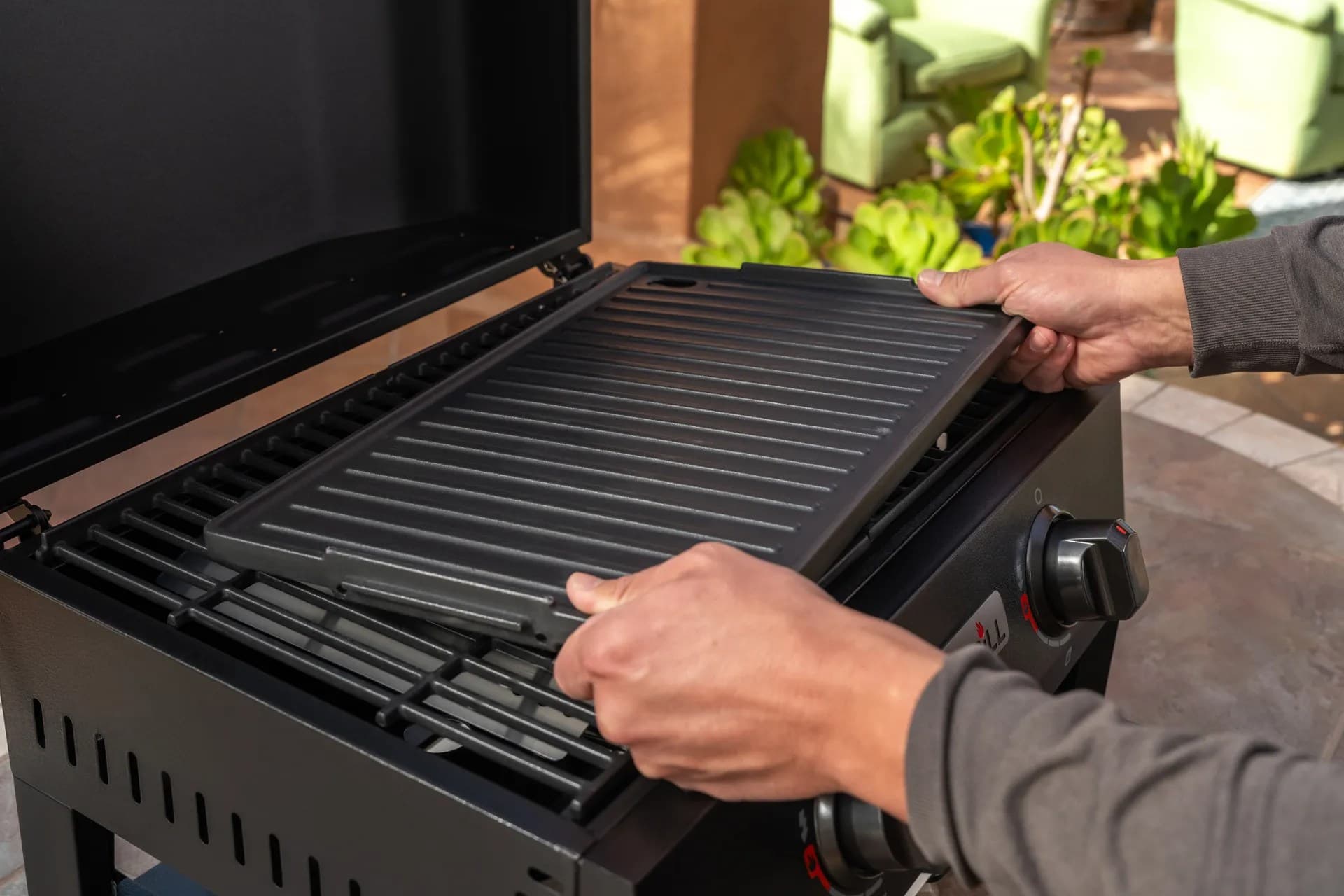
Practical guides for cleaning, maintenance, common grill issues, and performance optimization.
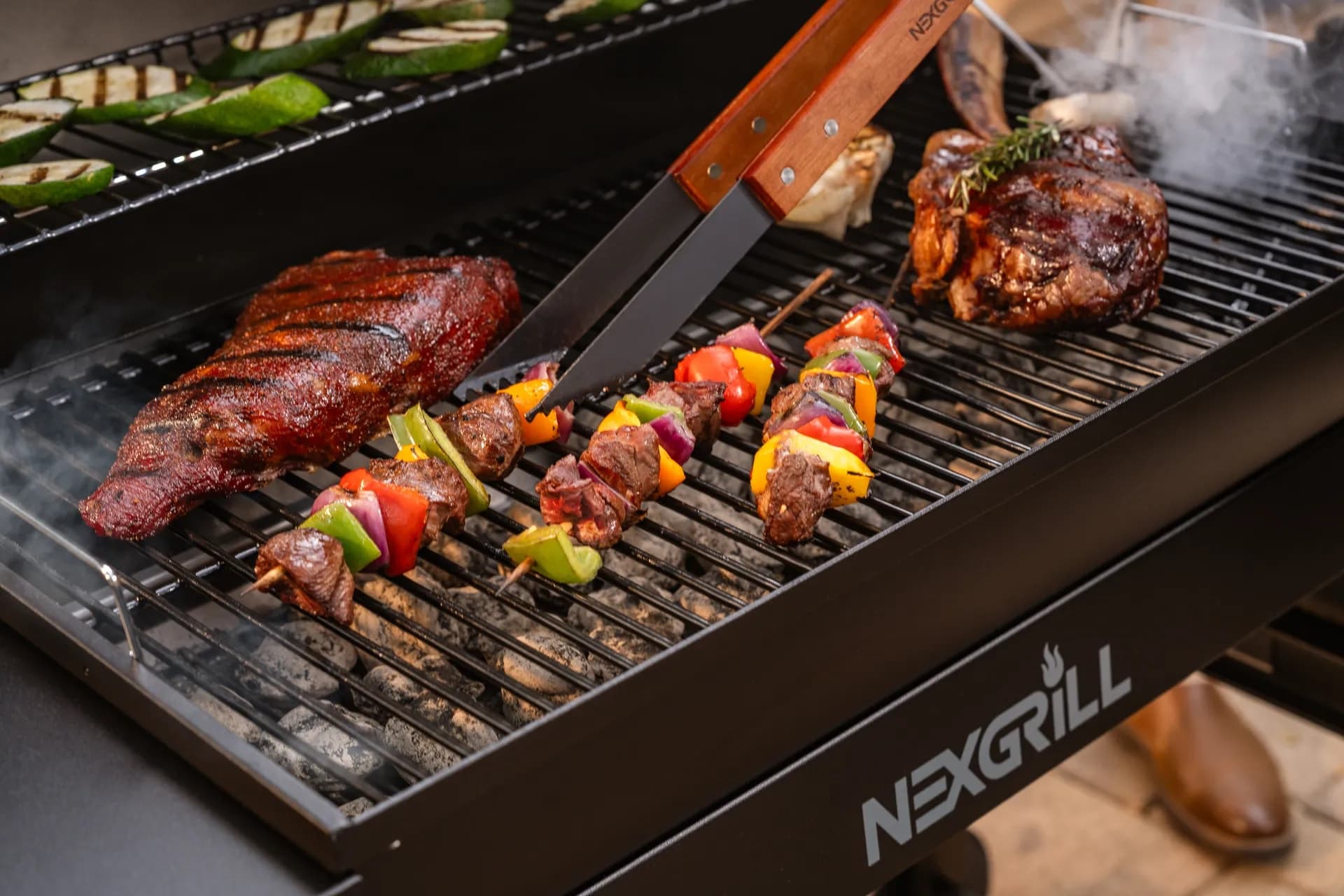
Step-by-step grilling recipes, cooking techniques, and meal ideas for every occasion and skill level.

Backyard entertaining ideas, seasonal grilling inspiration, and stories that celebrate outdoor cooking culture.
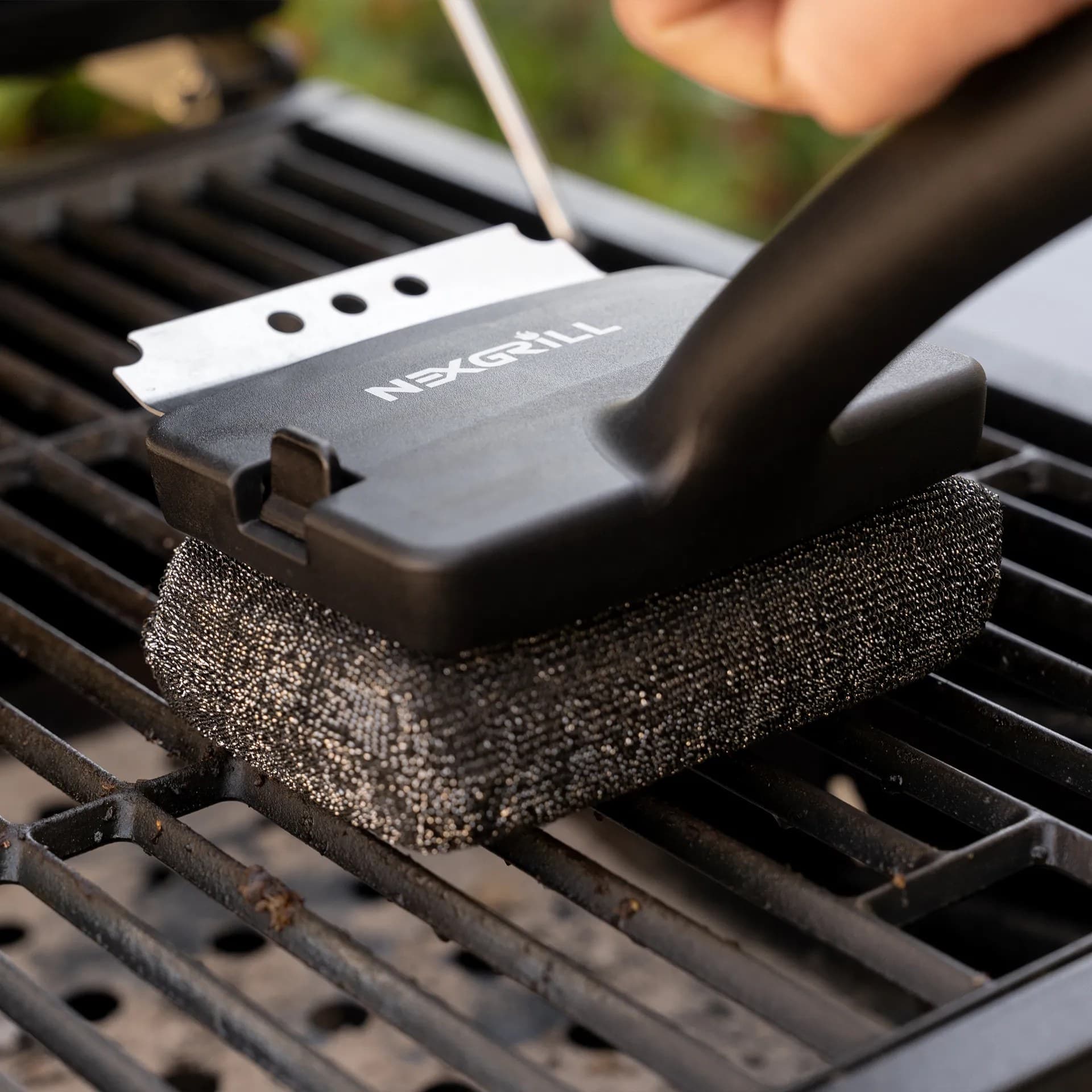
Helpful articles covering grilling tools, cookware, maintenance gear, and must-have accessories for outdoor cooking.
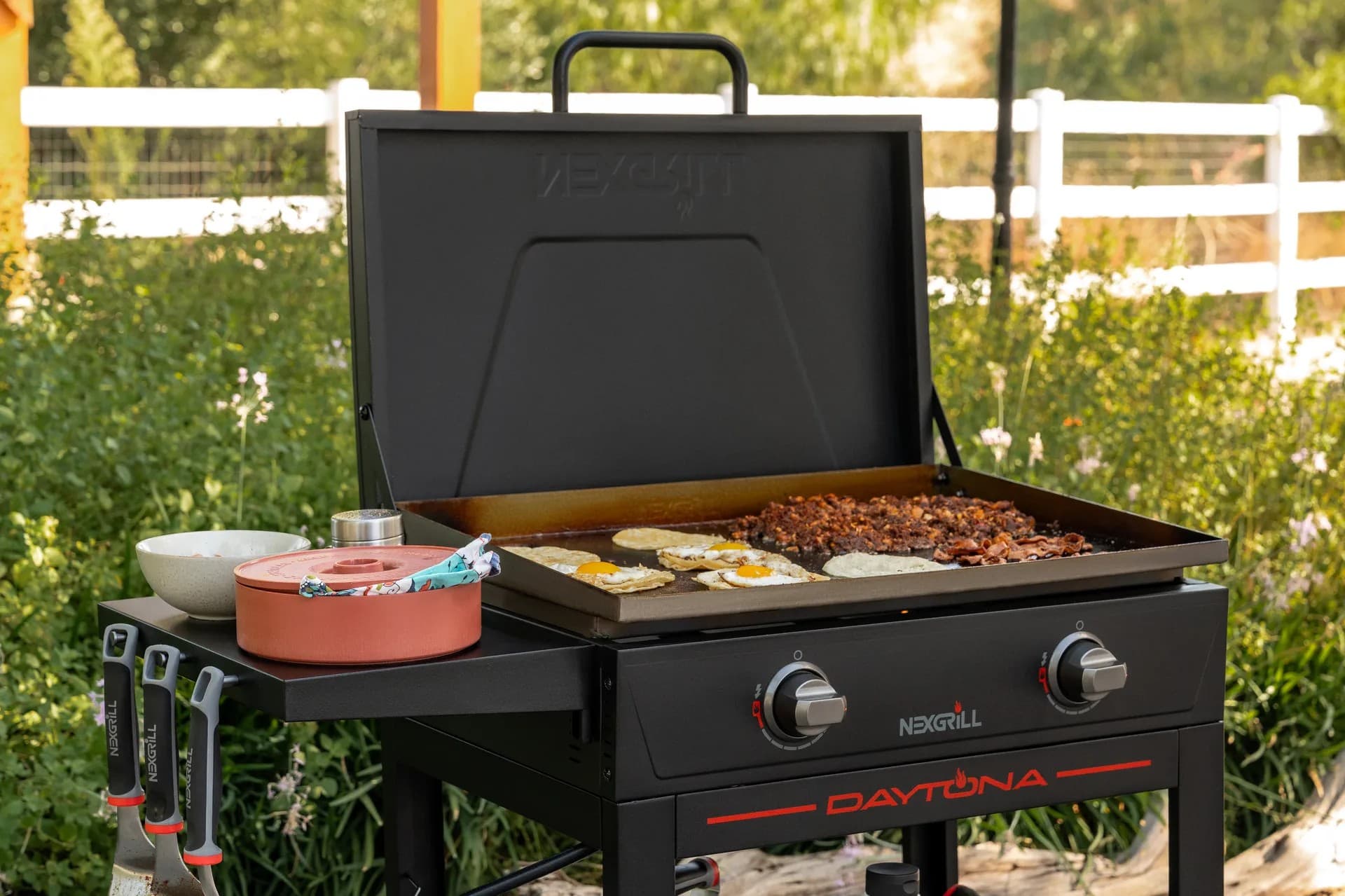
Find griddle recipes, cooking techniques, cleaning tips, and outdoor meal ideas designed for Nexgrill griddles.
Find answers to common questions
To clean your Nexgrill grill, ensure it is cooled down first. Use a grill brush to scrub the grates, and wipe down the exterior with warm, soapy water. For deeper cleaning, disassemble parts as per the user manual's instructions.
If your grill won't light, check that the propane tank has gas and that all connections are secure. Ensure the ignition switch is functioning and that there are no obstructions in the burners. Refer to the troubleshooting section of your manual for specific steps.
It's recommended to perform regular maintenance checks after every use, such as cleaning grates and checking gas connections. In addition, a thorough inspection and cleaning every few months can prolong the life of your grill and ensure optimal performance.
To store your grill during the off-season, clean it thoroughly and ensure it is dry to prevent rust. Cover it with a grill cover designed for your model, and store it in a dry, sheltered location if possible.
Uneven heat may occur due to clogged burners or worn-out flame tamers. Check for blockages in the burner ports and clean them as necessary. Additionally, ensure that the grill is level and properly assembled for consistent heat distribution.
In This Article
Regular Cleaning
Seasonal Maintenance
Safety Checks
Maintaining a gas grill is essential for ensuring its longevity and optimal performance. Regular maintenance not only enhances the flavor and quality of your grill but also ensures safety during use. With proper care, a gas grill can provide years of reliable service, making every outdoor cooking session a delightful experience. This guide will walk you through essential maintenance tasks, common issues, and eco-friendly practices to keep your grill in top condition.
Performing essential maintenance tasks on your gas grill involves a few straightforward steps. Regular cleaning is crucial; this includes scrubbing the grates after each use to remove food residue and prevent buildup. For this, a stiff wire brush can be very effective. Additionally, inspecting the burners and ignition system ensures that the grill heats evenly and ignites without issue. It's also important to check the propane or gas connections for leaks using a soap and water solution, which will bubble if leaks are present. Consider using a high-quality grill cleaning brush for effective cleaning.
Tip: Use a high-quality grill cover to protect your grill from the elements.
Implementing a monthly and seasonal maintenance schedule can greatly extend the lifespan of your gas grill. Monthly tasks should include a thorough cleaning of the drip trays and burners. Seasonally, consider a deep clean, which involves dismantling parts of the grill to access hard-to-reach areas. This is also a good time to lubricate moving parts and check for any wear and tear.
In addition, before the grilling season starts, perform a complete inspection and make any necessary repairs. At the end of the season, it is wise to winterize the grill if it will be stored outdoors. Referencing a seasonal maintenance checklist can be incredibly beneficial.
Gas grills can encounter various issues such as uneven heating or ignition problems. These can often be traced to blocked burners or dirty igniters. Regular cleaning and inspection can prevent these issues. Rust is another common problem, especially for grills stored outdoors. Using a grill cover and storing the grill in a dry area can help mitigate this.
Warning: Never use a grill indoors or in a poorly ventilated area to avoid carbon monoxide poisoning.
Eco-friendly maintenance involves using non-toxic cleaning agents and sustainable materials. Opt for biodegradable cleaners and natural scrubbing brushes. Additionally, properly disposing of old grill parts and recycling materials whenever possible helps reduce environmental impact.
By following these maintenance tips, you can ensure your gas grill remains in excellent condition, providing safe and delicious meals for years to come. Regular attention to cleaning, inspection, and eco-friendly practices will enhance your grilling experience and extend the lifespan of your equipment.
Proper maintenance of your gas grill is critical for its performance and durability. Routine maintenance tasks are not only about keeping your grill clean but also ensuring it operates safely and efficiently. This guide offers detailed insights into essential maintenance practices, addressing common issues, and incorporating eco-friendly methods.
A well-maintained gas grill starts with regular cleaning. After each use, allow the grill to cool slightly before brushing the grates to remove stuck-on food particles. Monthly, remove the grates and thoroughly clean the burners to prevent blockages that can cause uneven heating. Additionally, check the gas line connections monthly for leaks using a soap solution.
When storing your grill, especially in off-seasons, ensure it's covered and placed in a sheltered area. This prevents rust and prolongs the life of the grill parts.
Establishing a maintenance schedule helps in keeping track of necessary tasks. Monthly, in addition to cleaning, ensure that the ignition system is checked and functioning properly. Seasonally, perform a thorough inspection of all components, including the gas regulator and hoses. Replace any worn or damaged parts.
| Task | Frequency |
|---|---|
| Inspect burners | Monthly |
| Deep clean | Seasonally |
| Check gas lines | Monthly |
Some common issues with gas grills include ignition failure and uneven cooking. Ignition issues often stem from dirty or worn out igniters. Regular cleaning and replacement of the igniter when necessary can resolve this. Uneven cooking is usually due to blocked burners, which can be avoided by routine cleaning.
Adopting eco-friendly practices in grill maintenance involves using natural cleaning solutions and opting for sustainable materials. Vinegar and baking soda are excellent non-toxic cleaning agents. Additionally, consider recycling old parts and using a grill with replaceable components to reduce waste.
Effective gas grill maintenance ensures not only the longevity of your grill but also enhances safety and performance. Implementing a regular maintenance schedule and adopting eco-friendly practices can make a significant difference in your grilling experience. With these tips, your gas grill will continue to provide delicious meals for years to come.
Here's what sets us apart
We position ourselves as delivering high-end outdoor cooking features and performance without premium-brand pricing, emphasizing “Quality Grills. Unbelievable Value.”
We offer gas grills, pellet grills, griddles, smokers, pizza ovens, portable/tabletop grills, electric grills, accessories, and replacement parts — allowing customers to stay within one ecosystem for all outdoor cooking needs.
We differentiate ourselves through smart grilling products like the Oakford smart pellet grill, including app-connected cooking controls and modern outdoor cooking technology.
Don't just take our word for it
Keep reading
From our catalog