Your Ultimate Guide to Buying a 6-Burner Stainless Steel Gas Grill
Explore features, comparisons, and tips to enhance your grilling experience.
In This Article
Key Features
Brand Comparisons
Maintenance Tips
Introduction to 6-Burner Stainless Steel Gas Grills
A 6-burner stainless steel gas grill sits in a very specific sweet spot: it is big enough to feed a crowd without forcing you into restaurant-scale equipment, and it is refined enough to give home cooks control over how food actually finishes on the grate. For families who host weekend cookouts, holiday gatherings, neighborhood potlucks, or multiple-course outdoor meals, the appeal is straightforward. You get a wide cooking footprint, the ability to create more than one heat zone at a time, and the confidence that the grill can handle burgers, chicken, vegetables, sausages, and finishing tasks simultaneously instead of one batch at a time.
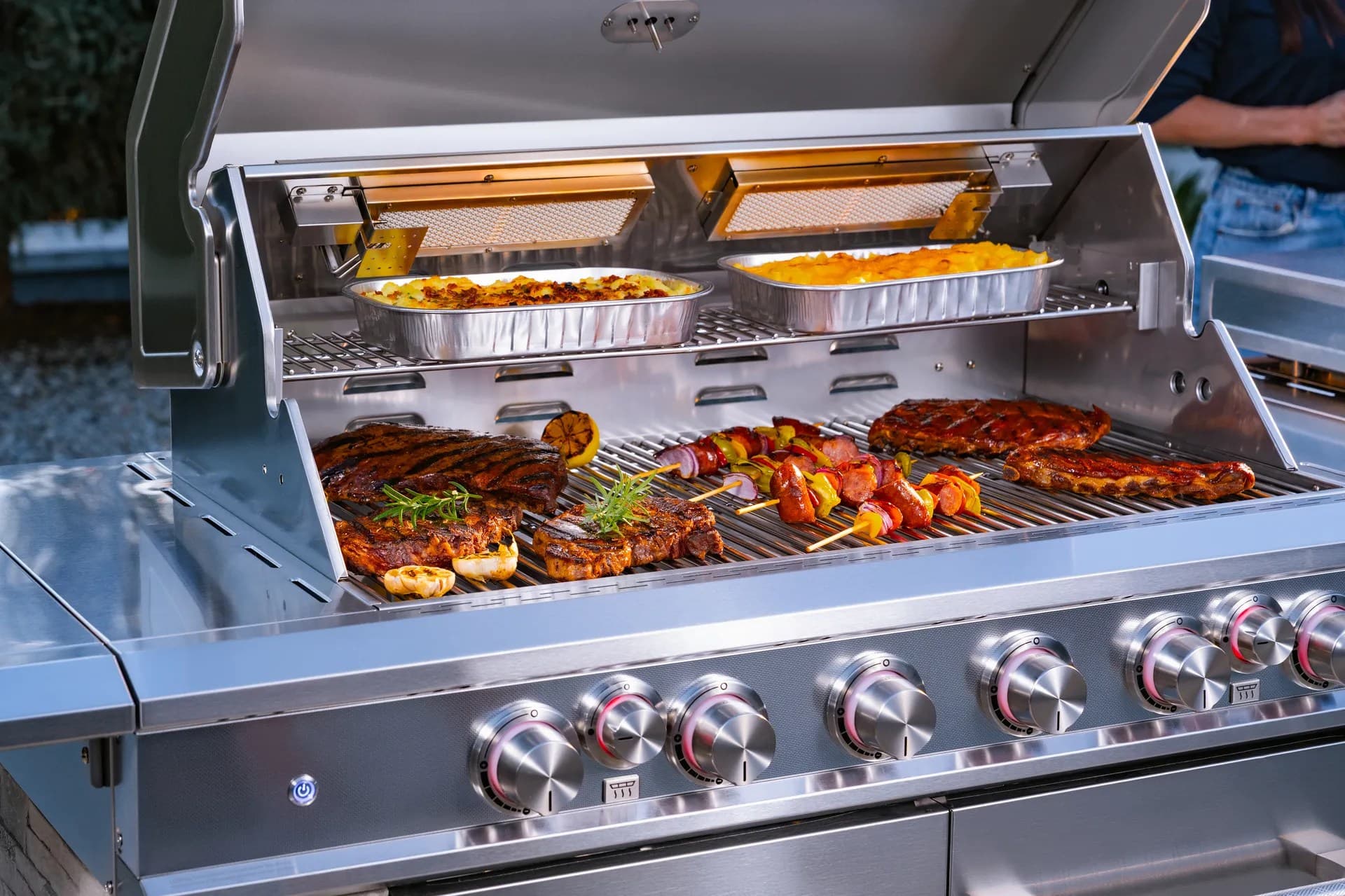
That capacity matters because the buying decision is not just about how large the grill looks on a patio. It is about whether the grill can support your normal cooking flow. A six-burner layout can let you set up a hot sear zone, a medium zone, and a lower-heat holding area at the same time. That matters when some guests want steak, others want chicken, and a tray of vegetables needs to stay warm while the first round is served. Stainless steel construction also makes sense for shoppers who want a cleaner look and a material that is easier to wipe down after greasy cooks, especially when the grill lives outdoors through changing weather.
Nexgrill’s brand perspective lines up well with this category because the company emphasizes approachable outdoor cooking, real-world usability, and value that makes gathering easier rather than more complicated . That is useful context for buyers who do not want to overpay for features they will never use, but still expect enough build quality and cooking capacity to justify the investment. The right six-burner grill should feel generous, practical, and easy to live with throughout the season.
A six-burner grill is usually best when you cook for 6 or more people often, or when you want multiple heat zones for direct and indirect cooking.
Another reason this segment gets attention is that it solves the “single large meal” problem better than smaller grills. If you routinely cook for a large household, or you have the kind of social calendar where one grilling session turns into a second round before the first platter is empty, capacity becomes a quality-of-life feature. With the right setup, you can move from searing to resting to warming without cycling food off the grill and back again.
Try comparing two products side by side below to see which configuration fits your patio space and cooking style best:
Key Features to Consider
When shoppers compare six-burner gas grills, they often start with the wrong number. BTU output matters, but it is not the whole story. A high BTU number only becomes useful when it is paired with a grill body that retains heat, burners that spread flame consistently, and a cooking surface that matches how much food you actually make. In other words, the best six-burner stainless steel gas grill is not always the one with the biggest label on the box. It is the one that turns fuel into usable cooking space efficiently and predictably.
| Feature | Why it matters | What to look for |
|---|---|---|
| BTU output | Helps the grill recover heat after lid openings and supports searing. | Enough power for quick preheat, but not just a large number with poor heat control. |
| Cooking area | Determines how many burgers, steaks, or vegetables you can cook at once. | Space that matches your real gatherings, not just the biggest available footprint. |
| Burner layout | Creates heat zones for direct, indirect, and holding positions. | Independent controls with even spacing across the firebox. |
| Stainless steel grade and finish | Affects corrosion resistance, appearance, and cleanup. | Thicker panels, practical finishes, and easy-to-clean surfaces. |
Cooking area deserves more attention than many buyers give it. A crowded grate can make even a powerful grill feel undersized because airflow becomes restricted and flipping becomes awkward. If you like to cook in batches, entertain while cooking, or serve multiple proteins with side dishes, larger usable area is a real advantage. Look for dimensions and grate layout that make sense for platter-style serving, not just square inches on paper.
Usually means better zone control, faster batch cooking, and more flexibility for large gatherings.
Material quality is equally important. Stainless steel is attractive because it resists corrosion better than many painted surfaces and cleans up more easily after splatter-heavy meals. But stainless steel is not all the same. Thicker panels, well-fitted lid seams, and solid hardware can influence how the grill feels over time. A thinner exterior may still look sharp on day one but can show wear sooner, especially in humid or coastal U.S. climates where moisture exposure is constant.
Another practical detail is ignition and temperature control. Six burners only help if each zone can be started and adjusted reliably. A grill that lights consistently and responds quickly when you turn knobs is easier to use for weekday dinners and large entertaining alike. For many buyers, that ease-of-use matters more than a flashy spec sheet. The best high-capacity grill should feel simple when you need it to be simple, and capable when you need it to stretch.
Benefits of Stainless Steel Construction
Stainless steel earns its place in this category for more than looks. First, it gives the grill a cleaner visual profile that fits well on modern patios and outdoor kitchens. More importantly, it helps with routine ownership. Grease, smoke residue, and food splatter are easier to remove from smooth stainless surfaces than from finishes that wear unevenly. If you cook often, that lower-friction cleanup can be the difference between using the grill freely and putting off maintenance until buildup becomes annoying.
For frequent grillers, stainless steel is often the best balance of appearance, cleanup, and outdoor durability.
Stainless steel is also a smart choice for a grill that will spend its life outdoors. Rain, morning dew, and seasonal temperature swings are simply part of the ownership experience in many parts of the United States. While no grill is immune to wear, stainless surfaces generally make it easier to stay ahead of corrosion when you combine them with basic care and a fitted cover. That matters if your grill stays on an uncovered deck, in a backyard entertaining area, or on a patio that sees year-round use.
There is also a performance-related benefit: stainless components often support a more premium-feeling cooking experience when they are integrated well. A lid that seals properly, control knobs that feel stable, and hardware that holds up under heat cycling all contribute to confidence when you are cooking for guests. This is where build quality matters as much as the material itself. A well-designed stainless grill feels durable because the whole structure works together, not because one panel is shiny.
Finally, stainless steel is easy to evaluate visually before purchase. You can often judge fit and finish from the door seams, burner knobs, shelf construction, and grate material. That makes the shopping process more concrete. Instead of relying only on marketing language, buyers can inspect whether the grill appears sturdy, whether lids and doors align, and whether the finish looks like it will age gracefully under normal outdoor use.
In the stainless steel category, the main trade-off is straightforward: you pay attention to quality more carefully. Stainless steel rewards buyers who compare thickness, construction, and internal layout instead of stopping at exterior shine. That is exactly why the comparison step matters. Once you know what to look for, it becomes much easier to decide which six-burner grill is built for your kind of cooking.
Once you’ve narrowed the field, the next step is comparing actual models side by side, because small differences in burner layout, side features, and steel finish can change the experience more than a brochure suggests.
Brand Comparisons: Nexgrill vs. Royal Gourmet vs. Kenmore
Once you've weighed two options against each other, the brand comparison becomes less about logos and more about how each grill category serves a different kind of buyer. In the six-burner stainless steel segment, Nexgrill, Royal Gourmet, and Kenmore each appeal to people who want high-capacity outdoor cooking, but they do not always prioritize the same things. A smart purchase starts by understanding where each brand tends to fit in a real household, not just on a retail shelf.
Nexgrill is especially relevant for shoppers who want approachable pricing, broad product selection, and a practical design philosophy that values real-world usability. The brand’s overall messaging emphasizes accessibility and gathering, which aligns well with buyers who want to host friends and family without overspending on features they may not need. If you are looking for a high-capacity grill that feels useful for weeknight meals but still ready for a bigger crowd, Nexgrill often lands in that middle ground nicely.
Royal Gourmet often attracts buyers who want a feature-packed value option. The brand is commonly associated with larger cart-style grills, side shelves, and a broad feature list that can look impressive for the price. That can be appealing if you want maximum visual utility and you enjoy comparing included extras. The trade-off is that the buyer should inspect steel thickness, burner layout, and long-term parts support carefully, because feature count alone does not tell you how the grill will age after a few seasons of use.
Kenmore is usually recognized by shoppers who value familiar retail presence and a household-name feel. For some buyers, that familiarity reduces hesitation during the purchase process. Kenmore models in this size class may feel attractive if you want a straightforward backyard centerpiece with broad appeal for family use. As with any brand, the details matter: burner efficiency, grease management, ignition reliability, and how well the stainless surfaces resist discoloration are more important than brand familiarity alone.
| Brand | Best for | Buyer caution |
|---|---|---|
| Nexgrill | Value-focused buyers who still want a roomy, practical grill. | Compare internal layout and build quality, not just finish. |
| Royal Gourmet | Feature shoppers who want a lot of visible equipment for the money. | Check materials and serviceability before assuming long-term durability. |
| Kenmore | Buyers who like familiar retail brands and straightforward layouts. | Make sure the cooking performance matches the name recognition. |
For six-burner shoppers, one of the most important brand questions is how the grill handles actual entertaining. A grill with six burners should be able to divide space cleanly between a hot side for searing, a moderate side for finishing, and a lower zone for resting. If a brand’s model has awkward burner spacing or underwhelming firebox design, the extra burners may not translate into practical flexibility. That is where reading reviews and studying cook-zone design matters more than comparing only exterior photos.
Another way to separate the brands is by ownership experience. Some buyers want the easiest possible cleanup and a straightforward learning curve. Others prefer more knobs, shelves, and accessories because they cook multiple dishes outdoors and want the grill to act like a mobile prep station. Nexgrill generally fits the buyer who wants a practical balance of those needs, while Royal Gourmet may attract the person who wants a visibly feature-heavy setup, and Kenmore may suit the buyer who simply wants a recognizable grill with dependable everyday use.
Buying Guide: What to Look For
A six-burner stainless steel gas grill is a purchase you feel every time you cook, so the buying guide should focus on how the grill will work in your space and with your habits. The first question is simple: how many people do you normally cook for? If the answer is consistently eight or more, or if you cook in courses for groups, a six-burner setup makes sense. If you only host a few times per year, the extra footprint may not be worth it unless you also want the luxury of zone control and extra prep space.
Do not buy based on exterior size alone. Measure your patio depth, clearance around the lid, and space needed for side shelves before you shop.
Next, think about fuel delivery and temperature recovery. Big grills are most enjoyable when they heat up predictably and maintain temperature after the lid opens. A grill that struggles to regain heat can leave you with uneven timing across multiple items. Also consider ignition simplicity, because six burners are only helpful when all zones can be started without frustration. If you frequently entertain, you want the grill to be ready when the first guests arrive, not after a long troubleshooting session.
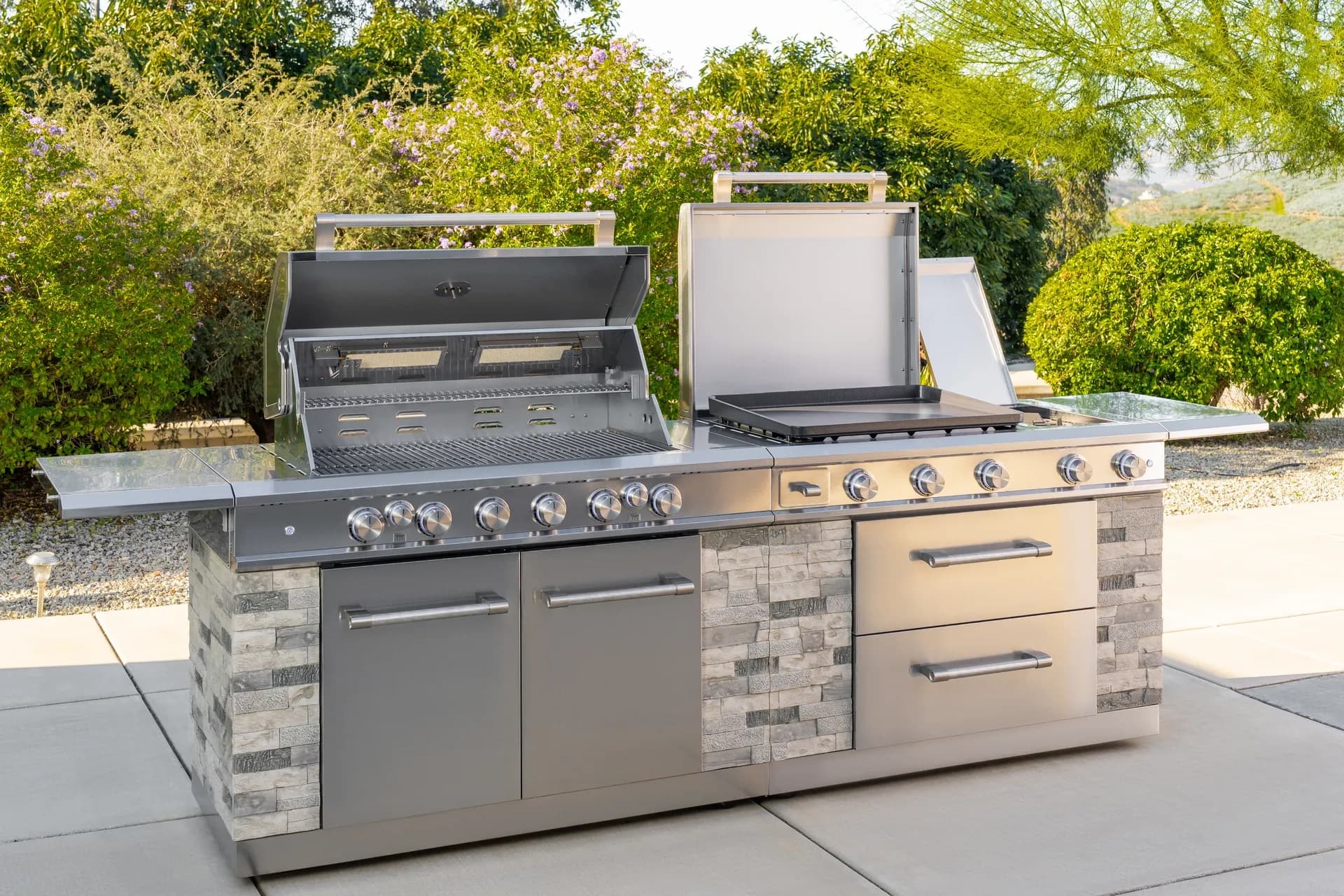
Look carefully at accessories and add-ons. Side burners help with sauces, corn, or cast-iron side dishes. A rotisserie kit can be a real advantage if you roast whole chickens or large cuts of meat, though you should verify whether the grill is designed to support one cleanly. Warming racks, enclosed storage, and removable grease management systems all add convenience, but only if they fit your workflow. If they are hard to access or awkward to clean, they lose value fast.
There is also a value question that buyers should not ignore. You are not just buying cooking surface area. You are buying the day-to-day experience of lighting, preheating, cleaning, and covering the grill after use. If a less expensive grill forces extra maintenance or frustration, the total ownership value drops. Conversely, a well-designed grill that is easy to live with may justify a slightly higher initial price because it gets used more often and more happily.
Maintenance Tips for Longevity
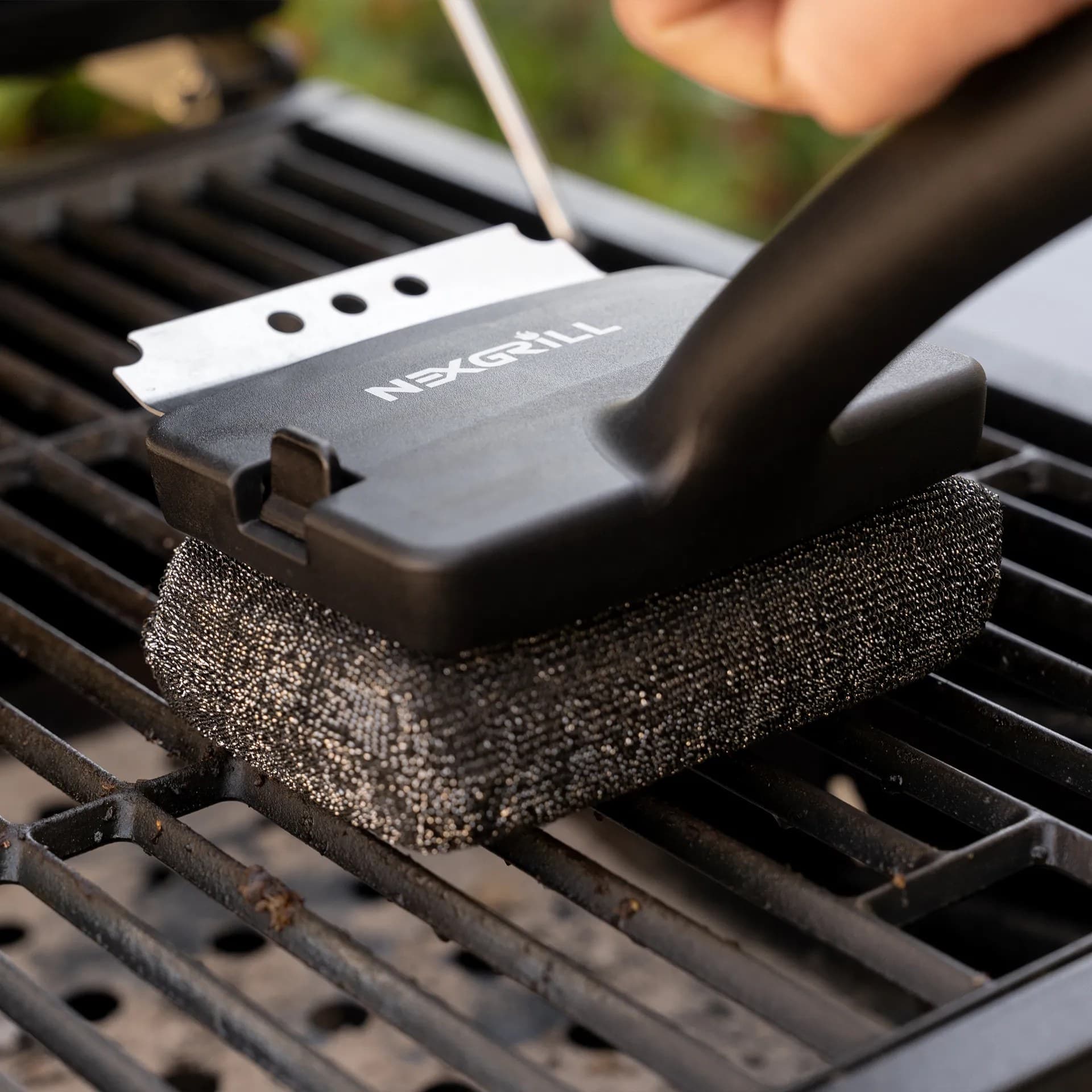
Stainless steel grills last longer when they are cleaned in small, frequent steps instead of one big rescue job at the end of the season. Brush the grates after cooking while they are still warm, wipe exterior panels with a soft cloth, and empty grease collection components before buildup hardens. This routine keeps the grill looking better and also reduces the risk of flare-ups and airflow problems.
A fitted grill cover and regular wipe-downs do more for longevity than most buyers expect, especially in humid or coastal climates.
For stainless steel surfaces, avoid harsh abrasives that can scratch the finish. Use mild soap, warm water, and a microfiber cloth for routine cleaning. If you notice discoloration from heat, clean in the direction of the grain. That small habit keeps the surface looking more uniform and helps preserve the finished appearance. Also inspect burners periodically. On a six-burner grill, even heat depends on six working zones, not five-and-a-half. A blocked port or uneven flame pattern can create noticeable hot spots over time.
If the grill lives outdoors year-round, make a habit of checking knobs, fasteners, and the grease tray before peak cookout season begins. It is easier to fix a minor issue early than to discover a problem when guests are already waiting. If your region sees hard winters, move the grill to a sheltered area when possible and keep the cover secured so moisture does not settle on seams and hardware.
Customer Reviews & Recommendations
Customer reviews for six-burner stainless steel gas grills tend to cluster around the same themes: assembly effort, heating consistency, size satisfaction, and how easy the grill is to clean after a full meal. That makes sense, because these are the things people notice first. A grill may look impressive online, but if it arrives with confusing assembly or uneven flame spread, that impression changes quickly. Review patterns are useful when they reveal repeated experiences rather than one-off complaints.
Shoppers who are happiest with these grills usually have one thing in common: they bought for a real use case. They knew they needed a large cooking surface, expected to cook in zones, and valued stainless steel because the grill would see frequent use. Those buyers often appreciate the convenience of a broad, stable work area and the confidence that comes from not having to juggle multiple smaller units. On the other hand, buyers who expected a six-burner grill to solve every cooking problem sometimes end up disappointed if they overlooked patio size or cleanup effort.
For recommendation purposes, Nexgrill is a strong fit for shoppers who want capacity and practicality without treating the grill like a luxury appliance. Royal Gourmet suits buyers who want a rich feature set and are comfortable checking details closely. Kenmore is a reasonable fit for shoppers who prefer familiarity and a more traditional retail decision process. In each case, the best model is the one that matches your real cooking rhythm, not the one with the most dramatic product photo.
The most useful customer feedback usually mentions whether the grill heats evenly across the grate, how easy the controls are to use, and whether the stainless finish stays attractive after regular weather exposure. That is the lens to use when reading ratings. A high star count is encouraging, but repeated comments about assembly difficulty or hot spots are more informative than generic praise.
Conclusion: Making an Informed Choice
Buying a six-burner stainless steel gas grill is ultimately about matching capacity to lifestyle. If you cook for large groups, enjoy multi-zone grilling, or want a sturdy outdoor centerpiece that feels ready for serious entertaining, this category delivers real advantages. Stainless steel adds practical appeal by making cleanup easier and giving the grill a polished look that suits most outdoor spaces.
The strongest buyers are the ones who compare more than price. They study burner layout, cooking area, build quality, accessory support, and the way the grill will actually be used week after week. That is where brand differences matter. Nexgrill emphasizes approachable value and usability, Royal Gourmet leans into feature density, and Kenmore offers familiar retail confidence. The best choice is the one that fits your patio, your hosting style, and your tolerance for maintenance.
If you want the best long-term value, choose the grill that balances size, construction, and ease of ownership, not just the one with the biggest headline spec.
For many shoppers, the ideal six-burner grill is the one that helps them cook with less stress and more confidence. That means a model that lights reliably, gives you room to work, and stands up to regular outdoor use. When those pieces line up, the grill becomes more than a purchase; it becomes the center of the gathering.