Delicious Pizza Oven Recipes to Try
Explore diverse pizza styles and unique dishes for your pizza oven.
In This Article
Variety of Pizza Styles
Perfect Pizza Dough
Non-Pizza Dishes
Introduction to Pizza Oven Versatility
A pizza oven can do far more than turn out a quick margherita. Once you understand how its intense heat, short bake times, and stone or steel cooking surface work together, it becomes one of the most flexible tools in an outdoor kitchen. The same environment that gives you blistered crusts and fast oven spring can also roast vegetables, sear proteins, crisp flatbreads, and even finish desserts with a caramelized edge. That is why the best pizza oven recipes are not just about pizza styles; they are about using heat strategically.
The biggest difference between pizza ovens and standard home ovens is how they deliver heat. Pizza ovens are designed to concentrate radiant heat above the food and conductive heat beneath it, which means the dough, sauce, and toppings all cook at a different pace. A successful recipe respects that pace. Neapolitan dough needs enough structure to puff quickly without drying out. New York-style dough needs a little more strength and a slightly longer bake so it can stay foldable. A Sicilian-style pan pizza needs fat, time, and enough room for the edges to crisp deeply. Once you start thinking in those terms, recipes become easier to adapt.
This article focuses on the kind of recipes home cooks actually use week after week: dough formulas you can repeat, sauce variations that are easy to keep on hand, and pizza styles that reward a pizza oven’s heat profile. It also moves beyond pizza to show how the same oven can handle vegetables, meats, and desserts without losing precision. The goal is not to overload you with novelty. It is to give you a dependable cooking playbook that makes your oven feel useful on a Tuesday night, not only on special occasions.
Tip: think of your pizza oven as a high-heat flavor machine. Recipes that cook quickly, brown well, and benefit from a hot surface are usually the best fit.
Many pizza oven recipes perform best when the floor is fully preheated and the oven is running hot.
Essential Pizza Dough Recipes
Great pizza starts with dough that matches the heat of the oven. If you are cooking at high temperature, the best dough recipes are usually built around simple ingredient lists and fermentation, not complicated add-ins. In a pizza oven, dough that is too sweet, too wet, or too enriched can brown before the center finishes cooking. For that reason, many cooks prefer a classic lean dough for traditional pies and reserve richer doughs for pan-style pizza or stuffed crust recipes.
Classic high-hydration dough for blistered crust
This is the most versatile starting point. Use flour, water, salt, and yeast, then let the dough rest long enough to build flavor and extensibility. A hydration level around 65% to 70% gives the crust enough moisture to puff in a hot oven without turning dense. If you want a lighter, more open crumb, cold ferment the dough in the refrigerator overnight or for up to 48 hours. That extra time improves flavor and makes stretching easier.
Quick same-day dough for weeknights
A same-day dough is practical when you want dinner without planning a day ahead. Use a touch more yeast, allow a warm bulk rise, and divide the dough once it is relaxed and smooth. This version will not have the same depth of flavor as a longer fermentation, but it can still brown beautifully in a pizza oven. The key is to avoid over-proofing, which can make the dough fragile and difficult to launch.
Gluten-free dough with enough structure to launch
Gluten-free pizza dough needs a different mindset because stretchability comes from binders and starch balance rather than gluten development. Look for a recipe that uses a gluten-free flour blend along with psyllium husk or xanthan gum for structure. The dough should be soft but not sticky, and it usually benefits from a brief rest before shaping. A par-bake can also help a gluten-free crust hold up under sauce and toppings in the intense heat of the oven.
| Dough style | Best use | Key advantage | Watch out for |
|---|---|---|---|
| Classic lean dough | Neapolitan, New York-style, thin-crust pies | Reliable stretch and fast browning | Can dry out if overbaked |
| Same-day dough | Quick dinners and casual gatherings | Fast turnaround | Less complex flavor |
| Gluten-free dough | Special dietary needs | Accessible and adaptable | Needs careful handling |
The real secret is matching dough to the style you want. A Neapolitan dough should be soft, elastic, and lightly fermented. A New York-style dough is often a bit stronger, with enough gluten development to support folding. A Sicilian dough is usually richer and more tender, with olive oil helping the pan crisp and brown. If you keep these style differences in mind, it becomes much easier to choose the right recipe instead of forcing one dough to do everything.
Pizza Sauce Recipes
Sauce is where many home cooks either overcomplicate the pie or underseason it. In a pizza oven, the sauce should support the crust and toppings, not flood them. Because the bake is fast, you do not need a long-simmered sauce for every recipe. In fact, a bright, restrained sauce often tastes better because the oven concentrates flavor so efficiently.
Simple tomato sauce for classic pizza
Use good canned tomatoes, a pinch of salt, and a little olive oil. If the tomatoes are very acidic, balance them with a tiny amount of sugar or a grated carrot cooked briefly and removed before blending. Keep the texture somewhat loose for spreadability, but not watery. This is the default sauce for most classic pizza recipes because it allows the cheese and toppings to shine.
Pesto sauce for green, herb-forward pies
Pesto works especially well on white pizzas, chicken pizzas, and vegetable-forward pies. A basil pesto with garlic, pine nuts, Parmesan, and olive oil gives the pizza a more aromatic profile than tomato sauce. Since pesto can brown quickly in the oven, use it in a light layer or dollop it after partial bake if you want a fresher herb finish.
White sauce for rich, savory combinations
A simple white sauce built from garlic, butter, and cream or ricotta creates a rich base for mushrooms, spinach, caramelized onions, and roasted chicken. It is best used sparingly because pizza ovens can intensify dairy flavors fast. This sauce pairs well with crusts that have a little extra structure, such as New York-style or pan pizza dough.
Warning: watery sauce is one of the fastest ways to ruin a pizza launch. If your sauce runs, the center will steam instead of bake and the crust may stay pale.
Top Pizza Recipes
The best pizza oven recipes usually start with a clear style target. Each style behaves differently in high heat, and the oven rewards precision. If you want the charred rim and soft center associated with Neapolitan pizza, keep the dough small, the toppings light, and the bake extremely short. If you want a sturdier slice, choose a style that can tolerate a slightly longer bake and a more generous topping load.
Neapolitan pizza
Neapolitan pizza is the purest expression of pizza oven cooking. Stretch the dough thin in the center, leave a puffed rim, and top with a simple tomato sauce, fresh mozzarella, and basil. Use just enough flour for handling, then launch onto a thoroughly preheated surface. At high temperature, the pizza can finish in about 60 to 90 seconds, so stay close and rotate as needed to prevent one side from scorching. The result should be lightly spotted, soft, and tender rather than crisp throughout.
New York-style pizza
New York-style pizza is ideal when you want a larger, foldable slice with more structure. The dough is generally stronger and the pie is often cooked at a slightly lower temperature than a Neapolitan pizza, which gives the cheese more time to melt evenly. Use tomato sauce, low-moisture mozzarella, and a moderate topping load. The goal is a crust that is crisp enough to hold but still pliable when folded.
Sicilian-style pan pizza
Sicilian pizza brings a different rhythm to the oven. Instead of launching directly onto the floor, you bake it in an oiled pan. This style benefits from a dough with enough fat and fermentation to develop a light interior and crisp, golden base. A tomato-forward sauce, grated cheese, and toppings like sausage, onion, or peppers work beautifully. Because the pan insulates the dough, the bake is longer, but the oven’s heat still gives the edges an excellent finish.
For a more adventurous menu, try a white pizza with ricotta, mozzarella, garlic, and roasted mushrooms, or a margherita built with sliced fresh mozzarella and basil after baking. The point is to use the oven’s speed and intensity to simplify the recipe, not overwhelm it. Try comparing two products side by side below to see which fits best:
Non-Pizza Oven Recipes
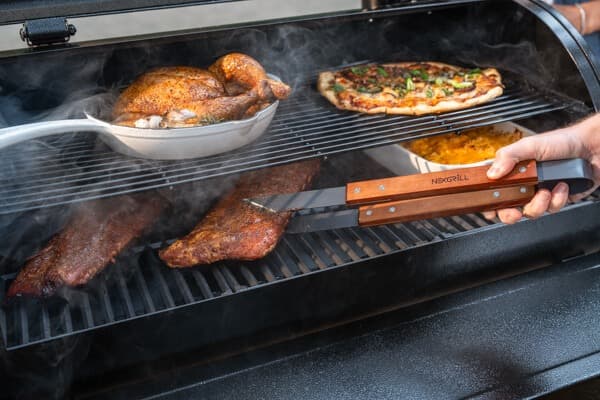
Once you've weighed two options against each other, the next question is what else your oven can do. The answer is: quite a lot, as long as you choose foods that benefit from high heat, quick browning, and a short path from fire to plate. That is why pizza ovens are so useful for building a varied menu. They can roast vegetables until the edges caramelize, sear meats with deep color, and finish desserts with a texture that feels restaurant-made without a complicated setup.
Roasted vegetables that keep their texture
Asparagus, zucchini, broccoli, mushrooms, peppers, and cherry tomatoes all perform well in a pizza oven. Toss them lightly in olive oil, season with salt and pepper, and use a shallow pan or cast iron skillet. The high heat helps them brown quickly before they go soft. If you want more depth, add garlic, lemon zest, or a finishing splash of vinegar after cooking. Because pizza ovens can run hot enough to char the outside of vegetables fast, it is important to arrange them in a single layer and keep a close eye on color.
Proteins with strong surface browning
Chicken thighs, sausages, pork chops, shrimp, and steak all benefit from pizza oven heat. The oven’s intense top heat can create excellent browning, while the stone or pan underneath helps cook the bottom evenly. For thicker cuts, start in a skillet and finish in the oven so the exterior develops color before the interior is fully done. This works especially well for weeknight meals because you can pair the protein with roasted vegetables and serve everything quickly.
Desserts that use residual heat well
A pizza oven is also excellent for desserts that need a crisp edge and a warm center. Fruit galettes, skillet cookies, and baked peaches or plums are all good candidates. A galette with berries and a little sugar can brown beautifully in a hot oven, while a skillet cookie develops a caramelized rim and a soft middle. The main trick is timing: once the oven is hot from pizza service, desserts often cook faster than expected. Keep them simple and use a thermometer or close visual checks where possible.
Tip: if your oven is too hot for a delicate dessert, let the temperature fall after pizza service and use the residual heat. That gives you more control and fewer burnt edges.
| Dish type | Best vessel | Typical advantage | Main risk |
|---|---|---|---|
| Vegetables | Shallow pan or cast iron | Fast caramelization | Can char quickly |
| Meats | Skillet or roasting pan | Deep browning | Uneven doneness if thickness varies |
| Desserts | Cast iron skillet, stone-safe pan | Crisp edges and warm fillings | Overbaking from residual heat |
Tips & Tricks for Pizza Oven Success
A few practical habits make a dramatic difference in pizza oven results. First, preheat long enough for the baking surface to store heat, not just the air inside the chamber. Many disappointing pies come from ovens that look hot but have a cool floor. If the base is underheated, the crust will pale while the toppings overcook. Give the oven time to stabilize before you launch your first pizza.
Second, manage your topping load. High heat rewards restraint. Too much sauce, cheese, or wet vegetables creates steam and slows the bake. If you want to load a pizza more heavily, choose a dough and style that can support it, such as New York-style or Sicilian. For more delicate pies, lighten the toppings and concentrate on contrast rather than quantity.
Third, rotate with intention. In many ovens, one side of the pizza will face stronger direct heat than the other. A quick rotation keeps the crust even and helps avoid scorching. If the bottom is coloring too quickly, lift the pizza momentarily or reduce the floor heat before the next launch. If the top is lagging, move the pie to a hotter area or finish with a brief higher flame if your oven design allows it.
Warning: if crusts are burning before the center cooks, your oven is likely too hot, your toppings are too heavy, or your dough is too thin for the style you chose.
Finally, keep a simple cooking log. Home cooks who write down dough hydration, room temperature, oven temperature, bake time, and topping combinations usually improve faster because they can repeat wins and troubleshoot misses. That small habit is often the difference between random success and consistent results. It also makes it easier to remember which recipes work best for family favorites and which are better for special occasions.
Conclusion
The best pizza oven recipes are the ones you can return to with confidence. Whether you are making a classic pie, trying a gluten-free crust, or turning out roasted vegetables and skillet desserts, the real value of a pizza oven is how much culinary range it gives you. Start simple, note what worked, and keep experimenting until your favorite recipes feel second nature.