The Best Pellet Smoker Grills for 2026
An in-depth guide to top pellet smoker grills, features, and comparisons.
In This Article
Top Models Reviewed
Brand Comparisons
Maintenance Tips
Introduction to Pellet Smokers
Pellet smoker grills have earned their place in the outdoor cooking conversation because they sit in a useful middle ground: the set-it-and-monitor convenience of a gas grill, the wood-fired flavor of traditional smoking, and enough temperature range to handle weeknight chicken as well as an all-day brisket. For many US buyers, the appeal is not simply that a pellet grill can smoke; it is that it can do so with less hand-holding than charcoal while still producing a flavor profile that feels more authentic than many basic gas setups. A good pellet smoker turns hardwood pellets into heat and smoke through an auger-fed fire pot, which means your fuel choice and the controller working together have a direct effect on the cook.
That is why the best pellet smoker grill for one household is not always the best for another. A beginner who wants reliable ribs for four people needs a very different machine than a backyard host who wants multi-rack capacity, a wide temperature band, and enough construction quality to keep steady in winter. This guide focuses on that practical decision-making: what the leading models are expected to do in 2026, which brands are strongest in which areas, and where the real trade-offs appear once the showroom shine fades and the pellets start burning.
Pellet smokers reward buyers who think in terms of cooking style, not just feature count. Temperature stability, usable cooking area, and controller quality matter more than flashy headlines.
One pellet hopper can support smoke, roast, bake, and sear-style cooking with the right grill.
For a brand like Nexgrill, the broader outdoor cooking lesson is familiar: buyers want a grill that is approachable, useful, and dependable in real homes, not just on spec sheets. The best pellet smoker grill should feel intuitive enough for first-timers while still satisfying experienced pitmasters who care about smoke management, recovery after lid openings, and how consistently the unit handles long cooks. That balance is exactly where pellet grills shine when they are designed well.
Why Choose a Pellet Smoker Grill?
The biggest reason people choose a pellet smoker grill is control. With charcoal, flavor can be outstanding, but temperature often demands more attention. With gas, control is easy, but smoke flavor is lighter unless you add accessories or specialized techniques. Pellet grills combine those ideas into a more convenient package. You set a target temperature, feed hardwood pellets into the hopper, and let the auger and controller regulate the fire. That makes pellet grills especially attractive for cooks who want to smoke pork shoulder overnight, roast chicken on a Sunday afternoon, or keep ribs in a steady 250°F range without babysitting a firebox.
Another reason buyers move toward pellets is versatility. A well-designed unit can smoke at low temperatures, bake pizzas or casseroles with the lid closed, roast vegetables, and handle searing better than older pellet designs that were too conservative with heat. For US households that entertain on patios, do weekend meal prep, or want one machine that replaces a smoker and a second grill, that versatility can be the deciding factor. It also helps that many modern pellet cookers are built with digital controls, meat probes, and app-based monitoring, which reduce friction for newer users.
Pellet smokers are convenient, but they are not hands-off in the absolute sense. They still need clean burn pots, dry pellets, and periodic checks during long cooks.
The flavor advantage is more subtle than a full charcoal bed, but it is real. Hardwood pellets create a cleaner, steadier smoke profile that many users describe as balanced and repeatable. That repeatability is important when you are cooking for guests and want the same results on a Saturday in July and a colder evening in November. When people ask whether a pellet smoker is worth it, the better question is whether they value consistency, low-stress smoking, and multi-use cooking enough to trade some of charcoal’s ritual for more convenience.
Top Picks for 2026
The best pellet smoker grill list for 2026 should be read as a buyer’s map, not a trophy rack. Models rise to the top for different reasons: some because they hold temperatures exceptionally well, others because they offer more cooking room per dollar, and others because their controllers and app support make them easy to live with. Since pellet grill shoppers in the United States often compare by budget, warranty confidence, and how much food the grill can realistically handle, the most useful top picks are grouped by use case.
| Model Type | Best For | Typical Strength | Trade-Off |
|---|---|---|---|
| Premium large-capacity pellet smoker | Frequent hosts and long brisket cooks | Stable low-and-slow performance | Higher purchase price and footprint |
| Midrange all-rounder | Families and weekend smokers | Good balance of capacity and value | May need more attention in very windy weather |
| Compact pellet grill | Smaller patios and first-time buyers | Easier setup and storage | Less room for large cuts or multiple racks |
A practical way to read the 2026 field
A premium model is worth considering if you regularly cook brisket, pork butt, turkey, or multi-rack ribs and want enough thermal mass to ride through long sessions without swings. A strong midrange model is often the sweet spot for families because it usually gives you enough room for weekend use without forcing you into a giant footprint or a top-tier price. Compact pellet smokers make sense when the buyer is space-constrained or new to pellet cooking and wants to learn the process before moving into a larger cooker. The key is not to overbuy for the sake of spec-sheet bragging rights. A grill that is too big for your actual cooking habits often burns more pellets, occupies more space, and becomes less enjoyable to keep running.
In 2026, the best purchases will likely be the models that combine dependable probe feedback, straightforward app connectivity, and solid construction around the fire pot and hopper area. Those are the components that matter after the first unboxing photo is forgotten.
Comparing Leading Brands: Traeger, Weber, Recteq, and Pit Boss
Brand choice matters because each company tends to emphasize a different ownership experience. Traeger remains the name many shoppers recognize first, especially if they want a polished ecosystem and a broad range of recipes and accessories. Weber brings strong brand trust from the charcoal and gas world and typically appeals to buyers who value clean design, accessible interfaces, and strong retail presence. Recteq has built a following among users who want stout construction and a reputation for temperature consistency. Pit Boss is often the value conversation starter, drawing buyers who want more cooking area and features without pushing too far up the price ladder.
A useful way to compare them is by what problem each brand solves best. Traeger often wins on mainstream familiarity and ease of entry. Weber is frequently chosen by shoppers who want a known household name and a more refined all-around experience. Recteq tends to stand out for serious users who talk a lot about build quality, controller performance, and long cooks. Pit Boss attracts the buyer who wants to get into pellet cooking with less upfront cost and still have enough room to smoke for a crowd. None of these brands is perfect in every situation, but each has a clear lane.
| Brand | Best Strength | Who It Fits | Possible Weak Spot |
|---|---|---|---|
| Traeger | Broad ecosystem and easy starting point | Beginners who want guidance and support | Often priced above similarly sized value competitors |
| Weber | Refined design and strong brand trust | Buyers who want a polished ownership experience | May offer fewer raw-value features than cost-focused rivals |
| Recteq | Heavy-duty feel and temperature consistency | Experienced users and long-cook enthusiasts | Can be a bigger commitment in size and budget |
| Pit Boss | Feature set and value per dollar | Budget-conscious buyers and large-cook households | May require more user attention for consistent results |
If you are comparing Traeger versus Recteq, the real question is whether you want brand familiarity and a smoother beginner ramp, or a more heavy-duty, value-forward machine that can feel sturdier in long smoking sessions. If you are comparing Weber versus Pit Boss, you are usually deciding between a more polished premium experience and a more aggressively priced feature set. For many shoppers, the right answer is simply the brand whose strengths match their actual cooking habits, not the one with the loudest fan base.
Key Features to Consider
The best pellet smoker grill is rarely the one with the biggest headline number. Instead, it is the unit whose controller, airflow, cooking surface, and build quality match how you cook. In the United States, buyers often compare capacity in square inches, temperature range, hopper size, and whether the grill has Wi-Fi or app control. Those details matter, but they should be read together rather than in isolation.
- Temperature control: Look for a controller that can hold steady at low smoking temperatures and recover quickly after the lid is opened.
- Cooking area: Think in terms of realistic meal size, such as two briskets, a large turkey, or multiple racks of ribs.
- Construction: Thicker metal, tight-fitting lids, and well-sealed hopper areas can improve heat retention and weather resistance.
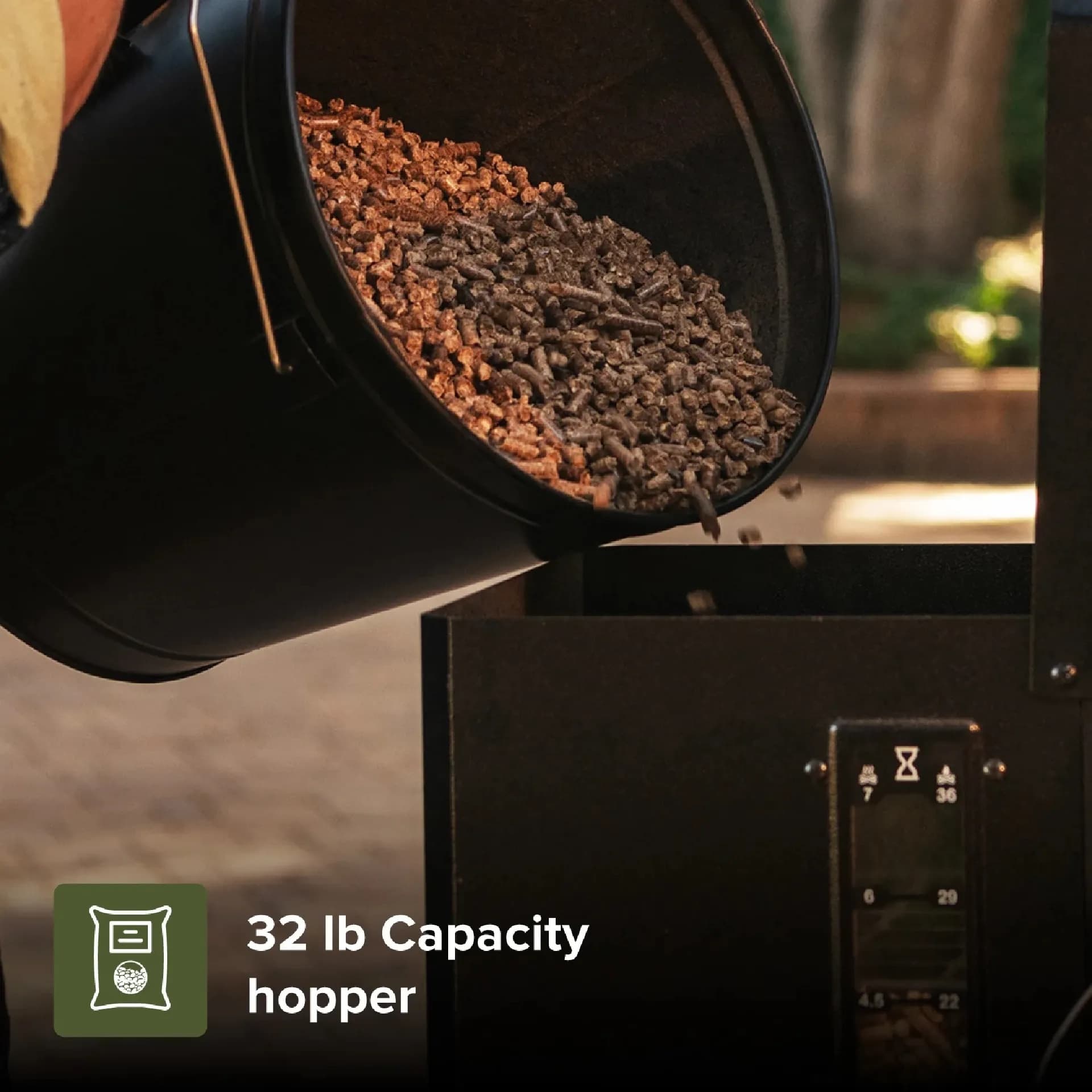
- Hopper capacity: Larger hoppers support longer sessions and reduce the need for mid-cook refills.
- Probe support: Integrated meat probes help reduce guesswork and make long cooks less stressful.
One overlooked feature is the grill’s ability to run cleanly at lower temperatures without producing excessive ash or smoldering instability. Buyers often focus on maximum heat, but most pellet grill ownership happens in the 180°F to 275°F band, where smoking, roasting, and holding occur. Another overlooked factor is access for cleanup. If the burn pot, grease tray, and ash removal path are hard to reach, the grill will be less pleasant to own even if it performs well on paper.
If you host often, prioritize recovery time and usable surface area. If you cook mostly for two to four people, prioritize stable low-temperature control and easy cleanup.
Try comparing two products side by side below to see which fits best:
User Experiences and Testimonials
Once you have compared two pellet smoker grills side by side, the next layer of judgment comes from actual ownership. User feedback often reveals things spec sheets cannot: how easy the startup routine feels after a long week, whether pellets feed reliably in colder weather, how often the app truly gets used, and whether the grill is simple enough that the whole household is comfortable running it. Across recurring US buyer discussions, the most common praise for pellet grills is convenience paired with flavor. People like that they can set a target temperature and still get enough smoke character to make ribs, pork shoulder, salmon, and chicken taste distinctly wood-fired.
A recurring theme in user reviews is that the best pellet smoker grill is usually the one that makes cooking feel repeatable. New owners often describe a “confidence jump” after their first few successful cooks because pellet grills remove a lot of the anxiety around fire management. More experienced users often value the same thing for a different reason: repeatability means they can host without standing over the cooker all day. At the same time, seasoned users also point out that pellet smokers reward preparation. Dry pellets, a clean burn pot, and a properly chosen cooking temperature often separate a great session from a frustrating one. Good maintenance is what keeps a pellet grill enjoyable after the novelty wears off.
The most satisfied owners usually describe pellet cooking as “easy once learned,” not “effortless.” That distinction matters because it sets realistic expectations.
Another user-driven insight is that size satisfaction changes over time. First-time buyers often think a medium cooker is enough until they plan a holiday meal, a neighborhood gathering, or an overnight brisket. After that, they begin to appreciate generous cooking area, better grate access, and a hopper that does not require constant refilling. On the other hand, some users who buy oversized units later say they could have saved money and pellets by choosing a more compact model. The sweet spot depends on how many times a month the grill will actually be loaded to capacity.
Common Issues and Troubleshooting
Pellet smoker grills are friendly to use, but they are still mechanical systems that depend on fuel flow, airflow, and electronics working together. The most common issues are usually not dramatic failures; they are small interruptions that affect cooking consistency. If a grill struggles to ignite, the first place to look is often the fire pot and the quality of the pellets themselves. Moist or crumbly pellets can bridge in the hopper, feed unevenly, or create inconsistent heat. Likewise, a burn pot full of ash can make ignition slower and less reliable than it should be.
Temperature swings are another common concern. On windy days or in colder climates, some pellet grills take longer to recover after the lid is opened. That is not always a defect; it is often a function of construction, insulation, and controller response. If the grill is running far below target or overshooting consistently, users should check for air leaks, a dirty temperature probe, or obstructed airflow. A greasy probe can misread temperatures and send the controller down the wrong path.
If your grill begins producing less smoke than expected, do not assume the unit is broken. Pellets, airflow, and temperature settings often explain the difference.
Some users also run into pellet bridging, where the fuel forms a tunnel in the hopper instead of falling evenly into the auger. This tends to happen more often with long pellets, broken pellets, or a hopper that has not been stirred before a long cook. A quick visual check before overnight smoking can save a lot of frustration. Another practical issue is grease management. If the grease tray and drip path are not cleaned regularly, grease buildup can affect flavor and create flare-up risk. The solution is rarely complicated, but it does require a basic maintenance habit.
Maintenance Tips for Pellet Smokers
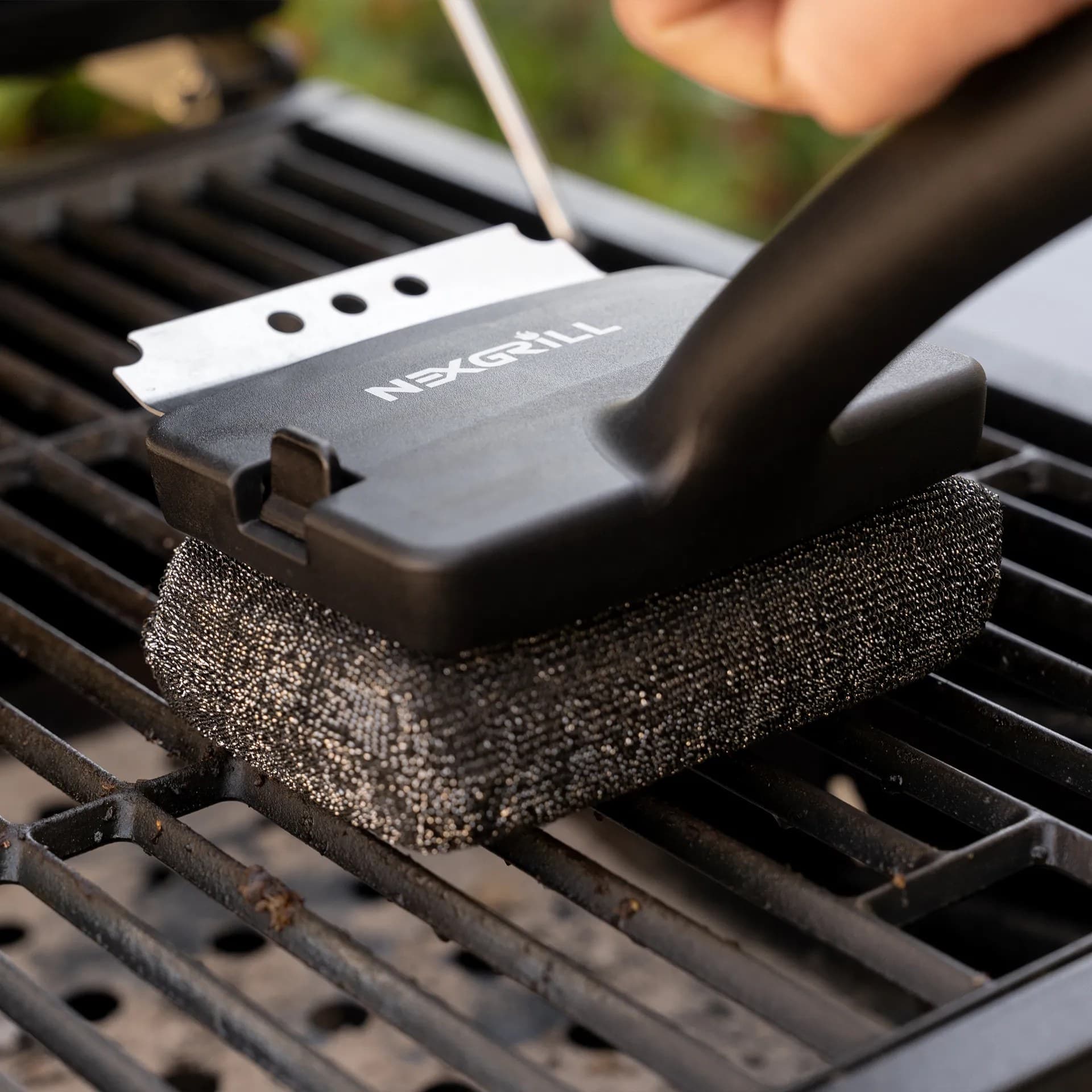
Good maintenance is what keeps a pellet grill enjoyable after the novelty wears off. The process does not need to be complicated, but it should be consistent. After most cooks, let the grill cool enough to handle safely, then brush the grates while residue is still manageable. Ash should be removed from the burn pot and surrounding area regularly because ash buildup can interfere with ignition and airflow. Grease trays, drip buckets, and heat deflectors should also be checked often so residue does not become baked-on buildup that is harder to remove later.
Pellets deserve their own care rules. They should be stored in a dry, sealed container because humidity can swell them and reduce their burn quality. In many US climates, garage or patio storage can seem harmless until a rainy week or humid stretch changes pellet behavior. If pellets feel soft or crumble easily, they are more likely to cause feeding and combustion problems. Keeping a small supply of fresh pellets on hand is a simple way to preserve consistency.
| Maintenance Task | How Often | Why It Matters |
|---|---|---|
| Brush grates and clear visible residue | After most cooks | Preserves flavor and reduces buildup |
| Empty ash and inspect burn pot | Every few cooks or before long sessions | Supports reliable ignition and airflow |
| Clean grease tray and drip path | Weekly or as needed | Reduces flare-up risk and smoke odor problems |
| Check pellets for moisture and clumping | Before each long cook | Helps prevent auger issues and weak combustion |
A cover is also worth using if the grill sits outdoors year-round. Even a well-built pellet smoker benefits from protection against rain, sun, and dust. In addition, it helps to run a short high-heat burn cycle occasionally to reduce grease residue in the chamber when appropriate for your model. Owners who treat maintenance as part of the cooking ritual usually enjoy longer-lasting performance and fewer surprises when company is on the way.
Conclusion: Finding Your Perfect Pellet Smoker
The best pellet smoker grill is the one that matches your real cooking life. If you want the easiest path into wood-fired cooking, choose a model with reliable temperature control, a forgiving startup routine, and enough cooking space for your usual meals. If you cook often for a crowd, prioritize capacity, thermal stability, and a hopper that supports long sessions. If you are the kind of buyer who values a heavier-duty feel and long-cook consistency, then a more robust midrange or premium brand may be worth the extra spend.
For many buyers, the decision comes down to a simple three-part filter: how much food you cook, how much space you have, and how much attention you want to give the fire. Once those answers are clear, the right grill usually becomes obvious. Pellet smokers are at their best when they make outdoor cooking feel welcoming, repeatable, and worth sharing. That is why they continue to be one of the most popular options for households that want smoke flavor without the old-school hassle.