Top Pellet Grills with Cast Iron Grates: A Comprehensive Guide
Explore the best pellet grills featuring cast iron grates for superior cooking performance.
In This Article
Enhanced Heat Retention
Flavor Enhancement
Durability and Longevity
Introduction: The Appeal of Pellet Grills with Cast Iron Grates
Pellet grills already have a strong following because they remove a lot of the guesswork from outdoor cooking. You get steady, controllable heat from wood pellets, a broad temperature range for smoking and roasting, and a flavor profile that feels more hands-on than a standard gas grill without demanding constant fire management. When a pellet grill is paired with cast iron grates, the result is even more compelling for people who want better browning, stronger sear marks, and a cooking surface that feels substantial under everyday use. That combination is especially attractive to backyard cooks who like the easy start-up of a pellet system but still want the heat behavior and food contact of a more traditional grilling surface.
At Nexgrill, the broader grilling philosophy is built around accessible performance, practical cooking flexibility, and a welcoming outdoor cooking experience. That matters here, because the best pellet grill with cast iron grates is not simply the model with the heaviest parts or the biggest hopper. It is the one that fits how you cook: quick weeknight dinners, low-and-slow weekends, or mixed menus where you smoke ribs in the afternoon and finish vegetables or steaks at the end. The real question is how well the grill supports those transitions while giving you the thermal stability that cast iron is known for.
Cast iron holds and transfers heat differently than lighter grate materials, which changes searing and browning in a noticeable way.
For shoppers comparing brands like Traeger, Pit Boss, and Camp Chef, the conversation often starts with temperature control and cooking capacity, but it should also include how the grate surface behaves once the food is on it. Cast iron can help anchor a steak’s crust, improve burger browning, and keep vegetables from feeling underdeveloped or steamed. It can also make a pellet grill feel more versatile, because the same cooker that excels at smoked chicken thighs can also handle a direct-heat finish that looks and tastes closer to classic grilling. That versatility is a major reason this category keeps growing among both casual cooks and experienced backyard pitmasters.
A pellet grill with cast iron grates is often chosen for the way it balances convenience and grill-style browning, not just for smoke output alone.
Because this guide focuses on the best pellet grill with cast iron grates, it helps to think in terms of outcomes rather than buzzwords. Do you want a cleaner all-purpose smoker that can also sear well? Are you trying to upgrade from a thinner grate surface that leaves steaks under-marked? Or do you mostly want a family-friendly smoker that still feels like a real grill when you cook burgers on Saturday? Those are the use cases where cast iron becomes a meaningful differentiator, and where a pellet grill can deliver more than smoke and convenience alone.
Benefits of Cast Iron Grates in Pellet Grills
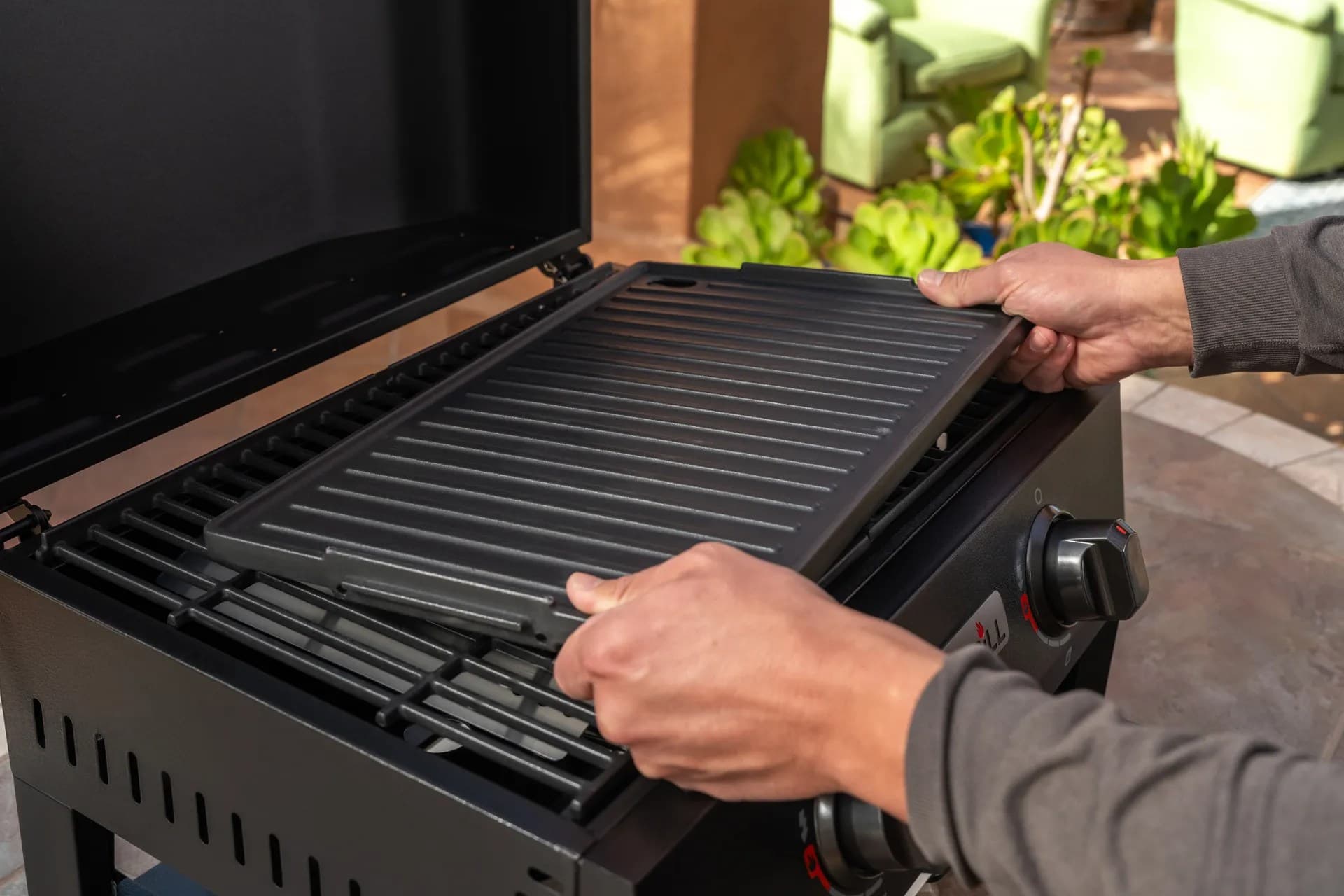
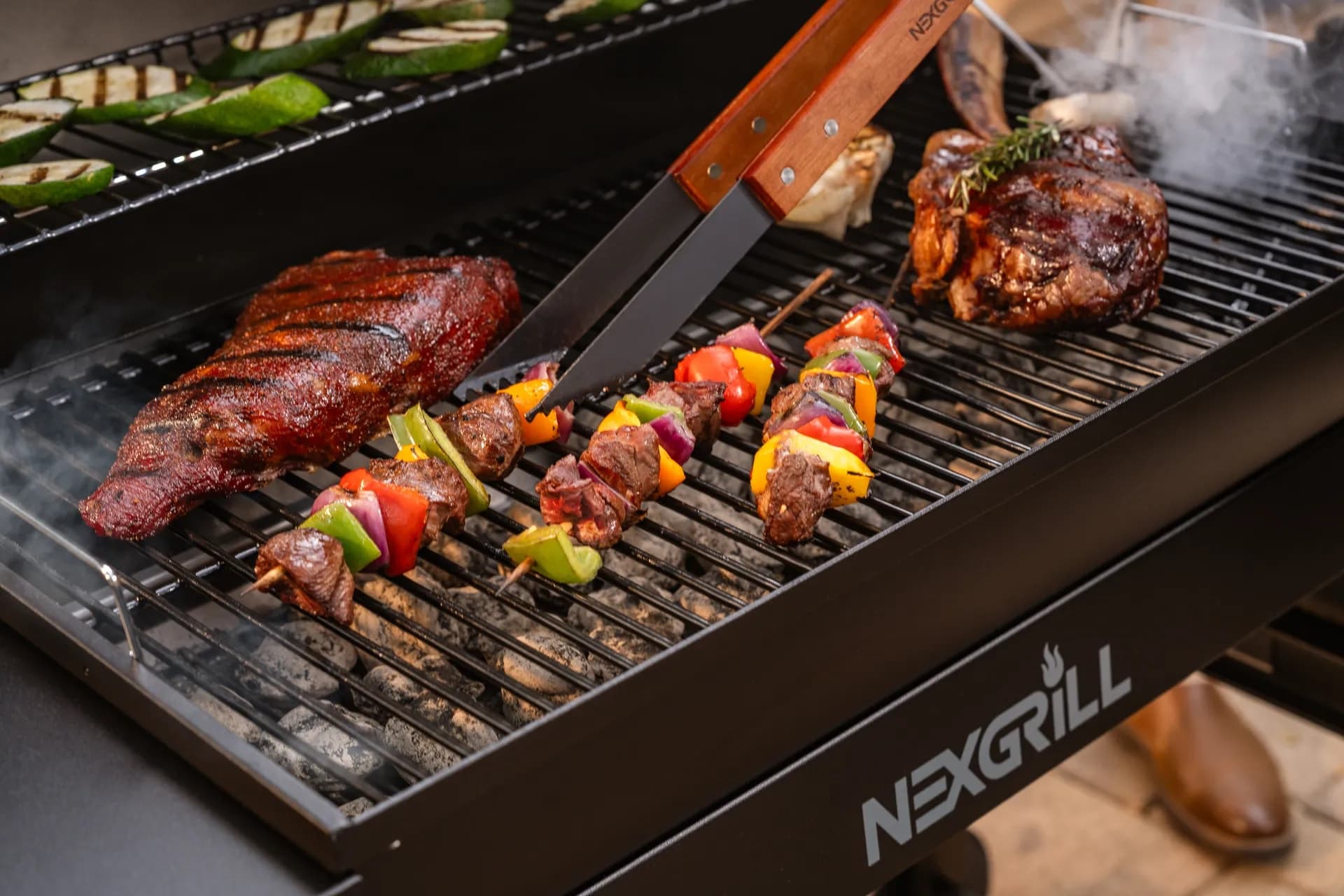
Cast iron grates stand out first for thermal mass. They heat up more slowly than thin wire or stamped grates, but once they are hot, they tend to hold temperature well across the surface. In a pellet grill, that matters because pellet-fired cooking can sometimes feel more gentle than direct flame grilling. Cast iron helps bridge the gap by giving food a hotter, more responsive contact point. The effect is clearest with proteins that benefit from a strong initial sear: ribeye steaks, pork chops, chicken thighs, salmon skin, and smash burgers. Even when the pit temperature is set for moderate smoking, the grate can still contribute meaningful browning where food touches metal.
Another advantage is the texture cast iron creates. Food browns better when moisture can evaporate quickly at the surface, and cast iron’s heat retention helps drive that process. The result is not just darker grill marks; it is a more developed crust and deeper savory notes. In practical terms, that means a pellet grill with cast iron grates is often better for cooks who dislike the pale, steamed look some meals get on lighter surfaces. If you cook a lot of vegetables, cast iron can also help improve blistering on peppers, asparagus, zucchini, mushrooms, and corn, especially when paired with a well-preheated grate.
| Grate material | Heat retention | Best use case |
|---|---|---|
| Cast iron | High | Searing, browning, mixed smoke-and-grill cooking |
| Stainless steel rod | Moderate | All-purpose grilling with easier upkeep |
| Porcelain-coated steel | Moderate | Convenience-focused cooking and easier release |
There is also a flavor advantage, though it is often misunderstood. Cast iron does not magically make food taste smoky by itself. Instead, it helps food brown more effectively, and browning is where a lot of flavor development happens. When rendered fat and surface proteins react against a hot grate, you get richer caramelization and a more pronounced grilled character. That matters most when the meal is simple, such as salted steaks, chicken, or vegetables, because the cooking surface itself does more of the work.
Durability is the final benefit, but it comes with a condition: care. Cast iron is tough, and with proper seasoning and storage it can last for years. The trade-off is that it asks more of the owner than stainless steel or coated surfaces. If you are willing to oil it lightly, dry it fully, and keep rust from taking hold, you gain a cooking surface that rewards consistency. For many buyers, that balance of performance and upkeep is exactly what makes cast iron worth it.
Top Pellet Grills Featuring Cast Iron Grates
The strongest pellet grills with cast iron grates are usually the ones that do more than advertise a grate material. They combine temperature stability, practical capacity, reliable ignition, and a layout that lets cast iron work the way it should. Traeger, Pit Boss, and Camp Chef each approach that formula a little differently, so the best choice depends on the kind of cooking you do most often. In many real-world setups, Traeger is favored for polished user experience and consistency, Pit Boss for value and bigger cooking footprints, and Camp Chef for modular cooking flexibility and accessories that appeal to more hands-on grillers.
| Brand | Typical strength | Best fit |
|---|---|---|
| Traeger | Reliable temperature control and polished controls | Cooks who want a smoother, premium-feeling pellet experience |
| Pit Boss | Strong value and large cooking areas | Budget-conscious buyers and frequent hosts |
| Camp Chef | Flexible accessories and cooking versatility | Grillers who like to experiment with mixed methods |
A Traeger pellet grill with cast iron grates makes sense if you value intuitive operation and a predictable learning curve. Many owners appreciate that the grill feels approachable even when they are cooking more advanced meals, such as reverse-seared ribeyes or smoked-and-finished pork chops. Pit Boss, meanwhile, tends to attract shoppers who want more cooking surface per dollar. That can be a smart route if you regularly feed a larger family or entertain on weekends, because cast iron can improve the finishing step on a spacious cooker that already handles smoking well.
Camp Chef is often the favorite of cooks who want more control over how the surface is used. Its pellet platform appeals to people who like to smoke low and slow, then use the grill as a stronger finishing station. That is where cast iron earns its keep: it turns a pellet grill from a smoker that also grills into a tool that can genuinely finish food with confidence. If you like to cook one meat while another rests, or if you want to throw vegetables and bread onto a hot surface at the end of a meal, this style of grill can be especially satisfying.
The best pellet grill with cast iron grates is usually the one that matches your cooking rhythm, not the one with the largest spec sheet.
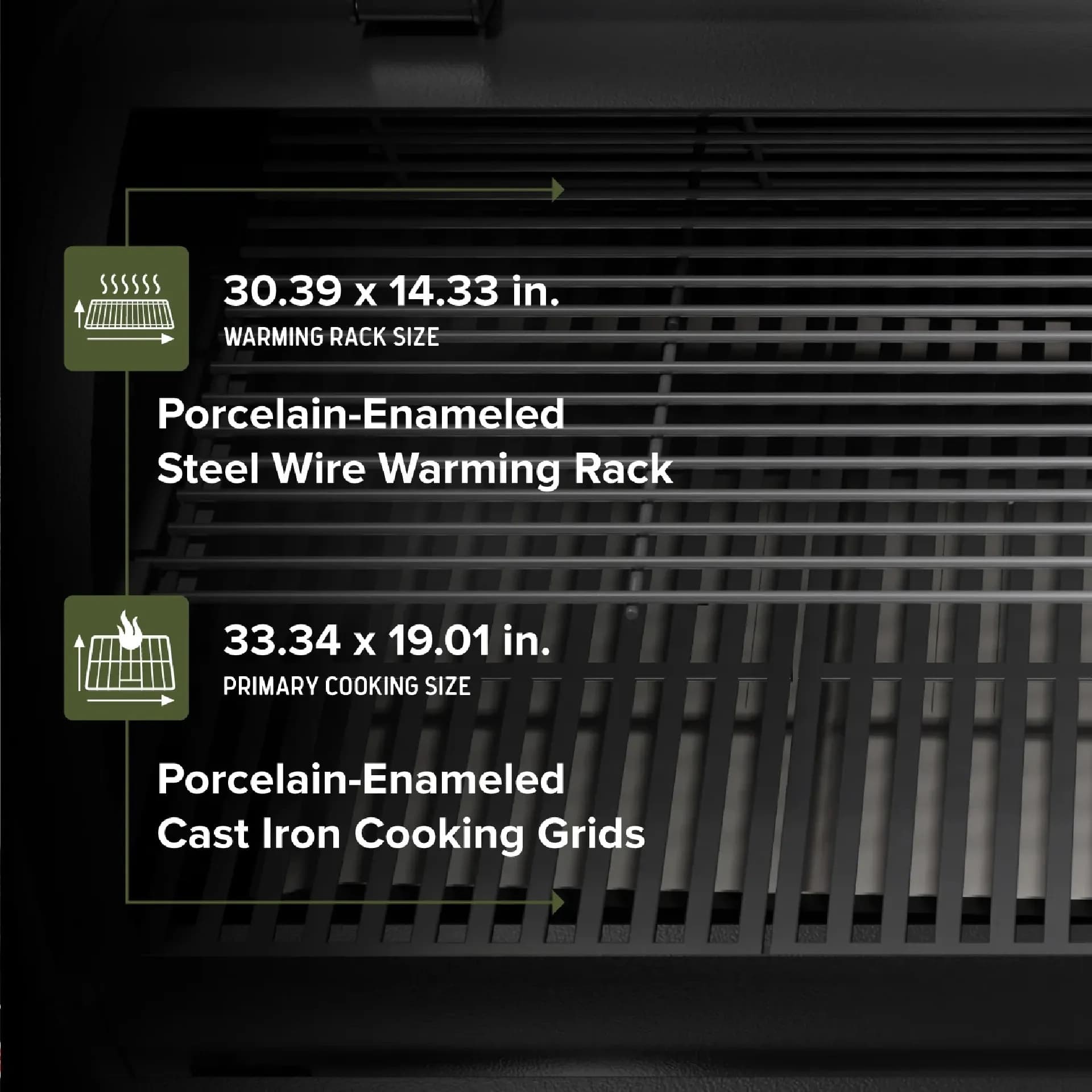
A useful way to judge models is to ask whether the grate is part of the cooking system or just an accessory. On a strong pellet grill, cast iron should sit in a design that supports heat flow, easy access for cleaning, and enough space to preheat the surface properly. If the grill cannot hold steady temperature or the grate area is awkwardly laid out, the cast iron advantage is weakened. When the whole package is well balanced, though, the grate becomes a real performance upgrade rather than a marketing bullet point. Try comparing two products side by side below to see which fits best:
Introduction: The Appeal of Pellet Grills with Cast Iron Grates
Once you've weighed two options against each other, the next step is to think about how the grill will live in your yard, on your patio, or in your regular weekend routine. That is where pellet grills with cast iron grates really separate themselves from more generic outdoor cookers. The category is not just about smoke flavor. It is about getting a grill that can behave like a smoker on Sunday, then act more like a high-contact finishing surface when it is time for steaks, fajitas, or vegetables. For many buyers, that versatility is the reason the best pellet grill with cast iron grates earns a permanent spot outside instead of being used only a few times a season.
The user experience matters here as much as the metal. A pellet grill is already attractive because it simplifies fire management, and cast iron grates add a layer of confidence once food hits the cooking surface. Home cooks who regularly prepare mixed menus often notice that they can smoke chicken thighs at a moderate temperature, then turn around and get stronger color on a pan of onions or a quick steak finish. That makes the grill useful for more than low-and-slow barbecue. It becomes a practical tool for everyday cooking, especially when the goal is to serve a full meal from one outdoor station.
If you want cast iron to perform well, preheating matters just as much as the brand name. A cool grate will not deliver the same browning as a properly heated one.
Benefits of Cast Iron Grates in Pellet Grills
Cast iron grates are valuable because they change how the grill transfers energy to food. Pellet grills can be very good at maintaining stable ambient temperature, but cast iron adds stronger thermal contact at the cooking surface. That matters for the foods people tend to judge most harshly: steak crust, burger char, chicken skin, and the browning on grilled vegetables. With a pellet grill and cast iron grates, those finishes can look more intentional and taste more developed, provided the surface is seasoned and preheated properly.
Cast iron also helps build confidence for cooks who are still learning how to use a pellet grill beyond smoking. A lot of first-time buyers start with ribs, pork shoulder, or whole chickens. After a while, they want the grill to do more. A cast iron grate helps bridge that gap because it gives them a more familiar grilling experience. Foods sear with more authority, grill marks are easier to produce, and the surface has enough mass to recover heat when cold food is placed on it. That is especially useful when cooking in batches for a family meal or a backyard gathering.
| What cast iron changes | Why it matters | Typical result |
|---|---|---|
| Surface heat retention | More stable contact temperature | Better browning and sear marks |
| Thermal recovery | Heat rebounds after food is added | More even cooking in batches |
| Fat interaction | Rendered fat meets a hot, seasoned surface | Richer grilled flavor |
The flavor benefit is partly sensory and partly practical. Cast iron does not inject smoke flavor, but it improves the cooking conditions that create desirable flavor on the exterior of food. A properly seasoned grate can also reduce sticking, which preserves crust and keeps delicate foods like fish from tearing. For many grill owners, that combination of improved surface behavior and strong durability is enough to justify the extra care involved.
That care is not difficult, but it is non-negotiable if you want the grate to last. Cast iron should be dried thoroughly after cleaning and protected with a light coat of oil. If left damp, it can rust quickly, especially in humid climates or if the grill is stored outdoors. Owners who follow a simple oil-and-dry routine usually get far better long-term value than those who treat cast iron like a set-it-and-forget-it component.
Top Pellet Grills Featuring Cast Iron Grates
When comparing the top pellet grills featuring cast iron grates, it helps to evaluate the grill as a complete system. Traeger, Pit Boss, and Camp Chef each bring different strengths to the table, and user reviews often reflect that their ideal buyers are not the same. Traeger tends to get praise from owners who want a dependable, easy-to-live-with grill that handles a wide range of cooks without much fuss. Pit Boss earns attention from shoppers who want a lot of cooking space for the money. Camp Chef often stands out when buyers want the flexibility to move from smoking to searing with minimal compromise.
In practical use, Traeger is a strong pick for weeknight grilling and for anyone who prefers a calmer learning curve. People often describe the experience as predictable in a good way: set the temperature, let the grill stabilize, and cook with confidence. Pit Boss usually appeals to larger households and hosts because the cooking area and value proposition tend to feel generous. That makes it attractive if your cast iron grate is going to see frequent use with burgers, chops, skewers, and side dishes all at once. Camp Chef is frequently the choice of the more involved griller who wants add-on flexibility and a grill that can handle both smoking and harder finishing work.
| Brand | What users usually praise | Trade-off to consider |
|---|---|---|
| Traeger | Ease of use and steady results | Often priced higher for the feature set |
| Pit Boss | Cooking area and value | May feel less refined in controls |
| Camp Chef | Flexibility and accessory support | Can invite more setup decisions |
Budget also shapes the decision. In the United States, pellet grills with cast iron grates can land anywhere from the mid-hundreds to well over USD 1,000 depending on size, controller quality, construction, and included features. Buyers should not assume the most expensive model is automatically the best choice. A smaller, well-built grill that heats evenly and has a grate surface you can maintain may be a better fit than a larger one that looks impressive but is awkward to clean or slow to recover heat.
If your main goal is hard searing, look beyond grate material and check whether the grill can preheat quickly and hold a steady high temperature near the grate surface.
User Experiences and Reviews
User reviews usually tell a consistent story about cast iron grates: the upgrade is noticeable, but only when the owner learns how to use it. People who come from thin metal grates often report that food feels more stable during flipping and that browned areas appear faster and more evenly. Steak cooks in particular tend to mention stronger crust development, while burger cooks appreciate the way the surface responds after preheating. On the other hand, reviewers who skip seasoning or leave the grill exposed tend to be the ones who complain about rust or sticking.
For example, a frequent-home-cook household may praise a Pit Boss-style setup for making it easier to smoke pulled pork on Friday and then cook chops and vegetables for dinner on Saturday. A Traeger owner might highlight the simplicity of the interface and say the grill feels like an appliance that fits into a routine without much training. A Camp Chef buyer may describe the grill as the most satisfying to use for mixed cooking days because it supports both patient smoking and firmer final searing. Those differences matter because the best pellet grill with cast iron grates is not a universal answer; it is a match between user habits and grill behavior.
A strong review pattern to look for is heat recovery after the lid opens or after cold food is added. Cast iron should help, not hinder, that response.
Real-world experiences also show that people value consistency more than novelty. Buyers tend to be happiest when the grill does three things well: starts reliably, holds temperature with minimal drama, and gives the grate enough heat to mark food properly. If those three conditions are met, cast iron usually feels like a smart upgrade rather than an extra maintenance burden. That is why many reviews describe the cooking surface as “worth it for steaks” or “better for weekend meals” even when the owner uses the grill mainly for smoking during the week.
Maintenance Tips for Cast Iron Grates
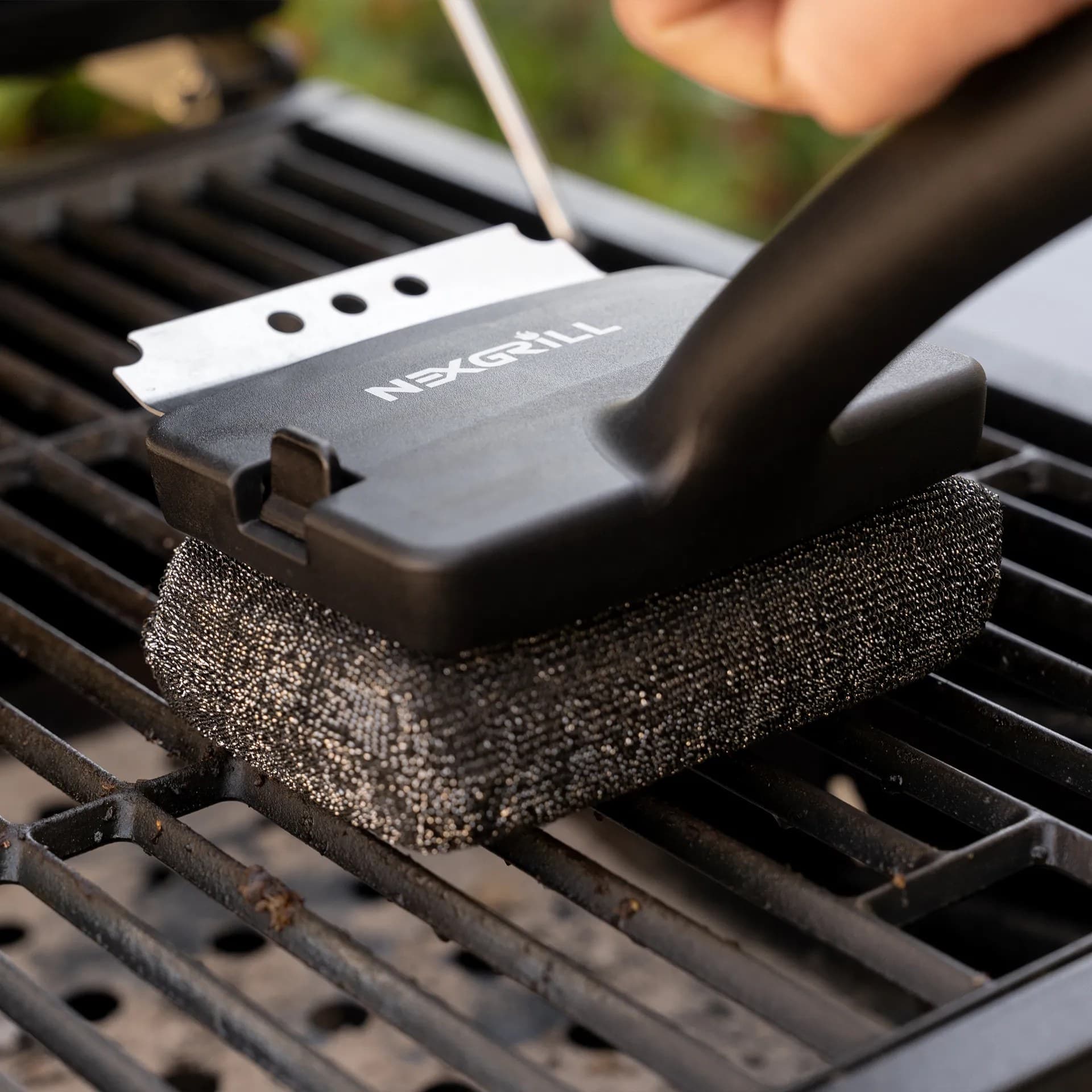
Cast iron grate maintenance is simple once it becomes a habit. The first rule is to clean while warm, not cold. After cooking, let the grate stay warm enough that residue loosens, then brush away food bits with a grill-safe brush or scraper. Do not soak cast iron in water for long periods, and do not leave it wet in the sink. Water and prolonged moisture are the biggest enemies of long-term grate condition.
The second rule is to dry thoroughly. If you rinse the grate, dry it immediately and fully before storage. A brief return to heat can help evaporate hidden moisture. Then apply a very thin layer of cooking oil to protect the surface. The goal is not to leave the grate greasy; it is to create a light barrier that helps resist rust and supports seasoning. Over time, this seasoning improves release and makes cleaning easier.
| Maintenance step | Why it matters | Frequency |
|---|---|---|
| Brush while warm | Prevents buildup from hardening | After most cooks |
| Dry completely | Reduces rust risk | Every cleaning |
| Light oil coating | Supports seasoning and protection | After cleaning or before storage |
Storage matters just as much as cleaning. If the grill lives outdoors, use a fitted cover and keep moisture from pooling around the cooking chamber. In humid or coastal environments, inspect the grates more often, because rust can appear faster than many owners expect. If rust does show up, remove it gently with a non-abrasive brush or pad, then re-season the surface rather than replacing the grate immediately. That approach preserves the life of the component and often restores performance quickly.
A good seasoning routine also improves cooking performance. Cast iron that has been cared for properly releases food more easily, which means you can flip delicate items without tearing them. This is especially useful for fish, vegetables, and marinated meats. In other words, maintenance is not just about preserving a part. It is about keeping the grill ready to perform the way you expected when you bought it.
Conclusion: Choosing the Right Pellet Grill for You
The best pellet grill with cast iron grates is the one that fits your cooking style, not the one that simply sounds most impressive on paper. If you want a smoother all-around ownership experience, Traeger is often the first place to look. If value and cooking area matter most, Pit Boss is hard to ignore. If you want flexibility and a more hands-on approach, Camp Chef may be the better match. Across all three, cast iron grates bring a real performance benefit by improving heat retention, searing, and exterior browning.
For many buyers, the smartest path is to focus on how often they cook, what they cook most, and how much time they are willing to spend on upkeep. If you are happy to season and protect cast iron, you gain a durable surface that can elevate everything from smoke-roasted chicken to weeknight steaks. If you want maximum convenience with minimal maintenance, you may still appreciate cast iron, but only if the grill’s overall design makes care feel manageable. The right choice is the one that earns its place in your routine and makes outdoor cooking more enjoyable every time you open the lid.