Common Grilling Mistakes to Avoid for Beginners
Essential tips to enhance your grilling experience by steering clear of common pitfalls.
In This Article
Preheating the Grill
Using the Right Fuel
Cleaning the Grill
Introduction
Starting to grill feels simple from the outside: light the fire, place the food on the grate, and wait for dinner. In reality, most beginner mistakes happen before the first steak or vegetable ever touches the cooking surface. The good news is that the early learning curve is manageable. If you know the common missteps in advance, you can avoid the frustrating part of grilling - sticking food, flare-ups, uneven heat, and overcooked chicken - and move straight toward the part people actually enjoy: sharing a meal outdoors with confidence.
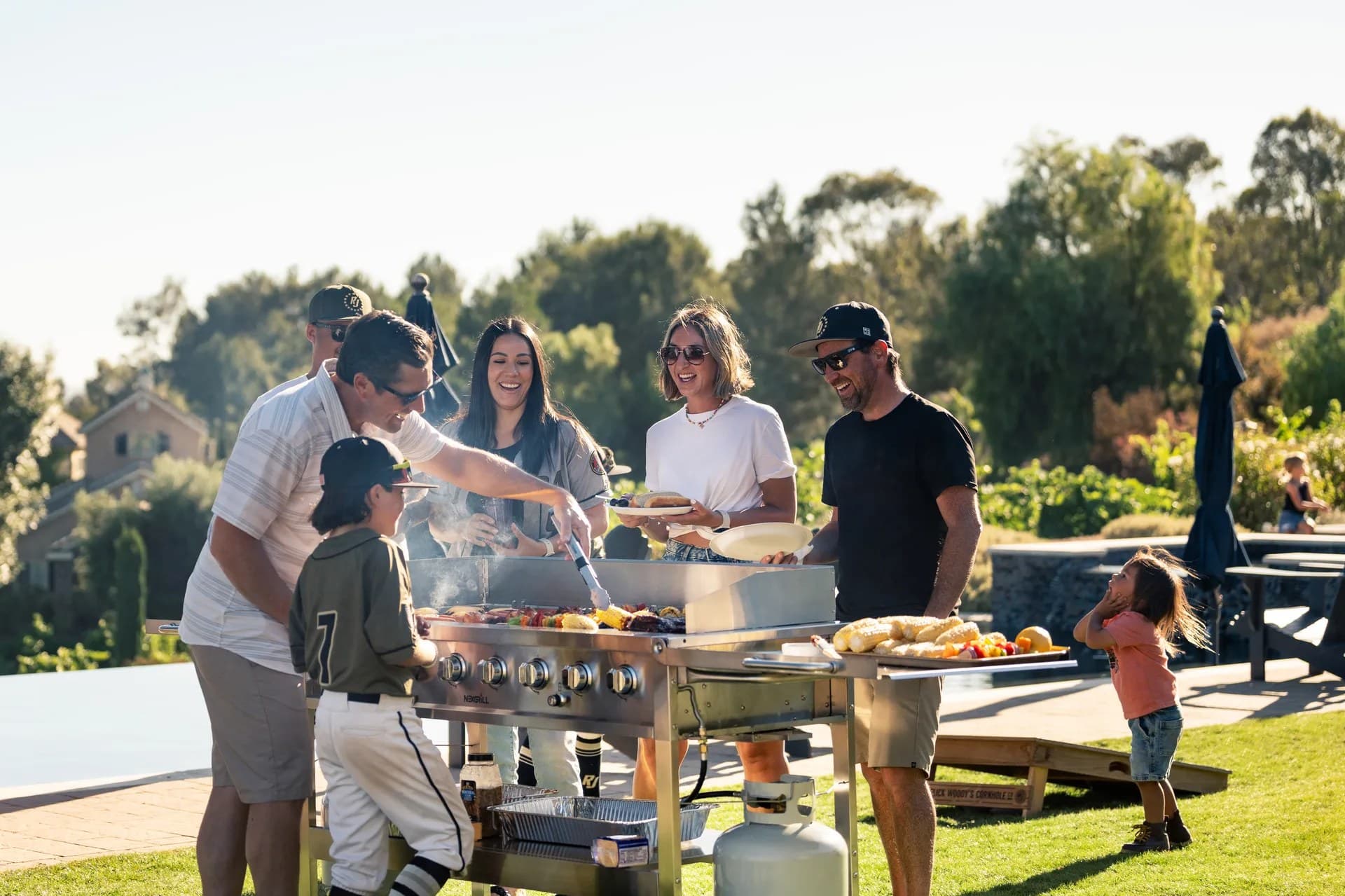
This guide focuses on common mistakes to avoid when starting to grill, with an emphasis on the first few habits that shape every cookout after that. Nexgrill’s brand approach centers on approachable outdoor cooking and bringing people together, which is why the most useful beginner advice is practical, not intimidating. Grilling should feel welcoming whether you are cooking for two people or a full backyard gathering, and that starts with learning how to build heat, manage the food, and keep your equipment ready for the next session. Nexgrill’s brand guidelines emphasize a casual, inclusive, and dependable experience around the grill, which is a helpful reminder that good grilling is less about perfection and more about avoiding the errors that create avoidable stress
Beginner grilling gets easier fast when you focus on a few basics: preheat fully, use the right fuel setup, and keep the grates clean before and after cooking.
Core habits that prevent most first-time grilling problems: heat, fuel, and cleanliness.
One reason beginners struggle is that grilling looks forgiving until it suddenly isn’t. Food can cook too quickly on one side and barely warm on the other. Burgers can cling to the grate. Coals can burn hot in one corner and fade in another. A lid opened too often can drain heat right when the food needs consistency. These are not signs that you are bad at grilling; they usually mean one part of the setup was rushed. A better approach is to treat the first 10 to 15 minutes as setup time that determines the rest of the cook. That means preheating long enough for the grates to get hot, arranging your fuel deliberately, and starting with a clean surface so residue does not sabotage flavor or texture.
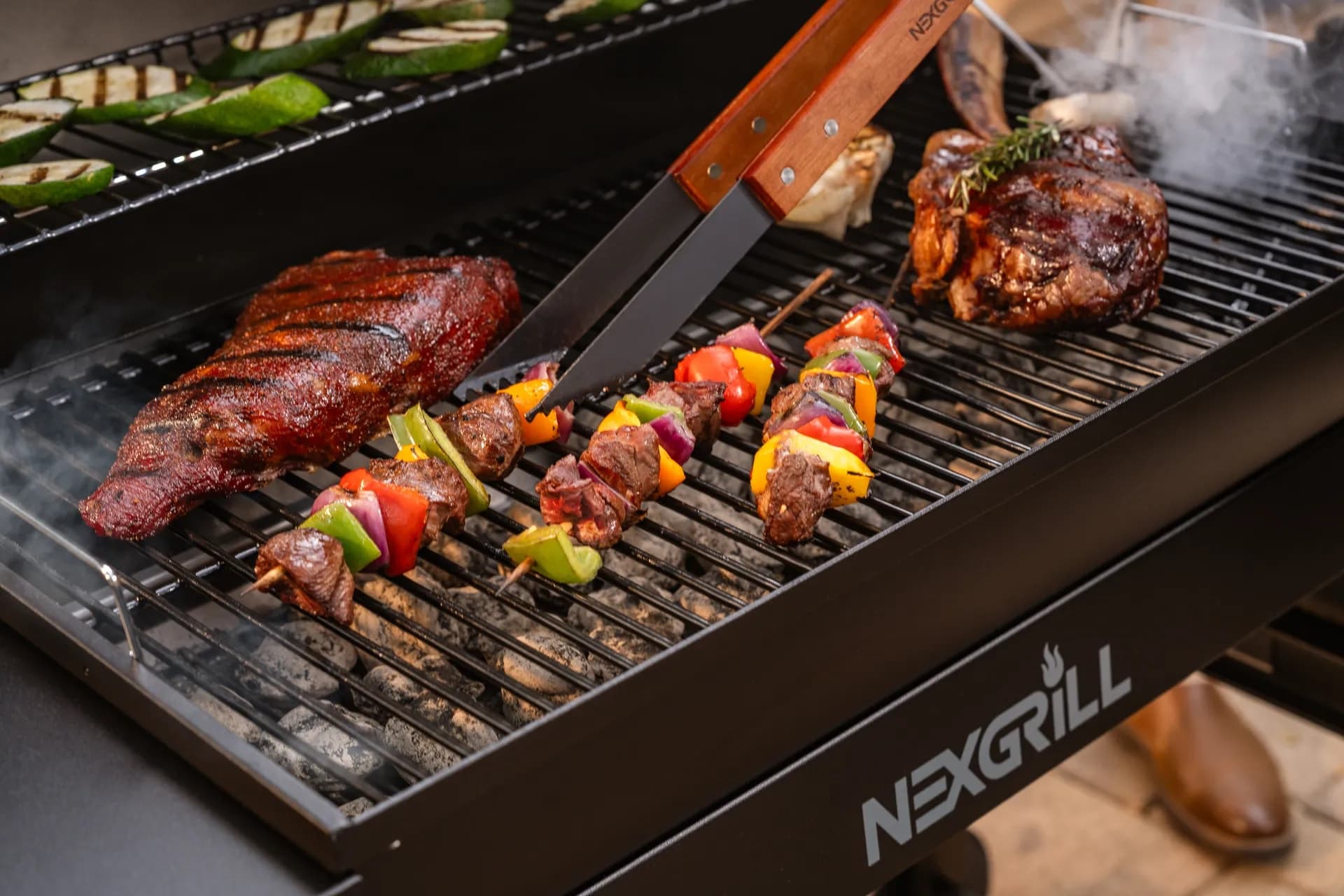
If you are brand new, aim for a simple first cook rather than a complicated menu. Chicken thighs, sausages, burgers, corn, asparagus, and chopped vegetables are easier starting points than delicate fish or thick bone-in cuts that need more heat control. The goal is not to impress anyone on day one. The goal is to build repeatable habits that make the next cook simpler. Try comparing two products side by side below to see which fits best:
Common Grilling Mistakes to Avoid
Skipping the preheat and cooking on a cold grate
The most common beginner mistake is putting food onto a grill that is not hot enough. A cold grate makes sticking more likely, prevents proper searing, and creates uneven browning. When the surface is fully preheated, proteins release more cleanly and the food develops better color. For gas grills, give the grill enough time to heat with the lid closed so the cooking grates and the interior chamber come up together. For charcoal, wait until the coals are ashed over and spread in an even layer or arranged into the specific zone you plan to cook over.
This is also where patience pays off. Beginners often think the grill is ready when the flame appears or when the coals are visibly glowing. That is not the same thing as a stable cooking environment. A properly heated grill gives you a better chance of natural release, more attractive sear marks, and fewer moments where food tears apart as you try to flip it. If your first burger sticks, the grill probably needed another few minutes rather than a different recipe.
Using the wrong fuel setup or rushing the fire
Fuel mistakes are especially common for charcoal beginners, but gas grill users can make version of the same error by trying to cook before the burners have stabilized. On charcoal grills, the biggest issue is often impatience: starting to cook before the charcoal is fully lit or before heat is distributed evenly. Another error is using too much lighter fluid or trying to add it after the coals are already hot, which can create flare-ups and an off taste. If you are using charcoal, build the fire first, let it develop into a steady bed of heat, and only then start cooking.
Never improvise with fuel once the fire is going. Add fuel before cooking starts, not after the flames are already established.
Gas grill beginners sometimes forget that burners need a short stabilization period too. Turning the knobs on and immediately putting food down can lead to uneven heat, especially if one side of the grate is warmer than the other. That is how you end up with overdone edges and pale centers. The fix is simple: light the grill, close the lid, and let the temperature settle before placing food across the cooking surface. Beginners who cook by the clock instead of by the grill’s actual heat tend to run into problems quickly.
Cooking on dirty grates or ignoring leftover grease
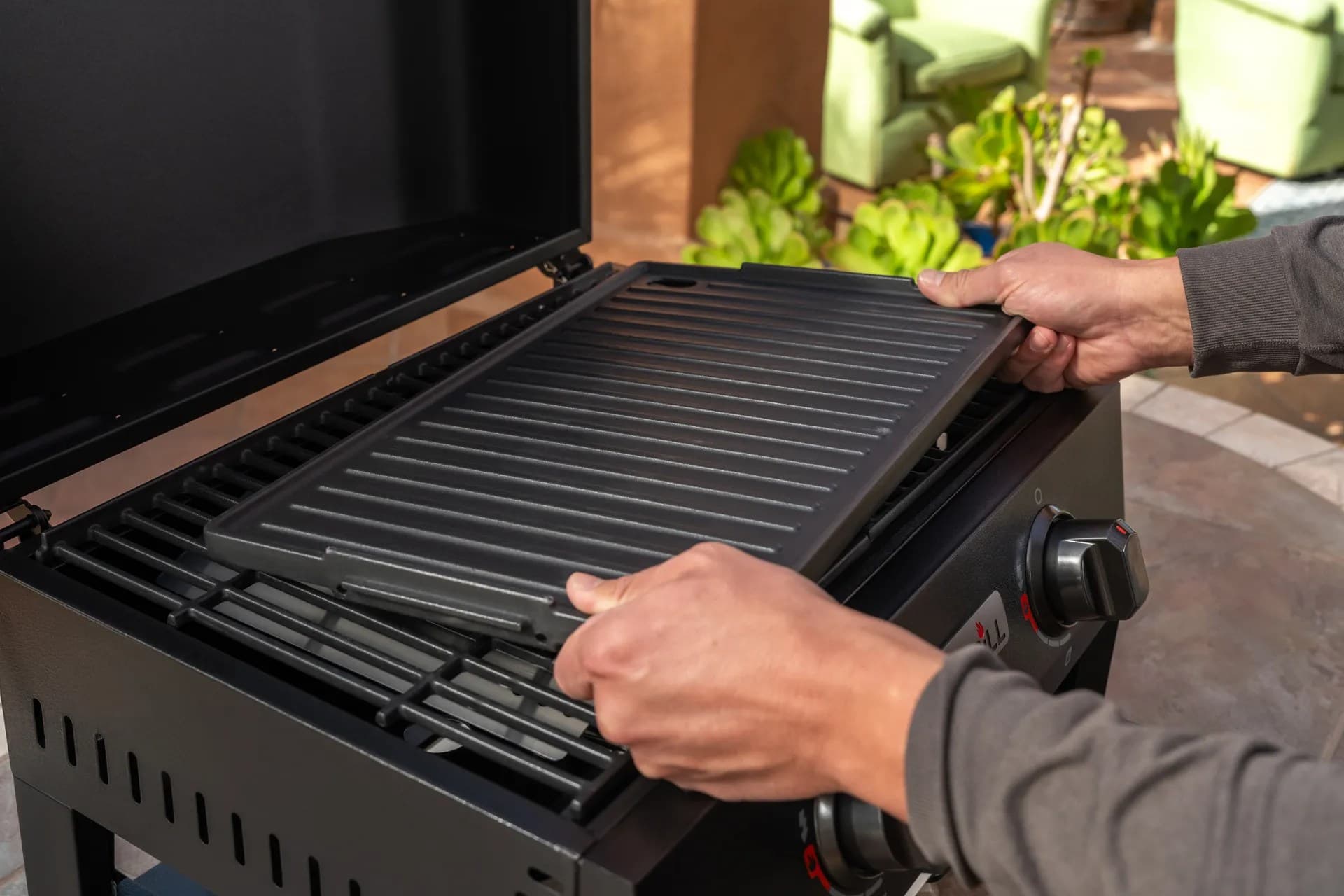
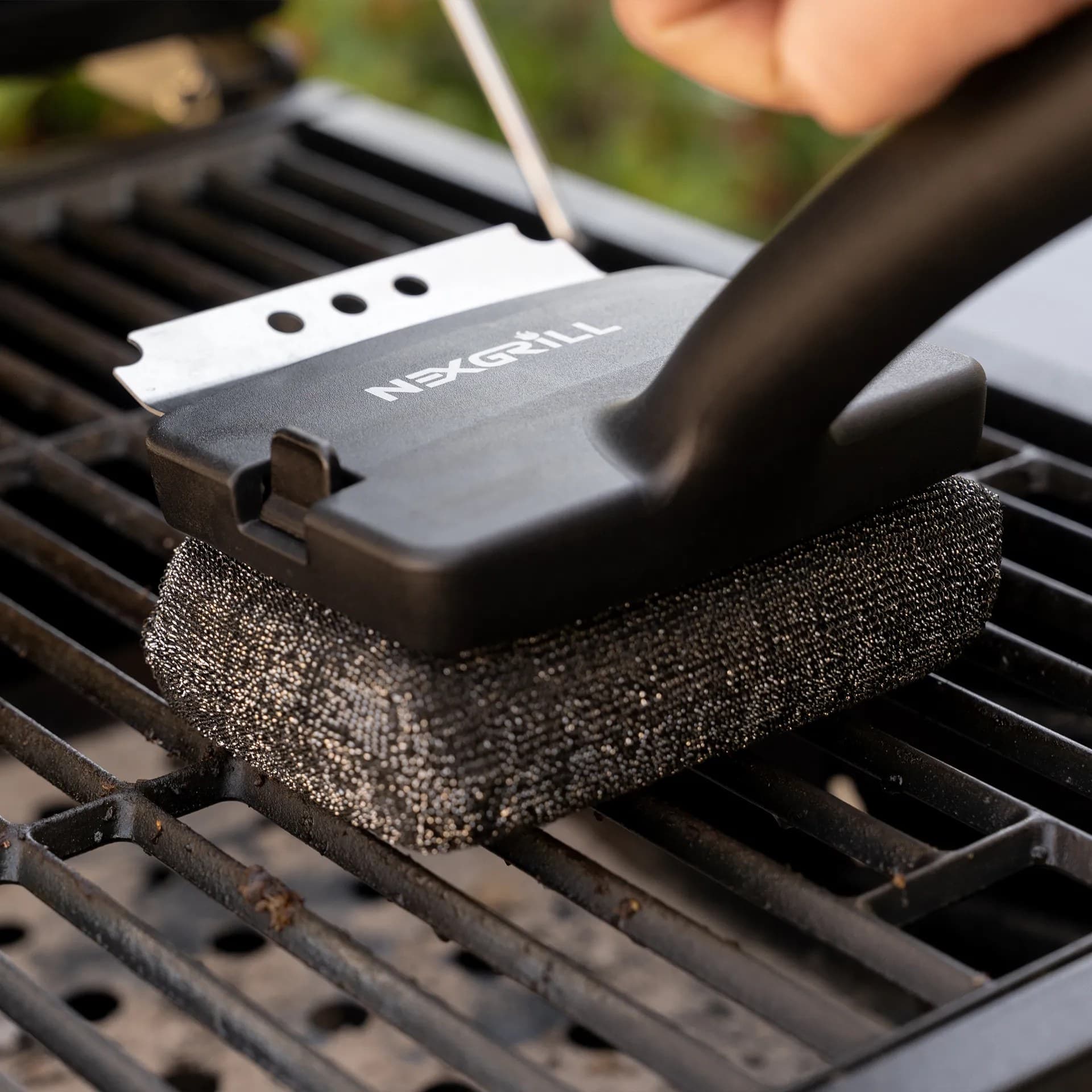
A dirty grate does more than look bad. Leftover grease and char can cause food to stick, transfer bitter flavors, and create unpredictable flare-ups. If you are starting to grill, clean grates are one of the easiest ways to improve your results immediately. Brush the cooking surface after the grill has heated and again after cooking once it is safe to do so. On a gas grill, also make a habit of checking the grease tray and surrounding areas for buildup. On a charcoal grill, remove ash and residue regularly so airflow does not suffer.
This is one of those habits that feels optional until it becomes a problem. A clean grill surfaces flavor instead of old residue. It also helps you judge doneness better because the food is interacting with the heat you intend, not with a layer of burned leftovers from the previous cook. Beginners often assume cleaning is a post-grill chore only, but a quick pre-cook check is just as important. If the grate is still coated from last weekend’s barbecue, it is not ready for a fresh round of food.
Moving food too soon or flipping too often
Another rookie habit is constantly checking the food. If you lift, press, or flip too often, you interrupt browning and make it harder for the food to develop a proper crust. This is especially true for burgers, chicken, and pork chops. Let the food sit long enough to release naturally from the grate before turning it. If it resists, it usually needs more time.
Pressing down on burgers is a particularly common beginner error because it looks satisfying, but it usually squeezes out juices and leaves the final result drier than it should be. The same idea applies to moving food around the grill to chase prettier grill marks. Better to choose a stable heat zone, place the food there, and let it cook with minimal interruption. Grilling reward comes from restraint as much as from action.
Overcrowding the grill and losing control of the heat
Beginners often try to cook everything at once, especially when friends are waiting. The result is crowding, which blocks airflow, slows browning, and makes it harder to manage hot spots. If the grill is packed edge to edge, you cannot create direct and indirect zones, and you lose the flexibility to move food around as needed. Leave enough open space for heat to circulate and for you to work safely with tongs.
For first-time grillers, it is often smarter to cook in two batches than to overload the surface. That is especially true with mixed foods like chicken and vegetables, which may need different cooking speeds. A half-full grill is easier to control than a crowded one, and control is what keeps beginner cooks from getting overwhelmed.
Conclusion
The best beginner grilling habit is not learning every advanced technique at once. It is removing the mistakes that cause the biggest problems. Preheat fully. Use the right fuel setup. Keep the grates clean. Give food room to cook. Resist the urge to flip too soon. Those simple habits prevent most of the frustration people associate with starting to grill, and they make your results more consistent from one cook to the next. Nexgrill’s approachable, community-first grilling philosophy fits that mindset well: grilling is meant to be shared, not overcomplicated
If you are just getting started, think of your first few sessions as practice runs that build confidence. A few clean wins are more valuable than one ambitious attempt that creates smoke, sticking, and uncertainty. Once those basics become routine, you will spend less time fighting the grill and more time enjoying the food and company around it.
Introduction
Once you have compared how different grills handle heat and space, the next step is learning what not to do when you actually start cooking. That matters because most beginner grilling problems are not about fancy technique; they come from small early mistakes that snowball. Starting with the wrong temperature, the wrong fuel handling, or a dirty cooking surface can turn a simple dinner into a frustrating, smoky mess. For a new griller, avoiding those mistakes is often more valuable than chasing advanced methods right away.
Nexgrill’s approach to outdoor cooking emphasizes accessibility, confidence, and the idea that everyone belongs around the grill. That perspective is useful for beginners because it takes pressure off the process. You do not need to master every move on your first weekend. You need a few reliable habits that give you better control and more predictable results. Brand guidance also frames grilling as casual and dependable, which lines up with the most practical advice here: focus on repeatable basics that work for everyday backyard cooking rather than trying to make each session feel like a competition cookoff
If you only remember one thing, remember this: most beginner grilling trouble starts before the food goes on the grate.
A lot of first-time grillers assume the challenge is choosing the right recipe. In practice, the larger challenge is controlling the environment around the recipe. Heat needs time to stabilize. Fuel needs to be handled correctly. The grates need to be ready. The lid needs to be used intentionally instead of opened every minute. When those pieces are in place, a very ordinary meal - chicken thighs, vegetables, sausages, or burgers - can turn out well. That is why this guide focuses on common mistakes to avoid when starting to grill. The goal is to help you stop fighting the equipment and start building good habits.
There is also a psychological benefit to avoiding beginner errors. New grillers often feel rushed because people are waiting to eat, but rushing almost always creates the same predictable issues: underheated grates, uneven cooking, and food that sticks or dries out. If you treat the first ten minutes as setup time and the next few minutes as controlled cooking time, the whole process becomes easier to manage. Try comparing two products side by side below to see which fits best:
Common Grilling Mistakes to Avoid
Treating the grill like a stovetop
A stovetop and a grill behave differently, and one of the first mistakes beginners make is assuming they can cook the same way on both. A grill has more open-air heat, more direct radiant energy, and more variation from one side to the other. That means you need to be intentional about zones. Even on a small gas grill, one area may be better for searing and another for finishing food more gently. On charcoal, the difference can be even more dramatic if your coals are piled unevenly or spread too thin.
The beginner fix is simple: think in terms of placement, not just temperature. Put the food where the heat matches the task. Sear on the hotter side, finish on the cooler side, and use the lid to help stabilize the chamber when needed. Once you stop trying to treat the grill like a flat indoor pan, you gain much better control over how quickly the exterior browns and how evenly the interior cooks.
Letting the first burst of flame do all the work
New grillers often confuse visible flame with usable cooking heat. That is why they put food on too early, right when the fire looks lively, only to discover that the grill is not evenly heated yet. On charcoal, this can mean partially lit briquettes or coals with different burn stages. On gas, it can mean burners that have not fully stabilized the cooking environment. In both cases, the food ends up with poor color on one side and overcooked edges on the other.
Visible flame is not the same as steady cooking heat. Wait for the grill to settle before you start.
This is especially important for beginners who are cooking protein for the first time on a grill. Chicken, pork, and thicker cuts benefit from heat that is stable rather than dramatic. If the flame is too active, the outside can char before the inside has a chance to catch up. A calmer, preheated grill often produces better results than a dramatic one.
Using too much fuel or the wrong ignition habit
Fuel handling is where beginners can make mistakes that affect both taste and safety. On charcoal grills, pouring on lighter fluid after the fire is already going is a bad habit because it can cause sudden flare-ups and unpleasant residue. It also trains you to solve a timing problem with the wrong tool. The smarter habit is to build a proper charcoal bed, let it become ready, and cook over consistent heat. On gas grills, the equivalent mistake is overreacting to low heat by cranking burners wildly instead of allowing the grill to come up to temperature and settle.
If your grill is struggling to reach the heat you want, check the fuel source, the burner settings, and whether the lid has been left open too long. Beginners sometimes assume the answer is simply “more fuel,” but better grilling often comes from cleaner heat rather than bigger flames. You want enough energy to cook the food properly, not so much that you lose control of the surface.
Starting with food that is too delicate or too crowded
New grillers often start with delicate fish fillets, very thin vegetables, or oversized quantities of food because they want to serve everyone at once. That is a recipe for frustration. Delicate foods demand confidence with timing and turning. Crowded food limits airflow and makes it harder to manage different cooking speeds. If the surface is overloaded, you cannot move items around when the heat shifts or a flare-up develops.
A better beginner menu is built from forgiving foods: chicken thighs, pork chops, sausage links, skewered vegetables, or burgers of even thickness. These items give you more margin for error and teach you how the grill behaves. Cooking in smaller batches also makes cleanup easier because you are not dealing with as much grease and residue at once.
Ignoring what happens after the food comes off
Beginners often focus only on the cooking phase and forget the finish. That is when residue gets baked onto the grates and the drip path, which creates the next round of sticking and smoke. Cleaning while the grill is still warm is much easier than waiting until everything has cooled and hardened. A quick brush of the grates, removal of leftover ash, and a look at grease accumulation go a long way toward making the next cook easier.
Think of cleanup as part of the grilling process, not a separate chore. A tidy grill starts faster, cooks more evenly, and gives you a cleaner flavor profile. For beginners especially, that matters because you are already learning timing, heat management, and food placement. Reducing the variables at the end of the session helps reduce the variables at the start of the next one.
Conclusion
Avoiding common beginner mistakes does not require deep technical knowledge. It requires discipline around the basics. Give the grill time to preheat. Handle fuel with intention. Avoid pressing, flipping, and crowding too much. Clean the grill before buildup becomes a problem. Those habits make your first grilling experiences calmer, safer, and much more likely to succeed.
That is the real beginning of grilling confidence. Not a perfect steak, not a complicated smoke session, but a steady sense that you know how to set the grill up correctly and let the equipment work for you. With that foundation, you can keep experimenting and building skill without repeating the same early mistakes. For more product inspiration and outdoor cooking resources, Nexgrill’s welcoming, dependable brand philosophy reflects the same idea: grilling should feel inviting from the very start