The Best Replacement Grill Grates: A Comprehensive Guide
Discover the perfect grill grates for your cooking needs and enhance your grilling experience.
In This Article
Grate Material Comparison
Installation Tips
Top Brands Reviewed
Introduction to Grill Grates
Replacement grill grates do more than sit between your food and the flame. They shape how fast your food sears, how evenly heat moves across the cooking surface, how much flare-up you get, and even how easy cleanup feels at the end of the night. If your current grates are rusted, warped, flaking, or simply not holding heat the way they used to, swapping them can change the entire experience of cooking outdoors. For many grill owners, this is one of the most noticeable upgrades they can make without replacing the whole grill.
The best-grill-grates-replacement choice depends on how you cook. A weeknight griller who wants faster preheat and easier upkeep may value stainless steel. Someone chasing deep sear marks and exceptional heat retention may prefer cast iron. If you cook delicate foods or want a low-fuss option, porcelain-coated grates can make sense. Aluminum grates show up less often on full-size grills, but they can still be useful in certain lightweight or specialty applications. The key is to match the grate material to your cooking style instead of shopping by appearance alone.
Can have an outsized impact on flavor, heat, and cleanup.
Tip: If your food sticks more than it used to, or if one side of the grill cooks faster than the other, grate wear may be part of the problem.
Types of Grill Grates
Most replacement grates fall into four common material categories, and each one brings a different cooking personality to the grill. Before comparing brands or prices, it helps to understand what each material is really doing on the fire. Cast iron is prized for heat retention and bold searing. Stainless steel is known for convenience, corrosion resistance, and predictable everyday use. Porcelain-coated grates try to combine heat performance with easier cleanup. Aluminum is lightweight and corrosion-resistant in some environments, but it is less common for heavy-duty grilling surfaces. These differences matter because the same steak, chicken breast, or vegetable skewer can behave very differently depending on the grate underneath it.
| Material | Primary Strength | Main Trade-Off |
|---|---|---|
| Cast iron | Strong heat retention and searing | Needs seasoning and rust prevention |
| Stainless steel | Easy upkeep and solid durability | Usually less aggressive sear than cast iron |
| Porcelain-coated | Smoother cleanup and good heat spread | Coating can chip if handled roughly |
| Aluminum | Lightweight and corrosion-resistant | Less common for high-heat searing |
Cast iron grill grates
Cast iron is often the favorite of cooks who want the grill to feel like a cast-iron skillet outdoors. It holds heat well, helps create strong grill marks, and can stabilize temperature after cold food hits the surface. That makes it a strong option for steaks, chops, and anything you want to sear quickly. The trade-off is care: cast iron wants to be kept dry, seasoned, and protected from rust. If you live in a humid region or grill only a few times a year, that upkeep can become the deciding factor.
Warning: Cast iron that is washed and stored wet can rust quickly, especially if the grill sits outdoors uncovered.
Stainless steel grill grates
Stainless steel is the practical workhorse. It heats faster than cast iron, resists corrosion better, and is usually easier to brush clean after a cookout. Many homeowners prefer it because it fits a busy routine: preheat, cook, brush, and move on. While it may not hold heat as aggressively as cast iron, a well-made stainless grate still delivers reliable browning and can stand up to frequent use. For mixed cooking - burgers one night, vegetables and fish the next - stainless steel is often the most forgiving choice.
Porcelain-coated grill grates
Porcelain-coated grates sit in the middle. The coating can reduce sticking and make cleanup simpler, especially for sugary marinades or fatty proteins. They often distribute heat evenly enough for family meals and casual entertaining. Their weakness is the coating itself: once it chips, the exposed base metal can wear faster and may become harder to maintain. For that reason, porcelain-coated grates are best treated gently during brushing, scraping, and storage.
Aluminum grill grates
Aluminum grates are lighter and naturally resistant to rust, which can be appealing for portability or certain specialty grills. However, they are not usually the first choice for serious high-heat searing because they do not behave like cast iron when it comes to thermal mass. In practice, aluminum is more of a niche solution than a headline option, but it can make sense if weight and corrosion resistance matter more than maximum browning.
Benefits and Drawbacks of Each Material
The right grate material depends on what problem you are trying to solve. If your old grates no longer hold heat, cast iron may feel like a performance upgrade. If your biggest frustration is cleaning and corrosion, stainless steel or porcelain-coated grates may be better. The best replacement grill grates are not simply the heaviest or the most expensive; they are the ones that match your fuel type, your maintenance habits, and the kinds of meals you actually cook. That is why experienced grillers often judge grates by behavior first and by brand second.
| Material | Best For | Not Ideal For |
|---|---|---|
| Cast iron | Steaks, burgers, strong sear marks | Low-maintenance owners or humid storage |
| Stainless steel | Frequent grilling and easy care | Users seeking the deepest possible char |
| Porcelain-coated | Casual grilling and easier cleanup | Rough brushing or frequent dropping |
| Aluminum | Lightweight setups and some portable grills | Heavy searing or very high-output cooking |
A useful way to think about the trade-offs is to compare heat behavior, upkeep, and longevity. Cast iron usually wins on thermal performance but demands the most attention. Stainless steel wins on durability and convenience, especially for families that grill often and do not want to season metal after every cook. Porcelain-coated grates offer a smoother surface and a more polished cleaning experience, but they need careful handling to avoid chipping. Aluminum is lightweight and resistant to rust, yet it is less common in premium replacement options because it does not deliver the same thermal punch as heavier metals.
Tip: If you cook a lot of fish, vegetables, or sticky glazed items, a smoother grate finish can be more useful than extra weight or thickness.
Compatibility with Various Grill Models
Compatibility is where many buyers run into trouble. A grate can be the best material in the world and still be the wrong purchase if the dimensions, shape, support points, or heat source do not match your grill. Measure the width, depth, and thickness of your current grates before buying. If your grill uses multiple sections, note whether you need one large grate or several smaller pieces. Brand fit matters too, especially for models with custom burner layouts or specific firebox geometry.
For Nexgrill owners, it helps to identify the exact grill model and compare the grate design against the replacement listing rather than assuming a similar-looking part will fit. Some grates are built for standard gas grills, while others are better suited to charcoal or specialized cooking systems. A grate that sits too high can change heat intensity; one that sits too low can interfere with flame spread or grease management. The more precisely the grate matches the original design, the less you have to fight the grill during preheat and cooking.
Info: Keep your old grate until the replacement is in hand. It is the easiest reference for exact measurements, tab shape, and support location.
Try comparing two products side by side below to see which fits best:
Top Recommendations for Replacement Grates
Once you've weighed two options against each other, the next step is deciding which replacement grate actually makes sense for your grill and your habits. The best recommendation is rarely a single material for everyone. Instead, it is a match between construction, cooking style, and how much time you are willing to spend on upkeep. For a buyer who wants a straightforward improvement over worn factory grates, stainless steel is often the safest recommendation. For someone chasing more aggressive searing and classic steakhouse marks, cast iron is still the benchmark. For families that want smoother cleanup and predictable day-to-day use, porcelain-coated grates can be the best middle ground.
Which option suits you?
If you grill several times a week and want a no-drama upgrade, stainless steel is the strongest all-around choice. It handles routine use well, resists rust better than bare cast iron, and usually cleans up with less effort. If you are the type of cook who preheats properly, oils the grates, and likes a dramatic sear on thicker cuts, cast iron gives you the most satisfying performance. If your priority is easier cleanup after family meals and fewer maintenance steps between cooks, porcelain-coated grates are the most approachable option. That simple profile-based approach is often more useful than chasing online hype or star ratings alone.
| Buyer profile | Best material | Why it fits |
|---|---|---|
| Frequent everyday griller | Stainless steel | Fast cleanup and dependable long-term use |
| Steak and sear enthusiast | Cast iron | Excellent heat retention and browning |
| Low-fuss family cook | Porcelain-coated | Simpler cleanup with decent cooking performance |
Warning: A cheaper grate that does not match your grill dimensions can cost more in the long run than a better-fitting replacement.
Installation and Maintenance Tips
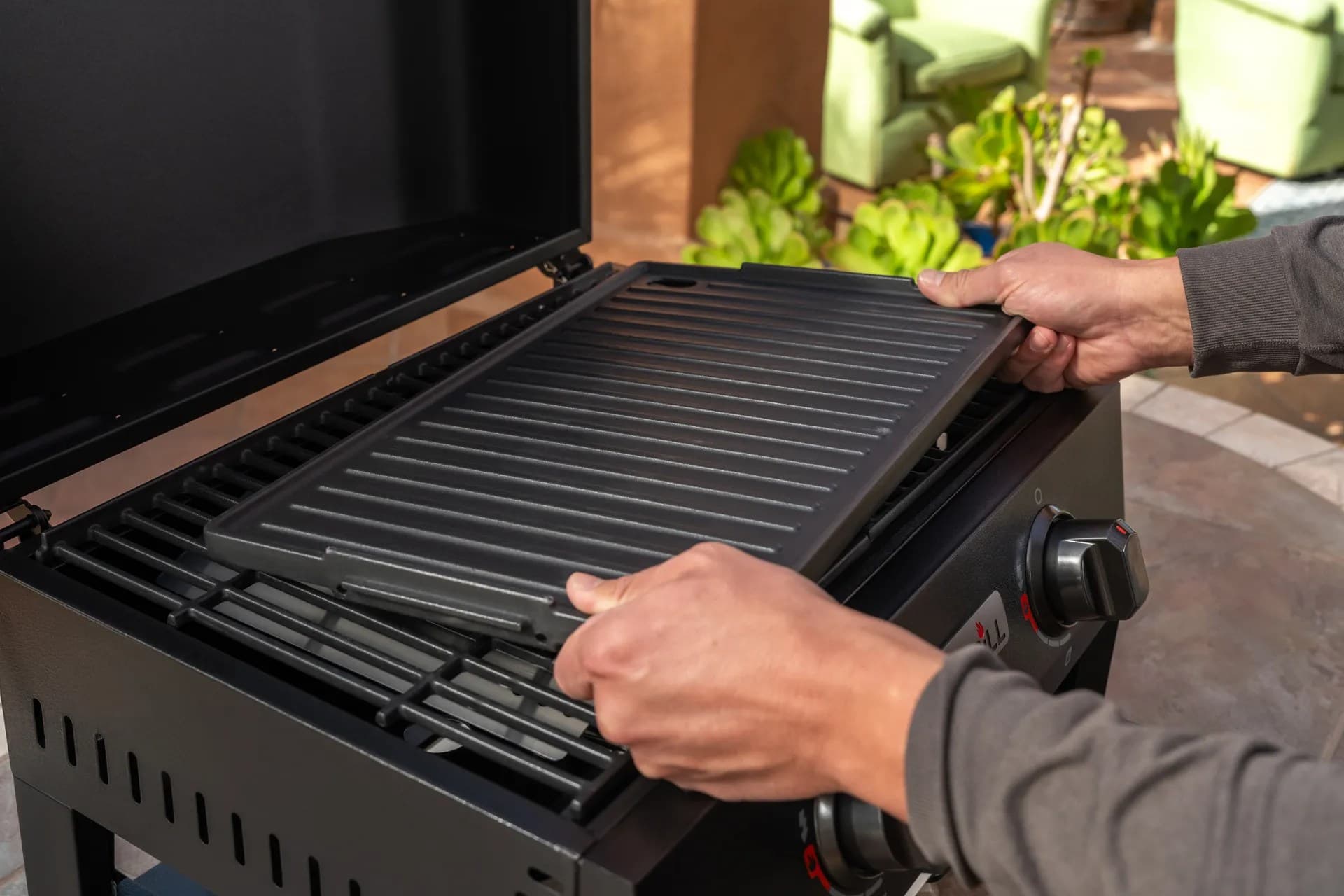
Replacing grill grates is usually simple, but doing it carefully protects both the new part and the grill itself. Start with a cool grill, remove the old cooking grates, and brush away loose ash, grease, or food residue from the firebox or burner area. Check the support ledges and brackets before installing the new set. If the grill uses multiple grate sections, place each piece in the same orientation as the original setup so the fit stays stable and the heat path remains consistent. When in doubt, take a photo of the old layout before removal; that small step saves time during reassembly.
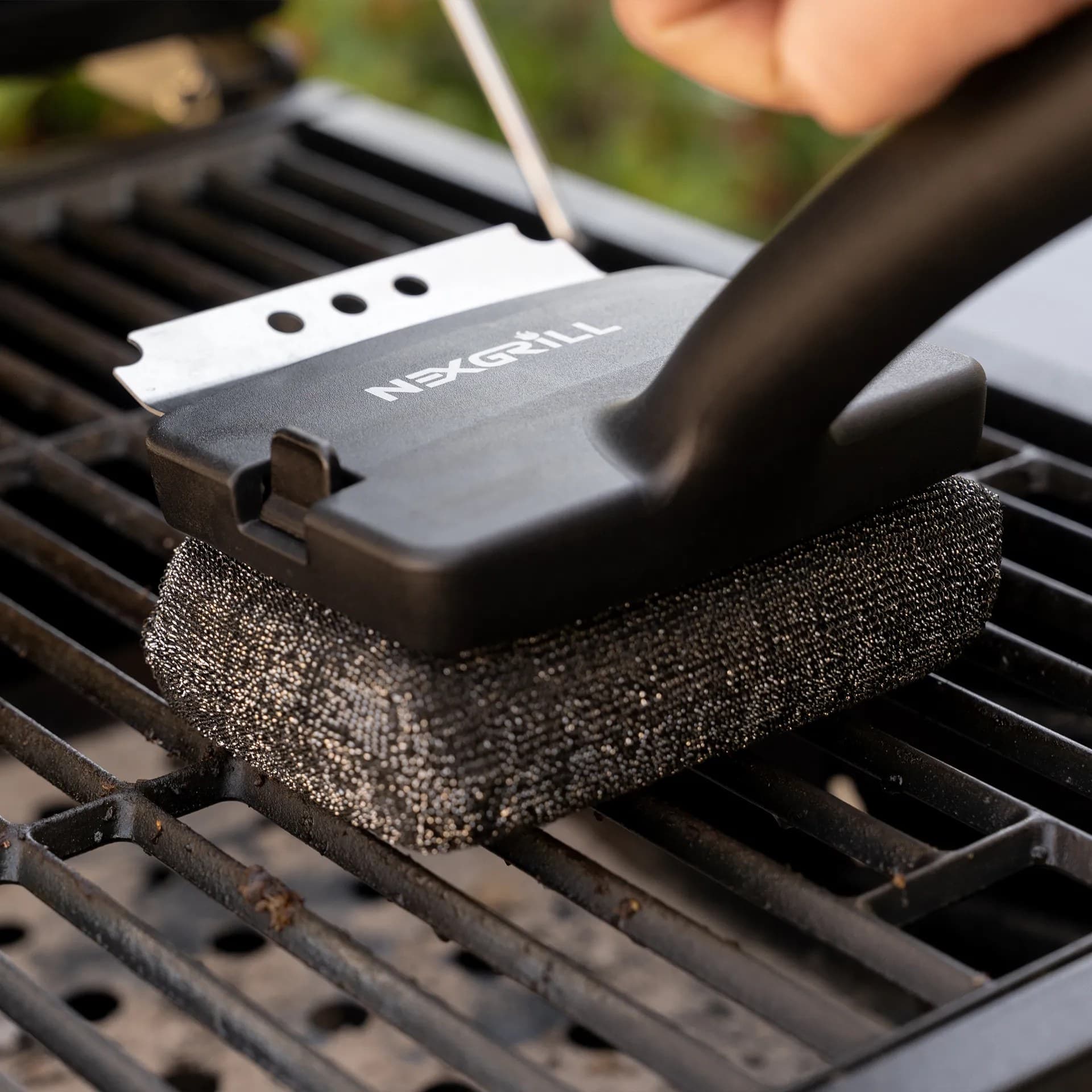
Maintenance should follow the material. Stainless steel grates are easiest to keep clean when brushed lightly after each cook and wiped periodically with warm, soapy water once fully cooled. Cast iron grates should be brushed while still warm, dried thoroughly, and lightly oiled if the manufacturer recommends seasoning. Porcelain-coated grates should be scrubbed with non-abrasive tools to avoid damaging the finish. Aluminum grates, where used, benefit from gentle cleaning and careful storage. Across all materials, a grill cover helps protect the part from moisture and airborne debris when the grill is not in use.
1. Turn off the grill and let it cool completely.2. Remove the cooking grates and any warming rack above them.3. Brush debris from the firebox and support rails.4. Compare the old grate to the replacement before installing.5. Seat the grate evenly on all support points.6. Preheat the grill, then confirm heat spreads evenly before cooking.Tip: A quick preseason heat cycle can help burn off manufacturing residue and reveal whether the grate sits level.
User Reviews and Ratings
User feedback on replacement grates usually clusters around the same handful of experiences. Buyers praise cast iron for the way it creates deep marks and improves the look of grilled steaks, but they often mention the extra care it requires. Stainless steel earns the most consistent approval from owners who value convenience and want a part that can handle regular use without much fuss. Porcelain-coated models often receive positive comments for easy cleanup, especially from families cooking marinades and saucy foods, though reviews can dip if the coating chips. Aluminum tends to be discussed less often, but when it is, shoppers usually appreciate the lightweight feel more than dramatic grilling performance.
A useful review pattern to pay attention to is not just the star count, but the language people use. Phrases like ‘fits perfectly,’ ‘heats evenly,’ and ‘easy to clean’ indicate practical satisfaction. Complaints like ‘rusted after one season,’ ‘chips too easily,’ or ‘warped under heat’ point to a product that may look good in a listing but struggles in real use. When reading ratings, look for reviews from buyers who describe the same type of grill you own, because grate performance can vary a lot between gas, charcoal, and specialty setups.
Conclusion and Final Recommendations
The best replacement grill grates are the ones that solve the exact problem your current grates are causing. If you want the most balanced option for everyday grilling, stainless steel is usually the strongest answer. If you want maximum sear and heat retention and are willing to maintain the surface, cast iron is still the premium cooking choice. If cleanup and ease matter most, porcelain-coated grates offer a practical compromise. And if your grill design or use case calls for lighter hardware, aluminum can still serve a specific role. The smartest purchase is the one that fits your grill model, your cooking style, and your maintenance routine without forcing you to compromise on the basics.
Before you buy, measure carefully, check your model number, and compare the replacement against the original grate’s shape and support points. That extra minute of planning usually saves days of frustration later. For more detailed product guidance, compare well-reviewed materials, read verified user feedback, and consider how often you actually cook. The best grate is the one that makes your grill feel useful again, not the one that looks best in a product photo.