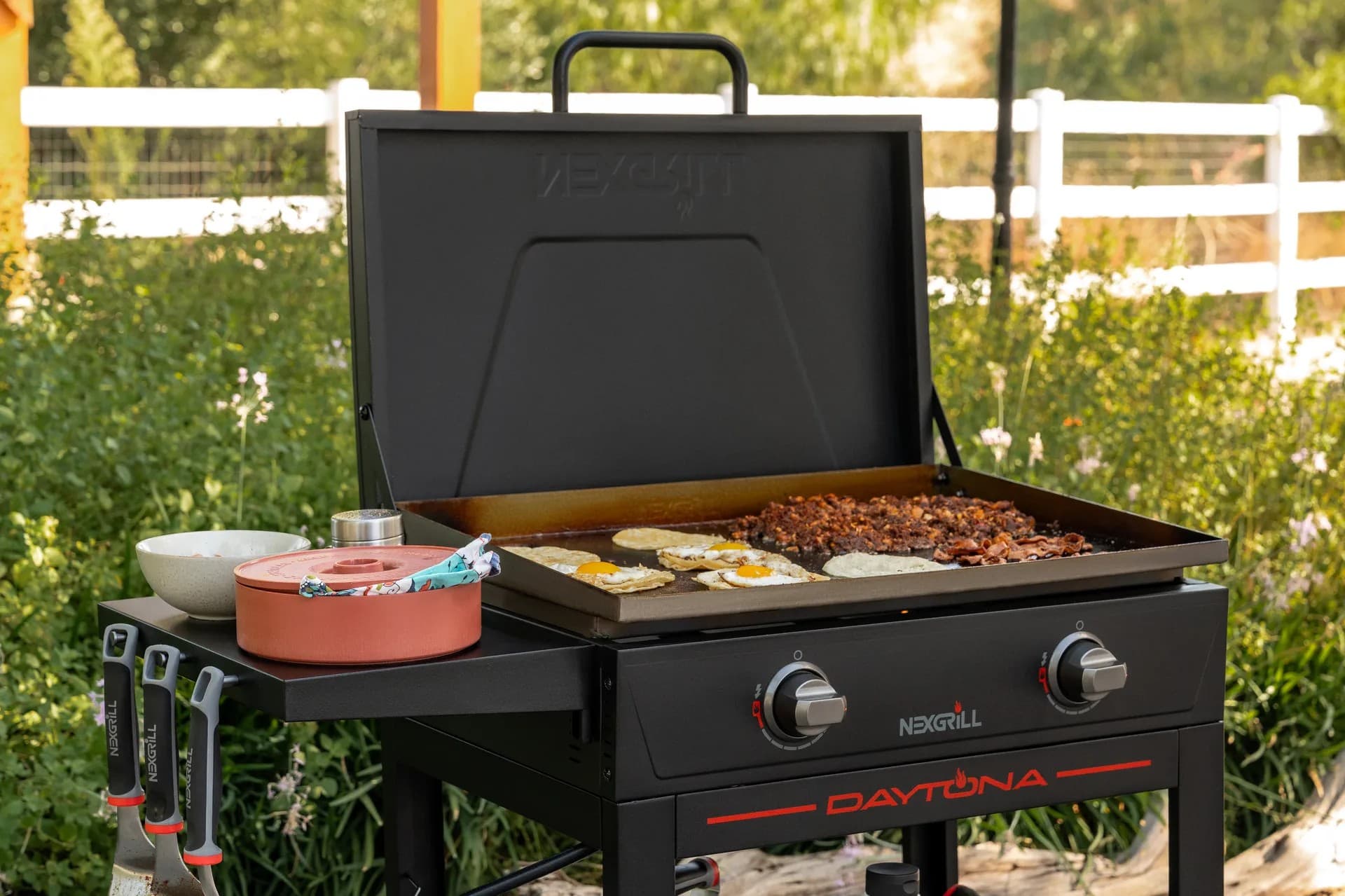
Best Grill Cover Replacement: Protect Your Grill with Quality Covers
A comprehensive guide to selecting the ideal grill cover replacement for durability and protection.
In This Article
Material Matters
Top Brands
Maintenance Tips
Introduction: The Importance of a Quality Grill Cover
A grill cover replacement is one of those purchases that feels minor until you see what happens to an uncovered grill after a season of rain, sun, pollen, and wind. Grease residue hardens faster, metal surfaces start to dull, and small scratches can turn into rust-prone spots if moisture settles in the wrong places. For homeowners who rely on their grill for weekend cookouts or weeknight dinners, the cover is not just an accessory; it is the first line of defense against weather and wear.
The best grill cover replacement is not simply the thickest cover or the one with the most features. It is the cover that fits your grill correctly, matches your climate, and balances protection with breathability. A patio in coastal Florida has different needs than a covered deck in Colorado. Intense sun can break down thin fabrics quickly, while damp, shaded environments make airflow and mildew resistance more important. That is why “best” depends on where and how you use your grill, not just on brand name alone.
A well-chosen grill cover can help preserve appearance, reduce cleanup time, and slow down weather-related deterioration, especially during long storage periods.
Nexgrill owners often want a cover that feels practical rather than fussy. That usually means something easy to remove, simple to secure, and durable enough to handle repeated use. If a cover is awkward to install, too tight around side shelves, or prone to blowing off in moderate wind, it becomes a hassle instead of protection. The goal is to make covering the grill part of the routine, not an extra chore you skip because it is inconvenient.
A smart replacement strategy starts with identifying what failed on the old cover. Did it crack in cold weather, fade from UV exposure, trap moisture, or tear at the seams? Each failure point points to a different material or construction upgrade. In this guide, the focus is on durability, fit, ventilation, and long-term value so you can choose a cover that holds up beyond the first season.
Understanding Grill Cover Materials
Material choice matters more than many shoppers realize, because the outer fabric determines how a cover handles sun, moisture, abrasion, and temperature changes. Polyester is common because it is light, flexible, and usually easier to fold and store. It can perform well when it is treated for water resistance and UV protection, but untreated or very thin polyester can wear down faster in strong sun or repeated wind flapping. For many households, polyester offers the best value when the cover is used regularly and stored properly.
Vinyl tends to be heavier and more water resistant, which makes it appealing in rainy or snowy environments. The trade-off is that vinyl can feel less breathable and may become brittle over time in intense heat or cold if the formulation is not well made. In practical terms, vinyl is often chosen by buyers who want a rugged outer shell and do not mind a stiffer cover. It is especially useful when the grill sits in an exposed backyard rather than under a patio roof.
Canvas-style covers, including heavy-duty woven blends, often sit in the middle. They can feel more substantial than standard polyester while still offering better airflow than some vinyl products. Many buyers like canvas-inspired materials because they tend to drape well over larger grills and side shelves. If the cover includes reinforcement at high-stress points such as corners, handles, and seams, that extra structure can improve longevity.
| Material | Strengths | Trade-offs | Best Use Case |
|---|---|---|---|
| Polyester | Lightweight, flexible, often budget-friendly | Can fade or wear faster if thin | Everyday use in moderate climates |
| Vinyl | Strong moisture resistance, rugged feel | Less breathable, may stiffen over time | Wet or exposed outdoor spaces |
| Canvas or heavy-duty woven blends | Balanced durability and drape, often reinforced | Usually higher price than basic polyester | Longer-term protection and frequent use |
Material traits matter most: UV resistance, water shedding, and seam strength often decide lifespan before the fabric label does.
Top Grill Cover Brands and Their Features
When shoppers compare brands, they are usually trying to predict the same thing: which cover will still look and perform well after a year or two of real use. Classic Accessories is widely known for offering a broad range of sizes and styles, which helps buyers with unusual grill dimensions or attached side shelves. Weber covers are often chosen by people who want a tailored fit for Weber grills, and the brand’s reputation tends to reassure buyers who prefer a straightforward replacement. NettyPro appeals to shoppers looking for heavy-duty options at accessible prices, especially when they need a cover for a larger grill or an outdoor setup that sees a lot of weather exposure.
Brand comparisons are most useful when you look past the label and examine the features that affect daily usability. A good cover should be easy to pull on without fighting the shape of the grill. It should include secure fastening, whether that is Velcro straps, drawstrings, buckles, or an elasticized hem. It should also have enough structure to resist collapsing into the burners or grates when the grill is stored for long periods. These details are where a premium cover often earns its price.
If your grill has side tables, a side burner, or a taller lid, prioritize a brand that offers multiple size shapes instead of forcing a standard rectangle to work.
From a practical standpoint, the best grill cover replacement brand is the one that matches your grill’s real-world footprint and your storage habits. A buyer who covers the grill after every use needs a cover that is quick to remove and replace. Someone who only covers it seasonally may care more about long-term weather resistance and reinforced seams. That is why “top brand” should be interpreted as “best match for the job,” not simply the most advertised name.
A helpful rule is to compare brands by construction, not just by dimensions. Two covers may both fit a 40-inch grill, but one may use thicker fabric, better stitching, and more dependable straps. Those differences become obvious after months outside. If you are replacing a worn cover, inspect the old one for seam splits, brittle corners, or sun fading, then choose a brand whose strengths address that exact failure.
How to Choose the Right Grill Cover for Your Grill
Choosing the right grill cover replacement begins with measuring the grill itself, not guessing based on the product name or burner count. Length, width, and height all matter, but height is especially easy to underestimate when the lid has a dome shape or the grill includes a mounted thermometer. You also want enough coverage to protect the sides without dragging on the ground, where moisture and dirt can collect.
Your environment should shape your decision just as much as the grill’s dimensions. In hot, sunny states, UV protection is a major priority because direct sunlight can cause fading, cracking, and weakening of coatings. In humid regions, mildew resistance and airflow become critical. In windy areas, fastening features matter more than they do in sheltered spaces. A cover that fits loosely may act like a sail, which can stress seams or leave parts of the grill exposed.
Think about the shape of the grill as well. A basic kettle-style cover is very different from a cover for a cart-style gas grill with side shelves. Flat-top griddles, smokers, and outdoor kitchens each require a different silhouette. If the cover is too generic, it may protect the lid but leave the cart legs, side shelves, or control panel exposed. That is why buyers should check not only the advertised size but also the intended grill style.
Avoid buying a cover that is only “close enough” in size. A poor fit can wear out faster because it rubs, flaps, and lets in more debris.
A practical way to narrow choices is to rank your priorities. If you need the lowest-cost replacement for a grill under a covered patio, lightweight polyester may be enough. If your grill stands fully exposed year-round, choose a heavier fabric with reinforced seams and secure straps. If you cook often and want the cover to stay easy to manage, look for a design that folds cleanly and does not hold too much water after rain.
Maintenance Tips to Extend Your Grill Cover's Lifespan
Even the best cover will fail sooner than expected if it is never cleaned or stored correctly. Dirt, pollen, grease, and moisture can break down coatings over time, especially when grime sits in seams and folds. A simple care routine makes a noticeable difference. Wipe the exterior with mild soap and water when needed, and let the cover dry fully before putting it back on the grill. Storing a damp cover is one of the fastest ways to encourage odor and mildew.
It also helps to shake off leaves, snow, or standing water before removing the cover. Heavy debris can stretch fabric or damage fasteners, while pooled water adds extra stress to stitched areas. If your cover has a soft inner lining, keep it free of abrasive buildup, because grit can act like sandpaper every time the cover is taken on and off. When possible, brush off dust rather than scrubbing aggressively, which can wear down protective coatings.
If your grill is stored for the winter, make sure the cover is completely dry before long-term use. Trapped moisture is a common cause of musty odor and premature material breakdown.
Look at the fasteners regularly too. Straps, buckles, and elastic hems often fail before the fabric does. Replacing a cover early can be smarter than waiting for one broken strap to lead to repeated flapping and seam damage. In areas with strong sun, rotating or repositioning the grill slightly can reduce uneven exposure on the same side of the cover.
Conclusion: Investing in the Best Grill Cover Replacement
The best grill cover replacement is the one that solves your actual protection problem. If your current cover cracked, faded, tore, or failed to stay put, the replacement should correct that weakness instead of repeating it. For many shoppers, that means choosing a tougher material, improving the fit, and selecting a design with better airflow and fastening. Those three factors do more for long-term value than flashy branding alone.
A thoughtful replacement protects more than the grill’s appearance. It reduces cleaning time, helps preserve components, and keeps your outdoor cooking setup ready when you need it. For Nexgrill owners, that means protecting an investment that is used often and stored outdoors more than most kitchen equipment. A reliable cover is a small purchase compared with the cost and inconvenience of replacing weather-damaged parts later.
Try comparing two options side by side below to see which fits best:
Common Mistakes to Avoid When Selecting a Grill Cover
Once you've weighed two options against each other, the next step is avoiding the mistakes that make a replacement feel disappointing even when the cover looks good on paper. The most common error is choosing by grill width alone. A cover may technically match the front-to-back span, yet still fail because the lid height, side shelves, or handle placement create gaps. That matters because wind-driven rain and dust rarely enter from a perfectly straight angle; they find the weakest point in the fit.
Another frequent mistake is assuming heavier always means better. A thick cover can be durable, but if it is so stiff that it is difficult to use, many people stop covering the grill consistently. Consistency matters. A slightly lighter cover that gets used after every cook can outperform a bulky one that stays folded in a garage. The right choice is the cover you will actually place on the grill when the weather changes.
Shoppers also tend to overlook the underside of the cover. Some products look excellent from the outside but have weak seam stitching, poor hem reinforcement, or fasteners that loosen quickly. Those details do not show up in a glossy product image, but they are exactly what determines whether a cover survives repeated removal. If a grill sits in a windy or dusty area, these hidden details become even more important than the outer finish.
Do not buy a cover that rests directly on sharp edges, hot surfaces, or exposed hardware. Friction points can create tears far faster than weather exposure alone.
Understanding Grill Cover Sizes and Fit
Fit is where good intentions often turn into wasted money. A properly sized grill cover should drop over the grill with enough room to cover the full silhouette while still hugging the shape closely enough to stay in place. The best approach is to measure the grill from its widest points, including shelves, handles, and any mounted accessories. Height should be measured with the lid fully closed, since domed lids and taller cart frames can change the footprint significantly.
When comparing cover sizes, pay attention to whether the product is designed for a specific grill style or a general range of dimensions. Covers made for kettle grills, cart-style gas grills, smokers, or flat-top units are shaped differently even when the overall size category appears similar. A cover that is too large may collect water in the middle and blow around in strong wind. A cover that is too small can expose control knobs, shelves, or the lower frame to moisture and dust.
| Fit Factor | Why It Matters | What to Check |
|---|---|---|
| Width | Protects shelves, handles, and side burners | Measure from the outermost points |
| Depth | Prevents front and back exposure | Include knobs and rear vents |
| Height | Helps cover domed lids and tall carts | Measure with lid closed |
| Ground clearance | Reduces dirt pickup and water wicking | Avoid covers that drag on the ground |
For many buyers, the sweet spot is a cover that gives a little extra room without becoming baggy. That balance helps the cover slide on easily while still keeping straps or hems in a place where they can do their job. If your grill has unusually shaped shelves or a rear-mounted burner, check the product description for shape notes rather than assuming a standard rectangle will work.
The Role of Ventilation in Grill Covers
Ventilation is one of the most underrated features in a grill cover because it affects everything from moisture control to odor buildup. A cover that seals too tightly can trap humidity, especially after a rain shower or after the grill is stored warm. That trapped moisture can create a damp interior environment that is harder on metal surfaces and can lead to stale smells. By contrast, a cover with thoughtful airflow design helps release moisture while still shielding the grill from direct rain and debris.
Good ventilation does not mean leaving the grill exposed. It usually means the cover has vents placed in areas that encourage air circulation without inviting rain in. In humid parts of the United States, this can be especially helpful because temperature swings can cause condensation underneath the cover. In practical terms, a vented cover reduces the chance that you remove it later and find the grill feeling damp, musty, or coated with fine moisture beads.
If your grill sits under a patio roof, ventilation still matters. Partial shelter can trap warm air and humidity just as easily as open exposure.
The challenge is finding the right balance. Too much ventilation can weaken the cover’s weather resistance, while too little can encourage condensation. For that reason, buyers should look for a design where vents are paired with water-resistant outer fabric and secure seams. This combination offers the most practical protection for year-round use.
Comparing Prices: Is a Higher Cost Worth It?
Price differences in grill cover replacements often reflect fabric thickness, seam reinforcement, fit quality, and fastening design more than marketing alone. Basic covers are usually attractive for short-term use or sheltered patios, especially when the grill is replaced frequently or used seasonally. However, when a grill stays outdoors all year, the cost difference between a budget cover and a heavier-duty option can become easier to justify because the premium cover may resist cracking, fading, or seam failure longer.
A useful way to think about price is cost per season of protection. If a low-cost cover needs to be replaced after a single harsh winter, the cheaper option may end up costing more over time than a better-made alternative that lasts several seasons. This is especially relevant for buyers who live in areas with strong sun, frequent storms, or high humidity. The price premium can be easier to accept when it buys better fade resistance, stronger fastening, and less frequent replacement.
| Price Tier | Typical Traits | Best For |
|---|---|---|
| Budget | Thinner fabric, simpler seams, basic straps | Short-term or sheltered use |
| Mid-range | Improved material weight, better fit, stronger hardware | Most households and seasonal weather |
| Premium | Heavier construction, reinforced seams, stronger weather resistance | Year-round exposure and demanding climates |
The question is not whether a higher cost is always worth it; the better question is whether the cover’s features match the environment. If you only need light protection on a shaded balcony, paying top dollar may not add meaningful value. But if your grill lives in direct sun and receives wind and rain throughout the year, a sturdier replacement can be the more economical choice in the long run.
User Reviews: Real Experiences with Grill Covers
User reviews are most helpful when they describe actual conditions rather than vague praise. The most useful comments usually mention how the cover performed after several months of sun exposure, how well it stayed on during storms, and whether water pooled on top. A reviewer who says a cover stayed flexible through a hot summer or survived a snowy winter is giving you a much better signal than a short star rating alone.
Many buyers note that the biggest difference between a decent cover and a great one shows up in the little frustrations. Does it go on easily after cooking? Does it catch on side handles? Does it need constant readjustment after windy days? These are the day-to-day realities that determine whether the cover becomes part of your grilling routine. In other words, a product can look good in photos but still frustrate users if it is hard to manage in real conditions.
When reading reviews, prioritize comments from people with similar grill size, climate, and storage setup to your own.
A useful pattern appears across many real-world experiences: buyers who pay attention to fit and fastening tend to be happier than those who focus only on appearance. That is why reviews about seam strength, tie-down design, and water shedding are especially valuable. They tell you whether the cover performs like a practical piece of equipment or just an attractive wrapper.
Final Thoughts: Ensuring Longevity and Protection for Your Grill
A good grill cover replacement protects more than the finish of your grill. It supports the longevity of the entire outdoor cooking setup by reducing exposure to moisture, UV light, dust, and debris. The most reliable choice is usually the one that combines the right material, the right fit, and the right level of ventilation for your climate. That combination matters more than chasing a single feature or the lowest price.
If your grill has already outgrown the old cover, use that failure as a buying clue. Thin material suggests upgrading to a heavier fabric. Loose fit suggests a more tailored design. Musty smells or condensation suggest better airflow. In practice, a replacement should feel like a correction, not just a repeat purchase.
For readers comparing options for a Nexgrill or any other backyard grill, the smartest move is to match the cover to both the grill and the environment. A well-chosen cover is easier to use, lasts longer, and helps keep your grill ready for the next cookout without extra cleaning or repair work.