Best Gas Grill Recipe Ideas for Every Occasion
Explore diverse and delicious recipes to elevate your gas grilling experience.
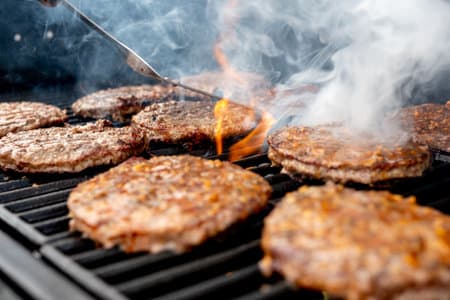
Image via 123RF
In This Article
Flavorful Meat Recipes
Gourmet Grilling
Seasonal Delights
Introduction to Gas Grilling
Gas grilling earns its place in the weeknight rotation because it is fast, flexible, and forgiving. With a gas grill, you can move from a quick preheat to dinner on the table without much waiting, which makes it easier to cook a wide range of recipes, from lean chicken breasts to thick steaks, delicate fish, and vegetables that need a little char without collapsing over the grates. That convenience is one reason gas grills are so useful for recipe-driven cooking: the same heat source that can sear a skirt steak can also hold a steady medium flame for cedar plank salmon or gently roast peppers, onions, and squash.
The best gas grill recipe ideas usually start with the grill’s strengths, not in spite of them. Gas heat is controllable, which means you can build recipes around direct heat for browning and indirect heat for finishing. That difference matters. A cut like bone-in chicken thighs benefits from a hot sear first, then a calmer zone to cook through without burning. Shrimp and scallops, by contrast, want a brief, high-heat cook that keeps the center tender. Even vegetables behave differently depending on their moisture and density. Asparagus and zucchini need only a quick turn over flame, while cauliflower steaks and halved cabbage deserve longer cooking and a little patience.
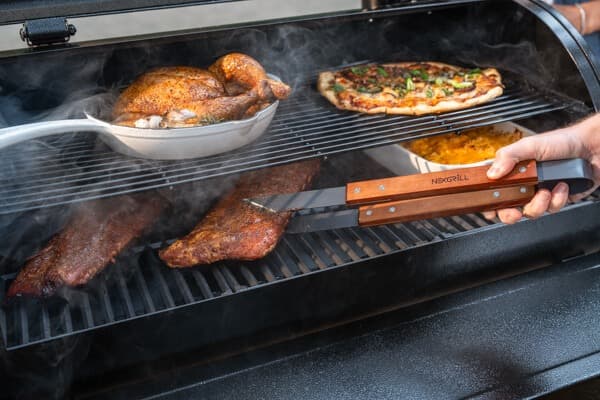
A gas grill becomes far more versatile when you think in zones instead of just temperature. One burner can sear, another can hold gentle heat, and that makes multi-step recipes easier to manage.
For readers building a menu around the grill, the real opportunity is variety. A gas grill does not have to mean burgers every time. It can support a full spread: grilled flank steak with herb butter, yogurt-marinated chicken skewers, maple-mustard pork tenderloin, miso-glazed salmon, charred romaine with Parmesan crumbs, or grilled peaches with honey and black pepper. That breadth is what makes gas grilling especially satisfying for gatherings. You can cook for different tastes without changing the equipment, and you can design a menu that includes meat, seafood, and plant-based choices in the same session.
This approach also fits Nexgrill’s broader brand perspective: grilling is about bringing people together around food that feels approachable but still exciting. The most memorable grill menus are usually the ones that mix a familiar main with one or two surprises. A familiar main keeps the meal grounded, while a bolder recipe, like grilled halloumi, chimichurri steak, or cedar plank salmon, gives the cook a chance to show range. The goal is not to make every dish complicated. It is to make the grill feel like a creative tool rather than a single-purpose appliance.
Top Gas Grill Recipe Categories
When people search for the best gas grill recipe ideas, they usually want inspiration that works across the whole menu, not just one protein. The most useful way to organize gas grill cooking is by category, because each group rewards a different technique and seasoning style. Beef handles bold smoke, crust, and assertive sauces. Chicken needs layering so it tastes juicy instead of merely cooked. Pork loves sweet-savory glazes and fruit accents. Seafood benefits from restraint and speed. Vegetables and meatless mains reward oil, salt, and the kind of high heat that creates caramelization without overcooking.
| Recipe category | Best gas grill treatment | Flavor profile that works well |
|---|---|---|
| Beef | Hot sear, then rest; use direct heat for crust | Garlic, pepper, rosemary, soy, chile |
| Chicken | Marinate, sear lightly, finish over medium heat | Citrus, yogurt, herbs, paprika, honey |
| Pork | Moderate heat with glaze or dry rub | Apple, mustard, brown sugar, fennel, sage |
| Seafood | Short cook time; use a clean, oiled grate or plank | Lemon, dill, miso, ginger, chili crisp |
| Vegetables | High heat, oil, and frequent turning | Balsamic, tahini, feta, herbs, smoked salt |
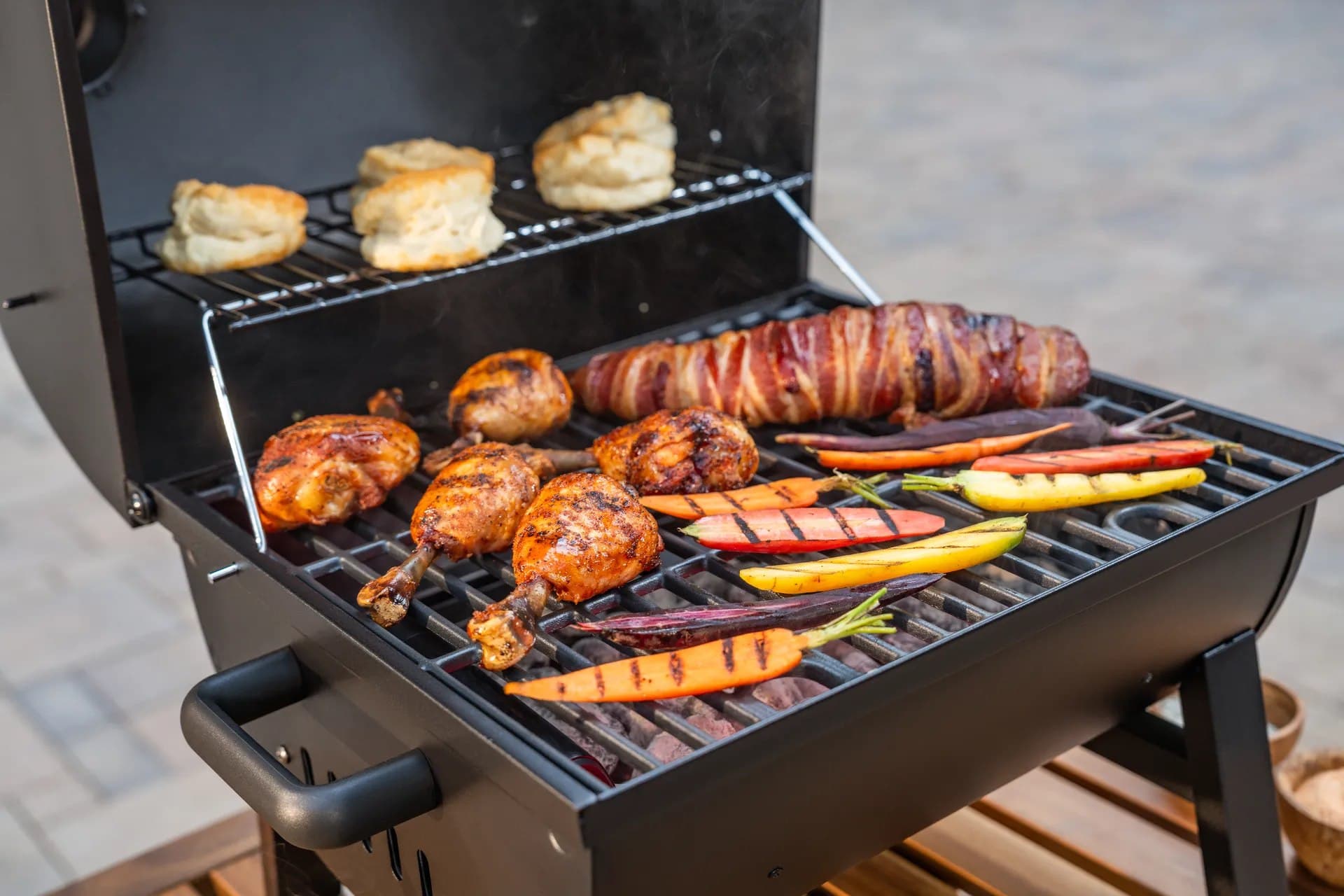
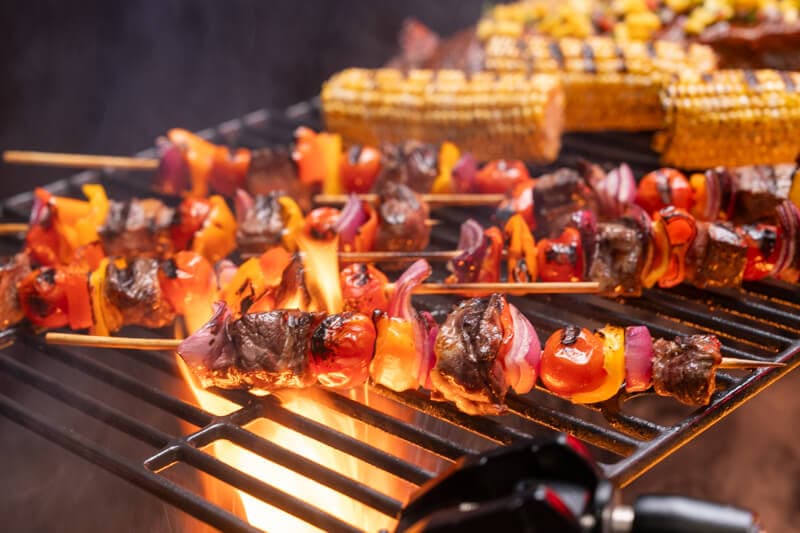
For beef, think beyond a standard steak. Flank steak with chimichurri, tri-tip with coffee rub, and kebabs with peppers and red onion all translate beautifully to gas grilling. Chicken can be turned into something far more interesting than plain grilled breasts by using shawarma spices, Greek yogurt marinades, or a lemon-herb brine. Pork works especially well with tender cuts like pork tenderloin, which can be wrapped in prosciutto or glazed with apricot preserves and mustard near the end of cooking. For seafood, salmon and shrimp are the easiest gateway recipes, but swordfish, halibut, and cedar plank trout are excellent choices when you want a more elevated result.
Vegetarian and vegan recipes deserve a bigger place on the gas grill than they often get. Thick slabs of portobello mushrooms, tofu pressed and brushed with sesame oil, cauliflower steaks, and corn with lime-chili butter are all strong candidates. Grilled romaine becomes a starter when finished with vinaigrette and breadcrumbs. Eggplant works especially well if it is salted ahead of time and brushed with oil before going over the flame. These recipes are not “side dishes pretending to be mains”; they can anchor a meal on their own when paired with grains, legumes, or sauces that add body and contrast.
A good grilling menu usually includes at least one fast-cooking item, one make-ahead marinade recipe, and one vegetable or plant-based dish so the whole meal feels complete.
Flavor Enhancement Tips
Flavor on a gas grill starts before food touches the grate. The most reliable way to improve a recipe is to season with intention and give the ingredients time to absorb it. Marinades work best when they bring together salt, fat, acid, and aromatics. A citrus-soy marinade can brighten chicken or shrimp. A yogurt-based marinade can tenderize chicken thighs while also giving spices a clingy surface. A mustard and herb mixture can help pork hold onto seasoning during cooking. Dry rubs serve a different purpose: they create a seasoned crust and are especially useful for beef or pork where you want surface texture and bold flavor.
Wood chips and planks are another useful tool, especially on a gas grill where you want a touch of smoke without building a separate fire. Soaked wood chips in a smoker box, or a cedar plank under salmon, can add aroma and help turn a simple recipe into something more memorable. The key is restraint. Smoke should support the food, not bury it. A cedar plank salmon with Dijon, dill, and brown sugar needs only enough smoke to amplify the fish’s richness. Too much can overwhelm the clean flavor you are trying to preserve.
Layering flavor also means knowing when to finish a dish after it comes off the grill. This is where many home cooks can make the biggest upgrade with almost no extra effort. A squeeze of lemon over grilled chicken, a spoonful of herb sauce on steak, a vinegar-based slaw with pork sandwiches, or a brush of garlic butter on corn all help the final plate taste intentional. Finishing salt, sliced scallions, pickled onions, or fresh herbs can add freshness and contrast to smoky char. These final touches matter because grilling concentrates flavor; a finishing component restores balance.
Temperature control is another form of flavor enhancement. Food that is burned on the outside and undercooked inside rarely tastes good, even if the seasoning is strong. Preheat the grill long enough for the grates to get hot, then clean and oil them. This reduces sticking and helps create a cleaner sear. For sugary marinades or glazes, apply them later in the cook so they do not scorch too early. For delicate fish, brush the grates and the fish lightly with oil and use a shorter cooking window. When recipes are cooked at the right temperature, the natural flavor of the ingredients comes through, and the seasoning has room to shine.
Essential Grilling Techniques
The best recipe ideas only work if the technique supports them. Begin with preheating. A gas grill should be hot enough to sear before food goes on, because that first contact helps develop color and structure. Then set up one hot side and one cooler side if you are cooking thicker cuts, bone-in chicken, or anything that needs a two-stage process. This indirect approach prevents flare-ups from turning a recipe bitter or uneven. It also gives you more control when cooking a mixed menu, such as skewers on one side and vegetables on the other.
Use the right surface for the right food. Wider grates work well for steaks, chops, and vegetables, but smaller items like shrimp, asparagus tips, or chopped mushrooms can slip through if they are not secured. For those, consider skewers, grill baskets, or a perforated pan. Cedar planks are best for salmon and other fish that need help staying intact. A well-oiled grate is often enough for sturdy vegetables and meats, but a basket can save time and reduce frustration when cooking chopped produce or smaller seafood pieces.
Resting is also part of grilling technique, not an afterthought. Beef and pork should rest so the juices redistribute, and chicken benefits from a short rest as well. Seafood usually needs only a brief pause, just enough to settle before serving. Slicing too early causes juices to run out and can make the food taste dry even when it was cooked properly. If you are grilling multiple items for a crowd, resting also helps you time the meal more smoothly so everything reaches the table together.
Safety matters, especially when recipes include glazes, marinades, and oil. Keep a clean brush or scraper nearby, watch for flare-ups, and avoid crowding the grate with dripping items that can spark the flame. Use separate tongs for raw and cooked food, and discard marinades that touched raw protein unless you boil them first. If you are grilling outside in the United States during summer, heat and weather can affect food pacing, so keep ingredients chilled until ready and do not leave marinated seafood or poultry sitting out. Good technique protects both flavor and confidence at the grill.
Sugar-heavy sauces and glazes can burn quickly on a gas grill. Add them near the end of cooking, not at the start.
Try comparing two products side by side below to see which fits best:
Seasonal Recipe Suggestions
Once you have weighed two options against each other, it helps to think about recipes by season, because gas grilling changes with the weather and the produce available. In summer, the grill should feel bright, fast, and relaxed. This is the season for corn with lime butter, grilled peaches, shrimp skewers, and herb-marinated chicken thighs. The flavors lean fresh and vivid, and the cooking should be quick enough that you are not standing outside for long periods in the heat. Summer is also the best time to use produce that loves direct flame, such as tomatoes, zucchini, eggplant, peppers, and stone fruit. A grilled peach salad with burrata, basil, and balsamic can work as an appetizer or a side, while grilled chicken with salsa verde and charred corn tortillas can turn an ordinary evening into a cookout.
Fall grilling calls for deeper flavors and a slightly slower pace. This is where maple, apple, sage, rosemary, and smoked paprika start to feel right. Pork tenderloin with apple cider glaze, grilled sausages with onions and mustard, and cedar plank salmon with a maple-Dijon finish all fit the season naturally. Fall vegetables like Brussels sprouts, butternut squash cubes in a grill basket, and thick slices of cauliflower can take on a toasted edge that matches the cooler weather. Even desserts can be grilled; pears or apples with cinnamon and yogurt make a simple ending to a meal without requiring an oven. The trick is to lean into warmth and texture rather than trying to recreate summer dishes exactly.
| Season | Best recipe direction | Why it works on gas grill |
|---|---|---|
| Summer | Quick-cook proteins, stone fruit, corn, peppers | Fast heat and bright flavor pair well with fresh produce |
| Fall | Pork, sausages, squash, apples, Brussels sprouts | Longer cooking windows and richer sauces suit cooler evenings |
| Holiday weekends | Large-format mains, mixed skewers, make-ahead sides | Gas control makes timing easier when cooking for groups |
Side Dishes and Accompaniments
Great grilled mains deserve sides that do more than fill the plate. The best accompaniments provide either contrast or continuity. If your main is rich, like steak or pork tenderloin, use a side with acidity or crunch. A vinegar slaw, grilled lemon potatoes, or a cucumber salad can cut through the richness. If your main is lean or delicate, such as chicken breast or white fish, choose a side with more body, like herbed rice, grilled bread, or corn salad with avocado. The point is to build a menu that feels intentional rather than random.
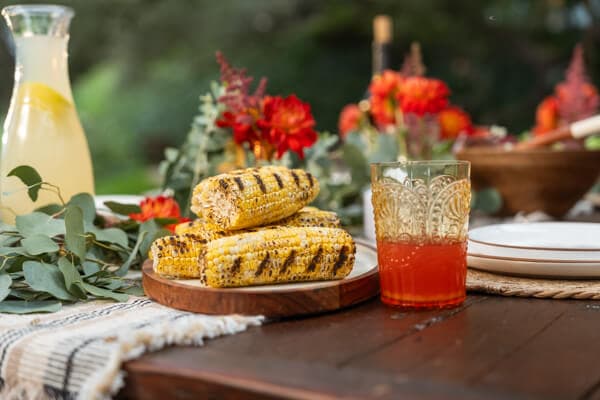
Some of the strongest grill-friendly sides are themselves cooked on the gas grill. Corn on the cob develops sweeter flavor with charred kernels and a brush of butter. Halved romaine or radicchio adds bitterness that balances heavier meats. Asparagus, green beans in a grill basket, and sliced zucchini are straightforward but still impressive when tossed with olive oil, salt, and a final squeeze of citrus. Grilled bread is particularly useful because it turns drippings, sauces, and herb spreads into part of the meal. A few slices of rustic bread with olive oil and garlic can support almost any main recipe.
Sauces and dips also deserve attention. Chimichurri is a classic partner for steak and vegetables. Tzatziki works well with chicken, lamb-style spices, or grilled eggplant. Salsa verde can brighten fish or pork. A yogurt-herb sauce, harissa mayo, or simple garlic aioli can help unify a plate when you are serving several grilled items at once. For a more casual meal, a tray of pickles, sliced tomatoes, grilled onions, and fresh herbs can act like a condiment bar, letting guests build their own plates. That kind of flexibility suits gatherings because it gives everyone a way into the meal without forcing every dish into the same flavor profile.
If you want the easiest upgrade to any grilled dinner, add one bright side with acid and one creamy or starchy side with texture.
Conclusion: Embrace Your Grilling Creativity
Conclusion: Embrace Your Grilling Creativity
The strongest gas grill recipe ideas are the ones that invite you to experiment without making dinner feel complicated. A good gas grill can handle classic meats, gourmet seafood, vegetarian mains, and seasonal produce with the same equipment, which means your menu can evolve with your confidence. Start with recipes that match your comfort level, then add one new element each time: a different marinade, a new finishing sauce, a vegetable you have not grilled before, or a smoke accent from a cedar plank or smoker box.
If you are cooking for family or friends, think like a host as much as a cook. Balance rich dishes with fresh ones, fast recipes with slower ones, and familiar flavors with one or two unexpected touches. That is how a simple gas grill dinner becomes a memorable meal. Whether you are making steak, salmon, stuffed peppers, grilled tofu, or late-season apples, the grill rewards attention, timing, and a willingness to try something a little different.
For more recipe inspiration, gather ideas from trusted sources and then adapt them to your own backyard setup. Compare techniques, test seasonings, and keep notes on what worked best. The more you use your gas grill, the easier it becomes to turn a basic ingredient list into a meal people will want again.