Mastering Deep Frying: Choosing the Best 5-Inch Thermometer
Your guide to selecting the perfect thermometer for precision frying.
In This Article
Importance of Precision
Key Features
Top Models Compared
Why a Thermometer is Essential for Deep Frying
Deep frying is a culinary technique that demands precision in temperature control. A slight deviation can mean the difference between a perfectly crispy exterior and a soggy, greasy mess. This is where a reliable deep fry thermometer becomes indispensable. It ensures that the oil is at the ideal temperature, usually between 350°F and 375°F, for optimal cooking results. Beyond preventing undercooked or overcooked meals, a good thermometer also ensures safety by minimizing the risk of oil fires, which can occur if the oil overheats.
For home cooks and professional chefs alike, a deep fry thermometer provides the confidence to explore various recipes with complex frying techniques, such as tempura or fried chicken. By maintaining the right temperature, you ensure that food cooks evenly and retains its intended texture and flavor.
Features to Consider in a 5-Inch Deep Fry Thermometer
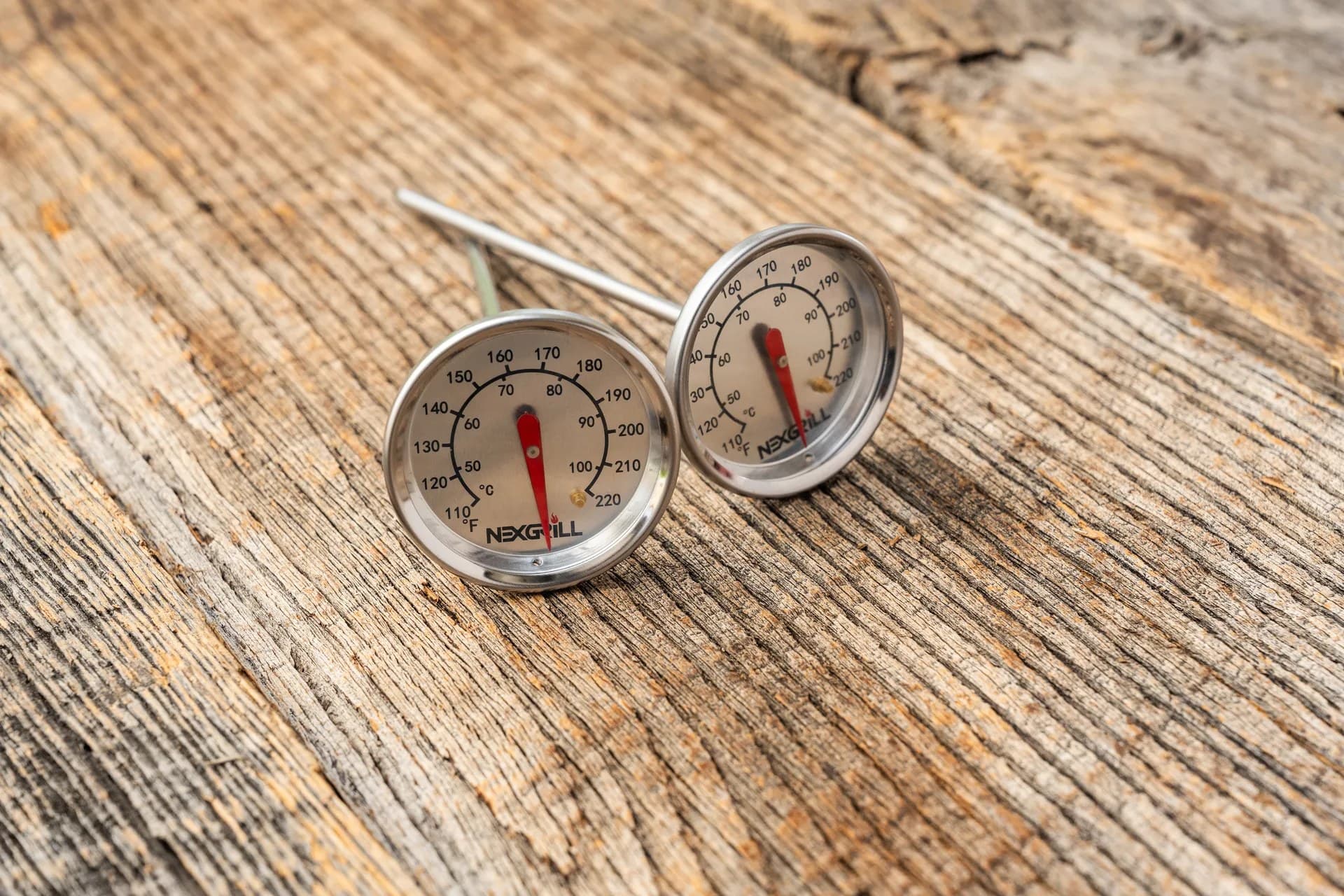
When selecting a 5-inch deep fry thermometer, consider several key features that impact its performance and usability. The length of the probe is crucial; a 5-inch probe is ideal as it provides sufficient reach into deeper pots without risking exposure to excessive heat. Additionally, look for a thermometer with a clear, easy-to-read dial or digital display. Accuracy is paramount, so choose a model that offers precise temperature readings with a minimal margin of error.
Durability is another consideration, particularly for frequent fryers. Stainless steel construction is recommended for its resistance to corrosion and high temperatures. Some models come with a clip that attaches to the pot, offering hands-free monitoring. Finally, consider the thermometer's temperature range. For deep frying, a range of at least 100°F to 400°F is optimal.
| Feature | Description |
|---|---|
| Probe Length | 5 inches, ideal for deep pots |
| Material | Stainless steel for durability |
| Temperature Range | 100°F to 400°F |
| Display Type | Analog or digital |
Practical Tips for Using a Deep Fry Thermometer
Using a deep fry thermometer effectively involves more than just placing it in the oil. To ensure accuracy, avoid letting the probe tip touch the bottom of the pan, as this can lead to false readings. Instead, position it so the tip is submerged in the oil without contacting the pan's surface. Regular calibration is essential; consult the manufacturer’s instructions on how to recalibrate your specific model.
Safety is also key when dealing with hot oil. Always monitor the thermometer and never leave frying unattended. If the temperature exceeds safe levels, turn off the heat and allow the oil to cool. Finally, clean your thermometer after each use to maintain hygiene and prolong its lifespan.
Comparing Top 5-Inch Deep Fry Thermometers
Finding the best deep fry thermometer requires comparing the top models available on the market. Consider factors such as price, customer reviews, and additional features like waterproofing or backlit displays. A popular model is the Taylor Precision Products Stainless Steel Thermometer, known for its robust construction and high accuracy. Another contender is the Polder Digital In-Oven Thermometer, which offers a sleek design and a wide temperature range, appealing to modern kitchens.
For budget-conscious buyers, the Winco Deep Fry Thermometer provides excellent value without compromising on essential features. It includes a large, easy-to-read dial and a pot clip for stability. In contrast, premium options like the ThermoPro TP03 Digital Thermometer offer advanced functionalities like rapid temperature readings and an auto-off feature to conserve battery life.
| Model | Features | Price Range |
|---|---|---|
| Taylor Precision | Stainless steel, high accuracy | $15 - $25 |
| Polder Digital | Wide range, digital display | $20 - $30 |
| Winco | Large dial, pot clip | $10 - $15 |
| ThermoPro TP03 | Rapid reading, auto-off | $25 - $35 |
Maintaining Your Deep Fry Thermometer
Proper maintenance of your deep fry thermometer is crucial to ensure its longevity and performance. After each use, clean the probe with a damp cloth, avoiding submersion unless it is waterproof. For digital models, ensure the battery compartment is dry to prevent damage.
Store the thermometer in a protective case if available, to avoid bending or damaging the probe. Regularly check for signs of wear, such as loose parts or fading markings, and replace the thermometer if it fails to provide accurate readings consistently.
Tip: Calibrate your thermometer monthly to ensure accuracy.
Conclusion: Making an Informed Choice
Selecting the right deep fry thermometer involves evaluating your specific needs and budget. Whether you prioritize digital precision or robust construction, the market offers a range of options to suit every kitchen. By understanding the features and maintenance requirements, you can make an informed decision that enhances your culinary endeavors.