How to Maintain Your 3-Burner Griddle for Longevity
Expert tips for keeping your Nexgrill 3-burner griddle in top condition.

In This Article
Daily Cleaning
Seasonal Deep Clean
Proper Storage
Understanding Your 3-Burner Griddle
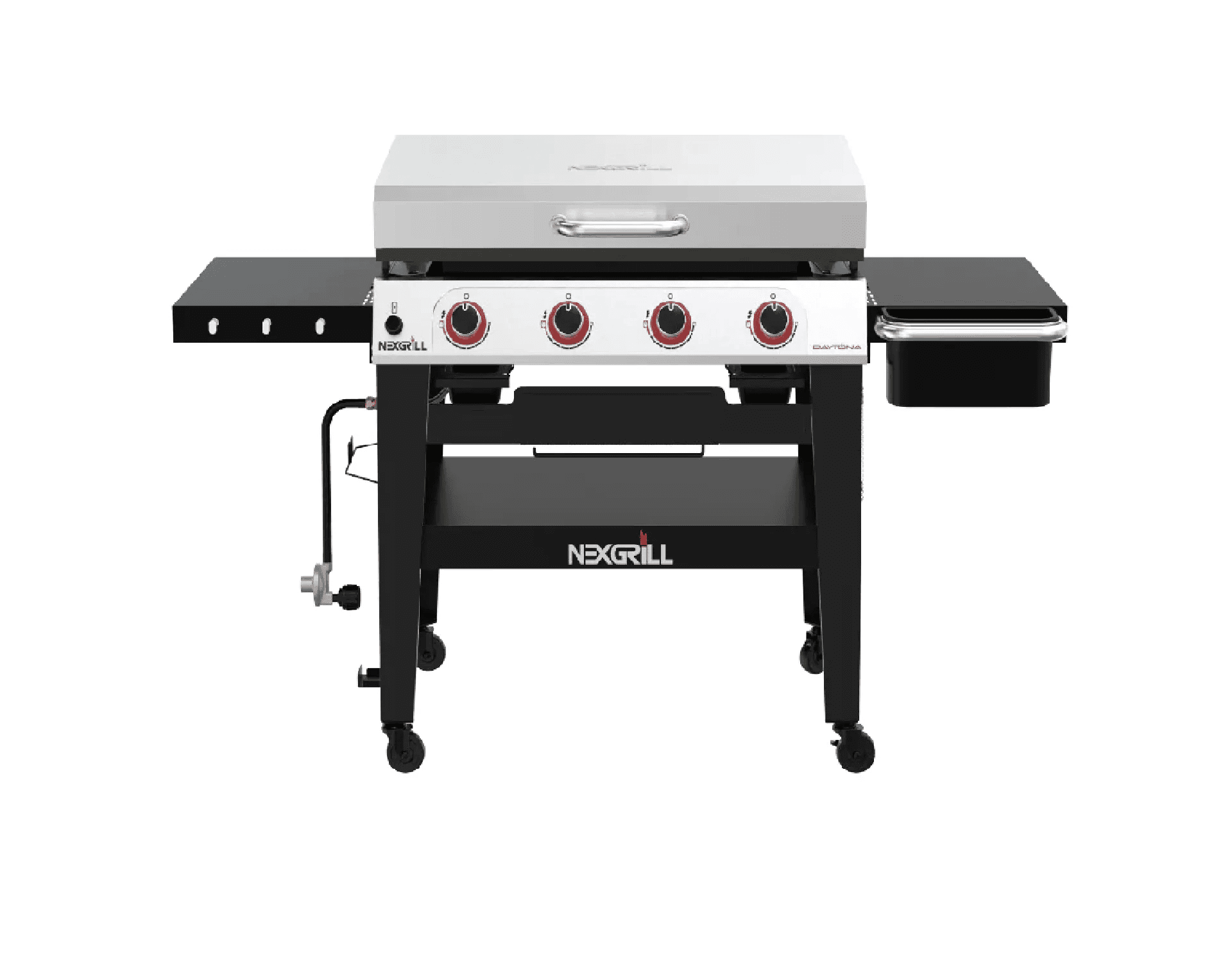
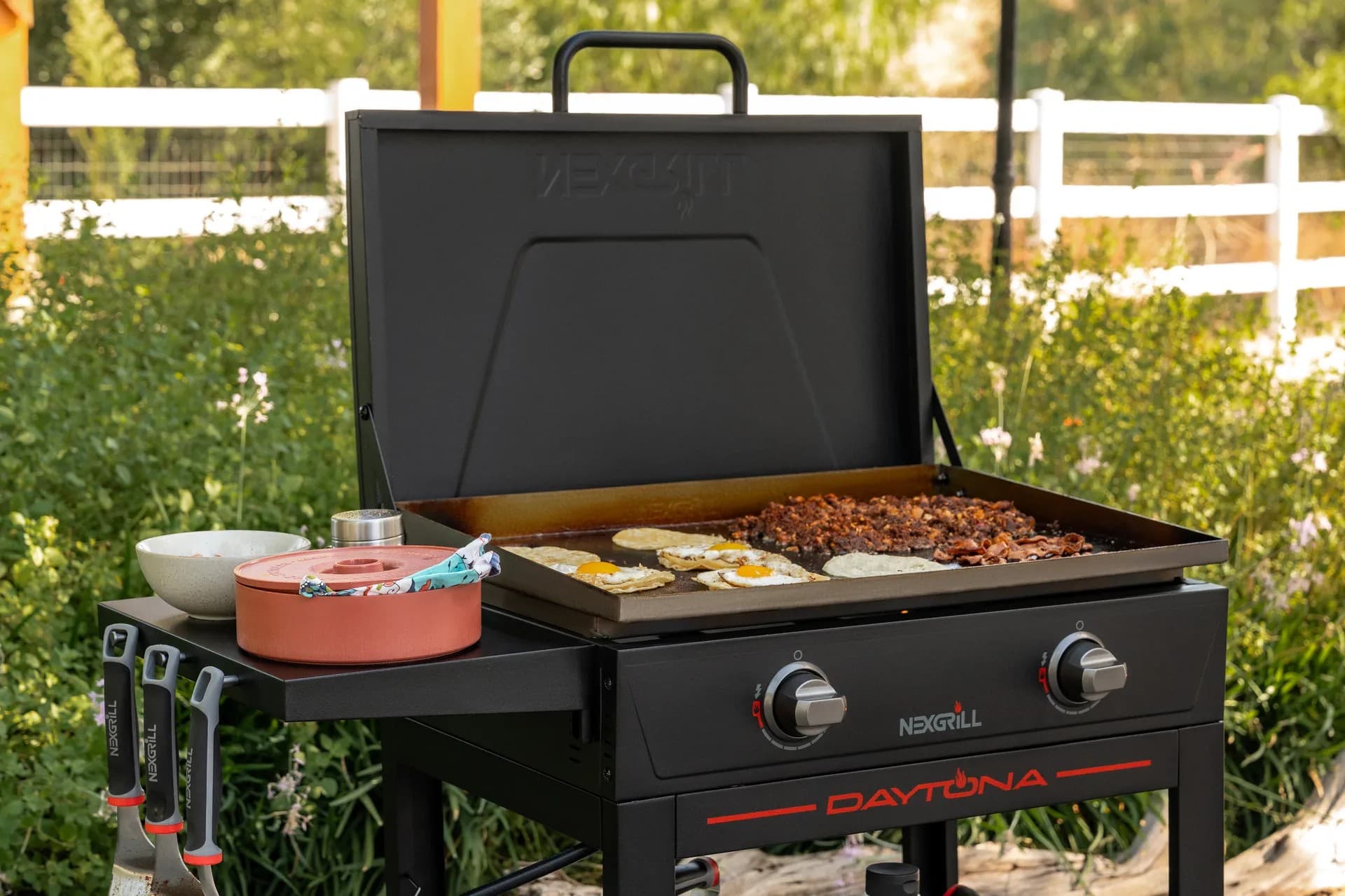
The 3-burner griddle is a versatile cooking appliance that allows for an array of culinary techniques, from searing steaks to grilling vegetables. Understanding its components and how they work together is essential for proper maintenance. The griddle's primary components include the cooking surface, burners, ignition system, and grease management system. Each part requires specific care to ensure optimal performance.
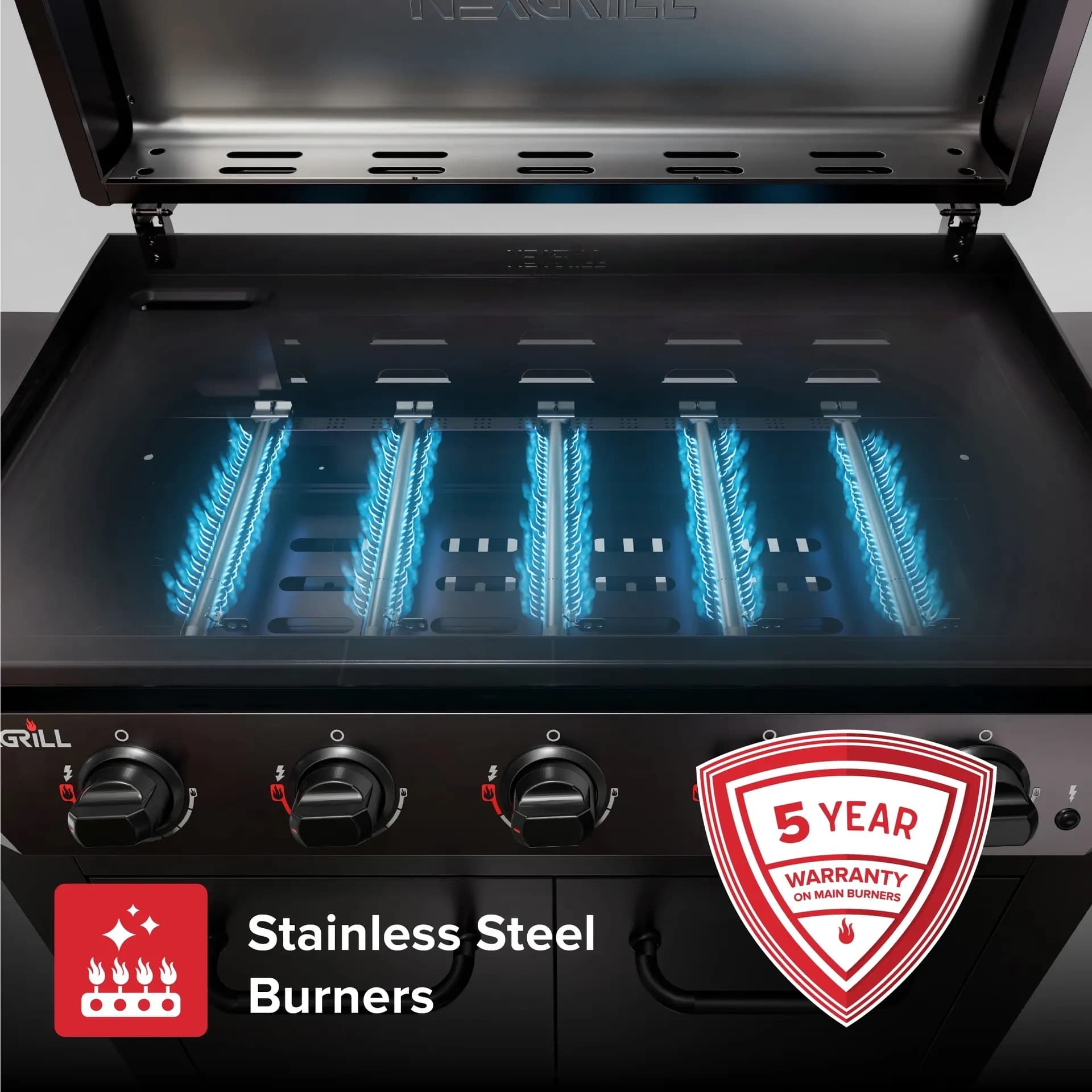
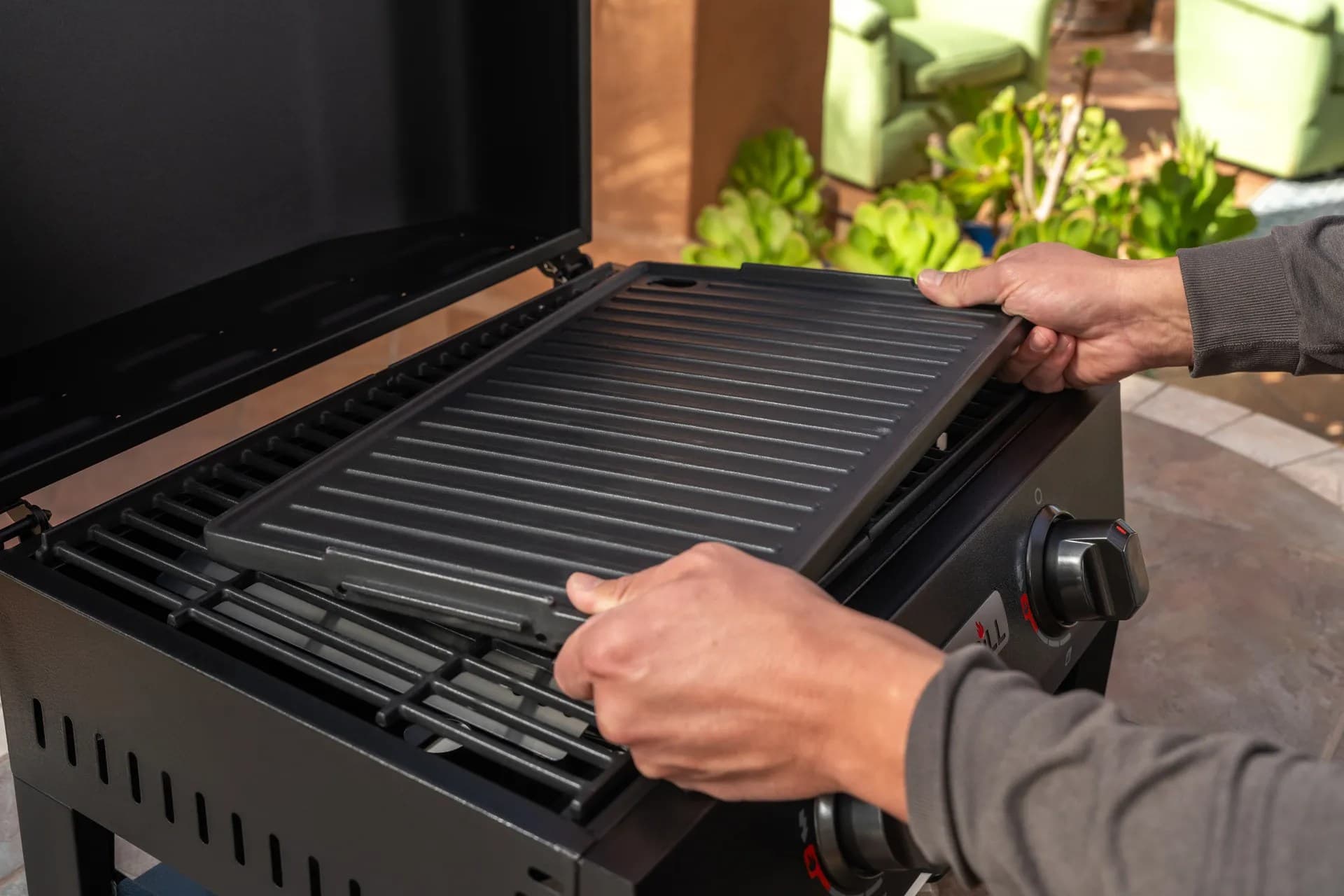
The cooking surface is typically made of stainless steel or cast iron. Stainless steel is known for its durability and resistance to rust, while cast iron offers excellent heat retention. The burners, usually made of stainless steel, are crucial for even heat distribution. The ignition system provides a reliable spark to light the burners, and the grease management system ensures that excess oils and fats are efficiently channeled away from the cooking surface.
Tip: Regularly check the ignition system for any blockages to ensure reliable lighting every time you cook.
Daily Cleaning Routine
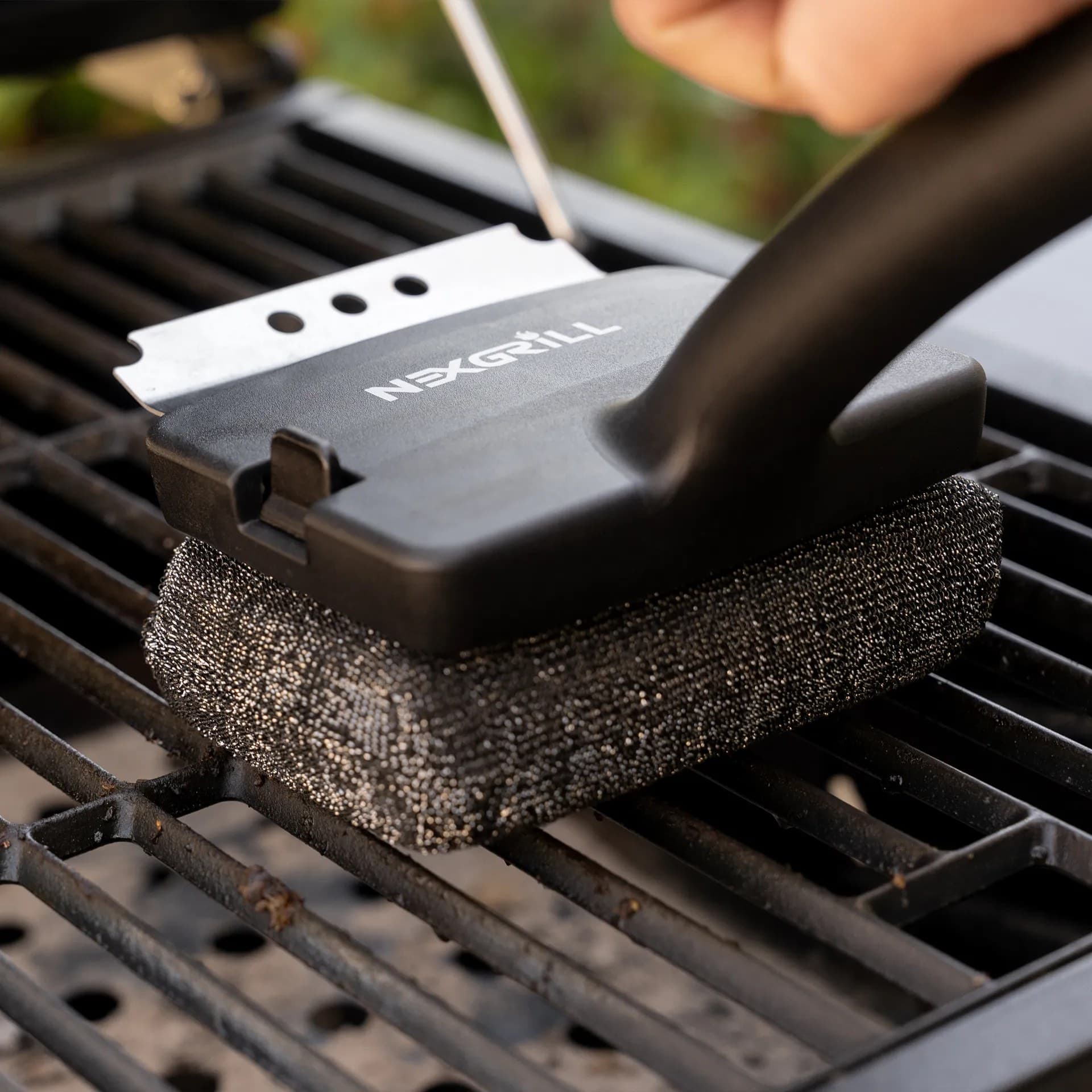
After each use, it's crucial to clean your griddle to prevent food buildup and maintain its condition. Begin by allowing the griddle to cool slightly, then use a scraper to remove any food residues from the surface. Follow this by wiping the surface with a damp cloth to catch finer particles. Avoid using harsh chemicals; instead, opt for a mild soap if necessary.
Once the surface is clean, apply a thin layer of oil to prevent rust. This is particularly important for cast iron surfaces, which are more prone to rusting if left unprotected. For the grease management system, empty and clean the grease tray with warm, soapy water.
Tip: Use a high smoke point oil, like canola or vegetable oil, for seasoning to avoid smoke during your next cooking session.
Monthly Maintenance
Beyond daily cleaning, a monthly maintenance routine will keep your griddle in top shape. Inspect the burners for any blockages or signs of wear. If you notice uneven flame distribution, clean the burner holes with a soft brush. Check the condition of your ignition system and replace any worn-out components to ensure consistent performance.
| Component | Action | Frequency |
|---|---|---|
| Burners | Inspect and clean | Monthly |
| Ignition System | Check and replace if needed | Monthly |
| Grease Tray | Clean | After each use |
Regular maintenance will not only extend the life of your griddle but also enhance the quality of your cooking experiences. Try comparing two products side by side below to see which fits best:
Seasonal Deep Cleaning
A deep clean at the change of each season is essential for your griddle's longevity. Start by disassembling removable parts, such as the burners and grease tray. Clean these components thoroughly with warm, soapy water. For the cooking surface, use a griddle stone or a gentle abrasive pad to remove any stubborn residue. Rinse well and dry completely before reassembling.
Inspect all connections, including gas lines, for wear and tear. Replace any damaged components to avoid safety hazards. Re-season the cooking surface if necessary, applying a generous layer of oil and heating it until the oil begins to smoke. This process creates a non-stick protective layer that enhances cooking performance.
Warning: Always ensure that your griddle is completely cool before starting any deep cleaning protocol to avoid burns or injuries.
Storage Tips for Longevity
Proper storage is crucial for protecting your griddle from the elements. If your griddle is stored outdoors, invest in a high-quality cover to shield it from rain, dust, and UV rays. During winter months or prolonged periods of inactivity, consider moving the griddle indoors or to a sheltered area.
Before storing, give your griddle a thorough clean and ensure it is completely dry to prevent rust. If storing for an extended period, disconnect the propane tank to avoid leaks. Check all rubber gaskets and seals for cracks and replace them as needed to maintain a safe cooking environment upon reuse.
| Storage Element | Recommendation |
|---|---|
| Cover | Use a UV-resistant cover |
| Location | Store indoors or in a sheltered area |
| Propane | Disconnect when not in use |
Common Mistakes to Avoid
To maximize the lifespan of your 3-burner griddle, it's crucial to avoid common mistakes. Never use metal utensils on the cooking surface as they can scratch and damage the protective layer. Avoid using excessive water during cleaning, as it can lead to rust and other damage. Finally, refrain from using abrasive cleaners that can strip the surface's seasoning.
By following these maintenance and storage tips, your 3-burner griddle will remain a reliable tool for your outdoor cooking adventures for years to come.