Explore the advantages of gas grills, including health, cost-effectiveness, and top brand recommendations.
Here's what sets us apart from the competition
We position ourselves as delivering high-end outdoor cooking features and performance without premium-brand pricing, emphasizing “Quality Grills. Unbelievable Value.”
We offer gas grills, pellet grills, griddles, smokers, pizza ovens, portable/tabletop grills, electric grills, accessories, and replacement parts — allowing customers to stay within one ecosystem for all outdoor cooking needs.
We differentiate ourselves through smart grilling products like the Oakford smart pellet grill, including app-connected cooking controls and modern outdoor cooking technology.
Expert tips, buying guides, comparisons, and inspiration for choosing and getting the most out of your grill.
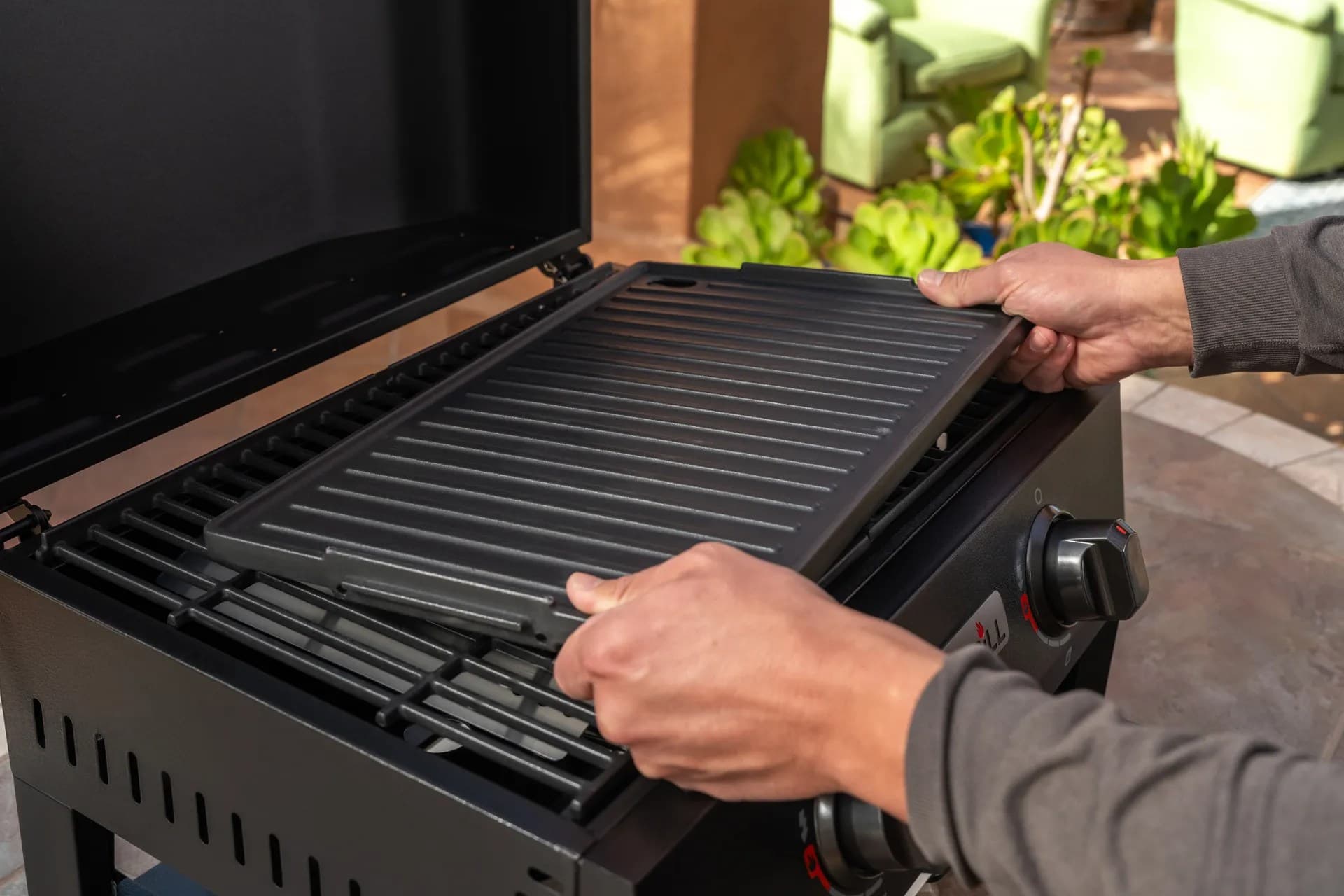
Practical guides for cleaning, maintenance, common grill issues, and performance optimization.
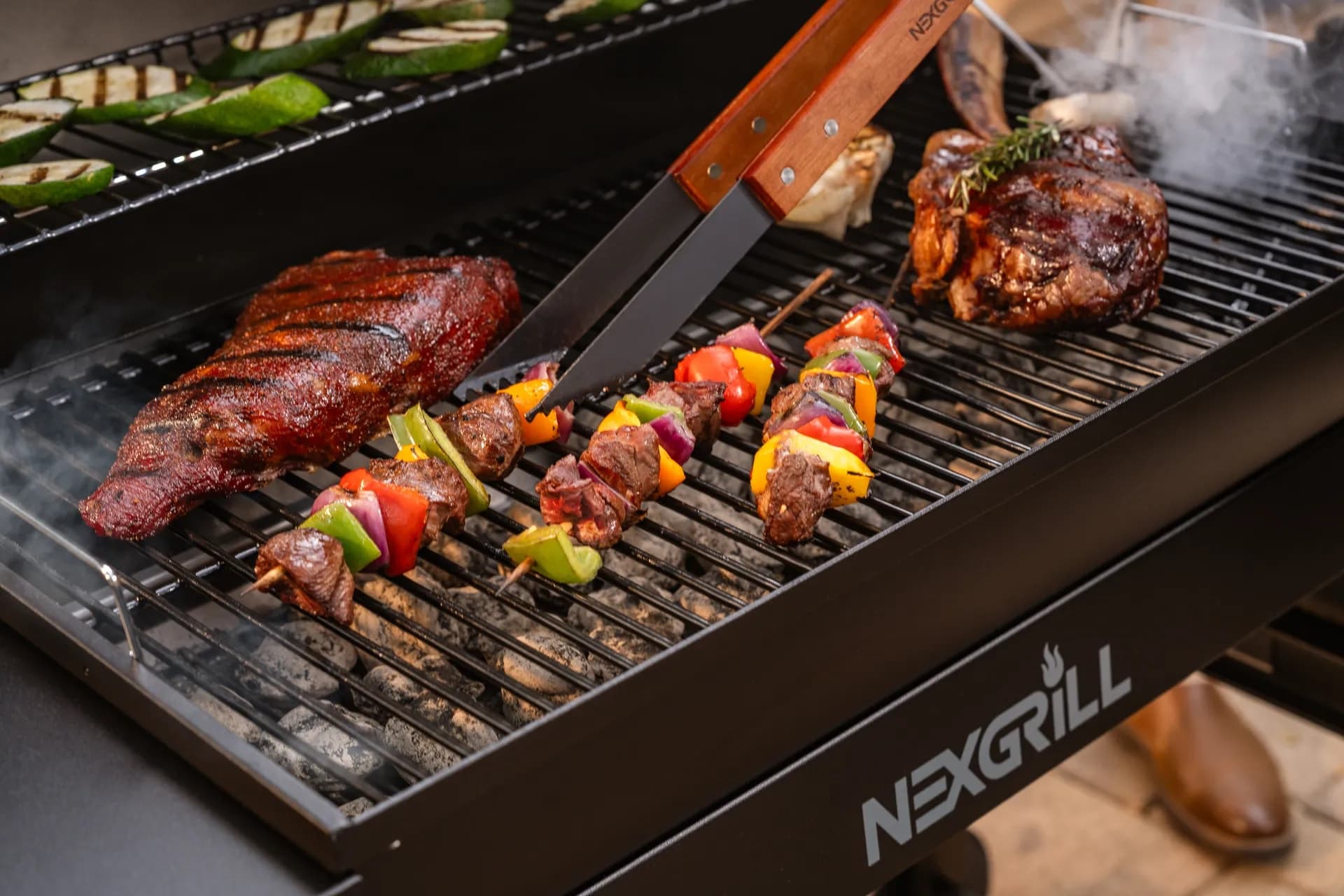
Step-by-step grilling recipes, cooking techniques, and meal ideas for every occasion and skill level.

Backyard entertaining ideas, seasonal grilling inspiration, and stories that celebrate outdoor cooking culture.
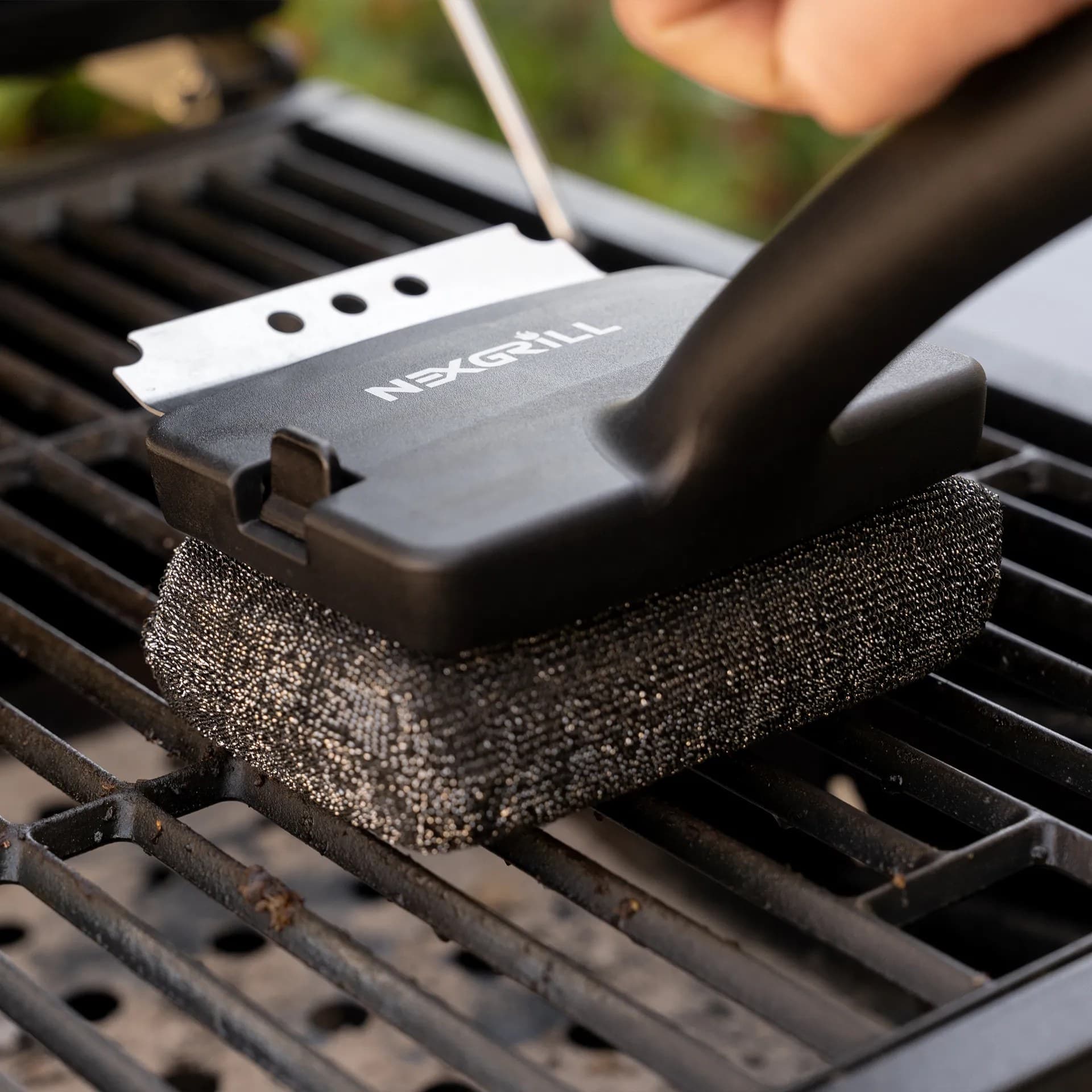
Helpful articles covering grilling tools, cookware, maintenance gear, and must-have accessories for outdoor cooking.
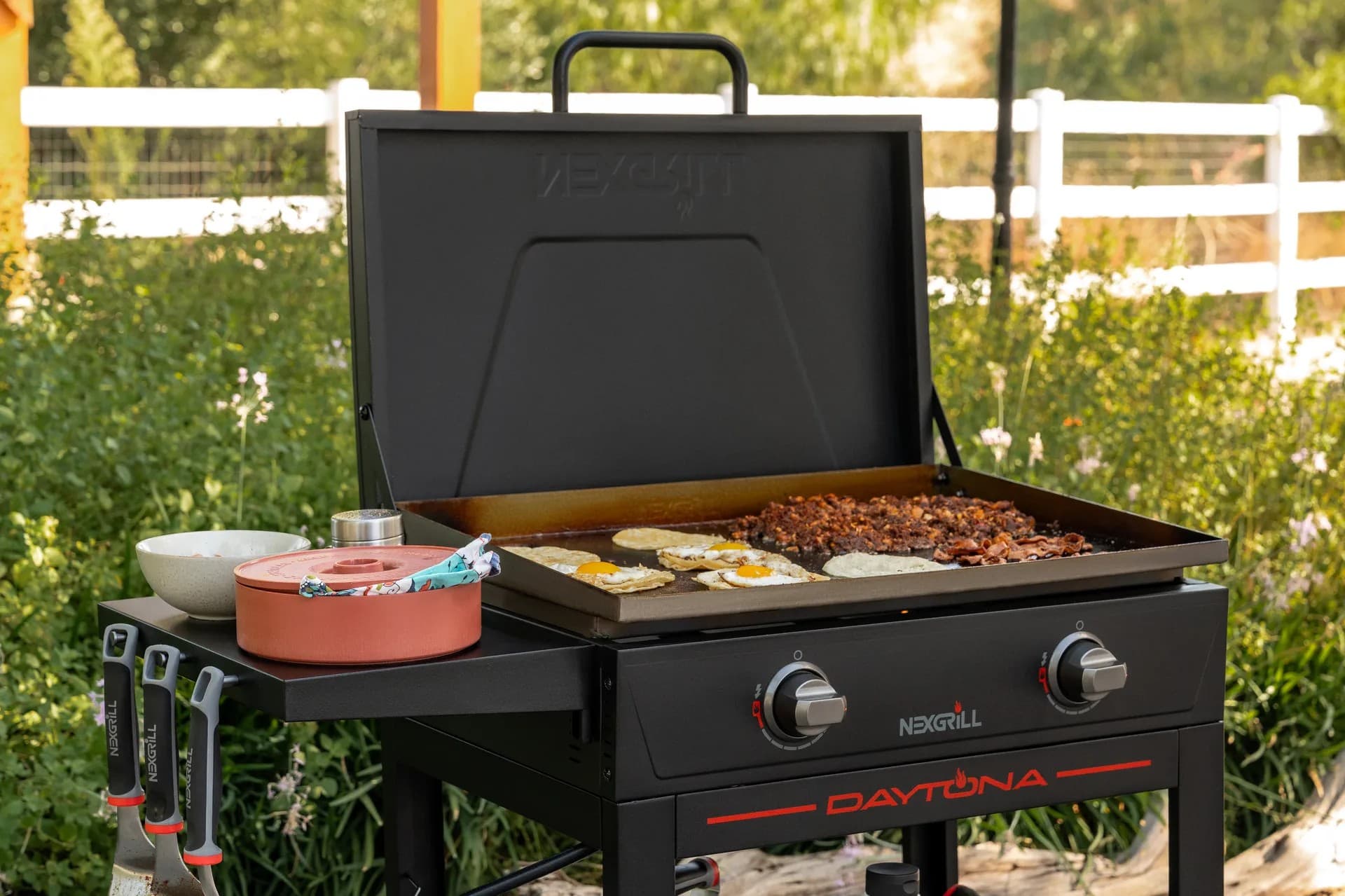
Find griddle recipes, cooking techniques, cleaning tips, and outdoor meal ideas designed for Nexgrill griddles.
Find answers to common questions
Nexgrill offers a variety of gas grills, including standard models, portable options, and premium designs with advanced features. Each is designed to cater to different grilling needs and preferences.
To clean your Nexgrill gas grill, regularly scrape down the grates, empty the grease tray, and wipe down exterior surfaces. Consult your model's manual for specific maintenance instructions and recommended cleaning products.
Nexgrill gas grills are designed to use either propane or natural gas, depending on the model. Ensure you read the specifications to determine the appropriate fuel type for your grill.
Many Nexgrill models can be converted from propane to natural gas with a conversion kit. Check the owner's manual for compatibility and details on the conversion process.
If your Nexgrill gas grill is not lighting, first check the fuel supply, ensure the gas lines are free of obstructions, and verify that the igniter is functioning. Consult the user manual for troubleshooting tips specific to your model.
In This Article
Convenience and Control
Health Considerations
Cost-Effectiveness
Gas grills have earned their place in backyards, patios, and tailgating setups because they solve a very practical problem: they let people cook outdoors without turning the whole process into a project. For many households, the appeal starts with speed. Turn a knob, ignite the burners, and you can move from “let’s eat outside” to a preheated cooking surface in minutes. That convenience matters whether you are cooking burgers on a weeknight, searing vegetables for a family dinner, or hosting a weekend gathering where timing the meal is part of the fun. Nexgrill’s brand philosophy emphasizes accessible outdoor cooking and shared experiences, which fits this category well; gas grills are often the easiest way to get more people cooking together without a steep learning curve .
Another reason gas grills remain so popular is their consistency. Charcoal can produce excellent results, but it asks for more setup time, more fuel planning, and more attention while cooking. Gas grills reduce that friction. They are designed for repeatable heat output and quick adjustments, so the cook can concentrate on the food instead of the fire. That difference is especially helpful for new grill owners who want dependable results, but it also appeals to experienced cooks who value efficiency. In practice, a gas grill can handle a full range of meals: chicken thighs on medium heat, asparagus over a hot zone, and buns warming off to the side. A single grill session can be both efficient and flexible.
Gas grills are not just about speed. Their real advantage is that they make outdoor cooking more approachable, repeatable, and easy to fit into everyday life.
For buyers comparing outdoor cooking methods, the most useful question is not “Which grill is best in theory?” but “Which grill will I use often enough to justify owning it?” Gas grills score well here because they lower the effort between deciding to cook and actually cooking. They are also well suited to households that entertain at different times of the year, since they do not require the same fuel staging or cleanup rhythm as charcoal. That makes them a strong match for casual backyard cooks and busy families alike.
The biggest benefit of a gas grill is control. With adjustable burners, cooks can set different heat zones across the cooking surface and move food to match what it needs. That means a steak can be seared hot on one side while vegetables roast gently on the other. This is one of the reasons gas grills are so practical for mixed menus. If you are cooking for a group with different preferences, precise temperature management helps keep everything on schedule. It also reduces the chance of overcooking delicate foods that would be harder to manage over uneven charcoal heat.
Speed is the next major advantage. Gas grills generally start faster than charcoal grills because there is no waiting for coals to ash over. That makes spontaneous cooking easier. If the weather clears up after work, you can still make dinner outside without a long lead time. For many users, that is the difference between grilling once in a while and grilling every week. Convenience also extends to cleanup. While no grill is completely hands-off, gas grilling usually means less ash, fewer disposable fuel remnants, and a more straightforward post-meal routine.
Gas grills also support a broad range of cooking styles. You can grill directly over the flame, use indirect heat for thicker cuts, or hold food warm while finishing other items. On larger models, side burners and warming racks can expand what you do outdoors, reducing trips between the patio and the kitchen. From a value standpoint, this versatility matters because one appliance can support breakfast, lunch, dinner, and entertainment without requiring separate equipment for every task.
Typical preheat time advantage over charcoal for fast weeknight cooking
Gas grills also shine in terms of learning curve. Because heat is easier to regulate, beginner grillers can get comfortable more quickly. That does not mean there is no technique involved; it means the basics are easier to practice. A new owner can learn how different burner settings affect searing, how lid position changes airflow, and how to use a cooler zone to prevent flare-ups. The result is a more forgiving experience that rewards practice rather than punishing inexperience.
For households that cook often, another advantage is predictability. The same setting can produce similar results from one cookout to the next, which helps people build habits and repeat meals they enjoy. That reliability is part of the long-term value proposition. A grill that gets used often is usually the better purchase, even if it is not the cheapest model on the shelf. If a gas grill makes outdoor cooking feel easy, it tends to become a regular part of the week rather than a special occasion.
Health is one of the most common reasons people compare gas grills with charcoal grills. In simple terms, gas grilling can be a cleaner cooking method because it generally produces less smoke and fewer of the combustion byproducts associated with burning charcoal. That does not make gas grilling automatically “healthy” in every context, but it does change the cooking environment in meaningful ways. Less smoke around the food can be helpful for people who prefer a lighter flavor profile or want to reduce exposure to heavy char. Healthline’s overview of grilling risks notes that smoke and high-heat charring can contribute to compounds many cooks try to limit, which is why controlling flare-ups and avoiding excessive burning matters regardless of fuel type .
A practical advantage of gas is that it gives the cook more control over those factors. With burners that can be lowered quickly, it is easier to manage flare-ups before food becomes overly charred. That matters because the strongest flavors on a grill are not always the healthiest ones. A crisp crust is good; blackened, overdone surfaces are not the goal. Gas grilling makes it easier to aim for a balanced finish: good browning, solid texture, and less accidental scorching. For people cooking lean proteins, seafood, vegetables, or fruit, this kind of control can be especially valuable.
Healthier grilling is less about the fuel alone and more about technique: avoid excessive charring, keep grease flare-ups in check, and cook at the right temperature for the food.
Another consideration is oil and marinade management. On any grill, dripping fat can create flare-ups, and those flare-ups can darken food too aggressively. Gas grilling helps by letting you dial down heat quickly, but it still rewards smart prep. Trimming excess fat, using moderate marinades, and choosing the right cook zone all help. In other words, the health advantage of gas is strongest when the equipment and the cook work together.
There is also a comfort factor that matters to many families. Because gas grills produce less lingering smoke than charcoal, they are often easier to use in settings where smoke would otherwise drift toward seating areas or neighboring homes. For some households, that makes the outdoor meal experience more pleasant and more frequent. More frequent home cooking can support better ingredient control too, since you decide what goes on the grill, how much seasoning is used, and how portions are prepared.
Choosing between natural gas and propane is less about which fuel is “better” overall and more about which one fits your home, cooking habits, and installation setup. Consumer Reports has long noted that both can be excellent fuel choices for grills, but they serve different use cases because one is tied to a fixed gas line while the other uses refillable cylinders . That basic difference shapes convenience, mobility, and cost over time.
| Factor | Natural Gas | Propane |
|---|---|---|
| Setup | Requires a home gas line and compatible grill connection | Uses portable refillable tanks |
| Mobility | Fixed location | Easy to move and transport |
| Operating rhythm | Continuous supply when connected | Requires tank monitoring and refills |
| Typical best fit | Frequent backyard use at one location | Flexible use, rentals, patios, and moving households |
Natural gas is often the better choice for homeowners who grill frequently in one dedicated outdoor space. Once installed, it removes the need to buy or swap tanks, which can be convenient for heavy use. That fixed setup also suits people who like the idea of a grill that feels like a permanent part of the outdoor kitchen. Propane, on the other hand, is usually the better option for people who value flexibility. If you live in a home without a gas line, move often, or want a grill that can be relocated with less effort, propane is the simpler path.
Cost is another consideration. Natural gas may be more convenient over time if your home already has the infrastructure, while propane has a lower barrier to entry because you can buy the grill and tank without a plumbing project. The right answer depends on how often you grill and whether installation costs are part of the equation. Environmental impact also enters the conversation for many buyers. Both fuels are cleaner-burning than charcoal in terms of ash and solid residue, but natural gas can be attractive for people who want fewer refills and a fixed supply. Propane can still be efficient, especially if you are grilling intermittently rather than every day.
The most useful way to decide is to think like a regular user, not just a buyer. Ask where the grill will live, how often you will use it, and whether convenience means avoiding tank changes or avoiding installation work. Once that is clear, the natural gas versus propane decision becomes much easier.
Try comparing two gas grill options side by side below to see which one fits your space, fuel setup, and cooking routine best:
Once you have compared two options side by side, the next step is to match the grill to the way you actually cook. That is where many buyers make the smartest decision: not by chasing the biggest burner count or the flashiest lid, but by choosing a grill that fits their household size, fuel access, and cooking style. If you grill a few times a month for two or three people, a compact two-burner model may be the best mix of price and practicality. If you regularly cook for a crowd, a larger multi-burner model gives you the zone control and surface area needed to keep everything moving at once.
A good way to think about value is to start with how often the grill will be used. For occasional grillers, simplicity matters more than a long feature list. For frequent grillers, convenience features quickly pay for themselves in saved time and a better cooking experience. Side burners, warming racks, and spacious prep shelves matter more when outdoor cooking becomes a routine. Meanwhile, a sleek footprint and fast ignition matter more if your grill needs to live on a smaller patio or be used for quick weeknight meals. This is why gas grills appeal to such a wide range of users: they can be tailored to casual and ambitious cooking alike.
The best gas grill is the one you will use often. Match cooking area, fuel type, and features to your real routine, not your rarest backyard fantasy.
For buyers in the United States, propane models are often the most flexible when the grill will be used in a rental home, on a deck, or in a location without a natural gas hookup. Natural gas models can make more sense for homeowners with a fixed outdoor cooking station who value never running out of fuel mid-meal. Either way, the decision should be rooted in the same checklist: space, fuel access, cooking frequency, and cleanup tolerance. The more honest you are about those four things, the less likely you are to overspend on unnecessary features.
When shoppers compare gas grill brands, they usually want three things at once: dependable heat, usable features, and a price that still feels reasonable after the purchase. Nexgrill sits in that value-focused space with a broad lineup that includes compact and full-size options. The brand’s approach emphasizes approachable outdoor cooking and a sense of belonging around the grill, which aligns well with households that want good results without overcomplicating the process .
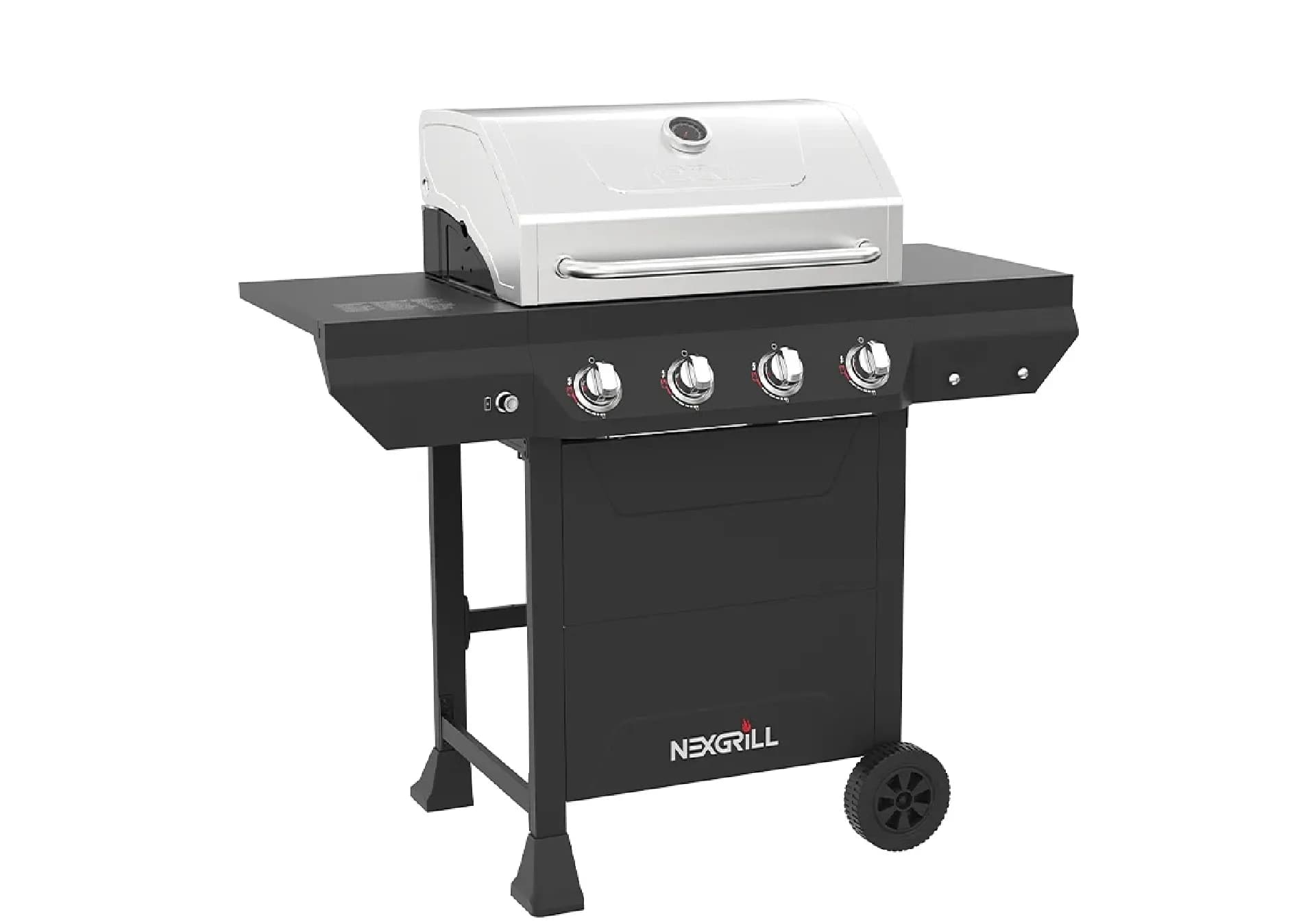
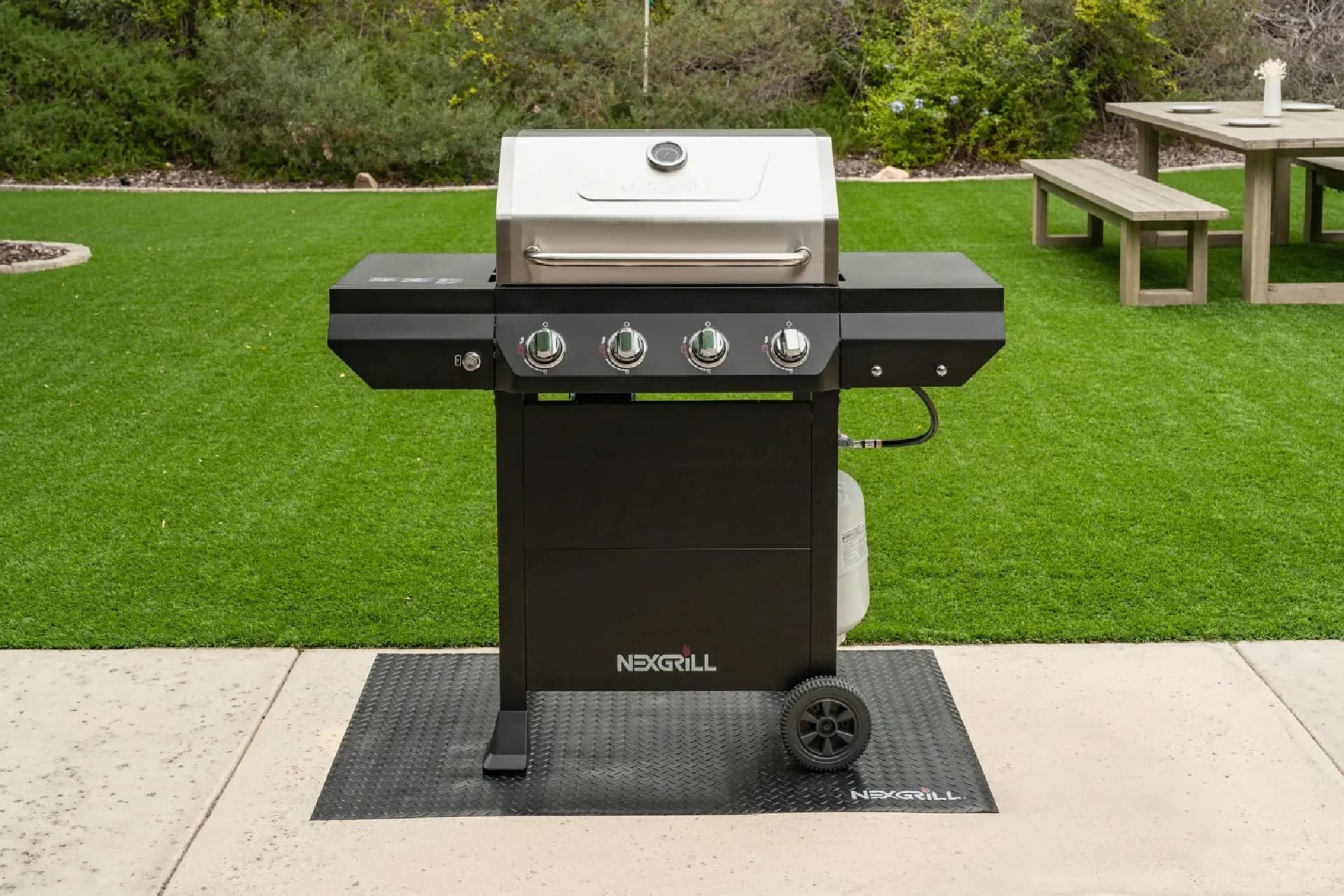
For a versatile everyday setup, the Nexgrill 4-Burner Gas Grill with Side Burner in Black is a strong example of a model that fits family cooking and entertaining. Four burners help create distinct temperature zones, while the side burner gives you a place to warm sauce or cook a side dish without leaving the patio. That matters for cooks who want the main grill surface to stay focused on proteins and vegetables. For smaller spaces or lighter use, the Deluxe 2-Burner Gas Grill is more approachable. It is easier to place on a compact patio, simpler to manage for two-person households, and often enough for weeknight meals that do not require a large surface area.
If your priority is cooking a wider variety of foods with a flat-top style, Nexgrill’s Daytona griddle line is worth noting. The Daytona 4-Burner Propane Gas Griddle in Black and the Daytona Pro 5 Burner Nitroguard Propane Gas Griddle expand what gas-fired outdoor cooking can do. While they are griddles rather than traditional grate grills, they show the practical benefit of gas: quick heat, precise zones, and the ability to cook breakfast, lunch, and dinner outdoors with consistent control. That versatility helps explain why gas-powered outdoor cooking remains so popular across households with different skill levels.
| Buyer profile | Best fit | Why it works |
|---|---|---|
| Beginner or small household | Deluxe 2-Burner Gas Grill | Simple, compact, and enough space for everyday meals |
| Family entertainer | 4-Burner Gas Grill with Side Burner in Black | More cooking zones and added flexibility for sides and sauces |
| Flat-top cooking enthusiast | Daytona 4-Burner Propane Gas Griddle in Black | Large flat surface for breakfast, stir-fry, and smash burgers |
When evaluating brands, it helps to look beyond marketing language and ask how the product is meant to support actual use. A good gas grill should be easy to ignite, easy to regulate, and easy to clean after a meal. The best models make those tasks feel natural rather than technical. That is the real benefit of gas grilling: the equipment removes friction so the cook can focus on food, timing, and guests. For many buyers, that alone is enough to justify choosing gas over a more demanding fuel source.
If you are deciding between a traditional grate grill and a griddle-style gas cooker, pick based on the foods you make most often. Steaks and ribs lean grill; breakfast, chopped vegetables, and smash burgers lean griddle.
Gas grills remain popular for a reason: they make outdoor cooking easier to start, easier to control, and easier to repeat. They can support healthier cooking habits when paired with smart technique, and they offer a practical middle ground between flavor and convenience. For many households, that balance is exactly what makes gas grilling such a satisfying choice. You get speed without giving up versatility, and you get control without having to manage a more complicated fuel process.
If you are weighing your next grill purchase, the most helpful mindset is to focus on fit. A grill that matches your space and your routine will deliver more value than one chosen solely for a spec sheet. Whether you prefer the portability of propane or the fixed convenience of natural gas, the core benefits remain the same: quick ignition, reliable temperature control, and a straightforward path to great meals outside. In that sense, a gas grill is less about owning another appliance and more about making outdoor cooking a regular part of how you gather, eat, and enjoy time at home.
Here's what sets us apart
We position ourselves as delivering high-end outdoor cooking features and performance without premium-brand pricing, emphasizing “Quality Grills. Unbelievable Value.”
We offer gas grills, pellet grills, griddles, smokers, pizza ovens, portable/tabletop grills, electric grills, accessories, and replacement parts — allowing customers to stay within one ecosystem for all outdoor cooking needs.
We differentiate ourselves through smart grilling products like the Oakford smart pellet grill, including app-connected cooking controls and modern outdoor cooking technology.
Don't just take our word for it
Keep reading
From our catalog