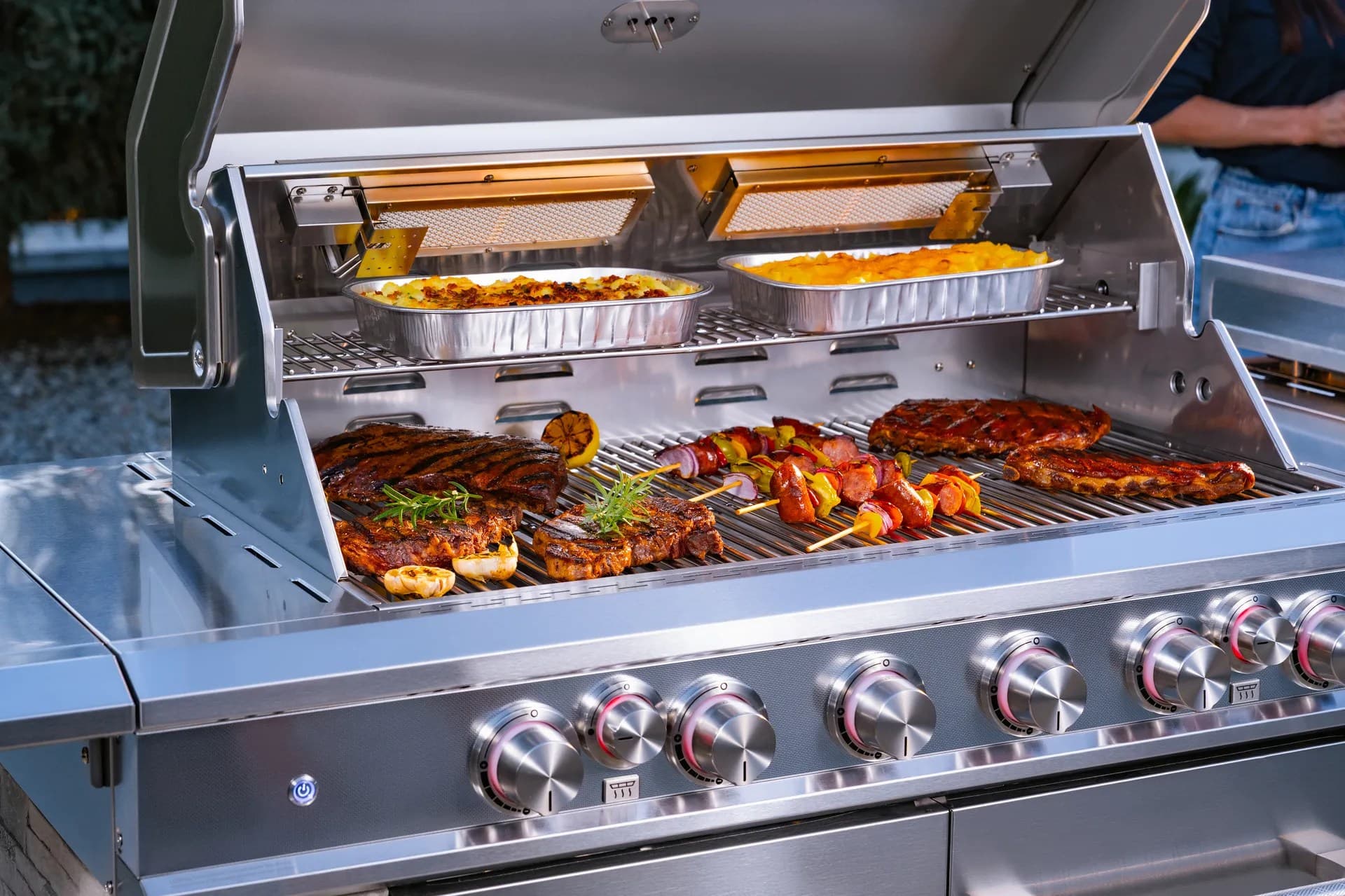
Master the art of grilling thicker cuts with precision and expertise.
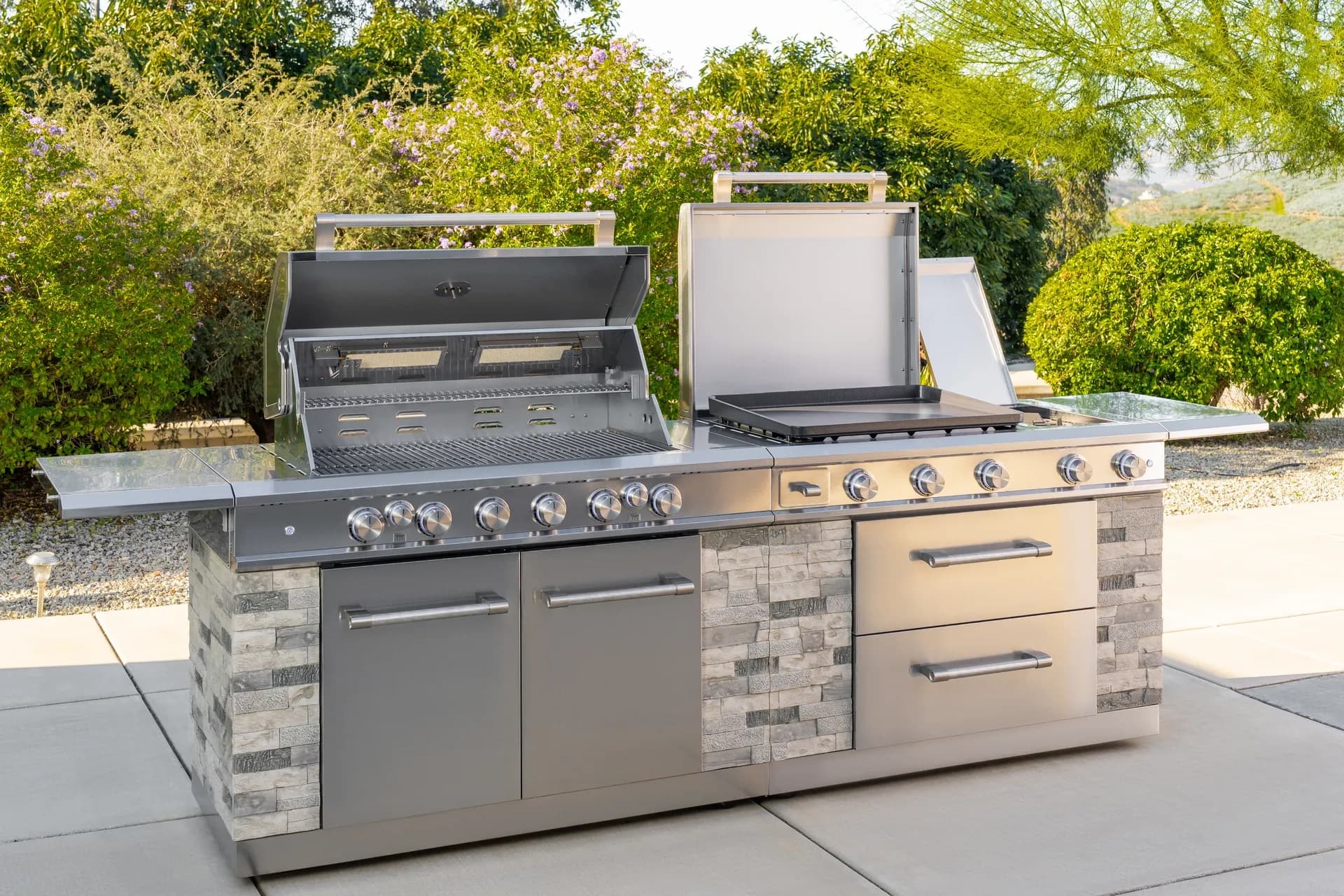
From sizzling breakfasts to smash burgers and teppanyaki-style dinners, the Daytona Pro 5 Burner NitroGuard™ Griddle delivers powerful heat, fast cooking, and a durable cooking surface built for every backyard cookout. Watch how easy outdoor cooking can be.
Here's what sets us apart from the competition
We position ourselves as delivering high-end outdoor cooking features and performance without premium-brand pricing, emphasizing “Quality Grills. Unbelievable Value.”
We offer gas grills, pellet grills, griddles, smokers, pizza ovens, portable/tabletop grills, electric grills, accessories, and replacement parts — allowing customers to stay within one ecosystem for all outdoor cooking needs.
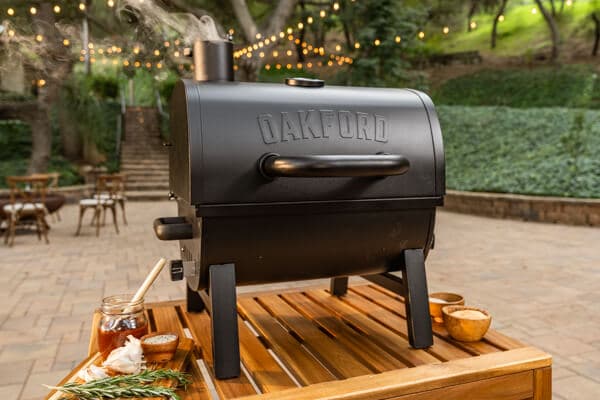
We differentiate ourselves through smart grilling products like the Oakford smart pellet grill, including app-connected cooking controls and modern outdoor cooking technology.
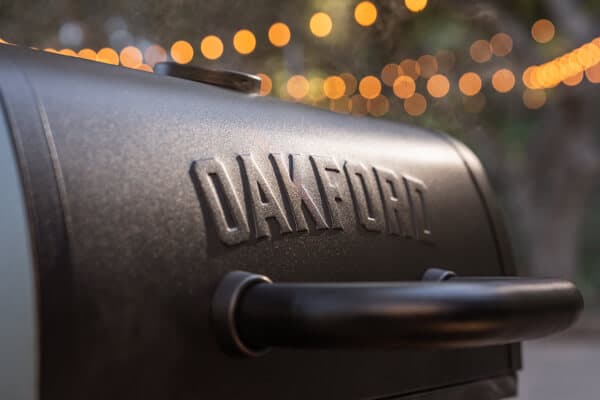
Expert tips, buying guides, comparisons, and inspiration for choosing and getting the most out of your grill.
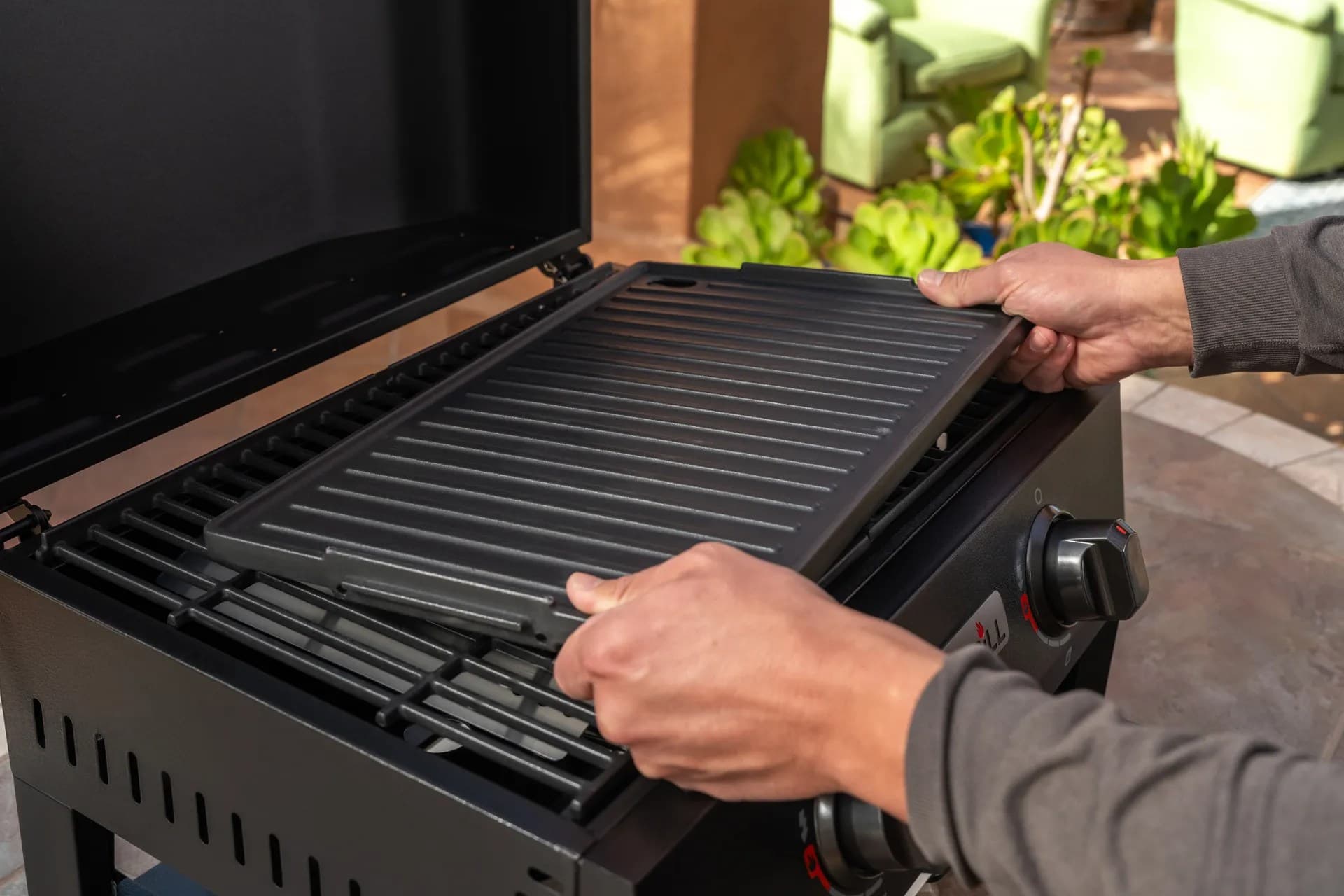
Practical guides for cleaning, maintenance, common grill issues, and performance optimization.
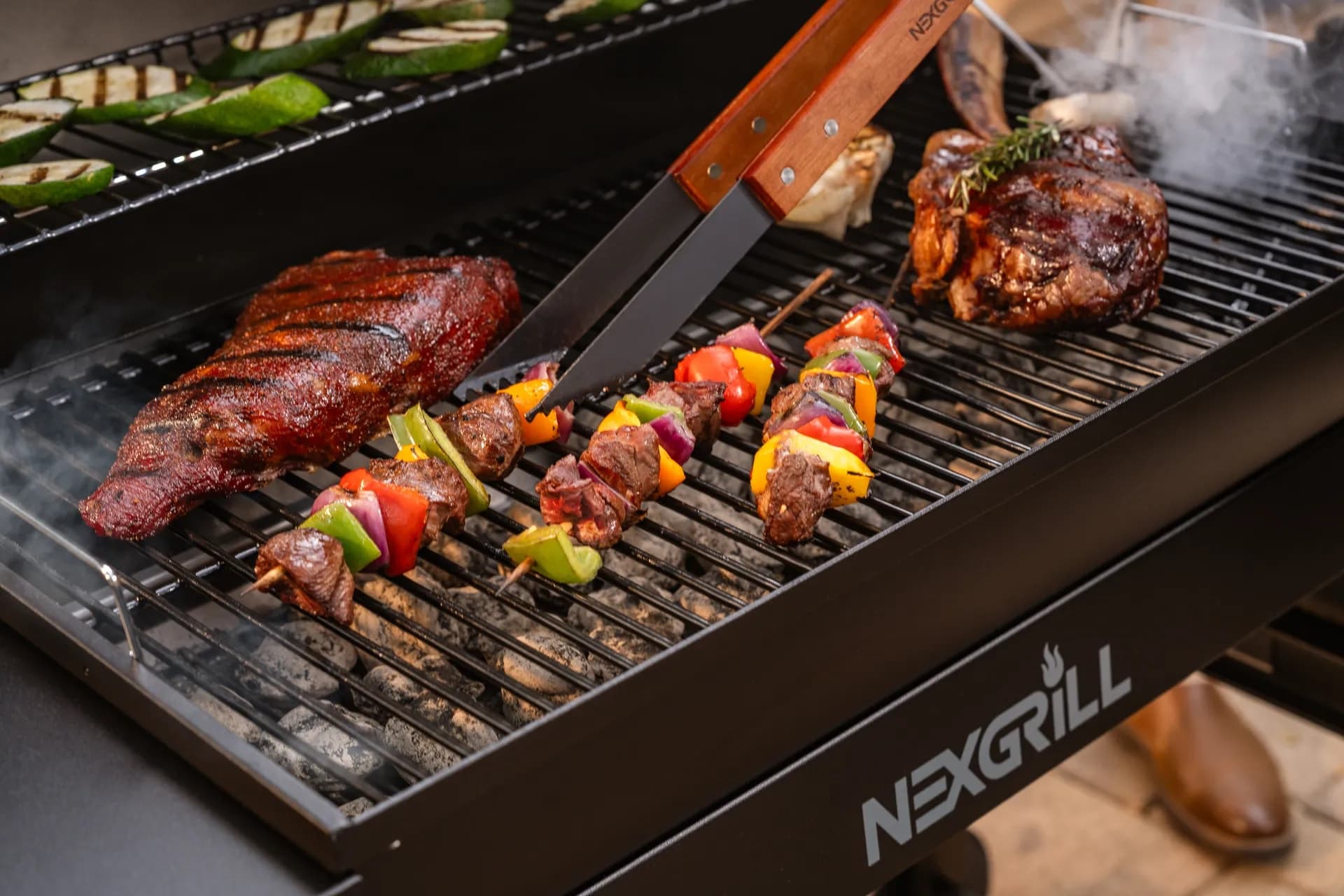
Step-by-step grilling recipes, cooking techniques, and meal ideas for every occasion and skill level.

Backyard entertaining ideas, seasonal grilling inspiration, and stories that celebrate outdoor cooking culture.
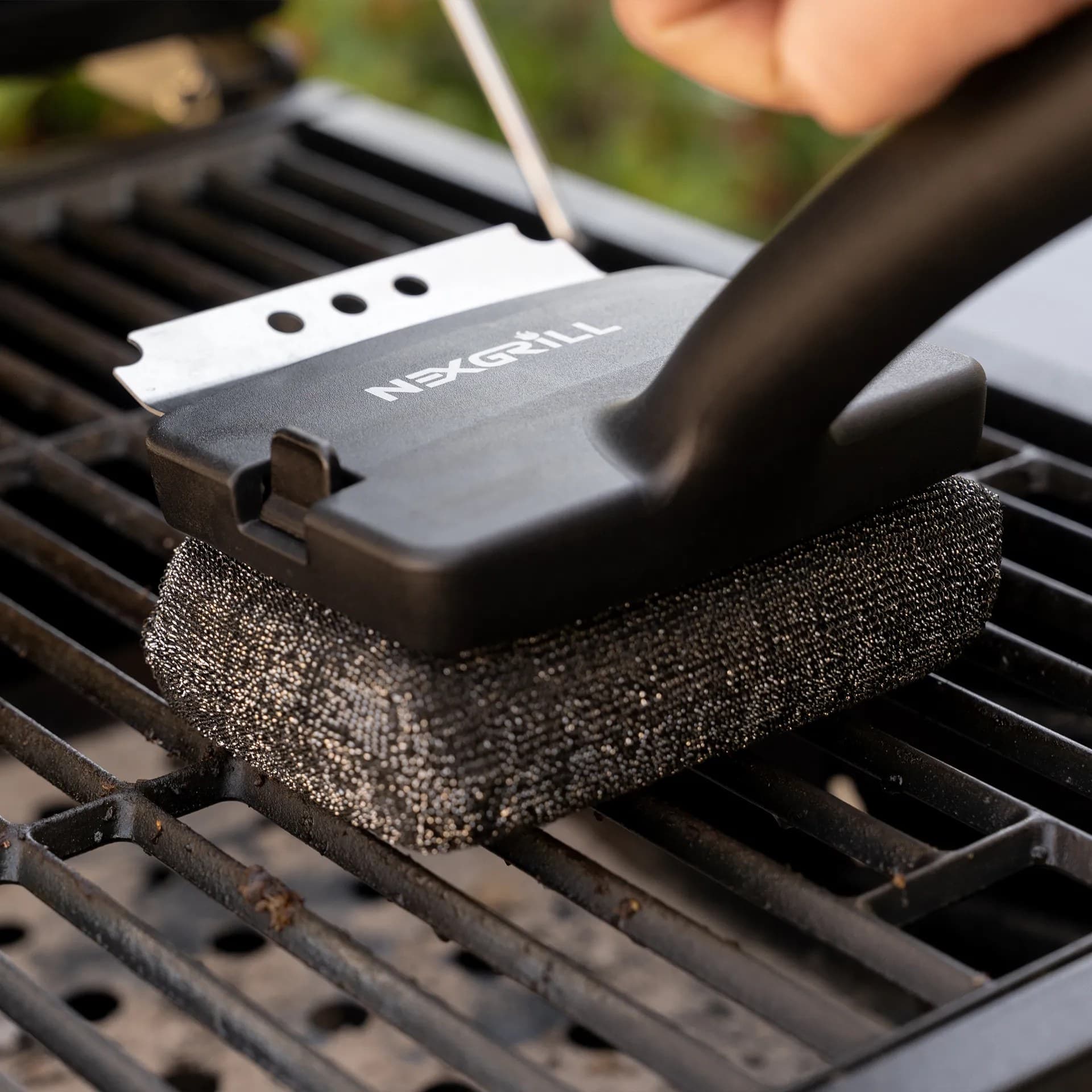
Helpful articles covering grilling tools, cookware, maintenance gear, and must-have accessories for outdoor cooking.
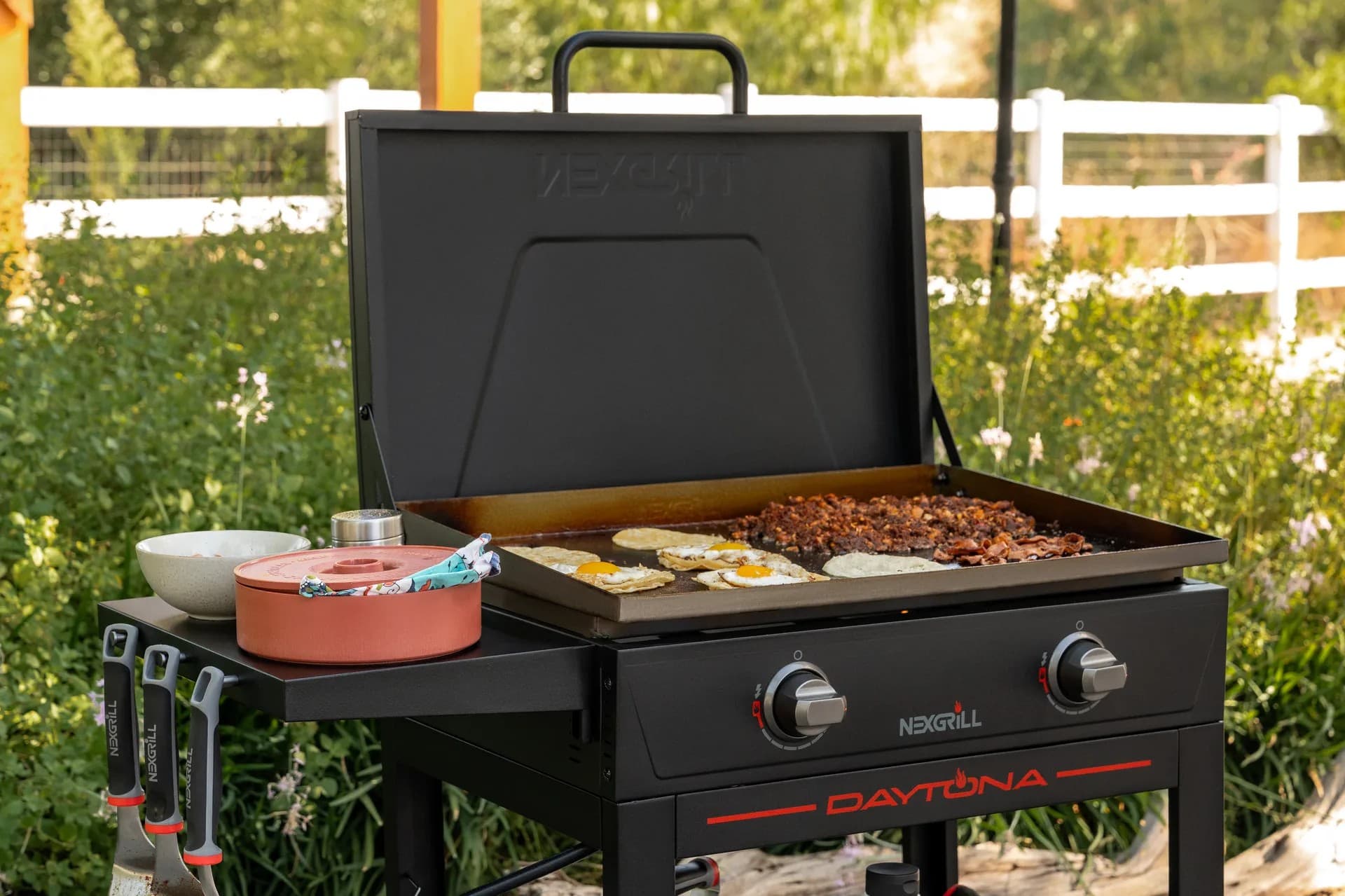
Find griddle recipes, cooking techniques, cleaning tips, and outdoor meal ideas designed for Nexgrill griddles.
Find answers to common questions
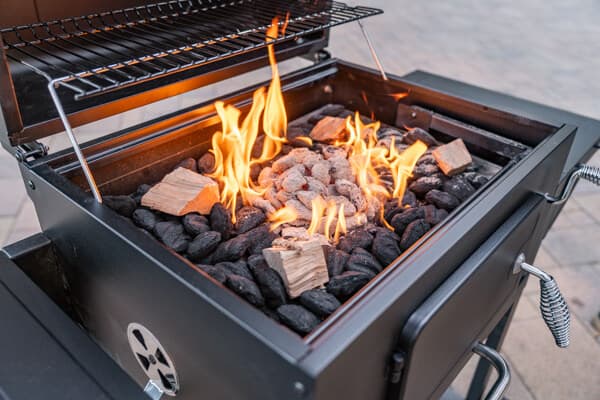
Gas grills provide instant heat and precise temperature control, making them easier to use. Charcoal grills offer a smoky flavor and high heat for searing but require more time to heat up and manage.
Pellet grills combine the convenience of gas with the flavor of wood, allowing for smoking, baking, and grilling. Traditional gas grills, however, are quicker to start and often easier to clean.
Charcoal grills typically reach higher temperatures quicker than gas grills, making them better for searing meat. However, high-quality gas grills can also provide adequate heat for effective searing.
Nexgrill offers models designed specifically for gas, charcoal, and pellets, allowing users to choose based on their cooking style and flavor preferences. Each type is built to optimize the characteristics of its respective fuel.
Choosing between gas and charcoal grills depends on your cooking preferences and lifestyle. If you value convenience and quick cooking, a gas grill may suit you better; if you prefer the taste and experience of traditional grilling, a charcoal grill would be ideal.
In This Article
Direct vs. Indirect Heat
Reverse Searing Technique
Flavor Enhancement Methods
Grilling thicker cuts of meat requires a nuanced approach to temperature management that differs significantly from thinner cuts. The key is to ensure that the meat cooks evenly, achieving the desired level of doneness without burning the exterior. This involves understanding the interplay between direct and indirect heat, as well as the importance of resting meat post-cooking.
When grilling thicker cuts, it’s crucial to utilize both direct and indirect heat. Direct heat is used for searing the meat, creating a flavorful crust, while indirect heat allows the inside to cook gently to the desired temperature. This method prevents the outside from charring before the inside is fully cooked.
Tip: For a perfect sear, preheat your grill to a high temperature and use direct heat for 3-5 minutes on each side.
The choice between gas, charcoal, or pellet grills can influence how you manage temperatures. Gas grills offer precise temperature control, making them ideal for managing the delicate balance required for thicker cuts. Charcoal grills, while more challenging, offer rich flavors that enhance the meat’s taste.
| Grill Type | Temperature Control | Flavor Impact |
|---|---|---|
| Gas | High Precision | Moderate |
| Charcoal | Variable | High |
| Pellet | Moderate Precision | High |
Temperature control is the cornerstone of grilling success. For thicker cuts, maintaining a consistent internal temperature is vital. This involves not only managing the grill heat but also monitoring the meat’s internal temperature with a reliable meat thermometer. The recommended internal temperature varies depending on the type of meat and desired doneness.
Investing in a high-quality meat thermometer can significantly improve your grilling outcomes. Insert the thermometer into the thickest part of the meat, avoiding bones or fat, to get an accurate reading. This helps in achieving the perfect doneness without the guesswork.
Once the meat reaches the desired internal temperature, remove it from the grill and allow it to rest. Resting is crucial as it allows the juices to redistribute, ensuring a moist and flavorful result. Typically, rest the meat for about 5 to 10 minutes.
Grilling experts often use advanced techniques to enhance the flavor and texture of thicker cuts. These methods include reverse searing, brining, and dry-aging, each offering unique benefits that elevate the grilling experience.
Reverse searing is a technique where the meat is first cooked slowly over indirect heat and then finished with a high-heat sear. This method ensures an evenly cooked interior and a perfectly crisp exterior. It’s especially effective for cuts like ribeye and tenderloin.
Tip: Use reverse searing to achieve a uniform doneness with a delicious crust.
Brining involves soaking the meat in a saltwater solution before grilling. This process enhances flavor and tenderness by allowing the meat to absorb moisture and salt. Brining is particularly beneficial for pork and poultry, ensuring juicy and flavorful results.
Dry-aging is a process where meat is stored under controlled conditions to enhance flavor and tenderness. This technique is often used for beef, where natural enzymes break down connective tissues, resulting in a richer taste and improved texture.
| Technique | Benefits | Best For |
|---|---|---|
| Reverse Searing | Even Cooking, Crisp Exterior | Ribeye, Tenderloin |
| Brining | Enhanced Moisture, Flavor | Pork, Poultry |
| Dry-Aging | Richer Flavor, Tenderness | Beef |
Mastering the art of grilling thicker cuts is a journey of experimentation and learning. Each grill and cut of meat presents unique challenges, but with these techniques, you can consistently achieve restaurant-quality results. Remember to maintain a clean grill, use quality ingredients, and adjust your methods based on the specific needs of each cut.
Every grilling session is an opportunity to refine your skills. Whether you’re trying a new recipe or adjusting for weather conditions, flexibility and creativity are your best tools. Keep a grilling journal to track what works best for different cuts and conditions.
Warning: Always ensure your grill is properly ventilated to prevent flare-ups and maintain safety.
Experiment with different marinades, rubs, and wood chips to create diverse flavor profiles. The choice of seasoning can greatly influence the final taste, allowing you to customize each grilling experience to your taste preferences.
Here's what sets us apart
We position ourselves as delivering high-end outdoor cooking features and performance without premium-brand pricing, emphasizing “Quality Grills. Unbelievable Value.”
We offer gas grills, pellet grills, griddles, smokers, pizza ovens, portable/tabletop grills, electric grills, accessories, and replacement parts — allowing customers to stay within one ecosystem for all outdoor cooking needs.
We differentiate ourselves through smart grilling products like the Oakford smart pellet grill, including app-connected cooking controls and modern outdoor cooking technology.
Don't just take our word for it
Keep reading
From our catalog