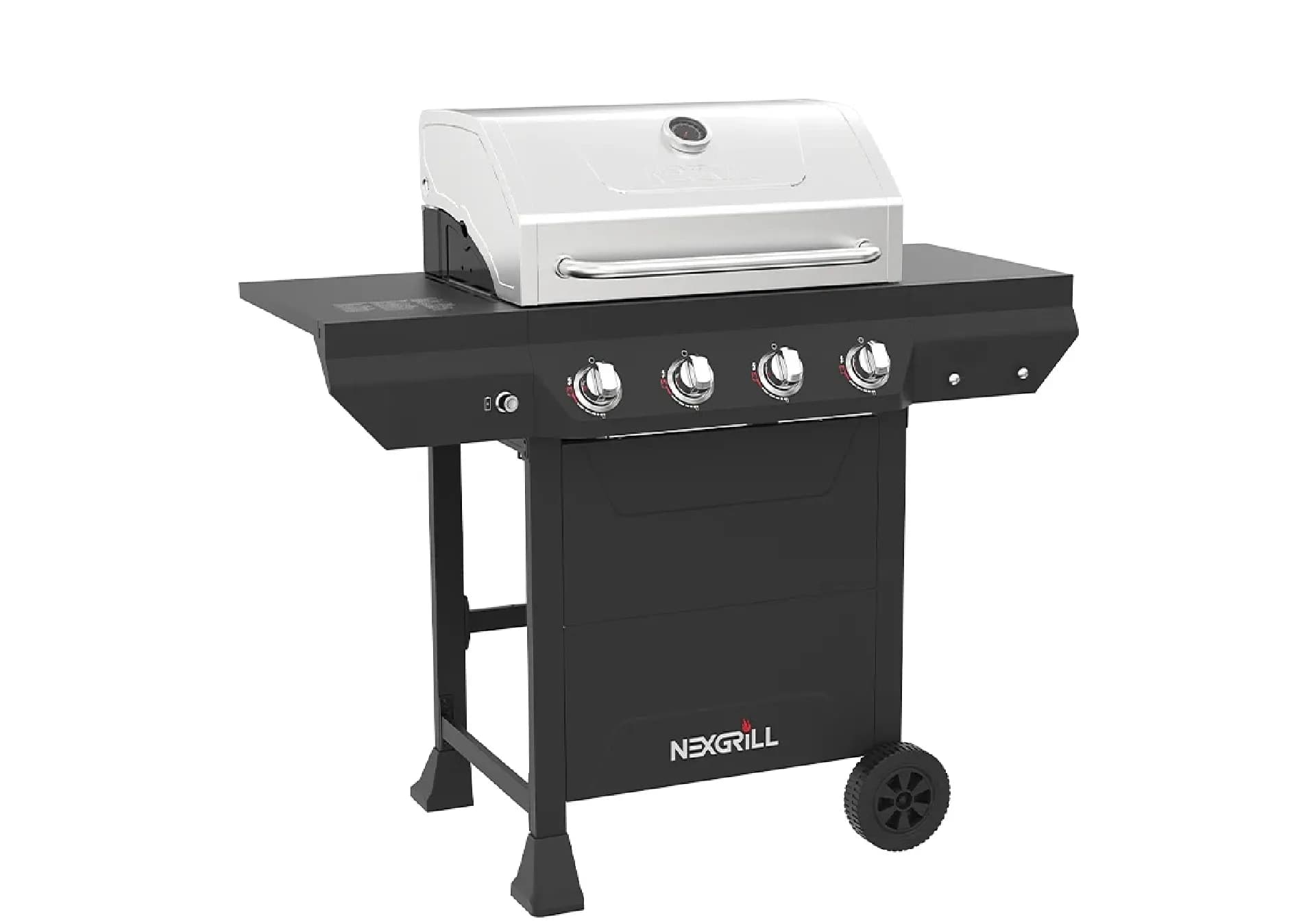
Explore features, comparisons, and where to buy the best grills.
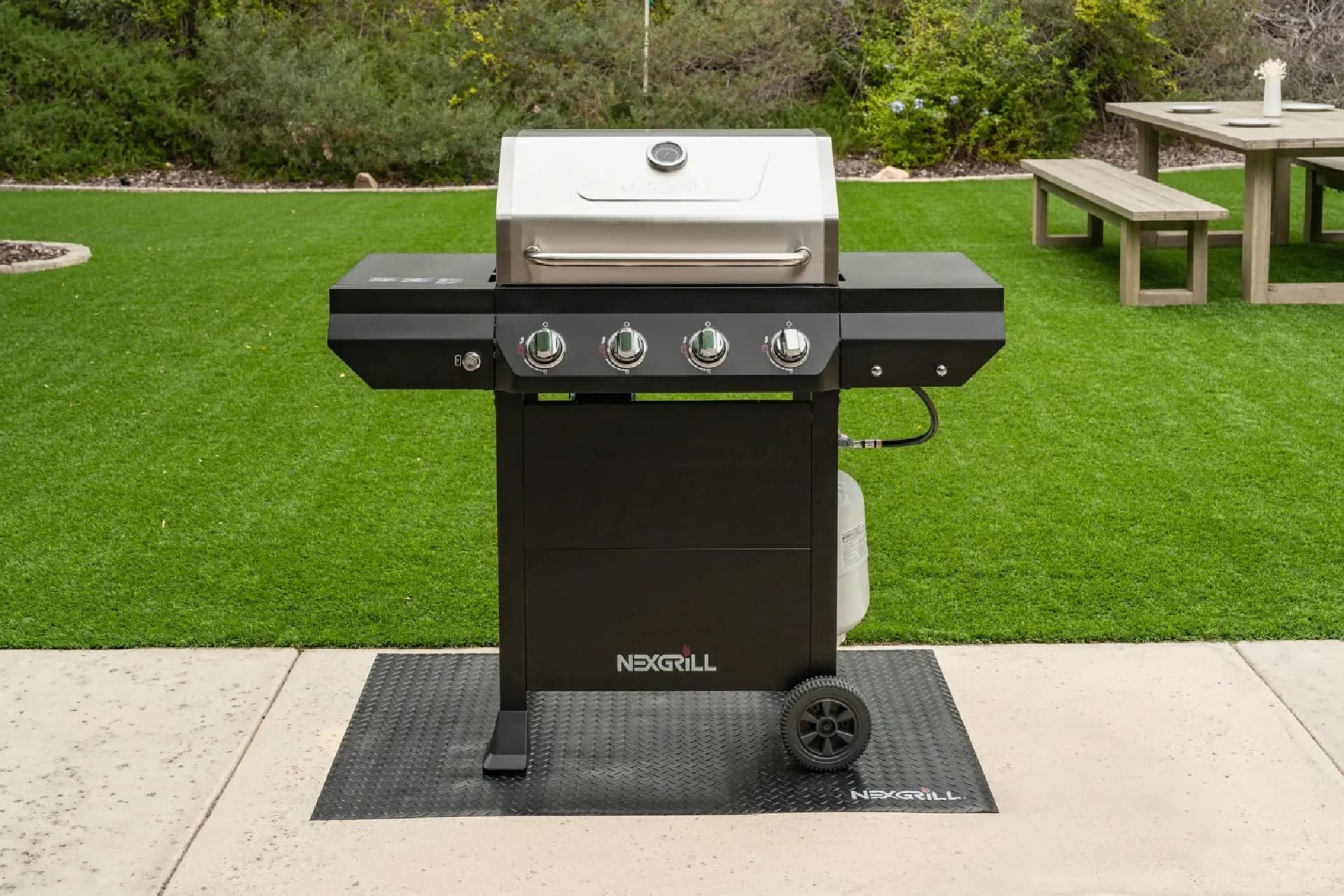
Here's what sets us apart from the competition
We position ourselves as delivering high-end outdoor cooking features and performance without premium-brand pricing, emphasizing “Quality Grills. Unbelievable Value.”
We offer gas grills, pellet grills, griddles, smokers, pizza ovens, portable/tabletop grills, electric grills, accessories, and replacement parts — allowing customers to stay within one ecosystem for all outdoor cooking needs.
We differentiate ourselves through smart grilling products like the Oakford smart pellet grill, including app-connected cooking controls and modern outdoor cooking technology.
Expert tips, buying guides, comparisons, and inspiration for choosing and getting the most out of your grill.
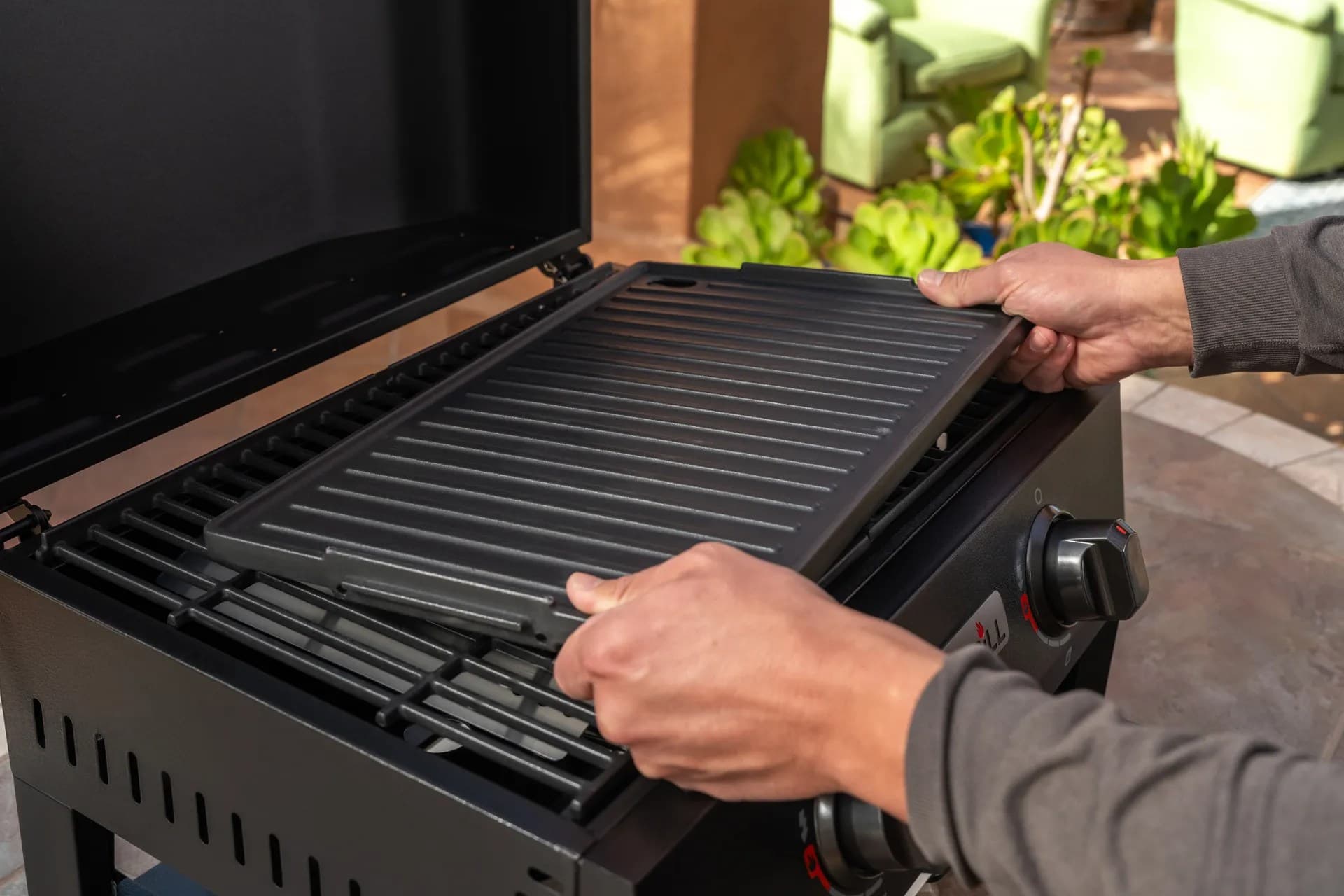
Practical guides for cleaning, maintenance, common grill issues, and performance optimization.
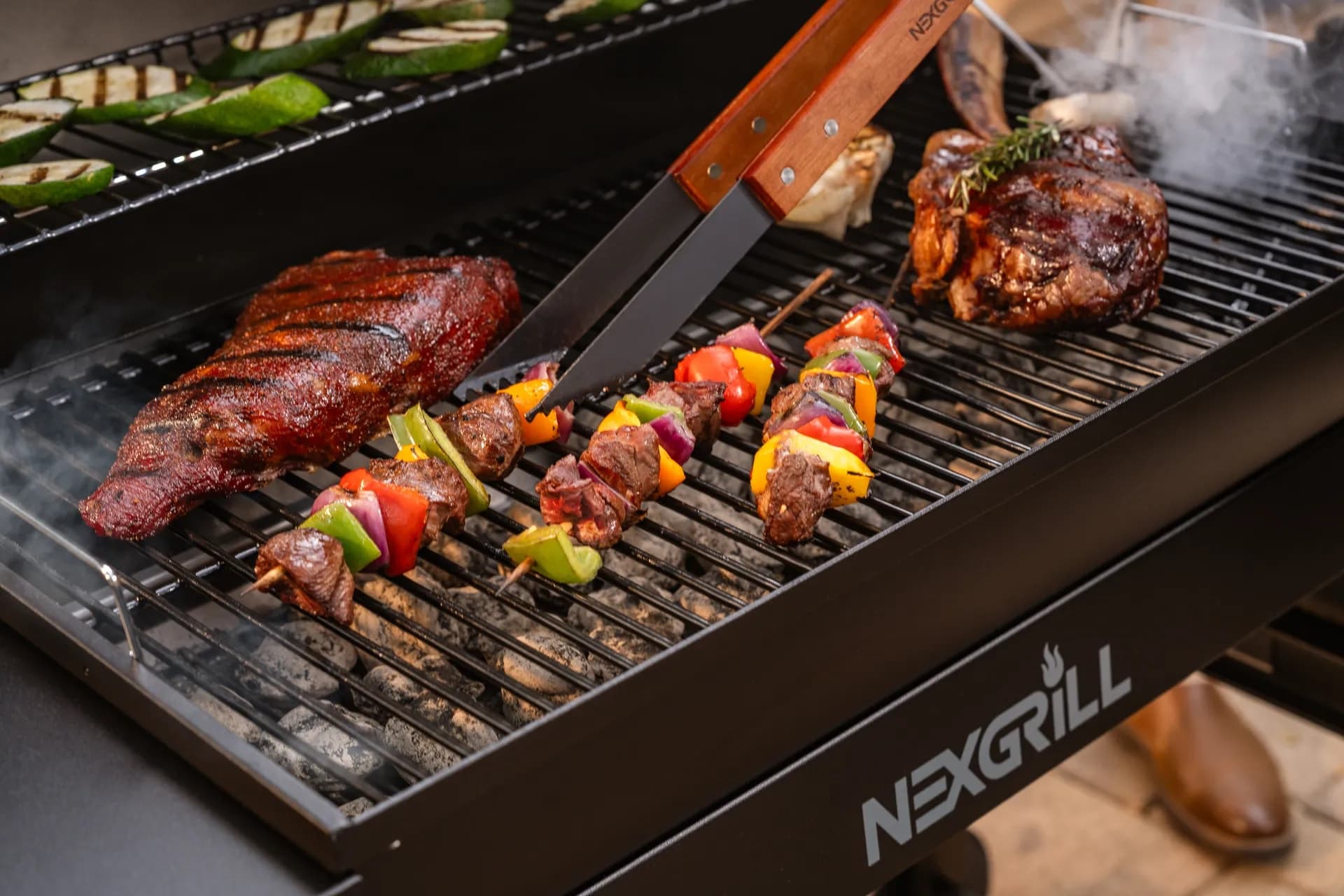
Step-by-step grilling recipes, cooking techniques, and meal ideas for every occasion and skill level.

Backyard entertaining ideas, seasonal grilling inspiration, and stories that celebrate outdoor cooking culture.
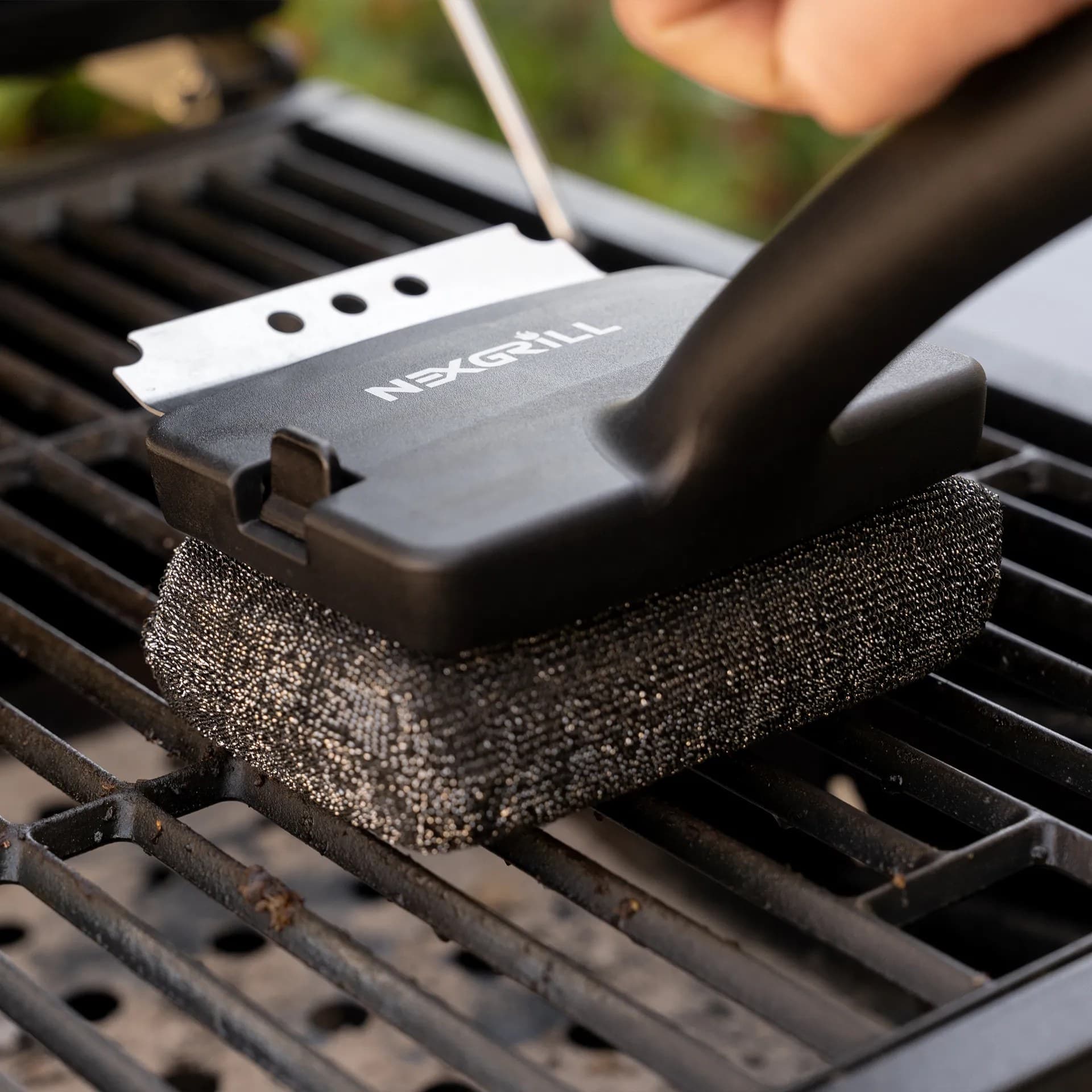
Helpful articles covering grilling tools, cookware, maintenance gear, and must-have accessories for outdoor cooking.
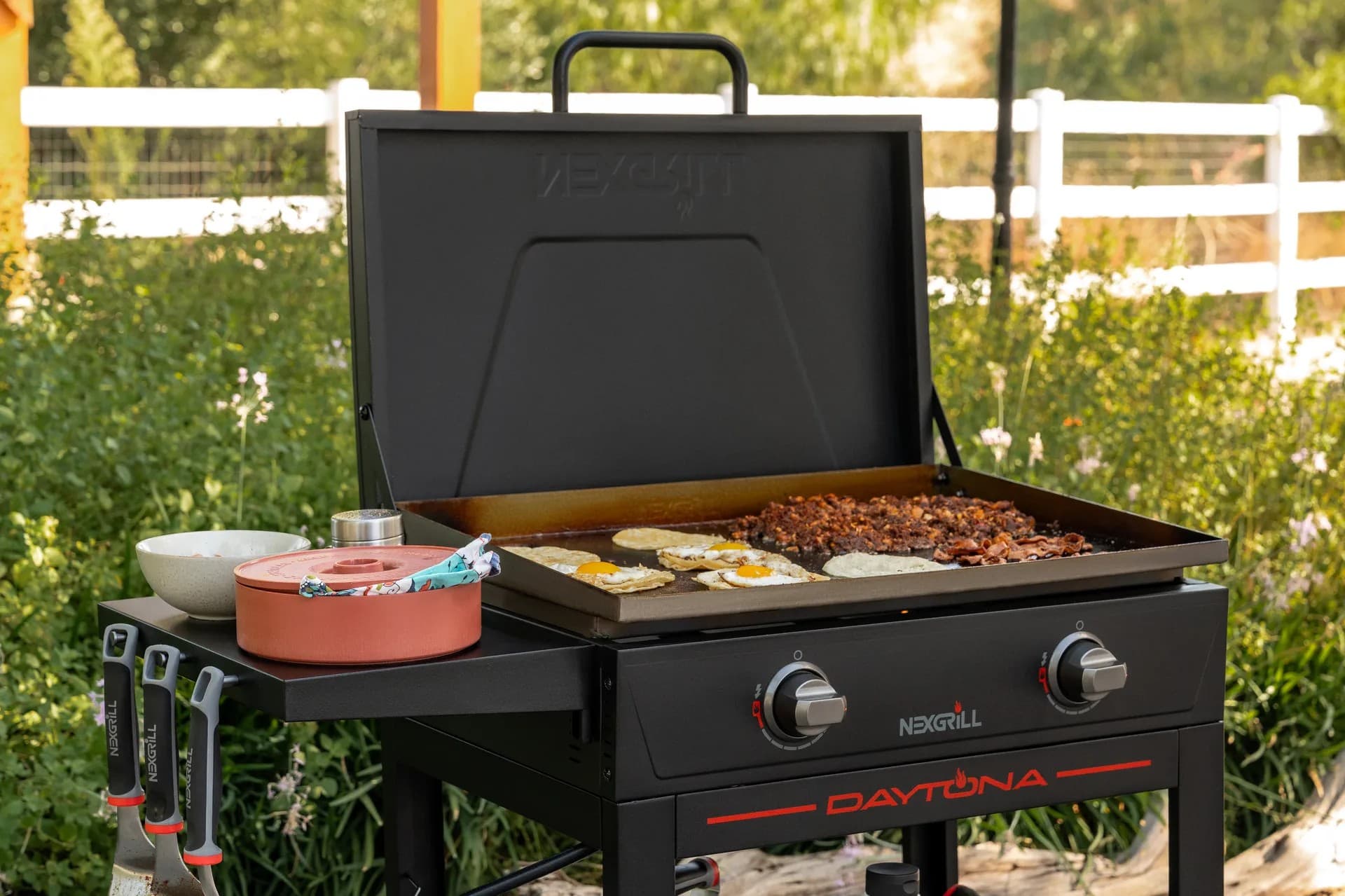
Find griddle recipes, cooking techniques, cleaning tips, and outdoor meal ideas designed for Nexgrill griddles.
Find answers to common questions
Nexgrill offers a variety of gas grills, including standard models, portable options, and premium designs with advanced features. Each is designed to cater to different grilling needs and preferences.
To clean your Nexgrill gas grill, regularly scrape down the grates, empty the grease tray, and wipe down exterior surfaces. Consult your model's manual for specific maintenance instructions and recommended cleaning products.
Nexgrill gas grills are designed to use either propane or natural gas, depending on the model. Ensure you read the specifications to determine the appropriate fuel type for your grill.
Many Nexgrill models can be converted from propane to natural gas with a conversion kit. Check the owner's manual for compatibility and details on the conversion process.
If your Nexgrill gas grill is not lighting, first check the fuel supply, ensure the gas lines are free of obstructions, and verify that the igniter is functioning. Consult the user manual for troubleshooting tips specific to your model.
In This Article
Price Overview
Comparison with Other BTUs
Top Recommendations
A 75,000 BTU gas grill sits in the high-output end of the backyard grilling market, which is why it tends to attract shoppers who want more cooking capacity, faster preheat times, and the flexibility to handle a crowd. In practical terms, BTU is a measure of heat input, not a direct score of grill quality, so the number matters most when you pair it with surface area, burner layout, and overall build. That distinction is important for buyers comparing a 75,000 BTU gas grill price across retailers, because a lower sticker price can still be a better value if the grill manages heat well and uses durable components.
For many U.S. households, a 75,000 BTU model lands in the category of full-size propane gas grills with multiple burners, side shelves, and enough room to handle weeknight dinners plus weekend entertaining. Consumer Reports notes that grill shopping should prioritize cooking performance, temperature control, and construction quality rather than chasing a single BTU figure, which is a helpful lens for this category. In other words, a 75,000 BTU grill is often purchased for its versatility and perceived power, but the smartest buyers still compare stainless steel grades, grate material, ignition reliability, and the practical cooking area before focusing on price.
Typically found in larger multi-burner gas grills built for family meals and entertaining
Info: BTU numbers are only meaningful when you compare them with grate area and burner design. A compact grill with high BTUs can run hot, while a larger, well-designed grill may cook more evenly at a lower input.
Nexgrill’s broader grill lineup reflects that same idea: the right grill is the one that fits how you cook, how often you cook, and how much space you have. A shopper considering a 75,000 BTU unit should think in terms of use case first. Are you searing steaks for a large family, cooking several racks of vegetables alongside proteins, or hosting neighborhood gatherings where a dependable multi-zone layout matters more than the highest possible number on the box? Once those needs are clear, price becomes easier to evaluate because you can judge whether you are paying for meaningful cooking capacity or just a bigger heat rating.
The 75,000 BTU gas grill price in the United States usually reflects a mix of size, materials, brand positioning, and feature count. In today’s retail market, many full-size gas grills with this output fall into an estimated range of about USD 400 to USD 1,200, with premium builds or feature-heavy models sometimes pricing above that. The lower end of the range usually covers basic steel construction, simpler ignition systems, and fewer extras. Midrange models often add better burner materials, thicker grates, side burners, and improved cabinets or lids. At the top end, you will usually see stainless steel construction, clearer temperature controls, larger cooking areas, and details that make the grill easier to live with over several seasons.
Retail price also changes depending on whether the grill is sold during peak spring and summer demand, bundled with accessories, or discounted as part of a seasonal promotion. In the U.S., big-box stores and online marketplaces often compete aggressively on backyard staples, so the same class of grill may appear at noticeably different prices depending on shipping, assembly, and local inventory. For value-minded shoppers, that means the advertised price should never be read in isolation. The true cost includes delivery, cart design, propane setup, cover purchase, and any replacement accessories you expect to need within the first year.
| Price Band | Typical Build Level | What You Usually Get |
|---|---|---|
| USD 400 to USD 650 | Entry-level full-size grill | Basic burners, standard cart, fewer stainless parts |
| USD 650 to USD 900 | Midrange value model | Better grates, side burner, stronger lid and controls |
| USD 900 to USD 1,200+ | Premium feature set | More stainless steel, larger cook zones, enhanced durability |
Warning: A higher BTU rating does not automatically justify a higher price. If the grill lacks even heat distribution or durable burners, you may pay more without getting better performance.
If you are evaluating a 75,000 BTU gas grill price against your budget, look at the cost per useful feature instead of the raw number alone. For example, a grill that includes a side burner, large warming rack, and better rust-resistant parts may be the better buy at USD 799 than a bare-bones competitor at USD 749. In practical shopping terms, value is often created by small details: easy-to-clean grease management, sturdy casters, readable knobs, and a lid that retains heat well enough to shorten preheat times. Those details do not sound dramatic in a product listing, but they matter every time you cook.
When comparing a 75,000 BTU grill with lower-output models, the most useful question is not simply which one is stronger, but which one matches the size of the meals you actually cook. A 60,000 BTU gas grill can still be an excellent choice for many families because it may deliver enough heat across a well-designed cooking surface without using as much fuel or creating unnecessary hot spots. By contrast, a 75,000 BTU model is often better when you are cooking for larger groups, moving between direct and indirect heat, or using multiple zones at once. The advantage is flexibility, not brute force alone.
A 24,000 BTU grill belongs to a very different class. That level is usually associated with smaller two-burner grills, portable units, or compact designs built for limited patios and lighter-duty use. These grills can be ideal for apartments, small households, or occasional grilling, but they generally are not intended to serve the same crowd or cook the same volume as a 75,000 BTU unit. The price difference usually reflects that reality: you pay more for the larger footprint, more burners, better heat spread, and stronger framework needed to support the bigger cooking system.
| BTU Rating | Typical Use Case | Relative Price Expectation |
|---|---|---|
| 24,000 BTU | Compact grilling, small households, portable use | Lowest |
| 60,000 BTU | Standard family grilling, balanced value | Midrange |
| 75,000 BTU | Larger gatherings, multi-zone cooking, higher capacity | Higher |
The key trade-off is fuel efficiency versus cooking capacity. Lower-BTU grills can be easier to manage and may be all you need for burgers, chicken, and weeknight sides. A 75,000 BTU model may preheat faster and recover heat more quickly after the lid opens, but only if the grill is built to handle that output efficiently. If the firebox is thin or the lid seals poorly, the extra BTUs can be wasted. That is why seasoned grill buyers often compare surface area, burner count, and warranty details before deciding whether the higher output is worth the extra cost.
If your cooking style involves reverse searing, large roasts, or cooking multiple foods at once, a 75,000 BTU gas grill can be a strong fit. If your typical menu is smaller and your patio space is tight, a 60,000 BTU option may deliver better value. And if portability or footprint matters most, 24,000 BTU grills are usually the smarter budget choice. Try comparing two products side by side below to see which fits best:
Once you have compared two grills side by side, the next step is figuring out which features actually justify the higher price. In the 75,000 BTU category, the most important differences usually appear in burner construction, cooking surface size, cabinet design, and heat control. A good 75,000 BTU grill is not just about output; it is about whether the grill can turn that output into stable, usable heat across a large surface. That is why buyers often find that stainless steel components, heavy-duty grates, and thoughtful burner layouts are more important than flashy add-ons.
Popular models in this segment, including the Bull Angus and Lion Premium lines, are often discussed because they combine large cooking areas with robust build materials and recognizable feature sets. While exact configurations vary, the common draw is that these grills are built for people who want a serious backyard setup rather than a basic weekend cooker. Buyers often compare features such as number of burners, infrared capability, side burner availability, hood thickness, and ignition system reliability. Those details influence not only cooking performance but also how long the grill feels solid in daily use.
| Feature | Why It Matters | Buyer Impact |
|---|---|---|
| Heavy-duty cooking grates | Improves searing and heat retention | Better browning and more consistent results |
| Stainless steel burners | Resists corrosion and supports even heat | Longer service life and steadier performance |
| Side burner or sear zone | Adds flexibility for sauces or high-heat finishing | More cooking options for larger meals |
| Double-layer lid | Helps retain heat and improve temperature stability | Better control, especially in windy conditions |
Tip: If you are comparing premium grills, pay close attention to the thickness of the lid and the grade of the grates. Those details often tell you more about long-term value than the headline BTU number does.
User feedback on this class of grill usually focuses on preheat speed, stability at high temperature, and how well the unit handles a full load of food. Many owners like the feeling of having excess cooking capacity, especially during holidays or game-day cookouts, because it reduces the need to batch-cook multiple rounds. At the same time, experienced users often note that higher-output grills require a little more discipline. You need to preheat properly, manage zones carefully, and avoid relying on the maximum setting for everything. When used well, however, a 75,000 BTU grill can make large meal prep feel smoother and less rushed.
Reviews of 75,000 BTU gas grills tend to cluster around a few recurring themes: cooking speed, usable space, and whether the grill feels like it was built for real backyard use rather than just marketing numbers. A common positive comment is that these grills make it easier to cook for a crowd without losing temperature as quickly when the lid is lifted. That matters during family events, when the grill may be opened frequently to rotate food or move between direct and indirect zones.
Expert reviewers often caution buyers not to overvalue BTU alone. Consumer-focused buying guides frequently emphasize temperature consistency, ease of cleaning, and durability as better indicators of long-term satisfaction. In practice, a grill with strong ignition, reliable flames, and a well-sealed hood may outperform a louder, higher-BTU competitor that looks impressive on paper but struggles with hot spots. That is why reviews that mention real cooking scenarios are more useful than short star ratings. If a reviewer explains how the grill handles chicken thighs, pork chops, and vegetables in one session, the feedback is far more actionable than a generic “works great” comment.
Warning: Be cautious with reviews that only mention heat output. A grill can run hot and still cook unevenly, waste fuel, or frustrate you with weak ignition and difficult cleanup.
A practical way to use reviews is to sort them into three buckets: first ignition and startup quality, second heat distribution during an actual cook, and third ownership experience after several months. That last category often reveals the most. Shoppers will frequently mention whether knobs hold up, whether the cabinet rusts, whether grates are easy to clean, and whether replacement parts are simple to source. For buyers comparing price, this feedback matters because a slightly more expensive grill that stays dependable for several seasons often ends up being the better value.
The best place to buy a 75,000 BTU gas grill depends on whether you value selection, delivery convenience, assembly support, or in-store pickup. In the United States, major retailers such as Amazon, Home Depot, and Lowe’s are common starting points because they offer broad price comparison and customer review volume. Marketplaces can be useful for finding discounts, but shoppers should check shipping costs, return policies, and whether the grill arrives fully supported by the seller or by a third-party fulfillment system. Big-box retailers often make it easier to compare similar models in person, especially if you want to examine lid weight, cart stability, and shelf construction before buying.
For many buyers, the best value comes from a retailer that combines transparent specs with reliable support and straightforward returns. Home Depot and Lowe’s often appeal to shoppers who want in-store pickup or a clear path to replacement parts and accessories. Amazon can be convenient for quick delivery and broad comparison, though listings may vary in clarity. Specialty grill retailers may provide deeper product knowledge, but pricing can vary widely. Regardless of the channel, the smartest shopping habit is the same: compare the total delivered cost, not just the sticker price, and make sure the model’s cooking dimensions and feature set match your household’s needs.
Info: The best price is often the one that includes the right mix of features, shipping terms, and support. For a high-output grill, good packaging and dependable service can matter as much as a small discount.
If you are shopping specifically for value, look for retailer promotions timed around holiday weekends, end-of-season markdowns, or bundled accessories. If you are shopping for convenience, prioritize the source that makes assembly, parts lookup, and delivery the easiest. And if you are comparing multiple 75,000 BTU grills, use the same checklist every time: cooking area, burner material, lid construction, ignition system, and overall footprint. The goal is not to find the biggest number. It is to find the grill that gives you the most usable cooking power for your budget.
Here's what sets us apart
We position ourselves as delivering high-end outdoor cooking features and performance without premium-brand pricing, emphasizing “Quality Grills. Unbelievable Value.”
We offer gas grills, pellet grills, griddles, smokers, pizza ovens, portable/tabletop grills, electric grills, accessories, and replacement parts — allowing customers to stay within one ecosystem for all outdoor cooking needs.
We differentiate ourselves through smart grilling products like the Oakford smart pellet grill, including app-connected cooking controls and modern outdoor cooking technology.
Don't just take our word for it
Keep reading
From our catalog