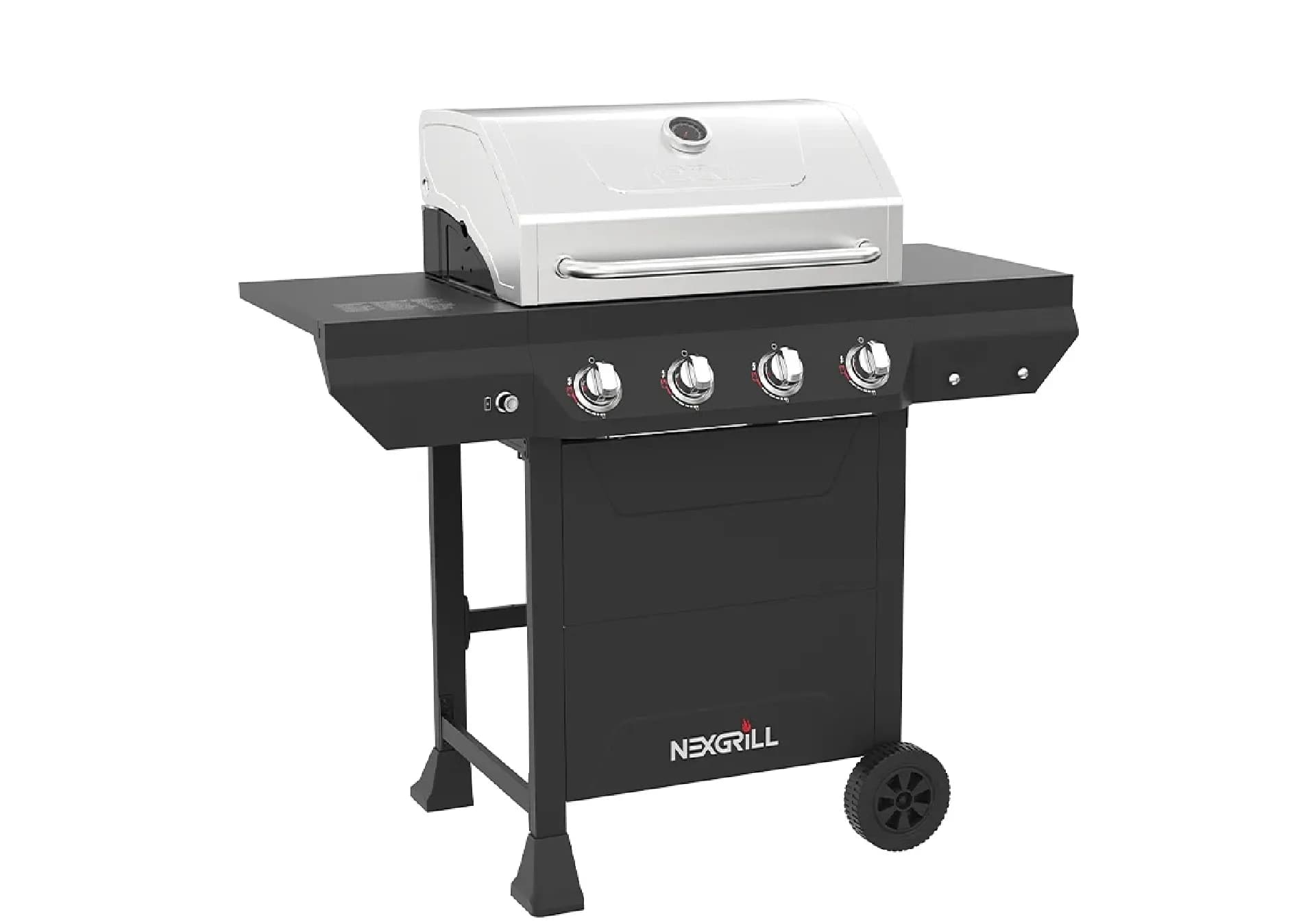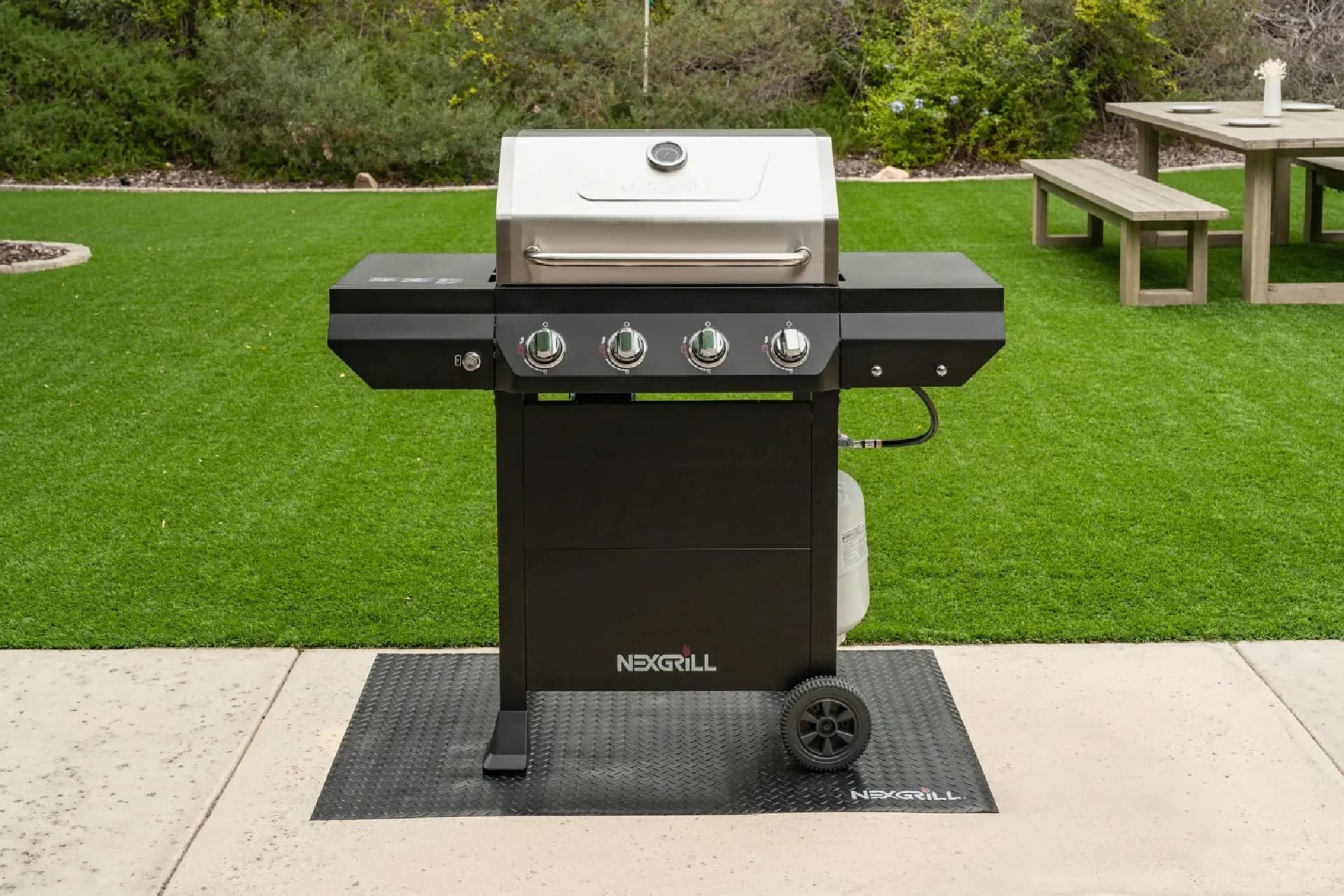
A comprehensive look at pricing, features, and comparisons for 5-burner gas grills equipped with griddles.
Here's what sets us apart from the competition
We position ourselves as delivering high-end outdoor cooking features and performance without premium-brand pricing, emphasizing “Quality Grills. Unbelievable Value.”
We offer gas grills, pellet grills, griddles, smokers, pizza ovens, portable/tabletop grills, electric grills, accessories, and replacement parts — allowing customers to stay within one ecosystem for all outdoor cooking needs.
We differentiate ourselves through smart grilling products like the Oakford smart pellet grill, including app-connected cooking controls and modern outdoor cooking technology.
Expert tips, buying guides, comparisons, and inspiration for choosing and getting the most out of your grill.
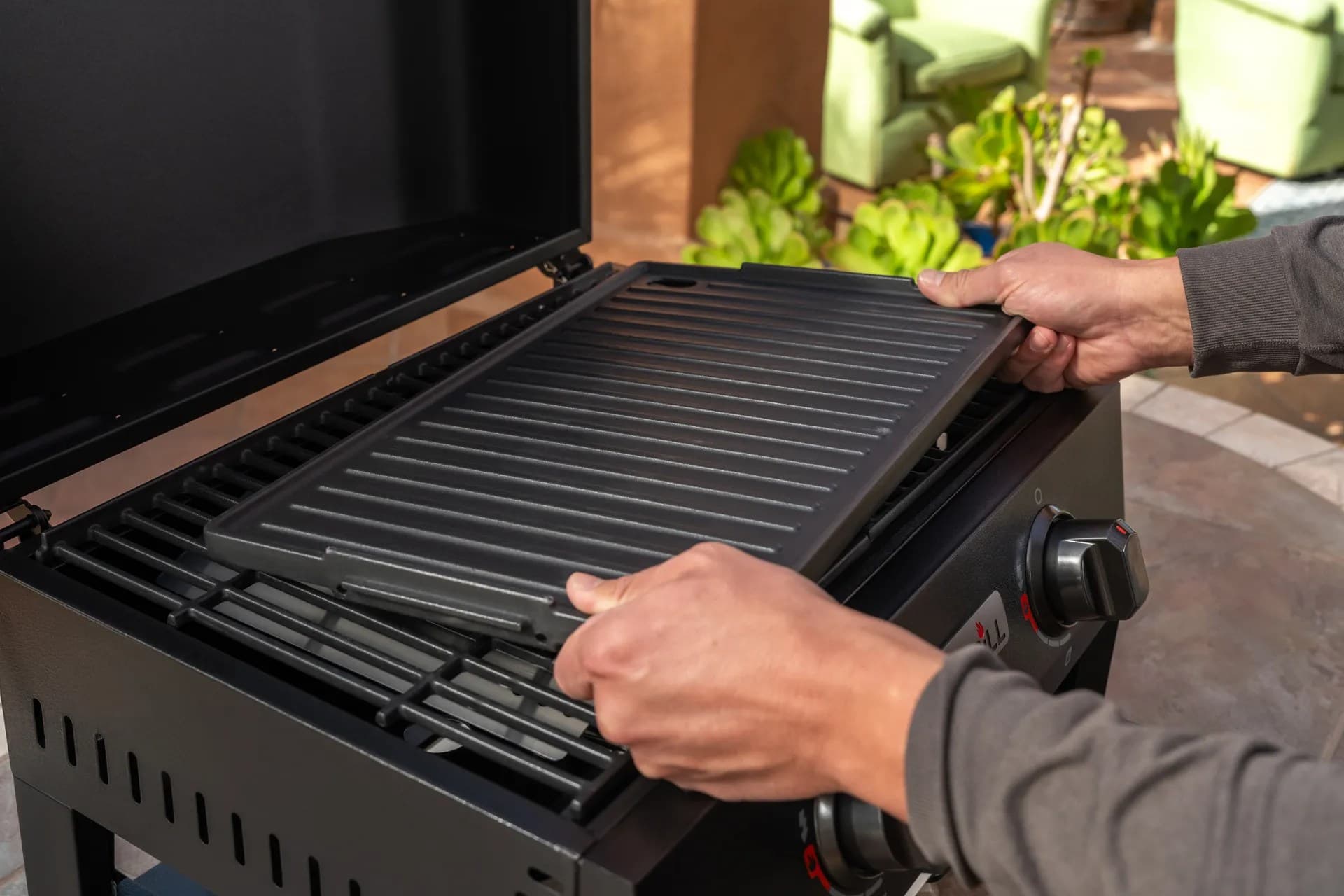
Practical guides for cleaning, maintenance, common grill issues, and performance optimization.
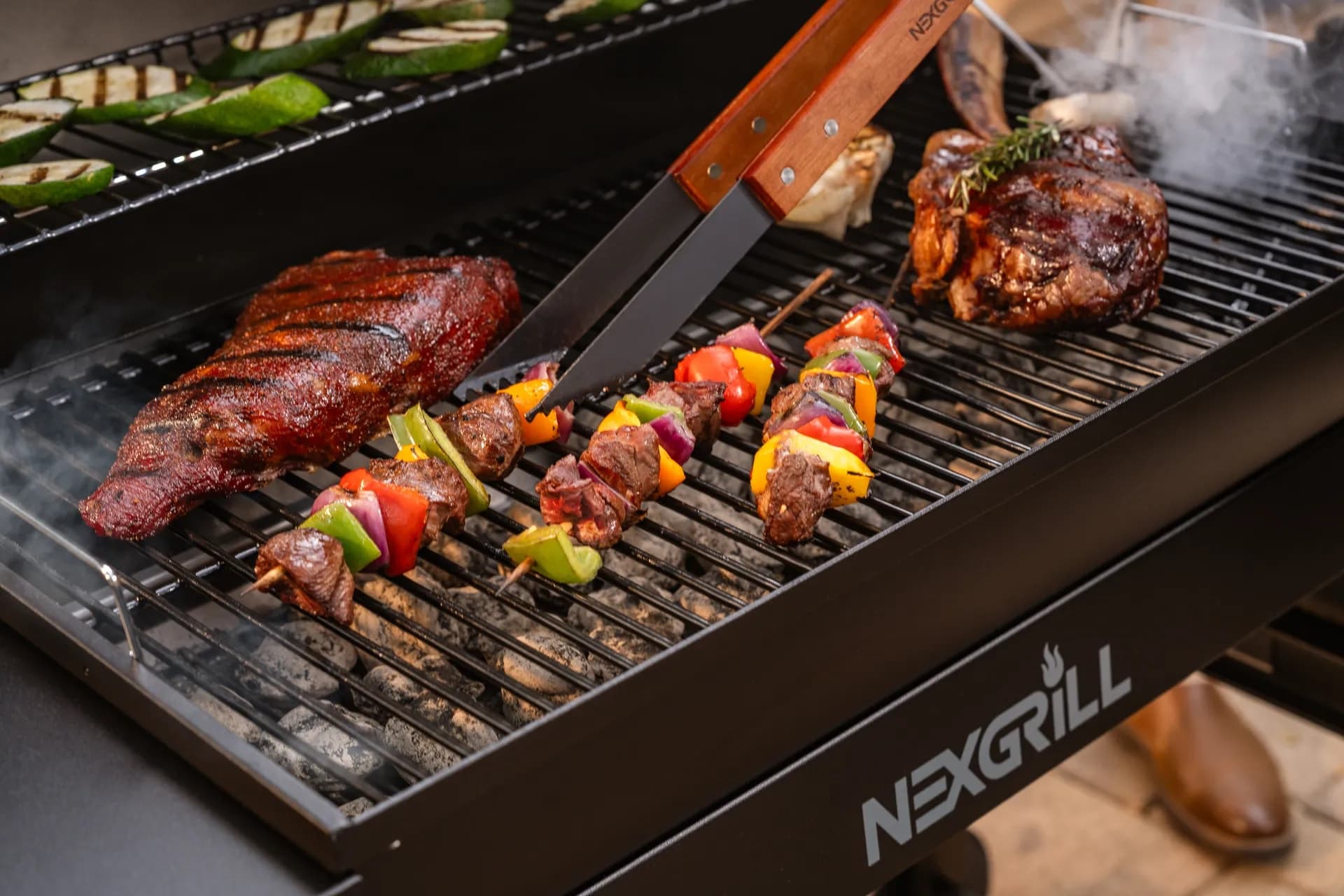
Step-by-step grilling recipes, cooking techniques, and meal ideas for every occasion and skill level.

Backyard entertaining ideas, seasonal grilling inspiration, and stories that celebrate outdoor cooking culture.
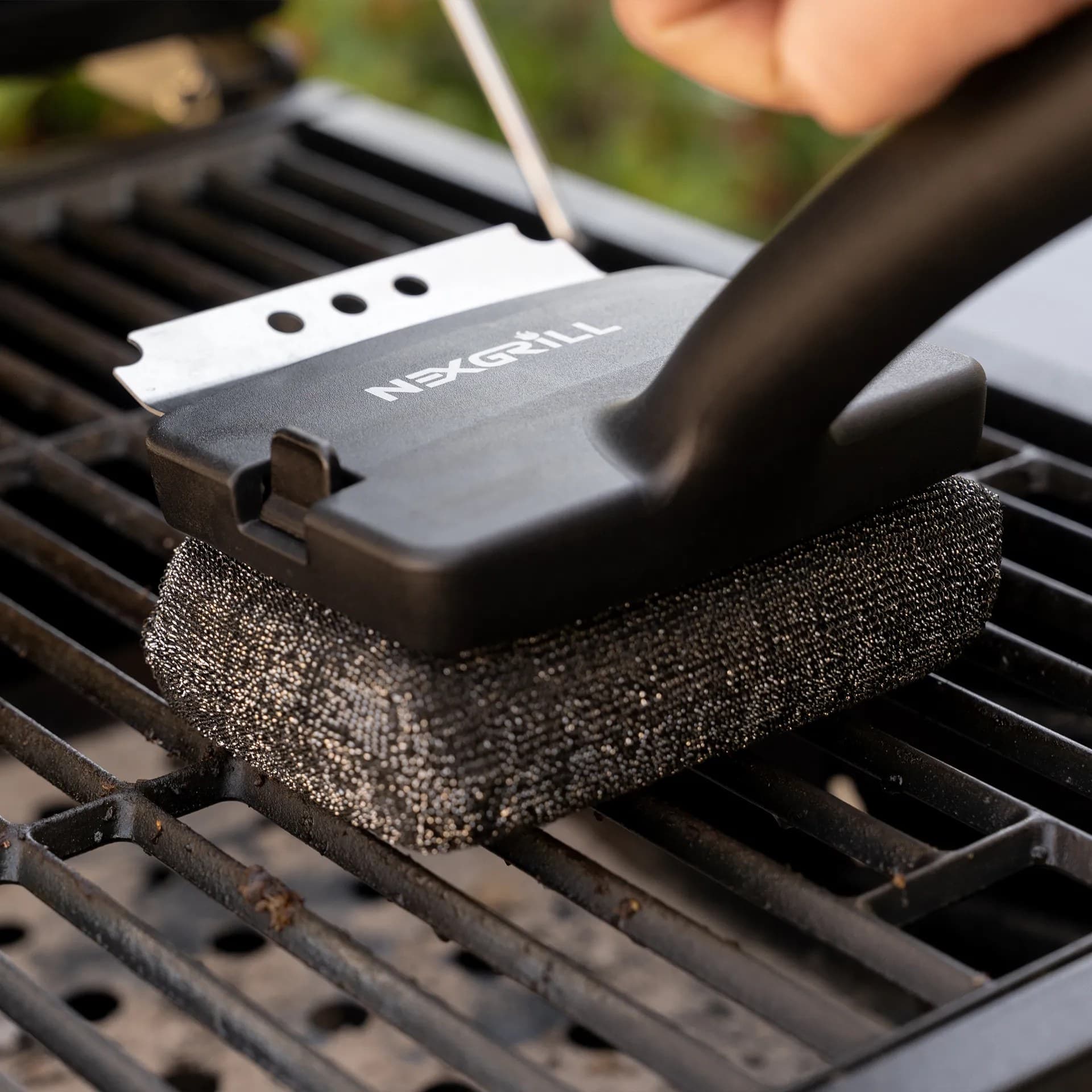
Helpful articles covering grilling tools, cookware, maintenance gear, and must-have accessories for outdoor cooking.
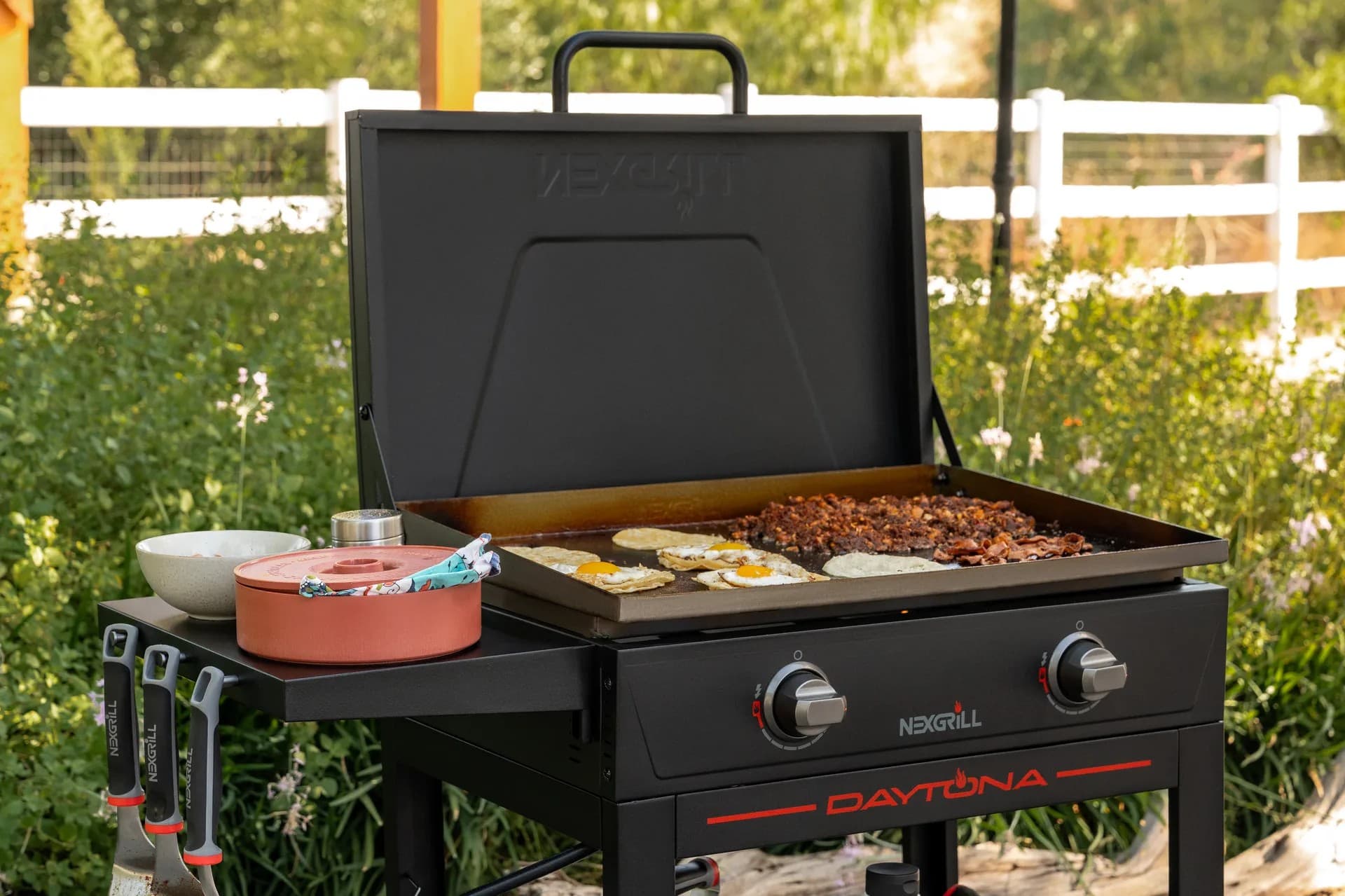
Find griddle recipes, cooking techniques, cleaning tips, and outdoor meal ideas designed for Nexgrill griddles.
Find answers to common questions
Nexgrill offers a variety of gas grills, including standard models, portable options, and premium designs with advanced features. Each is designed to cater to different grilling needs and preferences.
To clean your Nexgrill gas grill, regularly scrape down the grates, empty the grease tray, and wipe down exterior surfaces. Consult your model's manual for specific maintenance instructions and recommended cleaning products.
Nexgrill gas grills are designed to use either propane or natural gas, depending on the model. Ensure you read the specifications to determine the appropriate fuel type for your grill.
Many Nexgrill models can be converted from propane to natural gas with a conversion kit. Check the owner's manual for compatibility and details on the conversion process.
If your Nexgrill gas grill is not lighting, first check the fuel supply, ensure the gas lines are free of obstructions, and verify that the igniter is functioning. Consult the user manual for troubleshooting tips specific to your model.
In This Article
Price Ranges
Top Features
Brand Comparisons
A 5-burner gas grill with a griddle sits in an interesting middle ground: it is not just a larger backyard grill, and it is not simply a flat-top cook station. It is a hybrid outdoor cooker built for people who want the speed and control of gas burners, plus the broad, even cooking surface that makes griddles so useful for breakfast foods, smash burgers, fajitas, vegetables, and batch cooking. In practice, that combination changes how you cook. You can sear steaks on one side, warm tortillas on the other, and keep onions moving on the griddle without juggling multiple appliances.
For Nexgrill shoppers, this category is especially attractive because it answers two common needs at once: weeknight convenience and weekend flexibility. A traditional gas grill is excellent for direct-heat cooking, but a griddle top opens the door to foods that would otherwise fall through the grates or dry out quickly. That matters if your household cooks different foods at the same time, or if you entertain guests who all want something a little different. The five-burner format also tends to offer enough heat zones to support that versatility, though the actual value depends on build quality, cooking area, material thickness, and how the griddle is integrated into the design.
Hybrid cooking setups are appealing because they reduce the need to choose between a grill and a griddle. For many households, that means more meals from one appliance and less patio clutter.
The price question is where many buyers start, but it should not be where the decision ends. A lower sticker price can look attractive until you factor in cooking surface size, burner control, grease management, lid design, cart sturdiness, and how easy the unit is to clean after a full cook. On the other hand, a higher-priced model is not automatically better if it includes features you will rarely use. The smartest purchase usually comes from matching the appliance to the way you actually cook: whether that is family breakfasts, large backyard cookouts, or mixed-menu entertaining where one side of the cooktop needs to hold pancakes while another side handles burgers.
If you are evaluating a 5-burner gas grill with a griddle price, it helps to think in terms of total ownership value. A model that feels a little more expensive up front may save money over time if it delivers more usable surface area, easier cleanup, and fewer performance compromises. That is especially true for buyers who want one outdoor appliance to replace two separate pieces of equipment. Try comparing two products side by side below to see which fits best:
| Buyer need | Why it matters | Price impact |
|---|---|---|
| Everyday family cooking | Needs quick heat, easy cleanup, and enough room for mixed meals | Usually favors mid-range models |
| Weekend entertaining | Needs multiple heat zones and a larger work surface | Often moves into higher price tiers |
| Breakfast and flat-top cooking | Needs consistent griddle heat and grease control | Depends on griddle plate quality |
In the United States, the price of a 5-burner gas grill with a griddle typically reflects three things: the size of the cooking area, the materials used in the firebox and cart, and the quality of the griddle plate itself. While exact prices vary by retailer and season, most shoppers will encounter a broad spectrum rather than a single standard price. Entry-level hybrid units may land in the lower-mid range when they use lighter materials, smaller shelves, and simpler ignition systems. Mid-range models generally add better burner control, more stable carts, and thicker cooktops. Premium versions can cost noticeably more when they include stainless steel construction, high-output burners, lids, side shelves, and improved grease handling.
A useful way to think about the market is by use case. If you mainly want a griddle surface for weekend breakfasts and a standard gas grill for weekday dinners, you may not need the most expensive option. If you regularly cook for larger groups, though, the price tends to rise because you are paying for more usable cooking space, stronger frame construction, and burner layouts that support distinct temperature zones. The griddle surface itself can also influence pricing: stamped or thinner tops generally keep costs down, while heavier cooktops feel more stable and hold heat better, but usually increase the total price.
Do not judge the value of a hybrid grill by burner count alone. Two units with the same number of burners can perform very differently if one has a better griddle plate, sturdier cart, or more effective grease management.
Common U.S. pricing range for hybrid gas grills with griddle-style versatility, depending on size and build quality.
That range is intentionally broad because retailers position similar-looking products very differently. A lower price may be tied to seasonal promotion, a simplified cart, or a lighter-duty cooking surface. At the upper end, you are often paying for a more complete outdoor cooking station rather than just a grill top with one griddle accessory. For buyers, the important question is whether the added cost brings a meaningful improvement in heat retention, durability, or cooking flexibility. If it does not, you may be overpaying for features that look impressive on a product page but do little in everyday use.
Start by comparing what is actually included. Some products advertise a low base price but exclude items that matter in practice, such as a lid, side burner, cover, or even a proper griddle insert. Others may include a wider cooktop but use lighter materials that are more vulnerable to hot spots and warping. In other words, the real price is not just what you pay at checkout; it is what you receive in cooking performance over the life of the grill. For many shoppers, that means looking beyond the stated MSRP and checking the dimensions of the main cooking area, the thickness of the griddle plate, and the quality of the frame beneath it.
Nexgrill’s own assortment shows how wide the outdoor cooking category can be. The brand’s product catalog includes everything from griddles and gas grills to pellet and charcoal options, which is useful for buyers comparing hybrid cooking against more specialized setups . That broader lineup matters because it reminds shoppers that a 5-burner hybrid is only one path to outdoor versatility; it is best when you want one appliance to do several jobs without moving into a full commercial-style setup.
Brand comparison is where price becomes more meaningful. A product from a mass-market retailer may appear less expensive than a competing hybrid grill, but the trade-off can be thinner components, fewer long-term parts available, or less refined heat control. In contrast, higher-priced brands often justify cost with thicker cooktops, more polished cart designs, and more robust ignition systems. When comparing brands, the goal is not to find the cheapest option; it is to identify the brand that offers the strongest combination of cooking area, heat stability, and overall build for the money.
Blackstone often enters the conversation because shoppers associate the brand with dedicated flat-top cooking. That reputation is valuable, but it also highlights an important distinction: some brands focus more on griddle-first performance, while others offer hybrid grills that balance griddle use with traditional open-flame grilling. If you want both a standard grill experience and a flat-top option in one unit, a hybrid may give better day-to-day flexibility even if it is not the most famous griddle brand on the shelf.
Members Mark and other warehouse-style brands often compete aggressively on price, especially for shoppers who want large surfaces at a lower entry cost. The appeal is easy to understand: you may see a lot of cooking space for the money. The trade-off, however, is that buyers should inspect the cart stability, grease collection design, and burner layout carefully. With budget-friendly grills, those details often separate a satisfying purchase from one that becomes frustrating after the first full season.
| Brand | Typical buyer appeal | Price tendency | What to verify |
|---|---|---|---|
| Blackstone | Flat-top cooking reputation and broad accessory ecosystem | Often mid-range to higher for larger units | Griddle thickness, grease path, lid and cart quality |
| Members Mark | Large surfaces at aggressive retail pricing | Usually value-focused | Frame durability, ignition consistency, replacement support |
| Nexgrill | Balanced value, practical outdoor versatility, family-friendly cooking | Typically competitive across value and mid-range tiers | Cooking area, burner layout, griddle integration, materials |
Nexgrill’s brand positioning is especially relevant for buyers who want accessible pricing without giving up practical outdoor performance. The company’s “Everyone’s Invited” messaging emphasizes attainable pricing and flexible product design, which aligns well with the hybrid grill category because it appeals to both newer grillers and more experienced cooks who want a versatile setup . That does not mean every Nexgrill hybrid will be the cheapest model on the market, but it does suggest a focus on usable features rather than gimmicks.
If your shopping list includes a 5-burner gas grill with griddle price comparison, the most practical brands to evaluate are the ones that clearly disclose dimensions, materials, and cooking-zone layout. Those details let you compare value instead of just comparing tag price. Two products at similar prices can deliver very different results if one offers a thicker griddle plate and a better grease channel. That is why product pages and retailer listings should be read like spec sheets, not just like advertisements.
The easiest way to narrow the field is to decide which compromise you can accept. If you want the strongest flat-top experience, a griddle-first brand may be best. If you want a more balanced outdoor cooker that still handles pancakes or stir-fry well, a hybrid from a brand like Nexgrill may be the better fit. If you are buying purely on budget, warehouse pricing can be compelling, but only if the construction and after-sale support match the savings. In short, price comparison should be built around how much cooking flexibility and durability you are actually buying, not just how large the number of burners looks in the title.
Once you have compared two options side by side, the next step is to understand which features actually justify a higher price. On a hybrid grill, burner count matters, but the details around heat control and surface design matter just as much. A five-burner layout can create excellent flexibility, yet that flexibility only becomes useful if the grill can hold steady temperatures across both the grate and griddle areas. Buyers should pay close attention to BTU output, griddle material, cooking space, grease handling, and the cart or cabinet underneath. Those are the features that shape how a grill feels after the first month of ownership, not just on delivery day.
BTU numbers are commonly used as shorthand for power, but they should never be read in isolation. A grill with very high BTUs is not automatically better if the heat is poorly distributed or the cooktop is thin enough to create hot spots. What matters more is whether the heat output is matched to the cooking surface. A well-balanced hybrid grill should preheat reasonably quickly, maintain a stable searing zone, and allow the griddle to recover heat after food is added. That recovery time becomes especially important when cooking breakfast for a group or batch-cooking proteins and vegetables back to back.
| Feature | Why it matters | What to look for |
|---|---|---|
| BTU distribution | Determines how evenly the grill heats | Even zone control more important than a huge top number |
| Griddle plate thickness | Affects heat retention and warp resistance | Look for a sturdier, heavier cooktop |
| Main cooking area | Tells you how much food you can cook at once | Enough space for your typical family or guest count |
| Grease management | Affects cleanup and long-term practicality | Accessible tray or channel design |
| Frame and cart stability | Impacts durability and everyday confidence | Solid wheels, rigid shelf supports, dependable assembly |
Materials are another place where price and performance meet. Stainless steel components generally increase cost, but they can improve corrosion resistance and overall longevity when maintained properly. Painted steel can still be a good value if the construction is sturdy and the grill is stored under cover, but buyers should understand that lower-cost finishes may need more care over time. The same logic applies to griddle surfaces. If the cooktop feels too light, it may not retain enough heat for consistent searing, which can undermine the whole reason for buying the hybrid in the first place.
Tip: choose the cooktop based on the foods you make most often. Breakfast, stir-fry, and smash burgers benefit from a griddle. Steaks, bone-in chicken, and high-heat charring still favor open grates.
A hybrid product is easiest to evaluate when you compare what gas grilling does well against what a griddle does well. Traditional gas grilling offers direct flame, visible sear marks, and better airflow around thicker cuts of meat. That makes it a natural fit for steaks, sausages, bone-in chicken, and vegetables that benefit from open-flame roasting. Griddles, by contrast, provide a continuous flat surface that excels at small, delicate, or high-volume foods. If you have ever tried to cook chopped onions, eggs, or a full breakfast spread on a standard grate, you already know why a griddle feels so useful.
The downside of a conventional gas grill is that it can be less forgiving with smaller foods and more limited for dishes that need frequent stirring. The downside of a standalone griddle is that it gives up some of the char and airflow that grill fans enjoy. That is why hybrid models are appealing: they reduce the need to choose one style permanently. Still, hybrids are not perfect. Depending on the design, the griddle area may not be as large as a dedicated flat-top, and the grate side may not be as spacious as a pure gas grill of similar width. Buyers should be honest about which cooking style will get used the most.
| Cooking style | Best at | Trade-off |
|---|---|---|
| Gas grill | Direct heat, searing, roasting, classic grill flavor | Less ideal for eggs, chopped foods, and mixed breakfast service |
| Griddle | Even surface cooking, batching, easy flipping and stirring | Less smoky char and less open-flame character |
| Hybrid grill with griddle | Mixed menus and flexible entertaining | May compromise slightly on dedicated area size |
For many U.S. households, the right answer depends on who cooks most often and what they cook. If your menu is mostly burgers, chicken, and vegetables, a classic gas grill still delivers excellent value. If your menu includes breakfast foods, stir-fry, chopped vegetables, or smash burgers every weekend, a griddle is extremely practical. A five-burner hybrid becomes the most compelling choice when your family or guests want both kinds of food in the same session. That is the real value proposition: less swapping equipment, fewer limitations, and better flow during a larger meal.
Warning: if you expect a hybrid grill to behave exactly like a premium standalone griddle and a premium standalone grill at the same time, you may be disappointed. The best models make smart compromises rather than pretending compromises do not exist.
Shoppers commonly praise 5-burner gas grills with griddles for one recurring reason: they simplify meal planning. Review themes often mention the convenience of cooking bacon, eggs, pancakes, and hash browns without moving indoors, then shifting to burgers or vegetables later in the day. Users also tend to appreciate how a hybrid design supports both casual weeknight meals and bigger family gatherings. The strongest positive feedback usually centers on versatility and the sense that the grill earns its footprint because it replaces multiple cooking tools.
At the same time, reviews often reveal what matters most after the first few uses. Buyers frequently comment on how evenly the griddle heats, whether grease drains cleanly, and how much effort cleanup requires after a greasy breakfast or a long cook. They also note whether the grill feels sturdy when fully assembled and whether the burners respond predictably when shifting between low and high heat. Those comments are useful because they reflect daily ownership rather than showroom impressions. Consumer guidance from major grill resources consistently emphasizes construction, heat control, and ease of cleaning as deciding factors, which lines up with what actual owners say after purchase . BBQ Guys’ grill education material similarly points buyers toward practical features rather than chasing a single power statistic, which is a helpful lens for hybrid shoppers .
Because reviews are often influenced by expectations, it helps to interpret them in context. A buyer who expected a dedicated griddle experience may rate a hybrid lower if the flat-top portion is smaller than expected. A buyer who mainly wanted one appliance for family meals may rate the same grill highly because it handles multiple tasks well. That is why the most credible reviews are those that mention specific use cases: weekend breakfast service, searing burgers for a crowd, or switching quickly from grill marks to flat-top cooking. Those details tell you how the product performs in the situations you are most likely to face.
The most helpful feedback explains what the owner cooked, how often they used it, and what cleaning was like afterward.
The best 5-burner gas grill with a griddle price is not simply the lowest one on the page; it is the one that matches your cooking style, patio space, and tolerance for trade-offs. If you want a versatile family cooker that can handle breakfast, lunch, and dinner duties, a hybrid model is often worth the investment. If you rarely cook on a flat surface, the added cost of a griddle section may not make sense. If your menu leans heavily toward griddle foods, you should pay extra attention to cooktop size and plate thickness so the price reflects real performance, not just a larger shell.
A good buying process is simple: compare the cooking area, check the material quality, confirm how grease is managed, and decide whether the grill’s layout matches how your household actually cooks. For U.S. shoppers, that usually means thinking in terms of value over one season and then over several years. If a slightly higher-priced unit gives you steadier heat, better cleanup, and more flexible meal options, it often ends up being the smarter purchase. If you want to explore broader outdoor cooking options, Nexgrill’s product catalog is a practical place to start, since the brand spans grills, griddles, and other outdoor cooking formats designed for different kinds of home cooks . Sources
Here's what sets us apart
We position ourselves as delivering high-end outdoor cooking features and performance without premium-brand pricing, emphasizing “Quality Grills. Unbelievable Value.”
We offer gas grills, pellet grills, griddles, smokers, pizza ovens, portable/tabletop grills, electric grills, accessories, and replacement parts — allowing customers to stay within one ecosystem for all outdoor cooking needs.
We differentiate ourselves through smart grilling products like the Oakford smart pellet grill, including app-connected cooking controls and modern outdoor cooking technology.
Don't just take our word for it
Keep reading
From our catalog