A comprehensive guide to pricing, features, and brand comparisons.
Here's what sets us apart from the competition
We position ourselves as delivering high-end outdoor cooking features and performance without premium-brand pricing, emphasizing “Quality Grills. Unbelievable Value.”
We offer gas grills, pellet grills, griddles, smokers, pizza ovens, portable/tabletop grills, electric grills, accessories, and replacement parts — allowing customers to stay within one ecosystem for all outdoor cooking needs.
We differentiate ourselves through smart grilling products like the Oakford smart pellet grill, including app-connected cooking controls and modern outdoor cooking technology.

Expert tips, buying guides, comparisons, and inspiration for choosing and getting the most out of your grill.
Practical guides for cleaning, maintenance, common grill issues, and performance optimization.
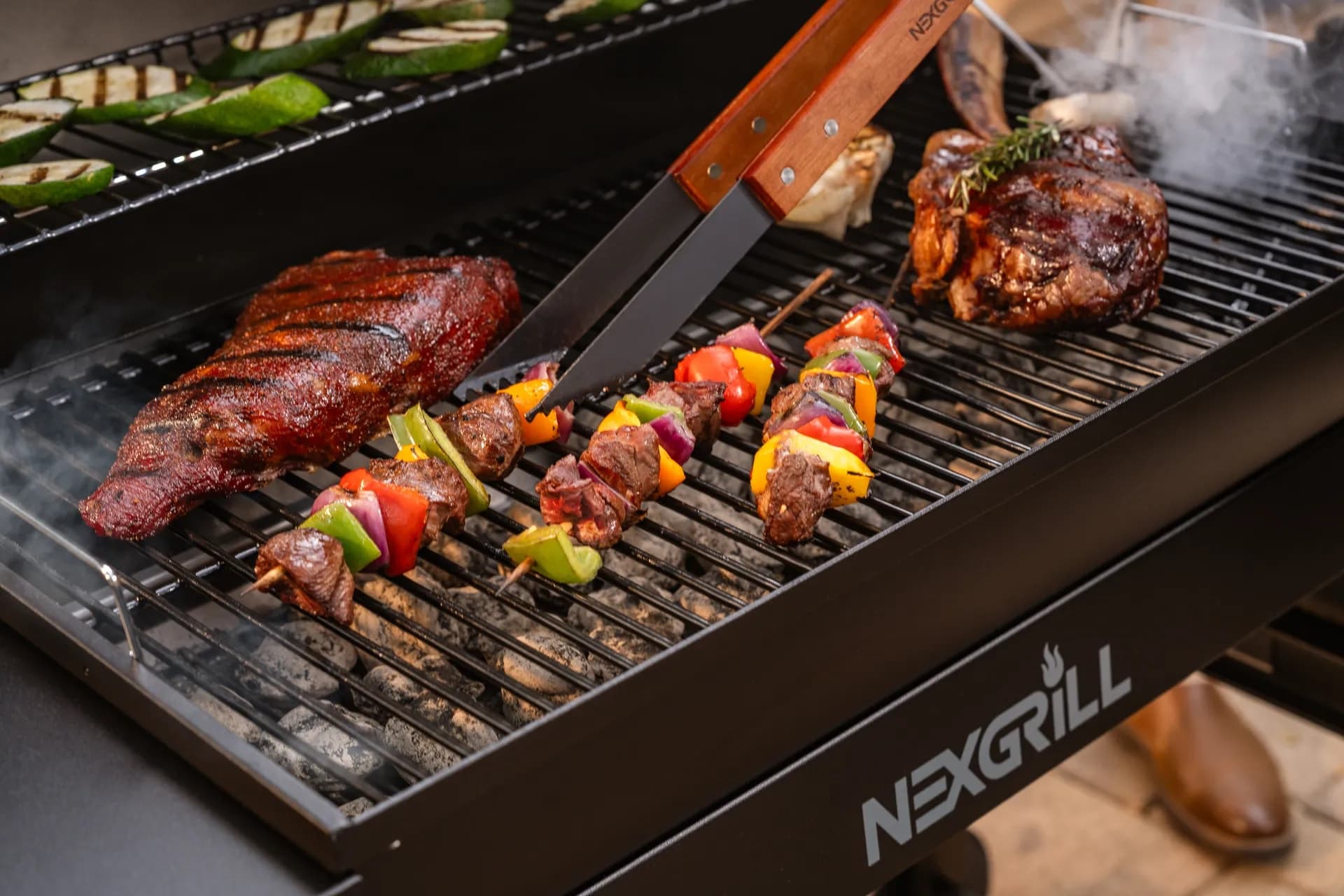
Step-by-step grilling recipes, cooking techniques, and meal ideas for every occasion and skill level.

Backyard entertaining ideas, seasonal grilling inspiration, and stories that celebrate outdoor cooking culture.
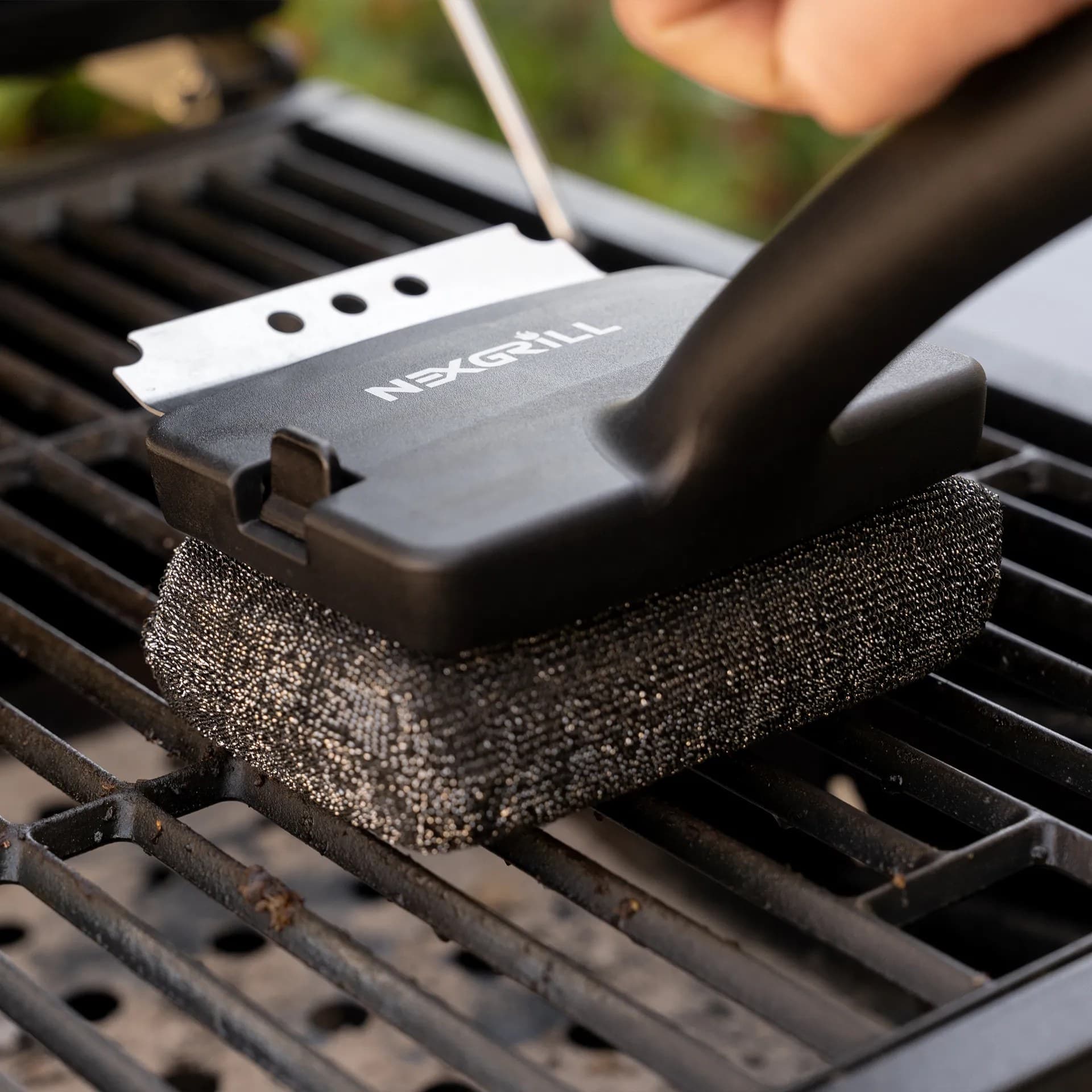
Helpful articles covering grilling tools, cookware, maintenance gear, and must-have accessories for outdoor cooking.
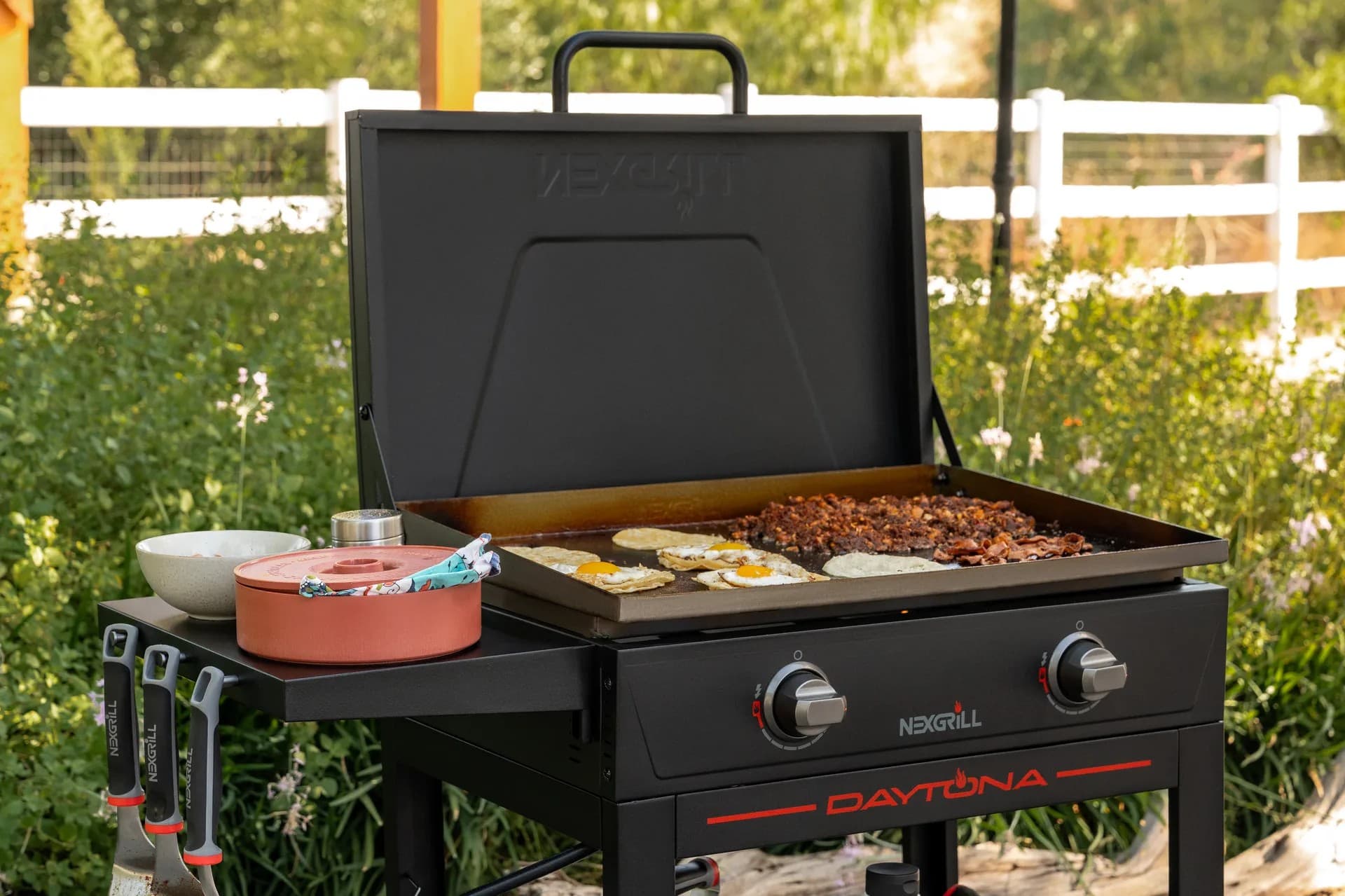
Find griddle recipes, cooking techniques, cleaning tips, and outdoor meal ideas designed for Nexgrill griddles.
Find answers to common questions
Nexgrill offers a variety of gas grills, including standard models, portable options, and premium designs with advanced features. Each is designed to cater to different grilling needs and preferences.
To clean your Nexgrill gas grill, regularly scrape down the grates, empty the grease tray, and wipe down exterior surfaces. Consult your model's manual for specific maintenance instructions and recommended cleaning products.
Nexgrill gas grills are designed to use either propane or natural gas, depending on the model. Ensure you read the specifications to determine the appropriate fuel type for your grill.
Many Nexgrill models can be converted from propane to natural gas with a conversion kit. Check the owner's manual for compatibility and details on the conversion process.
If your Nexgrill gas grill is not lighting, first check the fuel supply, ensure the gas lines are free of obstructions, and verify that the igniter is functioning. Consult the user manual for troubleshooting tips specific to your model.
In This Article
Key Features
Price Ranges
User Insights
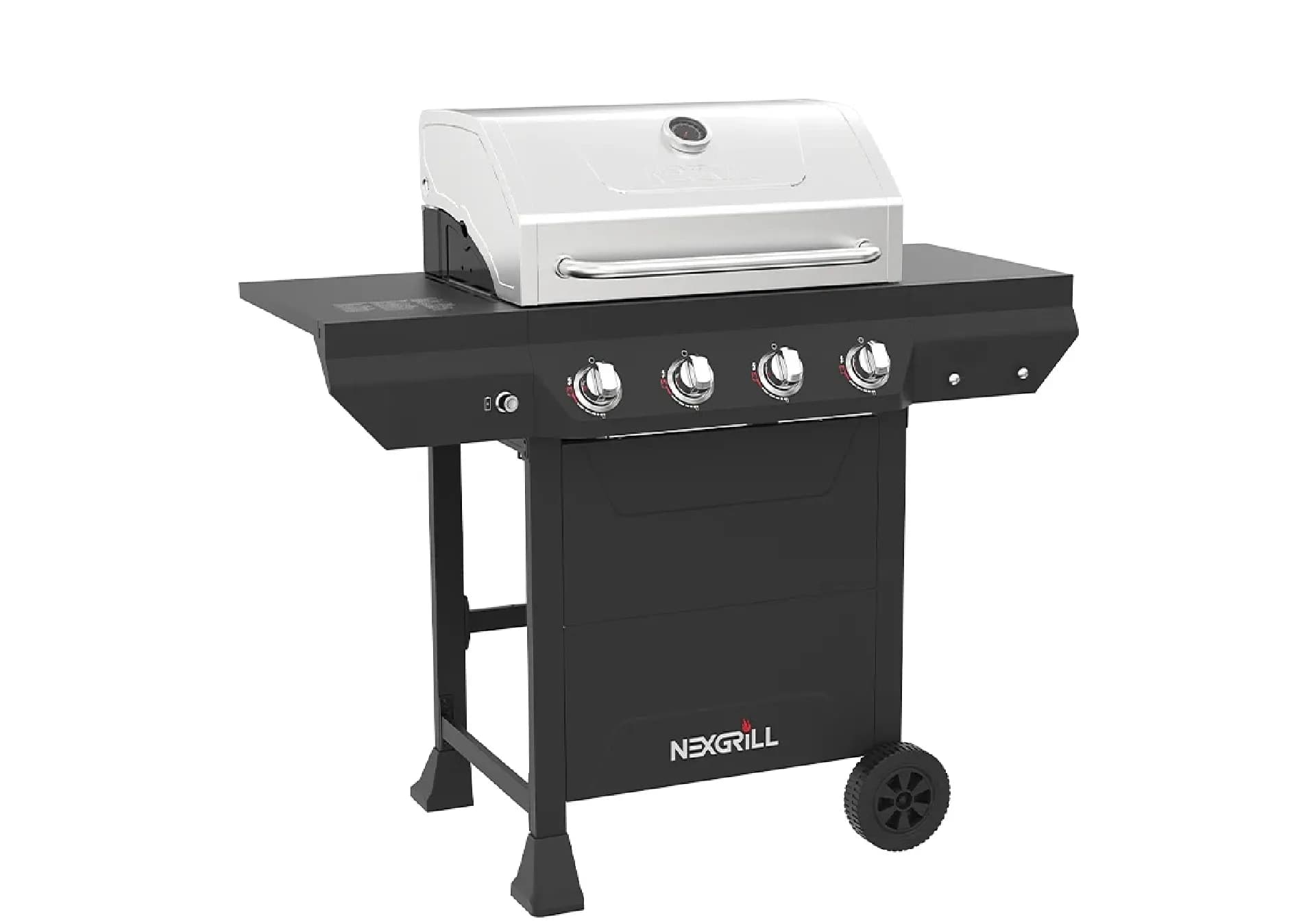
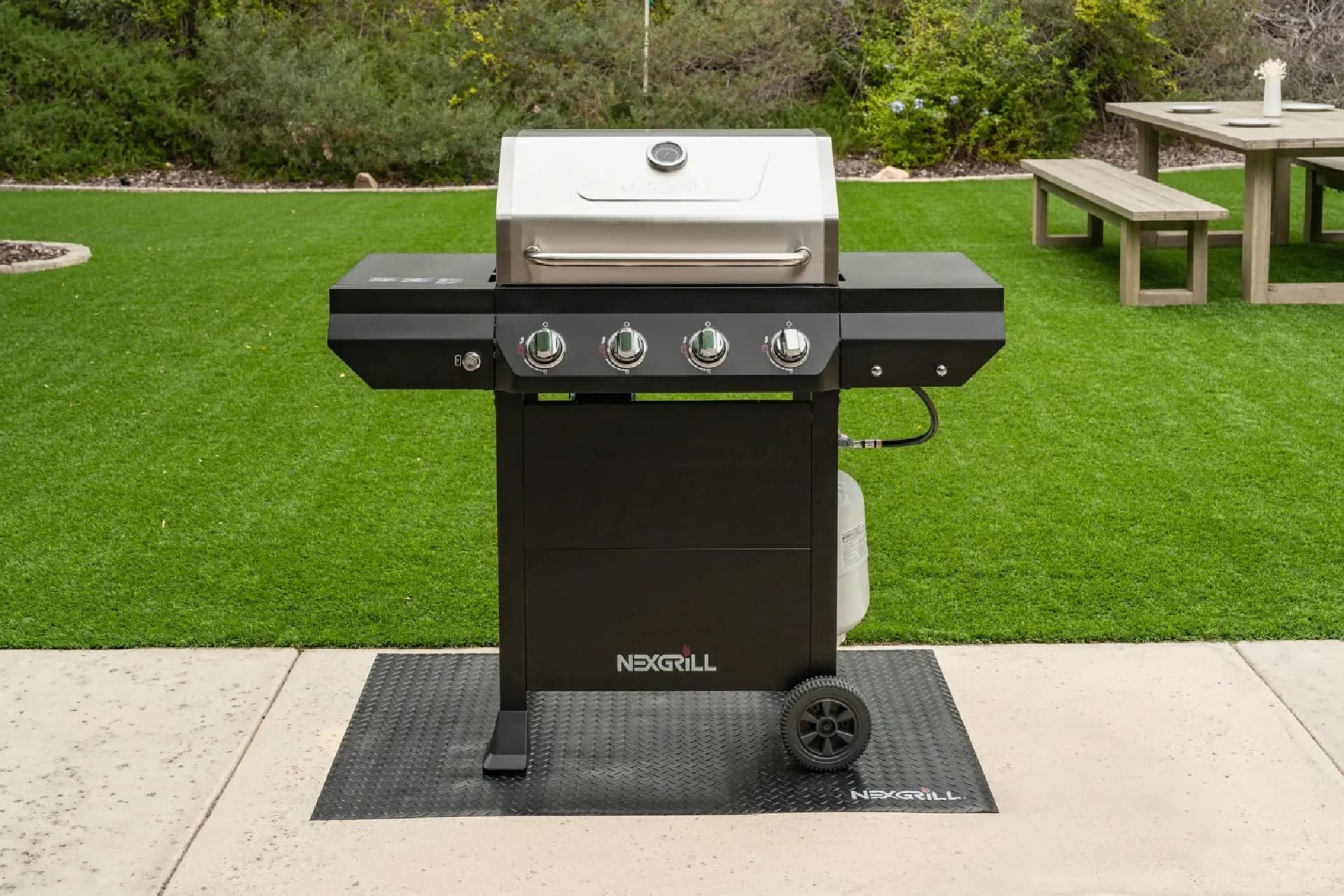
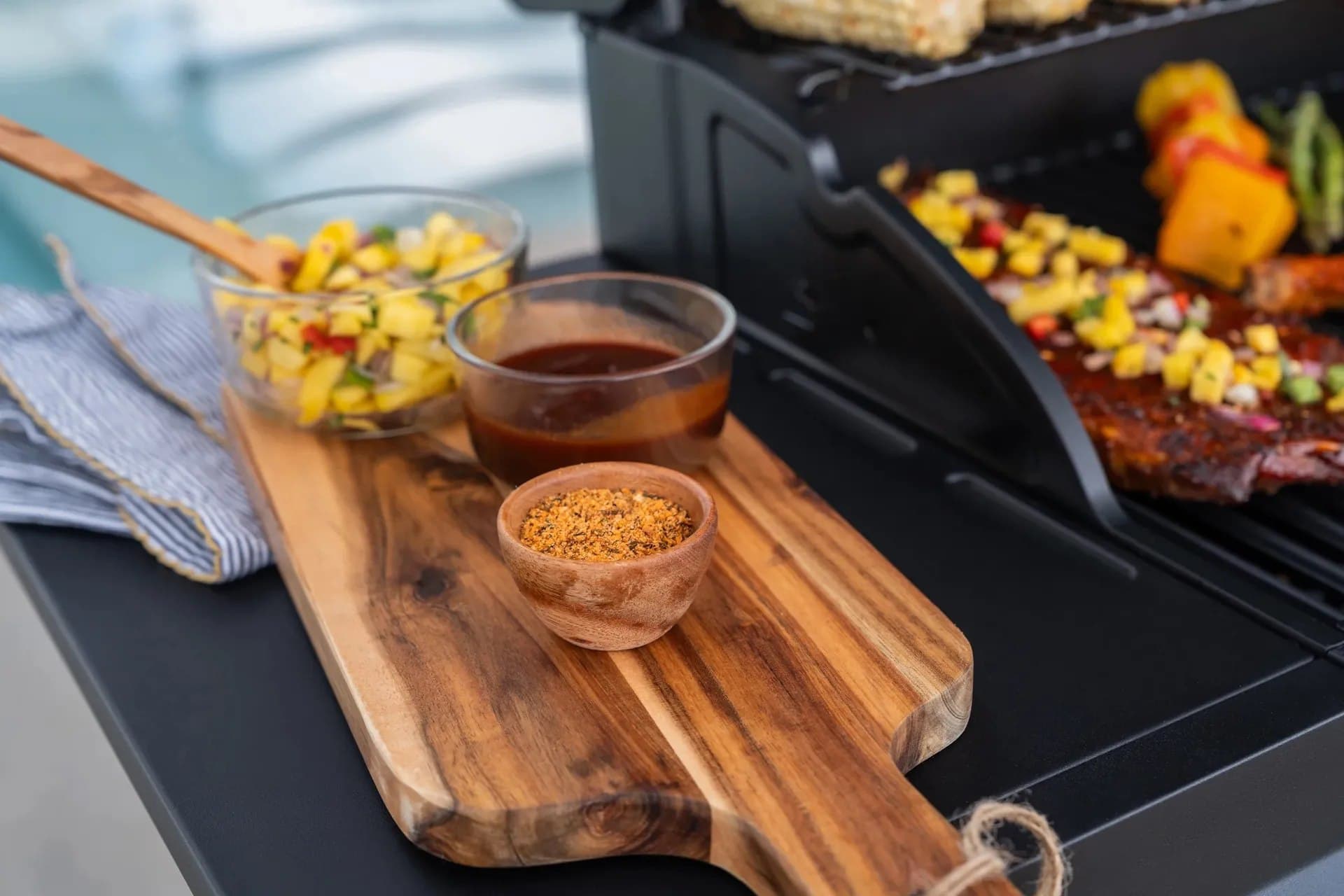
A 4-burner gas grill with a side burner sits in a very practical sweet spot for U.S. households: it is large enough to handle weeknight dinners and weekend gatherings, but not so oversized that it becomes hard to justify in price, fuel use, or patio space. The extra side burner changes the way you cook outdoors. Instead of treating the grill as a single-purpose heat source, you can simmer sauce, sauté vegetables, warm beans, or keep sides hot while the main grates handle steaks, chicken, or seafood. That flexibility is the main reason buyers search for the 4-burner-gas-grill-with-side-burner-price keyword in the first place. They are not just comparing metal and burners; they are comparing how much everyday cooking value they can get for the money.
For a brand like Nexgrill, this category matters because it reflects the balance many shoppers want: dependable construction, straightforward controls, and enough features to feel upgraded without drifting into luxury pricing. Nexgrill’s broader product range shows how the brand approaches that balance across grill and griddle formats, from compact to full-size outdoor cooking setups, which is useful context when you are weighing whether a 4-burner unit is the right fit for your home . The best way to think about these grills is as an outdoor kitchen starter that does not demand a full renovation.
Side burners are most valuable when you actually cook side dishes outdoors. If you only grill burgers and nothing else, you may not fully use the feature.
The category also appeals to a wide range of grillers. A beginner may see four main burners as a simple way to avoid crowding food over one hot zone. A more experienced cook may value the ability to create direct heat on one side and gentler heat on the other, while the side burner handles a finishing sauce or skillet dish. In real use, that means you can sear steaks, toast buns, and keep corn or potatoes warm at the same time. The price you pay should reflect that versatility, not just the number of knobs on the front panel.
When shoppers compare models, they often focus on the headline price and miss the true ownership picture. A grill that looks affordable can become less attractive if it uses thinner materials, has a smaller cooking surface than expected, or lacks a side shelf layout that makes prep easier. On the other hand, a slightly higher-priced model may feel like a better value if it includes sturdier burners, better lid construction, or easier cleanup features. That is why price alone never tells the full story. The right question is what cooking capacity, durability, and convenience you are actually buying with each dollar.
In the United States, the price of a 4-burner gas grill with a side burner usually falls into three broad value bands. Entry-level models often start in the low hundreds, mid-range grills typically land in the middle hundreds, and more feature-rich units can climb higher depending on stainless steel content, cabinet design, ignition systems, and included extras. In plain terms, you are paying for the combination of size, burner count, side-burner convenience, and build quality. Seasonal promotions can move prices noticeably, especially around spring launch periods and holiday sales, so the same grill may look like a different value depending on when you buy.
| Price band | Typical features | Best for |
|---|---|---|
| USD 200-350 | Basic cart, lighter materials, simpler ignition, side burner included | First-time buyers, occasional use, tighter budgets |
| USD 350-600 | Better heat control, stronger cabinet or lid materials, more storage, improved grates | Regular family grilling, weekend entertaining |
| USD 600+ | Heavier construction, larger cooking area, premium finishes, added convenience features | Frequent grillers, larger households, buyers prioritizing durability |
For buyers comparing brands, the practical question is whether the premium is tied to meaningful upgrades or just styling. Consumer shopping guidance often emphasizes evaluating cooking area, heat consistency, and build quality rather than relying on advertised burner counts alone, because those specifications do not guarantee better cooking results on their own Gas Grill Buying Guide. That advice is especially relevant in this category, where side burner additions can make a grill look more premium even if the main firebox is not much stronger than a lower-priced competitor.
Often the most balanced range for a 4-burner gas grill with side burner in the U.S.
If you want the most value for your money, this mid-range band is usually where the trade-offs become more favorable. You often get enough surface area for family meals, stronger grates, and a more durable feel without jumping into premium territory. If you are shopping during Memorial Day, July Fourth, Labor Day, or end-of-season clearance events, you may find models that normally sit in the middle range temporarily discounted into the lower bracket. That is one reason the same grill family can be either a bargain or merely average value depending on retailer timing.
BTU numbers get a lot of attention, but they only make sense when read alongside grill size and heat design. A 4-burner grill with a side burner can advertise a high total BTU figure and still cook unevenly if the burners, firebox, and grates do not work together well. What matters more is how efficiently that heat reaches the food. Four main burners let you create multiple zones, which is a major advantage when grilling different foods at once. The side burner adds an entirely separate task zone for sauce, skillet work, or finishing vegetables in a pan.
| Feature | Why it matters | What to look for |
|---|---|---|
| BTU output | Affects heat-up speed and high-heat searing potential | Focus on even heat, not just the largest number |
| Cooking area | Determines how much food you can cook at once | Enough room for your usual guest count |
| Materials | Influences durability, rust resistance, and cleanup | Stainless steel or coated components where they matter most |
| Side burner | Adds cooking flexibility outside the main grate | Stable flame, usable shelf space, easy ignition |
Materials deserve special attention because they directly influence the ownership experience. Lid construction, burner material, cooking grates, and the thickness of the cart all change how a grill feels after a season or two of use. Lower-cost units may still perform well for casual use, but they can be more susceptible to wear from weather and repeated heating cycles. If you plan to grill often, it is usually smarter to spend a little more for a model that feels solid when you open the lid, move the cart, or clean the interior.
A side burner is only helpful if the side shelf layout leaves enough space for a skillet or saucepan. Check the usable work area, not just the spec sheet.
Size also changes the value calculation. Some 4-burner grills are built for family dinners and still fit comfortably on a suburban patio, while others spread out enough to feel closer to a backyard command center. Measure the footprint, including open lid clearance, storage doors, and side shelves, before you buy. A grill that fits the cooking need but overwhelms the patio will feel like poor value even if the price was attractive. Also, think about how the size affects cleaning and cover selection, because those hidden ownership details matter later.
Nexgrill’s product range includes a wide span of outdoor cooking solutions, which helps show how features are distributed across the brand’s lineup and why some models emphasize utility while others emphasize capacity . That broader context is helpful when comparing a four-burner grill with a side burner against other outdoor cooking formats. If your cooking style leans toward quick family meals, a mid-size gas grill with a side burner may be the most efficient choice. If you regularly cook for crowds, you may want to compare larger configurations or even alternative formats before committing.
When buyers compare Kenmore, Charbroil, and Nexgrill in this category, they are usually comparing a mix of price, feature density, and how much confidence the brand inspires at a given budget. Kenmore often attracts shoppers who want familiar retail presence and straightforward features. Charbroil is frequently associated with broad mass-market visibility and aggressive promotions. Nexgrill tends to appeal to buyers looking for a value-driven balance of usability and design across a broad outdoor cooking lineup, including gas grills, griddles, and pellet options .
| Brand | Typical U.S. price posture | Common buyer impression |
|---|---|---|
| Nexgrill | Value-focused to mid-range | Good feature balance and broad selection |
| Charbroil | Budget to mid-range | Widely available, promotion-friendly |
| Kenmore | Budget to mid-range | Simple layouts, familiar retail appeal |
The right comparison is not simply which label is cheaper. It is which grill gives you the most dependable cooking surface, side burner usefulness, and serviceable construction for the money. A lower sticker price can be offset by flimsy shelves or weak heat control, while a slightly more expensive grill may be the better deal if it saves you from replacing parts sooner. If a brand’s model lineup gives you more flexibility in size or features, that can be more important than a small difference at checkout.
If you are comparing models in a store or online, use the following question set: Does the grill have enough main cooking area for your typical meal? Is the side burner powerful and stable enough to use regularly? Are the grates and lid materials robust enough for your climate? Does the brand provide a lineup that makes sense if you later decide to step up or down in size? Those questions separate price from real value. Try comparing two products side by side below to see which fits best:
Once you've weighed two options against each other, the next question is how these grills hold up in the real world. User reviews can be helpful here, but only when you read them with a practical eye. For a 4-burner gas grill with a side burner, buyers tend to talk about three things most often: how quickly the grill reaches cooking temperature, whether the heat is even across the main grate, and whether the side burner is actually used after the first few weeks. That last point is revealing. Many owners like the idea of a side burner at purchase time, but the ones who keep praising it are usually the people who regularly prepare sauces, sautéed vegetables, or boiled sides outdoors.
Ratings and reviews are most useful when they describe a real cooking situation rather than simply saying a grill is “great” or “not worth it.” Look for details like how many people were fed, whether the grill was used in windy weather, and how the cart and shelves felt after assembly. In this category, consistency often matters more than a single impressive sear. A grill can earn strong user satisfaction if it preheats reliably, holds temperature, and cleans up without a long battle against grease buildup. That is one reason consumers are often advised to examine overall construction and cooking behavior rather than trusting a single numeric rating or a high BTU headline Gas Grill Buying Guide.
When reading reviews, prioritize comments that mention repeated use over several months. Early enthusiasm is useful, but long-term durability tells you more.
A second helpful filter is whether the reviewer matches your use case. Someone who grills twice a summer will judge value differently than someone cooking for family dinners every weekend. For a frequent user, a slightly higher-priced grill that feels sturdier and stays even may be the smarter buy. For the occasional entertainer, a less expensive option may be perfectly adequate if it covers the basics. Consumer feedback on retail sites tends to reflect that divide: some reviewers care most about the initial price, while others focus on how the grill performs after a season of weather, grease, and repeated heating.
You should also pay attention to the side burner in reviews because it is often the clearest marker of whether the grill’s convenience features were designed well. If owners repeatedly mention flame stability, easy ignition, and useful shelf placement, that is a strong sign the burner is part of the grill’s real function rather than a feature added only for marketing. If, instead, the comments suggest the burner feels cramped or awkward to use, then it may be better to compare models with stronger prep space or a different cart configuration.
Nexgrill’s broader brand position around approachable, dependable outdoor cooking aligns with the kinds of reviews that emphasize value and usability over gimmicks . That makes review reading especially important for shoppers who want a grill they can live with, not just show off. If a product consistently earns praise for being easy to assemble, simple to light, and practical to clean, those are meaningful strengths in this category.
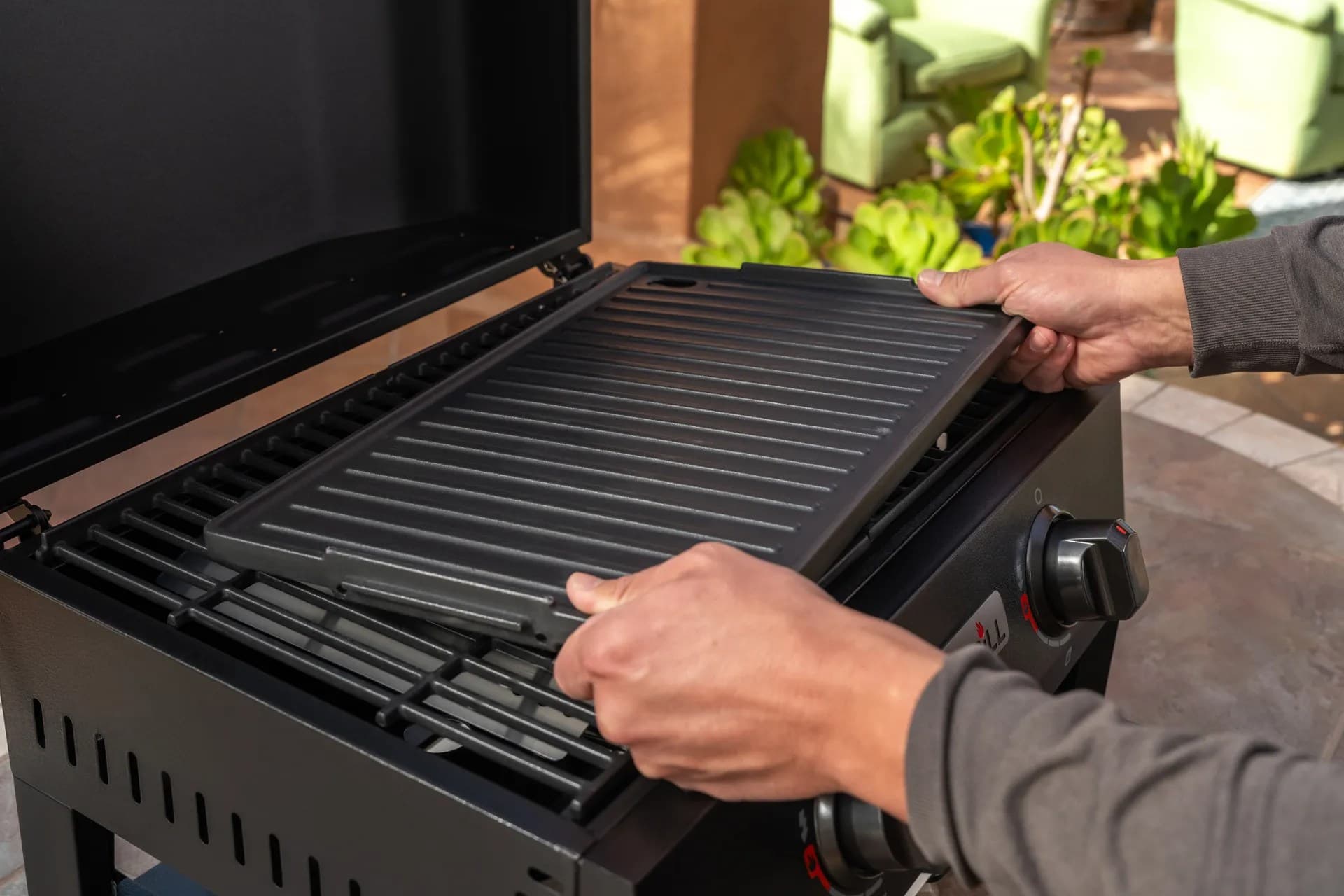
A 4-burner grill with a side burner can last much longer if you treat maintenance as part of ownership rather than a chore you do only when something breaks. The good news is that routine care is simple. Start with the grates: after each cook, while the grill is still warm, brush off residue so it does not harden into carbonized buildup. A clean grate not only improves flavor and appearance, it also makes the next preheat more predictable.
| Maintenance task | How often | Why it matters |
|---|---|---|
| Brush grates after cooking | Every use | Prevents buildup and improves next cook |
| Inspect burners and ignition | Monthly during season | Helps catch clogs or weak ignition early |
| Clean grease tray and firebox | Every few cooks | Reduces flare-ups and odor |
| Use a fitted cover | When stored outdoors | Protects from rain, dust, and UV exposure |
Check the burners periodically for blocked ports, especially if you notice uneven flames or hot spots. A clogged burner can make a grill seem weaker than it really is, and that can lead people to think the product aged badly when it may only need cleaning. The side burner deserves attention too, because it often sits exposed to spills and wind. Wipe it down after use and make sure the ignition area stays clear. If your grill uses a removable grease tray or cup, empty it before buildup reaches a level that could affect airflow or attract pests.
Do not ignore small rust spots or peeling finish on exposed parts. Catching surface wear early is cheaper than replacing major components later.
Seasonal care also matters. Before storing the grill for a long stretch, clean the interior thoroughly, disconnect fuel safely, and cover it with a weather-resistant cover. In humid or coastal environments, that step is especially important because moisture can shorten the life of burners, fasteners, and cart hardware. If you use the grill year-round, a quick monthly inspection is worth the time. Check knobs, fasteners, hoses, and shelf stability so minor issues do not become expensive repairs.
Finally, remember that durability is partly a purchasing decision. A grill with better materials may cost more at the start, but it often reduces frustration later. When comparing prices, factor in the likely ownership timeline. If you buy a lower-cost grill that needs early part replacement, the apparent savings can disappear quickly. A well-chosen 4-burner grill with a side burner should feel like a dependable tool, not a short-term experiment. Try comparing two products side by side below to see which fits best, then use the maintenance habits above to protect that investment over time.
The smartest way to evaluate a 4-burner gas grill with a side burner is to treat price as one part of a larger value equation. You are buying not only a grill top, but a cooking system that should fit your household size, your typical meals, and your patience for cleanup. If you cook sides and sauces outdoors, the burner adds real utility. If you mainly grill meat and move everything else inside, its value is more limited. That honesty is important because it keeps you from paying for features you will not use.
A good decision comes from matching the grill’s price to how you actually cook. Budget-minded shoppers should look for a solid frame, dependable ignition, and a layout that does not feel cramped. More frequent grillers should pay extra attention to burners, grates, and cabinet strength, because those details affect the experience every time you cook. For shoppers who want a wide selection to compare, Nexgrill’s broader lineup makes it easier to find models that align with different outdoor cooking styles and price points .
Here's what sets us apart
We position ourselves as delivering high-end outdoor cooking features and performance without premium-brand pricing, emphasizing “Quality Grills. Unbelievable Value.”
We offer gas grills, pellet grills, griddles, smokers, pizza ovens, portable/tabletop grills, electric grills, accessories, and replacement parts — allowing customers to stay within one ecosystem for all outdoor cooking needs.
We differentiate ourselves through smart grilling products like the Oakford smart pellet grill, including app-connected cooking controls and modern outdoor cooking technology.
Don't just take our word for it
Keep reading
From our catalog