In-Depth Review of 4-Burner Gas Grills with Rotisserie Features
Explore the best options for versatile outdoor cooking.
In This Article
Versatile Cooking Options
Top Brands Reviewed
Maintenance Tips
Introduction to 4-Burner Gas Grills with Rotisserie
A 4-burner gas grill with a rotisserie is one of the most practical upgrades a backyard cook can make when moving beyond basic weeknight grilling. The four-burner layout gives you enough surface area to separate searing, finishing, and warming zones, while a rotisserie system adds a slow, self-basting cooking method that excels with whole chickens, pork roasts, and even larger cuts of beef. For many shoppers, the question is not whether the feature sounds impressive; it is whether the rotisserie setup actually earns its space on the cart, performs evenly, and holds up over time.
That is why a real review of this category needs to look beyond horsepower claims and shiny front panels. In this segment, build quality, burner layout, lid clearance, rear burner design, and spit motor stability matter just as much as the headline BTU number. A grill that can push heat but cannot hold a stable indirect zone will frustrate you when trying to roast poultry evenly. Likewise, a rotisserie kit that is included but awkward to mount, underpowered, or difficult to clean can turn an appealing feature into something you rarely use.
Nexgrill’s brand philosophy is rooted in accessible outdoor cooking, shared meals, and practical equipment that invites more people to the table. That makes this topic a strong fit for cooks who want value without feeling like they are settling for a stripped-down grill. It also fits the reality of how many families grill in the United States: one appliance has to handle burgers on Tuesday, vegetables on Thursday, and a more impressive centerpiece for guests on the weekend. A rotisserie-equipped 4-burner model can cover all three if the design is right.
The rotisserie feature is most useful when the grill also has strong indirect heat control. Without that, the spit is just an accessory, not a meaningful performance upgrade.
For this review, the focus is on what buyers actually feel after assembly and use: how easy it is to create a two-zone cooking setup, whether the back burner produces enough steady heat for rotation, how much usable cooking space remains when the spit is installed, and whether cleanup is manageable after a fatty roast. That practical angle matters because many buyers compare brands like Weber, Napoleon, Kenmore, and Monument based on features, then discover later that the day-to-day experience depends on details that are not obvious in a product photo.
If you are shopping in the U.S., expect this class of grill to span from the mid-hundreds to well over a thousand dollars depending on stainless content, included rotisserie hardware, side burner inclusion, and lid construction. The value question is not just price versus size. It is how much cooking flexibility you gain per dollar, especially if you host often or want a grill that can do more than standard direct grilling. Try comparing two products side by side below to see which fits best:
Key Features to Consider
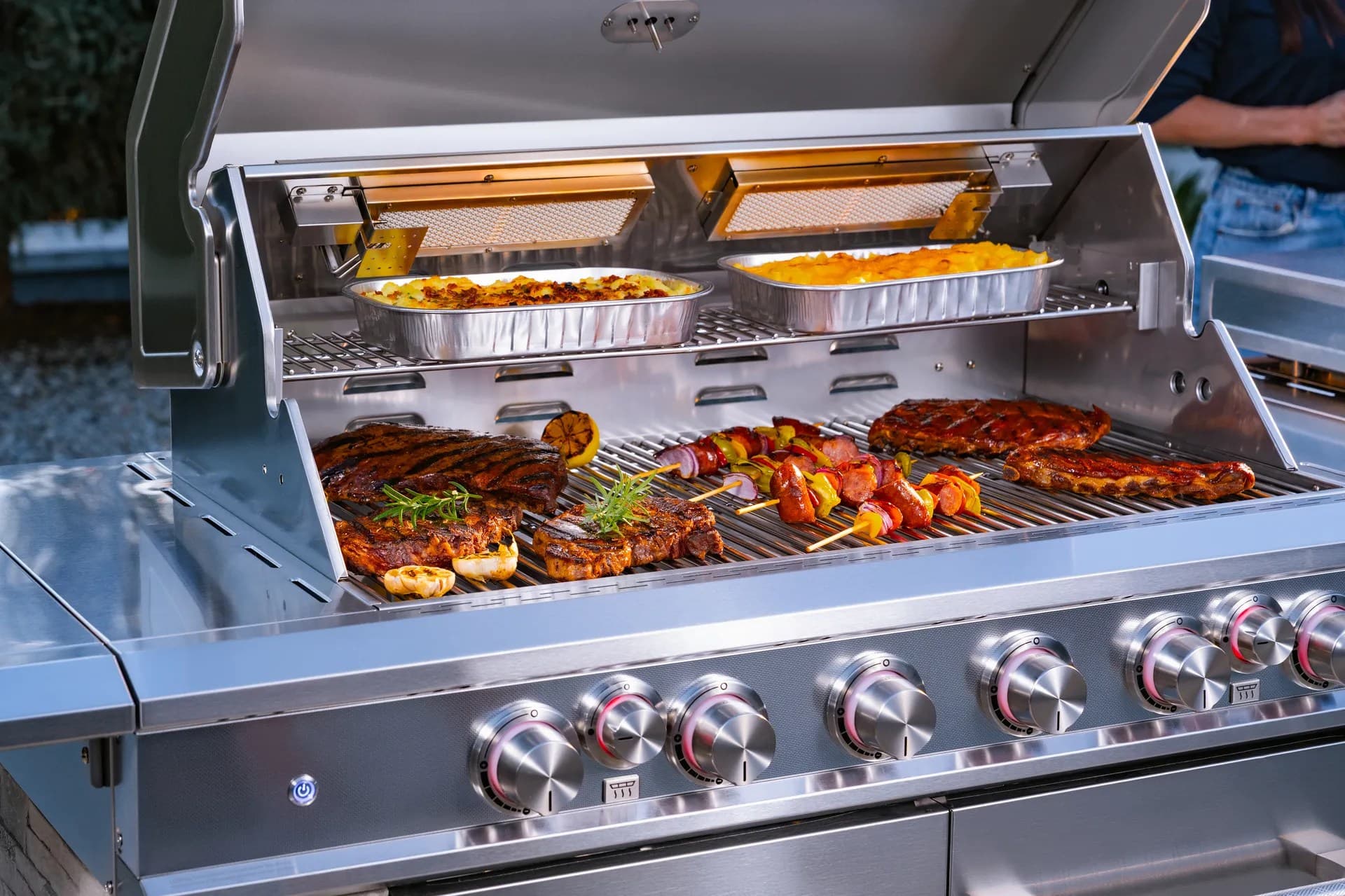
The first thing to evaluate is not the rotisserie kit itself, but whether the grill is engineered to support it. A proper rotisserie setup needs a rear burner or another heat source positioned to deliver consistent radiant heat from the back of the cookbox. On a 4-burner grill, that rear heat should complement the main burners instead of fighting them. The best results come when the main burners are used low or off, creating a stable environment where the food rotates through gentle, even heat. If the grill’s lid is too shallow, the food will crowd the top and cook unevenly; if the cookbox is too narrow, the spit can be awkward to balance with larger birds or roasts.
Cooking area is another critical factor. A four-burner grill usually gives enough room for a family meal plus a rotisserie item, but the usable layout matters more than the raw square inches. Look for grates that allow you to keep side dishes warm while the rotisserie runs, and check whether the warming rack can stay in place without interfering with tall cuts. If you frequently cook for 6 to 10 people, a wider main grid can make the difference between a relaxed cookout and constant shuffling of food. Buyers often underestimate how much room a rotisserie chicken takes up once the spit, forks, and drip path are accounted for.
Material quality deserves a close look because rotisserie cooking tends to run longer than standard grilling sessions. Long cooks expose weak points in the burners, knobs, ignition system, and grease management tray. Stainless steel lids and firebox accents can improve durability, but the real story is how the grill manages heat over time. Heavier lids help retain temperature during windy conditions, while well-fitted burner covers and flame tamers can reduce flare-ups from rendered fat. The finish also matters: smooth, easy-clean surfaces are more forgiving after a roast than textured coatings that trap residue.
Usually enough room for direct grilling, indirect roasting, and a rotisserie setup on the same cookbox.
Ignition reliability is another detail that separates a satisfying ownership experience from a frustrating one. A rotisserie cook is often planned around guests or family timing, so a flaky ignition that requires repeated clicks is more than an annoyance. Side burners are useful, but they should be treated as a bonus rather than the reason to buy the grill. The same goes for storage cabinets and prep shelves: nice to have, but they should not distract from the core need for stable heat, strong hardware, and a rotisserie mount that feels secure.
| Feature | Why it matters for rotisserie cooking | What to look for |
|---|---|---|
| Rear burner | Provides the direct heat source for even rotation. | Stable output and good coverage behind the spit. |
| Lid height | Prevents taller roasts from touching the top. | Enough clearance for chickens, rib roasts, or tenderloins. |
| Cookbox width | Determines how usable the grill remains with the spit installed. | Room for side burners on or off and food staging. |
| Grease control | Rotisserie fat drips can trigger flare-ups if not managed well. | Accessible trays, drip channels, and easy removal. |
Top Picks for 4-Burner Gas Grills
When buyers talk about top picks in this category, they usually mean three different things: the best all-around performer, the best value option, and the best premium grill with the most complete rotisserie experience. Among mainstream brands, Weber often wins on long-standing reliability and broad accessory support, Napoleon tends to stand out for feature density and searing power, Kenmore is often considered for straightforward value-oriented buying, and Monument is frequently attractive to shoppers who want a feature-rich cart without moving into premium pricing.
For a buyer who wants the most balanced package, a well-built 4-burner Weber or Napoleon model with a compatible rotisserie kit is often the safest benchmark. Weber’s appeal is typically its consistent construction and intuitive cooking behavior. If you are the kind of cook who wants predictable heat and a grill that is easy to live with, that consistency matters. Napoleon’s stronger appeal is often in feature depth: more direct heat options, strong lid feel, and options that make indirect roasting feel intentional rather than improvised. In practical terms, both brands can support rotisserie cooking well, but Napoleon is often better suited for cooks who want a bit more hardware flexibility.
Kenmore can be interesting when pricing is a major factor. If you are buying for weekend family use and do not need premium construction everywhere, a value-focused 4-burner grill can still deliver solid roast performance if the burners are even and the cart is stable. Monument, on the other hand, often competes on perceived feature richness relative to cost, which can make it appealing for first-time buyers who want a larger-looking grill with a rotisserie attachment and side burner setup. The trade-off is that buyers should scrutinize sheet metal thickness, wheel quality, and long-term support expectations before choosing based on specs alone.
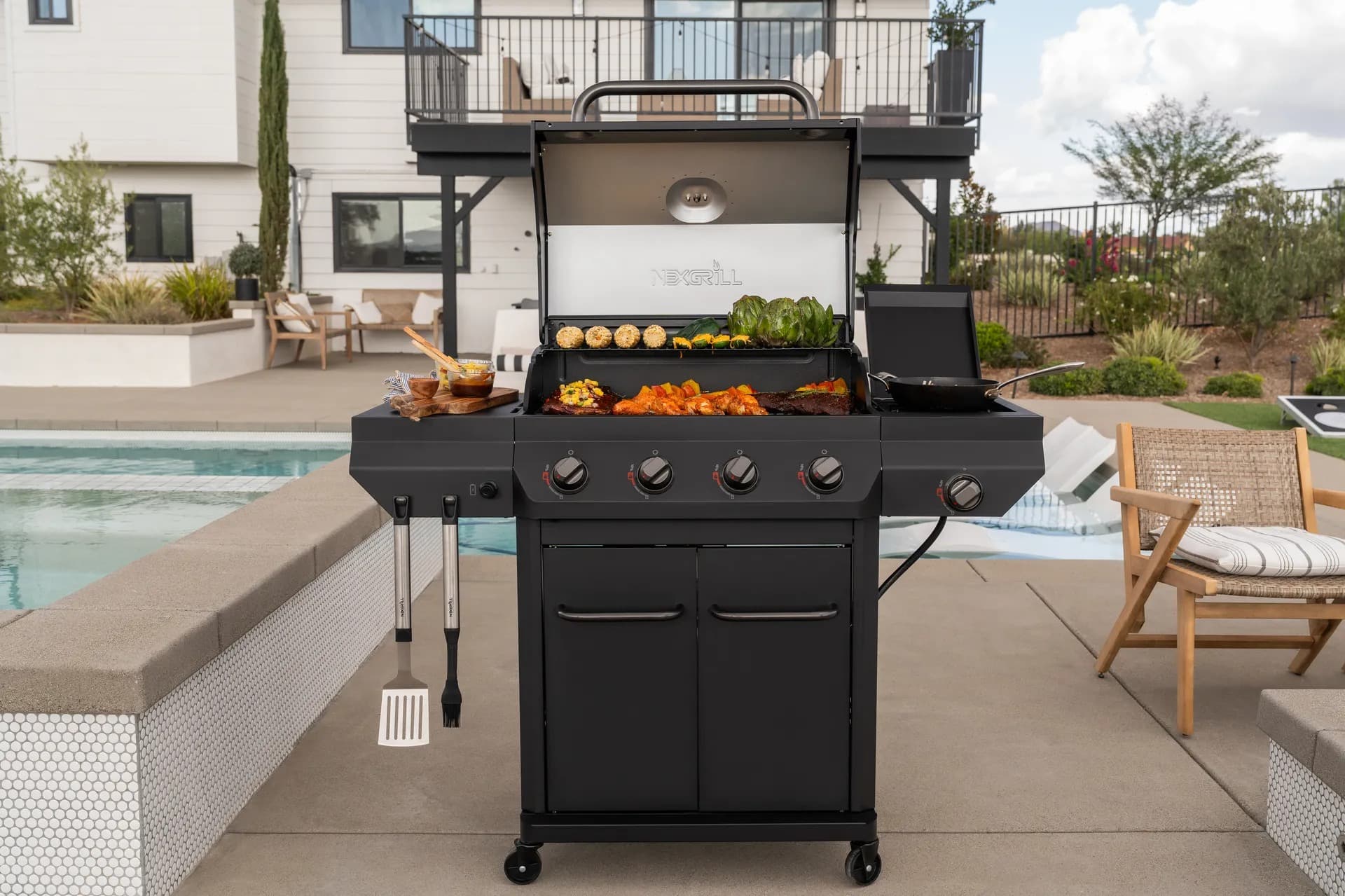
A Nexgrill shopper may also want to compare the category against models like the Nexgrill 4-Burner Propane Gas Grill in Black with Stainless Steel main lid or the 4-Burner Gas Grill with Side Burner in Black when evaluating a rotisserie setup. Even when rotisserie hardware is not the only deciding factor, those models illustrate a common value proposition: practical cooking space, familiar gas-grill controls, and enough structure to support family-sized cooking without jumping into a premium price tier. The goal is to buy the grill that you will actually use week after week, not just the one that looks most impressive on the patio.
If rotisserie cooking is important to you, prioritize rear-burner design and lid clearance before comparing cosmetic extras like handle styling or LED knobs.
In reviewing the field, one pattern becomes clear: a good rotisserie grill is not always the one with the biggest feature list. It is the one where the spit, burner arrangement, and grease handling all work together. If the brands you are comparing force you to choose between a bigger cart and a better cooking chamber, choose the chamber. If the spit motor seems flimsy or the forks are difficult to lock, move on. The best 4-burner gas grill with rotisserie features should make whole roasts feel achievable on a Tuesday night, not like a project reserved for special occasions.
Benefits of Rotisserie Cooking
Once you have compared two grills side by side, the next question is whether rotisserie cooking is actually worth the premium and the extra setup steps. For many home cooks, the answer is yes, because rotisserie cooking heat changes how the food cooks from the outside in. Instead of relying on one stationary hot spot, the meat rotates through heat evenly, allowing fat to baste the surface while the interior finishes more gradually. That is one reason a properly set up rotisserie can be so effective for whole chickens, pork loins, prime rib, and even turkey breast. The result is not magic; it is controlled exposure to heat, which is exactly what a four-burner grill can manage well when its layout is designed for indirect cooking.
The biggest practical benefit is consistency. A rotisserie reduces the need to keep opening the lid, flipping, or micromanaging the position of the protein. That matters because every time the lid opens, temperature drops and the cooking curve becomes less stable. On a 4-burner grill, the ability to shut down or lower the center burners while maintaining gentler outer heat can help the rotisserie perform like a dedicated roasting appliance. This is why many experienced grillers say the feature shines most when paired with patience rather than high heat. A chicken that rotates steadily for a longer period often browns more evenly than one rushed over aggressive direct flames.
There is also a texture advantage. Fat rendering and self-basting help build a crisp exterior without drying out the meat as quickly. That is especially noticeable with poultry skin and the outer crust on roasts. For entertaining, the rotisserie adds visual appeal too. It creates a sense that the meal is being prepared in a more deliberate, restaurant-style way, which resonates with hosts who enjoy serving a centerpiece instead of just a tray of burgers. In the spirit of Nexgrill’s inclusive, communal brand identity, it is also a feature that tends to draw people in and keep them around the grill while the food is finishing.
Rotisserie cooking is best viewed as a method, not just an accessory. If the grill cannot sustain indirect heat for the full cook, the feature loses much of its value.
From a flavor standpoint, rotisserie cooking works especially well when the grill has a clean-burning flame pattern. Excess flare-ups can offset the benefit by scorching the skin or outer fat before the inside is ready. That is why the drip tray, flame tamers, and grease management path deserve the same attention as the spit motor. A smooth, steady roast often reflects the quality of the whole system, not just the accessory. For buyers who enjoy experimenting, a rotisserie also opens the door to better basting, herb-crusted roasts, and mixed seasoning approaches that would be harder to manage on a stationary grate.
User Testimonials and Expert Opinions
Customer feedback on 4-burner rotisserie grills usually clusters around a few themes. Owners like the impressive results on whole chickens and appreciate how the grill can do more than standard burgers and steaks. The most common praise is about even browning and the confidence that comes from not having to babysit the food as closely. Positive reviews often mention that the first successful rotisserie cook changes how often the grill gets used, because it makes Sunday roasts, holiday birds, and weekend entertaining feel more approachable. That kind of repeated use is the best indicator that the feature is adding real value.
The criticisms are just as useful. Some users report that rotisserie kits feel underbuilt or that the spit is awkward to store. Others note that a grill may advertise rotisserie compatibility, yet the lid height or rear burner coverage does not make the cooking experience especially enjoyable. Experts who test grills tend to look for the same things: ignition consistency, evenness across the cookbox, and whether the grill remains easy to use after the novelty wears off. Publications like Serious Eats and Consumer Reports are helpful here because they repeatedly emphasize performance, build quality, and repeatability over flashy marketing language, which is exactly the lens buyers need when comparing this category.
A smart way to interpret testimonials is to separate accessory satisfaction from core grill satisfaction. If a reviewer loves the rotisserie result but complains about unstable side shelves, that tells you the feature works but the cart may be compromised. If another reviewer says the grill heats evenly but the rotisserie motor is noisy, that may still be acceptable depending on how often you plan to use the feature. The strongest overall reviews usually come from owners who describe the grill as reliable for both everyday and special-occasion cooking. That dual use is what buyers should seek if they want value rather than novelty.
Expert opinions also tend to align on one important point: the best grills in this category are not simply larger versions of smaller units. They are purpose-built to maintain zones. That means the best models give you enough control to make the rotisserie one tool among several, not the only reason to buy. For U.S. households that cook year-round in varied conditions, that flexibility matters more than a high BTU headline. A grill that can sear steaks, hold vegetables warm, and roast a bird evenly is more useful than one that only looks substantial on a spec sheet.
Treat user reviews as performance clues, not final verdicts. Look for repeated comments about even heat, sturdiness, and grease management before trusting star ratings alone.
Maintenance Tips and Common Issues
Rotisserie grills need a little more attention than standard 4-burner models because the cooking method exposes the grill to longer heat cycles and more fat runoff. Start with the spit and forks. They should be washed after each use, dried thoroughly, and stored where the locking points do not bend. A spit rod that is slightly warped can throw off balance on the next cook, which increases motor strain and can cause uneven rotation. Cleaning the rod before grease hardens also makes disassembly much easier. The motor housing should be kept dry and protected from weather whenever possible.
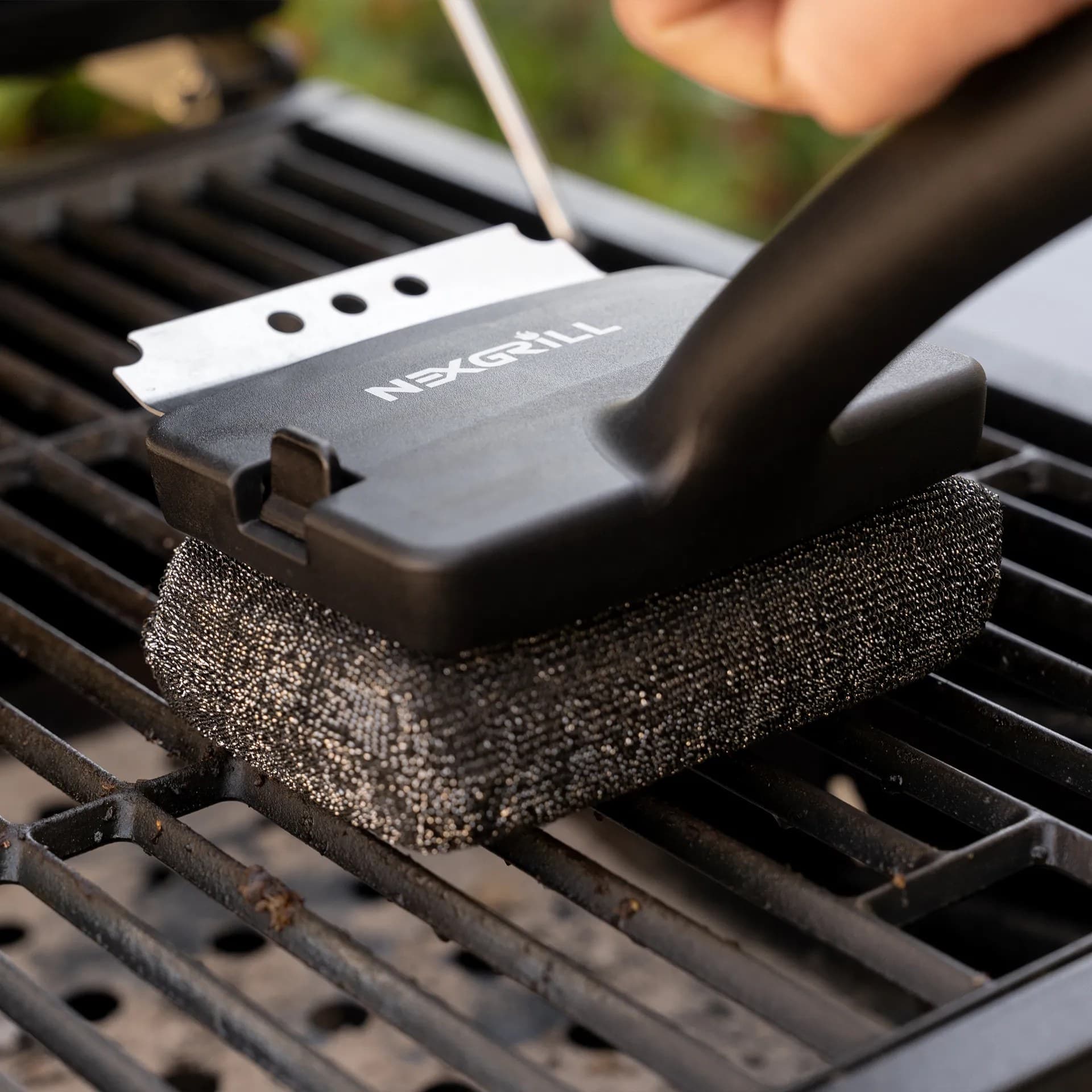
Inside the grill, the most important maintenance task is managing grease. Rotisserie cooks often produce more dripping than direct grilling, so the drip tray should be checked and emptied promptly. Burned-on grease can attract smoke, cause flare-ups, and make the grill harder to clean next time. Burner ports should be inspected periodically for clogging, especially if you cook fatty cuts often. If one side of the grill is heating unevenly, blocked ports or debris around the burner tube are common culprits. A simple brush and routine visual inspection go a long way toward preventing this.
A few common issues show up again and again. One is motor imbalance caused by unevenly placed food, which can create wobble and premature wear. Another is lid interference when the food is too large for the cookbox height. In that case, the solution is not to force the roast; it is to choose smaller cuts or a grill with more clearance. Ignition problems also deserve attention because the heat pattern needs to start cleanly and predictably. If the burner lights irregularly, check for debris, moisture, or worn ignition components before assuming the grill itself is failing.
| Issue | Likely cause | Practical fix |
|---|---|---|
| Uneven rotation | Food is not centered or forks are loose. | Rebalance the load and tighten the forks firmly. |
| Excess flare-ups | Grease buildup or heat too high. | Clean drip tray and reduce burner output. |
| Motor strain | Heavy or off-center load. | Use recommended load size and verify balance. |
| Hot spots | Burner pattern or grate unevenness. | Map heat zones and adjust burner settings. |
Weather protection matters too. A cover can help keep moisture off the burners, motor, and control panel, especially in regions with humid summers or winter freeze-thaw cycles. If your grill is stored outdoors year-round, inspecting hose connections and keeping the cabinet free of leaves and insects can prevent annoying startup issues later. In this category, low-maintenance is more realistic than maintenance-free, and that small distinction saves money and time over the life of the grill.
Price Range and Value Assessment
In the United States, 4-burner gas grills with rotisserie capability usually fall into a broad range that reflects construction, included accessories, and brand positioning. Value-oriented models can start in the mid-range, while more feature-rich units with stainless components, stronger cart construction, and bundled rotisserie kits can rise into premium territory. As a practical shorthand, many shoppers will see the category span roughly from about $400 to $1,500 USD, with some premium packages exceeding that depending on retailer pricing and seasonal promotions. Those numbers are estimates, not fixed rules, but they are useful when planning a budget.
Value does not simply mean the lowest price. The better question is whether the grill delivers enough durability and control to justify its cost over several seasons. If a grill is inexpensive but the rotisserie motor is weak, the burner layout is inconsistent, or the cart rusts quickly, the apparent savings disappear. On the other hand, a slightly more expensive grill that includes a dependable motor, good lid clearance, and easier cleanup can save frustration and replacement costs. For many households, the sweet spot is the model that feels sturdy enough for frequent use without pushing into luxury pricing that adds features they will never touch.
This is where brand comparison becomes useful. Weber often earns trust for consistency and support expectations. Napoleon can justify higher spending when buyers want a polished feature set and strong all-around performance. Kenmore may win on accessible pricing, especially if the cook will mostly use the grill for family meals and only occasionally roast on the spit. Monument can look compelling when the spec sheet appears generous for the price, but shoppers should confirm the quality of the rotisserie hardware and cart structure. Nexgrill’s own value proposition fits squarely in this conversation: approachable pricing, practical features, and the kind of outdoor-cooking focus that helps more households step into rotisserie cooking without overcommitting their budget.
If you cook rotisserie food only a few times a year, do not overbuy. If you will use it regularly, paying more for stability and even heat is usually worth it.
Conclusion and Recommendations
The best 4-burner gas grill with rotisserie features is the one that balances heat control, solid construction, and a rotisserie system you will actually enjoy using. If your priority is dependable everyday grilling with occasional roast nights, focus on balanced mid-range models that offer strong indirect zones and reliable ignition. If you host often or plan to cook whole birds and roasts regularly, it makes sense to move up to a grill with sturdier materials, better lid clearance, and a more confident motor. The rotisserie feature should feel like an extension of the grill, not an afterthought.
For most buyers, the smartest path is to compare the top contenders by how they behave in real life rather than by marketing copy. Think in terms of balance, cleanup, and repeatability. Read reviews for patterns, not isolated opinions. Measure your patio space, verify the grill’s height with the spit installed, and decide how often you genuinely plan to use the feature. If you do that, you will end up with a grill that adds more variety to your cooking without complicating the experience.