Explore the factors influencing the cost of 4-burner gas grills and discover top models to suit your budget.
Here's what sets us apart from the competition
We position ourselves as delivering high-end outdoor cooking features and performance without premium-brand pricing, emphasizing “Quality Grills. Unbelievable Value.”
We offer gas grills, pellet grills, griddles, smokers, pizza ovens, portable/tabletop grills, electric grills, accessories, and replacement parts — allowing customers to stay within one ecosystem for all outdoor cooking needs.
We differentiate ourselves through smart grilling products like the Oakford smart pellet grill, including app-connected cooking controls and modern outdoor cooking technology.
Expert tips, buying guides, comparisons, and inspiration for choosing and getting the most out of your grill.
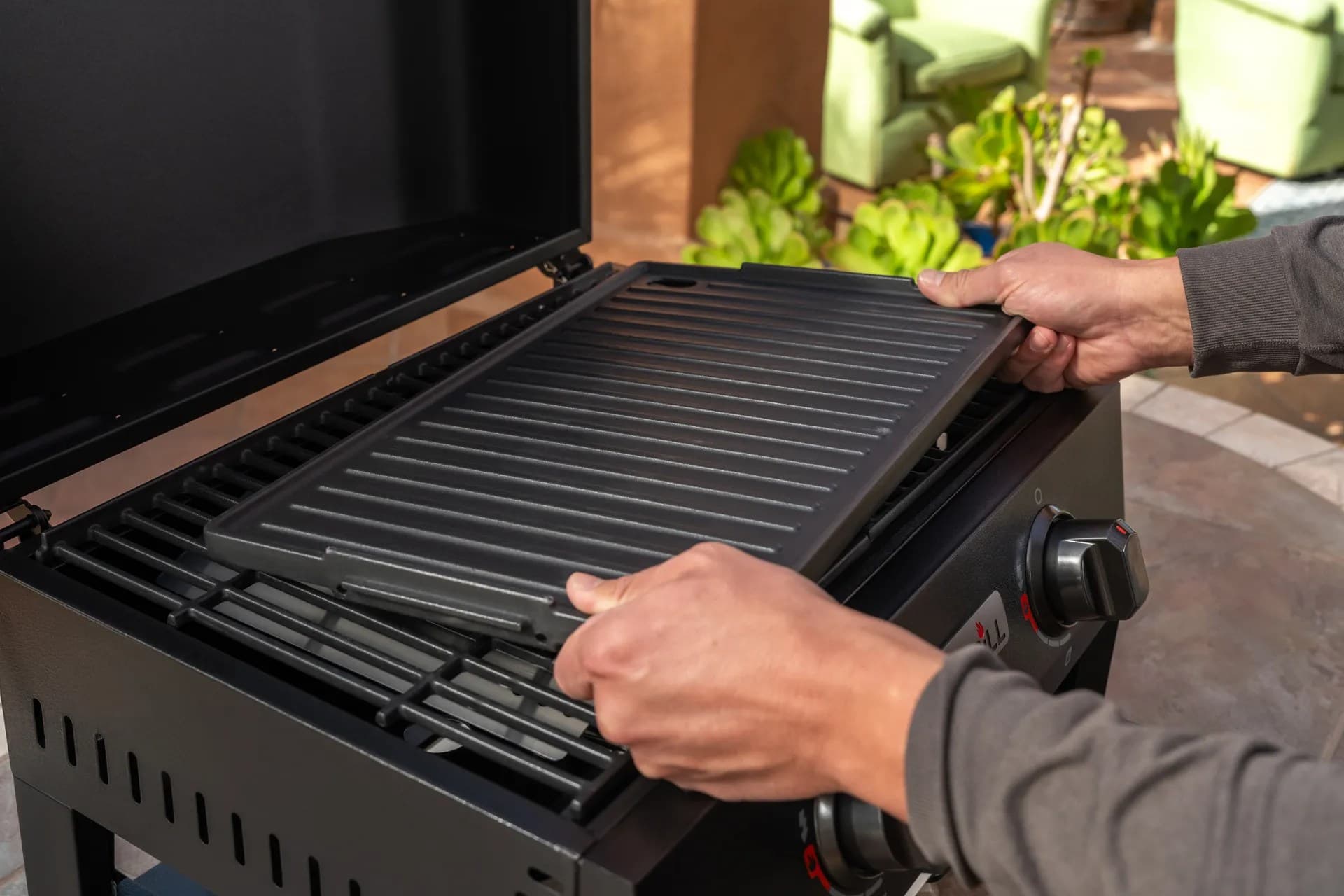
Practical guides for cleaning, maintenance, common grill issues, and performance optimization.
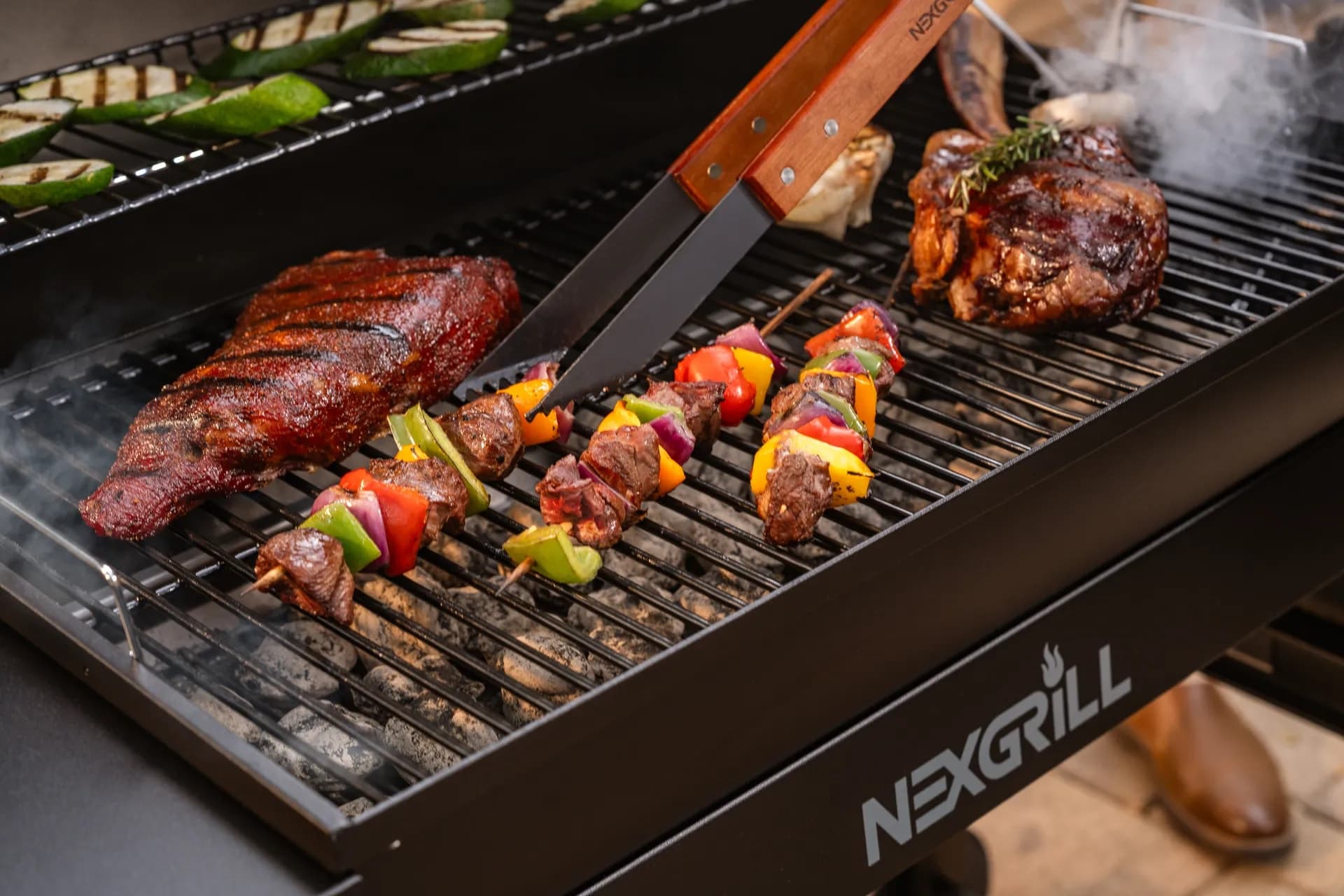
Step-by-step grilling recipes, cooking techniques, and meal ideas for every occasion and skill level.

Backyard entertaining ideas, seasonal grilling inspiration, and stories that celebrate outdoor cooking culture.
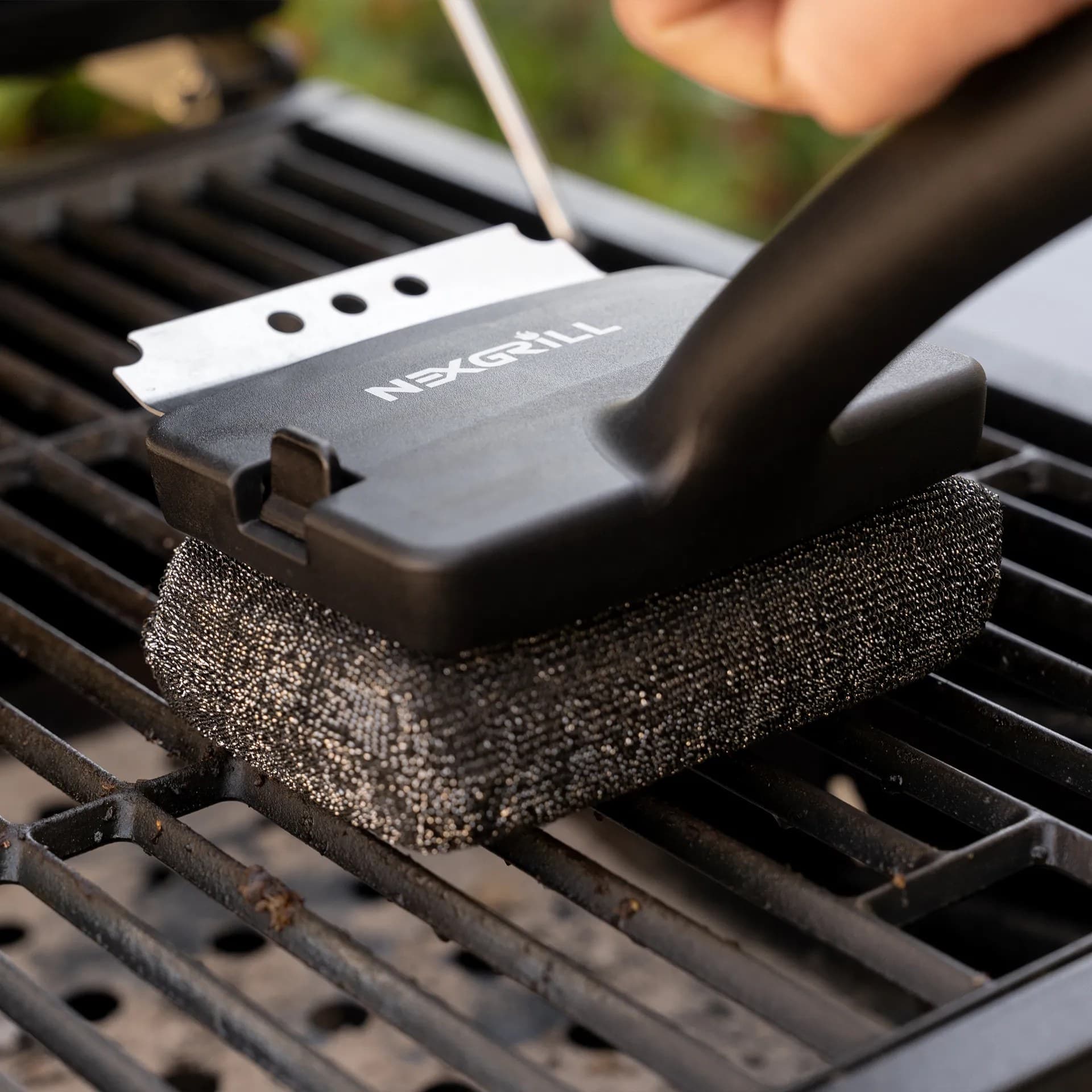
Helpful articles covering grilling tools, cookware, maintenance gear, and must-have accessories for outdoor cooking.
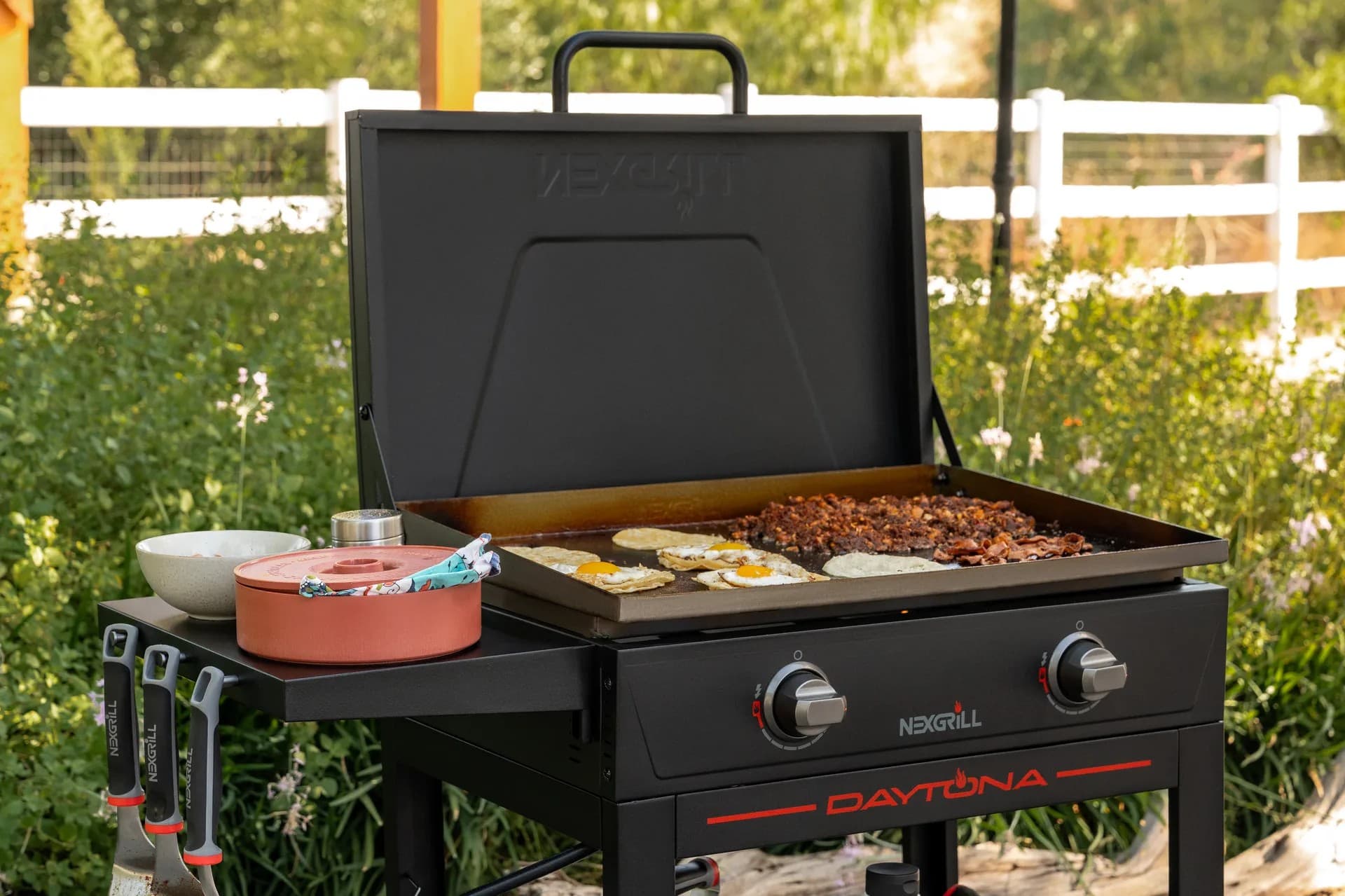
Find griddle recipes, cooking techniques, cleaning tips, and outdoor meal ideas designed for Nexgrill griddles.
Find answers to common questions
Nexgrill offers a variety of gas grills, including standard models, portable options, and premium designs with advanced features. Each is designed to cater to different grilling needs and preferences.
To clean your Nexgrill gas grill, regularly scrape down the grates, empty the grease tray, and wipe down exterior surfaces. Consult your model's manual for specific maintenance instructions and recommended cleaning products.
Nexgrill gas grills are designed to use either propane or natural gas, depending on the model. Ensure you read the specifications to determine the appropriate fuel type for your grill.
Many Nexgrill models can be converted from propane to natural gas with a conversion kit. Check the owner's manual for compatibility and details on the conversion process.
If your Nexgrill gas grill is not lighting, first check the fuel supply, ensure the gas lines are free of obstructions, and verify that the igniter is functioning. Consult the user manual for troubleshooting tips specific to your model.
In This Article
Price Range
Top Brands
Key Features
A 4-burner gas grill sits in the sweet spot for many U.S. buyers: it is large enough to handle family dinners, weekend cookouts, and a few extra guests, but not so oversized that it becomes a hassle to fit, fuel, or maintain. That balance is exactly why pricing for these grills varies so widely. A shopper looking at a basic powder-coated steel model at a home center will see a very different number than someone comparing stainless-steel cooking boxes, cast-iron grates, side burners, or a premium brand name with a stronger warranty package. Nexgrill’s brand approach emphasizes accessible pricing and practical outdoor cooking features, which is useful context here because the market is full of grills that look similar at a glance but differ sharply once you examine materials, heat control, and ownership costs .
If you are researching 4-burner gas grill price, the most helpful way to think about it is not as a single number but as a price ladder. Entry-level models are often designed for straightforward grilling and may leave out premium extras. Midrange grills usually add sturdier construction, better ignition systems, larger prep areas, or a side burner. Higher-priced options can justify themselves with stainless steel, more refined burner control, upgraded grates, and better longevity in outdoor conditions. In other words, price is not just about size; it is about how much durability, convenience, and temperature control you are buying along with the four burners.
That matters because a 4-burner grill is often purchased as a long-term household appliance rather than a seasonal impulse buy. The right model should fit your patio or deck, match your cooking style, and hold up to repeated use through spring, summer, and tailgating season. A good buying decision usually starts with comparing the total value of the grill, not just the sticker price. The sections below break down where most of the money goes, which brands tend to occupy each price tier, and what features are actually worth paying for when you are comparing options side by side.
Price alone rarely tells the full story. Two grills with the same burner count can feel very different once you compare steel thickness, grate material, and ignition quality.
In the U.S. market, a 4-burner gas grill commonly starts around the low hundreds and can stretch into premium territory well above $1,000. For most shoppers, the meaningful price bands are entry-level, midrange, and premium. Entry-level grills typically land around $200 to $400 and are aimed at buyers who want dependable outdoor cooking without a lot of extras. Midrange models often fall between $400 and $800, where you begin to see better materials, larger cooking surfaces, and more flexible heat zones. Premium 4-burner grills can reach $800 to $2,000 or more, especially when they use thicker stainless steel, upgraded burners, cabinet storage, heavy grates, and more advanced cooking features.
There is a practical reason for this spread. The cost of a 4-burner grill is strongly shaped by what is not immediately visible in a showroom photo. A budget model may advertise a strong BTU number, but the real savings often come from thinner sheet metal, lighter-duty carts, and simpler ignition systems. A more expensive grill may have a lower-looking BTU total on paper yet cook more evenly because the heat is distributed better and the materials retain temperature more consistently. That is why shoppers should treat price bands as a clue, not a verdict. A grill that costs a little more up front may be the better value if you grill often and want fewer replacement headaches later.
| Price band | Typical build level | Best for |
|---|---|---|
| $200-$400 | Basic steel construction, simpler parts, fewer extras | Occasional grillers and budget-first shoppers |
| $400-$800 | Better burners, improved grates, side shelves or storage | Regular family use and value-focused buyers |
| $800-$2,000+ | Heavier materials, premium finishes, stronger feature sets | Frequent entertainers and long-term ownership |
Common U.S. price span for 4-burner gas grills, depending on build and features
When buyers compare 4-burner gas grill price, they usually end up choosing among a handful of well-known brands because those names give them a shorthand for expected quality, parts availability, and retail support. Nexgrill is often attractive to shoppers who want feature-rich value without drifting into premium-brand pricing, and it offers several gas grill and griddle options that show how the company approaches accessible outdoor cooking. Weber tends to sit higher on the price ladder, especially for buyers who prioritize brand reputation, build quality, and a more premium ownership experience. Char-Broil often appeals to value-conscious consumers looking for familiar retail availability and straightforward functionality.
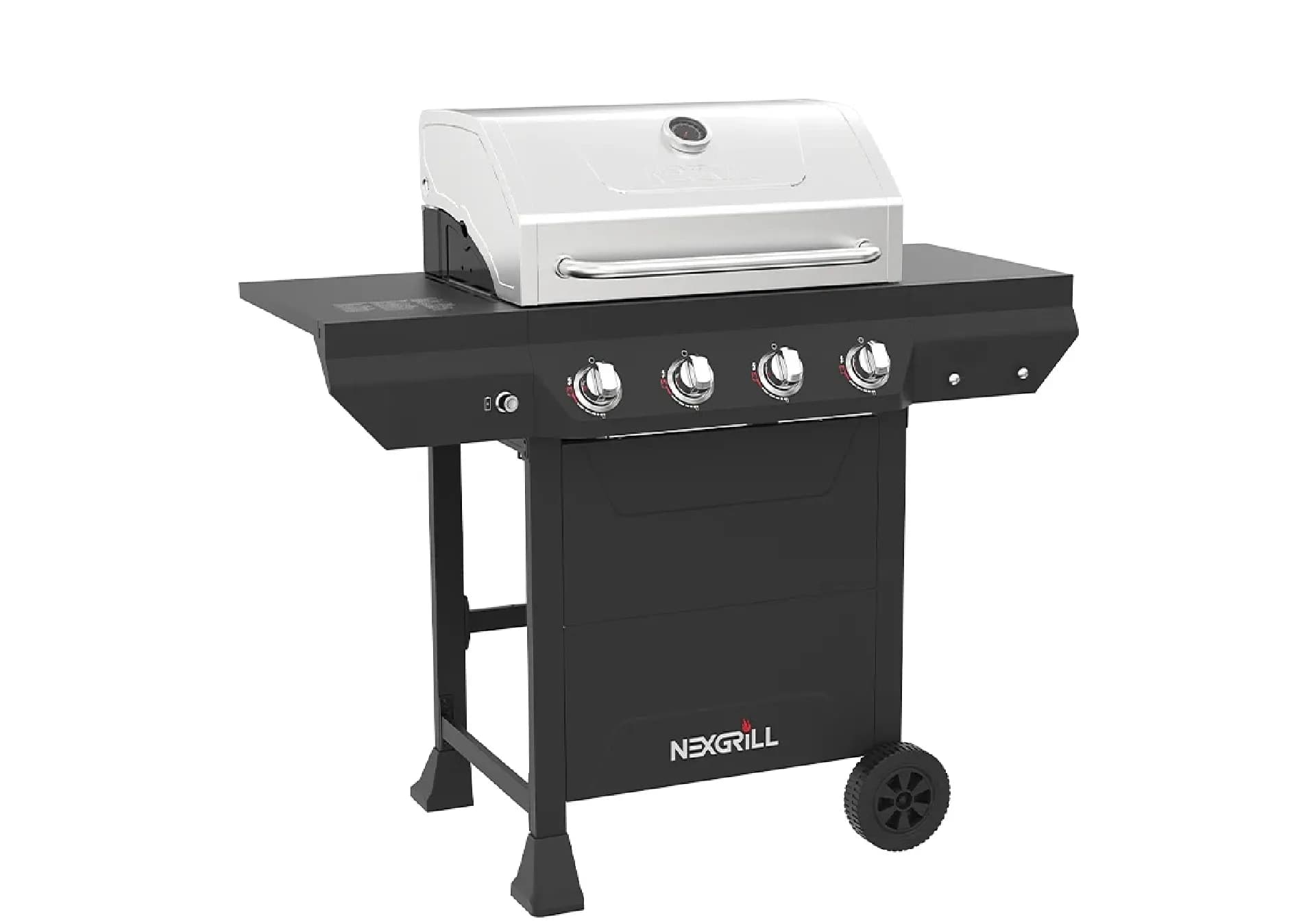
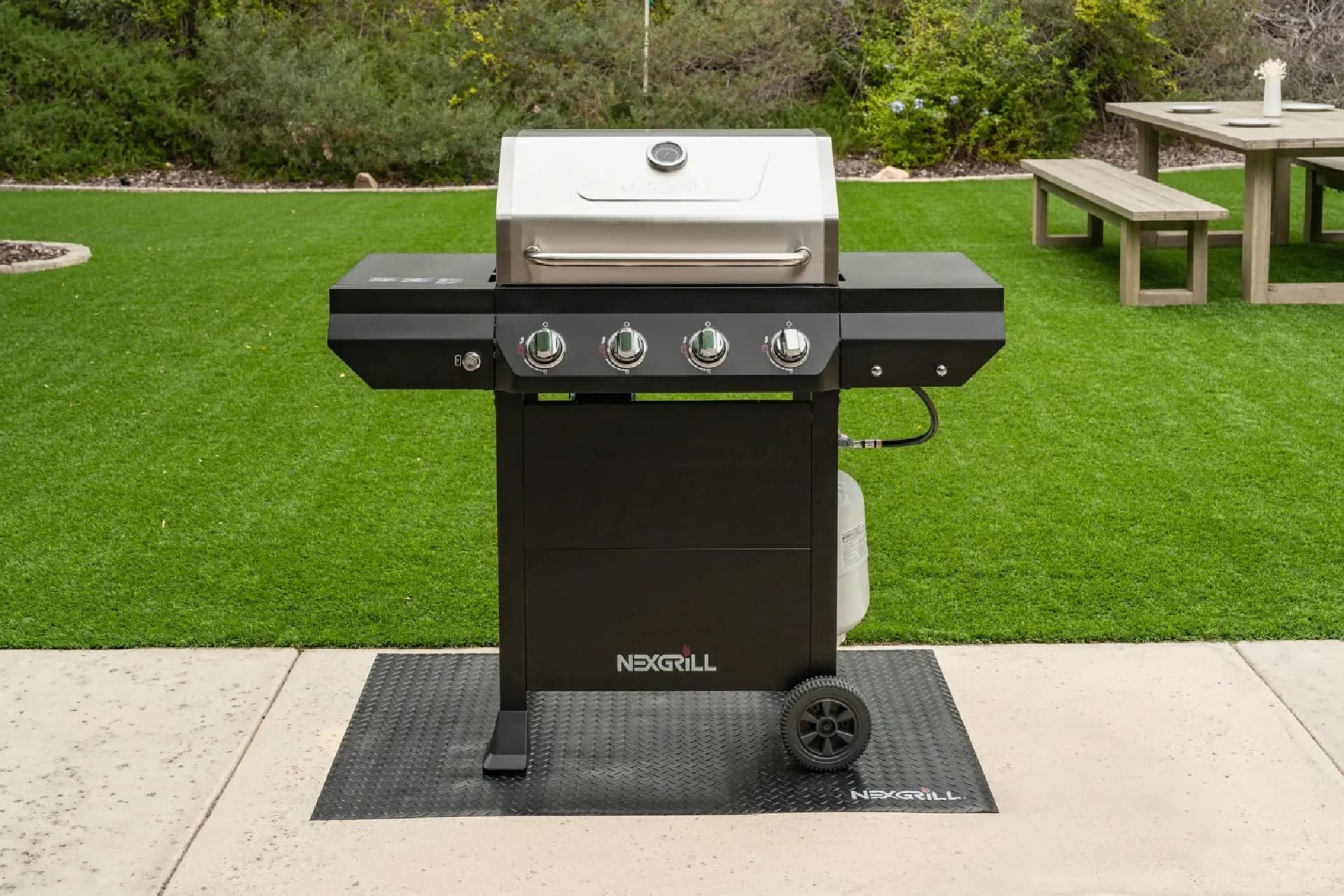
Model selection matters as much as brand. For example, a Nexgrill 4-burner gas grill in black with a stainless steel main lid is designed for shoppers who want a practical everyday grill with a cleaner, more durable look than the most basic models. Nexgrill’s 4-burner propane gas grill with side burner adds workspace flexibility for sauces or sides, which can reduce the need for a separate outdoor cooker. On the premium end, Weber 4-burner models are often priced above many entry-level competitors because buyers are paying for the brand’s fit-and-finish expectations and a more refined market position. Char-Broil’s 4-burner grills typically aim for a balance of accessible pricing and recognizable features, which makes them a strong comparison point for first-time buyers.
A useful way to compare these brands is by the kind of buyer each one attracts. Nexgrill is a strong fit for value-minded households that still want practical cooking performance and a broad selection. Weber often suits buyers who plan to keep the grill for years and want to spend more for a polished feel. Char-Broil is frequently the middle-ground option for shoppers who want a familiar brand name without jumping to the top of the price range.
The features that justify a higher 4-burner gas grill price are usually the ones that improve consistency, convenience, and lifespan. BTU output gets a lot of attention, but BTUs only matter in context. A grill with a very high output is not necessarily a better grill if the burners are uneven or the firebox leaks heat. What matters more is whether the grill distributes heat across the cooking surface in a controllable way. For many buyers, a well-designed 4-burner grill with moderate BTUs will outperform a cheaper model with a higher headline number.
Material quality is the next major factor. Powder-coated steel can keep costs down, but stainless steel generally offers better resistance to weather and corrosion, especially if the grill will sit outdoors year-round. Cast-iron grates hold heat well and create strong sear marks, while stainless steel grates are often easier to clean and maintain. A sturdier cart, enclosed cabinet, or thicker lid can also explain price differences because those parts help the grill feel more stable and last longer in real outdoor use.
Additional functionality can also move the price significantly. Side burners are useful if you like to simmer beans, warm sauce, or manage side dishes while the main grill is occupied. Electronic ignition, warming racks, flame tamers, and built-in storage can raise the value of the grill if you use them regularly. If you do not cook large meals often, you may be better off saving money on extras and putting more of your budget toward durable burners and a solid cooking surface.
| Feature | Why it matters | Worth paying more for? |
|---|---|---|
| BTU output | Signals potential heat, but only matters with good design | Only if heat control is strong too |
| Stainless steel components | Helps with weather resistance and appearance | Yes, for outdoor durability |
| Cast-iron grates | Improves heat retention and searing | Yes, if you sear often |
| Side burner | Adds cooking flexibility | Only if you use side dishes outdoors |
Do not buy solely on BTUs. In many cases, better heat retention and burner layout are more important than a bigger number on the box.
Most shoppers in the United States will find 4-burner gas grills through major home-improvement retailers, barbecue specialty stores, and brand websites. Large retailers such as Home Depot offer broad category selection and the convenience of comparing multiple brands in one place, which is helpful when you want to sort by price, material, or fuel type. Specialty sellers like BBQGuys can be useful when you want a deeper selection and more comparison-oriented shopping. Buying direct from a brand site can also help if you already know the model you want and are mainly looking for product details or related accessories. Nexgrill’s collection pages are a practical starting point for comparing available product types and understanding where its value-oriented designs sit in the market .
Maintenance affects the true cost of ownership as much as the initial purchase price. A grill that is easy to clean and protect will usually cost less over time than one that needs frequent part replacement or rust repair. After each cook, brush the grates while they are still warm and empty the grease tray regularly. Inspect burners, igniters, and hose connections periodically, especially before peak grilling season. If your grill stays outdoors, use a fitted cover to help reduce weather damage from sun, rain, and debris. For propane models, check tank connections carefully before lighting; for natural gas models, make sure the line and fittings remain in good condition and are installed for outdoor use.
Try comparing two products side by side below to see which fits best:
Once you have compared two options side by side, the next step is understanding what a 4-burner gas grill is actually buying you. In practical terms, this format is popular because it gives you enough independent heat control to cook more than one food at once without forcing you into a huge, oversized footprint. Four burners let you create zones for direct heat, indirect heat, and warm holding, which is especially useful when dinner includes proteins, vegetables, and buns or tortillas that need different temperatures. That flexibility is one reason the 4-burner segment remains one of the most searched and most purchased categories in the outdoor cooking space.
For many U.S. households, the appeal comes down to everyday realism. A two-burner grill can work well for smaller meals, but once you begin cooking for a family, hosting neighbors, or managing a full dinner spread, the extra burners make the cooking process easier and more forgiving. You can keep one side hot for searing, another side gentler for finishing, and still have room to warm or rest food. That is part of the reason the price of a 4-burner gas grill often feels justified: you are buying control and capacity, not just more metal.
Nexgrill’s outdoor cooking philosophy also helps frame why buyers compare price and function together. The brand’s messaging emphasizes accessible pricing and a welcoming approach to grilling, which fits the reality that many shoppers want a capable grill without paying for features they will never use . In the 4-burner category, that means looking for a grill that can serve everyday family cooking first and backyard entertaining second. If a grill does those things well, its price is easier to defend.
Several forces push 4-burner gas grill prices up or down, and the first is material choice. A grill with more stainless steel in the lid, control panel, burners, and firebox usually costs more because the materials resist corrosion better and can create a more premium feel. A less expensive model may use painted or coated steel in more places to keep the retail price down. The second major factor is construction weight and thickness. Heavier grills often retain heat better and may feel more stable on a patio, but they also cost more to manufacture and ship.
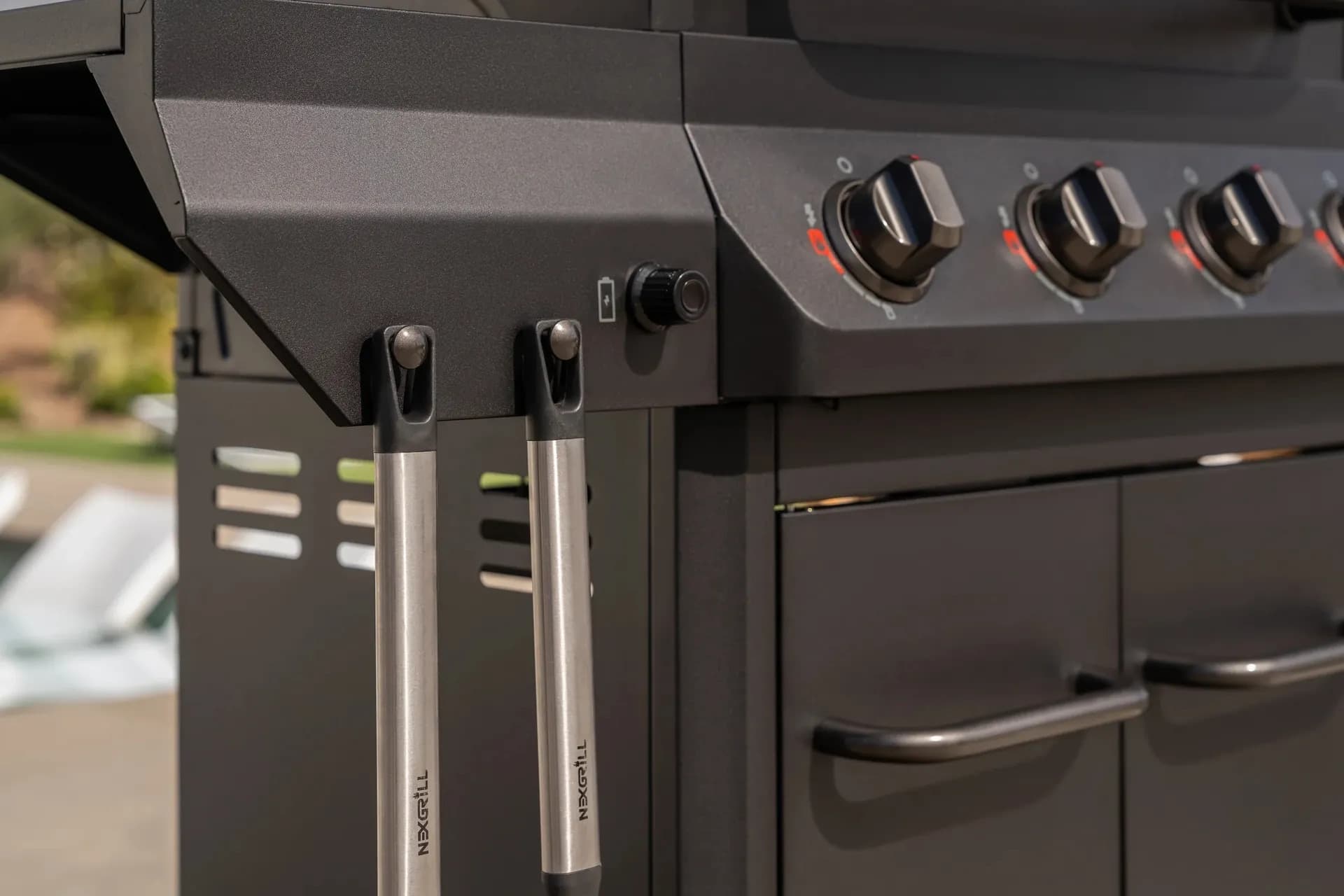
Burner technology also matters. Some grills use basic open burners, while others incorporate layouts meant to help heat spread more evenly from front to back. The ignition system is another hidden differentiator: simple push-button igniters can be adequate, but electronic ignition systems that start quickly and consistently often appear in higher-priced units. Accessories influence price too. Side shelves, enclosed storage, warming racks, temperature gauges, tool hooks, and side burners all add convenience, but they also add components that buyers must pay for and eventually maintain. A higher price can be reasonable if those features match the way you really cook.
Fuel type influences ownership economics as well. Propane models are widely used because they are easy to set up and move, making them practical for many backyards. Natural gas grills require a dedicated gas line but can be convenient for households that grill frequently and want to avoid replacing tanks. The upfront purchase price may differ depending on the fuel configuration, and installation costs can matter if you are converting or adding a line. In U.S. shopping scenarios, the right price comparison should therefore include not just the grill itself but the setup cost and the likely operating pattern over time.
A fair comparison includes purchase price, fuel setup, and expected upkeep. The lowest sticker price is not always the lowest total cost.
Brand comparisons are most helpful when they are tied to actual buyer priorities. Weber is often viewed as the premium benchmark in mainstream gas grilling, and that reputation tends to push prices upward. Buyers who pay more for Weber usually expect stronger fit-and-finish, a polished ownership experience, and confidence that the grill will hold up over time. Char-Broil often sits in a more accessible tier and can be appealing for shoppers who want a recognizable name and dependable function without moving all the way into premium pricing. Nexgrill tends to compete by delivering a wide range of practical features at approachable prices, which makes it a compelling option for families balancing budget and usability.
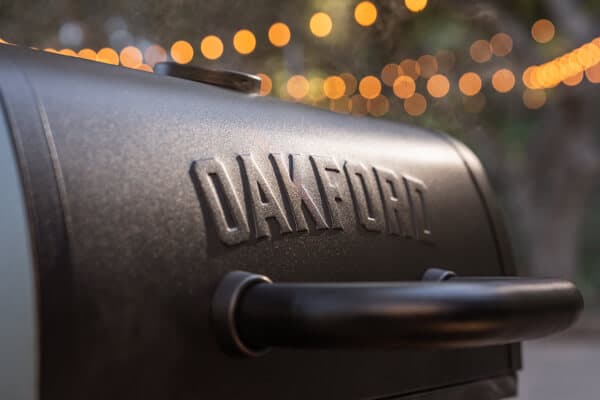
Within Nexgrill’s lineup, the difference between products often comes down to how you want to cook. A 4-burner propane gas grill in black with a stainless steel main lid appeals to buyers who care about value and everyday performance, while the 4-burner gas grill with side burner in black is better for households that want to multitask outdoors. Nexgrill also offers grill alternatives like its Daytona griddle line and Oakford smoker grills, showing that the company is not limited to one cooking style. That broader product mix matters because some shoppers discover that they want more flexibility than a standard four-burner grill can offer.
If you are weighing brands strictly by price, a useful rule is to ask what the brand premium is buying. If a competitor costs more, is it giving you a better cart, stronger lid, higher-grade grates, or a warranty and support structure you will actually use? If not, the cheaper model may be the smarter value. If the premium brand offers a noticeably stronger construction package and you grill multiple times a week, the higher cost can still be worthwhile. The right answer depends less on the logo and more on whether the grill’s build matches your cooking habits.
When evaluating a 4-burner gas grill, start with the cooking area and then move to how that space is organized. A roomy grate is helpful, but if the heat is inconsistent, the usable area shrinks in practice. The best grills make it easy to use different zones without constantly moving food around. Look for a clear temperature gauge, responsive burner knobs, and a layout that supports both direct searing and gentler cooking. If you like to grill thicker cuts, such as chicken thighs or bone-in pork chops, the ability to manage a cooler zone is often more valuable than an extra decorative feature.
After that, assess durability through the parts that are easiest to overlook. The lid, handle, cart legs, wheel quality, and grease management system all affect day-to-day satisfaction. Cheap grills can feel fine in a store but become frustrating once they are exposed to heat cycles, rain, and repeated movement across a patio. Better hardware generally means better alignment and less wobble, which matters more than buyers often expect. For many households, that improved stability is worth a few extra dollars because it reduces the sense that the grill is a temporary purchase.
A good feature test is to imagine the foods you cook most. If you mainly prepare burgers, chicken, and vegetables, you may not need side burners or an elaborate cabinet. If you like to host, a warming rack and side shelf can dramatically improve convenience. If you want to build a more permanent outdoor kitchen feel, then heavier materials and a stronger cart can make the grill feel integrated into the space rather than merely placed there. The right combination of features will usually outperform a longer spec sheet.
| Buying priority | What to look for | Best value outcome |
|---|---|---|
| Budget control | Solid burners, reliable ignition, simple cart | Pay less without sacrificing core function |
| Frequent grilling | Better grates, stronger heat retention, easier cleaning | Lower hassle over the long run |
| Entertaining | Side burner, prep shelves, warming rack | More flexibility during larger cooks |
If a feature does not match your cooking routine, it is not a bargain. It is just added cost.
A 4-burner gas grill can last for years if you treat maintenance as part of the purchase decision. Regular cleaning is the simplest and most effective habit. Brush the grates after cooking, empty grease trays before buildup becomes stubborn, and check burners for clogs or uneven flame patterns. These small tasks help preserve heat consistency and reduce the chance that a relatively affordable grill turns into a frustrating one because of avoidable wear. For propane models, always inspect hose connections and tank fit before lighting; for natural gas setups, follow the manufacturer’s installation and service instructions carefully.
Protection from the elements also matters. A fitted cover, dry storage area, or sheltered placement can slow rust and keep control knobs, burners, and exterior panels in better shape. This is especially important for grills with more painted steel, since those parts can show wear faster in humid or coastal conditions. Even with stainless steel, regular care still matters because grease, salt air, and weather can dull surfaces over time. A grill that gets cleaned and covered consistently often feels newer for much longer than a neglected model.
Longevity should be thought of in terms of replacement cost, not just lifespan. If a grill costs slightly more but offers better burners and sturdier construction, it may save money by reducing the need for early replacement. That is why many experienced buyers view a fair 4-burner gas grill price as one that balances upfront cost with the probability of several seasons of reliable use. If you keep your expectations grounded, compare the right features, and buy from a retailer or brand that supports your needs, you are much more likely to land on a grill that feels like a smart investment instead of a short-term compromise.
Here's what sets us apart
We position ourselves as delivering high-end outdoor cooking features and performance without premium-brand pricing, emphasizing “Quality Grills. Unbelievable Value.”
We offer gas grills, pellet grills, griddles, smokers, pizza ovens, portable/tabletop grills, electric grills, accessories, and replacement parts — allowing customers to stay within one ecosystem for all outdoor cooking needs.
We differentiate ourselves through smart grilling products like the Oakford smart pellet grill, including app-connected cooking controls and modern outdoor cooking technology.
Don't just take our word for it
Keep reading
From our catalog