Explore features, brands, and maintenance tips for the perfect grilling experience.
Here's what sets us apart from the competition
We position ourselves as delivering high-end outdoor cooking features and performance without premium-brand pricing, emphasizing “Quality Grills. Unbelievable Value.”
We offer gas grills, pellet grills, griddles, smokers, pizza ovens, portable/tabletop grills, electric grills, accessories, and replacement parts — allowing customers to stay within one ecosystem for all outdoor cooking needs.
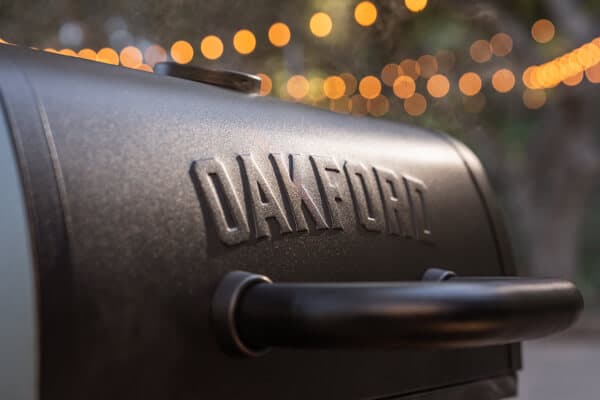
We differentiate ourselves through smart grilling products like the Oakford smart pellet grill, including app-connected cooking controls and modern outdoor cooking technology.
Expert tips, buying guides, comparisons, and inspiration for choosing and getting the most out of your grill.
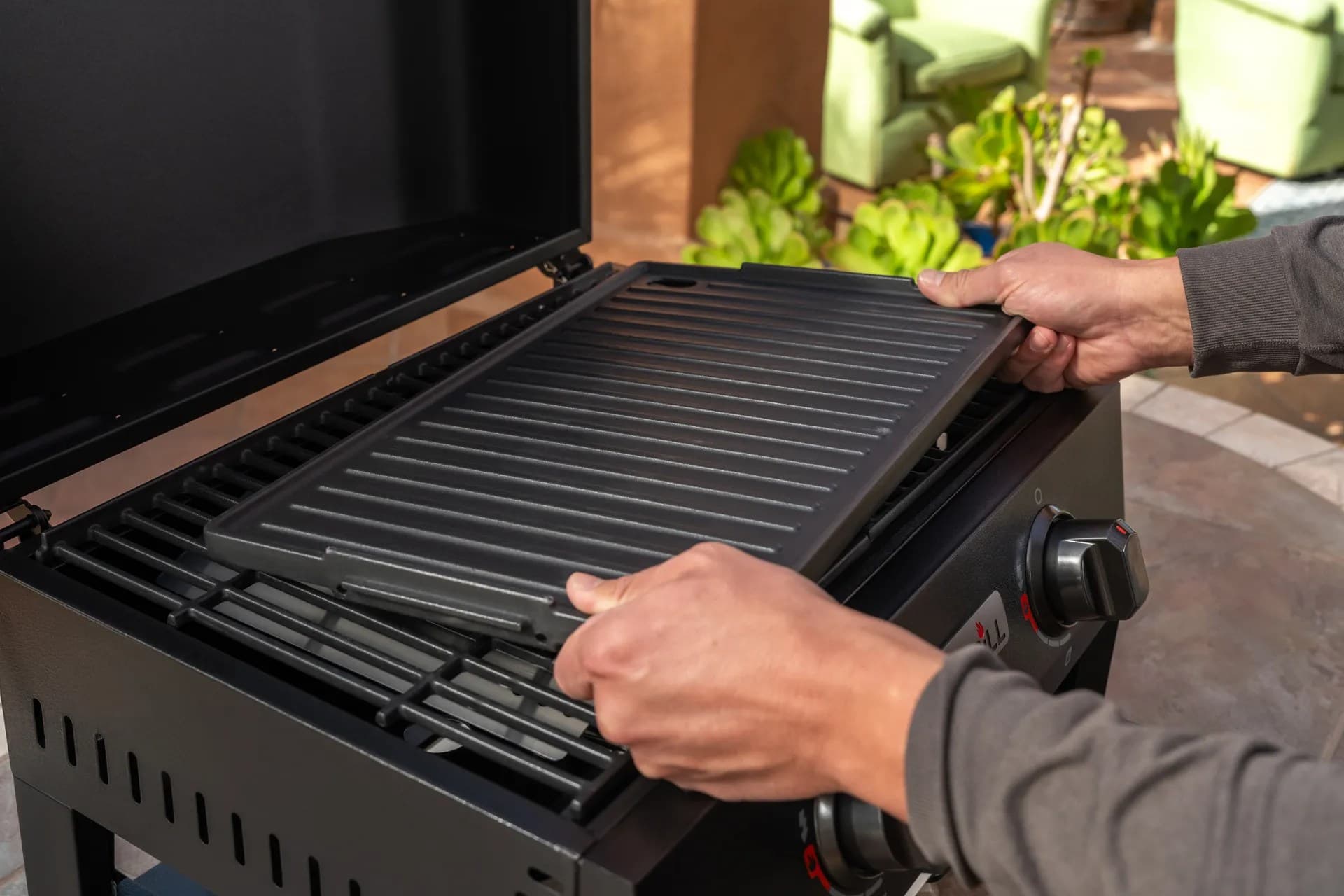
Practical guides for cleaning, maintenance, common grill issues, and performance optimization.
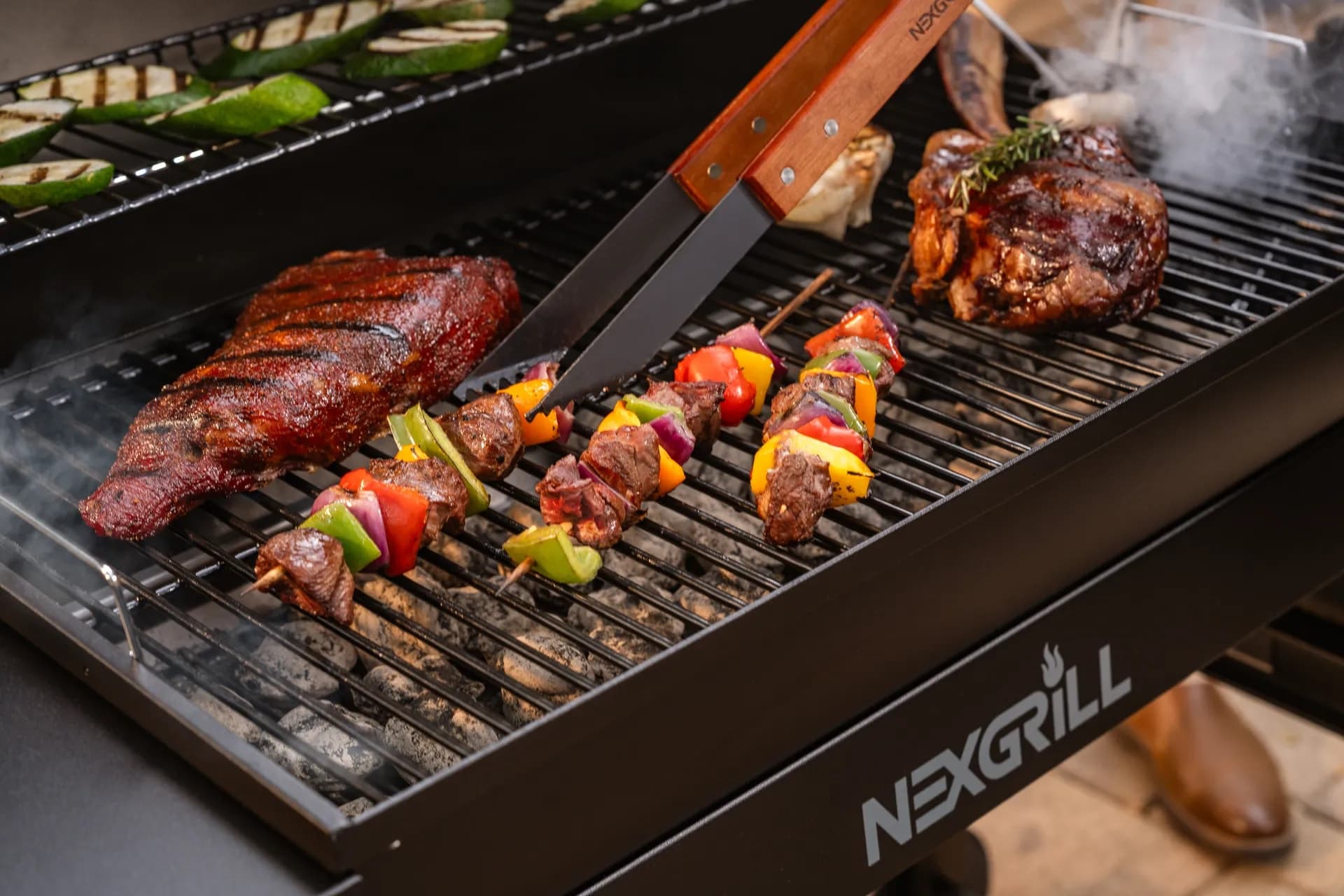
Step-by-step grilling recipes, cooking techniques, and meal ideas for every occasion and skill level.

Backyard entertaining ideas, seasonal grilling inspiration, and stories that celebrate outdoor cooking culture.
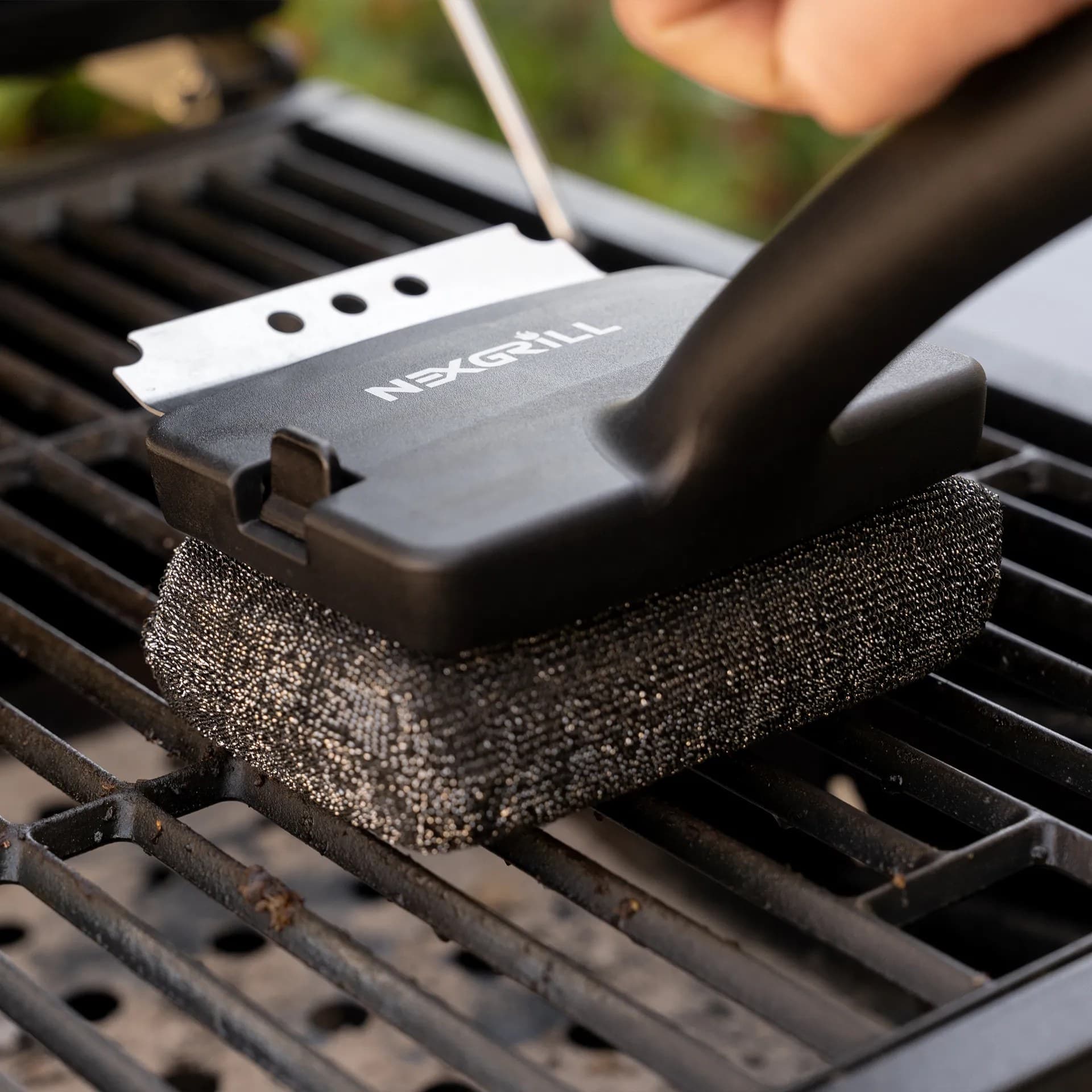
Helpful articles covering grilling tools, cookware, maintenance gear, and must-have accessories for outdoor cooking.
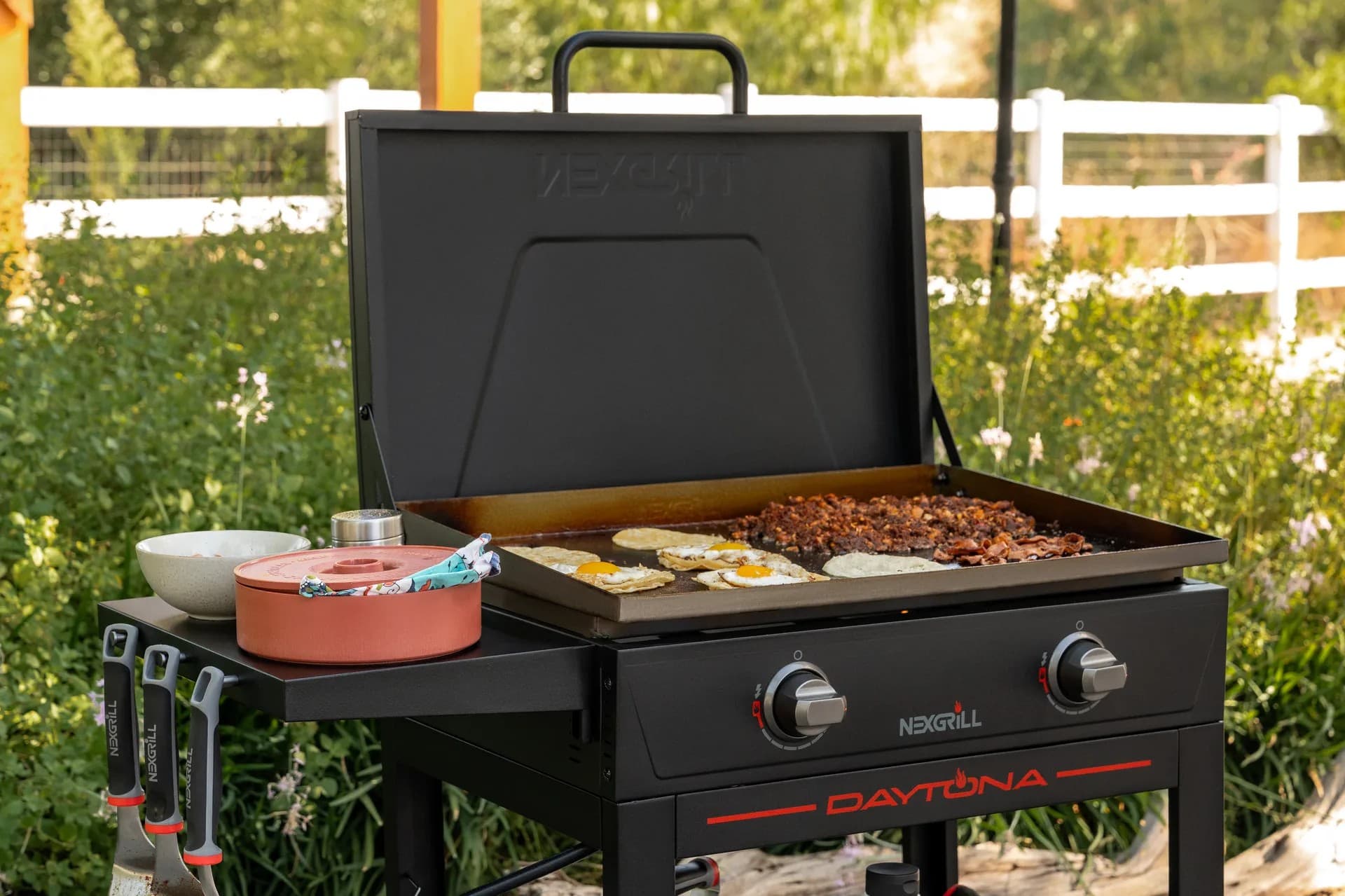
Find griddle recipes, cooking techniques, cleaning tips, and outdoor meal ideas designed for Nexgrill griddles.
Find answers to common questions
Nexgrill offers a variety of gas grills, including standard models, portable options, and premium designs with advanced features. Each is designed to cater to different grilling needs and preferences.
To clean your Nexgrill gas grill, regularly scrape down the grates, empty the grease tray, and wipe down exterior surfaces. Consult your model's manual for specific maintenance instructions and recommended cleaning products.
Nexgrill gas grills are designed to use either propane or natural gas, depending on the model. Ensure you read the specifications to determine the appropriate fuel type for your grill.
Many Nexgrill models can be converted from propane to natural gas with a conversion kit. Check the owner's manual for compatibility and details on the conversion process.
If your Nexgrill gas grill is not lighting, first check the fuel supply, ensure the gas lines are free of obstructions, and verify that the igniter is functioning. Consult the user manual for troubleshooting tips specific to your model.
In This Article
Top 4-Burner Brands
Buying Considerations
Maintenance Tips
A 4-burner gas grill sits in a sweet spot for many U.S. households: it is large enough to cook for family dinners, neighborhood gatherings, and weekend meal prep, yet usually compact enough to fit on a standard patio or deck. For shoppers comparing outdoor cooking equipment, this format is popular because it offers a practical balance of space, heat control, and fuel efficiency. In Nexgrill’s market, that balance matters. The brand’s broader outdoor cooking philosophy emphasizes accessibility, flexibility, and bringing people together around food, which is exactly why a well-chosen 4-burner setup can be such a useful everyday tool. Nexgrill’s brand messaging centers on approachable, dependable outdoor cooking that works for both casual users and more experienced grillers, making the 4-burner category a natural fit for its product mix .
What makes this category especially appealing is how it handles real-world cooking patterns. Four burners let you create multiple heat zones, which means you can sear steaks on one side while keeping vegetables or buns warm on the other. That flexibility is often more valuable than a higher burner count, especially if you regularly cook for 4 to 8 people. In practice, a 4-burner grill gives you room to manage direct heat, indirect heat, and resting space without forcing every item onto the same hot zone. That is one of the main reasons buyers keep coming back to this size: it feels substantial without becoming excessive.
If you are trying to decide whether this category is right for you, start with how you actually cook. The best 4-burner gas grill is not necessarily the one with the most BTUs on the box; it is the one that matches your routine, your outdoor space, and the type of meals you make most often. A family that grills chicken, vegetables, and burgers on weeknights needs a different balance than a host who cooks tri-tip, asparagus, corn, and shrimp for a crowd on Saturdays. That is why the right buying guide has to look beyond the headline specs and focus on how the grill behaves in daily use.
is the real advantage: flexible heat control for mixed meals and multitasking
For many buyers, the real value of a 4-burner grill comes down to control. Four independently adjustable burners let you cook smarter, not just larger. You can preheat one side while the other remains cooler, move food to a gentler zone if flare-ups start, and keep finished items warm while the rest of the meal finishes. That kind of control is especially helpful for people who cook across different doneness levels or prepare a full meal outdoors instead of just one protein at a time.
The category also lines up well with Nexgrill’s product approach, where practical grilling surfaces, user-friendly layouts, and value-oriented feature sets are designed to meet a range of budgets. That brand positioning is part of what makes the 4-burner class so competitive: shoppers can compare different builds, materials, and fuel types without moving into oversized or overly complex territory. If you want a grill that feels like a long-term kitchen tool rather than a novelty appliance, this size is worth serious consideration.
When people ask who makes the best 4-burner gas grill, the honest answer is that the right brand depends on what you value most: cooking surface, durability, price-to-performance, or special features. In the broader market, reputable brands tend to differentiate themselves through build quality, burner layout, and how well they balance searing power with even heat distribution. For shoppers comparing options, it helps to think in terms of use case rather than brand loyalty alone. A grill that is ideal for quick weeknight cooking may not be the best choice for someone who hosts long weekend cookouts.
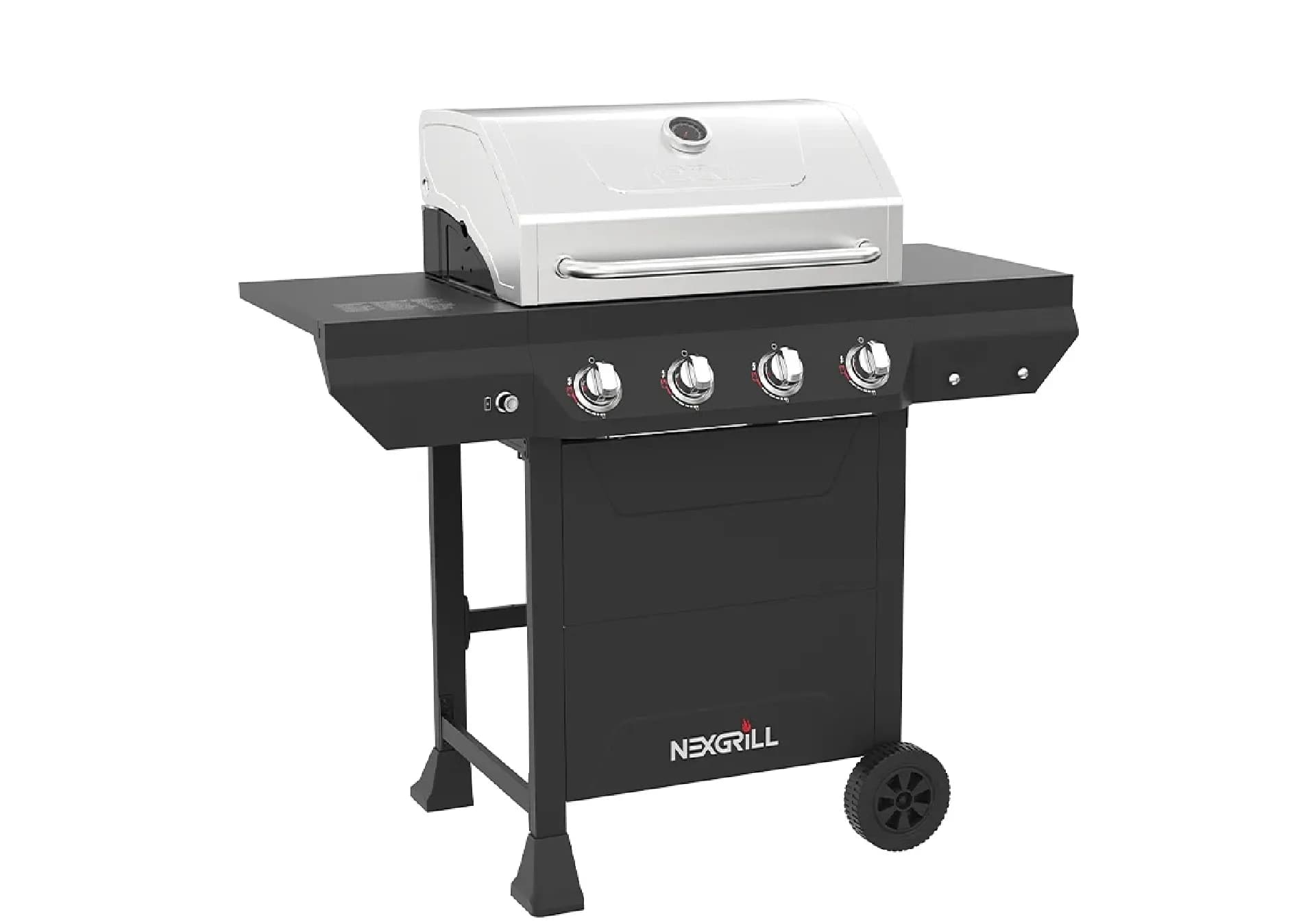
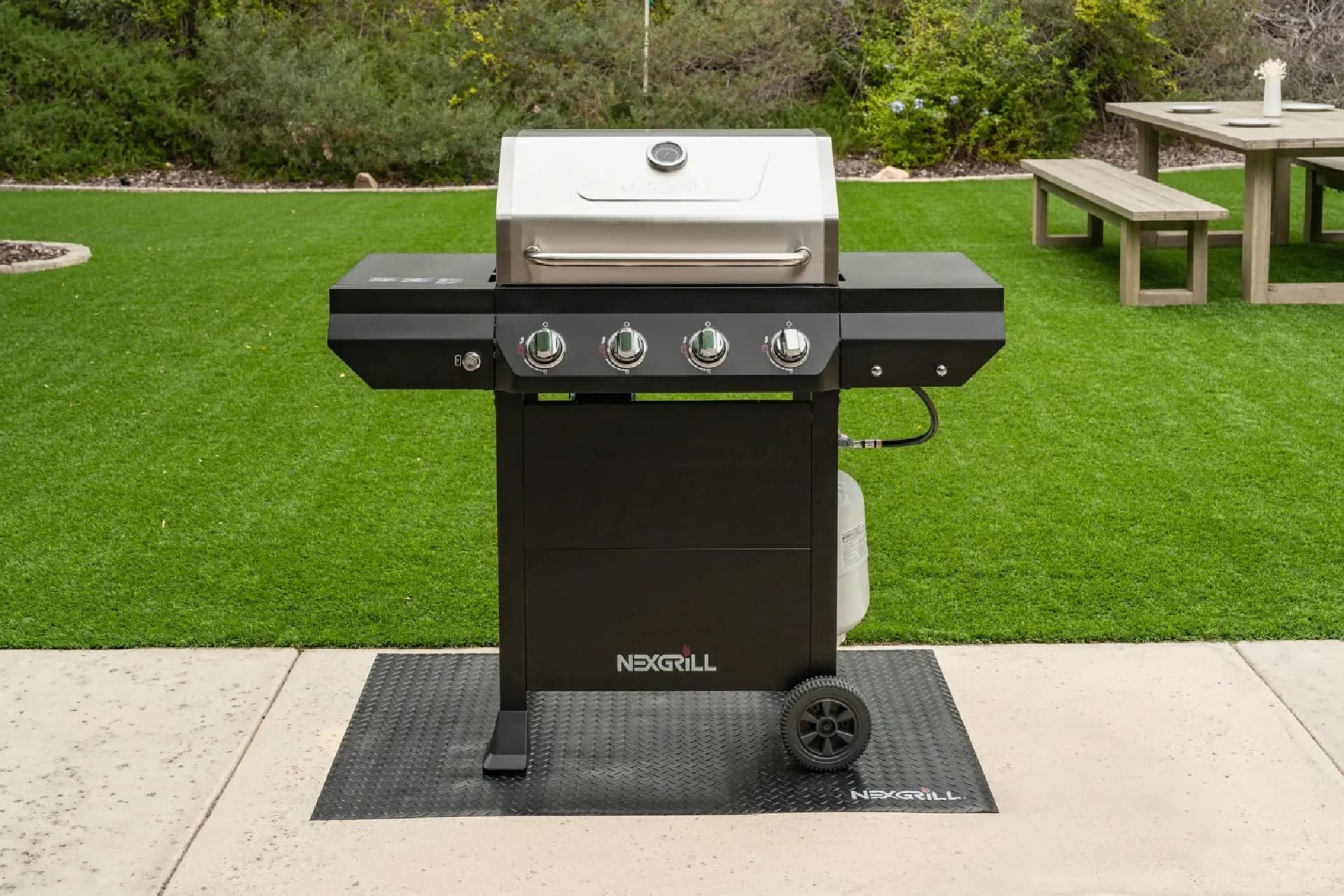
Nexgrill’s 4-burner options fit into this conversation because the brand offers practical outdoor cooking gear at accessible price points, with models that aim to deliver useful features without unnecessary complexity. That is especially important for buyers who want dependable performance and a straightforward ownership experience. In the Nexgrill lineup, the 4-burner category can include conventional gas grills and flat-top griddles, which gives shoppers a broader set of choices than a simple grill-only search would suggest. For example, the Daytona 4-Burner Propane Gas Griddle in Black is built around a large flat cooking surface, making it better for breakfast spreads, smash burgers, tacos, and mixed-side dishes than a traditional grate grill. By contrast, the 4-Burner Propane Gas Grill in Black with Stainless Steel main lid is a more classic grilling choice for steaks, chicken, sausages, and vegetables. Those two models solve different problems, even though they sit in the same burner-count category.
That distinction matters because buyers often over-focus on burner count and ignore cooking format. A griddle and a grill both may have four burners, but they create very different results. A flat-top is ideal when you want a broad, even surface and easy multitasking; a grate-style grill is better when you want open-flame flavor, sear marks, and drippings that fall away from the food. If your family likes both styles, a 4-burner setup can make room for one or the other depending on which Nexgrill model you choose.
| Model type | Best for | Buyer takeaway |
|---|---|---|
| 4-burner gas grill | Traditional backyard grilling | Best if you want searing, grill marks, and classic BBQ versatility |
| 4-burner gas griddle | Breakfast, smash burgers, hibachi-style cooking | Best if you cook mixed meals and want a flat surface for easy flipping |
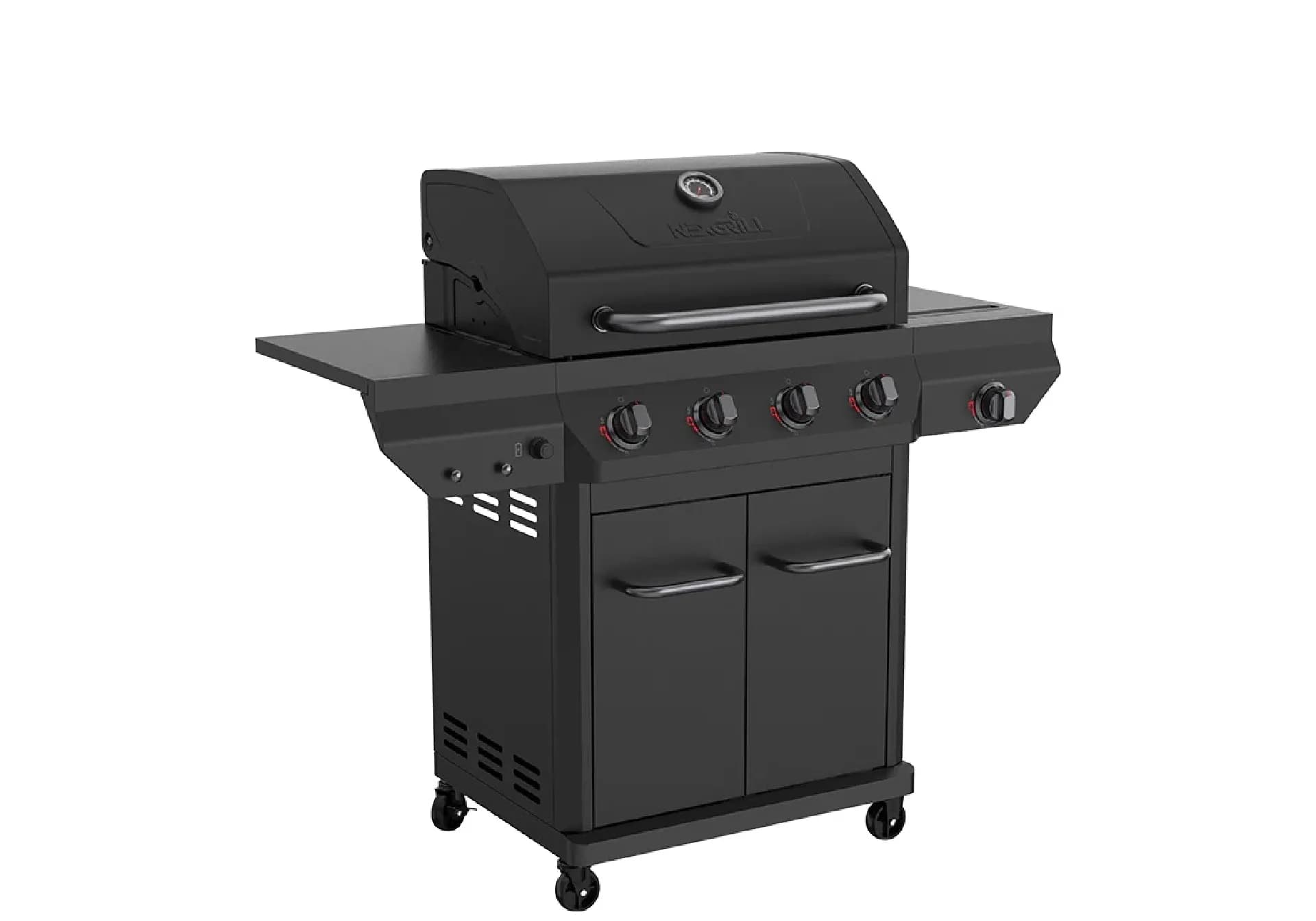
| 4-burner with side burner | Sauces, sides, and multitasking | Best if you want a cook station feel, not just a grilling surface |
For shoppers comparing the broader market, Consumer Reports and Lowe’s both emphasize that cooking performance, construction quality, and ease of use should matter more than one spec in isolation. That aligns with the real-world truth of grill ownership: the best model is the one that heats evenly, cleans reasonably well, and fits your space and cooking habits, not just the one with the biggest number printed on the spec sheet. Try comparing two products side by side below to see which fits best:
If you are narrowing the field, start with the features that affect everyday cooking. BTU output gets a lot of attention, but it should be interpreted carefully. A higher BTU rating can suggest strong heat potential, yet the real outcome depends on how the grill is built, how well it retains heat, and how evenly it spreads that heat across the surface. A well-designed 4-burner grill with moderate BTUs can outperform a higher-output model that leaks heat or heats unevenly. That is why the surface area, burner layout, and materials often matter more than the headline output number alone.
Cooking surface area is one of the first practical checks. A true 4-burner grill should provide enough room for multiple proteins and sides without crowding. If you routinely cook for a group, look for a surface that supports zone cooking rather than forcing everything into one tight area. Grate material matters too. Cast iron grates are often favored for strong heat retention and searing, while stainless steel grates are easier to maintain and tend to resist rust better in humid or coastal environments. Both can be worthwhile, but they serve slightly different priorities. A buyer who grills several times a week and wants easy cleanup may lean one way, while someone who values deep sear marks may lean another.
Materials elsewhere on the grill matter just as much. Stainless steel lids, side shelves, and burner components can improve durability, but not all stainless is equal, so it is smart to look at the overall construction rather than assume every shiny surface is premium. Cart stability, wheel quality, and storage space also deserve attention because they affect how easy the grill is to move, position, and use over time. If you keep tools, a thermometer, or a propane tank on board, the storage layout can be as important as raw cooking power.
Another practical feature is temperature control. Independent burner knobs give you the ability to build direct and indirect zones, and that is especially useful if you cook thicker cuts like bone-in chicken, pork chops, or tri-tip. A warming rack, if included, can also help manage timing when you are preparing multiple items. Side burners can be a bonus for finishing sauces or heating side dishes, but only if you will actually use them. Otherwise, they can add cost without improving your day-to-day cooking.
Tip: Choose the surface and burner layout first, then compare BTUs. Heat control and usable space usually matter more than raw output.
The fuel decision is one of the most important parts of shopping for a 4-burner gas grill. Propane models are portable and convenient because the fuel comes in refillable tanks, while natural gas models are tied to a home gas line and are best for fixed outdoor kitchens or permanent backyard setups. If you want to move the grill around, store it in a garage during certain seasons, or use it away from home, propane is usually the more flexible option. If you want uninterrupted fuel supply and do not want to swap tanks, natural gas can be more convenient in the long run.
A common question is how long a propane tank lasts on a 4-burner grill. The answer depends on tank size, BTU output, preheat habits, outside temperature, and how often you run multiple burners at once. In many U.S. backyard scenarios, a standard 20-pound tank may last roughly 10 to 20 hours of active grilling on a mid-range 4-burner setup, but that is only an estimate. Heavy preheating, cold weather, or long high-heat cooks can shorten that time. If you mostly grill burgers and vegetables for short sessions, your tank may stretch much farther than if you run all burners at high output for extended searing or rotisserie-style cooking.
| Fuel type | Main advantage | Main trade-off |
|---|---|---|
| Propane | Portable and easy to set up | Requires tank refills or exchanges |
| Natural gas | Continuous fuel supply | Needs a gas line and fixed installation |
For many households, the better option is simply the one that matches the setup they already have. If your patio is already configured for a gas line, natural gas can be a very convenient long-term choice. If you value mobility, or if you are still deciding where the grill will live, propane offers more flexibility and less installation complexity. Either way, the right grill should feel easy to use from the first cook, not like a project that takes over your weekend.
Once you have compared two 4-burner options side by side, the next question is how to make the one you choose last. Maintenance is where many grills succeed or fail over time, and the good news is that most of the important habits are simple. A 4-burner gas grill that gets regular cleaning, protected storage, and routine inspection can deliver many seasons of dependable use. A neglected grill, even a well-built one, will usually lose performance faster because grease, moisture, and food residue all work against it. Nexgrill’s brand guidance emphasizes dependable, real-world use and approachable ownership, which makes maintenance part of the value proposition rather than an afterthought .
The most important routine is cleaning the cooking grates while the grill is still warm. Warm grates release residue more easily than cold ones, so a quick brush after cooking can prevent buildup from becoming a tougher job later. After that, empty the grease tray or cup regularly so drippings do not accumulate and smoke up the next session. On burner-style grills, also inspect the burner ports for blockages. Small clogs can create uneven flame patterns, and uneven flame means uneven food. If you notice a burner lighting weakly or burning irregularly, clear the area carefully and check whether the grill needs deeper cleaning.
For propane models, inspect the hose and regulator connections periodically. You are looking for cracks, wear, or loose fittings. For natural gas grills, confirm that the supply connection is secure and that the grill is positioned safely relative to the hose path. These are not complicated tasks, but they are worth doing before the grilling season gets busy. If you live in a region with heavy rain, humidity, snow, or salty air, the outside of the grill deserves protection too. A fitted cover helps reduce corrosion and keeps dust and pollen from settling into the moving parts. That matters especially if your grill sits uncovered for long stretches between weekend uses.
Warning: Do not assume a cover replaces cleaning. Covers reduce weather exposure, but trapped grease and residue can still shorten the life of burners and grates.
What kind of lifespan should you expect? It varies widely by build quality, exposure, and care, but many homeowners in the United States use a gas grill for several years before major components need replacement. A grill kept in a protected area, cleaned after use, and stored properly in the off-season will generally outlast one left uncovered through winter and summer weather cycles. If you are buying for the long term, look for accessible replacement parts, removable grease systems, and materials that can be cleaned without special tools. Those details save time and help preserve performance.
Accessories should make the grill more useful, not more cluttered. The most practical add-ons for a 4-burner gas grill are the ones that improve organization, protection, and cooking flexibility. A quality grill cover is near the top of the list because it protects the finish, burners, and internal components from weather and debris. If your grill spends time on an open patio, this is one of the easiest ways to extend its service life. Tool hooks, side shelves, and warming racks also matter because they reduce trips back and forth between the kitchen and the grill.
Side burners deserve a special mention. They are useful for finishing barbecue sauce, reheating beans, or keeping a cast-iron pan warm while the main burners handle the meat. If you often cook complete outdoor meals, this feature can improve flow and reduce kitchen traffic. On the other hand, if you mostly grill a main protein and a couple of vegetables, a side burner may not be essential. That is why the best buying decision comes from matching the accessory package to your actual routine instead of chasing every available upgrade.
Thermometers and heat-safe gloves are also worth considering because they improve consistency and safety. A built-in lid thermometer is useful for overall temperature awareness, but a separate instant-read thermometer gives you much more confidence when checking chicken, pork, or thicker steaks. For users who like to meal prep or host often, a good spatula set, grill basket, and drip pan setup can make the 4-burner format feel even more capable.
| Accessory | Why it helps | Best for |
|---|---|---|
| Grill cover | Reduces weather exposure and dust buildup | Outdoor storage |
| Side burner | Adds sauce and side-dish flexibility | Full outdoor meals |
| Instant-read thermometer | Improves doneness accuracy | Chicken, steak, pork |
If you are comparing a 4-burner grill with a 5-burner model, think about how often you actually need the fifth burner. A 5-burner grill can offer more zones and sometimes a larger footprint, but it also tends to require more space, more fuel, and a bigger upfront investment. For many households, a well-designed 4-burner grill is the better value because it covers the full range of typical backyard cooking without adding complexity you may not use. The extra burner only makes sense if you regularly cook for larger crowds or want a dedicated zone for specialty cooking.
User reviews are most useful when you read them for patterns, not headlines. If many owners mention even heating, easy ignition, and a straightforward assembly process, those repeated comments usually tell you more than a single five-star or one-star post. The same is true in reverse: if multiple buyers complain about hot spots, weak hardware, or difficult cleanup, that is a signal worth paying attention to. In the gas grill category, long-term ratings often reflect whether the grill stays reliable after the first season, not just whether it looks impressive out of the box.
When evaluating reviews, separate performance comments from expectation issues. Some buyers rate a grill poorly because they expected restaurant-grade results from a mid-priced product. Others praise a grill because it met realistic expectations for weeknight cooking and weekend entertaining. That distinction matters in the 4-burner category, where value and practicality usually matter more than luxury finish. Reviews that mention steady preheat times, good flame control, and parts that hold up to regular use are often more helpful than vague praise about appearance.
Also look for feedback from users with situations similar to yours. A family cooking for four in suburban Arizona may care about heat management and fuel efficiency in a different way than a coastal homeowner dealing with humidity and rust risk. A buyer using propane on a patio will have different priorities than someone installing a natural gas grill in an outdoor kitchen. The best reviews tell you how a grill performs in everyday life, not just how it looks on day one. That is why reading a broad mix of ratings gives you a much better picture of value than focusing only on the average score.
Info: The most trustworthy reviews usually mention assembly, heat consistency, cleanup, and how the grill performs after several months of use.
A 4-burner gas grill is a strong choice when you want a versatile, family-friendly cooking setup that can handle everyday meals and casual entertaining. The category gives you enough room to create multiple heat zones without stepping into the size and fuel demands of a larger machine. For most buyers, the smartest decision is not simply choosing the grill with the highest output or the most bells and whistles, but selecting the model whose surface, materials, and fuel type best match the way they cook at home.
If your priority is classic grilling, look for a 4-burner gas grill with dependable burner control, durable grates, and a layout that supports direct and indirect cooking. If you prefer breakfast foods, stir-fry, or a more even flat cooking surface, a 4-burner griddle may be the better fit. If you want the convenience of a permanent fuel supply, natural gas can make sense; if you want portability and easier setup, propane is usually the more flexible route. Either way, the best 4-burner gas grill is the one that makes outdoor cooking feel easy enough to use often, not just impressive on delivery day.
Here's what sets us apart
We position ourselves as delivering high-end outdoor cooking features and performance without premium-brand pricing, emphasizing “Quality Grills. Unbelievable Value.”
We offer gas grills, pellet grills, griddles, smokers, pizza ovens, portable/tabletop grills, electric grills, accessories, and replacement parts — allowing customers to stay within one ecosystem for all outdoor cooking needs.
We differentiate ourselves through smart grilling products like the Oakford smart pellet grill, including app-connected cooking controls and modern outdoor cooking technology.
Don't just take our word for it
Keep reading
From our catalog