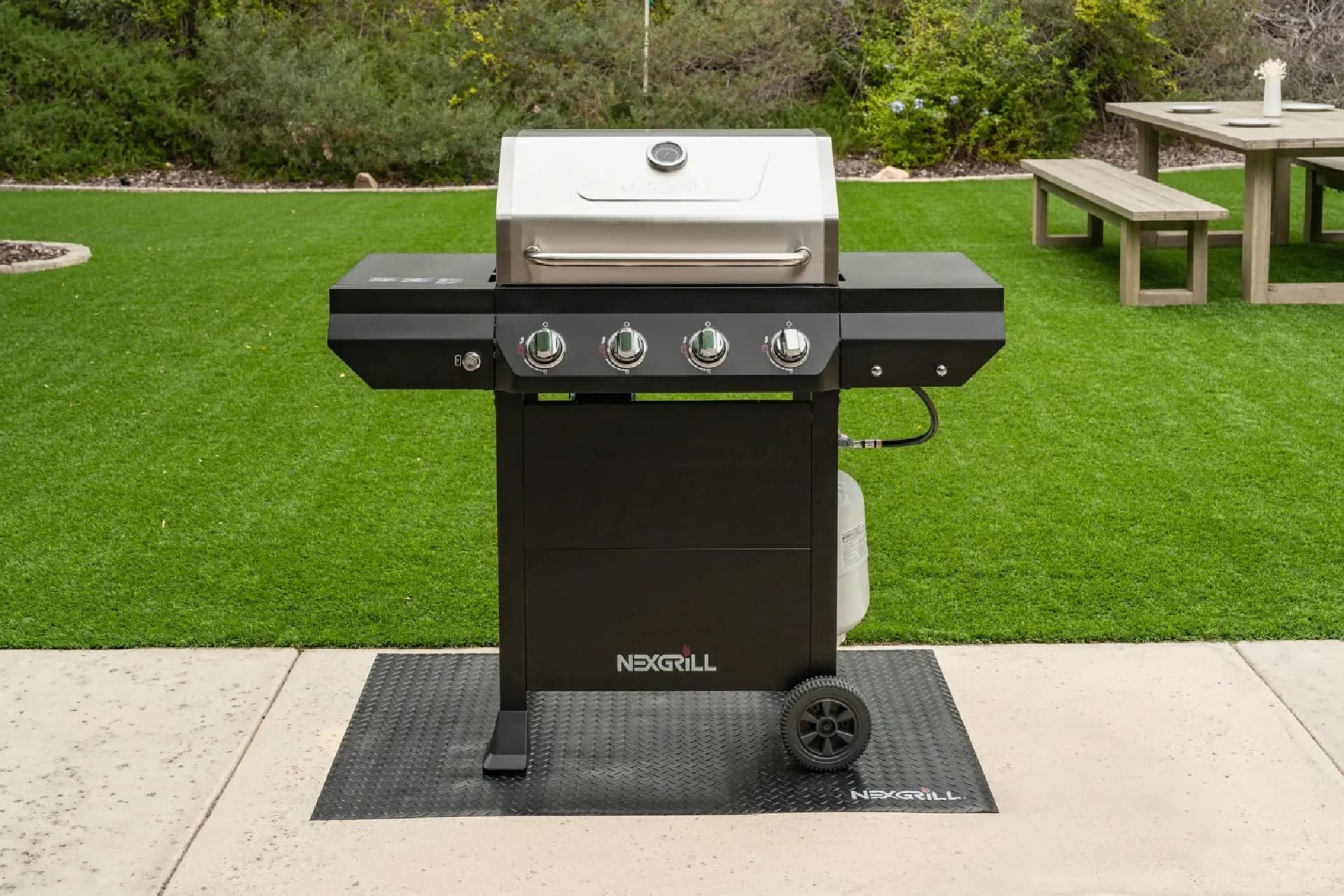
An in-depth analysis of 38,000 BTU gas grills, focusing on user experience and brand comparisons.
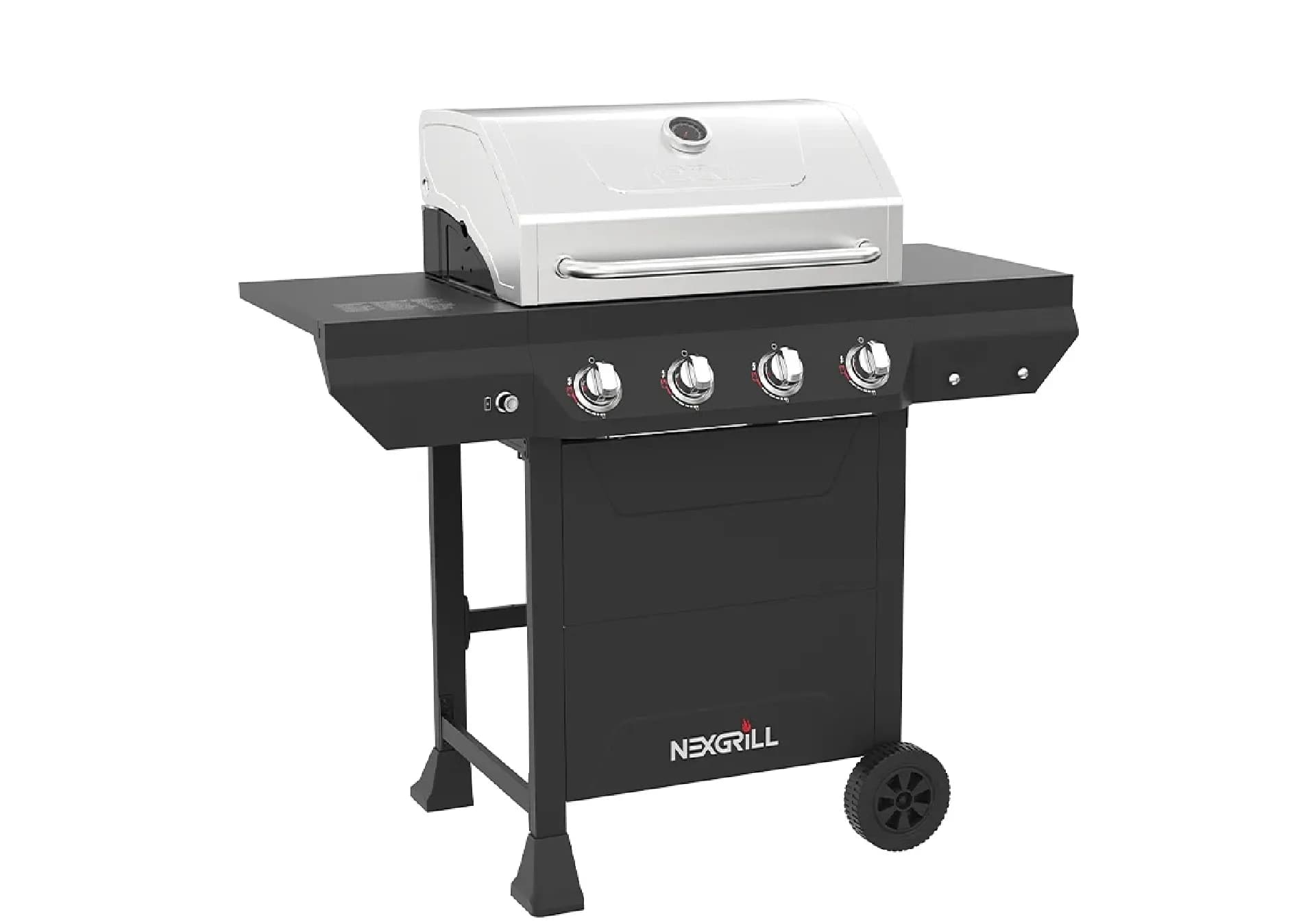
Here's what sets us apart from the competition
We position ourselves as delivering high-end outdoor cooking features and performance without premium-brand pricing, emphasizing “Quality Grills. Unbelievable Value.”
We offer gas grills, pellet grills, griddles, smokers, pizza ovens, portable/tabletop grills, electric grills, accessories, and replacement parts — allowing customers to stay within one ecosystem for all outdoor cooking needs.
We differentiate ourselves through smart grilling products like the Oakford smart pellet grill, including app-connected cooking controls and modern outdoor cooking technology.
Expert tips, buying guides, comparisons, and inspiration for choosing and getting the most out of your grill.
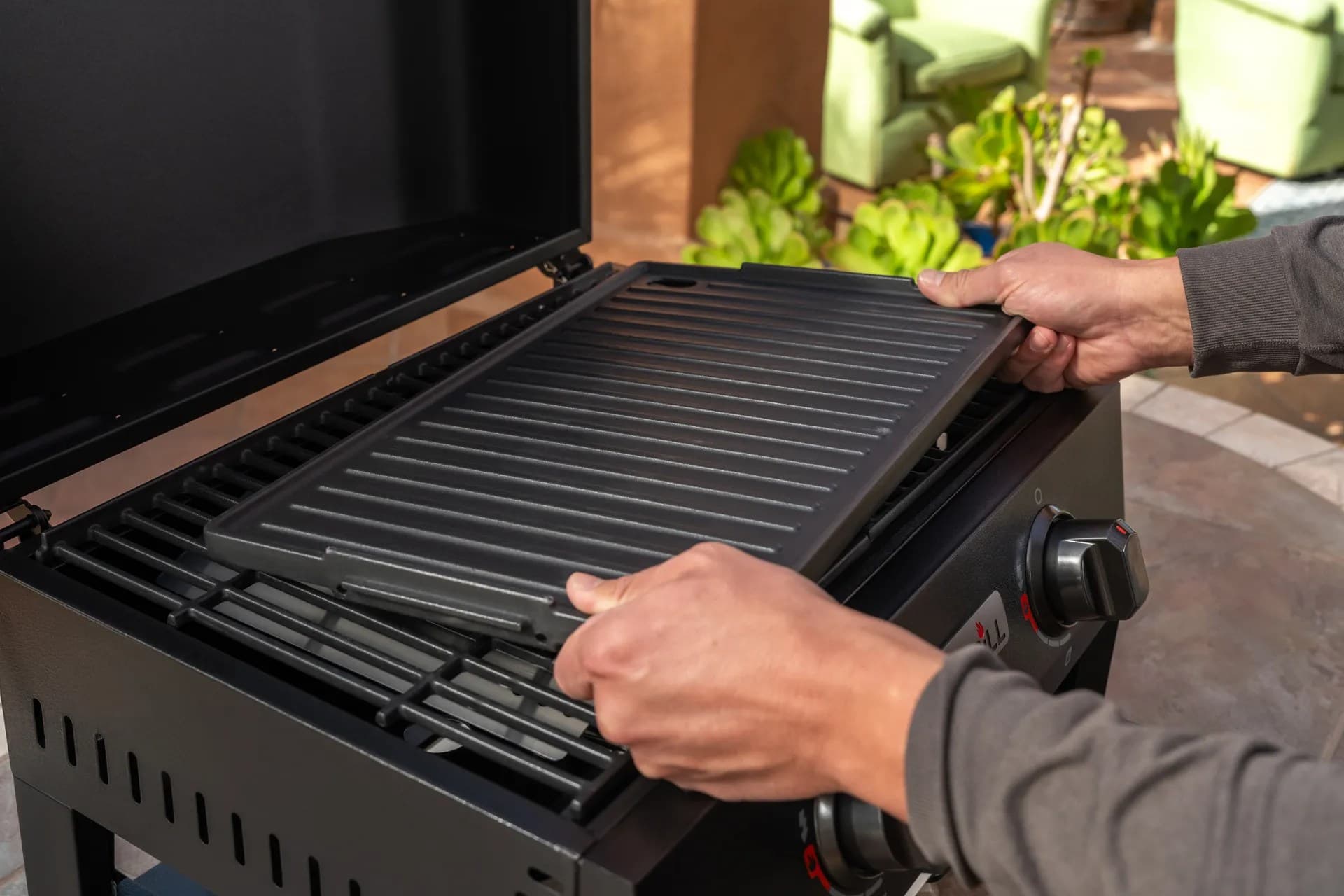
Practical guides for cleaning, maintenance, common grill issues, and performance optimization.
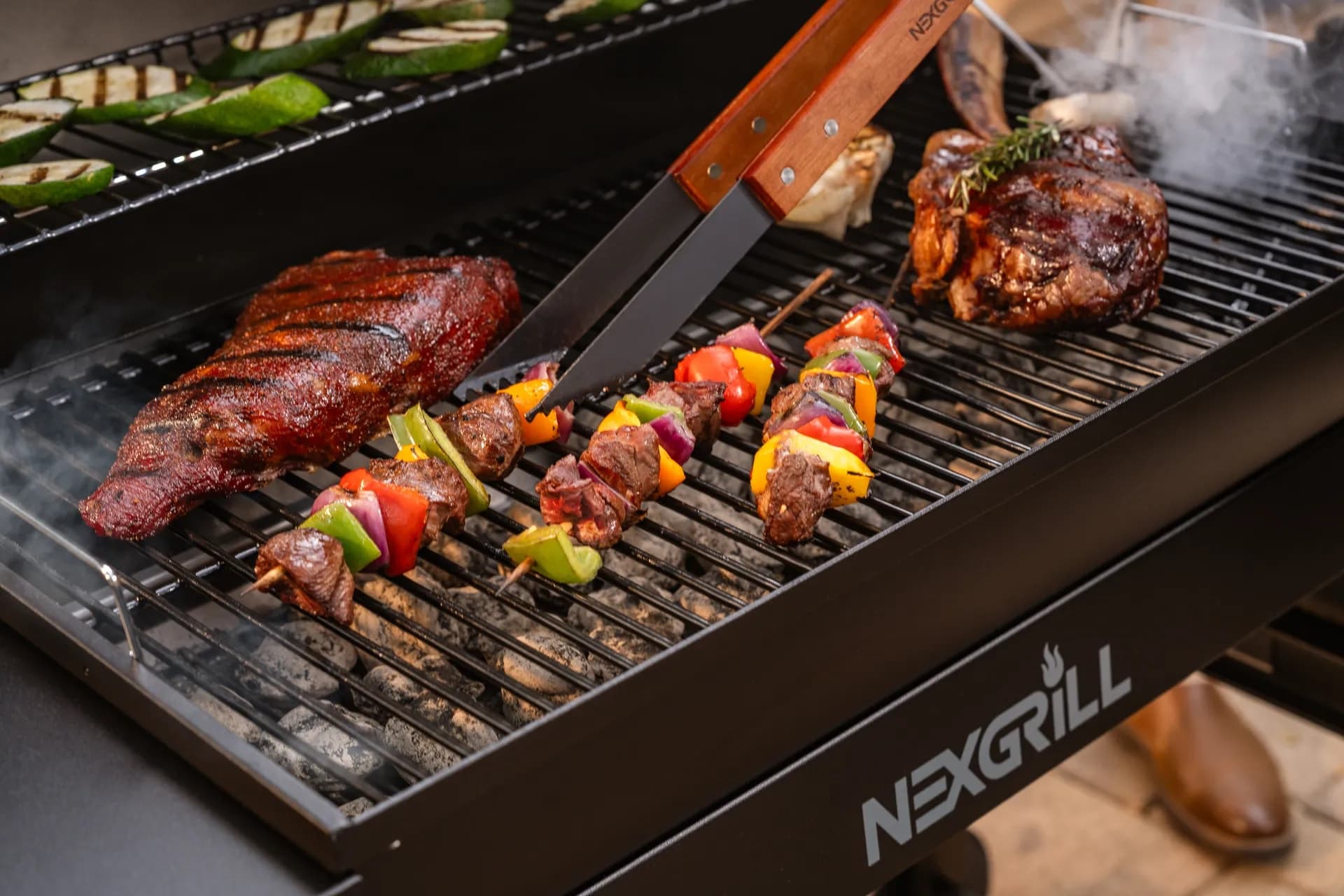
Step-by-step grilling recipes, cooking techniques, and meal ideas for every occasion and skill level.

Backyard entertaining ideas, seasonal grilling inspiration, and stories that celebrate outdoor cooking culture.
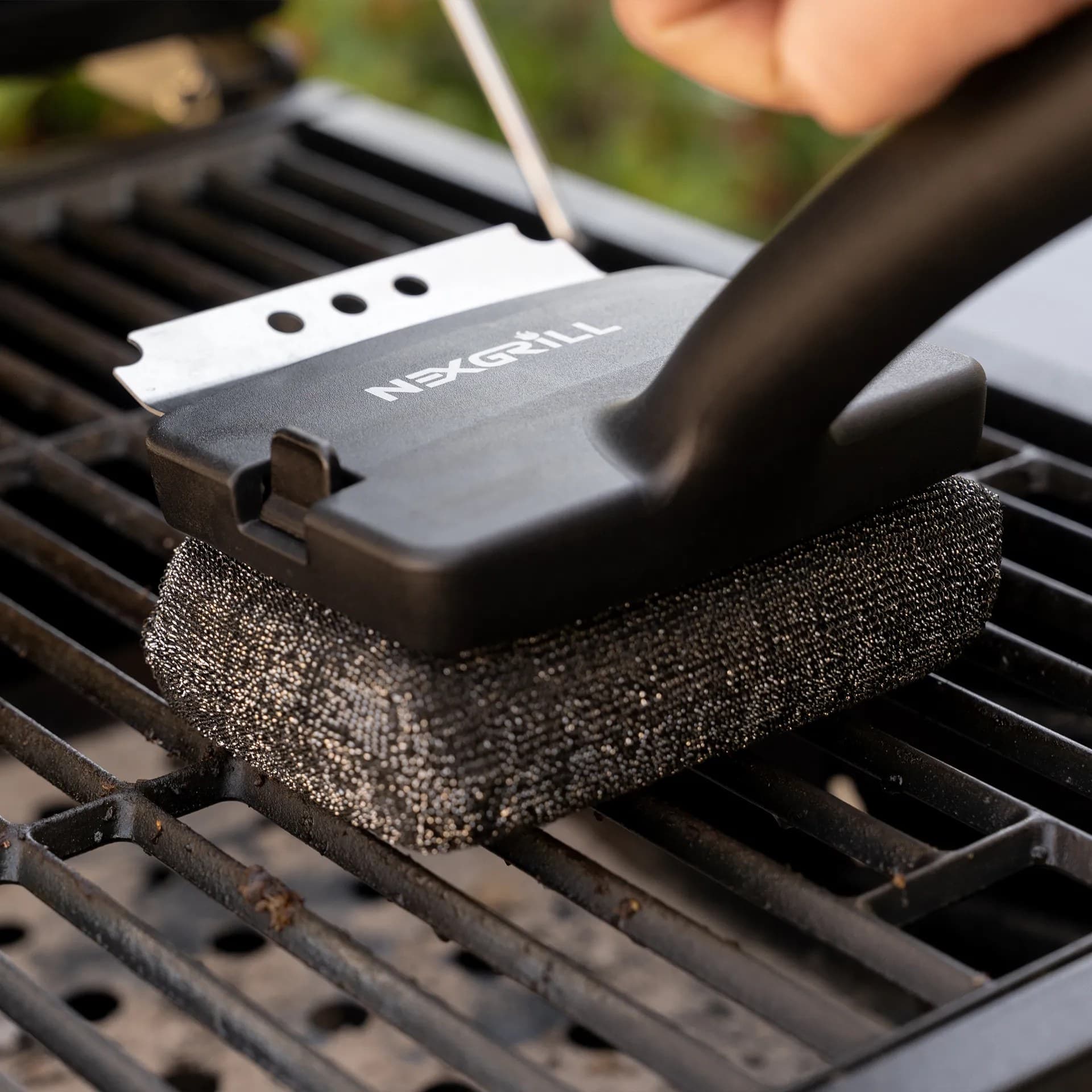
Helpful articles covering grilling tools, cookware, maintenance gear, and must-have accessories for outdoor cooking.
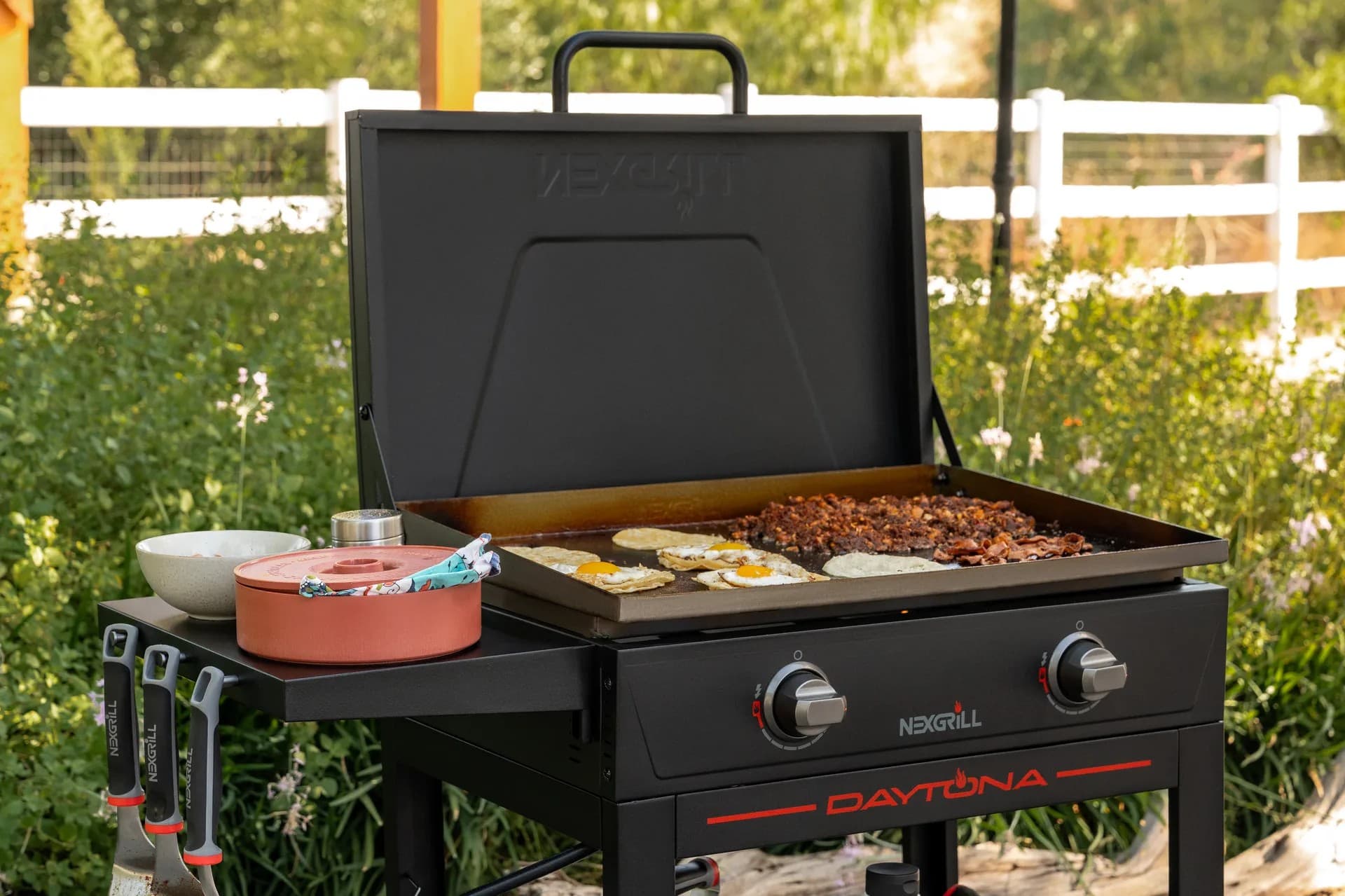
Find griddle recipes, cooking techniques, cleaning tips, and outdoor meal ideas designed for Nexgrill griddles.
Find answers to common questions
Nexgrill offers a variety of gas grills, including standard models, portable options, and premium designs with advanced features. Each is designed to cater to different grilling needs and preferences.
To clean your Nexgrill gas grill, regularly scrape down the grates, empty the grease tray, and wipe down exterior surfaces. Consult your model's manual for specific maintenance instructions and recommended cleaning products.
Nexgrill gas grills are designed to use either propane or natural gas, depending on the model. Ensure you read the specifications to determine the appropriate fuel type for your grill.
Many Nexgrill models can be converted from propane to natural gas with a conversion kit. Check the owner's manual for compatibility and details on the conversion process.
If your Nexgrill gas grill is not lighting, first check the fuel supply, ensure the gas lines are free of obstructions, and verify that the igniter is functioning. Consult the user manual for troubleshooting tips specific to your model.
In This Article
Key Features
Performance Metrics
Brand Comparisons
A 38,000 BTU gas grill sits in a very practical middle ground for many U.S. households. It is not usually the largest cooker in a lineup, and it is not trying to win a contest for raw fuel output. Instead, it is often aimed at buyers who want enough heat to sear steaks, roast chicken, and handle weeknight meals without stepping into the size, cost, and fuel consumption of a bigger backyard machine. That balance matters because BTU numbers alone do not tell the whole story. The real question is how well a grill turns that heat into usable cooking performance across the grate, on a windy patio, and after the lid has been opened a few times during service.
For many shoppers, the appeal of a 38,000 BTU gas grill comes from its combination of approachable operating cost and enough capacity for real family use. A grill in this range can be a strong fit for couples, small families, or anyone cooking for four to six people on a regular basis. It also tends to be easier to place on a patio or deck than a bigger six-burner model, which is part of why this category remains so popular among buyers comparing value-oriented gas grills. In practical terms, the grill should preheat quickly, recover heat after food is added, and maintain enough stability to support both direct grilling and more controlled indirect cooking.
BTU is only one piece of the story. Cooking area, lid design, burner layout, and grate material often matter more than a headline number.
This review focuses on the realities buyers feel after the box is opened: how evenly the grill cooks, how sturdy the components are, whether the ignition system is dependable, and how easy the unit is to live with over time. That approach is especially useful because two grills with the same BTU rating can perform very differently if one has poor heat retention, thin metal, or a weak flame pattern. In other words, the best 38,000 BTU gas grill is not automatically the one with the biggest number on the carton; it is the one that delivers dependable heat where the food actually sits.
If you are comparing this category against higher-output gas grills, it helps to think in terms of use case. A 38,000 BTU grill may be enough for burgers, chicken thighs, brats, vegetables, and even a handful of steaks cooked with a proper preheat. If you frequently cook for large gatherings, rotate multiple proteins at once, or want a larger indirect zone for roasts and whole birds, a higher-output or larger-surface model may be more appropriate. The point of this article is to help you separate real-world performance from marketing language so you can choose a grill that fits your patio, your household, and your cooking habits.
The most useful features in a 38,000 BTU gas grill usually do not show up in a single spec line. They show up in how the grill is built. Burner count, material thickness, grate composition, ignition reliability, and hood design all shape the experience more than BTUs alone. A well-designed 38,000 BTU grill should distribute heat in a way that feels predictable, with fewer hot spots in the center and fewer cold corners near the edges. For a buyer in the United States, especially someone shopping for a standard backyard setup, this consistency is often more important than chasing a bigger number that may not improve cooking quality.
| Feature | What it should do | Why it matters |
|---|---|---|
| Cooking grates | Hold heat and leave clear sear marks | Improves browning and temperature stability |
| Burner layout | Spread flame evenly across the surface | Reduces hot spots and uneven doneness |
| Lid height | Provide room for thicker cuts and indirect cooking | Gives more flexibility for roasts and whole poultry |
| Ignition system | Start the grill quickly and consistently | Reduces frustration and start-up delays |
| Body materials | Resist corrosion and retain heat | Affects lifespan, warmth retention, and value |
Material quality is one of the most overlooked differentiators. Thin sheet metal can make a grill feel light and affordable, but it may also lose heat faster on cool or windy days. Heavier components, stainless steel accents, and better-fit lids generally improve consistency. You do not need luxury-grade construction to get good results, but you do need enough mass and fit to hold temperature once the grill has warmed up. That is especially true for a 38,000 BTU model, where the goal is often balance rather than brute force.
Tip: Look at the grill as a system. If the ignition, lid seal, grates, and burner spacing work together, a modest BTU rating can cook better than a higher-output grill with weak construction.
Consumers also benefit from paying attention to workspace and storage. Side shelves matter when you are moving raw and cooked food around the grill, especially during longer cooks. A warming rack is useful when you want to keep buns, vegetables, or finished pieces warm without overcooking them. Grease management should also be part of the feature review. A removable tray or easy-access drip path makes cleanup easier and reduces the buildup that can affect flavor or flare-up risk over time. In a crowded backyard market, these practical touches often separate a grill you enjoy from a grill you merely tolerate.
Performance is where the numbers get real. A 38,000 BTU gas grill should not be judged only by how fast it lights or how high the temperature dial climbs. The better question is whether it reaches cooking temperature efficiently and then stays there while food is being loaded, turned, and finished. For typical U.S. backyard use, that means evaluating preheat time, recovery after lid openings, searing ability, and temperature spread from front to back. A grill that heats unevenly can still be sold as powerful, but that power is not very useful if one side charred the steaks while the other side left them pale.
In a real-world session, a quality 38,000 BTU grill should preheat in a reasonable window and create enough surface heat for browning without making the user constantly fight flare-ups. If the burners are arranged well, you should be able to build zones: hotter for searing near the active burner, cooler for finishing on the opposite side, and a medium zone for vegetables or chicken pieces that need more time. That zone control is where the category earns its keep. It may not be the fastest or largest class of grill, but it can be one of the most flexible for households that cook a little of everything.
Usually enough for dependable everyday grilling when paired with solid heat retention and smart burner spacing
When comparing with higher-BTU grills, the difference is not always that the larger unit cooks better; often it simply heats a larger space or recovers faster under heavy use. A well-built 38,000 BTU grill can outperform a higher-output model in day-to-day cooking if the smaller grill has better grates, tighter lid fit, or more even flame distribution. This is why many experienced buyers read reviews carefully for comments about hot spots, flare-ups, and how the grill behaves after ten or fifteen minutes of live cooking. Those details reveal whether the BTU rating is translating into genuine cooking control.
Consumer reports and expert buying guides consistently emphasize that grill performance depends on more than BTUs. In practice, that means you should pay attention to cooking performance rather than letting the spec sheet dictate your decision. Higher BTU ratings can help in certain cases, but they can also disguise inefficiency if the firebox leaks heat or the burners are poorly engineered. The smartest buyers look for evidence of even heating, stable construction, and practical features that make the grill easy to use often, not just easy to buy. Try comparing two products side by side below to see which fits best:
Once you have weighed two options against each other, the next step is to judge the brand behind the grill as carefully as the spec sheet. That matters because a 38,000 BTU gas grill from one manufacturer can feel completely different from another even when the headline output is similar. Brand comparison should focus on heat consistency, cabinet and lid construction, burner reliability, and the amount of usable cooking space relative to the BTU rating. In the U.S. market, Weber and Napoleon are often part of this conversation because both brands are known for gas grill lines that emphasize thoughtful design rather than simply raw output.
Weber’s gas grill lineup is often associated with practical controls, durable components, and a straightforward user experience. Buyers who prefer a clean setup, easy ignition, and widespread support tend to pay attention to Weber because the brand has long positioned itself around reliability and usability. Napoleon, by contrast, often attracts shoppers who want a little more feature density and a more premium-feeling cooking platform in certain models. For a 38,000 BTU comparison, the deciding factors are usually not flashy extras but how well the grill turns that output into useful cooking zones. A grill with a smart burner arrangement and robust heat retention can feel more capable than a stronger-sounding but less refined competitor.
| Comparison point | Weber | Napoleon |
|---|---|---|
| Overall feel | Practical, familiar, user-friendly | Feature-rich with a more premium tone |
| Cooking experience | Straightforward heat control | Strong emphasis on cooking versatility |
| Best for | Buyers prioritizing dependability | Buyers wanting more built-in features |
| What to inspect | Ignition, grate quality, heat recovery | Zone control, lid build, component fit |
If you are choosing between brands, think about how you grill, not just what you grill. A host who cooks family dinners three nights a week may value predictable controls and quick cleanup more than extras. A weekend entertainer who regularly cooks multiple proteins may appreciate a brand that offers more control over zones and accessories. The right answer is the one that supports the way you actually cook in your own yard. Price also matters, but not in isolation. A slightly more expensive grill that avoids replacement frustration, uneven heating, and weak startup can deliver better value over several seasons.
The budget-conscious homeowner should focus on the simplest grill that still provides even heat, a dependable ignition, and enough cooking area for the household. The frequent griller should prioritize stronger build quality, better lid retention, and easier grease cleanup because those details reduce friction over time. The confident home cook who likes to vary between quick sears and longer indirect cooks should place zone control and grate quality at the top of the list. In each case, a 38,000 BTU grill can be a smart buy if the construction supports the output.
Customer feedback on 38,000 BTU gas grills tends to cluster around a few recurring themes. Buyers often praise grills that heat quickly, start reliably, and feel intuitive to use on the first weekend after delivery. Positive reviews usually mention steadier temperatures, good searing on burgers and chops, and a form factor that is not overwhelming on an average patio. In contrast, negative reviews often point to uneven heat, weak knobs or ignitions, difficult assembly, or materials that feel too light for regular outdoor exposure. Those comments are valuable because they tell you what happens after the showroom shine fades.
A helpful way to read reviews is to separate first impressions from long-term ownership. First-week praise can be driven by fast ignition and attractive styling, while six-month feedback reveals whether the grill resists rust, holds consistent temperatures, and keeps its burners clear. For many shoppers, the most trustworthy reviews are the ones that mention specific foods and routines: a grill that handles steaks well but struggles with chicken thighs, or one that performs well in summer but loses heat in cooler spring weather. Those details help you match the grill to your climate and cooking habits instead of relying on generic star ratings.
Warning: A review that only says “great grill” or “bad quality” is not very useful. Look for comments about heat recovery, burner reliability, and how the grill performs after repeated use.
For a buyer in the U.S., practical ownership concerns often matter just as much as cooking results. Delivery damage, partially missing hardware, or confusing assembly instructions can turn a promising purchase into a frustrating one before the first meal is cooked. On the other hand, a grill that is simple to assemble, quick to light, and easy to clean tends to earn repeat use, and repeat use is the strongest sign that the purchase was worthwhile. The strongest customer consensus usually favors grills that feel stable, deliver even heat, and make daily grilling easy enough to become a habit.
A 38,000 BTU gas grill can last much longer when it is maintained like a cooking appliance rather than treated like patio furniture. The simplest routine is also the most effective: brush the grates while they are still warm, empty grease collection areas often, and check burners for clogged ports before they affect flame shape. These habits protect performance, reduce flare-up risk, and help the grill keep the even heat that made it appealing in the first place. Because this size grill is often used frequently, upkeep is not optional if you want consistent results.
| Maintenance task | How often | What it prevents |
|---|---|---|
| Brush grates while warm | After most cooks | Buildup, sticking, off-flavors |
| Inspect burners and flame ports | Monthly during season | Uneven flames and weak heating |
| Clean grease tray and drip path | Every few uses | Flare-ups and mess |
| Use a fitted cover | Whenever stored outdoors | Moisture damage and corrosion |
| Check hose and connections | Before seasonal use | Fuel leaks and startup issues |
A good maintenance routine also includes seasonal awareness. If the grill sits unused during colder months, clean it thoroughly before storage so residue does not harden or attract moisture. In spring, recheck the ignition, burner flames, and propane connection before the first long cook. Even when the grill appears fine from the outside, a clogged burner port or dirty grease channel can quietly undermine performance. This is one reason why regular ownership care produces better results than reactive repairs.
Tip: If one side of the grill starts cooking faster than the other, inspect the burner ports and look for grease buildup before assuming the unit is worn out.
The best 38,000 BTU gas grill is the one that gives you consistent heat, dependable startup, and enough cooking flexibility for your household without paying for capacity you do not need. For most buyers, that means looking past headline BTUs and judging the full package: burner layout, grate quality, lid fit, cleanup design, and overall build. Those factors explain why some mid-output grills feel far more capable than others on the same spec sheet.
If you want the most balanced choice, prioritize even heating and ease of use. If you care more about feature depth, compare brand offerings closely and look for the model that gives you the best combination of performance and workspace. If you grill frequently, choose the grill that seems easiest to maintain, because a clean and well-cared-for unit will keep performing better for longer. The right 38,000 BTU grill is not the loudest machine in the category; it is the one that fits your routine and delivers good food with less effort.
Here's what sets us apart
We position ourselves as delivering high-end outdoor cooking features and performance without premium-brand pricing, emphasizing “Quality Grills. Unbelievable Value.”
We offer gas grills, pellet grills, griddles, smokers, pizza ovens, portable/tabletop grills, electric grills, accessories, and replacement parts — allowing customers to stay within one ecosystem for all outdoor cooking needs.
We differentiate ourselves through smart grilling products like the Oakford smart pellet grill, including app-connected cooking controls and modern outdoor cooking technology.
Don't just take our word for it
Keep reading
From our catalog